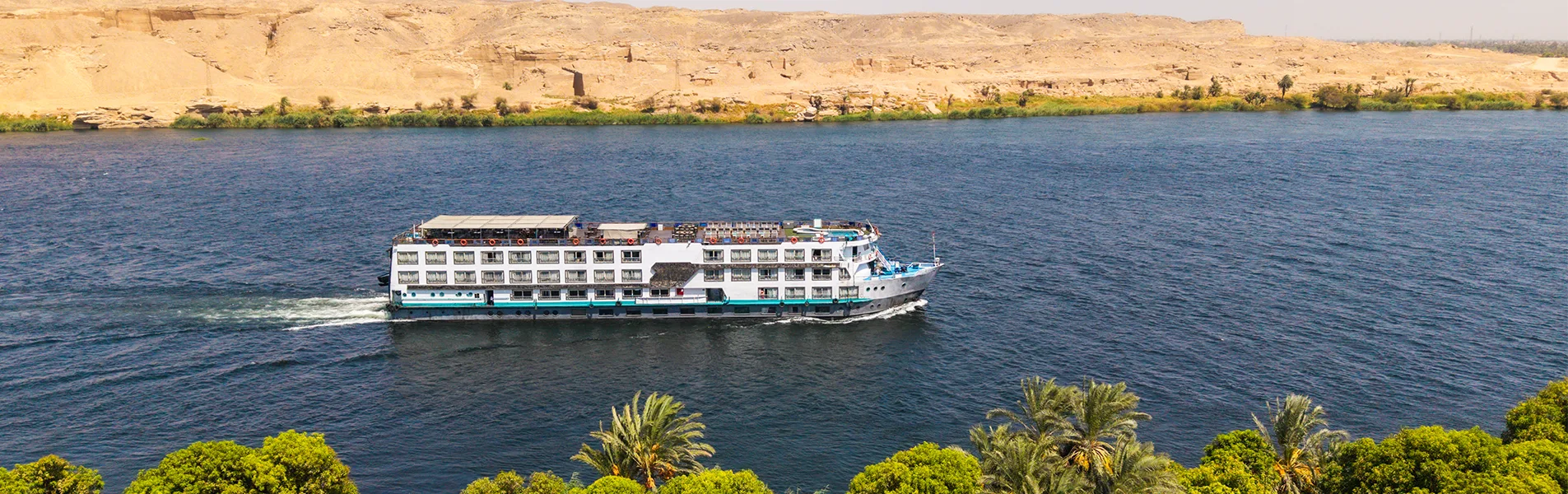
The top sites to visit on a Nile cruise include Karnak Temple, Luxor Temple, the Valley of the Kings, Hatshepsut Temple, Edfu Temple, Kom Ombo Temple, Philae Temple, Abu Simbel, and charming Nile River villages. These iconic locations showcase Egypt’s ancient history, stunning architecture, and the beauty of the Nile experience.
Whether you’re sailing from Luxor to Aswan or the reverse, these top attractions define every unforgettable Nile cruise itinerary. Let’s explore the 10 must-see sites that make this journey one of the world’s greatest travel experiences.
1. Karnak Temple
Historical significance
Karnak Temple isn’t just a temple—it’s a world of its own. The moment you step through its gates, you enter a massive sacred complex built over 2,000 years by dozens of pharaohs. As an Egypt travel specialist, I’ve visited Karnak more times than I can count, yet its grandeur never loses its impact.
You’ll walk through the Great Hypostyle Hall, a forest of 134 towering sandstone columns rising like ancient papyrus stalks. The inscriptions still pop vividly under the desert sun, telling stories of pharaohs, gods, and the power of ancient Thebes.
Karnak is dedicated primarily to Amun-Ra, the chief deity of ancient Egypt, making it the most important religious complex in the country. In antiquity, millions of pilgrims traveled here—just as travelers do today.
Guided tour tips
- Go early to avoid the crowds and catch the soft sunrise light hitting the columns—perfect for photography.
- Walk with an Egyptologist guide who can decode the reliefs and hieroglyphs; this site is massive and rich with symbolism.
- Don’t miss the Sacred Lake, where priests performed purification rituals.
- Visit the Avenue of Sphinxes, which once connected Karnak to Luxor Temple.
Why it matters:
Karnak Temple sets the tone for your entire Nile cruise. It’s the first major site most travelers visit—and it instantly brings the ancient world to life.
2. Luxor Temple
Evening light show
Luxor Temple is one of the few temples in Egypt that comes alive after sunset. The warm golden lights cast dramatic shadows on the columns, statues, and obelisks, creating an atmosphere unlike any other ancient site.
Originally built by Amenhotep III and expanded by Ramses II, the temple has been a living monument for thousands of years. It even contains traces of a church and a mosque, making it a stunning timeline of Egypt’s layered history.
If your Nile cruise includes an overnight in Luxor, don’t skip the sound and light show—a theatrical retelling of the temple’s story that feels immersive and emotionally charged.
Photography tips
- Capture the Ramses II colossi at the entrance—these statues glow beautifully under the evening lights.
- Use the long colonnade as a natural frame for golden-hour shots.
- For night photography, hold your camera steady or use a tripod for crisp shots.
Why it matters:
Luxor Temple is the poetic counterpart to Karnak. Visiting both gives you a complete picture of ancient Thebes’ spiritual power.
3. Valley of the Kings
Tomb highlights
The Valley of the Kings feels like stepping into the private world of pharaohs. Hidden between rugged mountains are over 60 royal tombs, each filled with paintings, hieroglyphs, astronomical symbols, and burial magic meant to guide the kings through the afterlife.
Highlights you can’t miss:
- Tomb of Tutankhamun – small but iconic
- Tomb of Ramses V/VI – famous for its stunning astronomical ceiling
- Tomb of Seti I (extra ticket) – considered the most beautiful tomb in Egypt
- Tomb of Merenptah – large chambers and vivid artwork
Travelers often ask: Is the Valley of the Kings worth the hype?
Yes—100 times over. The richness of the colors, the scale of the chambers, and the silence inside the tombs transport you to another era.
Best visiting hours
- Visit early morning before it gets hot (temperatures rise quickly).
- Avoid midday—most tours arrive then, and the valley becomes crowded.
- Wear comfortable shoes; the paths involve gentle slopes and sand.
Why it matters:
This is one of the top attractions on any Nile cruise. No trip to Egypt is truly complete without standing inside a royal tomb.
4. Valley of the Queens
Key tombs
Compared to the Valley of the Kings, the Valley of the Queens feels quieter and more intimate—but no less impressive. It was the burial ground for royal wives, princesses, and princes.
The star attraction here is the Tomb of Queen Nefertari, often called the Sistine Chapel of Ancient Egypt. Its colors look freshly painted, with radiant reds, deep blues, and brilliantly preserved details.
Other notable tombs include:
- QV55 – Tomb of Amenherkhepshef, a son of Ramses III
- QV44 – Tomb of Khaemwaset, another royal prince
Historical context
The valley served as a sanctuary for female royalty during the New Kingdom period. The tombs emphasize femininity, motherhood, beliefs about rebirth, and the protective role of goddesses like Hathor and Isis.
Why it matters:
Visiting the Valley of the Queens deepens your journey into ancient Egyptian family life and the royal women who shaped history.
5. Hatshepsut Temple
Architectural uniqueness
Few monuments in Egypt are as visually striking as the Mortuary Temple of Hatshepsut, carved directly into the cliffs at Deir el-Bahari. Its three terraces and sweeping ramps create a backdrop that feels like a movie set.
Queen Hatshepsut—one of Egypt’s greatest female pharaohs—commissioned this temple to celebrate her reign, divine birth, and trading expeditions (especially the famous voyage to the Land of Punt).
The temple features:
- Colonnades lined with elegant statues
- Reliefs showcasing trade, prosperity, and religious rituals
- A dramatic setting beneath towering limestone cliffs
Travel tips
- Visit in the morning when the façade is perfectly lit.
- Combine the visit with the nearby Valley of the Kings for an efficient day.
- Bring a hat or sunblock—this area has little shade.
Why it matters:
This temple celebrates one of the most powerful women in ancient history and offers unforgettable panoramic views of the Theban mountains.
6. Philae Temple
Aswan highlights
In Aswan, everything feels calmer—gentle breezes, smooth waters, and colorful Nubian culture. Philae Temple, dedicated to Isis, is the jewel of this tranquil region.
Once threatened by rising Nile waters, UNESCO relocated the temple to Agilkia Island, stone by stone. The result is a masterpiece that seems to float on the river.
Inside, you’ll see:
- Feminine reliefs depicting Isis, Horus, and Osiris
- Beautiful pylons framed by palm trees
- Peaceful courtyards are perfect for slow exploration
Optional felucca visit
For an authentic experience, take a felucca ride around the island. You’ll glide past granite boulders, herons, and small islands—an unforgettable Aswan moment.
Why it matters:
Philae captures the spirit of Upper Egypt: sacred, serene, and deeply connected to the Nile.
7. Kom Ombo Temple
Dual deities
Kom Ombo Temple stands uniquely at the very edge of the Nile. It is devoted to not one but two gods:
- Sobek, the crocodile god of strength and fertility
- Horus the Elder, god of protection
This dual dedication created a symmetrical temple design—two entrances, two halls, two sanctuaries.
Historical notes
Kom Ombo also served as an ancient medical center. Inside, you’ll find:
- Surgical tools carved in stone
- Reliefs of medical procedures
- A crocodile museum displaying mummified crocodiles
Why it matters:
Kom Ombo combines religion, medicine, and mythology in one extraordinary riverside setting.
8. Edfu Temple
Horus temple
Edfu Temple is one of the best-preserved temples in the ancient world. Dedicated to Horus, the falcon god, it rises dramatically over the city like a stone guardian.
Inside, you’ll experience:
- Massive pylons with powerful scenes of Horus defeating Seth
- Sacred chambers and a detailed sanctuary
- Shadowy corridors that evoke ancient rituals
Edfu is often considered the most atmospheric temple on a Nile cruise.
Visiting hours
- Visit in the early morning when the sunlight illuminates the pylons
- The temple can get busy, so early visits feel more immersive
Why it matters:
Edfu brings ancient mythology to life, especially the eternal battle between Horus and Seth.
9. Abu Simbel (Optional Excursion)
Ramses II temples
No site in Egypt feels as awe-inspiring as Abu Simbel. Even if it’s an add-on, it’s one of the most rewarding excursions from a Nile cruise.
The Great Temple features four colossal statues of Ramses II, each 20 meters high. Inside, richly decorated chambers honor the pharaoh’s legacy and military victories.
Beside it stands the Temple of Nefertari, dedicated to the goddess Hathor and Ramses’ beloved queen.
Travel recommendations
- Take a morning flight from Aswan; it’s the easiest and fastest route.
- Book through your cruise or tour provider for seamless coordination.
- Wear comfortable shoes—the walk from the entrance offers stunning lake views.
Why it matters:
Abu Simbel is a testament to ancient engineering—and modern engineering, after its UNESCO-led relocation.
10. Scenic Nile River Villages
Sunset cruise photography
Some of the most magical Nile cruise moments happen not in temples, but along the river itself. As your ship glides south or north, you’ll witness timeless scenes:
- Fishermen pulling nets from the water
- Palm-lined riverbanks glowing during golden hour
- Mudbrick houses and quiet farmlands
- Children waving from the shore
- Sand dunes cresting dramatically behind villages
Use this time to capture sweeping sunset shots—the Nile reflects orange, pink, and turquoise hues unlike anywhere else.
Cultural experience
Your cruise may include:
- A Nubian village visit
- Traditional sailing on a felucca
- Local music and dance nights
Why it matters:
These river moments add soul to your journey, connecting you to the Egypt that exists beyond the monuments.
Conclusion
Top Sites to Visit on a Nile Cruise
- Karnak Temple – the massive sacred complex in Luxor
- Luxor Temple – famous for its evening light show
- Valley of the Kings – royal tombs of pharaohs, including Tutankhamun
- Hatshepsut Temple – a stunning cliffside mortuary temple
- Edfu Temple – dedicated to Horus, the falcon god
- Kom Ombo Temple – unique dual temple for Sobek and Horus
- Philae Temple – the beautiful island temple of Isis in Aswan
- Abu Simbel – colossal temples of Ramses II and Nefertari (Optional Excursion)
- Charming Nile River Villages – scenic riverside life and cultural experiences
If you’re ready to explore Egypt in comfort, elegance, and expert guidance, consider booking with Tripidays—a trusted Egyptian tour operator offering exceptional itineraries.