
Discover Egypt’s Legendary Sahara
Egypt is a land shaped by desert winds, timeless silence, and golden horizons that stretch as far as the eye can see. While the Nile Valley holds ancient Egypt’s wonders, more than 90% of Egypt’s land is pure desert, vast, wild, and full of mystery. But among all these breathtaking landscapes of the Egypt deserts, travelers often ask: What is the most famous desert in Egypt?
Let’s journey through the most remarkable deserts of Egypt that define the soul of this country. From safari tours and camel rides to sandboarding across golden dunes, there are countless adventure activities to do in Egypt Sahara for travelers seeking excitement in the desert. each one with its unique story, colors, and adventures waiting to be explored.
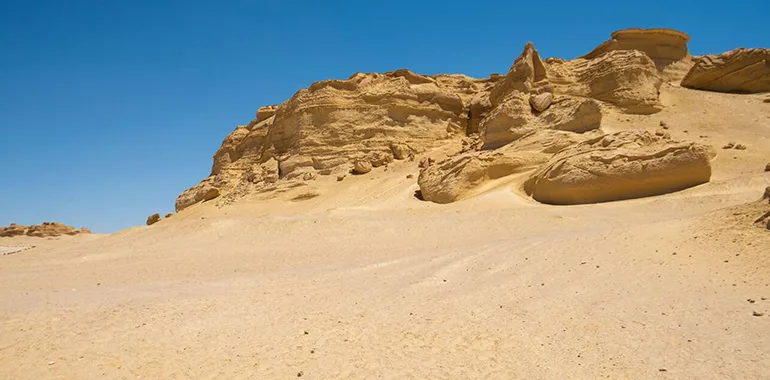
The Western Desert – Egypt’s Great Sea of Sand
The Egypt Western Desert covers almost two thirds of the country, stretching from the Nile to the Libyan border. It’s not just one desert, it’s a collection of incredible landscapes, desert oases, and hidden wonders.
This Western desert is home to the White Desert, Black Desert, Farafra, Bahariya, Dakhla, Kharga, and Siwa Oasis. Each part of Egypt reveals a different face of Egyptian deserts, from volcanic mountains to salt lakes and golden sand dunes.
For travelers seeking adventure, the Western Sahara is the heart of all Egypt desert safaris. You can ride across endless dunes, camp beneath millions of stars, or explore fossil valleys that tell stories from millions of years ago.
If you want to experience it for yourself, start with The Ultimate Guide to Egypt Desert Adventure Tours, a complete journey into Egypt’s best adventure destinations.
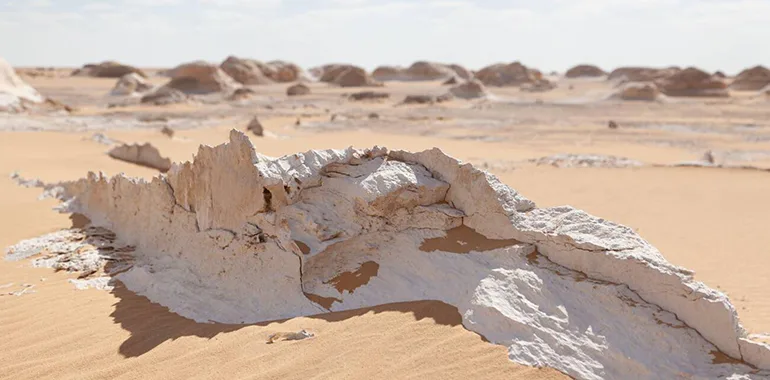
The White Desert – Egypt’s Most Famous Desert
When people talk about the most famous desert in Egypt, they almost always mean the White Desert National Park. Located near Bahariya Oasis, this mystical White Desert is like stepping into another world.
The Sahara Desert is covered with white chalk formations, carved by centuries of wind into surreal shapes, mushrooms, towers, and even animal like figures glowing under the sun and moonlight.
It’s one of the most photographed places in Egypt, known for its ghostly beauty, especially at sunset and sunrise. Experience a magical night in the desert with Camping Under the Stars in the White Desert.
For a real life adventure, book the 3 Day White Desert & Bahariya Oasis Camping Tour from Cairo or the 4 Day Egypt Desert Safari Package – Bahariya & Djara Cave, both offering unforgettable nights under the stars.
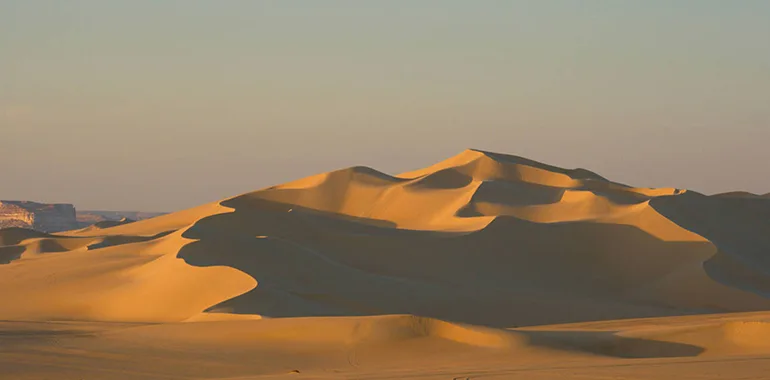
The Great Sand Sea
Separated from the Western Desert of Egypt, the Great Sand Sea stretches across Egypt’s western border, forming one of the largest continuous desert sand areas in the country. Its massive dunes provide the ultimate desert experience, perfect for desert safaris, trekking, or camping under the stars. Travelers can feel the sands of time and witness the vastness of Egyptian deserts in their purest form.
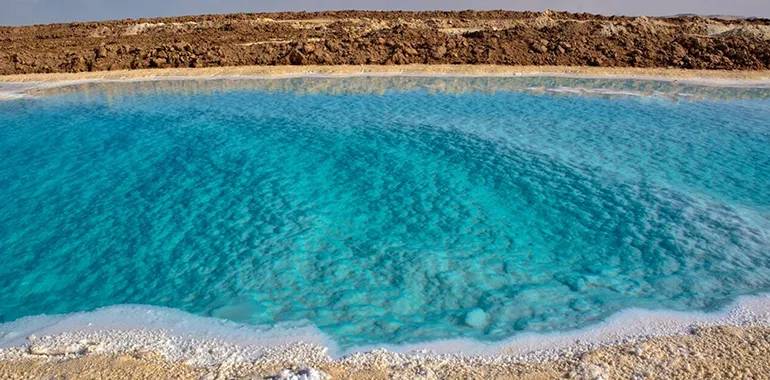
Siwa Oasis – The Jewel of Egypt’s Western Desert
Hidden deep in the Egyptian Western Desert, Siwa Oasis is Egypt’s most isolated and enchanting destination. Surrounded by dunes and salt lakes, Siwa combines desert beauty with deep history and Berber culture.
You can explore the Temple of the Oracle of Amun, where Alexander the Great was once crowned, or wander through Shali Fortress, made from natural mud brick walls. Discover the secrets of the desert by visiting Why Siwa Oasis Is Egypt’s Hidden Desert Gem.
For a journey that combines culture and adventure, the 3 Day Siwa Oasis & White Desert Adventure Tour is an unforgettable way to see both worlds: the desert’s silence and the oasis’s charm.

Bahariya Oasis – Egypt’s Gateway to the Desert
Located about 370 km southwest of Cairo, Bahariya Oasis is the starting point for most desert tours. This fertile spot surrounded by golden dunes is famous for its palm groves, hot springs, and the nearby Valley of the Golden Mummies.
Bahariya serves as the gateway to the White and Black Deserts, making it a perfect base for desert explorers. Start your desert adventure in Bahariya Oasis with our detailed guide: Bahariya Oasis – Gateway to the Western Desert.
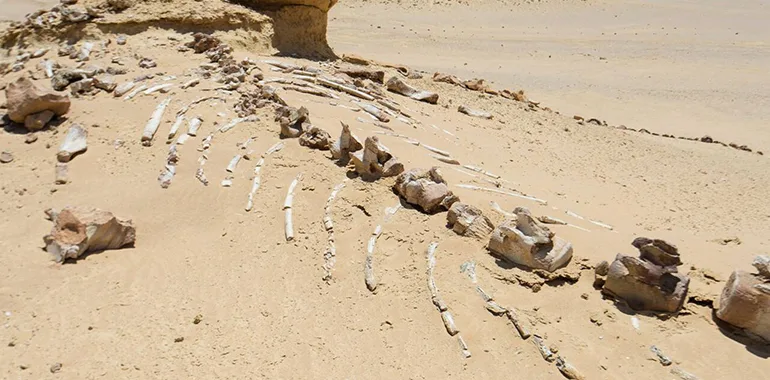
Wadi El Hitan (Whale Valley)
A UNESCO World Heritage site, Wadi El Hitan is known for its fossilized prehistoric whales and marine life. This desert oasis blends ancient ruins with science and history, making it a must visit for anyone looking for an educational experience in Egypt.
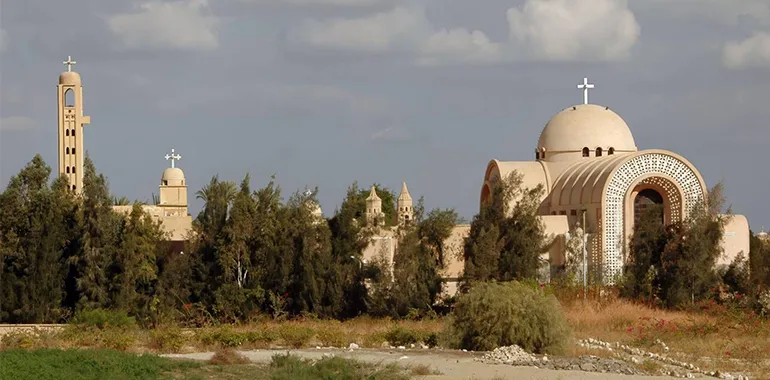
Nitrian Desert
The Nitrian Desert is historically known for its early Christian monasteries. Visitors can explore ancient temples, remote desert landscapes, and learn how ancient Egyptians thrived in this challenging environment. It’s perfect for those seeking solitude, adventure, and spiritual journeys in the deserts of Egypt.
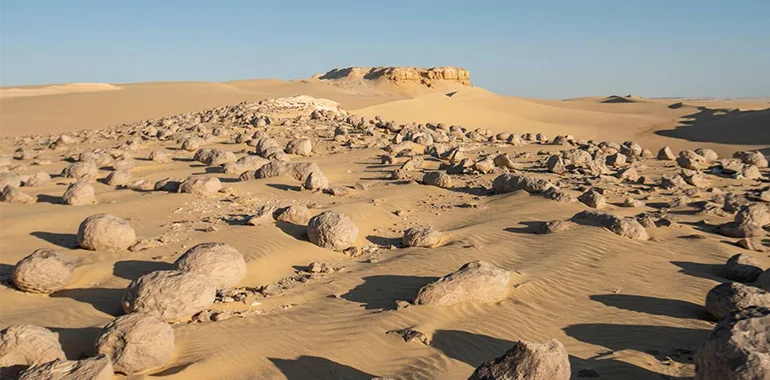
Watermelon Valley (Wadi El Batikh)
Watermelon Valley in the New Valley Governorate surprises travelers with its fertile lands amid surrounding desert sands. This desert oasis demonstrates how desert and marvel coexist, with agriculture thriving alongside golden dunes. Visitors can explore local culture, try traditional foods, and experience a one-of-a-kind desert experience.
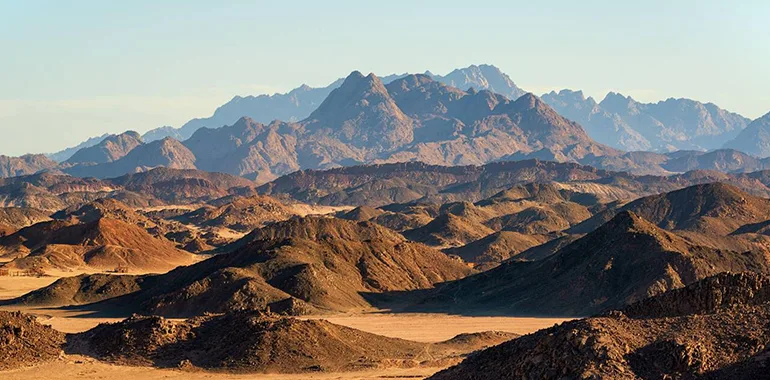
The Eastern Desert
Stretching between the Nile and the Red Sea, the Eastern Desert is a rugged land of mountains, valleys, and ancient mining routes. Once a vital source of gold and precious stones for ancient Egyptians, this part of Egypt showcases incredible ancient ruins hidden within rocky plateaus. Travelers can hike along winding trails, explore deserted temples, and witness the interplay of sun and shadow across the jagged desert sands. This region is perfect for those seeking adventure, off road desert tours, and authentic experiences of ancient Egyptian civilization.
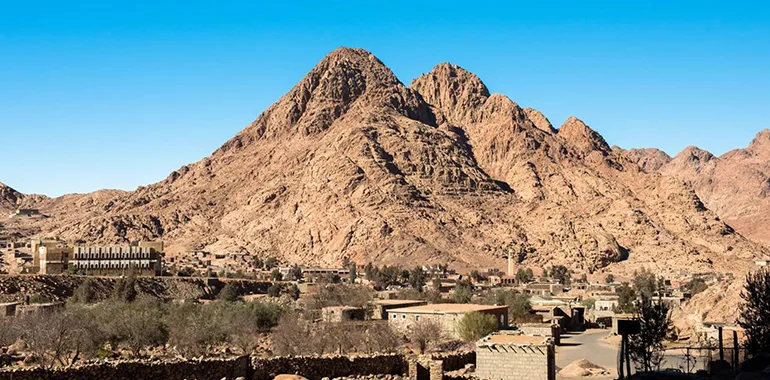
The Sinai Desert
Located in the northeast, the Sinai Desert is a land of dramatic contrasts. Here, the raw natural beauty of desert mountains meets sacred history. From Mount Sinai, where religious history and legend intertwine, to the colorful canyons of Nuweiba, this desert offers a combination of spiritual journeys, Egypt day tours, and scenic exploration. Adventurers can enjoy desert safaris, camel treks, and panoramic views of Egypt’s desert landscape that are rarely found elsewhere.
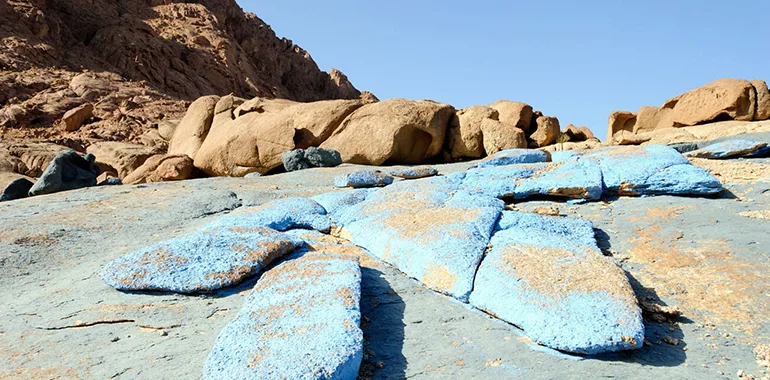
Blue Desert
The Blue Desert in the Eastern Desert in the Sinai Peninsula is famous for its surreal bluish rock formations created by ancient volcanic activity. Its rare hues and unusual shapes make it one of the most unique deserts in Egypt, offering an unforgettable desert experience for photographers and adventure seekers.
Interesting facts about Egyptian deserts
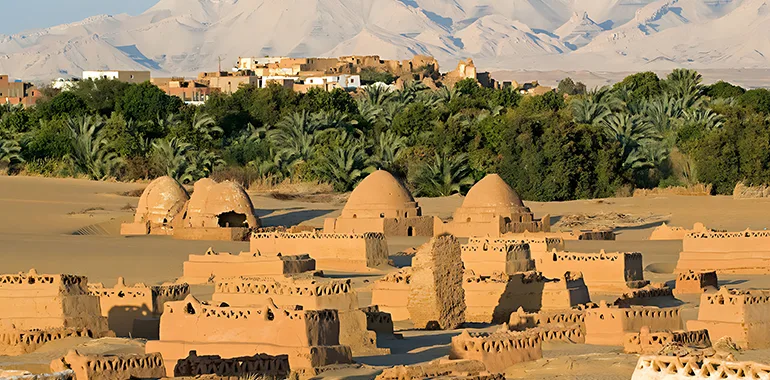
Egypt is known for its vast desert landscapes, which cover almost 90% of the country’s land area. These deserts in Egypt form part of the great Sahara Desert and are divided mainly into the Western Desert, Eastern Desert, and the Sinai Desert. Each region holds unique geological formations, rare wildlife, and hidden oases that make the Egyptian desert one of the most fascinating natural environments in the world.
- The Western Desert alone occupies about two-thirds of Egypt’s total land.
- Temperatures in some areas can rise above 45°C (113°F) during summer days.
- Ancient trade routes once crossed these deserts of Egypt, connecting Africa with the Mediterranean and the Middle East.
- Beneath the sand, there are rich deposits of fossils, minerals, and natural springs, especially near oases like Siwa and Bahariya.
- Despite the harsh conditions, the desert in Egypt is home to Bedouin tribes who still preserve their traditional lifestyle.
These fascinating facts remind travelers that Egypt’s deserts are not just endless sand, they are living landscapes full of history, nature, and mystery waiting to be explored.
Effects of Deserts on Egypt
The deserts of Egypt have shaped the nation’s climate, culture, and history:
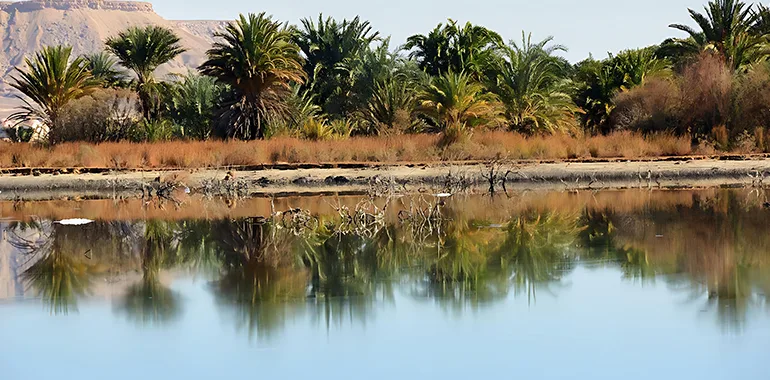
- Climate Regulation: The Egyptian desert landscape helps create hot, dry conditions, influencing Nile agriculture and settlements.
- Cultural Heritage: Oases like Siwa, Bahariya, and Farafra have preserved ancient Egyptian traditions since ancient times.
- Tourism: The famous desert in Egypt attracts visitors worldwide, offering desert tours, Egypt day tours, and desert safaris.
- Natural Resources: Minerals, fossils, and volcanic formations in deserts like Black Desert, Blue Desert, and Nitrian Desert contribute to science and heritage.
Exploring the Egyptian deserts reveals how these vast deserts shaped civilizations and remain a vital part of Egypt’s history and natural beauty across North Africa.