Planning a trip to Africa starts with choosing the destinations and experiences that interest you most. From wildlife safaris across East Africa and scenic landscapes in Southern Africa to ancient historical sites in North Africa, the continent offers a wide range of travel experiences.
However, Africa is large and diverse, so the best itinerary depends on your travel dates, budget, available time, and preferred activities. Whether you are planning a short holiday in one country or a multi-country African adventure, understanding the seasons, transportation options, and travel costs will help you organize a smoother journey.
This guide explains how to plan a trip to Africa, including where to go, when to visit, how much to budget, and how to choose a route that suits your travel plans.
Decide Where You Want to Go in Africa
The first step in planning an African holiday is choosing the region that best matches your interests. Each part of the continent offers different landscapes, cultures, wildlife experiences, and historical attractions.
East Africa: Wildlife Safaris and Natural Wonders
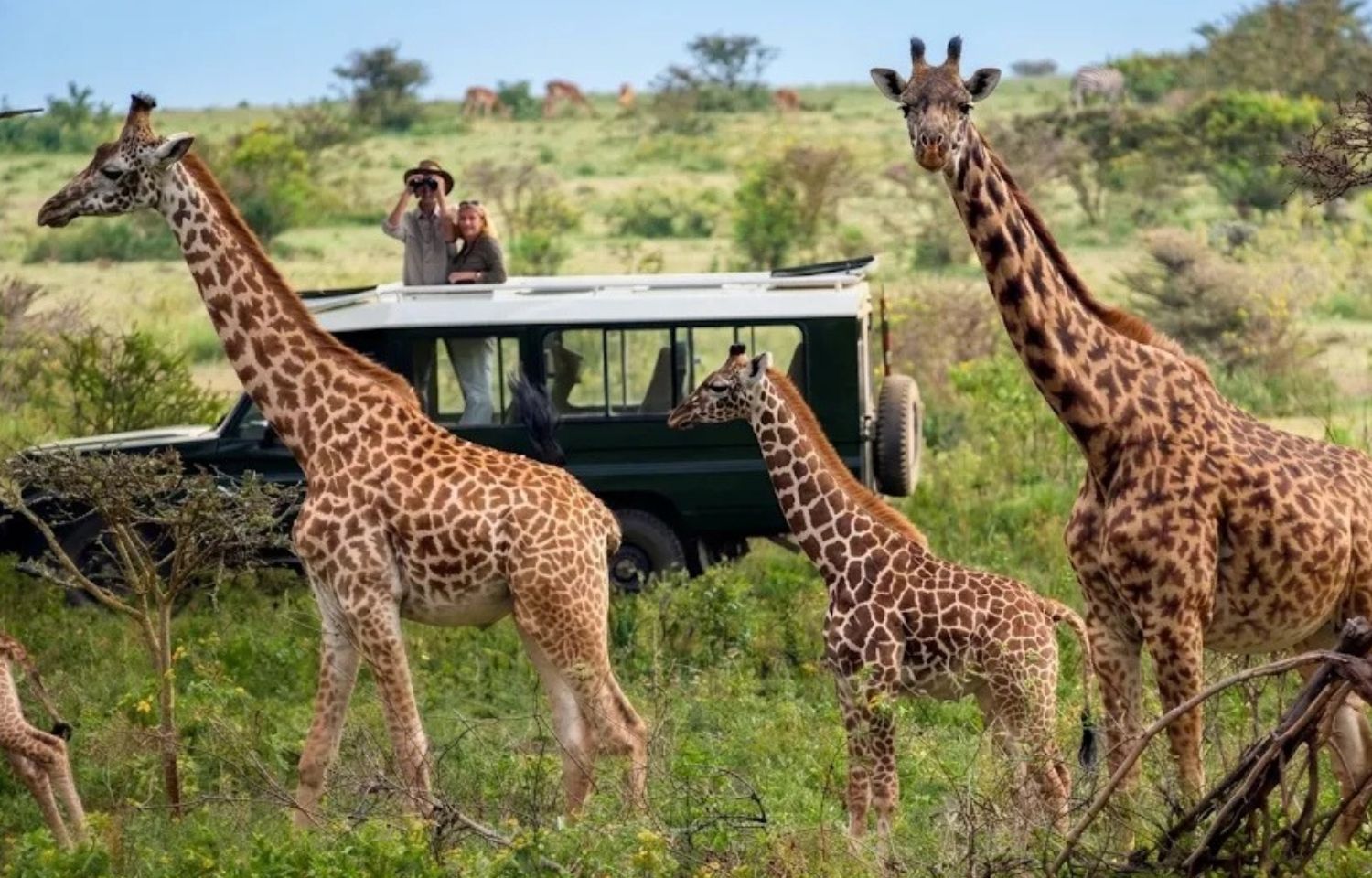
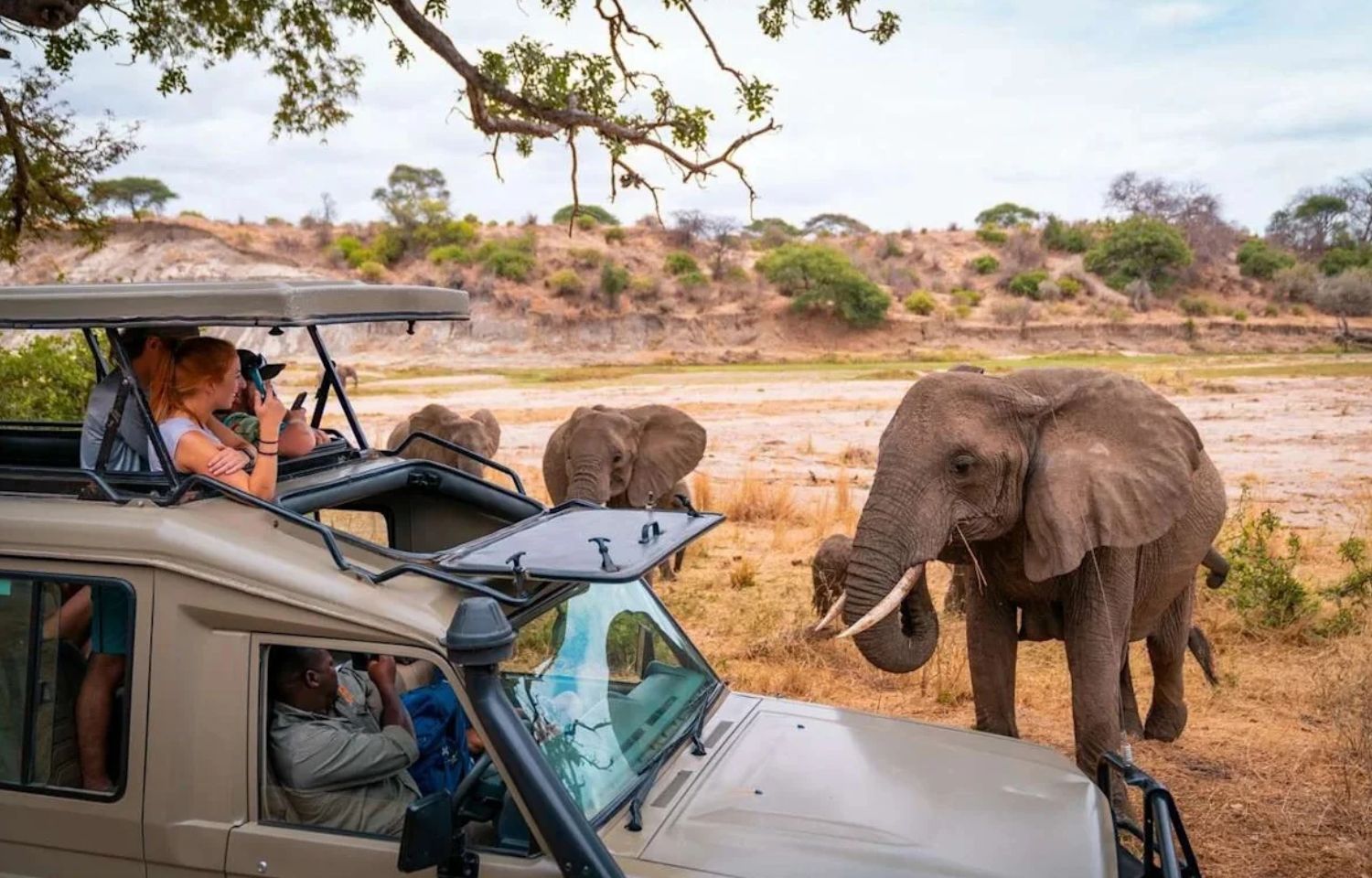
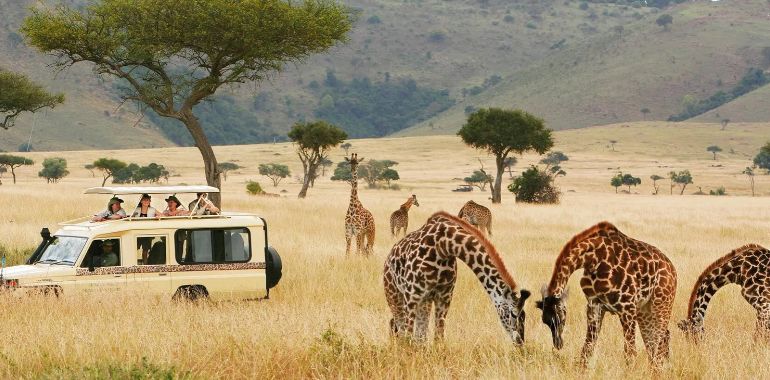
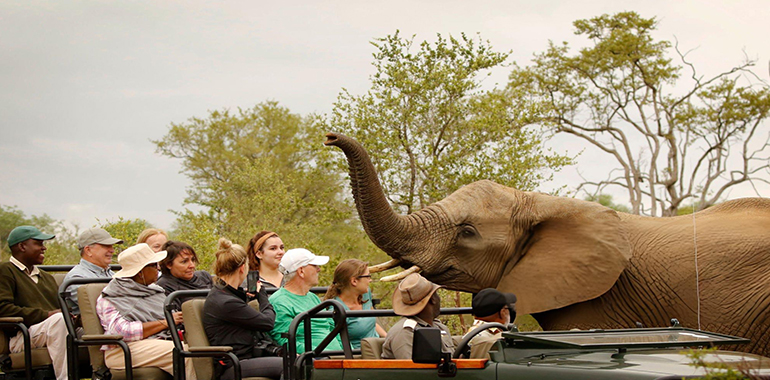
East Africa is a popular choice for travelers interested in wildlife, national parks, and dramatic natural scenery. Kenya and Tanzania are particularly well known for their safari experiences, including the Maasai Mara, Serengeti National Park, and Ngorongoro Conservation Area.
Other experiences include exploring Zanzibar’s beaches, discovering local communities, and enjoying views of Mount Kilimanjaro.
East Africa is a good option for travelers who want to combine several safari destinations or add a beach holiday to their itinerary.
Southern Africa: Diverse Landscapes and Wildlife
Southern Africa offers a variety of experiences, from wildlife reserves and dramatic coastlines to mountains, vineyards, and vibrant cities.
South Africa is a popular destination for visiting Kruger National Park, Cape Town, and the Garden Route. Botswana is known for the Okavango Delta, while Namibia attracts travelers with its desert scenery and distinctive landscapes.
This region suits travelers interested in combining wildlife experiences with scenic drives, outdoor activities, and city visits.
North Africa: History, Culture, and Desert Adventures
North Africa is an excellent choice for travelers interested in ancient history, architecture, traditional markets, and desert landscapes.
Egypt stands out for its ancient monuments, including the Pyramids of Giza, the temples of Luxor and Aswan, and Nile River cruises. Morocco offers historic medinas, mountain scenery, and desert experiences, while Tunisia combines archaeological sites with Mediterranean coastlines.
North Africa can be particularly appealing to travelers who want to explore historical landmarks and cultural attractions.
West and Central Africa: Culture and Unique Experiences
West and Central Africa offer opportunities to discover diverse traditions, historic cities, tropical landscapes, and less-traveled destinations.
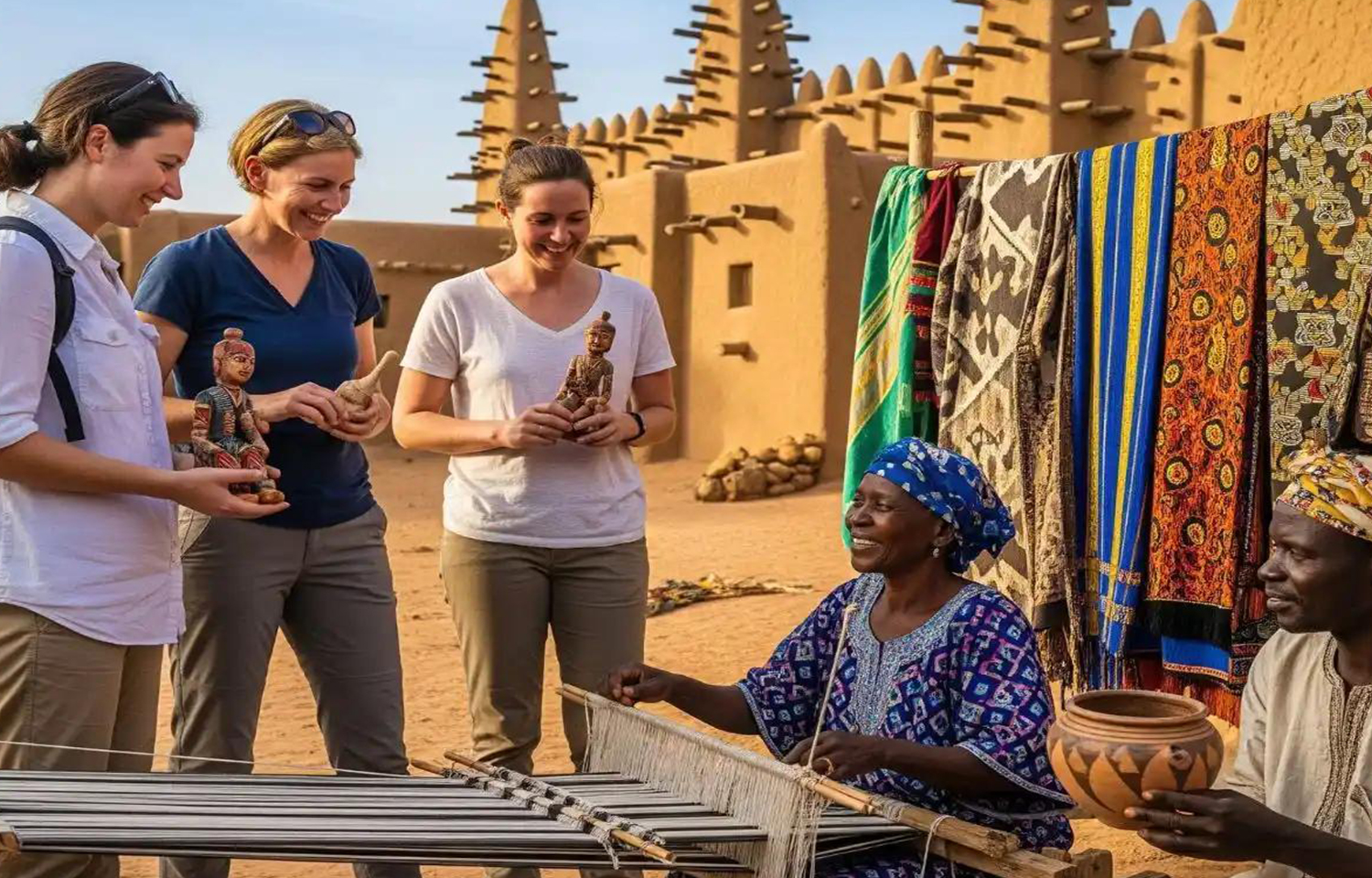
Countries such as Ghana, Senegal, and Côte d’Ivoire are known for their cultural heritage, music, and local traditions. Central African destinations, including Gabon and the Republic of the Congo, offer rainforest environments and distinctive wildlife experiences.
Travelers considering these regions should research transportation, entry requirements, local infrastructure, and current travel conditions carefully before choosing an itinerary.
Choose the Best Time to Visit Africa
Africa has no single universal travel season. Weather varies widely by region, so the best time to visit depends on your destinations and activities.
Understanding Africa’s Climate and Seasons
Many African destinations experience wet and dry seasons rather than the four traditional seasons found in some other parts of the world.
Dry periods often provide favorable conditions for wildlife viewing in several safari destinations, while rainy seasons can bring greener landscapes, fewer visitors, and different travel experiences.
North African destinations generally have hot summers and milder winters, while countries closer to the equator may experience more than one rainy period each year.

Best Time to Visit East Africa
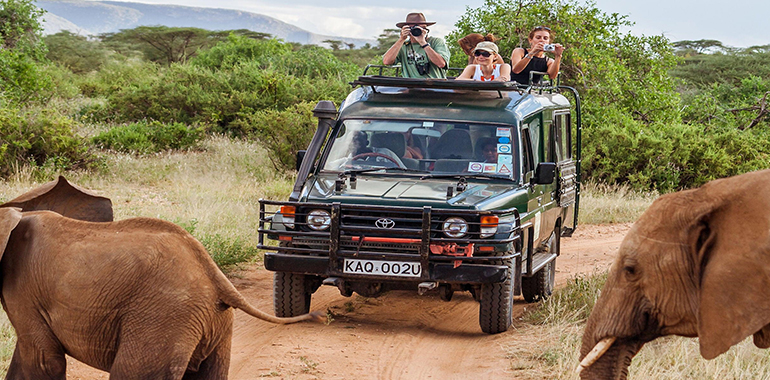
In Kenya and Tanzania, the drier periods are generally popular for wildlife safaris because vegetation is often less dense and animals may gather around available water sources.
The Great Migration moves throughout the Serengeti ecosystem and into the Maasai Mara at different times of the year. Its timing depends on rainfall and grazing conditions, so travelers should choose their dates based on the specific wildlife experience they hope to see.
For Zanzibar, the weather is generally most favorable during the drier months, although conditions can vary.
Best Time to Visit Southern Africa
The best time to visit Southern Africa depends on the country and activities included in your itinerary.
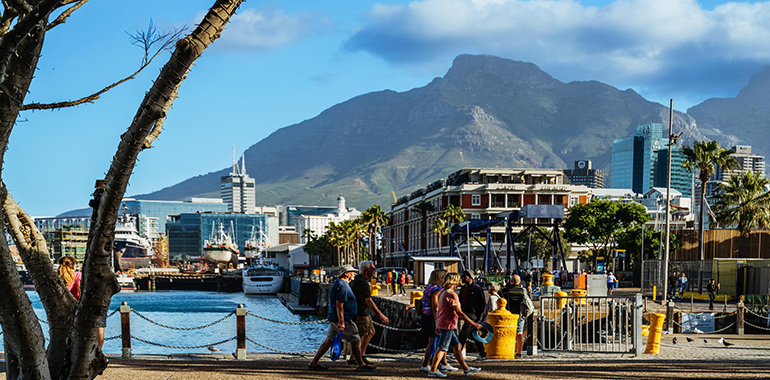
South Africa’s winter months, from approximately May to September, are often favorable for wildlife viewing in Kruger National Park. Cape Town and the Western Cape generally have their warmer, drier summer season from November to March.
Botswana and Namibia also have seasonal differences that affect wildlife viewing, road conditions, and outdoor activities.
Best Time to Visit North Africa
Spring and autumn are often comfortable periods for exploring North African destinations.
In Egypt, the cooler months from October to April are generally popular for sightseeing, especially when visiting outdoor archaeological sites in Cairo, Luxor, and Aswan.
Morocco also offers pleasant conditions in spring and autumn for exploring cities, mountains, and desert regions, although temperatures vary by location and altitude.
How Much Does an Africa Trip Cost?
The cost of an African holiday depends on the countries you visit, the length of your stay, accommodation standards, transportation, and planned activities.
A trip focused on city sightseeing and independent travel may cost considerably less than a luxury safari involving private guides, exclusive lodges, and charter flights.
Accommodation and Meals
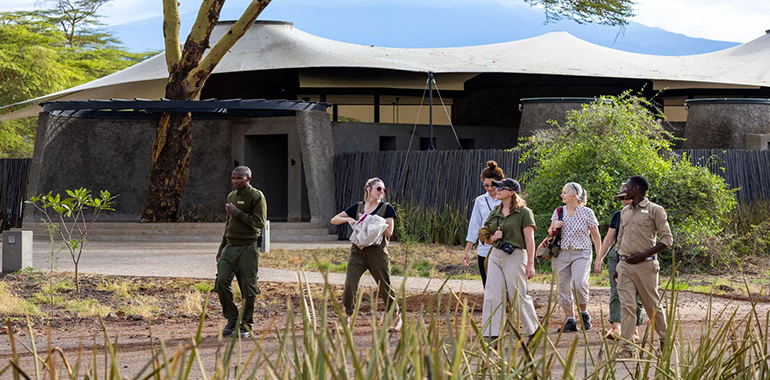
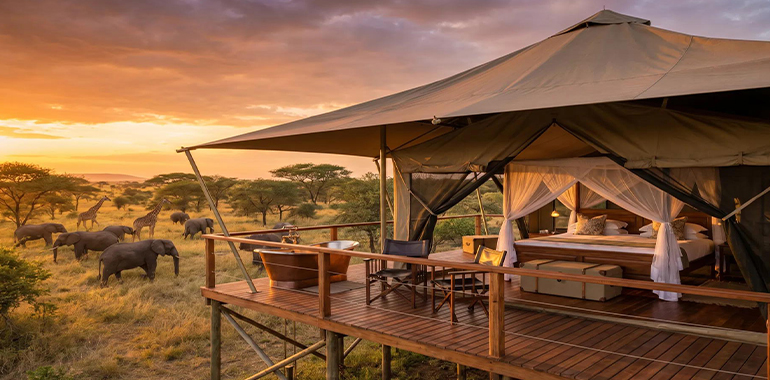
Accommodation ranges from budget guesthouses and hotels to safari camps, beach resorts, and luxury lodges.
Your choice of accommodation will have a significant effect on the overall trip budget. Safari lodges and remote properties may also include meals, guided activities, and transfers in their rates.
When comparing accommodation, check exactly what is included rather than comparing nightly prices alone.
Transportation and Domestic Flights
Transportation costs can vary depending on the distances between destinations and the available travel options.
Domestic and regional flights are useful for covering long distances, while private transfers and organized tours can simplify travel between attractions.
In some countries, buses and trains provide more economical options, although journey times and service availability should be considered.
Safari and Activity Costs
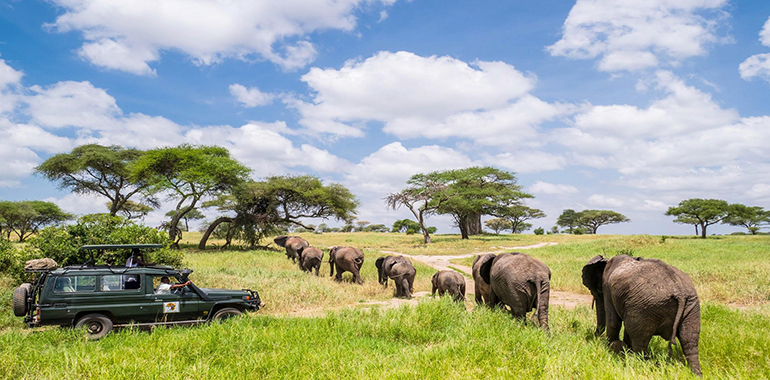
Safari experiences can represent a substantial part of an African travel budget.
Costs may include national park entry fees, conservation charges, game drives, professional guides, accommodation, and transportation within reserves.
Other activities, such as boat trips, cultural experiences, desert excursions, and guided historical visits, should also be included when estimating your total expenses.
Budget, Mid-Range, and Luxury Travel
African holidays can be organized around different budgets.
- Budget travel: Guesthouses, public transportation where practical, independent sightseeing, and selected group activities.
- Mid-range travel: Comfortable hotels, organized transfers, guided excursions, and a combination of independent and packaged experiences.
- Luxury travel: High-end hotels, private guides, exclusive safari lodges, premium transportation, and personalized itineraries.
To estimate your budget accurately, calculate the main expenses separately and leave additional funds for optional activities, unexpected costs, and personal spending.
How Many Days Do You Need for an Africa Trip?
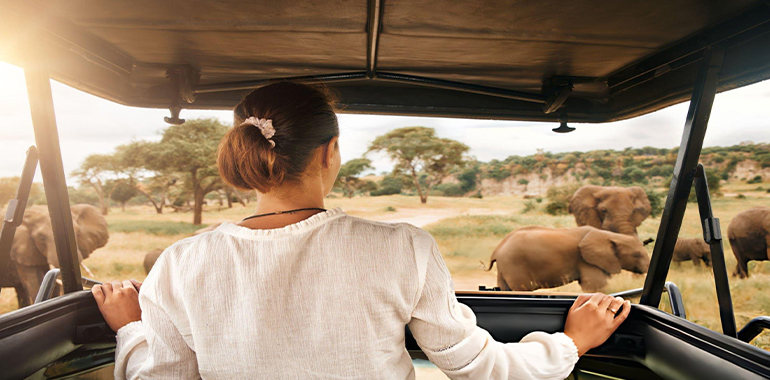
The ideal length of an African holiday depends on the number of countries you want to visit and how much time you need for each experience.
Short Trips: 5–7 Days
A five-to-seven-day trip is generally best suited to one destination or a focused itinerary within a single country.
For example, travelers could explore Cairo and the Giza Pyramids, enjoy a short safari in Kenya, or visit selected attractions in Cape Town.
Keeping the itinerary focused helps reduce long transfers and allows more time to enjoy each destination.

One to Two Weeks in Africa
A one-to-two-week holiday offers more flexibility for combining experiences within one country or visiting two nearby destinations.
Travelers might combine a Kenya safari with a few days in Zanzibar, explore several regions of South Africa, or discover Egypt’s major historical attractions through Cairo, Luxor, and Aswan.
When visiting more than one country, consider flight schedules, border crossings, and the time required for transfers.
Two to Three Weeks or Longer
With two to three weeks or more, travelers can explore multiple countries and include a wider variety of experiences.
An East African itinerary might combine Kenya’s wildlife reserves with Tanzania’s national parks and Zanzibar’s beaches. Another option is to combine Egypt’s ancient landmarks with a safari in Kenya, Tanzania, or South Africa.
Longer holidays are particularly suitable for travelers who want to experience different regions without rushing between destinations.
How to Plan an Africa Travel Route
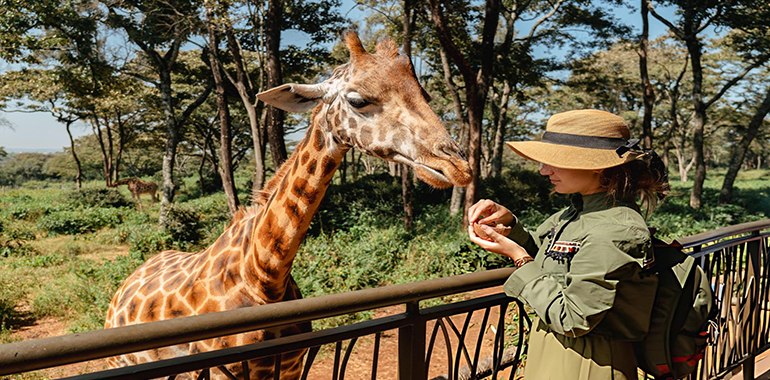
Choosing a practical route is one of the most important parts of planning an African holiday. The right itinerary should balance sightseeing, travel time, accommodation changes, and the experiences you want to include.
Choose Destinations Within the Same Region
Starting with destinations in the same region can make your trip easier to organize.
For example, Kenya and Tanzania are often combined in East African safari itineraries. South Africa can be explored through routes connecting Cape Town, the Garden Route, and wildlife reserves.
Similarly, Egypt offers opportunities to connect Cairo with Luxor and Aswan through domestic flights, trains, or Nile cruises.
Combine Countries That Are Easy to Connect
If you want to visit multiple countries, research the available flight connections and border-crossing requirements before finalizing your route.
Some destinations are connected through regular regional flights, while others may require longer journeys or additional transfers.
Consider the following combinations:
African holidays can be organized around different budgets.
- Kenya and Tanzania: Wildlife safaris across the Maasai Mara and Serengeti ecosystems.
- Tanzania and Zanzibar: Safari experiences followed by a beach holiday.
- South Africa and Namibia: Wildlife, coastal scenery, and desert landscapes.
- Egypt and Kenya: Ancient Egyptian landmarks combined with East African wildlife experiences.
- Egypt, Kenya, and Tanzania: A longer journey combining historical attractions, multiple safari destinations, and optional beach experiences.
The best combination depends on your available time, budget, and travel priorities. For practical advice on staying safe during your journey, read our guide to Africa travel safety tips.
Allow Enough Time for Transfers and Travel Days
Avoid planning too many destinations within a short holiday.
International flights, domestic connections, airport transfers, and border procedures can take up significant time. Some safari destinations also require several hours of road travel to reach.
Allowing time between major activities makes your itinerary more comfortable and reduces the risk of missing important experiences because of travel delays.
Essential Things to Prepare Before Traveling to Africa
Once you have selected your destinations and route, prepare the documents and arrangements needed for your journey.
Passports, Visas, and Entry Requirements
Check passport validity, visa requirements, permitted length of stay, and entry conditions for every country on your itinerary.
Requirements vary by nationality and can change, so consult the relevant official immigration authorities or embassies before departure.
If your trip includes multiple countries, check whether you need separate visas or additional documentation for border crossings.
Travel Insurance and Health Preparation
Travel insurance can help protect against unexpected medical expenses, trip interruptions, lost luggage, and other covered travel problems.
You should also seek destination-specific health advice before departure. Vaccination recommendations, malaria precautions, and other health considerations vary between countries and regions.
For more detailed information, read our guide to health preparations for traveling in Africa.
Packing for Different African Destinations
Your packing list should reflect the weather, activities, and accommodation included in your itinerary.
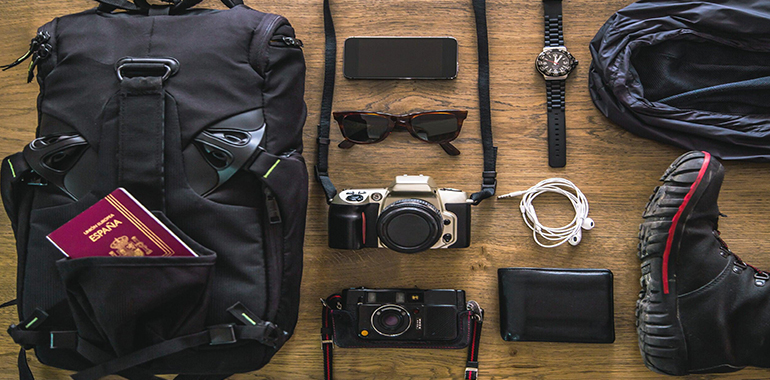
For general travel, consider comfortable clothing, suitable walking shoes, sun protection, personal medications, and travel documents.
Safari travelers may also need neutral-colored clothing, a lightweight jacket, binoculars, and other items suited to early-morning game drives.
If your trip includes beaches, cities, deserts, and wildlife reserves, pack versatile clothing that works across different environments.
Money, Connectivity, and Travel Documents
Research the local currency and accepted payment methods in each destination.
Carry a suitable combination of payment cards and some local cash, while checking whether ATMs and card payments are readily available in the areas you plan to visit.
Arrange mobile connectivity through a local SIM card, eSIM, or international roaming plan. Keep copies of important documents, including your passport, insurance details, flight tickets, and hotel reservations.
Practical Tips for Planning Your First Africa Trip
A little preparation can make a significant difference to your overall travel experience.
- Start with your priorities: Decide whether your main interests are wildlife, history, beaches, culture, or outdoor adventures.
- Choose the right season: Research weather conditions for each destination rather than relying on one general African travel season.
- Set a realistic budget: Include flights, accommodation, meals, transfers, activities, park fees, and additional expenses.
- Avoid overcrowded itineraries: Allow enough time to enjoy each destination without spending most of your holiday traveling.
- Research local customs: Learn about appropriate clothing, greetings, photography etiquette, and cultural expectations.
- Check travel advisories: Review current destination-specific safety information before booking and departure.
- Book important arrangements early: Popular safari lodges, internal flights, and seasonal experiences can have limited availability.