Africa offers unforgettable travel experiences, from wildlife safaris and beautiful beaches to historic cities and cultural attractions. However, travelers planning their first visit often have questions about personal safety, transportation, crime, and the precautions they should take during their holiday.
So, is Africa safe to visit? Safety conditions vary considerably across the continent, and some destinations are more suitable for independent travel than others.
With proper preparation, destination research, and sensible precautions, many travelers enjoy safe and rewarding holidays across Africa. This guide covers common travel concerns and practical safety tips to help you prepare for your journey.
Is Africa Safe For Tourists?
Many African countries welcome international visitors and have established tourism infrastructure, including hotels, guided excursions, national parks, and organized transportation.
However, Africa is a large and diverse continent, and safety conditions should never be generalized across all its countries. Some destinations have well-developed tourist areas, while others may experience security challenges, political instability, or limited travel infrastructure. Before choosing where to go, research the specific destinations included in your itinerary.
Understanding Safety Differences Across African Countries
Safety conditions can differ between cities, rural communities, tourist attractions, and remote regions within the same country.
For example:
- Kenya: Popular safari destinations and established tourist areas attract international visitors, although travelers should research security conditions in cities and specific regions.
- Tanzania: Safari destinations, Zanzibar, and major tourist centers have established visitor services. Travelers should still take normal precautions and check local conditions.
- South Africa: Offers major tourism attractions, wildlife reserves, and developed cities, but crime levels vary considerably by area. Planning transportation and avoiding unfamiliar areas at night are important.
These examples are not safety ratings. Conditions can change, so check official government travel advice for every country and region you plan to visit.
What Travelers Should Know Before Visiting
- Research the neighborhoods and attractions you plan to visit.
- Check official travel advisories and local security updates.
- Understand local laws, customs, and cultural expectations.
- Arrange reliable transportation, especially for airport transfers.
- Keep copies of your passport, travel documents, and insurance details.
- Know how to contact your accommodation and local emergency services.

How to Stay Safe While Traveling in Africa
Good travel habits can make your holiday more comfortable and help you avoid common problems.
Protecting Your Belongings and Valuables
Keep your valuables organized and avoid carrying everything in one bag.
Consider separating your cash, bank cards, passport, and identification documents. Keep digital copies of important travel documents in a secure location.
When visiting markets, transport stations, or busy attractions, carry only what you need for the day.
It is also helpful to inform your bank about international travel when required and understand how to contact it if your card is lost or stolen.
Choosing Safe Accommodation
Accommodation plays an important role in your overall travel experience.
When selecting a hotel, lodge, or guesthouse:
- Read recent guest reviews.
- Check the property’s location and surrounding area.
- Look for secure entrances and appropriate reception services.
- Ask about airport transfers and transportation arrangements.
- Use the room safe when available for important belongings.
For safari holidays, choose established lodges or camps with clear safety procedures and trained staff.
Respecting Local Laws and Customs
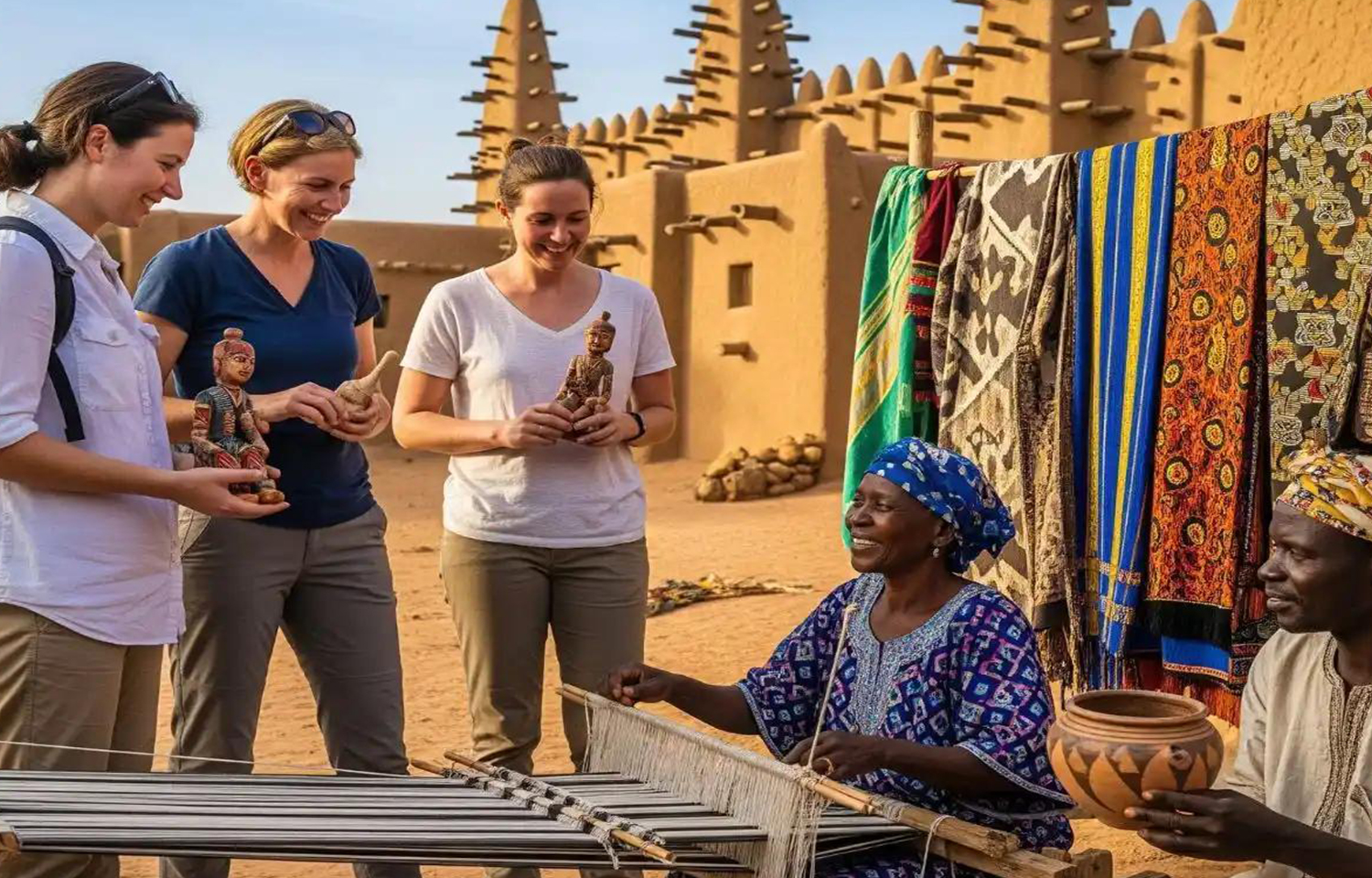
Understanding local customs helps travelers avoid uncomfortable situations and show respect for the communities they visit.
Research appropriate clothing, photography rules, religious customs, and local regulations before departure.
In some destinations, taking photographs of government buildings, military facilities, or certain public locations may be restricted.
Always ask permission before photographing residents, particularly children, and follow guidance at religious and cultural sites.
Is Transportation Safe in Africa?
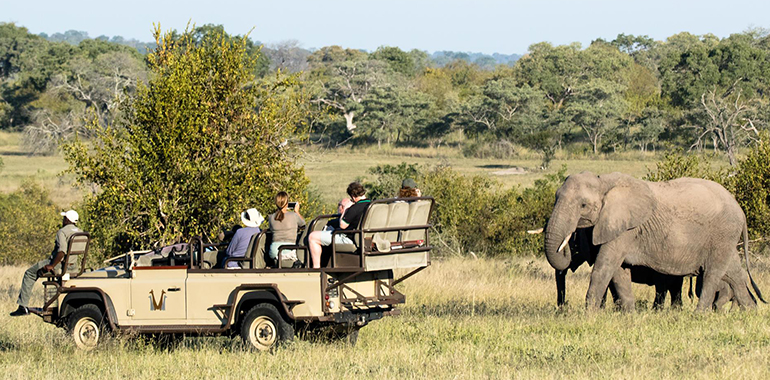
Transportation safety varies between countries and depends on the provider, vehicle condition, road infrastructure, and journey.
Choosing reliable transportation is especially important when traveling between airports, cities, national parks, and remote destinations.
Using Taxis and Private Transfers
Taxis and private transfers are common ways to travel between hotels, airports, and tourist attractions.
For a more comfortable journey:
- Arrange airport pickups in advance when possible.
- Confirm the fare or pricing method before starting the journey.
- Check the vehicle and driver details when using a booking service.
- Avoid entering vehicles with unclear identification or arrangements.
- Hotel-arranged transfers and established tour operators can be particularly useful for travelers unfamiliar with the destination.
Traveling by Bus and Train
Public buses and trains can offer affordable ways to explore some African countries, although service availability, comfort, and reliability vary.
Before booking, research the operator, departure location, journey duration, and expected arrival time.
Keep your belongings close, avoid displaying valuables, and use reputable companies with clear booking arrangements.
For long-distance journeys, consider whether a private transfer or domestic flight would be more practical.
Driving and Road Safety
Self-driving can be a rewarding way to explore destinations such as South Africa and Namibia, but travelers should understand local driving conditions before renting a vehicle.
Important precautions include:
- Check local driving laws and license requirements.
- Confirm that your rental vehicle has appropriate insurance.
- Avoid driving long distances when tired.
- Be cautious when driving after dark, particularly in unfamiliar rural areas.
- Check road conditions and fuel availability before remote journeys.
- Follow local speed limits and traffic regulations.
In some safari destinations, guided transportation is a more practical option than independent driving.
Is Africa Safe for Solo Travelers?
Solo travel is possible in many African destinations, particularly where established tourism services and organized excursions are available.
However, independent travelers should research their destinations carefully and plan transportation, accommodation, and activities.
Tips for Traveling Alone
If you are traveling independently:
- Choose accommodation in well-reviewed locations.
- Share your itinerary with someone you trust.
- Arrange reliable airport transfers.
- Avoid isolated areas, particularly after dark.
- Keep emergency contacts and accommodation details accessible.
- Book guided excursions through reputable operators.
- Stay aware of local advice and changing travel conditions.
Joining small-group tours can also be a convenient way to explore attractions while meeting other travelers.
Safety Advice for Solo Female Travelers
Women traveling alone should research local expectations, dress customs, and destination-specific safety considerations.
Useful precautions include:
- Choose accommodation with good security and recent reviews.
- Avoid sharing accommodation details with strangers.
- Research appropriate clothing for religious and cultural locations.
- Trust your instincts and leave situations that make you uncomfortable.
Experiences vary between countries and communities, so destination-specific research is more useful than relying on general assumptions about the entire continent.

Is Africa Safe for Families with Children?
Many African destinations offer family-friendly hotels, guided sightseeing, wildlife experiences, and beach holidays.
However, families should choose activities and destinations that suit the children’s ages, health needs, and comfort levels.
Choosing Family-Friendly Destinations
When selecting a destination, consider:
- Availability of family-friendly accommodation.
- Access to medical facilities and pharmacies.
- Journey times between attractions.
- Suitable activities for different age groups.
- Transportation arrangements and child safety provisions
Some safari lodges have minimum age requirements for certain activities, so check these policies before booking.
Planning Safe Family Activities and Transportation
Long journeys, unfamiliar environments, and outdoor activities require additional preparation when traveling with children.
Book appropriate child seats when required, keep children supervised in crowded areas, and carry essential supplies such as snacks, water, sunscreen, and personal medication.
During wildlife experiences, follow the guide’s instructions and make sure children understand the importance of staying inside designated areas and respecting animals.
Choosing a well-organized itinerary can also help families avoid unnecessary travel fatigue.
Safari Safety: What You Need to Know
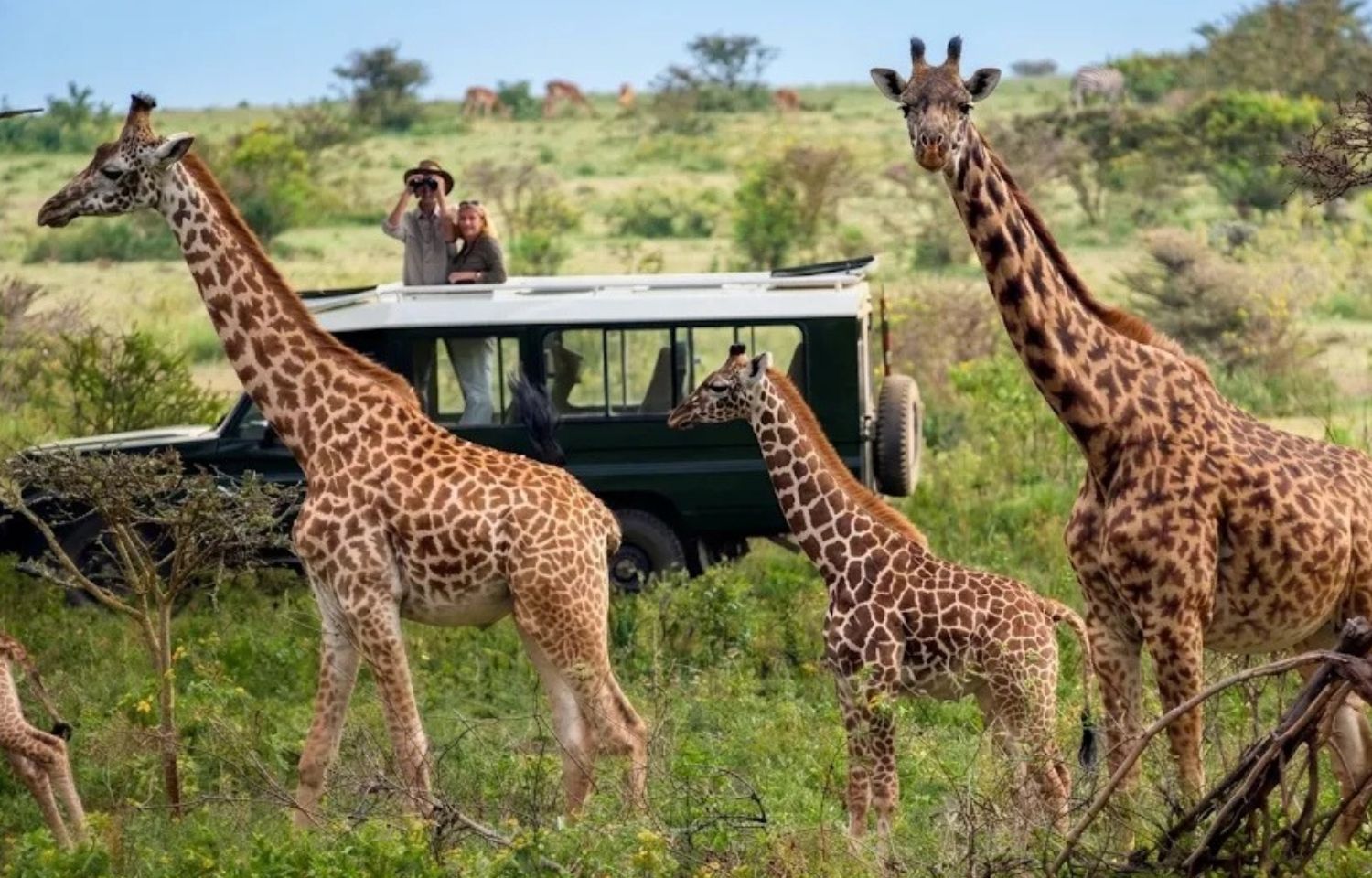
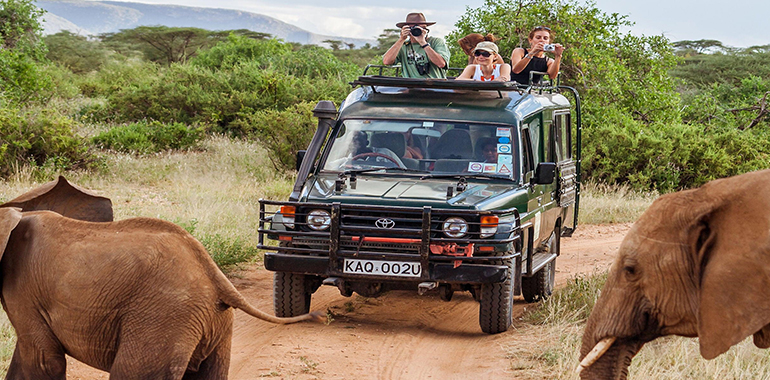
African safaris offer opportunities to observe wildlife in natural habitats, but they also require visitors to follow specific safety rules.
Wild animals are unpredictable, even in established national parks and private reserves. Staying with your guide and respecting wildlife regulations are essential throughout the experience.
Following Your Safari Guide’s Instructions
- Professional safari guides are familiar with local wildlife, park regulations, and safe viewing practices.
- Always listen to their instructions, particularly during game drives, walking safaris, and visits to remote areas.
- Never leave the safari vehicle unless your guide confirms that it is safe to do so.
- Avoid shouting, making sudden movements, or attempting to attract animals for photographs.
Staying Safe Around Wild Animals
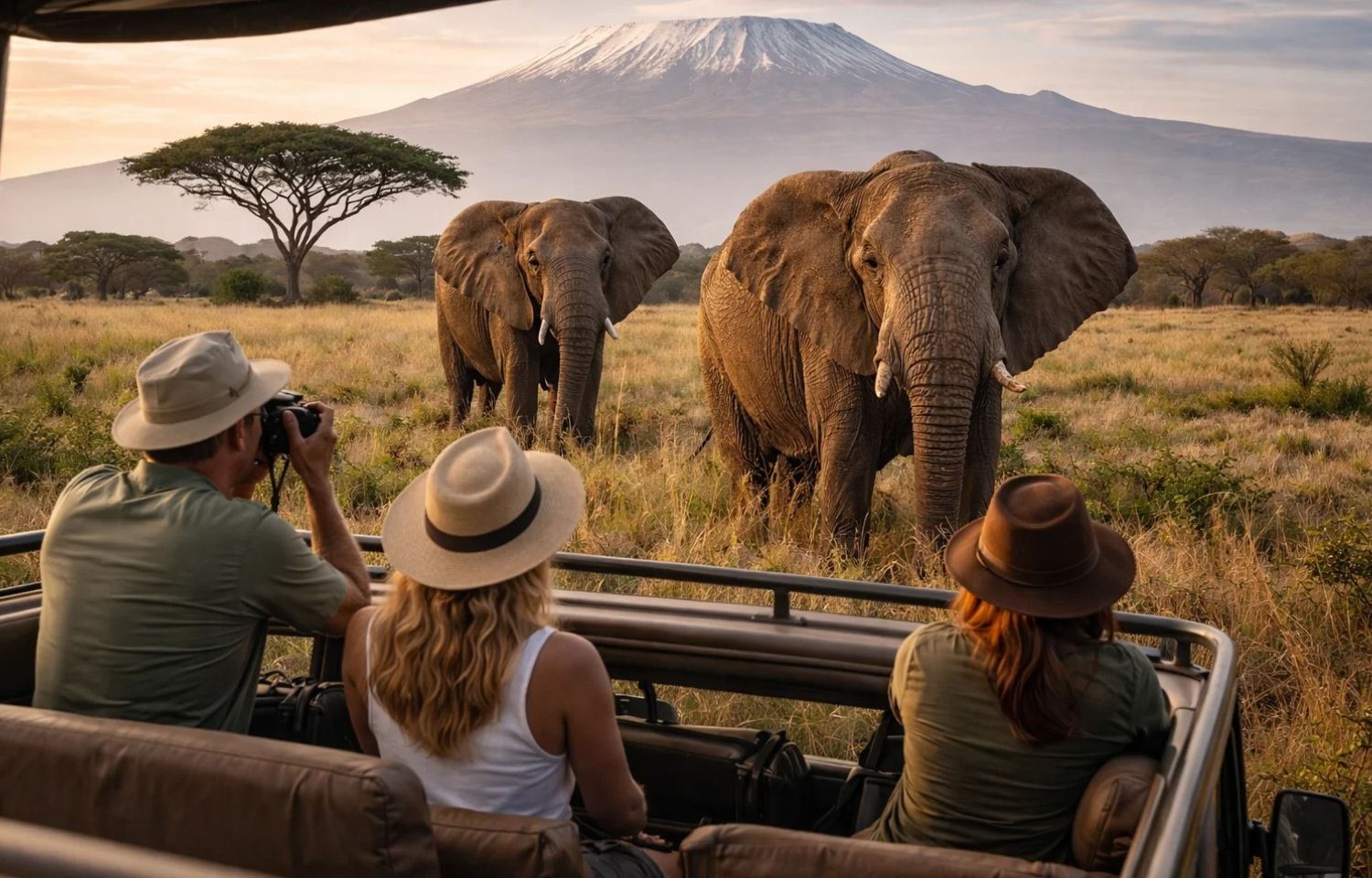
Wildlife should always be observed from a safe distance.
Important precautions include:
- Stay inside the vehicle during game drives unless instructed otherwise.
- Do not stand up or move around when your guide asks you to remain seated.
- Follow park rules and designated walking areas.
- Keep food secured at camps and lodges.
Remember that animals in national parks are wild, even when they appear accustomed to safari vehicles.
Safety at Safari Lodges and Camps
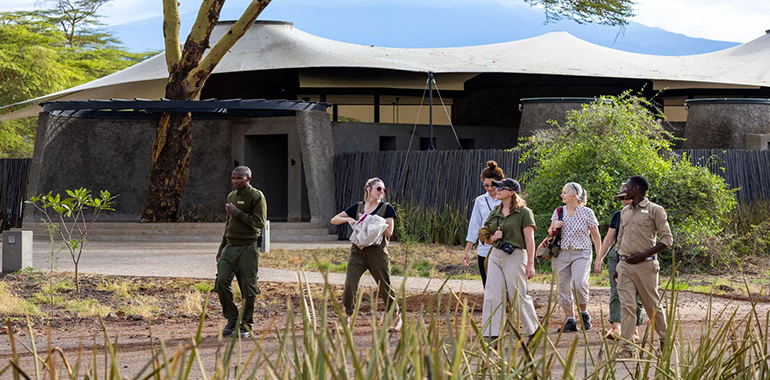
Some safari accommodations are located in wildlife areas where animals may move freely around the property.
Follow lodge staff instructions when walking between buildings, especially after dark.
Use designated pathways, request an escort when required, and never leave your accommodation area to approach an animal.
For more information about safari experiences, destinations, and responsible wildlife viewing, explore our African safari safety guidelines within the African Wildlife and Safari Travel Guide.
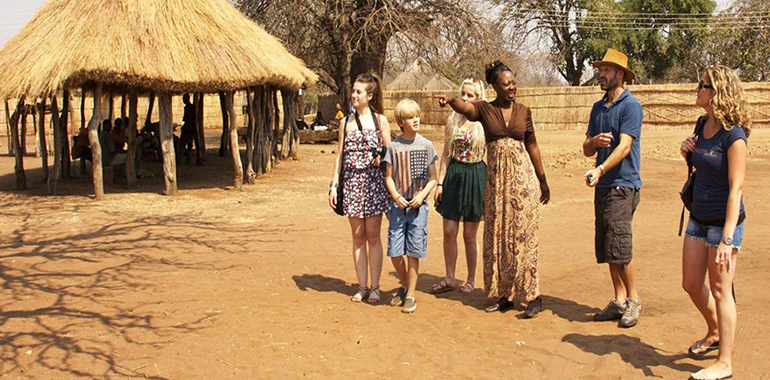
Essential Africa Travel Safety Tips
Before leaving for your trip, keep these practical recommendations in mind:
- Research current travel advisories for every country and region on your itinerary.
- Book accommodation and excursions through reputable providers.
- Arrange reliable transportation, especially for airport transfers and nighttime journeys.
- Keep valuables secure and avoid displaying large amounts of cash.
- Respect local laws, traditions, and photography restrictions.
- Follow instructions from professional guides during wildlife activities.
- Stay flexible and pay attention to local advice throughout your holiday.
A well-planned trip, combined with awareness and sensible precautions, can help you enjoy the many experiences Africa has to offer.