An African safari lets you experience some of the world’s most remarkable wildlife in its natural habitat. From elephants crossing open plains and lions resting beneath acacia trees to vast herds of wildebeest moving across the savannah, Africa’s landscapes offer unforgettable wildlife encounters.
However, every safari destination offers something different. Some are known for their large elephant populations, others for big cats, diverse birdlife, dramatic landscapes, or seasonal wildlife migrations. Choosing the right destination, travel season, and safari experience can make a significant difference to your trip.
As part of your journey, our Africa Travel Guide offers more travel inspiration and practical advice to help you explore the continent. This guide focuses on the best wildlife-viewing destinations, the animals you may encounter, the Big Five, migration seasons, different safari experiences, responsible tourism, and what to pack before you go.
What Makes an African Safari Special?
An African safari is more than a wildlife-watching holiday. It offers a chance to explore protected natural areas, discover diverse ecosystems, and watch animals move, feed, hunt, and interact in their natural surroundings.
Africa has a remarkable variety of habitats, including open grasslands, savannahs, wetlands, deserts, woodlands, and tropical forests. Each environment supports different wildlife and creates a distinctive safari experience.
Some of the most memorable safari experiences include:
- Watching elephants travel in family groups across the savannah.
- Observing lions, leopards, and cheetahs in their natural habitats.
- Seeing large herds of wildebeest and zebras during seasonal migrations.
- Exploring wetlands by boat to observe hippos, crocodiles, and waterbirds.
- Spotting giraffes, antelopes, buffaloes, and other grazing animals.
- Discovering rare birds and smaller wildlife often overlooked during game drives.
Wildlife sightings are never guaranteed. Animals move freely through their habitats, so what you see depends on the destination, season, weather, and how much time you spend in the wilderness. This unpredictability is part of what makes every safari different.
Best African Safari Destinations
Africa offers safari destinations suited to different interests, travel styles, and budgets. Some are famous for the Great Migration, while others offer excellent opportunities to see elephants, big cats, endangered species, and diverse landscapes.
Kenya: Maasai Mara and Amboseli
Kenya is one of Africa’s best-known safari destinations, particularly for its open savannahs, large wildlife populations, and seasonal wildebeest migration.
The Maasai Mara National Reserve is famous for lions, cheetahs, leopards, elephants, buffaloes, and large herds of wildebeest and zebras. It forms part of the wider Serengeti-Mara ecosystem, where wildlife moves across international borders in response to seasonal conditions.
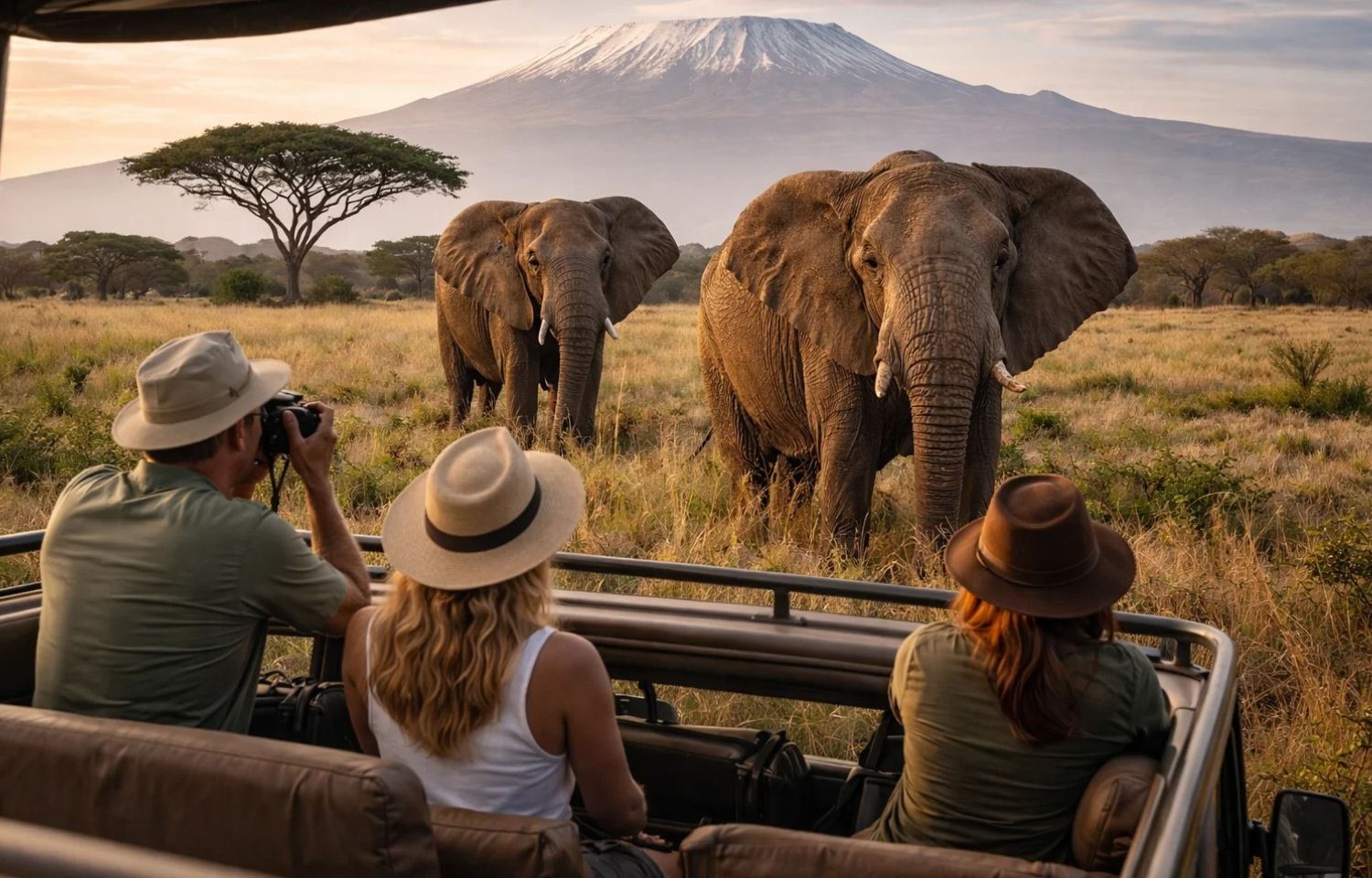
Amboseli National Park is especially known for its elephants and views of Mount Kilimanjaro. Its open landscapes and wetlands also support giraffes, zebras, buffaloes, and numerous bird species.
Kenya is a strong choice for travelers interested in classic savannah safaris, big cats, elephant encounters, and migration viewing.
Tanzania: Serengeti and Ngorongoro Crater
Tanzania offers some of East Africa’s most celebrated wildlife experiences.
The Serengeti National Park is famous for its vast grasslands, predators, and the annual movement of wildebeest and zebras. Its different regions provide wildlife-viewing opportunities throughout the year, although the location of the herds changes with rainfall and grazing conditions.
The Ngorongoro Conservation Area is another remarkable destination. Its crater supports a variety of wildlife within a relatively compact landscape, including lions, elephants, buffaloes, zebras, and, with some luck, black rhinos.
Tanzania is particularly appealing for travelers who want to combine classic game drives with opportunities to experience the Great Migration.
South Africa: Kruger National Park
Kruger National Park is one of Southern Africa’s most recognized safari destinations. It offers varied habitats and opportunities to see the Big Five, along with giraffes, zebras, hippos, crocodiles, antelopes, and many bird species.
The park has a developed network of roads and accommodation options, making it suitable for guided safaris and certain self-drive experiences.
South Africa is also a popular option for travelers who want to combine wildlife viewing with Cape Town, coastal destinations, wine regions, or other cultural experiences.
Botswana: Okavango Delta and Chobe National Park
Botswana is known for its wilderness areas, varied safari experiences, and impressive elephant populations.
The Okavango Delta is a unique inland wetland where seasonal floodwaters create channels, lagoons, and islands. Depending on water levels and local conditions, visitors can explore parts of the delta by traditional-style mokoro canoe, motorboat, or safari vehicle.
Chobe National Park is particularly well known for its elephants. Boat excursions along the Chobe River can provide excellent opportunities to observe elephants, hippos, crocodiles, and waterbirds.
Botswana is a strong choice for travelers interested in remote wilderness, water-based wildlife experiences, and quieter safari settings.
Namibia: Etosha National Park
Namibia offers a different safari landscape, with wide-open spaces, desert scenery, and distinctive wildlife habitats.
Etosha National Park is known for its large salt pan and waterholes, where animals gather, particularly during the dry season. Visitors may see elephants, lions, giraffes, zebras, antelopes, and several other species.
Namibia is a good option for travelers who want to combine wildlife viewing with dramatic desert landscapes, scenic drives, and destinations such as Sossusvlei.
Other Notable Safari Destinations
Other African countries also offer rewarding wildlife experiences:
- Zambia: Known for walking safaris and wildlife-rich areas such as South Luangwa National Park.
- Zimbabwe: Offers game drives, walking safaris, and wildlife experiences in destinations such as Hwange National Park.
- Uganda: Particularly popular for mountain gorilla trekking in Bwindi Impenetrable National Park, as well as chimpanzee tracking and traditional wildlife safaris.
- Rwanda: Known for gorilla trekking in Volcanoes National Park and forest wildlife experiences.
- Malawi: Offers safari opportunities in parks and reserves such as Liwonde National Park.
The best destination depends on the animals you hope to see, the type of safari you prefer, your travel dates, and the other experiences you want to include.
African Wildlife: Animals You May See
African national parks and reserves are home to an extraordinary range of mammals, birds, reptiles, and other wildlife. Although the animals you encounter depend on the ecosystem and season, several species are particularly popular with safari travelers.
Lions
Lions are among Africa’s most recognizable predators. They often live in social groups called prides and can be seen resting, interacting, or hunting across grasslands and savannahs.
Elephants
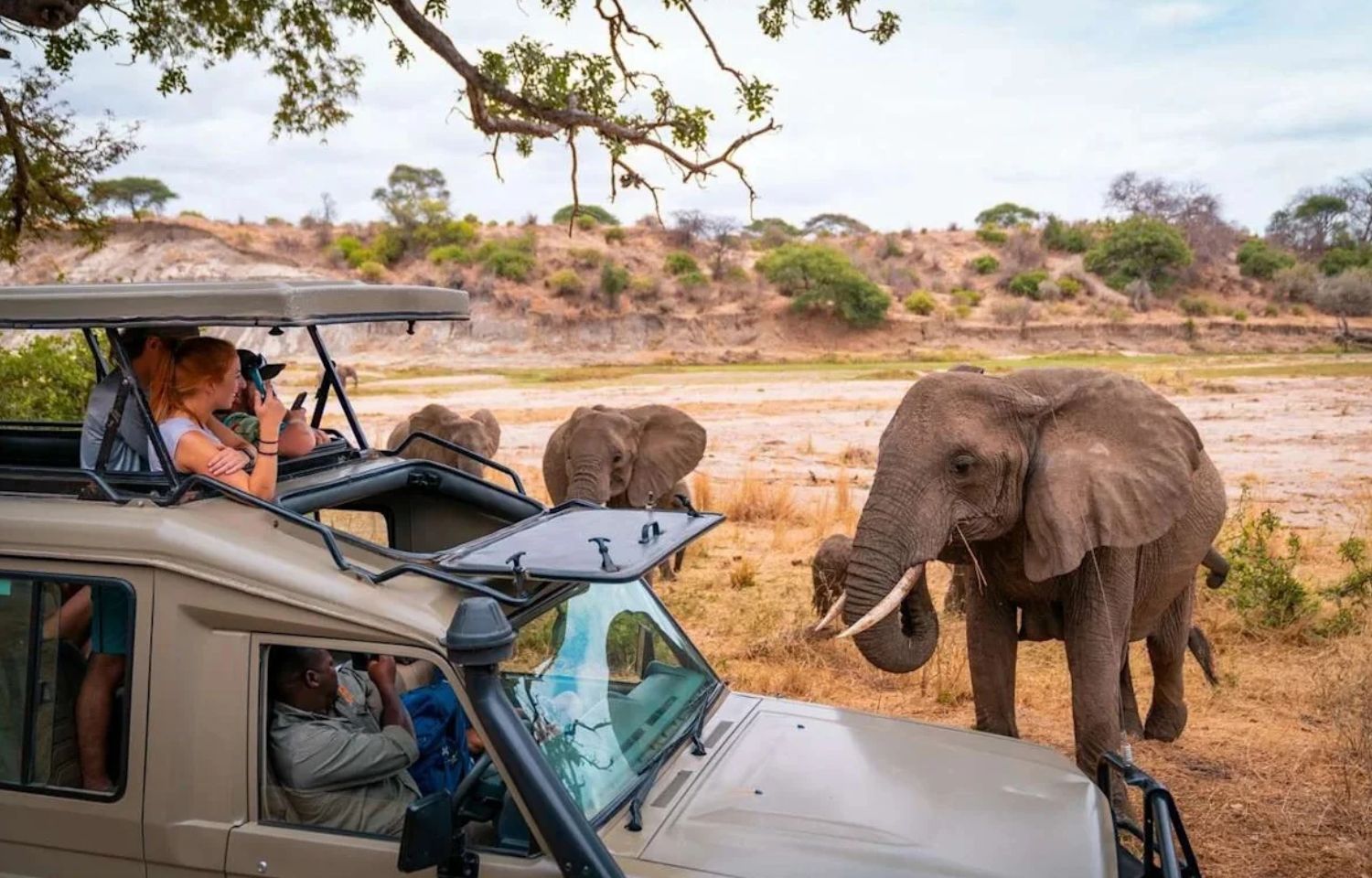
African elephants are among the largest land animals on Earth. They are often seen in family groups, moving between feeding areas and water sources. Kenya’s Amboseli, Tanzania’s Serengeti and Tarangire, Botswana’s Chobe, and South Africa’s Kruger are well-known elephant-viewing destinations.
Leopards
Leopards are powerful and elusive big cats. They are often found resting in trees or moving through woodland and rocky habitats. Their ability to remain concealed can make sightings especially rewarding.
Cheetahs
Cheetahs are known for their speed and distinctive spotted coats. They prefer open habitats where they can use their excellent eyesight to locate prey. The Serengeti and Maasai Mara are among the destinations associated with cheetah sightings.
Giraffes
Giraffes are easily recognized by their long necks and distinctive patterns. They browse on leaves from trees and are commonly seen in savannah and woodland habitats.
Zebras
Zebras are social grazing animals that often travel in groups. They are especially associated with the open plains of East Africa and form an important part of the Great Migration alongside wildebeest.
Rhinos
Both black and white rhinos are found in parts of Africa, although their populations and distribution vary. Rhinos are protected in many conservation areas because of ongoing threats, including poaching and habitat pressures.
African Wild Dogs and Other Predators
African wild dogs are highly social predators known for their coordinated hunting behavior. Other carnivores include spotted hyenas, jackals, and servals.
Birds and Smaller Wildlife
Safari experiences are not limited to large mammals. Africa is home to colorful birds, eagles, vultures, hornbills, ostriches, reptiles, and many smaller species.
Birdwatching can be particularly rewarding around wetlands, lakes, forests, and seasonal water sources.
The Big Five Explained
The Big Five is one of the most familiar terms in African safari travel. It refers to five iconic African mammals:
- Lion: A powerful social predator often seen resting or moving in prides.
- Leopard: An elusive big cat known for its spotted coat and ability to climb trees.
- Elephant: A large, intelligent herbivore that often travels in family groups.
- African buffalo: A strong herd animal known for its impressive horns.
- Rhinoceros: A large, thick-skinned herbivore that includes black and white rhino species.
The term originally referred to five animals considered particularly challenging and dangerous to hunt on foot. Today, it is widely used in photographic safari tourism to describe five of Africa’s most sought-after wildlife sightings.
Several parks and reserves offer opportunities to see all five, including parts of Kenya, Tanzania, and South Africa. However, sightings are never guaranteed, and rhinos can be especially difficult to spot in some areas.
It is also worth remembering that the Big Five are not the only animals that make an African safari special. Cheetahs, giraffes, zebras, hippos, wild dogs, and countless bird species can be just as fascinating.
Best Time for an African Safari
There is no single best month for every African safari. The ideal travel season depends on the country, park, wildlife species, rainfall patterns, and experience you want.
Dry Season
In many savannah destinations, the dry season is popular for wildlife viewing. Vegetation may become thinner, and animals can gather around rivers and waterholes, making them easier to observe.
Dry-season conditions are often favorable for game drives in destinations such as Kenya’s Maasai Mara, Tanzania’s Serengeti, and South Africa’s Kruger National Park.
However, dry-season dates differ between regions, and some parks offer excellent wildlife experiences outside these months.
Green Season
The green season usually follows periods of rainfall. Landscapes become greener, many animals give birth during particular seasonal periods, and migratory birds may be present.
This season can be attractive for photography, birdwatching, and travelers who prefer fewer visitors in certain destinations. However, heavier rainfall can affect road conditions, access, and some safari activities.
Understanding the Great Migration
The Great Migration is one of Africa’s most remarkable wildlife events. It involves the movement of vast herds of wildebeest, accompanied by zebras and other grazing animals, across the Serengeti-Mara ecosystem in Tanzania and Kenya.
The animals move in response to rainfall, fresh grazing, and water availability. Their route and timing can change from year to year, so the migration should not be treated as an event that takes place in one fixed location on exact dates.
Main Stages of the Migration
January to March: Calving Season
During this period, large numbers of wildebeest gather in the southern Serengeti and nearby plains. Many calves are born, attracting predators such as lions, cheetahs, and hyenas.
April to June: Movement Across the Serengeti
As grazing conditions change, herds begin moving through central and western parts of the Serengeti. The timing and exact route depend on rainfall and pasture conditions.
July to October: Northern Movement
During parts of this period, herds may move into the northern Serengeti and toward Kenya’s Maasai Mara. River crossings can occur, although their timing and location are unpredictable.
November to December: Return Toward the Southern Plains
As seasonal rains develop, many herds begin moving south again toward the Serengeti’s grazing areas.
Where Can You See the Great Migration?
The two main destinations are:
Serengeti National Park, Tanzania: Offers opportunities to follow different stages of the migration throughout the year.
Maasai Mara National Reserve, Kenya: Often associated with the northern part of the migration, particularly during the dry-season months.
For the best chance of seeing the herds, choose accommodation and safari areas based on their expected seasonal location rather than relying only on a country’s general peak travel season.
Even with careful planning, river crossings and other dramatic wildlife moments cannot be guaranteed.
Types of African Safaris
African safaris come in different styles, allowing travelers to choose how they want to explore wildlife areas.
Game Drive Safaris
Game drives are among the most popular safari experiences. Visitors travel in specially adapted safari vehicles with a professional guide who helps locate wildlife and explains animal behavior.
Morning and afternoon drives are common because many animals are more active during cooler parts of the day.
Private Safaris
Private safaris offer a more personalized experience, usually with a dedicated vehicle and guide. They allow greater flexibility over daily schedules, wildlife interests, and the pace of the experience.
They can be suitable for couples, families, photographers, and travelers who prefer a more exclusive safari.
Walking Safaris
Walking safaris allow visitors to explore selected wildlife areas on foot with trained guides and, where required, armed park personnel.
Rather than focusing only on large animals, these experiences often highlight tracks, plants, insects, birds, and smaller details of the ecosystem.
Walking safaris are subject to local regulations, safety conditions, and minimum age requirements.
Boat Safaris
Boat safaris take place on rivers, lakes, and wetlands. They offer a different perspective on wildlife, especially around water.
In destinations such as Botswana’s Okavango Delta and Chobe River, visitors may see hippos, crocodiles, elephants, and a variety of waterbirds.
What to Pack for an African Safari
Packing for a safari requires a little preparation. Your clothing and equipment should be practical, comfortable, and suitable for the destination’s weather and activities.
Clothing
Consider packing:
- Lightweight, breathable shirts and trousers.
- Neutral-colored clothing such as khaki, beige, olive, and brown.
- A warm jacket or fleece for early-morning and evening game drives.
- Comfortable walking shoes or boots.
- A hat or cap for sun protection.
- Sunglasses.
- A light rain jacket, depending on the season.
Avoid relying on one outfit for every safari destination. Weather can vary significantly between countries, elevations, and seasons.
Safari Accessories
Useful items include:
- Binoculars for observing wildlife from a distance.
- A camera and spare batteries.
- Extra memory cards or suitable photo storage.
- A small day bag.
- A reusable water bottle, where appropriate.
- A headlamp or flashlight for camps with limited lighting.
- A power bank and suitable travel adapters.
- Sun and Insect Protection
- Bring sunscreen, insect repellent, and any other personal protection recommended for your destination.
For malaria prevention and other health preparations, consult a qualified travel-health professional before departure. You can find more guidance in our guide to health preparations for safari travel.
Travel Documents and Personal Essentials
Keep important documents accessible, including:
- Passport and any required visas.
- Travel insurance information.
- Safari booking confirmations.
- Flight and transfer details.
- Prescriptions and essential personal medication.
- Emergency contact information.
Check your safari operator’s luggage restrictions before packing. Some light aircraft transfers have strict weight and bag-size limits, and soft-sided luggage may be required.
Tips for Planning Your First African Safari
Your first safari can feel like a big adventure, especially when choosing between different countries, parks, and experiences. A few practical decisions can help you select a trip that suits your expectations.
Choose Your Main Wildlife Interest
Start by deciding what you most want to experience. Are you interested in seeing the Big Five, following the Great Migration, watching elephants, photographing birds, or exploring a wetland environment? Your priorities will help narrow down the right destination. For broader advice on routes, travel seasons, and organizing your itinerary, read our guide to How to Plan an Africa Trip.
Match Your Travel Dates to the Destination
Research the local seasons and wildlife patterns for the specific park you plan to visit. Do not assume that the best safari months are the same across every African country. For broader advice on routes, travel seasons, and organizing your itinerary, read our guide to How to Plan an Africa Trip.
Choose the Right Safari Style
Consider whether you prefer a private guided safari, a shared group experience, walking activities, boat excursions, or self-drive exploration in suitable parks.
Check what is included in your package, such as park fees, accommodation, meals, game drives, transfers, and guide services.
Allow Enough Time for Wildlife Viewing
Avoid trying to visit too many parks in a short period. Spending more time in one wildlife area can give you a better opportunity to explore its different habitats and observe animals at a comfortable pace.
Prepare for Early Mornings
Many safari activities begin early, when temperatures are cooler, and some animals are more active. Be prepared for early departures and changing temperatures throughout the day.
Learn About Local Wildlife Rules
Each park and activity may have specific regulations. Follow your guide’s instructions, respect age restrictions, and check the requirements for activities such as walking safaris and gorilla trekking. For more practical advice on staying safe during wildlife activities and your wider journey, read our guide to safari safety tips.