
Africa is a continent of remarkable cultural diversity, where centuries old traditions, local customs, music, art, and culinary heritage shape everyday life. From the historic markets of North Africa and the traditional coffee ceremonies of East Africa to the vibrant music and flavorful dishes of West Africa, every region offers distinctive experiences for travelers.
Exploring African culture involves more than visiting historical attractions. It also means discovering how local communities celebrate, prepare food, welcome guests, express their beliefs, and preserve their traditions.
Food is an important part of this experience. Traditional African dishes reflect local ingredients, geography, history, and cultural influences, giving visitors another way to understand the places they explore.
This guide introduces African culture and traditions, including social customs, clothing, religious practices, regional cuisines, and cultural experiences to enjoy during your travels.
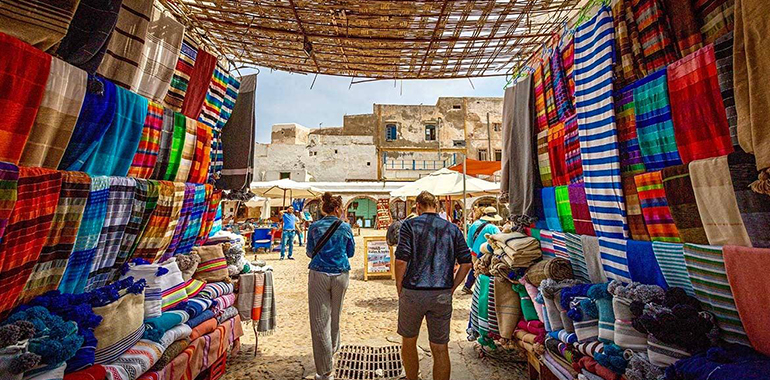
Understanding Africa’s Cultural Diversity
Africa is home to thousands of ethnic communities, languages, and cultural traditions. Each country and region has its own history, customs, artistic expressions, and ways of life.
Although some cultural practices are shared across borders, traditions can differ significantly between neighboring communities.
East African Cultures and Communities
East Africa is culturally diverse, with communities that maintain distinctive languages, traditions, music, clothing, and social practices.
Kenya and Tanzania are home to numerous ethnic communities, including the Maasai, whose traditional beadwork, clothing, ceremonies, and pastoral heritage are well known.
Ethiopia has a rich cultural and religious heritage, including traditional coffee ceremonies and distinctive celebrations. Uganda also offers a variety of cultural experiences connected to its different kingdoms and communities.
Visitors can learn about local traditions through cultural centers, community-led experiences, traditional markets, and respectful interactions with residents.
Southern African Traditions
Southern Africa has a diverse cultural heritage shaped by many communities, languages, and historical influences.
South Africa is home to several cultural groups, including Zulu, Xhosa, Sotho, Tswana, and Venda communities. Their traditions include distinctive music, clothing, crafts, ceremonies, and storytelling.
Botswana, Namibia, Zambia, and Zimbabwe also offer opportunities to discover traditional crafts, local music, community heritage, and regional customs.
Cultural experiences vary by community, making it worthwhile to learn about the specific traditions of the places you visit.
West and Central African Heritage
West Africa is known for its vibrant music, artistic traditions, textiles, festivals, and historic trading centers.
Countries such as Ghana, Senegal, Nigeria, and Côte d’Ivoire have distinctive cultural identities and strong traditions of storytelling, craftsmanship, dance, and community celebrations.
Central Africa is equally diverse, with communities whose heritage is connected to rainforest environments, traditional music, sculpture, and local craftsmanship.
Exploring these regions provides opportunities to understand different ways of life and discover cultural traditions beyond the continent’s most familiar tourist destinations.
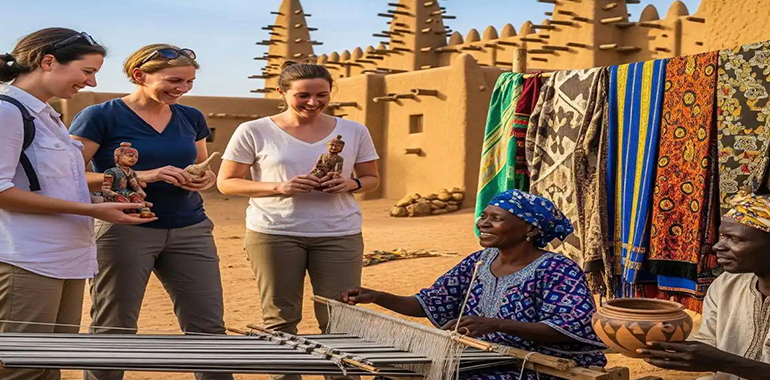
African Traditions and Everyday Life
Many African cultural traditions place importance on family relationships, community connections, hospitality, and shared celebrations. However, customs differ between countries, communities, generations, and individual households.
Family, Community, and Hospitality
Family and community relationships play important roles in many African societies.
In some communities, extended families maintain close connections, with relatives sharing responsibilities and participating in important family events.
Hospitality is also an important cultural value in many destinations. Visitors may be welcomed with refreshments, traditional food, or opportunities to learn about local customs.
For travelers, accepting hospitality politely and showing appreciation can create meaningful cultural connections.
Music, Dance, and Storytelling
Music and dance are important forms of cultural expression throughout Africa.
Traditional instruments, rhythmic drumming, singing, and dance are used in celebrations, ceremonies, community gatherings, and artistic performances.
Examples include:
- North Africa: Gnawa music in Morocco and traditional Egyptian music.
- East Africa: Taarab music in coastal Tanzania and Zanzibar, alongside diverse traditional musical styles across the region.
- West Africa: Highlife music in Ghana, Afrobeat in Nigeria, and traditional drumming and dance.
- Southern Africa: Zulu musical traditions, gumboot dancing, and other regional performance styles.
Storytelling is another important tradition in many communities. Oral histories, folktales, songs, and proverbs have helped pass cultural knowledge between generations.
Festivals, Celebrations, and Traditional Ceremonies
Festivals and ceremonies provide opportunities to experience local traditions, music, clothing, and food.
Some celebrations have religious significance, while others are connected to seasonal events, historical heritage, or community identity.
Examples include Timkat in Ethiopia, the Gerewol celebrations among Wodaabe communities in parts of the Sahel, and cultural festivals in Ghana and Senegal.
In North Africa, religious celebrations such as Eid are important occasions for family gatherings, traditional meals, and community activities.
Travelers interested in attending festivals should research their dates, local customs, and visitor guidelines in advance.
Understanding local customs can make cultural interactions more comfortable and help visitors show respect for the communities they encounter.
Greetings and Communication
Greetings are an important part of everyday social interaction in many African communities.
Depending on the country and community, greetings may involve handshakes, verbal exchanges, or other customary gestures.
In some places, it is polite to greet someone before asking a question or beginning a conversation.
Learning a few basic words in the local language can also make interactions more welcoming. Examples include greetings in Swahili, Arabic, French, or other widely used regional languages.
Always pay attention to local preferences rather than assuming that one greeting is appropriate everywhere.
Respecting Local Customs and Traditions
Travelers should take time to understand local expectations, particularly when visiting rural communities, traditional homes, or religious locations.
Useful practices include:
- Dress appropriately for the destination and setting.
- Ask permission before entering private homes or community spaces.
- Follow local expectations when sharing meals.
- Avoid interrupting ceremonies or traditional performances.
- Be respectful when discussing cultural or religious subjects.
- Follow guidance from local hosts and community representatives.
Showing curiosity and respect is often the best way to learn about unfamiliar traditions.
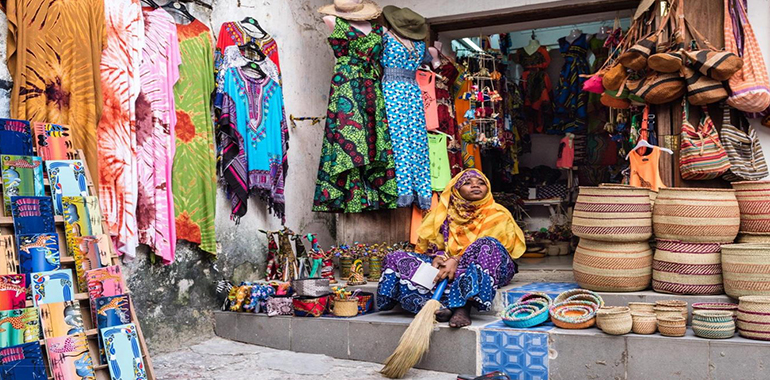
Traditional African Clothing and Religious Customs
Traditional clothing and religious practices are important expressions of cultural identity throughout Africa.
Traditional Clothing Across African Regions
African clothing varies widely in design, materials, colors, and cultural significance.
Some well-known examples include:
- North Africa: Djellabas, kaftans, and traditional embroidered garments are worn in different countries and communities.
- East Africa: The Maasai are known for colorful shúkà garments and distinctive beadwork, while the kanga is widely used in coastal East African communities.
- West Africa: Kente cloth from Ghana and other traditional woven textiles are associated with cultural identity and important occasions.
- Southern Africa: Traditional garments and beadwork vary among Zulu, Xhosa, Sotho, and other communities.
These garments are not simply decorative. Their patterns, colors, and styles can carry cultural meaning and may be associated with particular events or communities.
Religion and Spiritual Practices
Africa has a diverse religious landscape, including Islam, Christianity, and traditional African religious and spiritual practices.
Islam has a long history in North Africa and parts of West and East Africa. Christianity is widely practiced across many regions, while traditional belief systems continue to influence cultural practices and community traditions.
In some places, religious celebrations are closely connected to music, food, family gatherings, and local customs.
Travelers should respect religious practices by observing dress requirements, following visitor instructions, and behaving appropriately at places of worship.
African Food: Traditional Dishes Across the Continent
African cuisine reflects the continent’s agricultural diversity, local ingredients, trade history, and cultural influences.
Staple foods include grains, rice, maize, cassava, millet, vegetables, legumes, fish, and meat. Spices and cooking methods differ between regions, creating a wide variety of traditional dishes.
North African Cuisine
North African food is known for its aromatic spices, slow-cooked meals, grains, vegetables, and combinations of sweet and savory flavors.
Popular dishes include:
- Egypt: Koshari, a popular combination of rice, lentils, pasta, chickpeas, and tomato sauce; ful medames, made from slow-cooked fava beans; and molokhia, a traditional green soup.
- Morocco: Tagine, a slow-cooked dish prepared with meat or vegetables, and couscous served with vegetables and other accompaniments.
- Tunisia: Brik, a thin pastry commonly filled with egg or tuna, and couscous with spicy sauces.
- Algeria: Traditional couscous dishes and chorba, a flavorful soup prepared with regional ingredients
Bread, olive oil, herbs, legumes, and spices are also important parts of many North African meals.
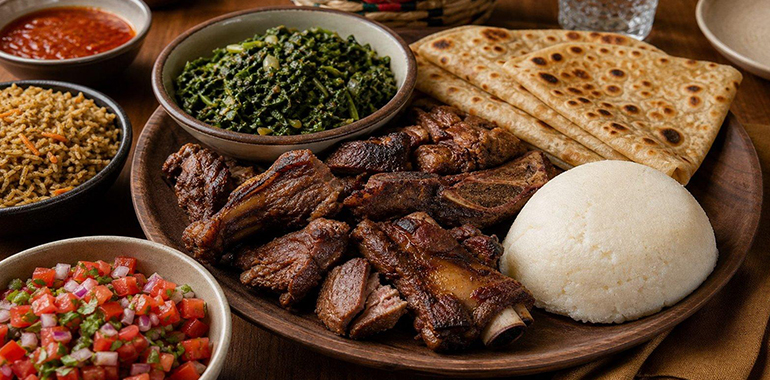
East African Cuisine
East African cuisine features a combination of grains, vegetables, legumes, meat, fish, and locally grown ingredients.
Popular dishes include:
- Kenya: Ugali, a firm maize-based staple often served with vegetables, meat, or fish; and nyama choma, grilled meat commonly enjoyed at social gatherings.
- Tanzania: Pilau, a spiced rice dish, and chipsi mayai, an omelet made with French fries.
- Uganda: Matoke, made from steamed green bananas, often served with sauce or stew.
- Ethiopia: Injera, a fermented flatbread made traditionally from teff, served with a variety of stews and vegetable dishes.
Along the East African coast, Swahili cuisine reflects regional and historical influences, with dishes often featuring coconut, spices, rice, and seafood.
West African Cuisine
West African food is known for bold flavors, spices, rice dishes, stews, and meals prepared with locally available ingredients.
Popular dishes include:
- Nigeria: Jollof rice, egusi soup, and pounded yam.
- Ghana: Banku, fufu, waakye, and groundnut soup.
- Senegal: Thieboudienne, a traditional rice and fish dish served with vegetables.
Many meals are prepared with tomatoes, peppers, onions, cassava, yams, plantains, and groundnuts.
Southern African Cuisine
Southern African food reflects diverse cultural traditions and local agricultural influences.
Popular examples include:
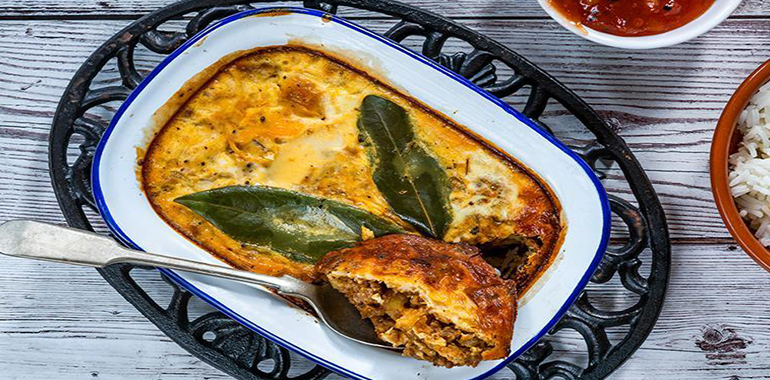
- South Africa: Bobotie, a baked dish made with spiced minced meat and an egg-based topping; biltong, a dried and cured meat snack; and braai, a traditional barbecue gathering.
- Botswana: Seswaa, slowly cooked and shredded meat traditionally served with a staple such as pap.
- Namibia: Kapana, a popular street-food style of grilled meat.
- Zimbabwe: Sadza, a maize-based staple often served with vegetables or meat.
Food traditions often bring communities together through family meals, outdoor cooking, and social gatherings.
Central African Cuisine
Central African cuisine uses ingredients such as cassava, plantains, leafy vegetables, fish, peanuts, and locally available produce.
Traditional dishes vary between countries and communities.
Examples include saka-saka, a dish made with cassava leaves and prepared in different ways across Central African countries, and various fish and vegetable stews served with cassava or plantain.
Local markets provide a useful introduction to the ingredients and food traditions of the region.
How to Experience African Culture Respectfully
Responsible cultural travel involves learning about local traditions while respecting the people and communities who preserve them.
Keep these recommendations in mind:
- Learn about the customs of each destination before arrival.
- Ask permission before photographing individuals or traditional ceremonies.
- Dress appropriately when visiting religious sites and local communities.
- Support local artisans, restaurants, guides, and community businesses.
- Avoid treating cultural practices as performances without understanding their significance.
- Respect religious beliefs and local traditions, even when they differ from your own.
- Follow guidance when visiting private homes or community spaces.
- Choose cultural experiences that are organized with the participation and consent of local communities.
A respectful approach can help create more meaningful interactions and support the preservation of cultural heritage.