Planning a trip to the Middle East often starts with one question: Egypt or Jordan? Both countries offer ancient history, dramatic landscapes, and rich culture, but they deliver very different travel experiences. This guide compares Egypt and Jordan across history, nature, culture, cost, and travel difficulty so you can decide which destination suits you or whether combining both is the right move.
Our Egypt Multi-Country Vacations combine Egypt with Jordan, Dubai, Greece, or Morocco. Alternatively, our curated Egypt & Jordan Tours focus on these two iconic countries, providing guided experiences that cover the highlights safely and conveniently.
Egypt vs Jordan: The Core Difference
Egypt is a country of vast distances, layered ancient history across multiple cities, and an intense, energetic atmosphere. Jordan is a country of concentration, compact, accessible, and anchored by a small number of exceptionally powerful sites. Understanding this distinction is the fastest way to identify which destination matches your travel style.
History & Ancient Civilization
Egypt is home to one of the world’s oldest and most extensively documented civilizations. Travelers can explore the Pyramids of Giza, the Sphinx, the temples of Karnak and Luxor, the Valley of the Kings, and the antiquities of the Egyptian Museum, all spanning thousands of years of continuous history. The sheer variety of historical sites across multiple cities makes Egypt one of the richest archaeological destinations on earth.
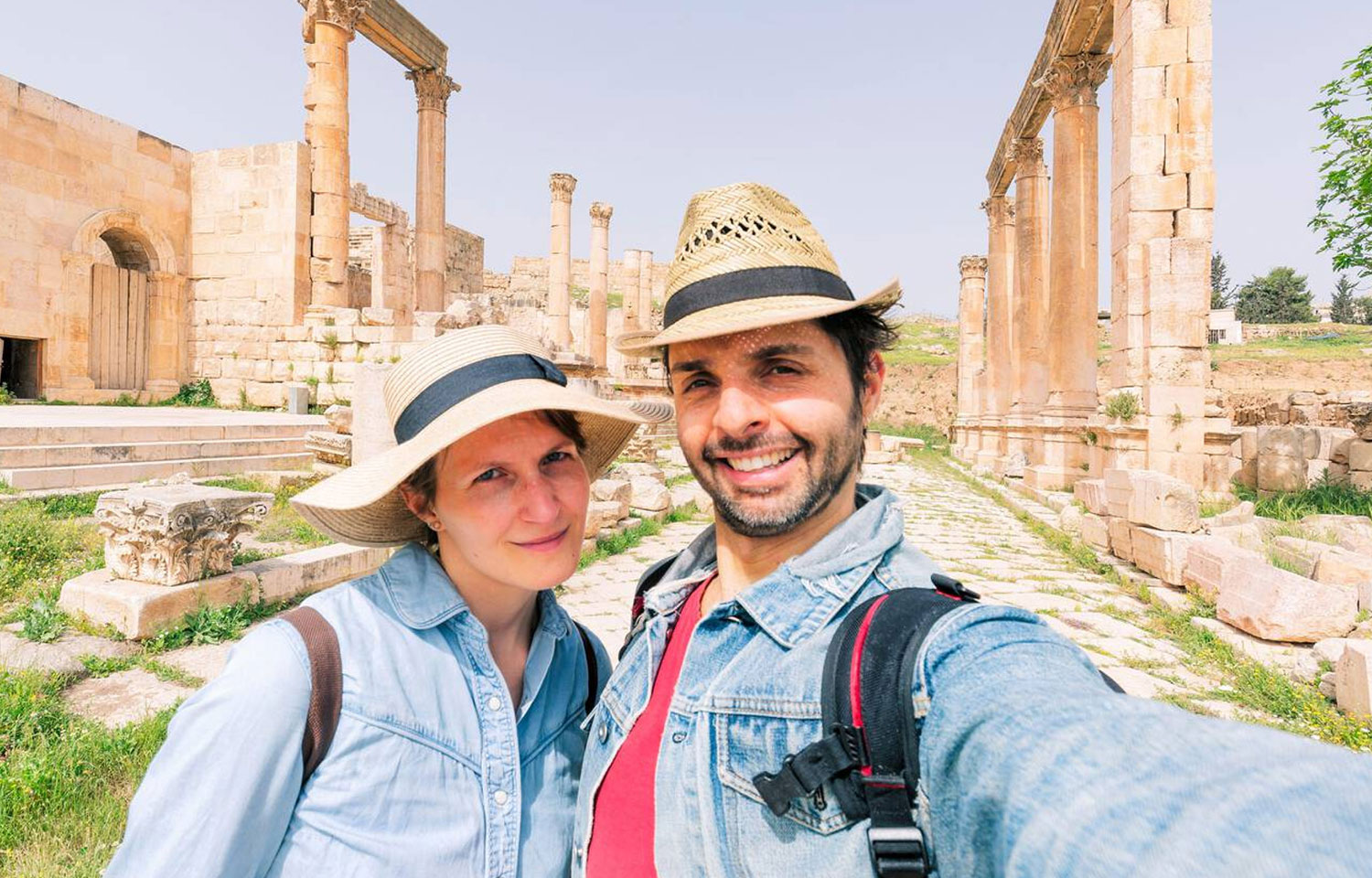
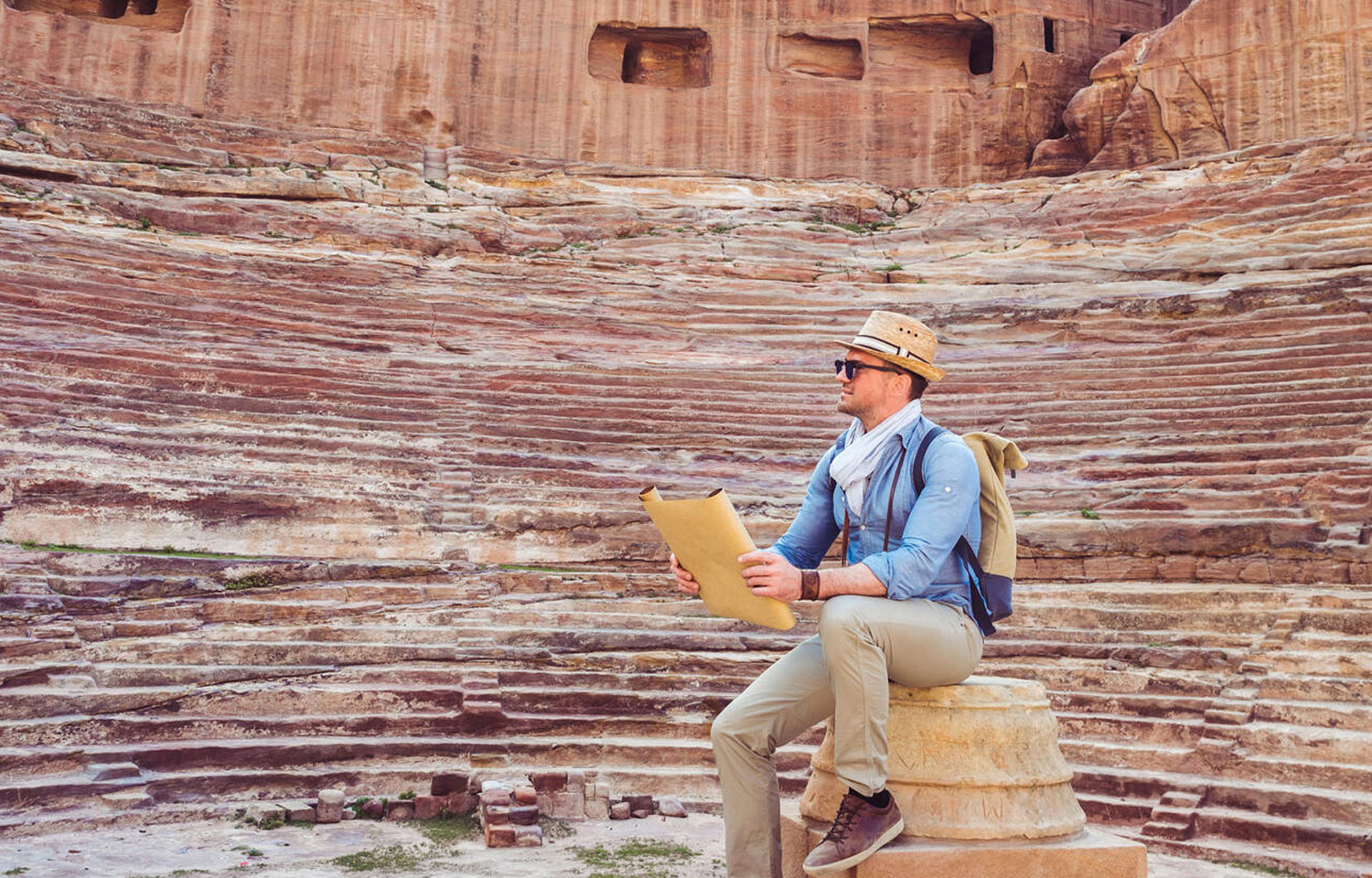
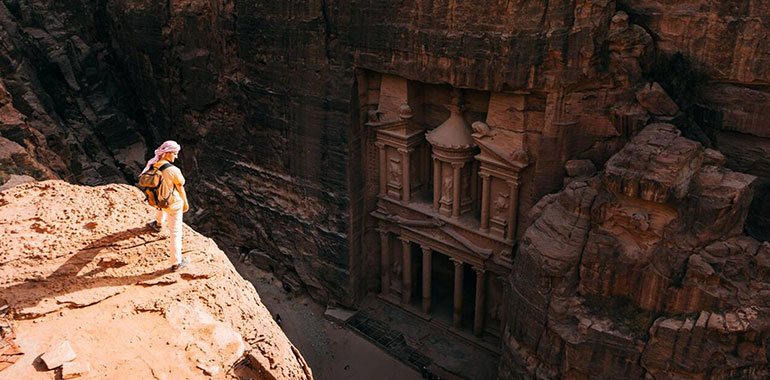
Jordan’s historical depth comes primarily from the Nabataean and Roman periods. Petra, carved directly into red sandstone cliffs, is one of the New Seven Wonders of the World and among the most visually striking archaeological sites anywhere. Jerash offers some of the best-preserved Roman ruins outside of Europe. Jordan’s historical offering is more concentrated but no less significant.
Verdict: Egypt offers a greater variety in ancient world history spread across multiple cities. Jordan delivers a smaller number of concentrated iconic sites, with Petra as its undisputed centerpiece.
Nature & Landscapes
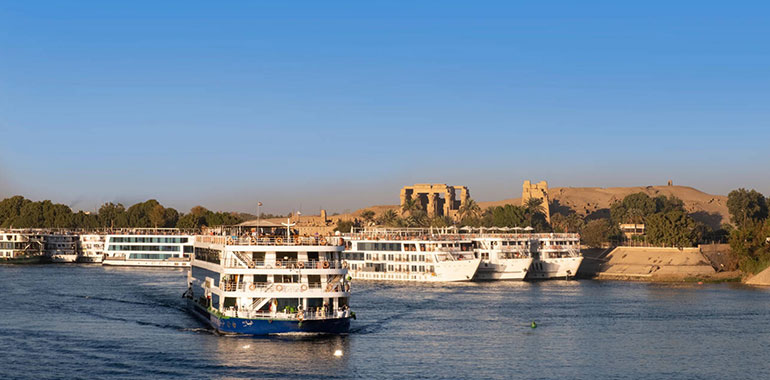
Egypt’s natural range covers the Nile River, vast desert expanses, and the Red Sea coastline. A Nile cruise between Luxor and Aswan is both a travel experience and a highlight in itself. Desert safaris and Red Sea snorkeling or diving add further dimensions to the natural offering.
Jordan’s landscapes are dramatic and highly accessible, given the country’s compact size. Wadi Rum’s desert scenery, used as a filming location for several major productions, is unlike anywhere else in the region. The Dead Sea, the lowest point on earth, offers a genuinely unique experience. Both are reachable within a short drive of each other.
Verdict: Jordan offers more dramatic and accessible natural scenery within a shorter travel radius. Egypt’s natural range is broader but requires more distance to cover.
Culture & Atmosphere
Egypt has a vibrant, high-energy atmosphere, particularly in Cairo, where markets, street life, and the pace of daily activity create an immersive and occasionally overwhelming urban experience. Travelers who enjoy cultural depth, local interaction, and the texture of busy city life tend to respond strongly to Egypt.
Jordan is calmer and more relaxed in the atmosphere. Jordanian hospitality is well regarded among travelers, and the overall travel experience from Amman to Petra to Wadi Rum feels more measured and less chaotic than Egypt’s major cities.
Verdict: Egypt is more dynamic and culturally intense. Jordan is more relaxed and easier to navigate emotionally as well as logistically.

Egypt and Jordan Travel Cost
Egypt is the more budget-friendly destination of the two. Accommodation, food, internal transport, and attraction entry fees are all generally affordable by international standards. It is possible to travel in Egypt at a low daily cost while still accessing the major sites.
Jordan is moderately more expensive. Petra’s entry fee alone is significant, though the Jordan Pass, which bundles the visa fee with entry to multiple attractions, substantially reduces the total cost for most travelers. Accommodation and food in Jordan sit at a mid-range price point.
Verdict: Egypt is the stronger choice for budget-conscious travelers. Jordan is manageable on a mid-range budget, particularly with the Jordan Pass.

This is a factor many comparison guides overlook, but it meaningfully affects the experience, particularly for first-time visitors to the region.
Egypt requires more logistical effort. Distances between major sites are long, requiring domestic flights or Nile Cruise segments to cover efficiently. Cairo can be intense for travelers unfamiliar with large, busy Middle Eastern cities. Haggling, persistent vendor approaches, and navigating crowded attractions are part of the experience, rewarding for some and tiring for others.
Jordan is significantly easier to navigate. The country is compact enough that most major sites, Amman, Petra, Wadi Rum, and the Dead Sea, can be covered in a logical circular route without retracing steps or long transfers. Infrastructure for tourism is well developed, and the overall travel environment is calmer.
Verdict: Jordan is noticeably easier for first-time visitors or travelers who prefer a lower logistical load. Egypt rewards travelers who come prepared and embrace the complexity.
Which Type of Traveler Suits Each Destination?
Choose Egypt if you want
- Ancient pyramids, temples, and tombs across multiple cities
- A rich, layered historical journey with enormous variety
- Nile Cruise experiences and Red Sea activities
- A more budget-friendly trip
- An immersive, high-energy cultural atmosphere
Choose Jordan if you want
- A shorter, more compact itinerary that is easier to execute
- Petra, as a centerpiece, is one of the world’s great archaeological experiences
- Dramatic desert landscapes at Wadi Rum
- The Dead Sea on your itinerary
- A calmer, more relaxed overall travel experience
Why Most Travelers Choose Both and How to Split Your Time
For many travelers, the answer to “Egypt or Jordan?” is simply “both.” The two countries complement each other well. Egypt provides historical scale and cultural intensity; Jordan provides dramatic landscapes and a more relaxed pace. Together, they form one of the most complete travel experiences in the world.
A standard combined trip of 10 to 14 days covers the highlights of both countries comfortably. Most travellers allocate slightly more time to Egypt, given the distances involved, with around 5 to 7 days in Egypt and 4 to 5 days in Jordan as a common structure.
Tripidays offers curated Egypt and Jordan tours designed around this balance, as well as longer Egypt and Jordan vacations for travelers who want more depth in both countries.
For everything you need to organize the practicalities, visas, transport between countries, currency, and booking timelines, see our Egypt and Jordan trip planning logistics guide.

Quick Comparison: Egypt vs Jordan
To help you quickly understand the key differences between both destinations, here is a side-by-side comparison of Egypt vs. Jordan across the most important travel factors.
| Category | Egypt | Jordan |
| Historical Sites | Pyramids, temples, and ancient tombs across multiple cities | Petra, Roman ruins, biblical sites |
| Natural Landscapes | Nile River, Sahara Desert, Red Sea | Wadi Rum desert, Dead Sea |
| Atmosphere | Lively, busy, culturally intense | Relaxed, scenic, compact |
| Budget | Generally more affordable | Moderately more expensive |
| Ease of Navigation | More logistically demanding | Easier, compact routes |
| Highlights | Cairo, Luxor, Aswan, Red Sea | Petra, Amman, Dead Sea, Wadi Rum |

Final Thoughts
Egypt and Jordan offer genuinely different travel experiences that appeal to different priorities.
Egypt is the right choice for travelers who want deep historical immersion across multiple sites, a budget-friendly trip, and a high-energy cultural experience. Jordan suits travelers who want a more relaxed pace, a compact and logistically simple itinerary, and iconic natural and archaeological sites without the complexity of covering large distances.
If your trip length and budget allow, visit both. The combination of the two countries is one of the most rewarding multi-destination itineraries available anywhere in the region. If possible, combining both destinations creates one of the most rewarding travel experiences in the world. If you are planning a guided experience, you can also explore our best tour companies for Egypt and Jordan to compare trusted operators and choose the right travel provider.