Temple of Abu Simbel facts reveal some of the most impressive stories from ancient Egypt’s golden age. From giant statues carved into a mountainside to the magical sunlight that illuminates the temple twice a year, these temples are more than just tourist attractions; they’re timeless wonders. Built by Pharaoh Ramesses II, the two temples of Abu Simbel reflect both his power and his deep love for Queen Nefertari.
In this blog, you’ll discover the most interesting, fun, and important facts about Abu Simbel Temples, including secrets hidden inside the sanctuary, the incredible relocation rescue mission, and even facts suitable for kids. Whether you’re a history lover or just planning your next adventure to Egypt, this guide will give you a new appreciation for this ancient masterpiece. Let’s dive into the facts of the world of legends, gods, and brilliant ancient design.
1. The Temples Were Carved into a Mountain
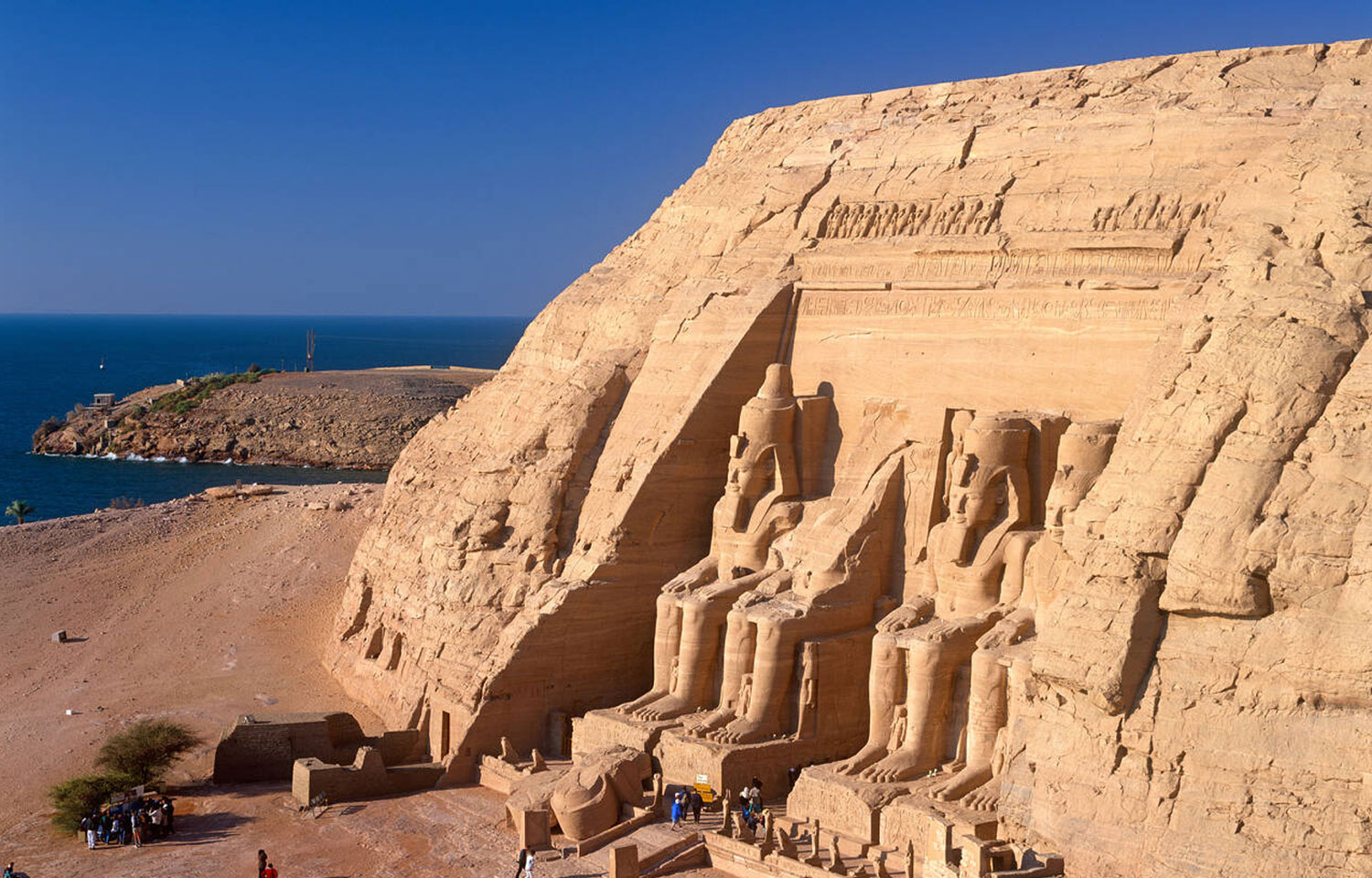
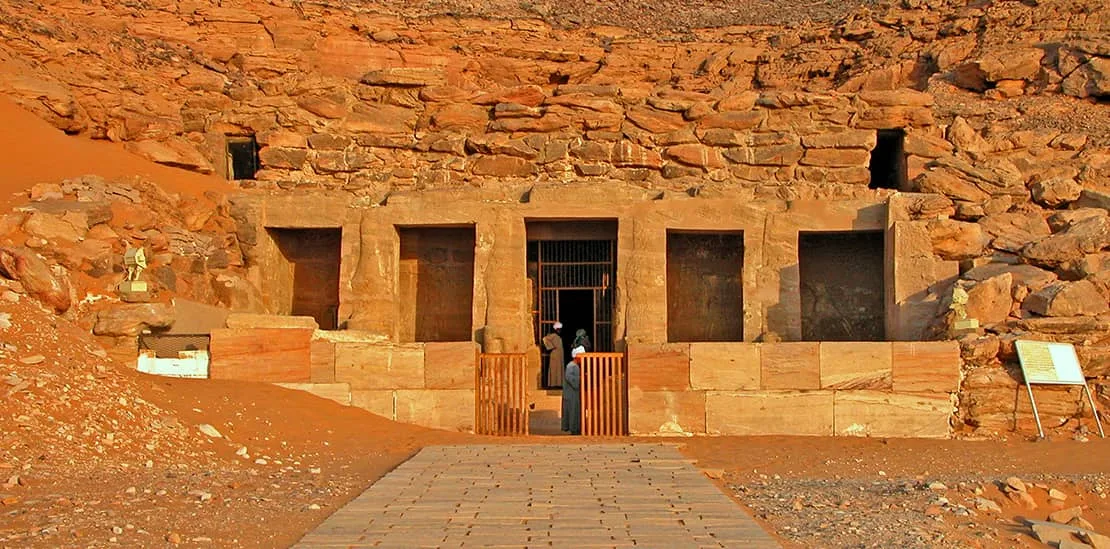
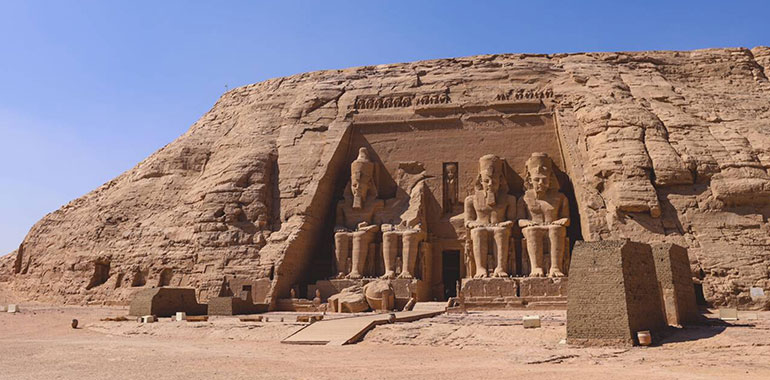
Yes, you read that right! The great temple at Abu Simbel and its smaller twin were carved directly into a sandstone cliff over 3,000 years ago. No bricks. No blocks. Just pure rock and unbelievable skill. It’s one of the most impressive examples of ancient architecture in the world and a prime example of a grand temple in Ancient Egyptian design.
2. Built by Ramesses II, the King of Kings
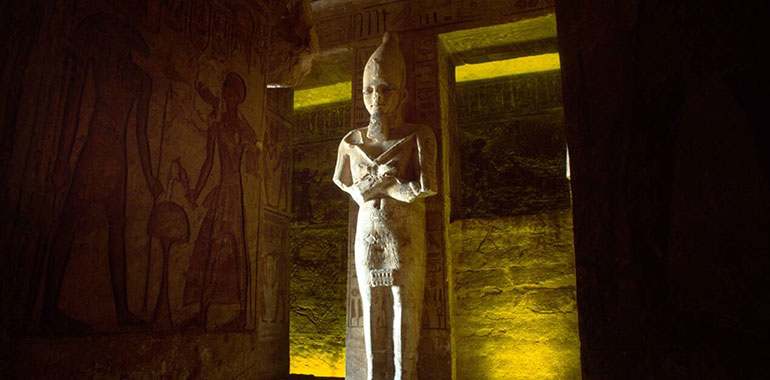
The Ramesses II Temple at Abu Simbel facts are truly epic. Ramesses II wasn’t just a pharaoh; he was a legend. He built the larger temple for himself to show his power and honor the gods, and the smaller one for his beloved queen, Nefertari. This romantic gesture made the temples a symbol of love as well as strength. The main temple at Abu Simbel stands as a tribute to the power of King Ramesses II, and his legacy lives on in every statue and inscription.
3. The Sun Lights Up the Statue Twice a Year
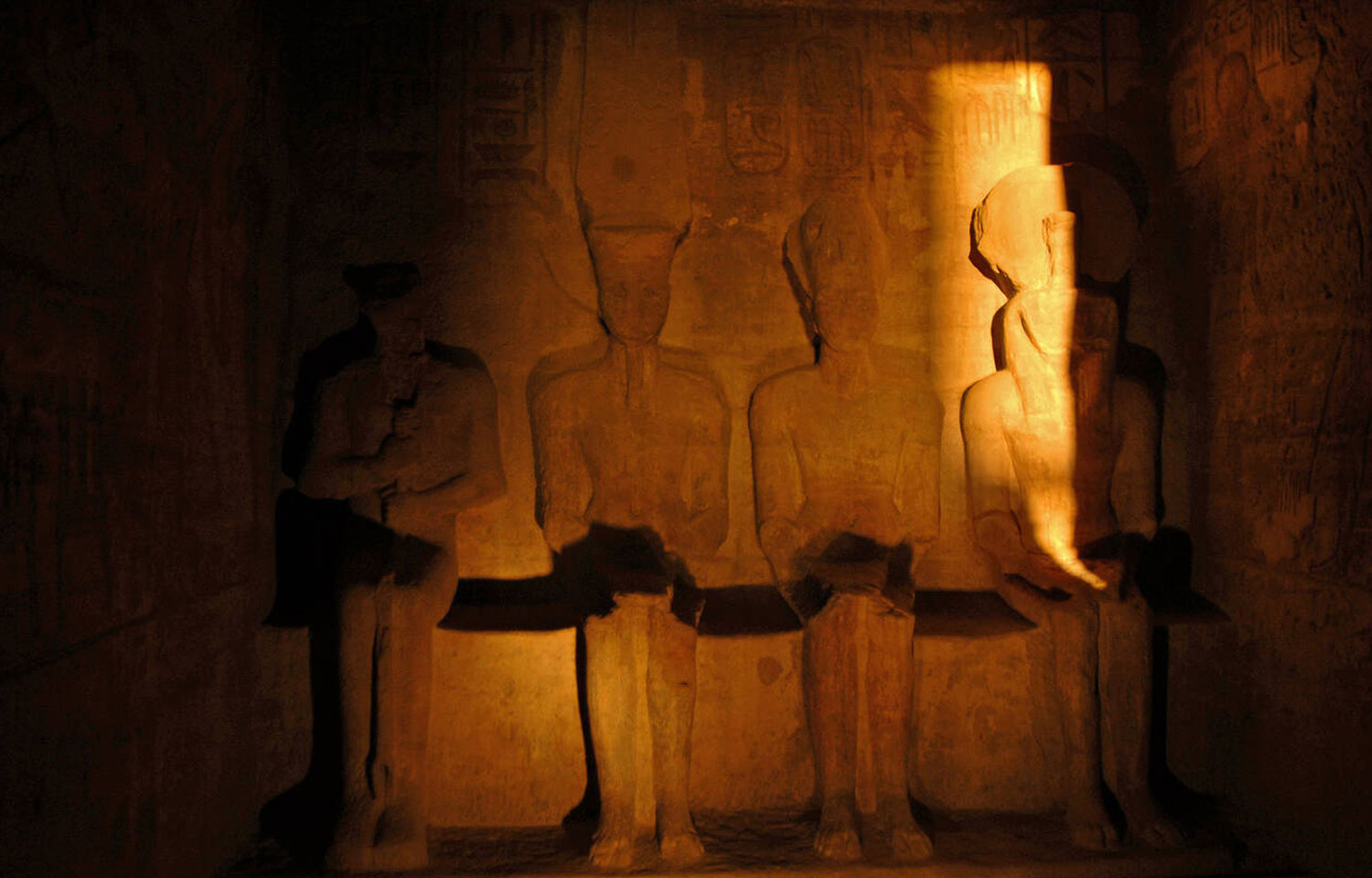
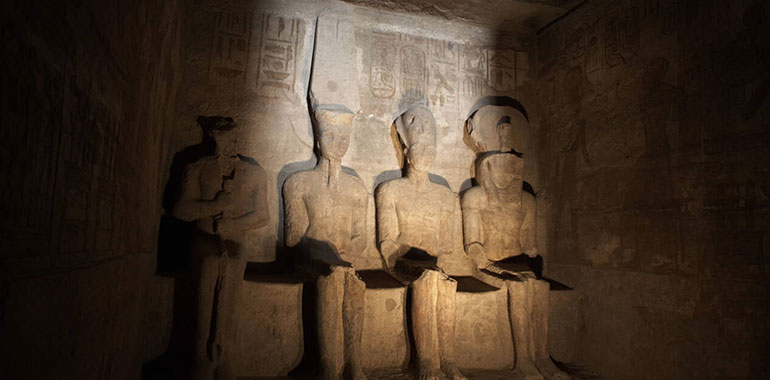
Here’s one of the most interesting facts about Abu Simbel temple: twice a year, the sun aligns perfectly to shine inside the great temple, lighting up the statues of the gods and the Pharaoh. These two magical dates are February 22 and October 22, marking Ramesses’ birthday and coronation day. This solar phenomenon draws crowds from around the world! Read our Abu Simbel Sun Festival Guide for event details, travel tips, and what to expect. The rays of the sun illuminating the statue of Ramses II make this event unforgettable.
4. Abu Simbel Was Almost Lost Forever
One of the top facts about the Abu Simbel temple is that it almost disappeared! In the 1960s, the building of the Aswan High Dam threatened to flood the temples. But the world didn’t let that happen. In a massive rescue operation led by UNESCO, the entire site was cut into pieces and moved to higher ground. The temple complex was carefully preserved, and the temple was relocated in what remains one of the most impressive archaeological rescues in history.
5. The Temples Took 20 Years to Complete
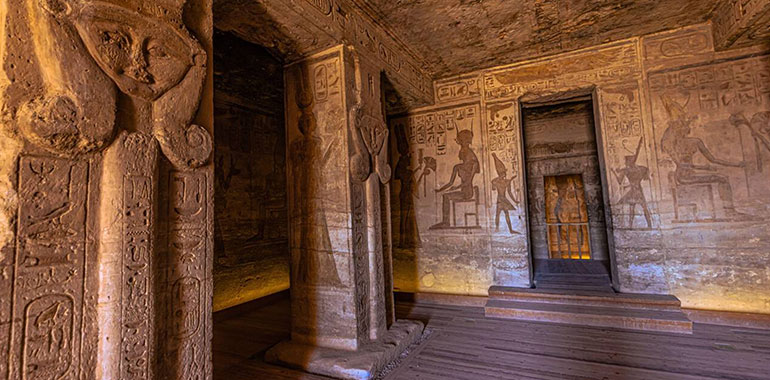
Ancient builders didn’t rush. The temples were carefully constructed over two decades. The result? An architectural wonder that still stands tall after thousands of years. This long effort is part of what makes the temple of Abu Simbel so impressive. The temple was built to last, and it clearly has.
6. Four Giant Statues Guard the Entrance
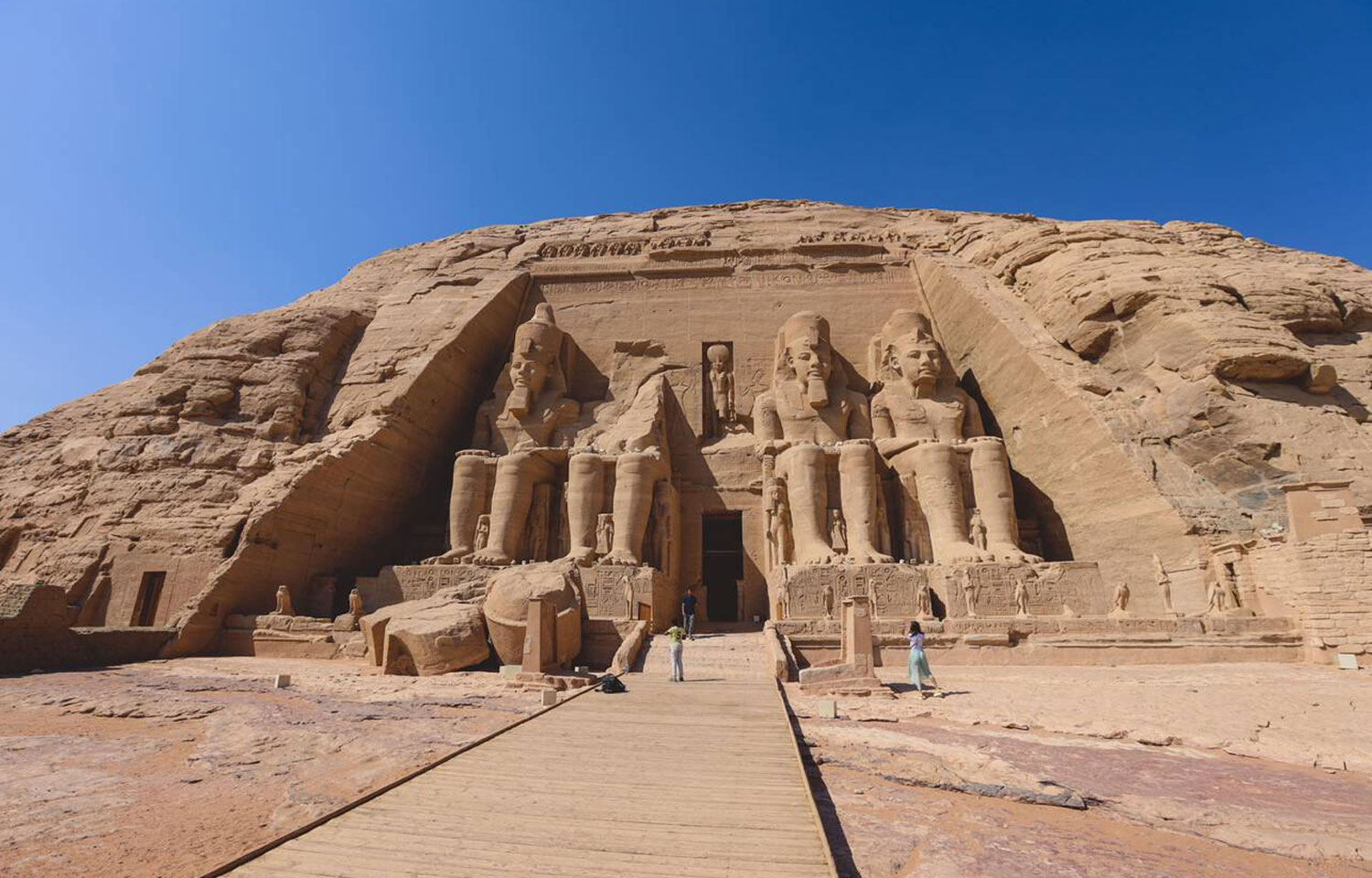
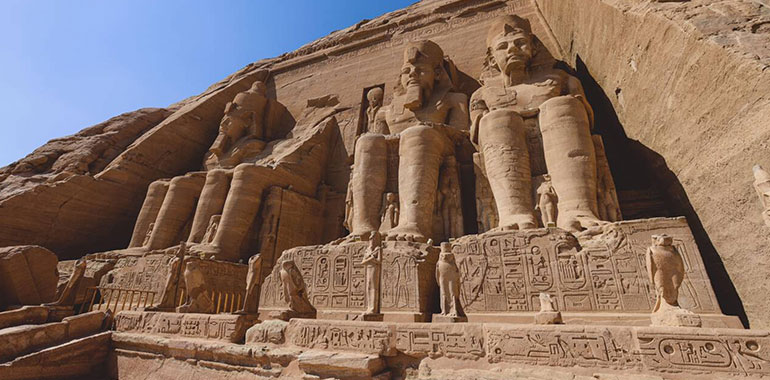
The front of the Great Temple of Abu Simbel is one of the most iconic sights in Egypt. Four massive statues of Ramesses II, each over 20 meters high, stand proudly at the temple entrance. They’re so big, their ears alone are over a meter long! These colossal statues form the entrance to the great temple and continue to awe visitors from around the world.
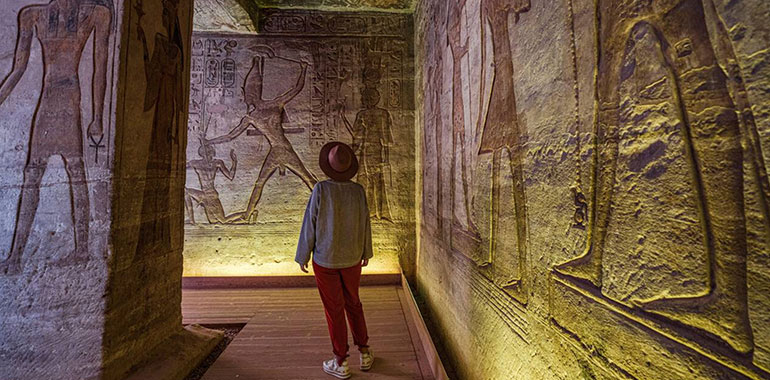
Want a secret? One of the most interesting facts about the Abu Simbel temples is hidden inside. Deep in the sanctuary, Ramesses placed statues of himself with gods like Ra and Amun. It was his way of declaring himself a god among gods. The temple is dedicated not only to the gods but to the divine image of Ramesses himself.
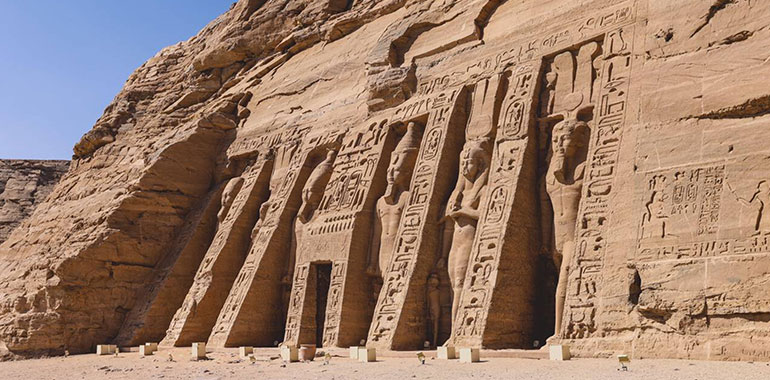
8. Nefertari’s Temple Was a Rare Honor
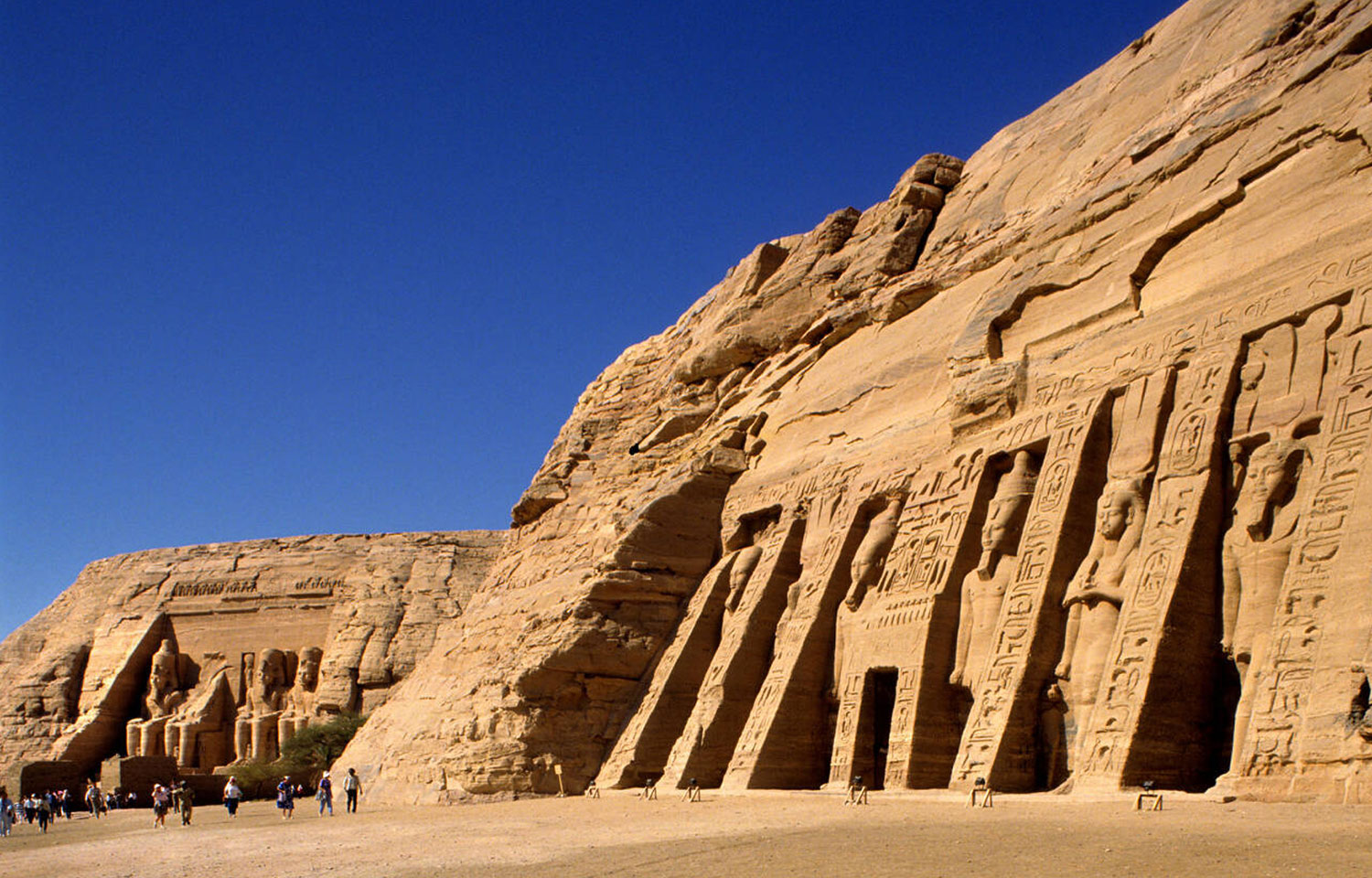
The smaller temple, built for Queen Nefertari, is just as special. In Ancient Egypt, it was extremely rare for a queen to be shown equal in size to the pharaoh in statues. But here, Nefertari is shown side by side with Ramesses, proof of his deep love and her importance. This small temple is also known as the Temple of Hathor and Nefertari, or the Temple of Nefertari, one of the few temples in Egypt dedicated to a queen.
9. Fun Fact: Abu Simbel Was Forgotten for Centuries!
What is a fun fact about Abu Simbel? It was buried by sand and forgotten for over 1,000 years! In 1813, Swiss explorer Johann Ludwig Burckhardt rediscovered it. Later, Giovanni Belzoni cleared the entrance and brought this wonder back to the world’s attention. This moment marked a new chapter in Abu Simbel’s history.
10. The Temple’s Alignment Is No Accident
Ancient Egyptians were master astronomers. The alignment of the great temple of Abu Simbel with the sun wasn’t luck; it was carefully planned. The light shining into the temple only touches three out of four statues. The fourth, representing Ptah, the god of the underworld, stays in the dark. Amazing, right? This reveals how the ancient temple design reflected religious beliefs.
11. A UNESCO World Heritage Site
These temples are part of the “Nubian Monuments”, a group of ancient sites that stretch from Abu Simbel to Philae. They were listed as a UNESCO World Heritage Site in 1979, showing just how precious they are to humanity. The two temples at Abu Simbel are a crown jewel of this historic listing.
12. The Temples Are Not in Their Original Location
Many visitors are surprised to learn this! Due to the flooding danger, both temples were cut into 1,000+ blocks and rebuilt about 200 feet higher and 600 feet back from their original Abu Simbel Temple location. This incredible feat makes the Abu Simbel in Egypt facts even more unbelievable. It took a global effort to move the temple and protect this piece of Egyptian history.
13. Perfect for Family Learning
If you’re traveling with children, these are great Abu Simbel temple facts for kids to explore. Kids love learning about giant statues, solar magic, and ancient kings, and seeing it in real life makes history come alive. Exploring the temple statues and grand spaces is both educational and unforgettable.
14. The Site Is Still Full of Mysteries
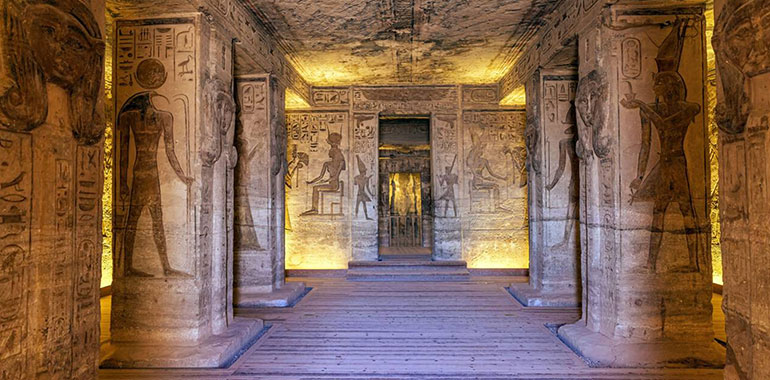
Despite all we know, there are still secrets hidden in the temples. Historians and archaeologists continue to study the art, symbols, and structure to unlock more of the temple’s messages. From details of the Battle of Kadesh to interpretations of temple carvings, new theories continue to emerge.
15. It’s One of Egypt’s Most Iconic Landmarks
Whether you call them the Abu Simbel Temples, Temple of Ramesses II, or just “that amazing place with giant statues,” they’re one of the must see sites in Egypt. No trip is complete without standing in front of these ancient giants and feeling the power of the past. Few temple complexes are as monumental.
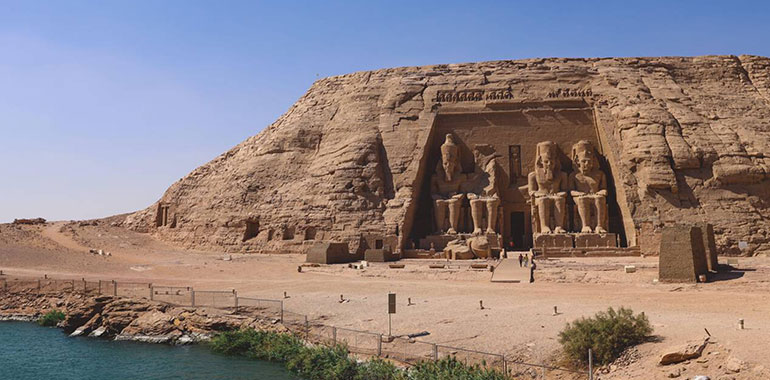
16. Abu Simbel’s Great Temple Faces the Nile
One unique aspect of the Great Temple of Abu Simbel is its orientation. The temple is positioned in a way that directly faces the Nile River, symbolizing its connection to both the gods and the pharaoh’s power over the land. It’s one of the many intentional design features that make the temple special.
17. The Temples Were Part of a Larger Nubian Kingdom
The Abu Simbel temples’ facts often overlook the fact that Abu Simbel was part of the Nubian Kingdom, located in what is now Sudan. The area was once a powerhouse in ancient Africa, with strong ties to Egypt, and these temples reflect that shared cultural history. King Ramses II built them to show his dominance and as a way to connect Egypt with its southern neighbors.
18. The Temples Were Also Used for Ceremonial Purposes
While the temples served as a testament to the Pharaoh’s greatness, they were also used for ceremonial purposes, such as religious rites and offerings to the gods. This was one of the significant functions of the Abu Simbel temples, acting as a center of both political and religious power in Ancient Egypt.
Why You Should Visit Abu Simbel
These 18 facts about the temples of Ramses II prove just how incredible this place is. From its ancient secrets and solar magic to the modern miracle of its relocation, the story of Abu Simbel is unforgettable. It’s a place where history meets mystery, where love and power are carved in stone, and where the sun still shines in honor of the gods.
So, whether you’re planning a once in a lifetime adventure, a family vacation, or just dreaming of Egypt, Abu Simbel is calling. And now, you know exactly why.