
Is Jordan Safe to Travel in 2026? Honest Safety Guide for Tourists
April 6, 2026
Read more
about Is Jordan Safe to Travel in 2026? Honest Safety Guide for Tourists


































| Duration |
18 Day / 17 Night |
|---|---|
| Tour Location |
Cairo / Siwa / Aswan / Abu Simbel / Luxor / Hurghada / Jerash / Madaba / Petra |
| Tour Run | |
| Pickup |
Cairo Airport or Amman Airport |
This 18 day Egypt and Jordan itinerary stands out among multi destination Egypt holiday packages, covering Cairo, Siwa Oasis, Aswan, Abu Simbel, Luxor, and Hurghada across the Egyptian leg before continuing to Jerash, Madaba, the Dead Sea, and Petra in Jordan. It is the only Egypt & Jordan itinerary that adds Siwa Oasis, Egypt's remote desert oasis in the Western Desert, 560 kilometres from Cairo, to a complete Nile cruise, Abu Simbel, and Petra circuit. The tour runs 18 days and 17 nights, with accommodation rated highly.
Day 1 opens with arrival in Cairo and an evening Nile Dinner Cruise. Day 2 covers the Great Pyramids of Giza, the Great Sphinx, the Valley Temple of Khafre, and the Grand Egyptian Museum. Day 3 is the overland drive west to Siwa Oasis, with visits to Shali Fortress and Fatnis Island. Day 4 explores the Temple of the Oracle (where Alexander the Great was declared son of Amun) and Ain Cleopatra. Day 5 covers the Siwan House Museum, Siwa Oasis Bazaar, and Taghaghien Island. Day 6 is the return drive to Cairo through the Western Desert. Day 7 visits the Egyptian Museum, the Hanging Church, the Amr Ibn Al-Aas Mosque, Al Muizz Street, and Khan El Khalili Bazaar before a domestic flight to Aswan. Day 8 covers the Aswan High Dam, the Unfinished Obelisk, and Philae Temple before boarding the Nile Cruise. Day 9 is a dedicated day trip to Abu Simbel to visit the twin rock temples of Ramesses II and Queen Nefertari. Then visit Kom Ombo Temple. Day 10 sails to Edfu Temple and visits Luxor Temple. Day 11 disembarks in Luxor for Karnak Temple, the Valley of the Kings, Hatshepsut Temple, and the Colossi of Memnon, then drives to Hurghada. Days 12 and 13 are Red Sea leisure days with optional snorkelling and a desert safari.
Only on this route
The only 18 day Egypt and Jordan tour visiting Siwa Oasis Egypt's remote desert jewel alongside a Nile cruise, Abu Simbel, and Petra in one seamless journey through both countries.
Arc I · Cairo to Siwa
From Cairo's monuments west into the Berber oasis at Siwa
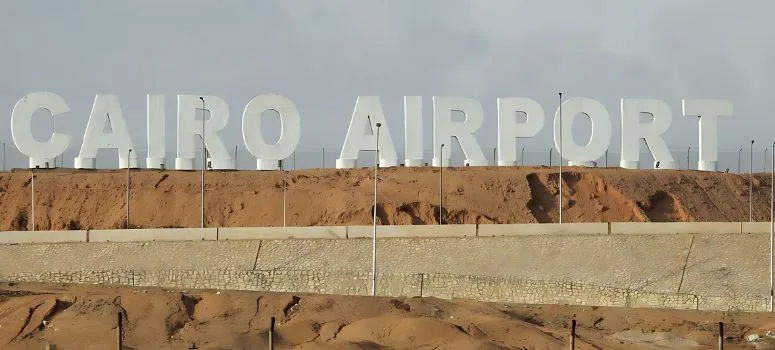
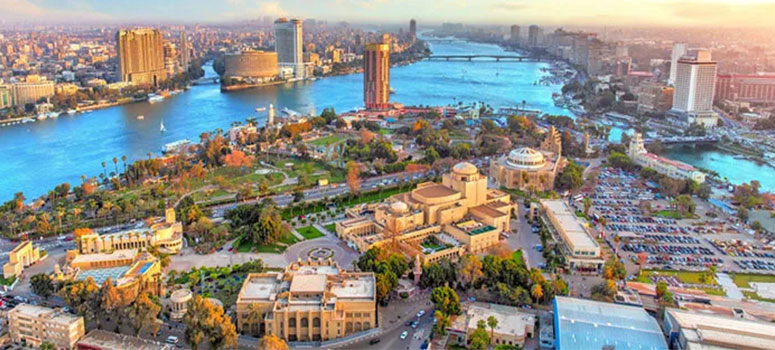
Your guide meets you at Cairo International Airport and transfers you to your hotel in a private vehicle. The evening opens on the Nile aboard a dinner cruise, where a live folklore performance runs alongside a buffet as the city's lit bridges pass overhead.

Your guide boards with you at the Corniche dock and finds a table facing the east bank before the felucca traffic thins at dusk. Cairo's bridges, the Cairo Tower, and the Ramses Hilton façade form the skyline that frames the first evening of this 18-day Egypt & Jordan tour.
Dinner
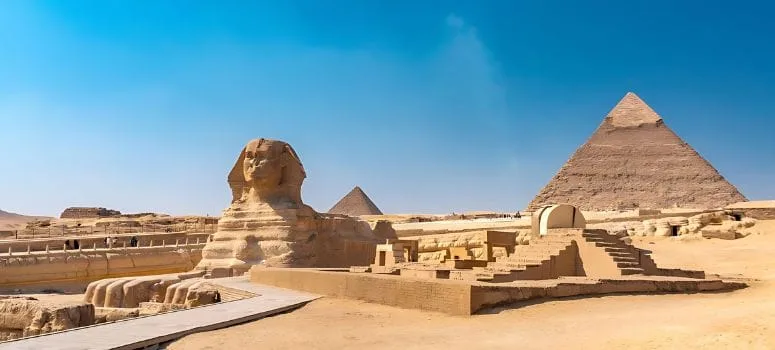
Your guide collects you after breakfast and drives south along the Giza plateau road. The morning covers the pyramid complex on foot; the afternoon moves to the GEM before returning to central Cairo.

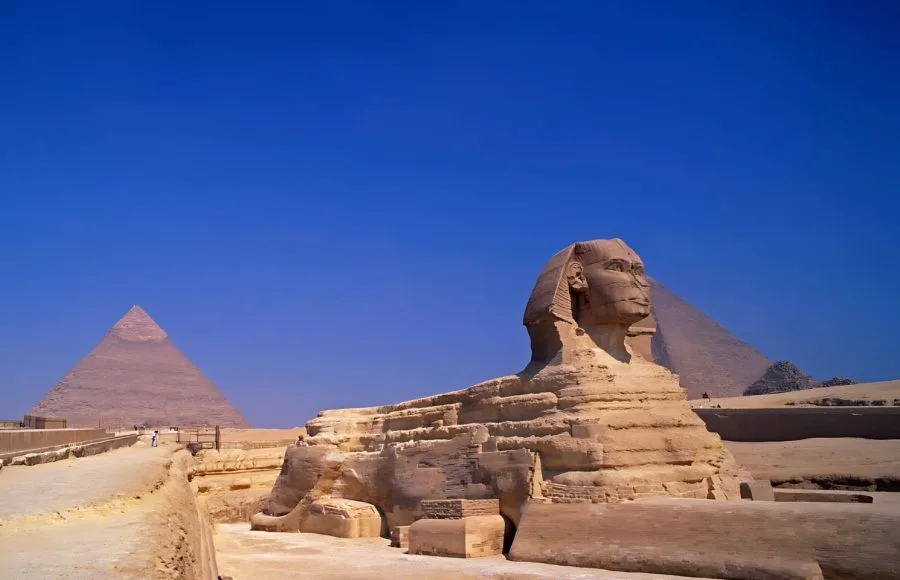
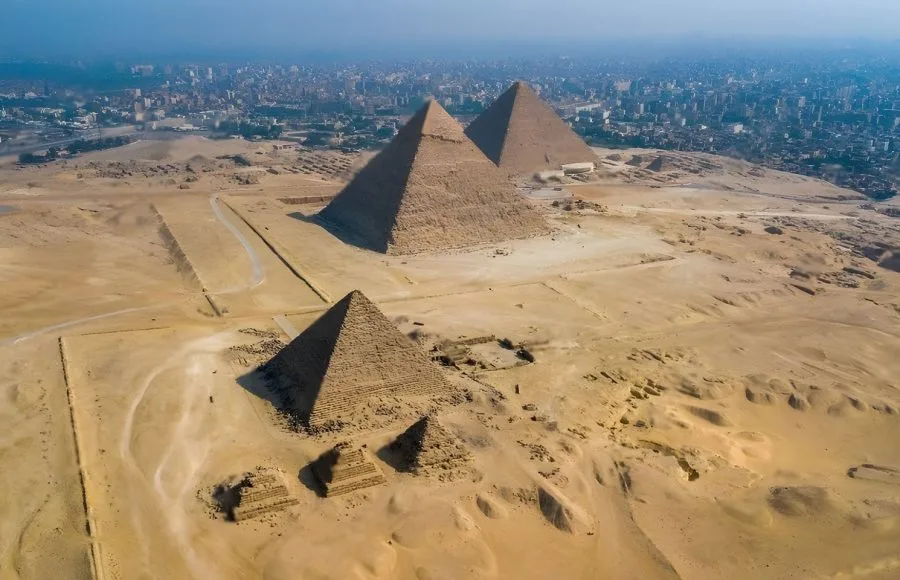
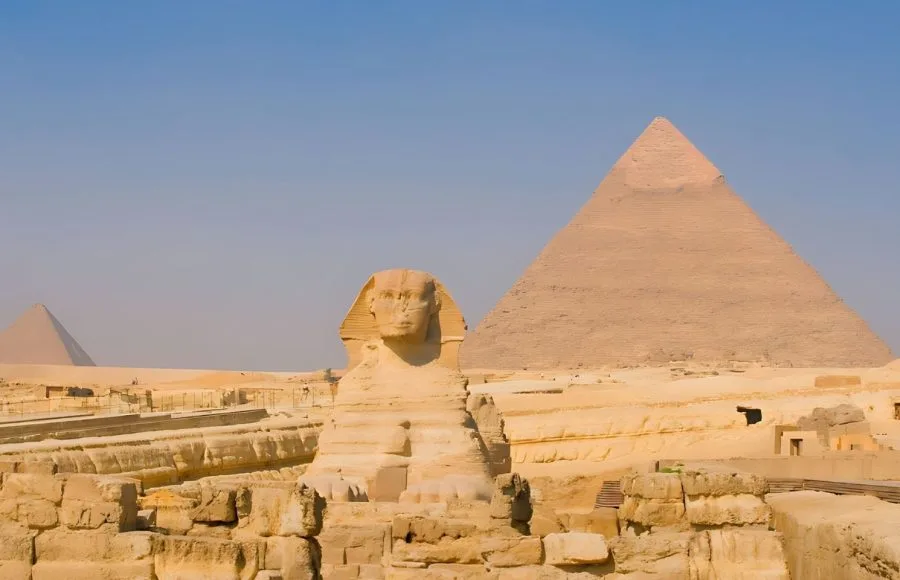
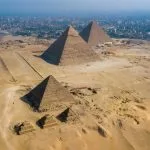
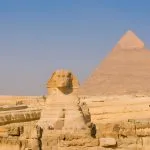
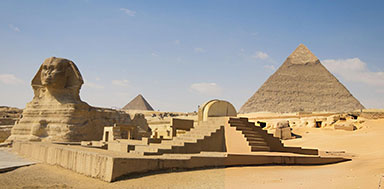
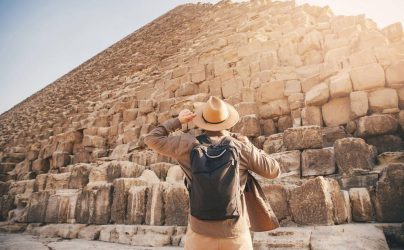
Stand before the Great Pyramids of Giza, built over 4,500 years ago as eternal tombs for powerful pharaohs. Their flawless alignment continues to amaze historians and travelers alike.
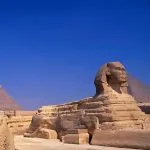
Encounter the mysterious Great Sphinx, carved from limestone with a lion’s body and royal face. It has guarded the Giza Plateau for millennia, symbolizing strength and wisdom.
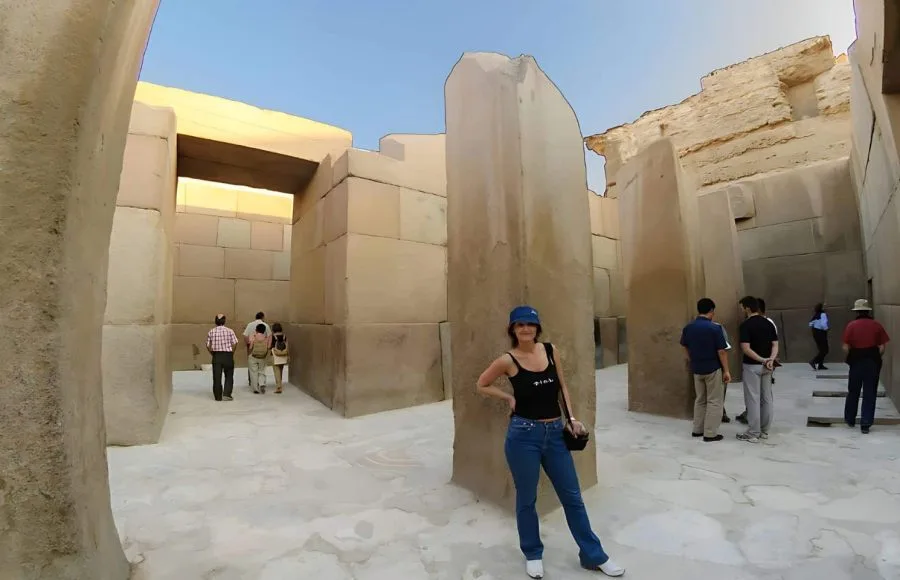
Step inside the granite-lined hall where the king's statue once stood at the centre of the mummification and purification rites, and the polished red granite floor still carries the original surface. The temple's megaliths include blocks weighing up to 100 tonnes, transported from Aswan before the pyramid above was finished.
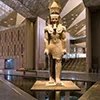
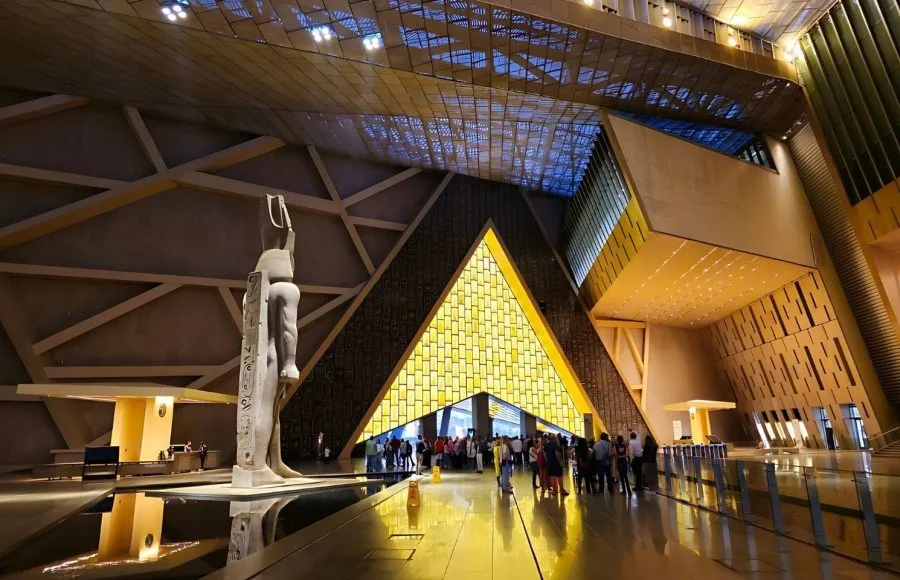
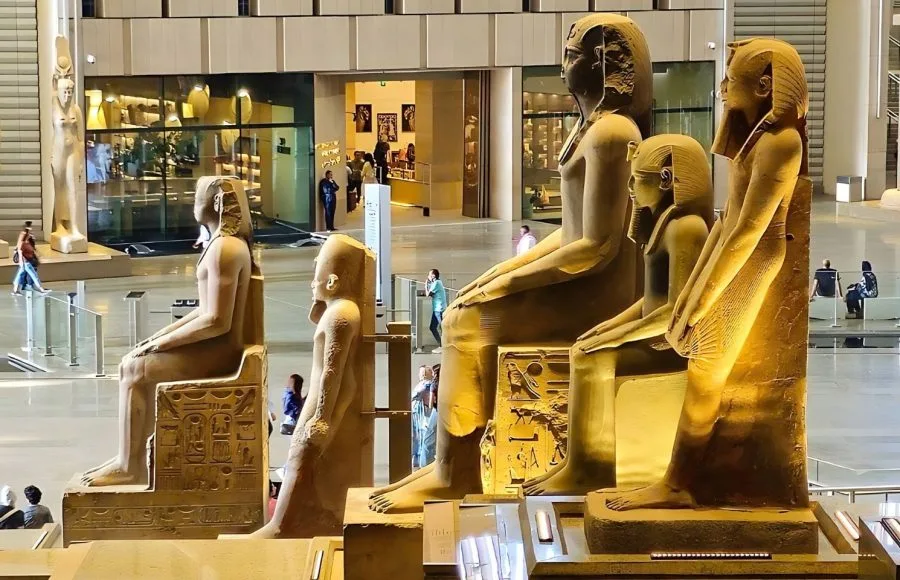
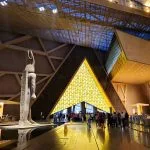
Explore the Grand Egyptian Museum (GEM), home to the world’s largest collection of pharaonic artifacts. Royal statues and ancient treasures vividly tell Egypt’s epic story.
Breakfast, Lunch
After breakfast, your group departs Cairo by private vehicle on the coastal road northwest through Marsa Matrouh before turning south into the desert. The drive takes approximately eight to nine hours and passes through terrain that shifts from Mediterranean scrub to deep sand erg before the palm canopy of Siwa appears.
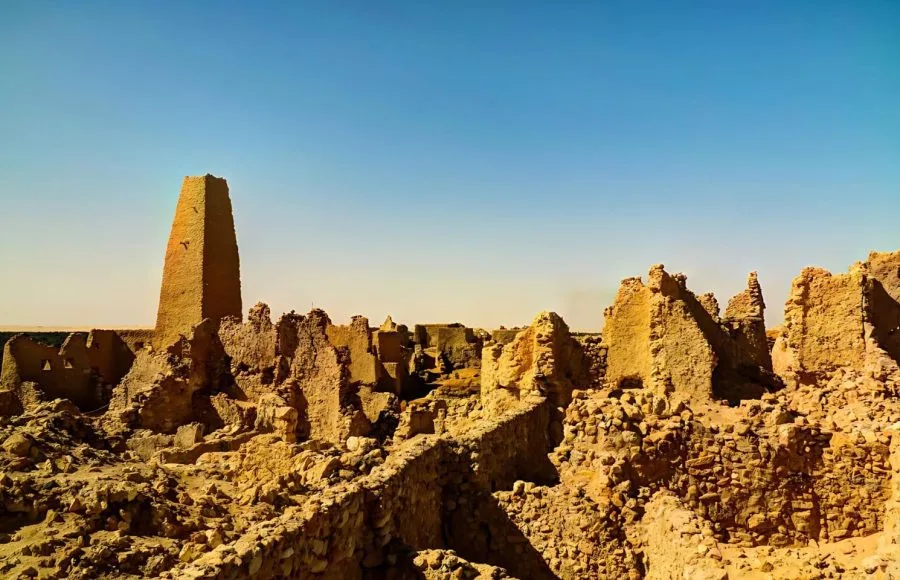
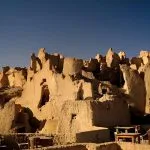
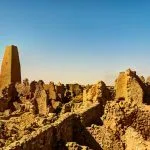
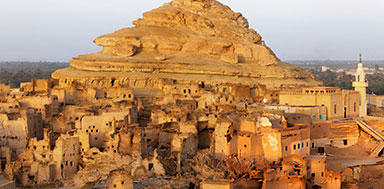
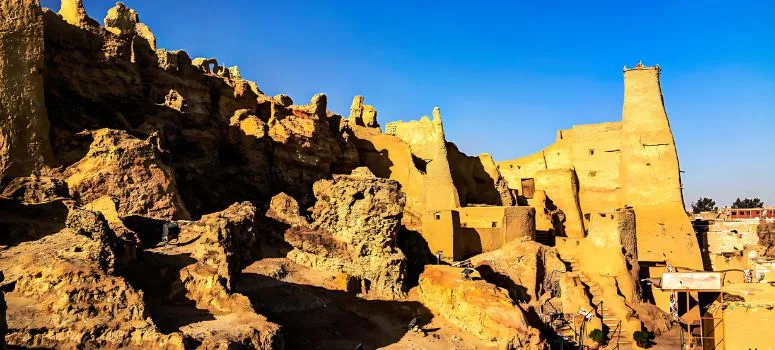
Your guide walks you up through the lanes of old Shali, where mud-brick and salt-block walls rise four and five storeys above the oasis floor before collapsing into the eroded upper tiers. The fortress was built in the 13th century by the Siwans using kershef, a local material of salt and mud, and heavy rains in 1926 dissolved enough of the lower walls to make the interior uninhabitable.
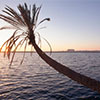
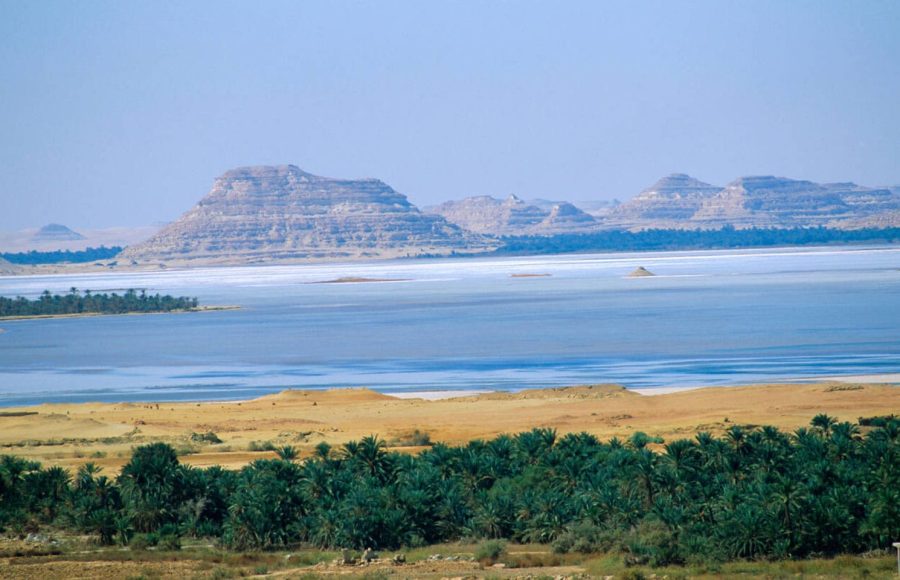
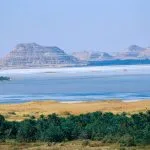
The vehicle tracks along the edge of Birket Siwa salt lake to the causeway at Fatnis, where palm shade runs to the water's edge and the lake surface changes colour with the angle of the late afternoon light. The island sits inside a protected area of the oasis where motorized vehicles are restricted, keeping the shoreline quieter than the town centre.
Breakfast, Lunch
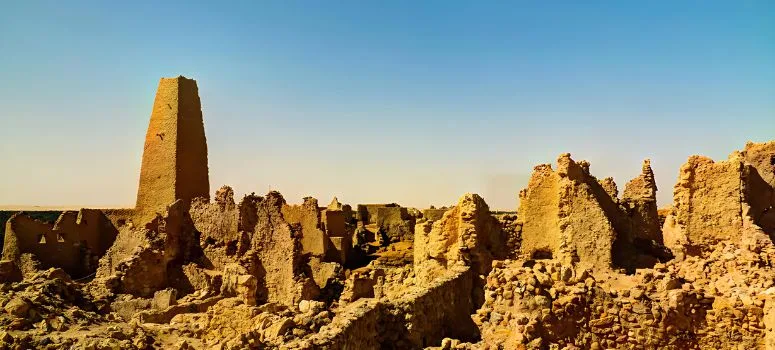
A full day inside the oasis. Your guide collects you after breakfast and covers the two sites on foot and by local transport.
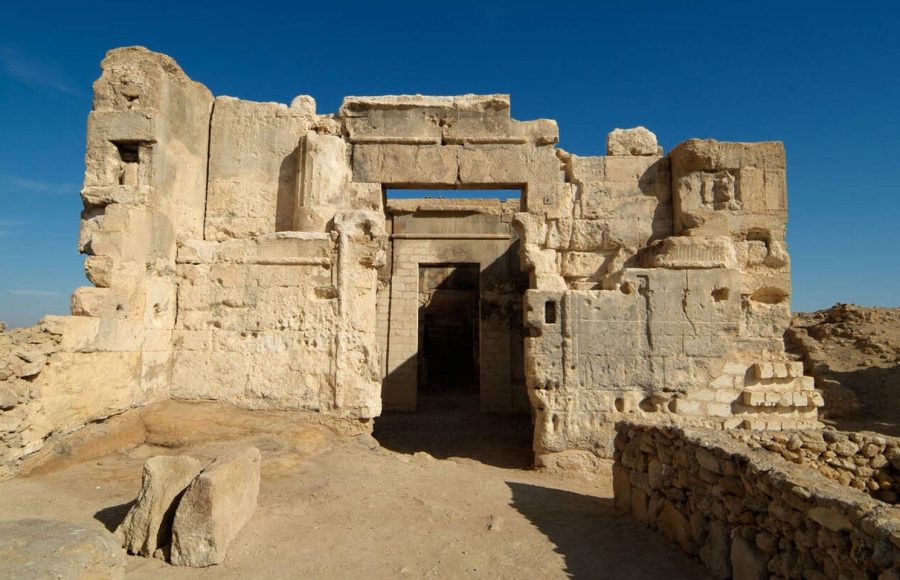
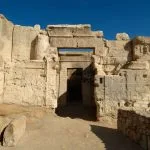
Walk up the rocky outcrop at Aghurmi to reach the sanctuary chamber where a delegation of priests declared Alexander the Great the son of Amun in 331 BC, a pronouncement that shaped his claim to divine kingship across the Persian Empire. The mudbrick enclosure walls still stand to several metres, and the inner sanctuary retains carved relief panels of the oracle cult.
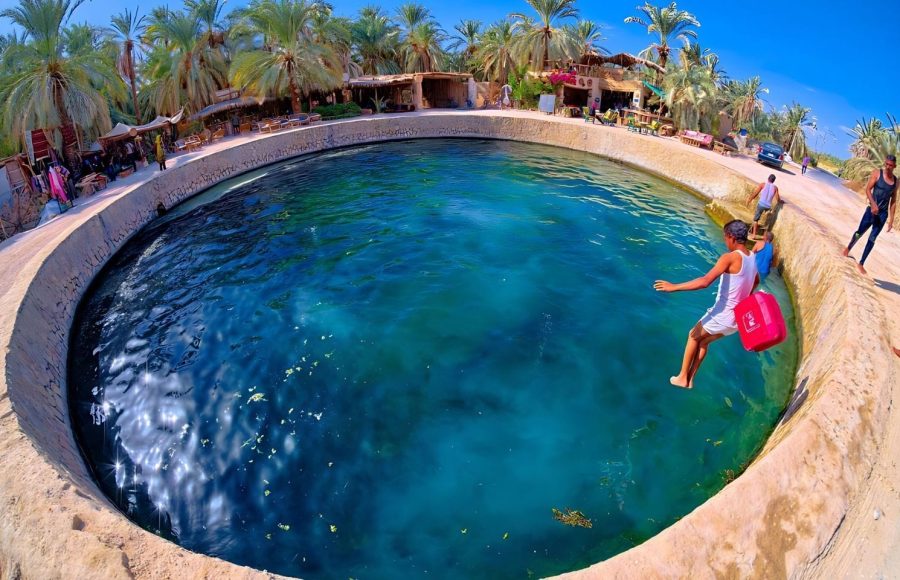
Lower yourself into the circular stone pool at Ain Cleopatra, where natural freshwater rises from below the desert floor at a constant temperature of approximately 18°C year-round. The spring has been in continuous use since Pharaonic times and sits within a cluster of date palms where Siwan families have gathered for centuries.
Breakfast, Lunch
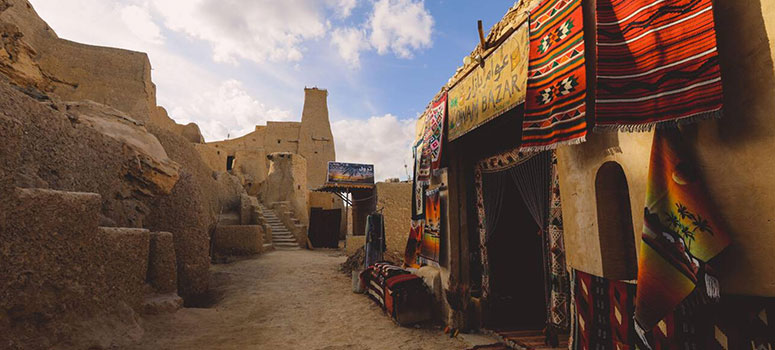
The third and final day in Siwa moves through the town's cultural and artisan life before an afternoon at the lakeside resort. Travellers looking for a similar Egypt and Jordan journey that extends deeper into Jordan's desert landscapes may also consider the 17 day extended Egypt Jordan Nile Cruise & Wadi Rum.
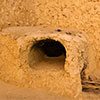
Your guide opens the Siwan House with the curator and leads you through rooms furnished with original Amazigh household objects, silver jewellery, and embroidered marriage costumes specific to Siwa's Berber community. The collection documents a domestic culture that remained almost entirely isolated from the Nile Valley for centuries.
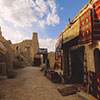
Walk the covered market lanes where Siwan silversmiths work in open-fronted workshops producing the filigree bracelets and amber-set rings that form part of the local dowry tradition. The Siwa ring style, wide silver bands set with rough coral or amber, is distinct from any other jewellery tradition in Egypt.
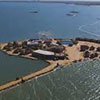
The vehicle takes you out to Taghaghien, where a platform sits above the salt lake, and the surrounding white salt flats amplify the afternoon light into a low, flat glare unlike anything on the Nile or the Red Sea. The salt concentration of Birket Siwa runs higher than that of most Mediterranean coastal lakes, which creates the mineral crust visible at the waterline.
Breakfast, Lunch
After breakfast, your group checks out of the Siwa hotel and retraces the desert road back to Cairo. The drive passes through the same sand erg terrain, and the route through the Qattara Depression escarpment gives a horizon-to-horizon view of the Western Desert that no Cairo-based day tour reaches.
Breakfast
Arc II · Aswan to Luxor
The Nile cruise corridor: Abu Simbel, Kom Ombo, Edfu, Karnak

A full morning in Cairo covering two religious quarters before a domestic flight south to begin the Nile section of this 18-day Egypt & Jordan tour.
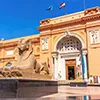
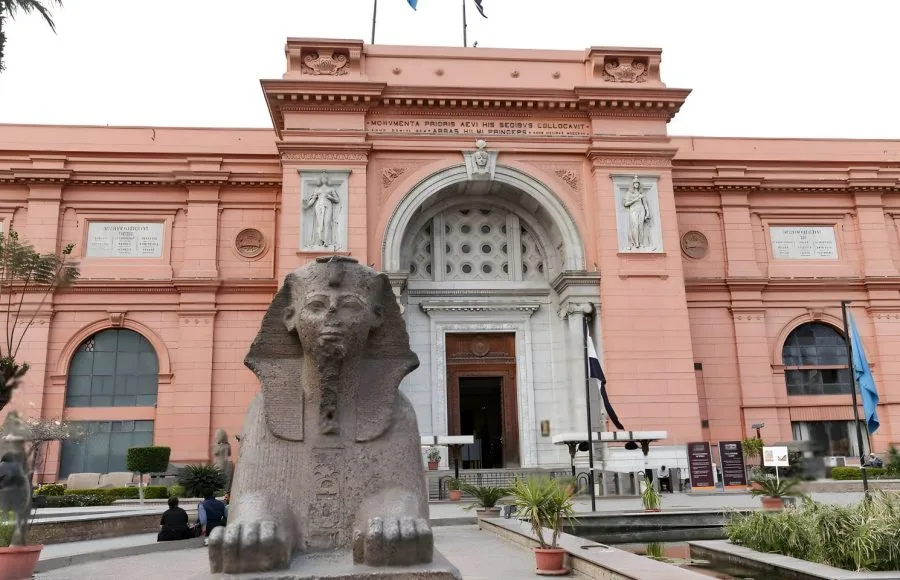
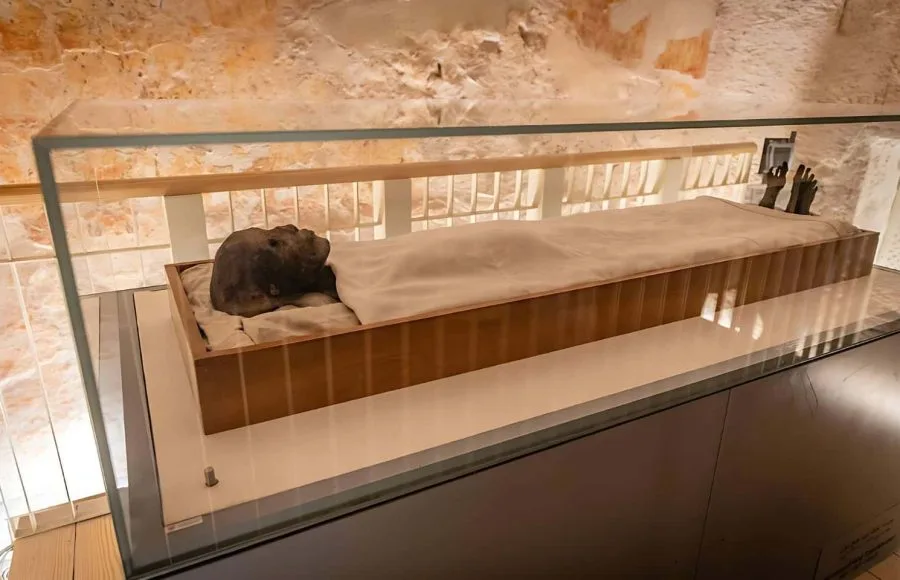
Your guide brings you directly to the Royal Mummies Hall and the upper floor Tutankhamun rooms, 3,500 years of burial goods, statuary, and painted coffins across 107 halls in a building that opened in 1902 and has never closed its doors since. The gold death mask of Tutankhamun sits here and weighs 11 kilograms of solid 18.4-carat gold.

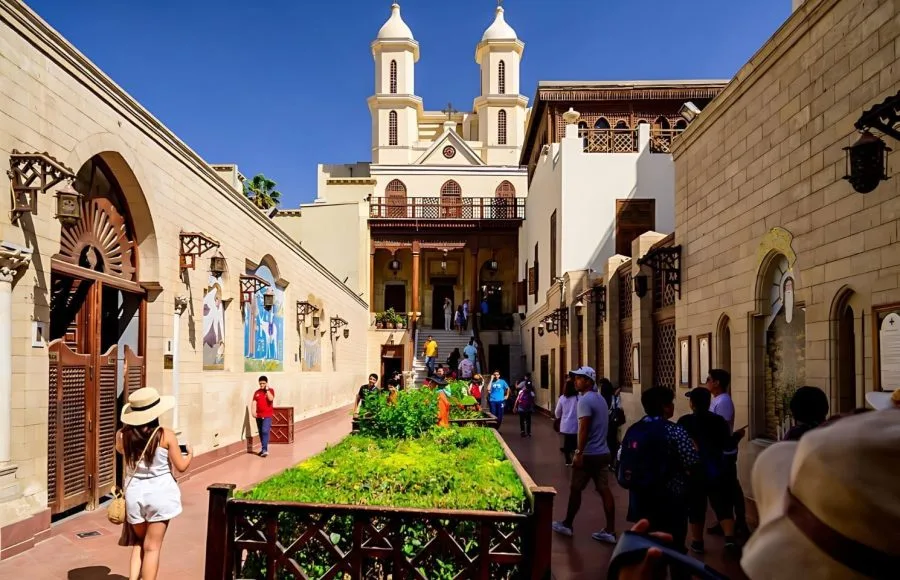
Enter through the gate in the Roman south gate tower and climb to the nave suspended above two towers of the ancient Babylon Fortress, which gives the church its name. The church dates to the 3rd or 4th century AD and holds 110 icons, thirteen of which are attributed to the 8th century.
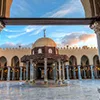
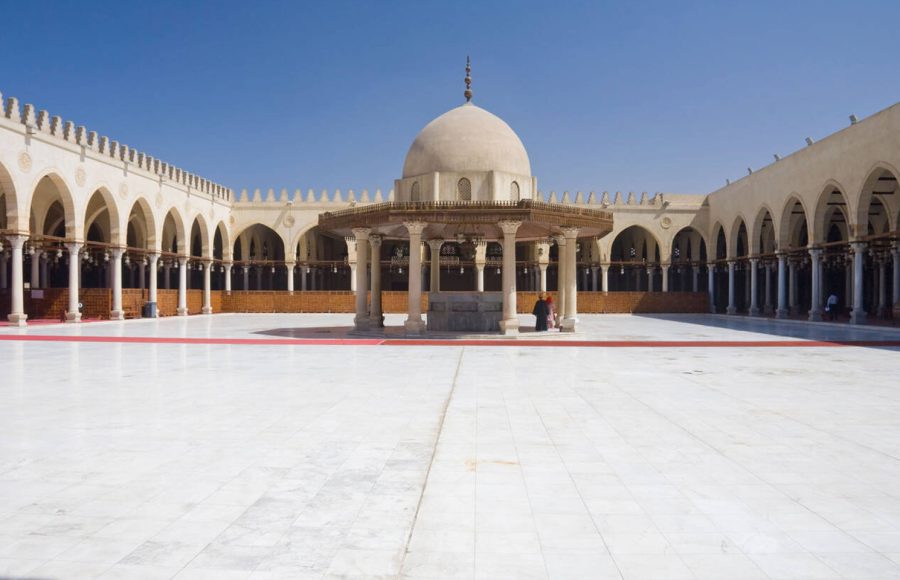
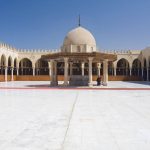
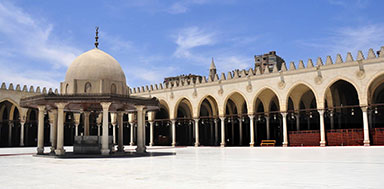
Step into the courtyard of the first mosque built on African soil, founded in 641 AD by the Arab commander who entered Egypt without a battle. The current structure has been rebuilt several times since, but the footprint and orientation toward Mecca remain unchanged from the original.
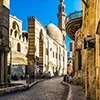
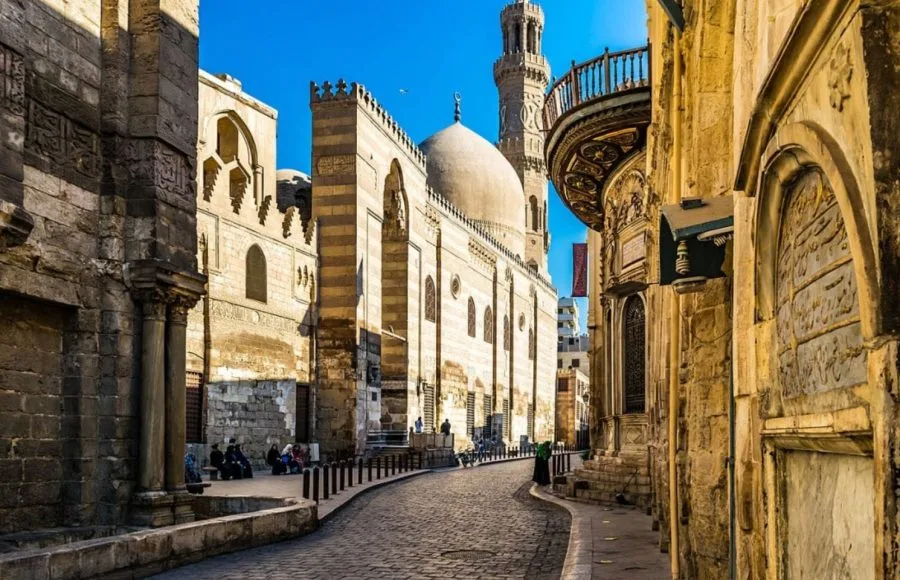
Walk north from Bab Zuweila along the kilometre-long spine of Fatimid Cairo, where 11th-century mosques, 14th-century merchant houses, and Mamluk mausolea share unbroken frontage. The street contains the highest concentration of medieval Islamic monuments in the world.
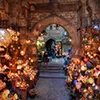
Your guide takes you through the silversmith quarter and the spice section before leaving you time to walk the covered lanes at your own pace. The bazaar has operated on this site since 1382. The original caravanserai was built over the tomb of the Fatimid caliphs, and the market grew outward from that founding block.
Breakfast, Lunch

Enjoy breakfast at your Aswan hotel before checking out and preparing to begin your Nile journey. Take in the peaceful morning atmosphere of Upper Egypt as a new adventure unfolds.
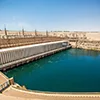
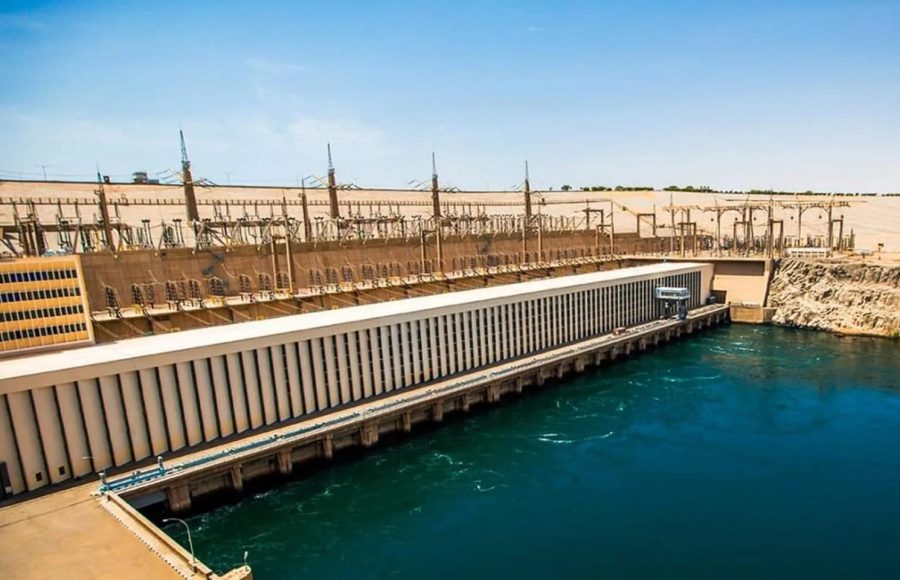
See the Aswan High Dam, a modern engineering triumph controlling the Nile’s flow and powering Egypt’s growth.
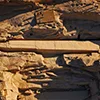
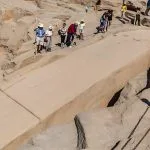
Crouch beside the crack in the granite floor that stopped all work on this obelisk in the quarry, a flaw discovered after most of the carving was complete. Had it been finished and erected, the Unfinished Obelisk would have been the heaviest ancient obelisk ever raised, at 1,168 tonnes and 41.75 metres.
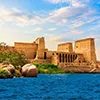
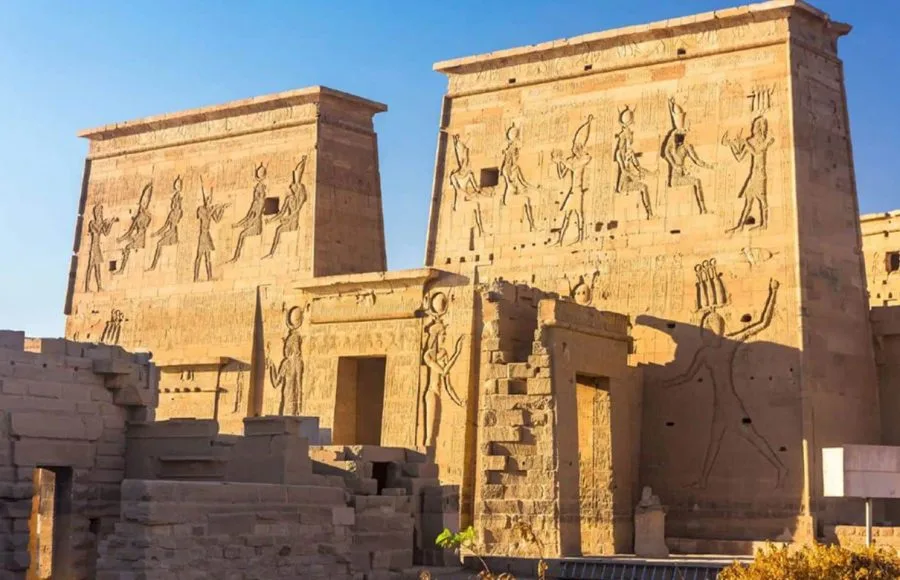
Sail to Philae Temple, dedicated to Isis and rescued from flooding by UNESCO. Its island setting is pure magic.
Breakfast, Lunch, Dinner

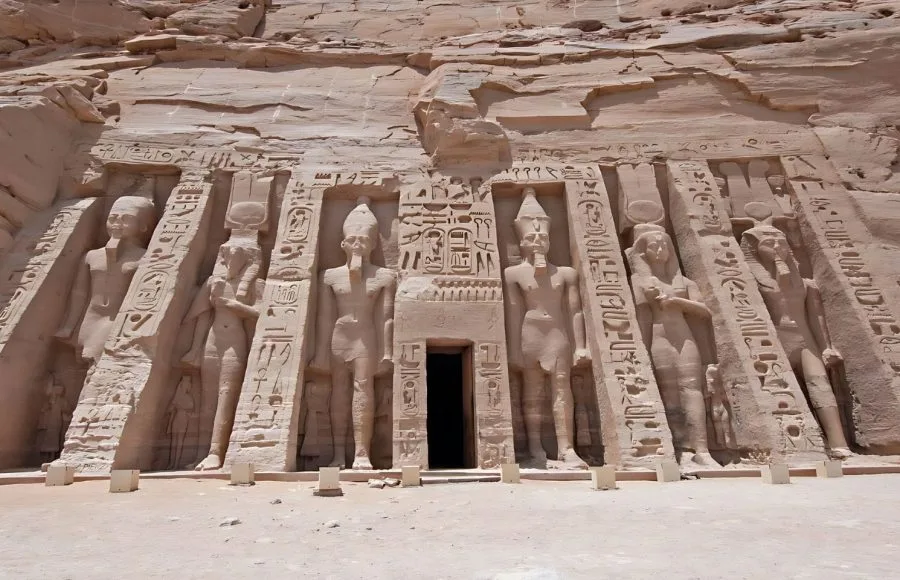
An early start from the cruise for the drive south along Lake Nasser to Abu Simbel's monumental temples. After exploring the site, return north with a visit to Kom Ombo Temple overlooking the Nile before rejoining the cruise. This dedicated Abu Simbel and Kom Ombo day forms a core element of this 18 day Egypt & Jordan tour.
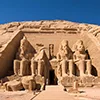
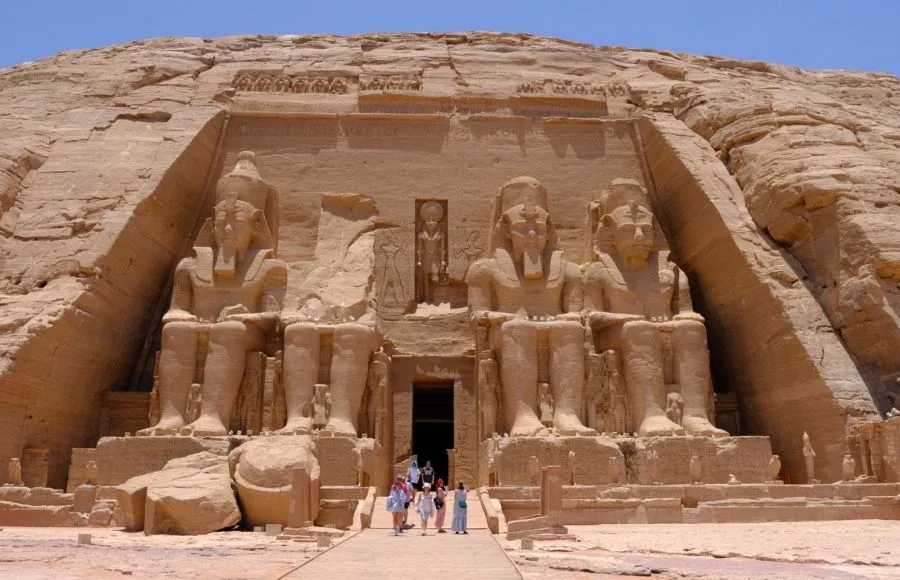
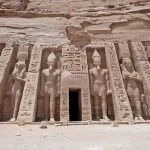
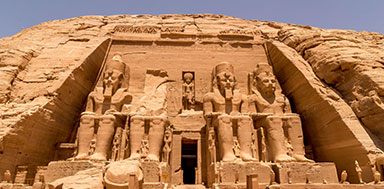
Marvel at the Temples of Abu Simbel, carved by Ramses II and relocated stone by stone by UNESCO. These colossal statues symbolize divine kingship, power, and ancient engineering brilliance.
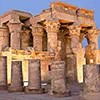
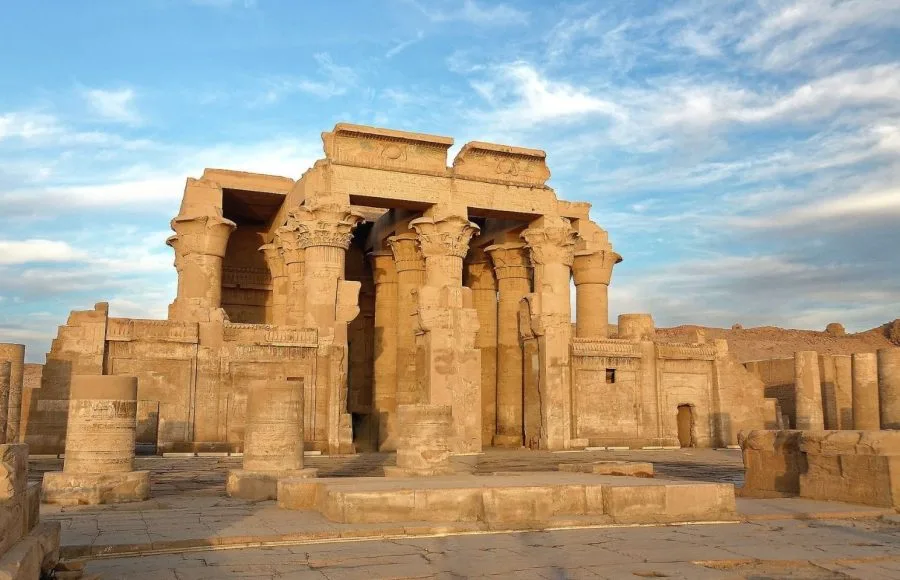
Explore Kom Ombo Temple, uniquely dedicated to Sobek and Horus. Its symmetrical design and riverside location reflect ancient religious beliefs.
Breakfast, Lunch, Dinner

The cruise sails north with a visit to Edfu Temple, one of Egypt's best-preserved ancient sanctuaries. After exploring the temple, continue sailing toward Luxor before disembarking in the evening to experience Luxor Temple illuminated at night, one of the highlights of the Nile journey.
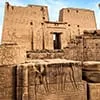
Visit Edfu Temple, one of Egypt’s best-preserved sanctuaries. Its towering pylons reveal detailed rituals of Horus worship.
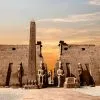
As the sun begins to set over Luxor, step into the glowing corridors of Luxor Temple, where golden lights bring the ancient stones to life. Once connected to Karnak Temple by the legendary Avenue of Sphinxes, this sacred pathway was used by pharaohs during grand religious processions thousands of years ago.
Breakfast, Lunch, Dinner
Arc III · Hurghada Shoreline
Luxor to the Red Sea coast, two days on the water

The cruise docks at Luxor for the final day on board, which becomes a full sightseeing day before the drive east to the Red Sea with approx. 3.5 hours.
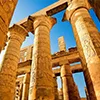
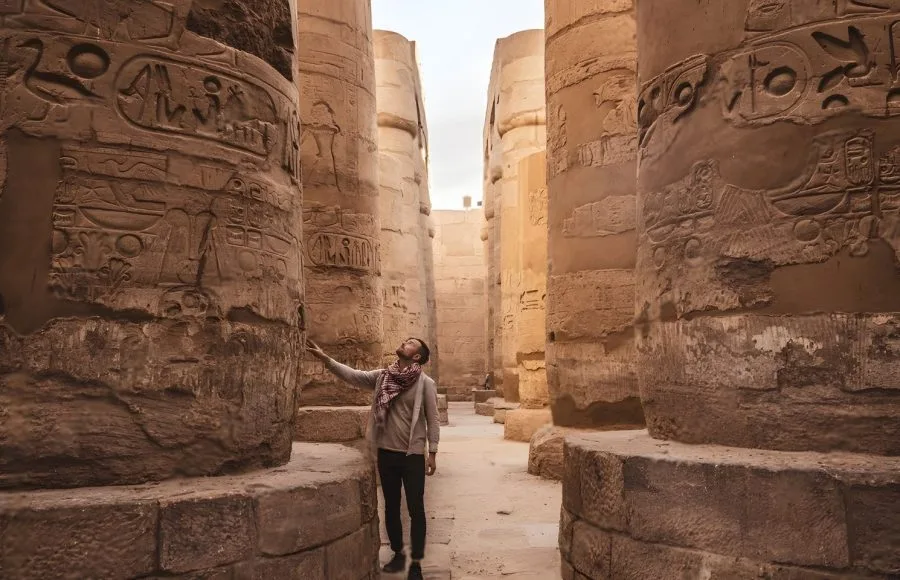
Walk through Karnak Temple, the largest religious complex ever built. Its massive columns narrate over 2,000 years of devotion.
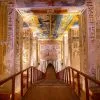
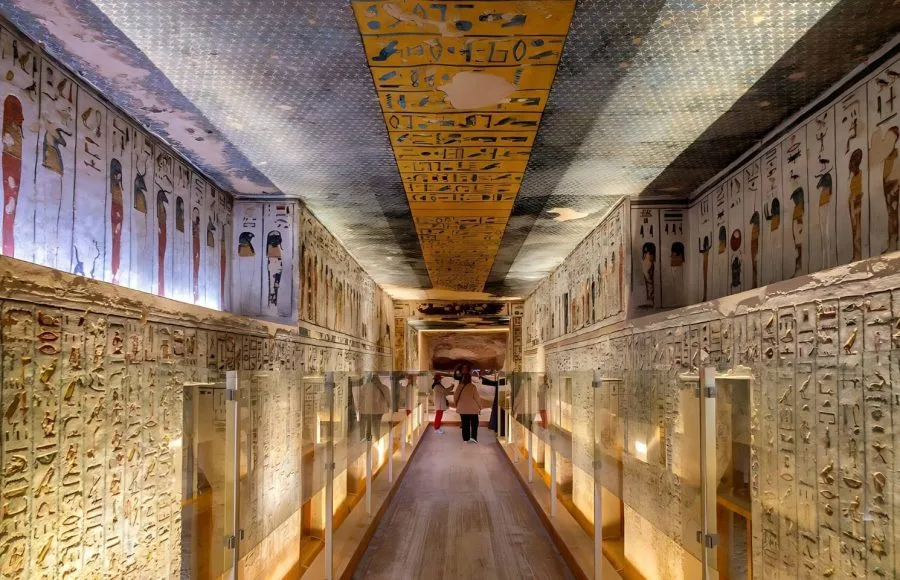
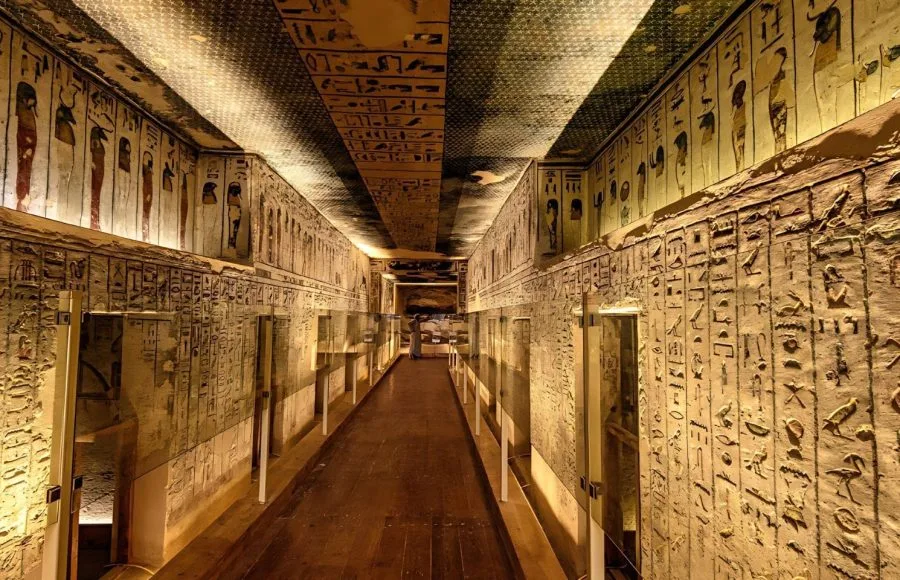
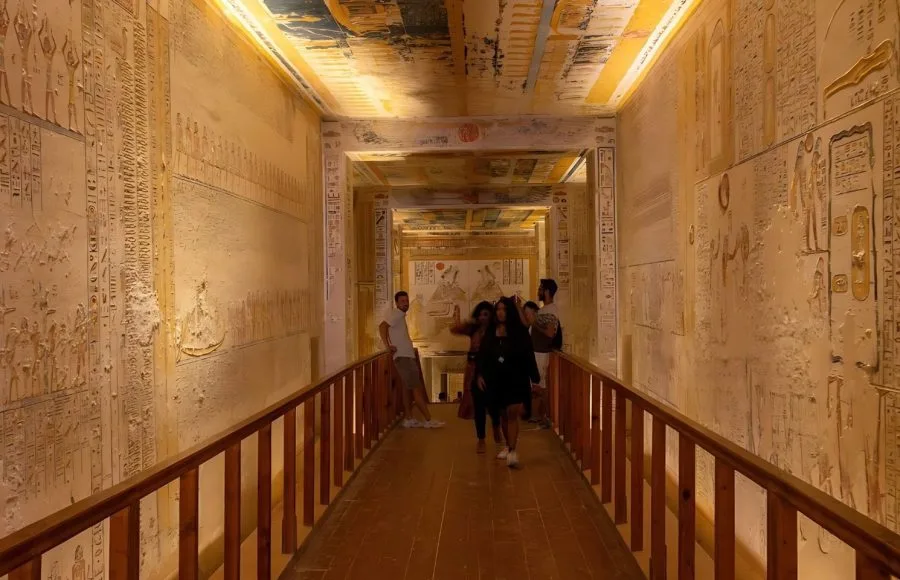
Enter the Valley of the Kings, burial place of legendary pharaohs including Tutankhamun. Vivid wall paintings guide souls to the afterlife.
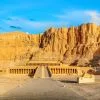
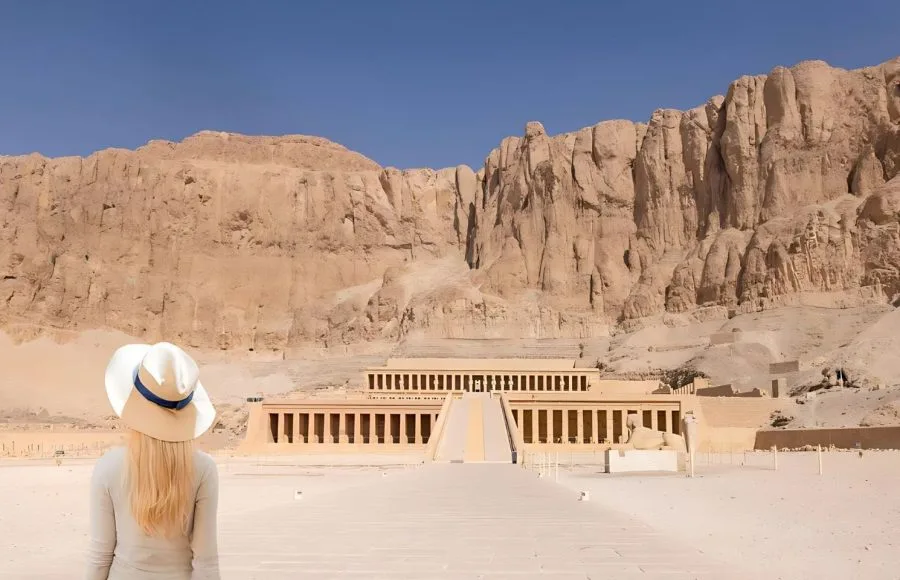
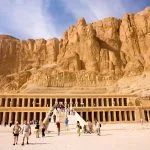
Admire Hatshepsut Temple, dramatically carved into limestone cliffs to honor Egypt’s most powerful female ruler.
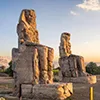
Stand before the Colossi of Memnon, silent guardians of a once-grand mortuary temple.
Breakfast, Lunch

Wake to the soft rhythm of the Red Sea and spend your day unwinding on Hurghada’s golden beaches. Crystal-clear waters, warm sunshine, and gentle sea breezes create the perfect setting for pure relaxation. Guests seeking a longer premium Red Sea experience that combines Egypt and Jordan with an additional Sinai resort stay may prefer the 21 day luxury Egypt Jordan cruise & Sharm el Sheikh itinerary.

Embark on an optional snorkeling adventure and explore the Red Sea’s vibrant coral reefs. Swim among colorful fish and marine life in one of the world’s most beautiful underwater ecosystems.
Breakfast, Lunch, Dinner

Enjoy another leisurely day along the Red Sea coast, where turquoise waters meet endless skies. Whether swimming, sunbathing, or simply relaxing, Hurghada’s calm atmosphere invites total serenity. For travellers who prefer a shorter itinerary with a more intimate travel style and a Red Sea extension in Sinai, the 15 day small group Egypt Jordan Nile cruise & Dahab offers an alternative route through Egypt and Jordan.

For adventure seekers, join an optional desert safari beyond the coastline. Traverse golden sand dunes, witness dramatic desert landscapes, and experience the raw beauty of Egypt’s Eastern Desert.
Breakfast, Lunch, Dinner
Arc IV · Amman, Jerash & Petra
Jordan's Roman north, Dead Sea floor, and Nabataean Petra
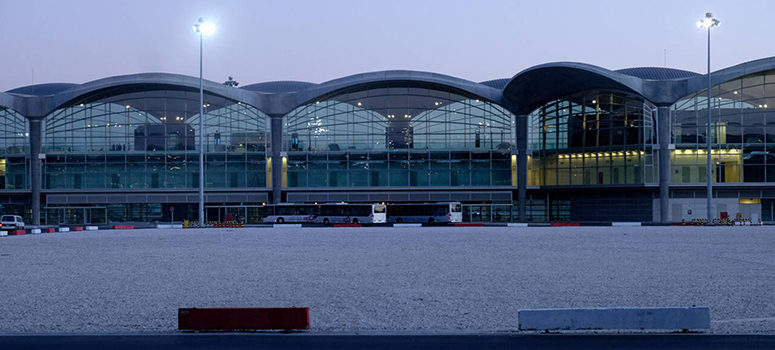
Depart from Hurghada by private vehicle to Hurghada Airport. Domestic flight: Hurghada → Cairo. Transfer through Cairo International to the international terminal. International flight: Cairo → Amman (Queen Alia International Airport). A Tripidays representative meets you on arrival in Jordan and transfers you to your hotel in Amman.
Breakfast
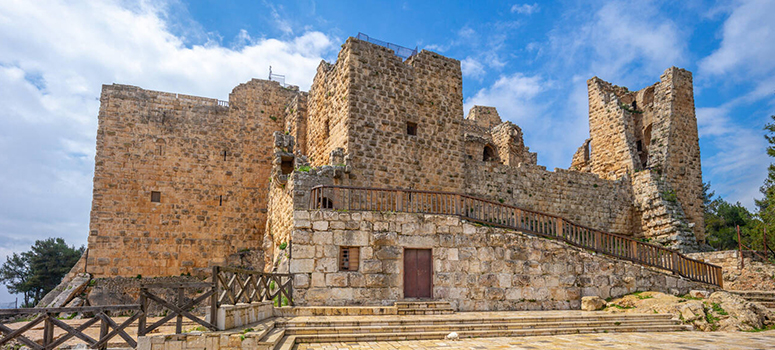
Your guide collects you after breakfast for the drive north from Amman into the hills of northern Jordan, covering the Roman city of Jerash and a 12th-century hilltop castle before returning to the capital.

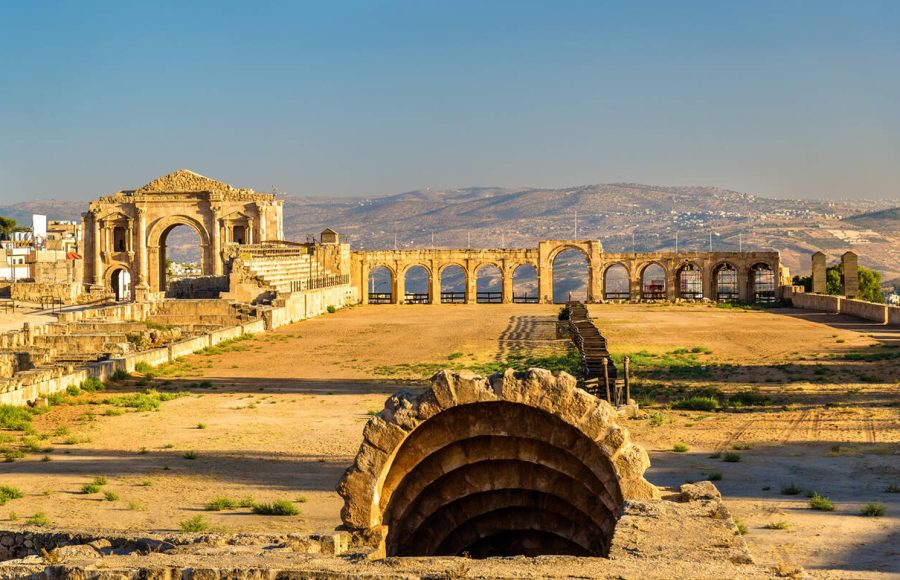
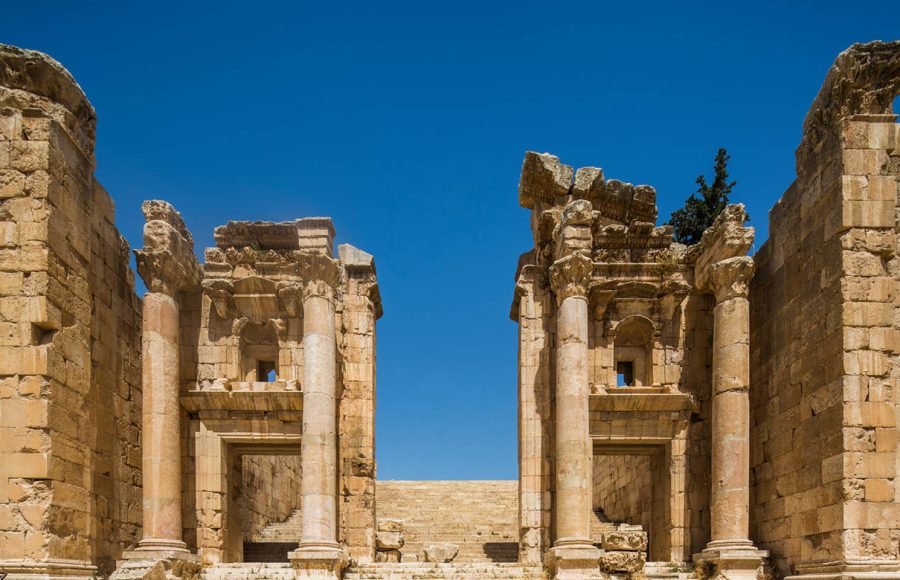
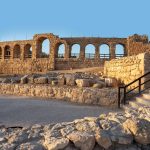
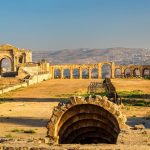
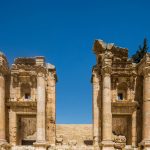
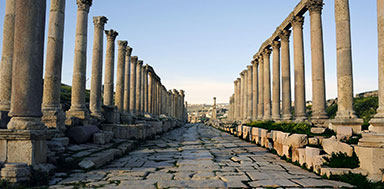
Walk the Oval Plaza, an elliptical colonnaded forum 90 metres across at its widest as your first view of Jerash, rather than entering from the Hadrian's Arch side, where the scale is harder to read. Jerash was continuously inhabited from the Bronze Age and reached its peak population of around 20,000 during the Roman imperial period; the street grid, drains, and forum remain largely intact beneath the open sky.
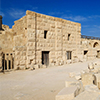
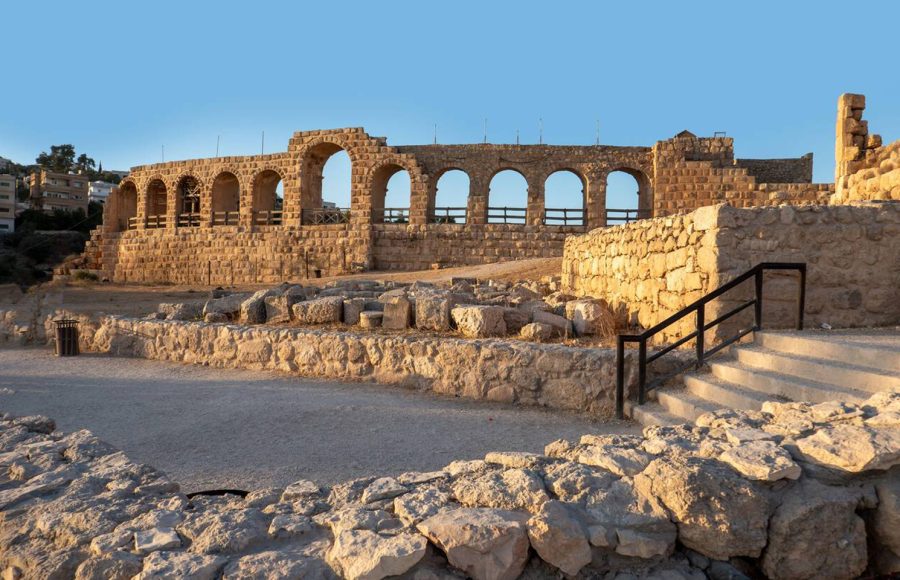
Enter the southern end of the Hippodrome, where chariot racing took place before crowds of approximately 15,000 spectators. The track is 244 metres long, and the starting gates at the south end survive as low walls across the width of the arena. Daily demonstrations of Roman legionary formations now take place on the arena floor, giving a sense of the scale against human figures.
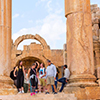
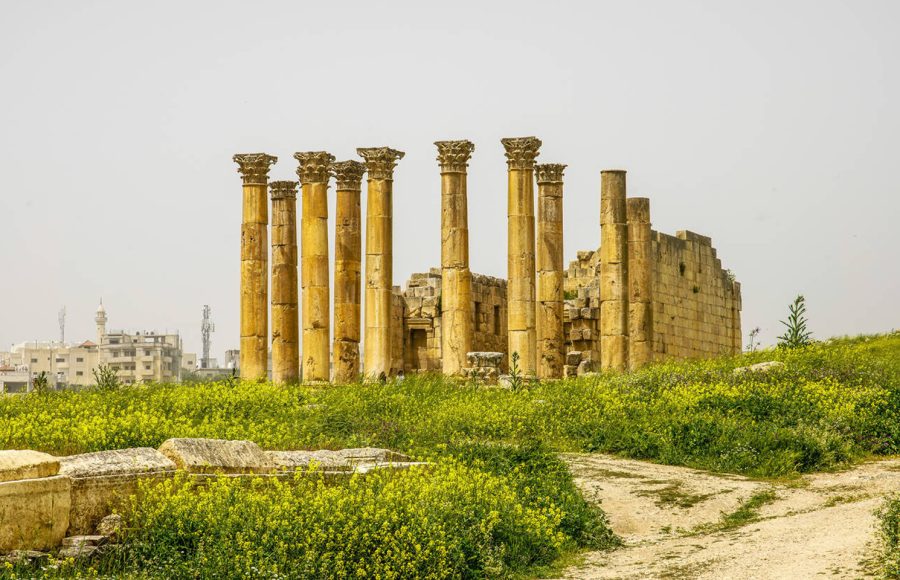
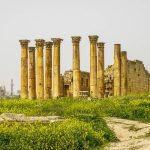
Climb to the Temple of Artemis on the hill above the Cardo, where eleven of the original columns still stand at full height. The temple served as the main sanctuary of Jerash's patron goddess, and its podium measures 40 metres by 20 metres. The columns sway fractionally in high wind, a deliberate engineering flexibility built into the foundations.
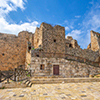
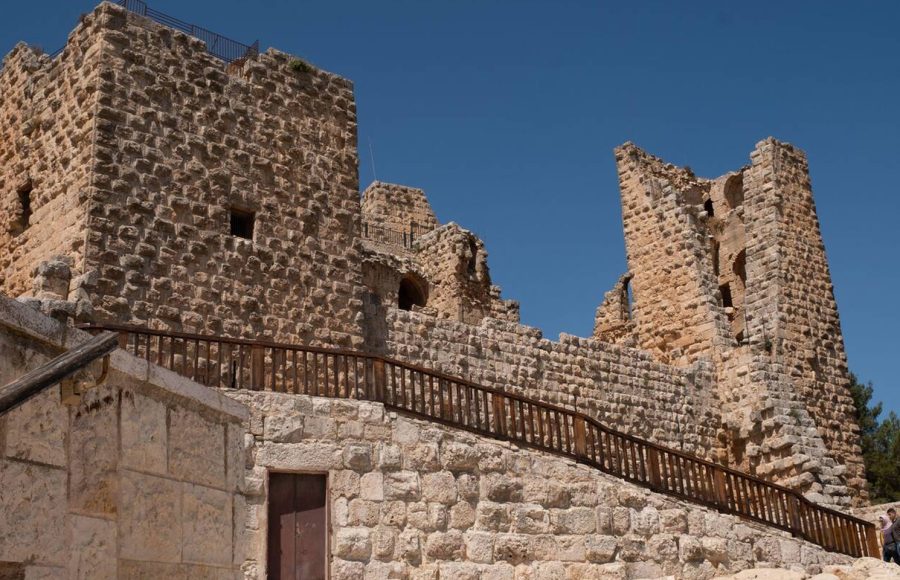
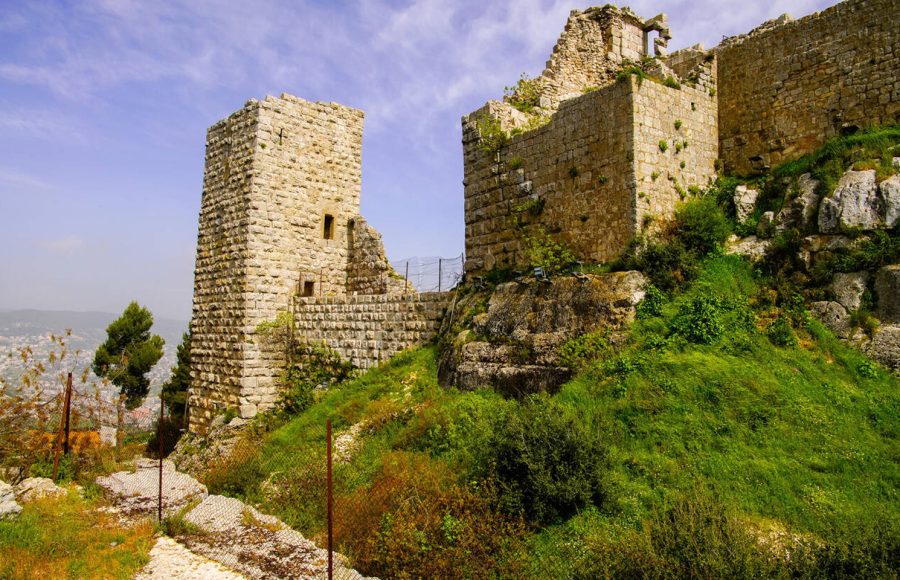
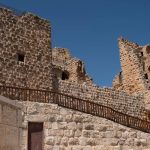
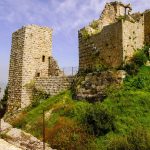
Drive northwest from Jerash to Ajloun Castle, built in 1184 AD by Izz al-Din Usama, a nephew of Saladin, to control the iron mines of Ajloun and block Crusader movement between the Jordan Valley and the Syrian plateau. From the upper towers, the view covers the Jordan Valley, the West Bank hills, and on clear days, the rooftops of Jericho across the river.
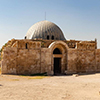
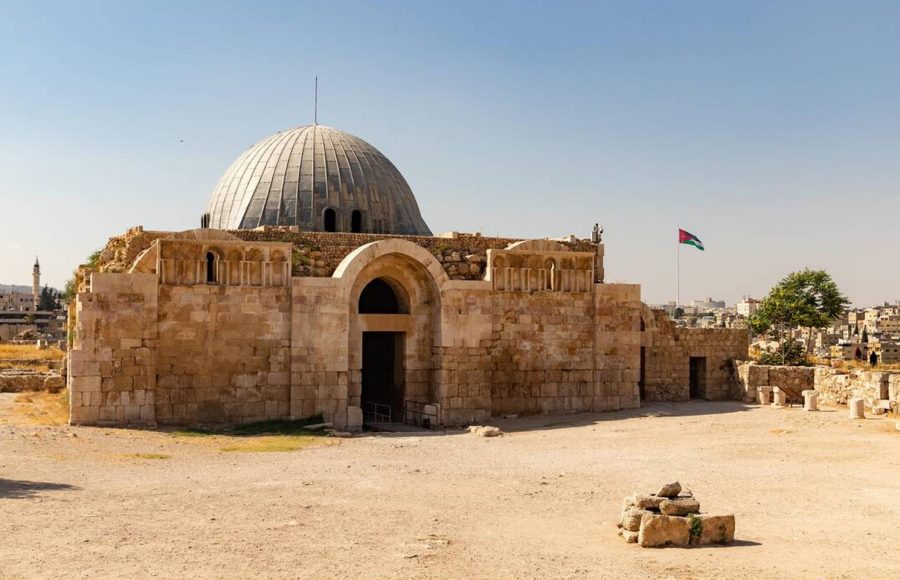
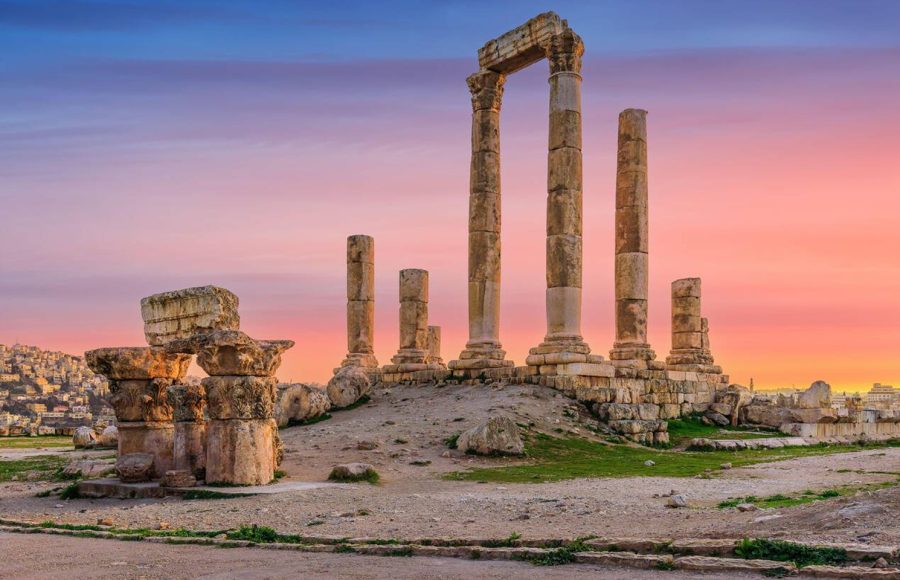
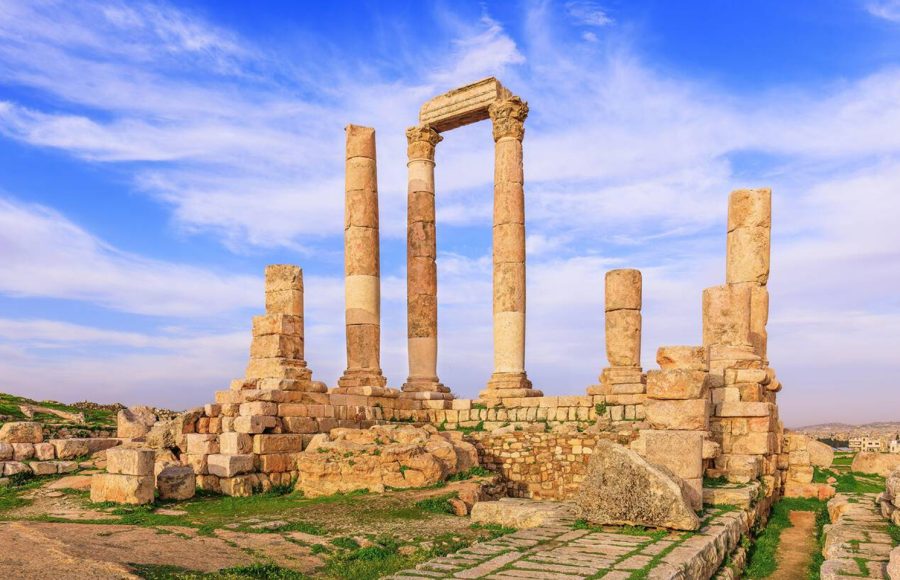
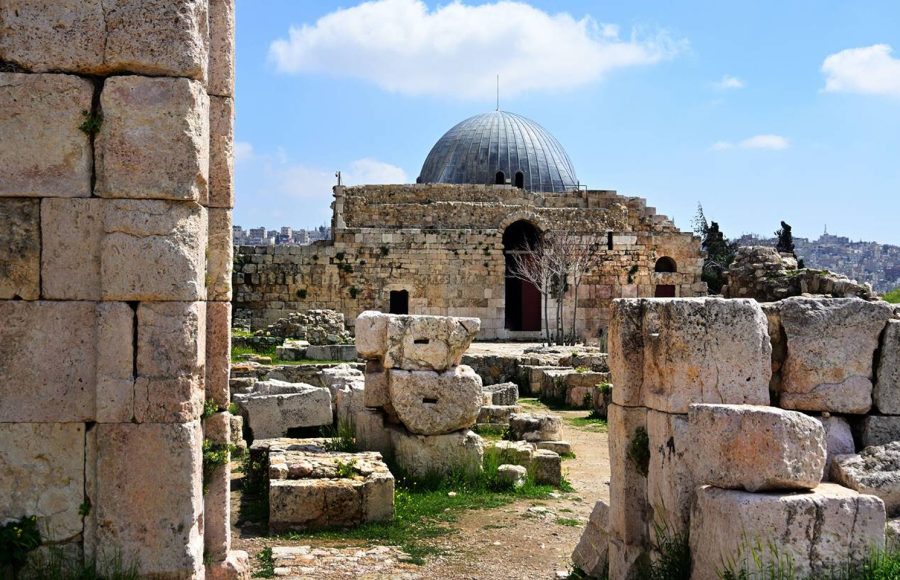
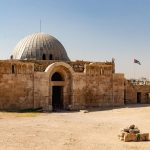
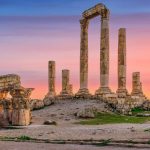
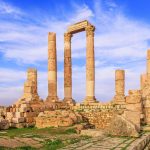
Return to Amman and ascend to the Citadel, where the Temple of Hercules, with two surviving columns of a 2nd-century Roman sanctuary, stands beside the remains of the Umayyad Palace complex built in the early 8th century. The Citadel sits on the highest of Amman's original seven hills and has been continuously occupied since the Bronze Age, with Ammonite, Roman, Byzantine, and Islamic layers visible within a few hundred metres of each other.
Breakfast, Lunch
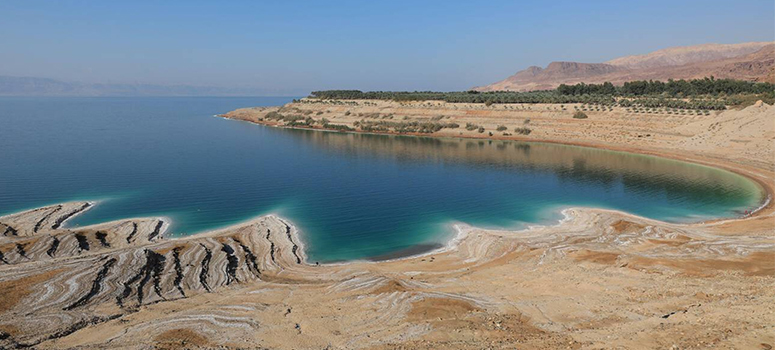
A loop south from Amman through Jordan's biblical and geological landmarks.
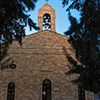
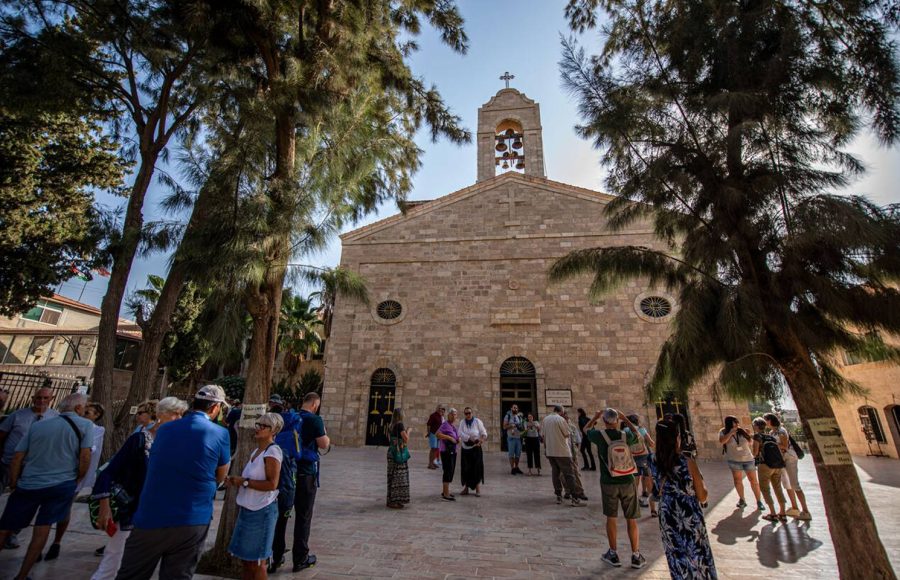
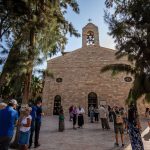
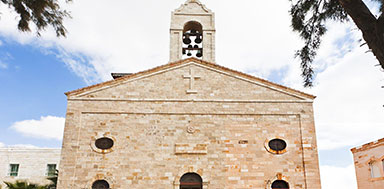
Walk directly to the mosaic floor inside St. George's Church, where the 6th-century map of the Holy Land covers 94 metres by 25 metres in the original and shows Jerusalem, the Nile Delta, the Dead Sea, and over 150 place names rendered in Byzantine tesserae. The section visible beneath the church nave today is the surviving portion of what was a floor covering several hundred square metres. The church was built over the mosaic in 1896, and the discovery of the map was made during construction.
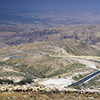
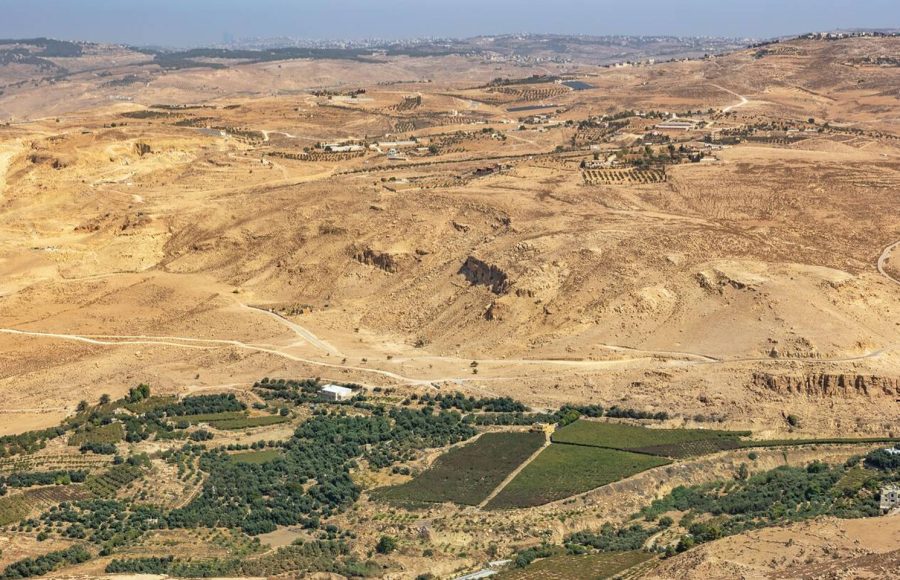
Standing at the memorial basilica on the ridge of Mount Nebo, where biblical tradition places Moses's final view of the Promised Land before his death, the panorama from the summit covers the Jordan Valley, Jericho, the Dead Sea, and on clear days the buildings of Jerusalem 46 kilometres to the west. The site holds a 4th-century Byzantine mosaic floor and a 1984 sculpture of the serpentine bronze cross by Giovanni Fantoni.
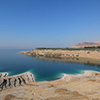
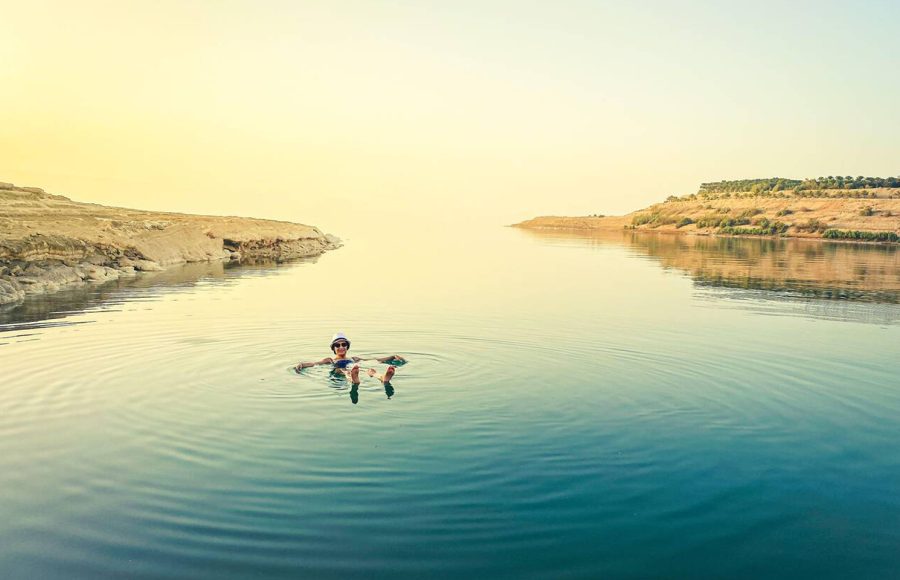
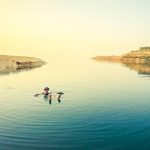
Your guide drives you to the Dead Sea shore at 430 metres below sea level, the lowest point on the earth's dry surface, where you enter the water for the flotation experience that defines the site. The Dead Sea's salinity runs at approximately 34% (compared to ocean salinity of 3.5%), which generates enough buoyancy to keep a person floating in a seated position without effort; the mineral concentration also makes it impossible for most microorganisms to survive, which is what makes it a sea rather than a lake in name only.
Breakfast, Lunch

The drive south from Amman through the Desert Highway takes approximately two and a half hours to the Petra visitor centre. A full day inside the site.
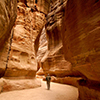
Your guide leads you through the Siq, the 1.2-kilometre natural slot canyon that served as the main processional approach to the Nabataean city, where the gorge narrows to 3 metres at its tightest and the walls rise 80 metres above the path. The Nabataeans channelled water through terracotta pipes set into the canyon walls, the channels still visible at shoulder height, to supply a city that held an estimated 20,000 to 30,000 inhabitants at its 1st-century AD peak.
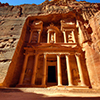
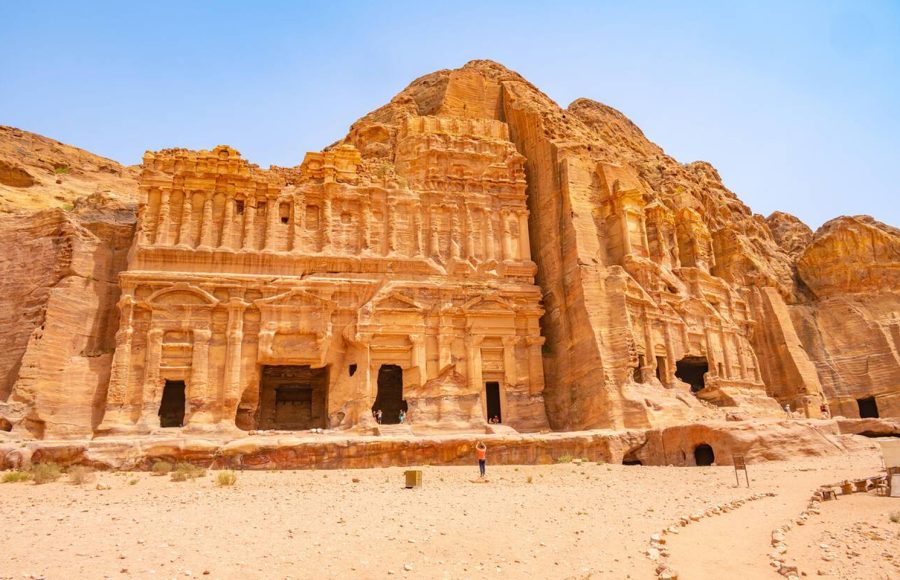
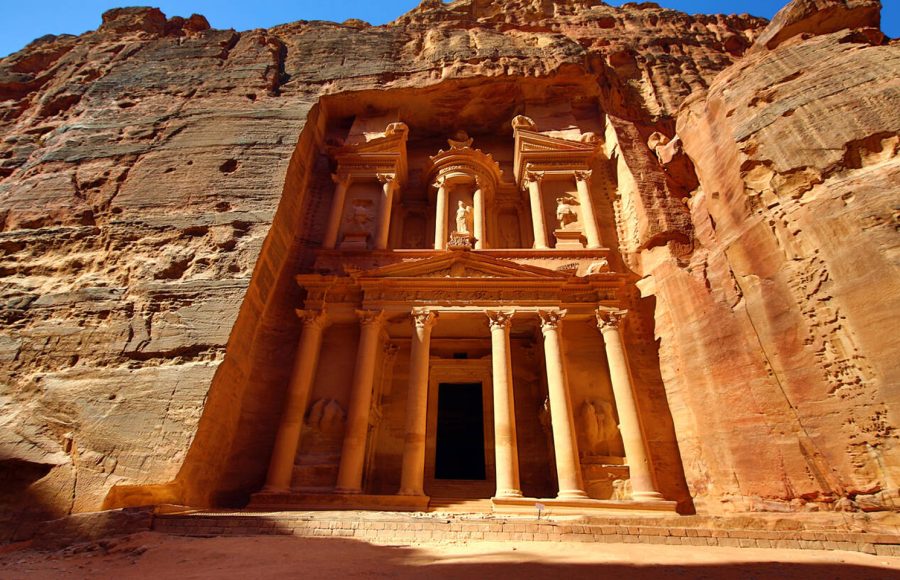
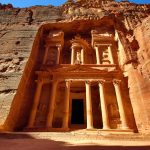
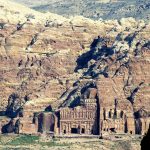
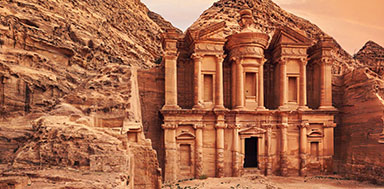
The Siq opens directly in front of Al Khazneh at a distance of approximately 50 metres, and the full 43-metre height and 28-metre width of the facade become visible in a single step from the canyon shadow into open light. The Treasury is not a treasury: it served as the mausoleum of the Nabataean king Aretas IV, who ruled from 9 BC to 40 AD, and the urn at the top of the upper tympanum was believed by Bedouin tradition to contain hidden gold, hence the bullet marks from attempts to break it open.
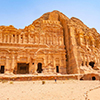
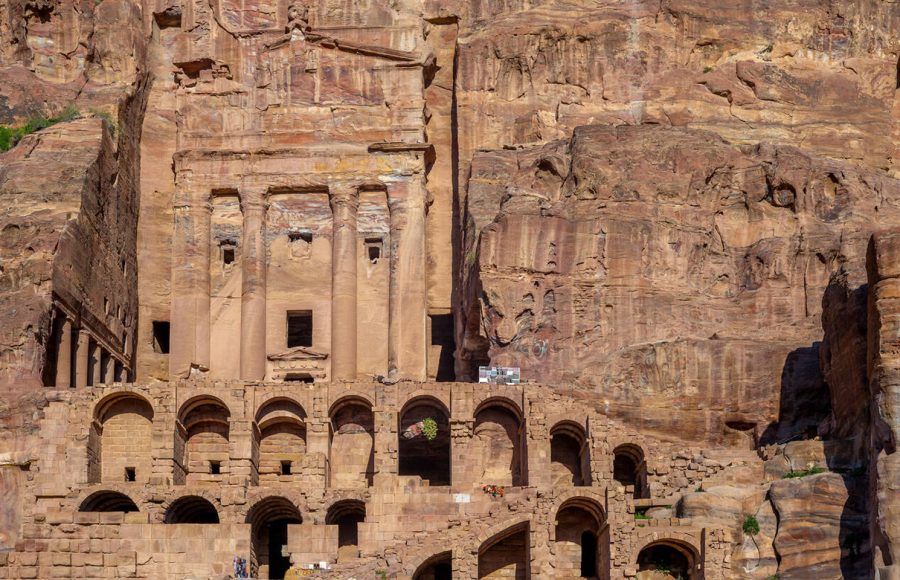
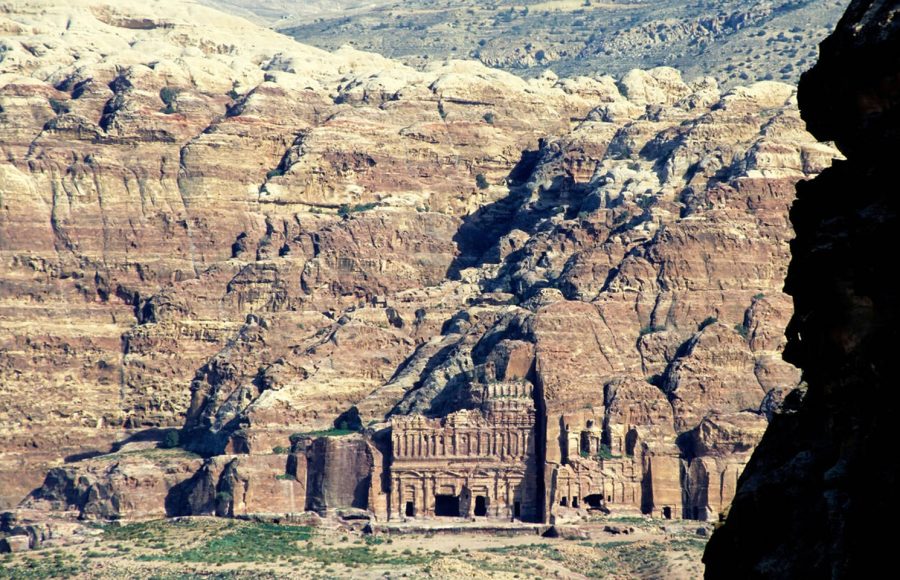
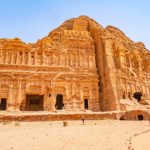
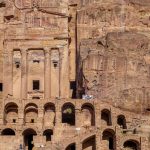
Walk the stepped path up to the Royal Tombs terrace, where four monumental tomb facades cut into the east cliff face overlook the main city valley. The Urn Tomb, the largest of the group, was converted into a Byzantine church in 446 AD, and the nave's cruciform plan is still readable in the rock-cut interior.
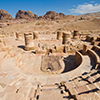
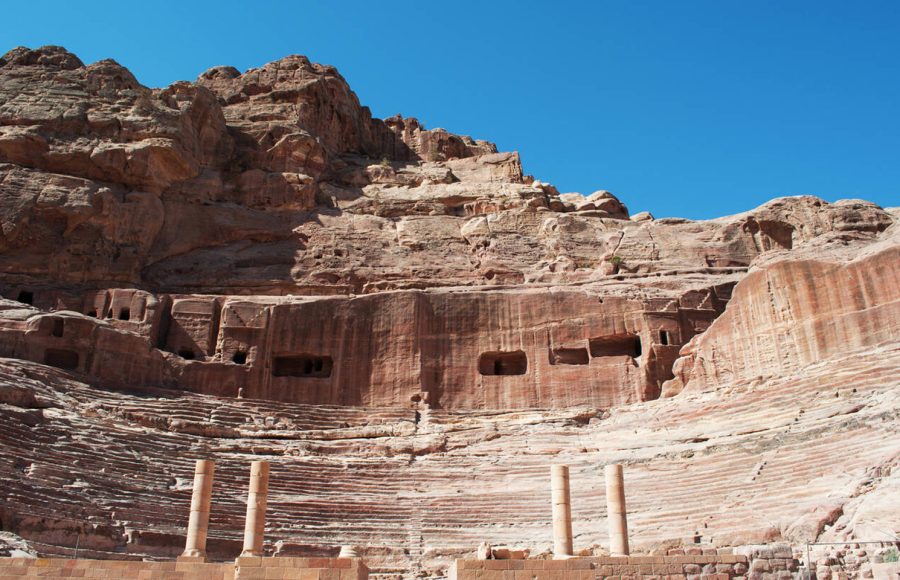
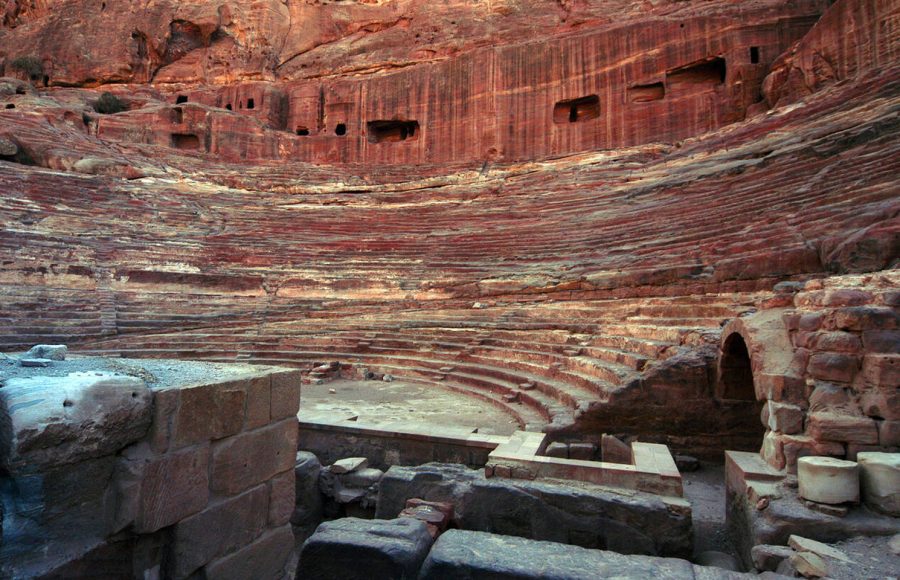
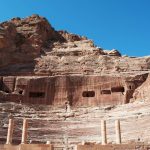
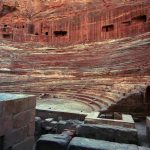
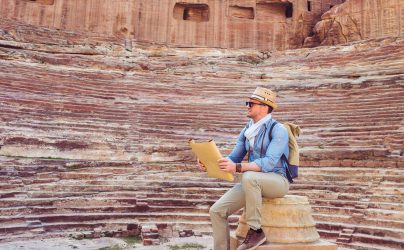
Your guide takes you to the Great Theatre, carved directly from the rose-red sandstone hillside between the 1st century BC and the 1st century AD, with seating for approximately 7,000 spectators across 33 rows. The stage wall was cut through an existing Nabataean tomb, and fragments of the carved tomb facades are still visible in the orchestra floor.
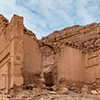
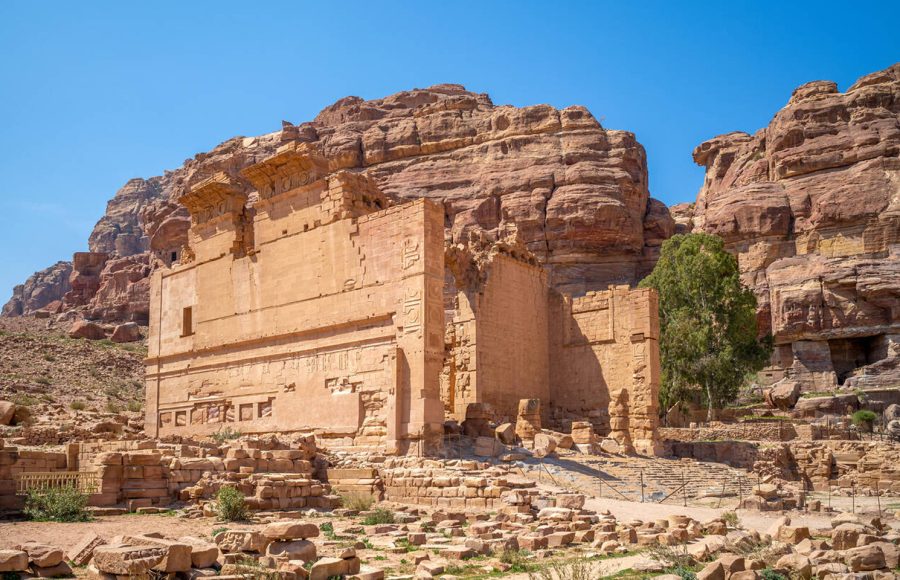
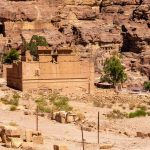
End at Qasr al-Bint, the only freestanding built structure remaining in Petra, which served as the main temple of the Nabataean god Dushara and possibly also as the city's civic and ceremonial centre. The standing walls reach 23 metres, and the original stucco facing, painted and gilded, is documented in traveller accounts from before the 19th century.
Breakfast, Lunch
After breakfast, your guide transfers you to Queen Alia International Airport for your outbound flight, concluding the 18 day Egypt & Jordan tour.
Breakfast
* You can let us know if you'd like to customize your tour itinerary to meet your needs. We value your input and aim to accommodate your requirements.
This tour includes 17 nights of comfortable accommodation across Cairo, Siwa Oasis, Aswan, a Nile Cruise, Hurghada, and Amman, private guides in both Egypt and Jordan, domestic Egypt flights, the Cairo–Amman international flight, entrance fees to all sites in both countries, and daily breakfast throughout. The Egyptian leg covers Giza, Siwa, the Nile Cruise corridor from Aswan to Luxor, and Hurghada; the Jordanian leg covers Jerash, Madaba, the Dead Sea, and Petra.
The main highlights include:
It is the only 18 day Egypt & Jordan tour that includes Siwa Oasis as a full 3 night standalone leg, the Temple of the Oracle where Alexander the Great received his divine endorsement, Ain Cleopatra, and Shali Fortress before joining the Nile cruise corridor to Abu Simbel and Luxor. No comparable 18-day itinerary routes through the Western Desert before the Nile.
Siwa Oasis is a remote desert settlement in Egypt's Western Desert, 560 kilometres from Cairo, inhabited by the Amazigh (Berber) people and known for the Temple of the Oracle consulted by Alexander the Great in 331 BC. It sits outside the Nile Valley route that all other Egypt & Jordan tours follow, which is why only this 18 day itinerary includes it; it requires a dedicated overland leg that shorter tours cannot accommodate.
Meals included:
Tripidays ensures all meals showcase authentic Egyptian and Jordanian flavors.




18 Days / 17 Nights
Cairo Airport or Casablanca Airport
Cairo / Giza / Hurghada / Luxor / Aswan / Alexandria / Casablanca / Chefchaouen / Fez / Merzouga / Ouarzazate / Marrakech
Explore our travel guides related to Egypt and Jordan Travel Guide


Tripidays Egypt Tours has been offering an exceptional range of Egypt tours, vacation packages, Nile cruises, day trips, and shore excursions tailored to meet the diverse interests of travelers worldwide for over 45 years.