
Starlight Festival Egypt 2026: Dates, Lineup & Travel Guide
September 24, 2026
Read more
about Starlight Festival Egypt 2026: Dates, Lineup & Travel Guide




























| Duration |
16 Days / 15 Nights |
|---|---|
| Tour Location |
Cairo / Giza / Abu Simbel / Aswan / Kom Ombo / Edfu / Luxor / Amman / Madaba / Petra / Istanbul / Cappadocia / Ephesus / Pamukkale / Hierapolis |
| Tour Run | |
| Pickup |
Cairo Airport / Amman Airport / Istanbul Airport |
This 16 day Egypt, Jordan, and Turkey tour combines Egypt's ancient wonders and a 3 night Nile cruise with Jordan's Petra and biblical landmarks, plus Turkey's imperial cities, Cappadocia, Ephesus, and Pamukkale. Featuring Abu Simbel, the Giza Pyramids, Istanbul, and remarkable classical ruins, this multi-country journey offers a distinctive blend of archaeology, culture, and diverse landscapes. With guided sightseeing, domestic flights within the tour, and planned transfers, Tripidays connects three countries in one comprehensive vacation. Travelers comparing different three-country holiday itineraries can explore routes with different durations and sightseeing highlights.
Day 1: Arrive in Cairo and enjoy a Nile dinner cruise. Day 2: Visit the Giza Pyramids, Great Sphinx, and Grand Egyptian Museum before flying to Aswan. Day 3: Explore Aswan's highlights and board your Nile cruise. Day 4: Discover Abu Simbel and Kom Ombo Temple while sailing the Nile. Day 5: Visit Edfu Temple and Luxor Temple. Day 6: Explore Karnak Temple, the Valley of the Kings, Hatshepsut's Mortuary Temple, and the Colossi of Memnon before flying to Cairo. Day 7: Discover the Egyptian Museum, Salah El-Din Citadel, Mosque of Muhammad Ali, El-Muizz Street, and Khan El Khalili Bazaar.
Only on this route
This route brings together three countries, a 3 night Nile cruise, Abu Simbel, Petra, Cappadocia, Ephesus and Pamukkale in 16 days. It goes beyond a classic Egypt, Jordan and Turkey introduction by combining Egypt's major archaeological sites and Upper Egypt temples with Jordan's celebrated heritage and Turkey's diverse landscapes and classical ruins all in one guided journey.
Arc I · Giza to Luxor
From Giza's pyramids to Abu Simbel and Luxor's royal tombs
Welcome to Egypt! Upon arrival at Cairo International Airport, meet your Tripidays representative for arrival assistance and a private transfer to your hotel. After settling in, enjoy a Nile dinner cruise with views of Cairo illuminated after dark, then return to your hotel for your first overnight stay in Egypt.

As evening falls, step aboard a traditional Nile dinner cruise and watch Cairo's waterfront glow as you sail along the river that shaped ancient Egyptian civilization. Enjoy dinner, local entertainment, and views of the city's illuminated bridges and skyline, an inviting introduction to the Egyptian capital.
Dinner

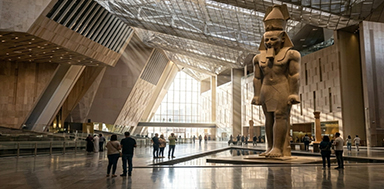
After breakfast, explore the Giza Pyramids, the Great Sphinx, and the Grand Egyptian Museum before transferring to the airport for your domestic flight to Aswan. Your journey moves from Egypt's most famous ancient monuments to the southern Nile Valley, where you will check into your Aswan hotel for the night.

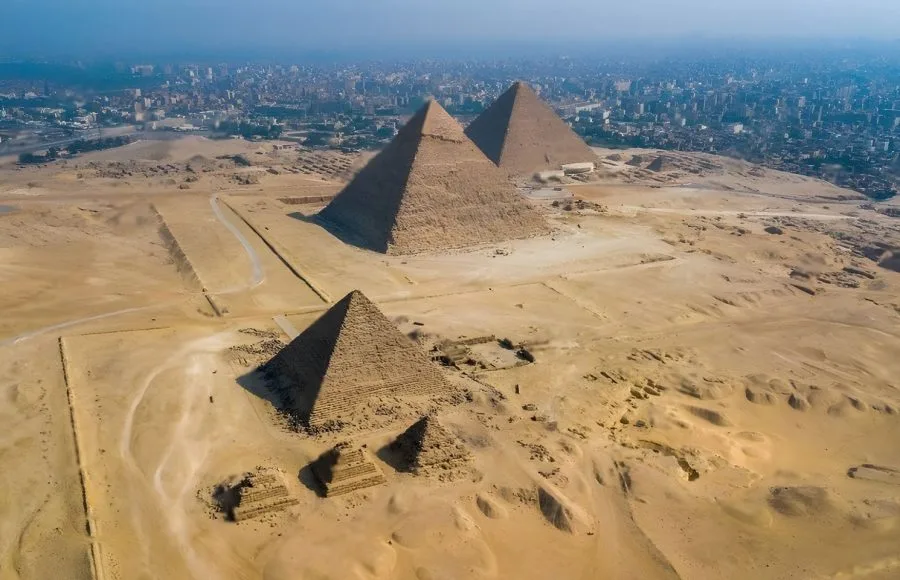
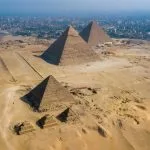
Stand before the Great Pyramid of Khufu, the Pyramid of Khafre, and the Pyramid of Menkaure, monumental structures that have defined Egypt's landscape for more than four millennia. With your Egyptologist guide, discover the engineering, royal ambitions, and beliefs about the afterlife that shaped this extraordinary funerary complex.
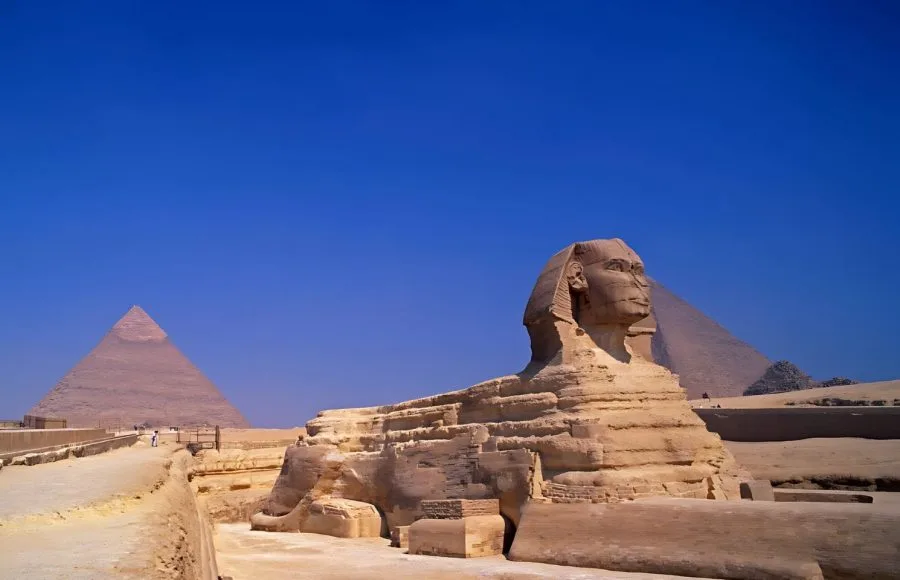
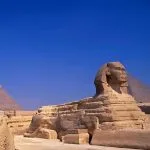
Near the pyramids, encounter the Great Sphinx of Giza, whose lion's body and human head have watched over the plateau for thousands of years. Its monumental presence adds another layer to the story of royal power and sacred symbolism that makes this archaeological landscape so compelling.
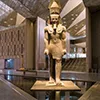
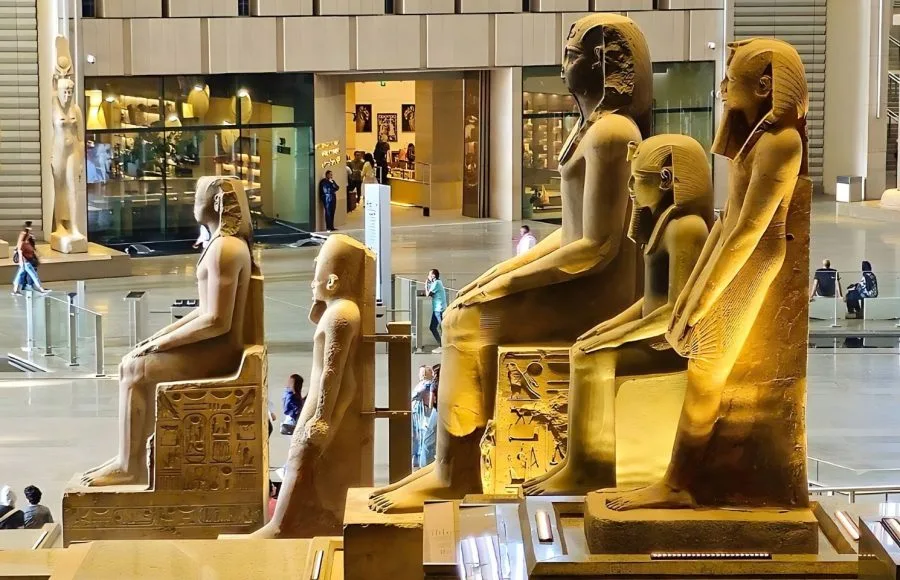
Continue to the Grand Egyptian Museum, where monumental statues, royal artifacts, and archaeological treasures reveal the people and beliefs behind the ancient monuments. The museum provides context for your morning at Giza, helping you connect the pyramids' imposing architecture to the civilization that created them.
Breakfast, Lunch

After breakfast and check-out of your Aswan hotel, meet your Tripidays guide and explore the city's highlights, including the Aswan High Dam, the Unfinished Obelisk, and the Philae Temple. Later, board your Nile cruise, settle into your cabin, and enjoy your first evening on the river with dinner and an overnight stay onboard.
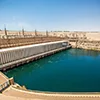
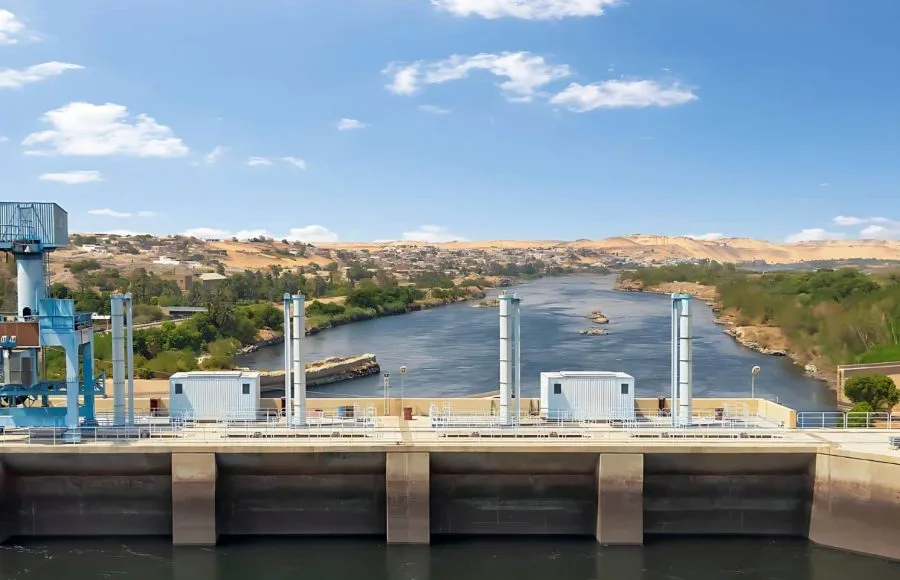
Begin at the Aswan High Dam, one of modern Egypt's most important engineering projects. Learn how it helps regulate the Nile's flow, supports irrigation and electricity generation, and created Lake Nasser, transforming the landscape and communities of southern Egypt.
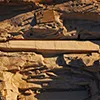
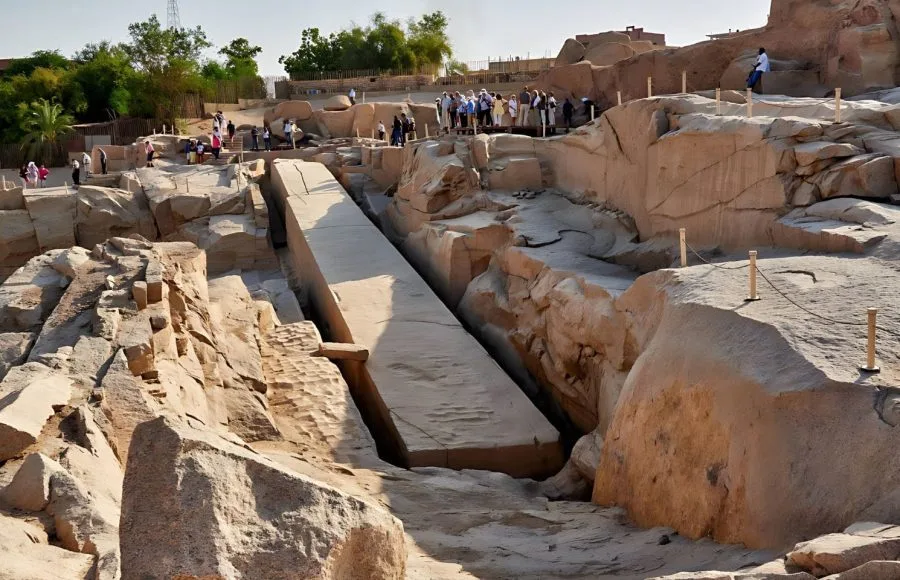
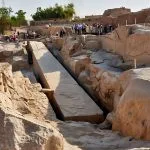
Continue to the ancient granite quarries to see the Unfinished Obelisk, a colossal monument left attached to the bedrock after a crack interrupted its construction. The visible tool marks reveal how ancient Egyptian craftsmen worked directly into solid granite to create the monumental stone structures seen throughout Egypt.
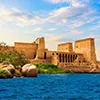
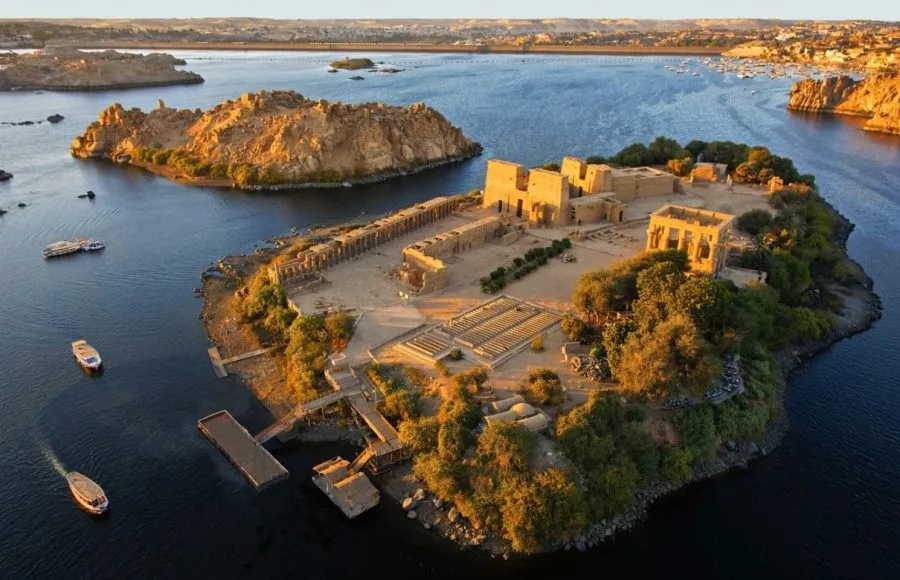
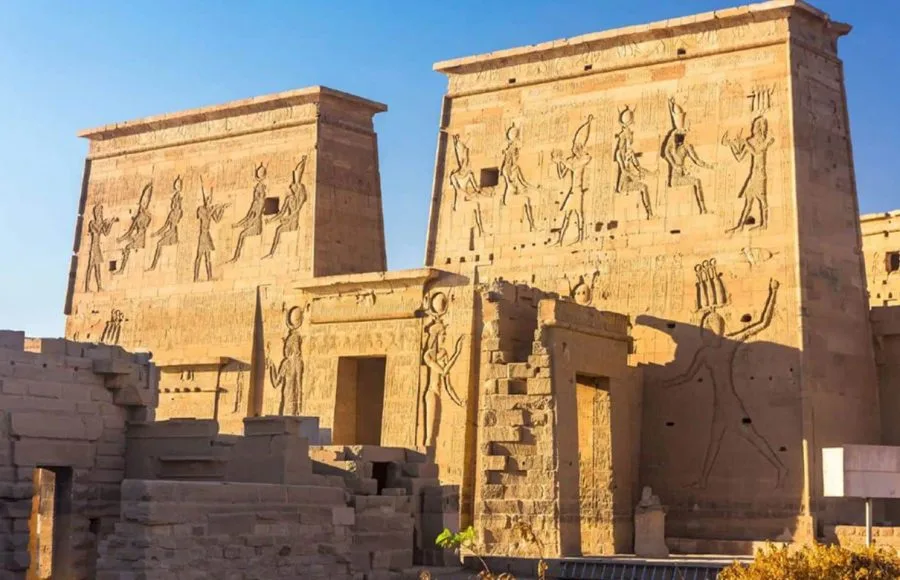
Take a boat to Philae Temple, a beautiful island sanctuary dedicated primarily to the goddess Isis. Admire its decorated columns, carved reliefs, and peaceful setting on the Nile while learning how the temple was relocated to protect it from rising waters following the construction of the High Dam. Travelers looking for a shorter version of this multi-country experience can consider a 14 day journey through Egypt, Jordan, and Turkey, which combines a Nile cruise with Jordan's archaeological highlights and Turkey's historic cities.
Breakfast, Lunch, Dinner

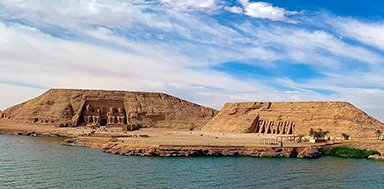
Wake up early, collect your breakfast boxes, and travel by bus with your guide to the magnificent Abu Simbel Temples. After exploring the colossal monuments of Ramesses II, return to your cruise and sail toward Kom Ombo, where you visit the riverside temple before continuing along the Nile toward Edfu. Dinner and overnight stay onboard.
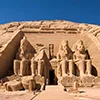
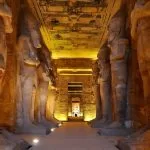
Journey through the southern Egyptian desert to discover the extraordinary Abu Simbel Temples, carved into sandstone cliffs during the reign of Ramesses II. Four colossal statues guard the entrance to the Great Temple, while the nearby temple honors Queen Nefertari and the goddess Hathor. Inside, detailed reliefs reveal royal achievements and religious beliefs, making Abu Simbel one of the defining archaeological highlights of your Egypt journey.
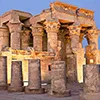
Visit Kom Ombo Temple, an unusual double sanctuary dedicated to Sobek, the crocodile god, and Horus the Elder. Its symmetrical design, detailed reliefs, and twin sacred areas reflect the distinctive religious traditions of ancient Egypt. The riverside location makes this temple a memorable stop along your cruise.
Breakfast, Lunch, Dinner

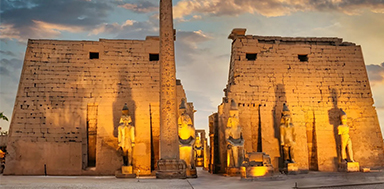
After breakfast, visit Edfu Temple, one of Egypt's best-preserved ancient sanctuaries, dedicated to the falcon-headed god Horus. Return to your cruise and sail toward Luxor, enjoying the river scenery before visiting Luxor Temple in the afternoon. Spend the evening onboard, with dinner and an overnight stay on the Nile.
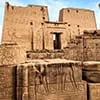
Explore Edfu Temple, an impressive sanctuary whose monumental gateways, courtyards, and inscriptions preserve the traditions of ancient Egyptian worship. Dedicated to Horus, the temple offers a remarkable look at religious rituals and the legendary conflict between Horus and Seth. Its excellent state of preservation helps visitors imagine how a major Egyptian temple once functioned.
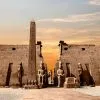
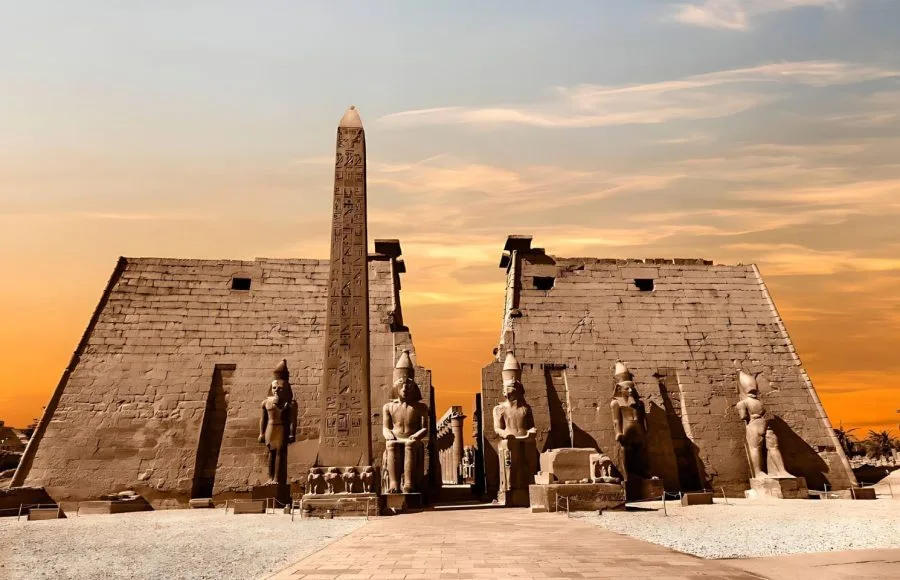
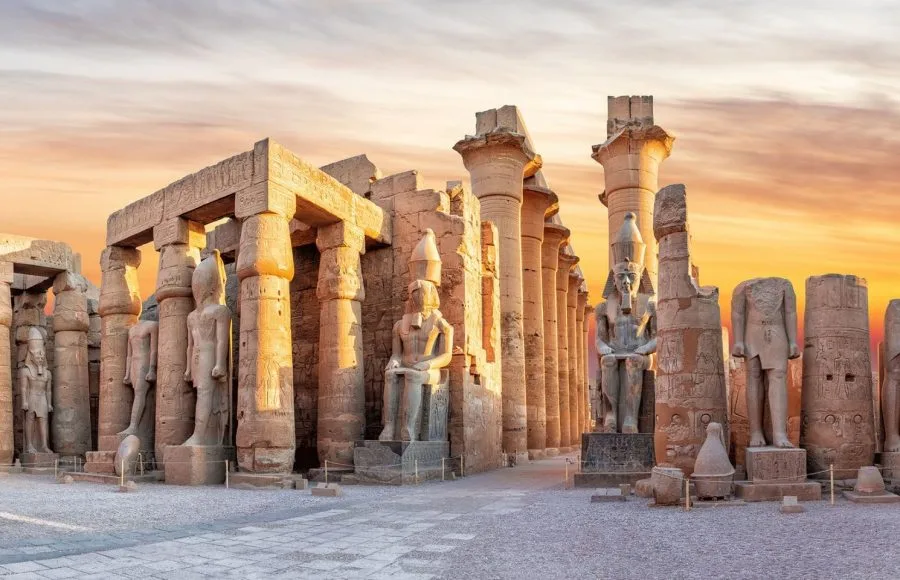
Visit Luxor Temple, a magnificent complex built largely during the New Kingdom and later expanded by successive rulers. Walk among its monumental columns, statues, and courtyards while discovering its connection to royal ceremonies and the annual Opet Festival, which celebrated the relationship between the gods and Egypt's pharaohs.
Breakfast, Lunch, Dinner

After breakfast, check out from your Nile cruise and begin your final day of sightseeing in Luxor. Explore Karnak Temple, cross to the West Bank to visit the Valley of the Kings and Hatshepsut's Mortuary Temple, and stop at the Colossi of Memnon before transferring to Luxor Airport for your domestic flight to Cairo. Overnight at your Cairo hotel.
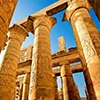
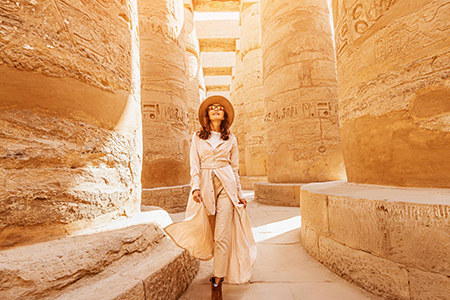
Begin at Karnak Temple, one of the largest religious complexes ever constructed in ancient Egypt. Walk through monumental gateways and the Great Hypostyle Hall, where towering columns and intricate carvings reflect centuries of royal devotion to Amun and other deities. The vast complex reveals the religious and political importance of ancient Thebes.
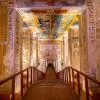
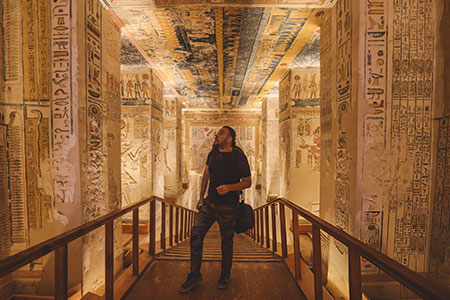
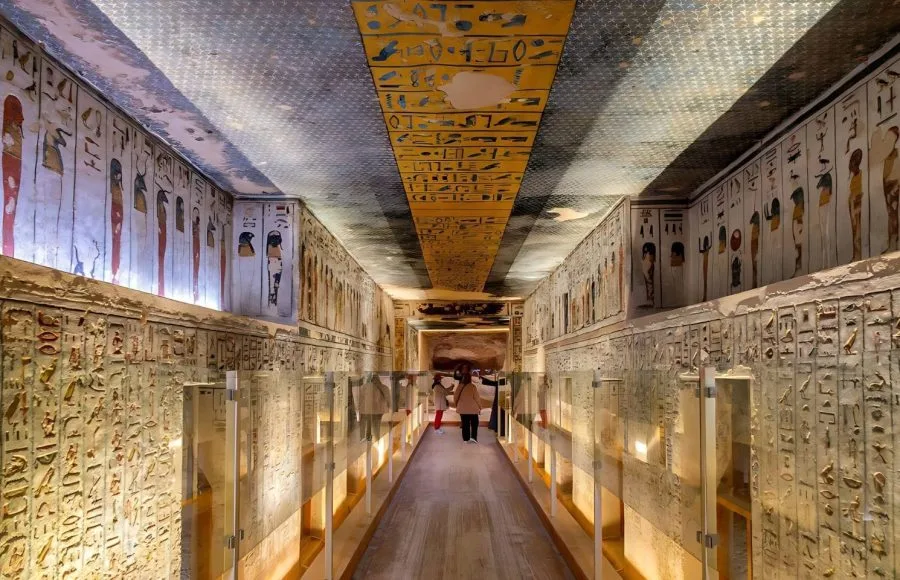
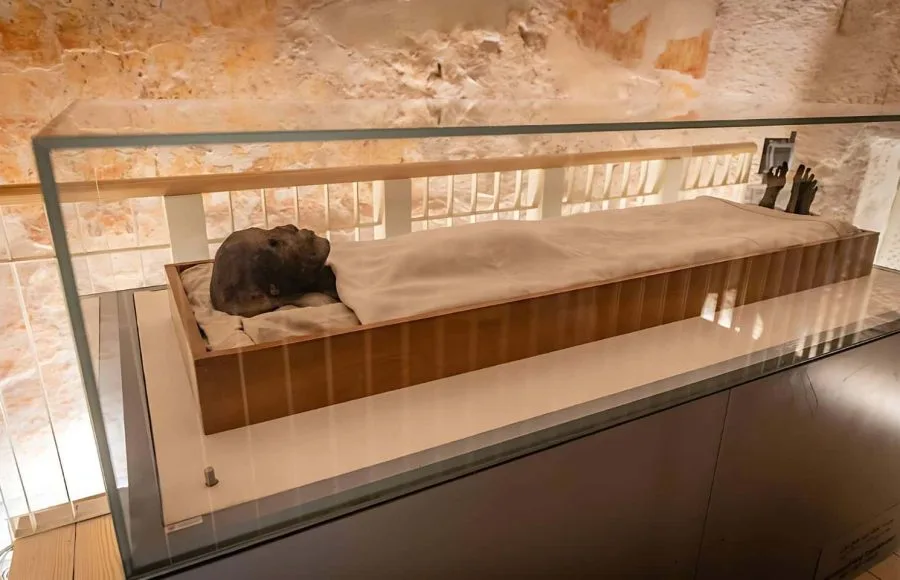
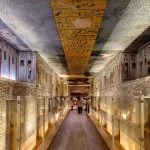
Cross to Luxor's West Bank to explore the Valley of the Kings, the royal burial ground of many New Kingdom pharaohs. Discover selected tombs decorated with hieroglyphs and colorful funerary scenes designed to guide rulers through the afterlife, offering a fascinating contrast to the pyramids of Giza.
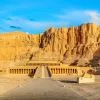
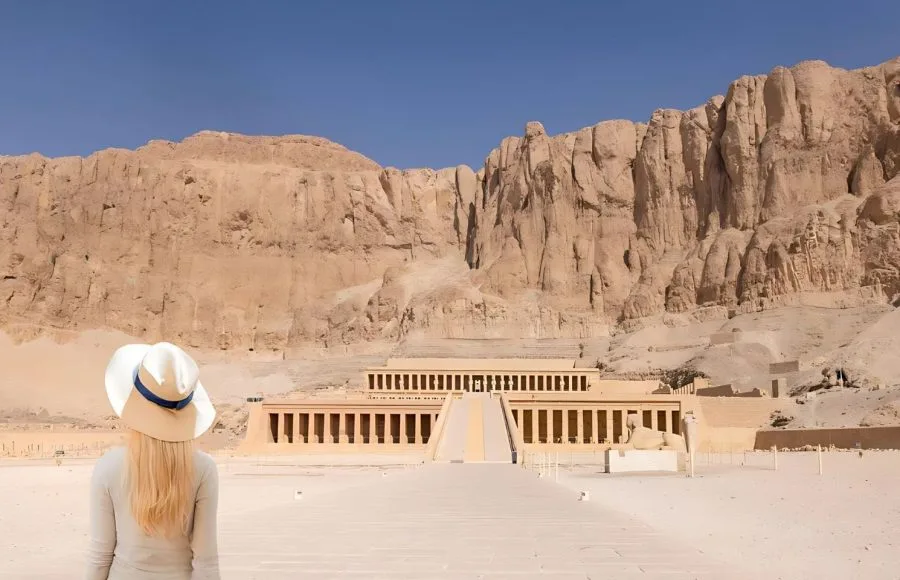
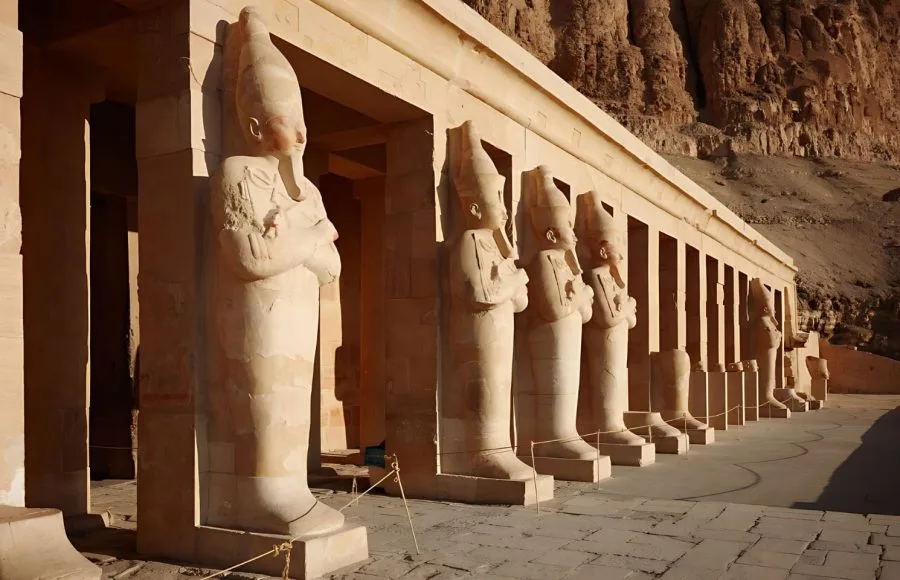
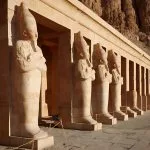
Continue to the Mortuary Temple of Hatshepsut at Deir el-Bahari, where elegant terraces rise against dramatic limestone cliffs. Built for one of ancient Egypt's most prominent female rulers, the temple features harmonious architecture and reliefs that celebrate her reign and divine association.
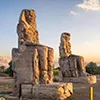
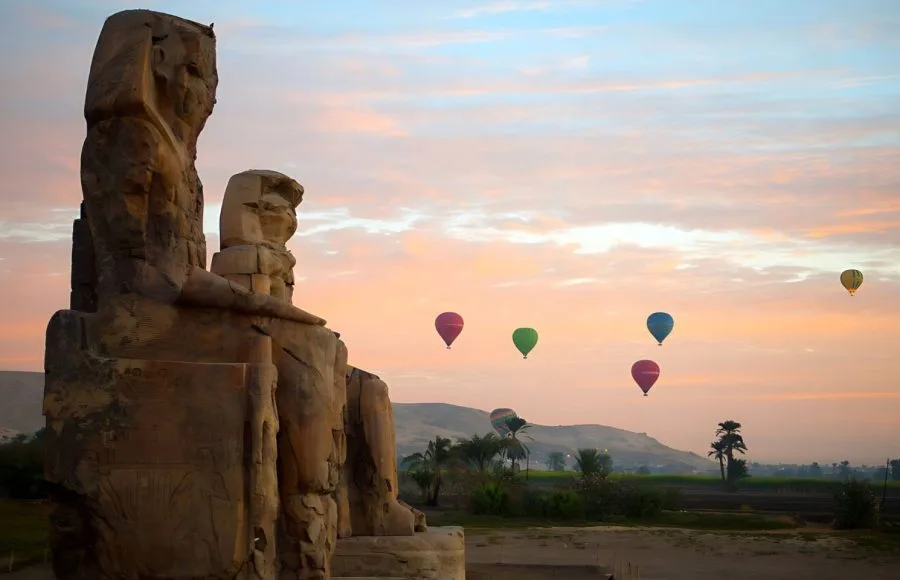
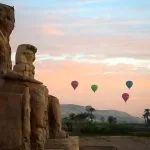
Stop at the Colossi of Memnon, two enormous statues of Pharaoh Amenhotep III that once stood before his vast mortuary temple. Weathered by time, these imposing figures remain among Luxor's most recognizable landmarks and provide a final glimpse into the grandeur of ancient Thebes.
Breakfast, Lunch

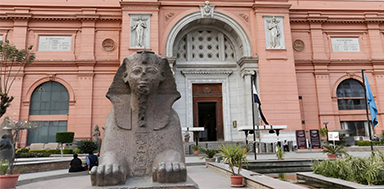
After breakfast, discover Cairo's rich history with visits to the Egyptian Museum, Salah El-Din Citadel, and the magnificent Mosque of Muhammad Ali. Continue into historic Islamic Cairo to explore El-Muizz Street and browse the lively Khan El Khalili Bazaar before returning to your hotel for an overnight stay in Cairo.
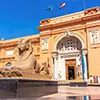
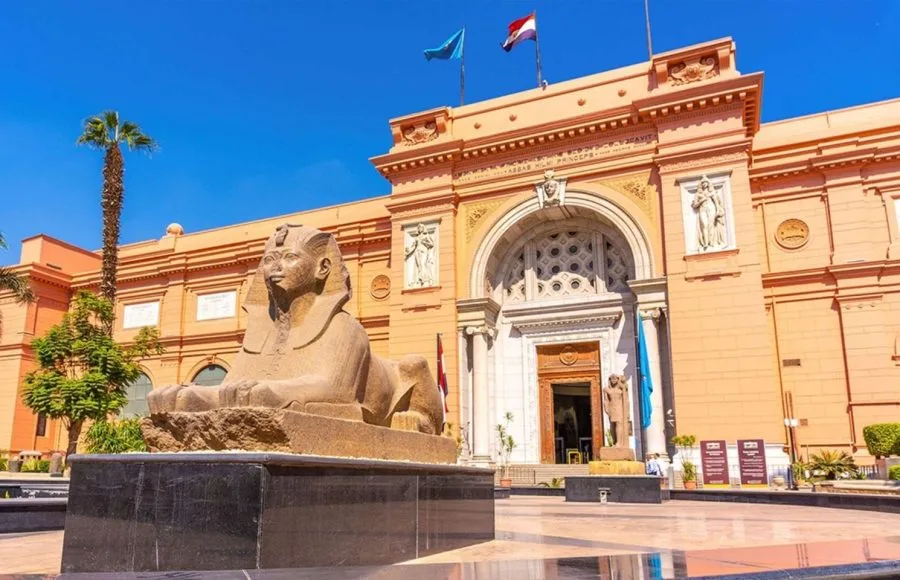
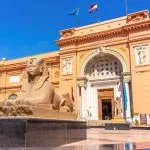
Begin at the Egyptian Museum in Tahrir Square, home to an extensive collection of ancient Egyptian antiquities. Explore statues, jewelry, funerary objects, and artifacts spanning different periods of Egyptian history, gaining a deeper understanding of the civilization behind the pyramids, temples, and royal tombs you have already visited.
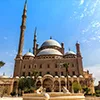
Continue to the Salah El-Din Citadel, a historic fortress overlooking Cairo that served as an important center of Egyptian government for centuries. Its elevated position offers sweeping views across the capital, while its fortified walls and monumental gates reveal the strategic importance of this landmark.
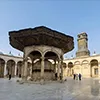
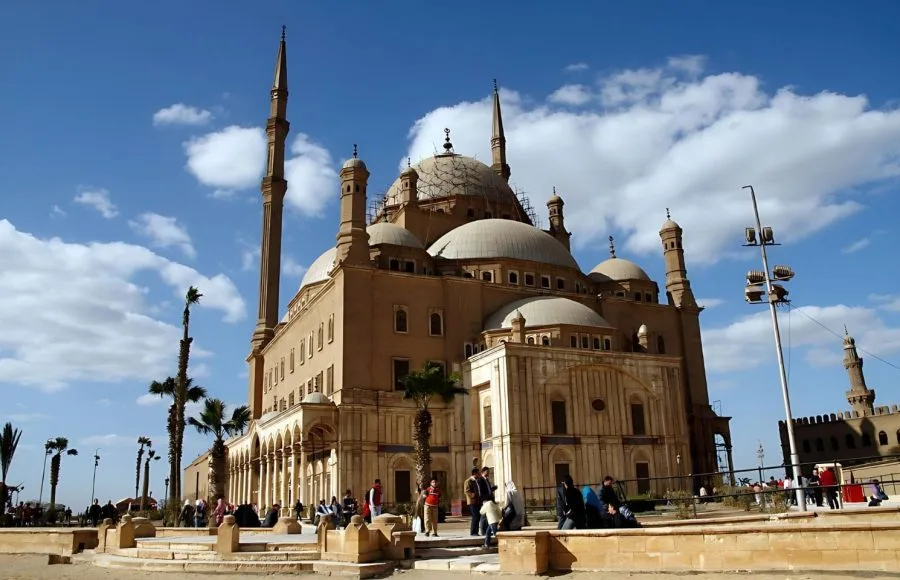
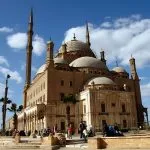
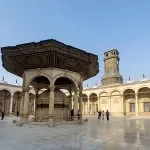
Inside the Citadel complex, visit the Mosque of Muhammad Ali, famous for its Ottoman-inspired domes, elegant minarets, and spacious courtyard. Often called the Alabaster Mosque, it stands as one of Cairo's most recognizable landmarks and offers a striking contrast to the ancient Egyptian monuments explored earlier in your journey.
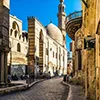
Continue to El-Muizz Street, one of the most atmospheric streets in historic Islamic Cairo. Walk past medieval mosques, historic houses, ornate gateways, and beautifully decorated façades that showcase the city's rich architectural heritage and centuries of craftsmanship.

Conclude your sightseeing at Khan El Khalili Bazaar, a bustling traditional market filled with colorful lanterns, spices, jewelry, textiles, souvenirs, and handcrafted goods. Wander through its narrow lanes, browse local shops, and soak up the lively atmosphere of old Cairo before returning to your hotel.
Breakfast, Lunch
Arc II · Madaba to Petra
Madaba mosaics, Mount Nebo, Dead Sea shores, and Petra's tombs
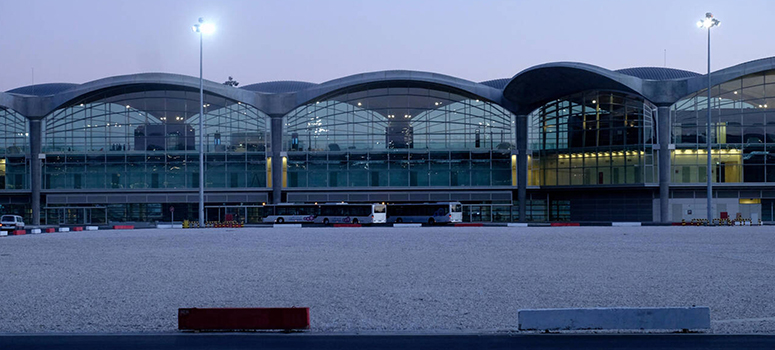
After breakfast, transfer to Cairo International Airport for your international journey to Amman, Jordan. Upon arrival, meet your local representative and transfer to your hotel, with the remainder of the day available to relax or enjoy the Jordanian capital independently. Overnight in Amman.
Breakfast
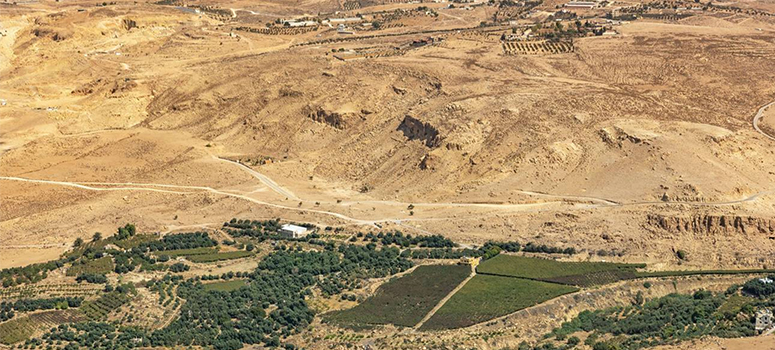
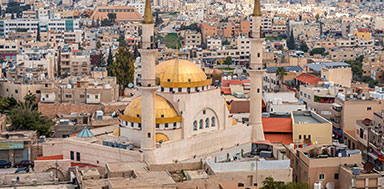
After breakfast, leave Amman to explore Madaba's celebrated mosaics and the panoramic views from Mount Nebo before continuing to the Dead Sea. Later, travel to Petra and check in to your hotel, positioning yourself for a full day among the rose-red monuments of the ancient Nabataean city.
Visit St. George's Church in Madaba, home to the famous sixth-century mosaic map of the Holy Land. This remarkable artwork depicts historic places and biblical landscapes, offering a fascinating glimpse into early Christian geography and the region's religious heritage.
Continue to Mount Nebo, traditionally associated with the biblical account of Moses viewing the Promised Land. From the summit, sweeping views extend across the Jordan Valley and surrounding landscapes, creating a powerful connection between the region's geography and its spiritual traditions.
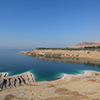
Descend to the Dead Sea, renowned for its exceptionally salty water and its position at the lowest exposed land elevation on Earth. If time and conditions permit, enjoy a supervised float in the mineral-rich water or relax along the shore before continuing toward Petra.
Breakfast, Lunch
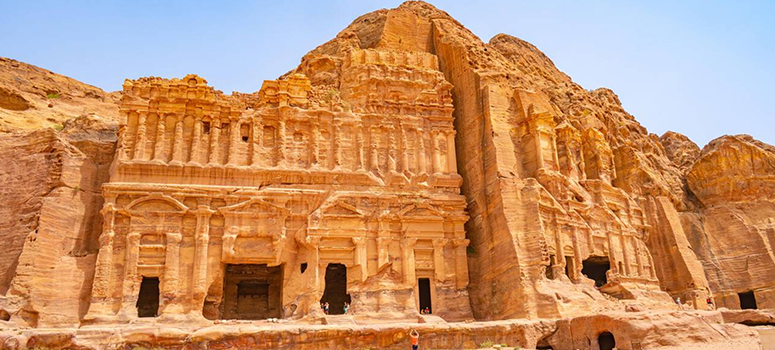
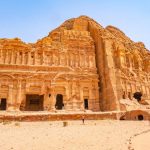
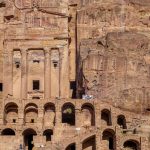
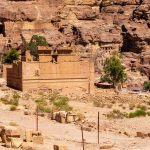
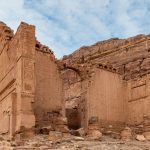
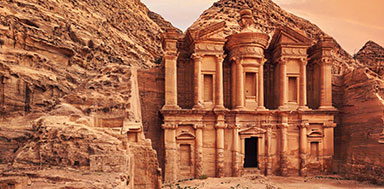
After breakfast, explore Petra, Jordan's legendary Nabataean city, where monumental rock-cut façades, ancient tombs, and historic temples reveal the ingenuity of a civilization that flourished along ancient trade routes. Discover the iconic Treasury, the Royal Tombs, and Qasr al-Bint before traveling back to Amman for dinner and your overnight stay.

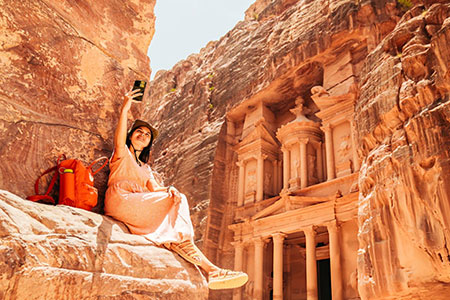
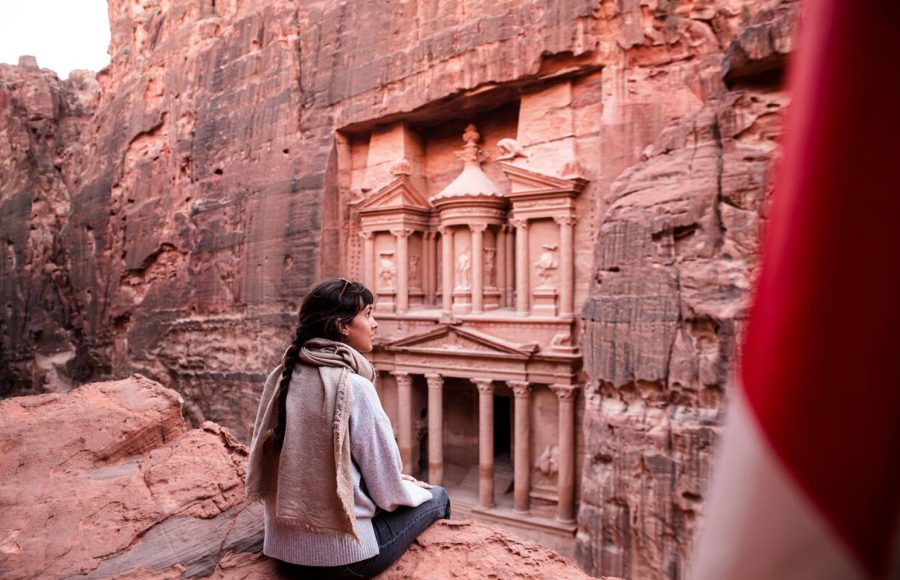
Enter Petra, the ancient Nabataean capital renowned for its remarkable rock-cut architecture and sophisticated water-management systems. Follow the narrow Siq between towering sandstone cliffs until it opens dramatically onto the Treasury, creating an unforgettable introduction to one of Jordan's most celebrated archaeological sites.
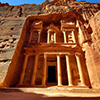
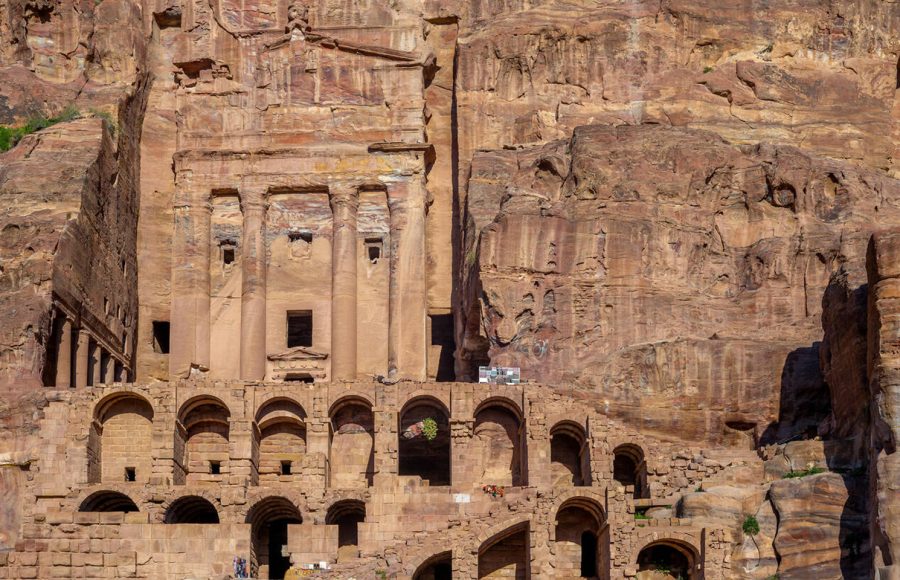
Admire Al-Khazneh, Petra's magnificent rock-cut monument, decorated with elaborate columns, sculptural details, and a striking classical façade. Although popularly known as the Treasury, it is generally believed to have served as a royal tomb. Its dramatic setting makes it one of the defining highlights of your visit.
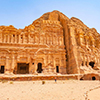
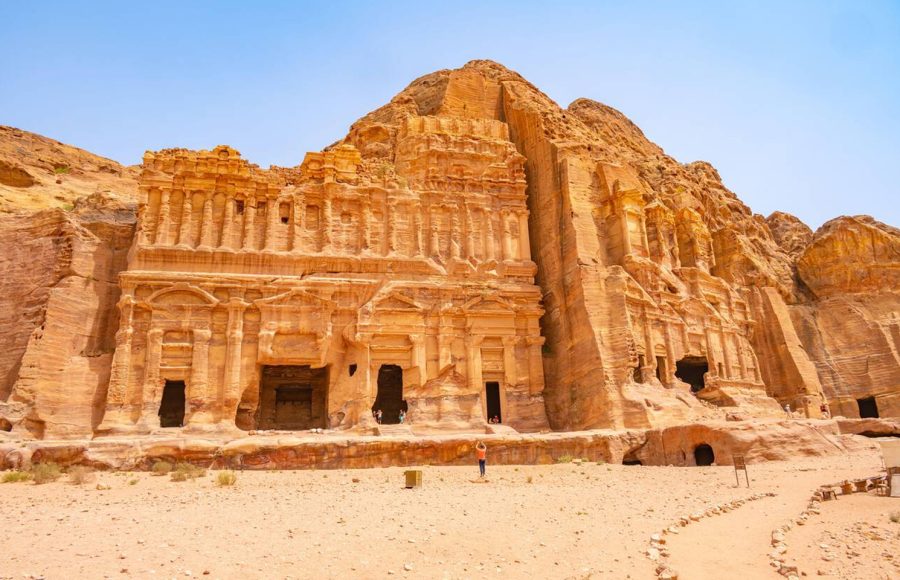
Continue to the Royal Tombs, a series of monumental façades carved into Petra's eastern cliffs. The Urn, Silk, Corinthian, and Palace Tombs display distinctive architectural styles and reveal the artistic influences, craftsmanship, and prosperity of the Nabataean kingdom.
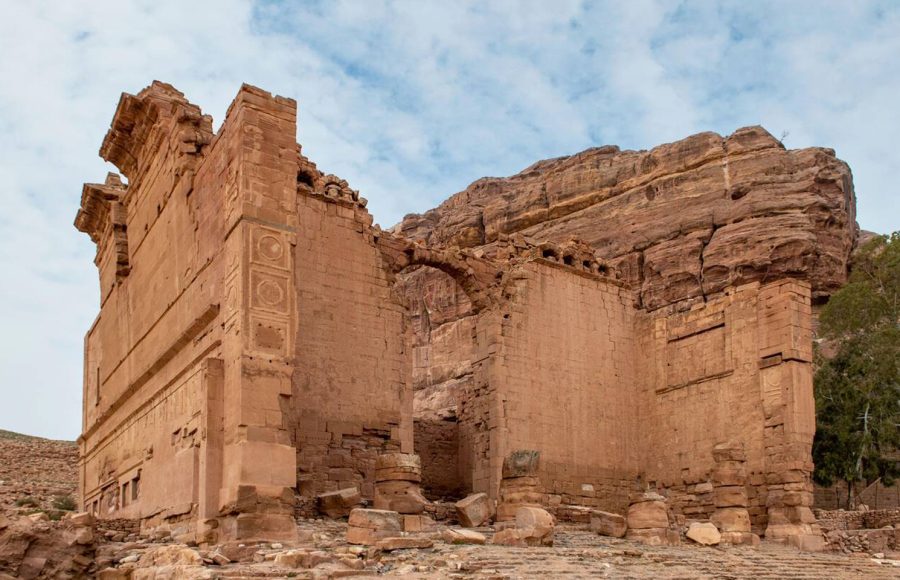
Explore Qasr al-Bint, one of Petra's most important surviving freestanding temples. Built from stone blocks rather than carved directly into the cliffs, this ancient sanctuary offers another perspective on Nabataean religious life and the city's architectural achievements.
Breakfast, Lunch
Arc III · Istanbul to Pamukkale
Ottoman landmarks lead to Cappadocia, Ephesus, Hierapolis, and Istanbul

After breakfast, check out of your hotel in Amman and transfer to the airport for your international flight to Istanbul, where Europe and Asia meet along the Bosphorus. Upon arrival, meet your local representative and transfer to your hotel. Spend the remainder of the day relaxing or exploring nearby neighborhoods at your own pace before your Turkish sightseeing adventure begins. Overnight in Istanbul.
Breakfast

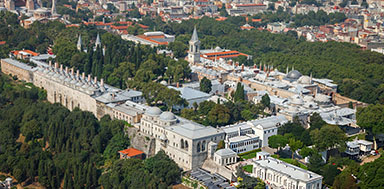
After breakfast, explore Istanbul's historic center, including Hagia Sophia, Topkapi Palace, the Blue Mosque, and the Grand Bazaar. Later, transfer to the airport for your domestic flight to Cappadocia, where you will check in to your hotel for the night and prepare for the region's extraordinary rock formations and historic cave settlements.

Discover Hagia Sophia, a landmark whose long history reflects the changing religious and political character of Istanbul. Originally built as a Byzantine cathedral, it later became an Ottoman mosque and remains an extraordinary example of monumental architecture, with its vast dome, marble surfaces, and layered artistic traditions.

Visit Topkapi Palace, the former residence and administrative center of the Ottoman sultans. Its courtyards, pavilions, and richly decorated rooms offer insight into imperial life and the political power that once extended across a vast empire.

Admire the Blue Mosque, officially known as the Sultan Ahmed Mosque, famous for its elegant domes, six minarets, and decorative Iznik tiles. As an active place of worship, access to prayer areas depends on visiting hours and religious services.

End your Istanbul sightseeing at the Grand Bazaar, a historic covered market filled with shops selling textiles, ceramics, jewelry, carpets, and other traditional goods. Its bustling passages provide an engaging introduction to Turkey's longstanding trading culture.
Breakfast, Lunch

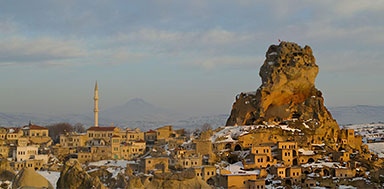
After breakfast, explore Cappadocia's distinctive landscape of fairy chimneys, valleys, and ancient rock-cut sites. Visit Uchisar Castle, Göreme Open-Air Museum, Avanos, and the region's remarkable volcanic formations before transferring to the airport for your domestic flight to Izmir and continuing to your hotel in Kuşadası for the night. If you're planning additional time in the country, our guide to planning a trip to Turkey offers helpful context for exploring its diverse regions, historic landmarks, and travel essentials.

Begin at Uchisar Castle, a natural rock fortress that rises above the surrounding valleys. Its chambers and passageways reflect the region's history of settlement and defense, while the elevated viewpoints offer sweeping views across Cappadocia's unusual terrain.

Explore the Göreme Open-Air Museum, a collection of rock-cut churches, chapels, and monastic spaces that illustrate Cappadocia's early Christian heritage. Inside selected churches, preserved frescoes depict biblical scenes and religious figures, providing a window into the spiritual life of the communities that once lived here.

Visit Avanos, a town known for its long pottery-making tradition. Local artisans work with clay from the surrounding region, continuing a craft that has shaped the area's cultural identity for generations. Depending on the schedule, you may have the opportunity to observe pottery demonstrations.

Continue to Paşabağ Valley, famous for its towering fairy chimneys formed by volcanic activity and erosion. Some of these unusual rock formations contain carved spaces that were once used as shelters or places of retreat, blending natural history with the human story of Cappadocia.

Discover Devrent Valley, where wind and water have sculpted rocks into imaginative shapes. Unlike the region's cave churches and settlements, this valley is best known for its natural formations, making it a striking final stop before your onward journey.
Breakfast, Lunch

After breakfast, travel from Kuşadası to Ephesus, one of the best-preserved ancient cities in the Mediterranean. Explore its monumental library, grand theater, marble streets, and the remains of the Temple of Artemis before returning to Kuşadası for your overnight stay.

Admire the Library of Celsus, one of Ephesus's most recognizable monuments. Its elaborately decorated façade once marked a building designed to house a substantial collection of scrolls and honor the Roman senator Celsus, reflecting the city's intellectual and civic ambitions.

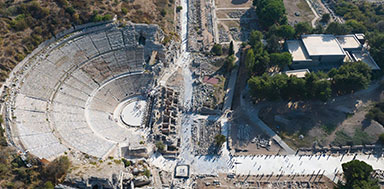
Continue to the Great Theater, an immense structure built into the hillside that could accommodate large audiences for performances and public gatherings. Standing among its tiers gives you a sense of the city's scale and the importance of entertainment and civic life in antiquity.

Visit the Temple of Hadrian, a finely decorated monument along Ephesus's ancient streets. Its carved façade and mythological reliefs provide a closer look at the artistic traditions and imperial influences that shaped Roman architecture in the region.

Conclude the archaeological visit at the remains of the Temple of Artemis, once celebrated as one of the Seven Wonders of the Ancient World. Although little of the original sanctuary survives, the site recalls the religious significance and architectural ambition of ancient Ephesus.
Breakfast, Lunch

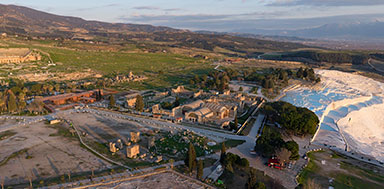
After breakfast, travel to Pamukkale and Hierapolis, where mineral-rich thermal waters have shaped brilliant white terraces beside the remains of an ancient spa city. Explore the archaeological landscape, including its theater, historic streets, and Roman-era structures, before transferring to Denizli Airport for your domestic flight to Istanbul and your final overnight stay.

Explore Hierapolis, an ancient city that developed around the area's thermal springs. Its ruins reveal how the settlement became a destination for bathing, healing, religious activity, and public life during the Hellenistic, Roman, and Byzantine periods.

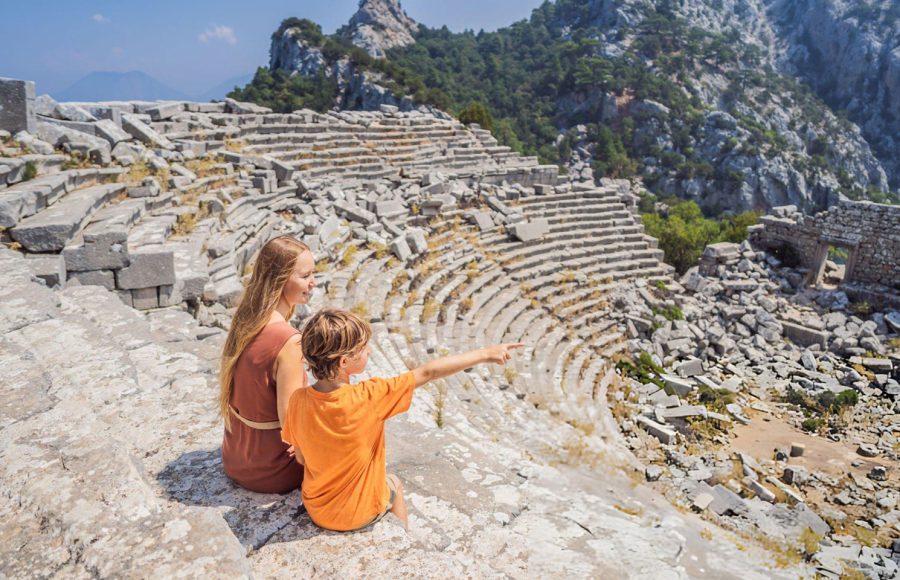
Visit the Theater of Hierapolis, an impressive hillside structure with surviving seating and decorative details. Its scale reflects the city's importance as a regional center and provides a vivid impression of public entertainment in the ancient world.

Explore the remains of the Roman Baths of Hierapolis, where visitors once gathered to bathe in the area's famous thermal waters. These ancient structures reveal the city's reputation as a healing destination and highlight the important role bathing played in Roman social and cultural life.

Walk along the remains of Hierapolis's ancient streets, once lined with public buildings, shops, and monumental structures. These historic pathways offer a glimpse into daily life in this ancient city, connecting its thermal heritage with the classical architecture and urban planning that shaped the settlement.
Breakfast, Lunch

After breakfast, check out of your hotel and transfer to Istanbul Airport for your departure flight, bringing your 16 Day Cairo, Nile Cruise, Jordan, and Turkey Trip to an end. From the pyramids of Giza and Abu Simbel to Petra, Cappadocia, Ephesus, and Pamukkale, you leave with a rich collection of memories spanning ancient civilizations, sacred landscapes, and classical cities. Want to explore more of Egypt and Jordan alongside Turkey? A 20 day journey from Abu Simbel to Hurghada and Jerash adds Alexandria, Red Sea relaxation, and further archaeological highlights to a broader three-country adventure.
Breakfast
* You can let us know if you'd like to customize your tour itinerary to meet your needs. We value your input and aim to accommodate your requirements.
This 16 day journey combines Egypt’s ancient monuments and Nile cruise, Jordan’s biblical landmarks and Petra, and Turkey’s historic cities and classical ruins. Highlights include the Giza Pyramids, Grand Egyptian Museum, Abu Simbel, Philae Temple, Petra, Hagia Sophia, Cappadocia’s rock formations, Ephesus, and Pamukkale’s white travertine terraces.
Yes. The itinerary includes an excursion to the Abu Simbel Temples from Aswan. You travel by road with a guide to see the monumental temples built by Ramses II and the smaller temple dedicated to Queen Nefertari, then return to your Nile cruise to continue sailing toward Kom Ombo.
The package includes the main guided sightseeing experiences and travel arrangements specified in the itinerary. Typical inclusions are:
International flights, visas, and any services not expressly listed as included are not covered. Confirm the final inclusions and exclusions in your Tripidays booking details before departure.
The itinerary includes a four-night Nile cruise, traveling between Aswan and Luxor. Along the way, you visit Abu Simbel, Kom Ombo Temple, Edfu Temple, and Luxor Temple, with additional sightseeing in Aswan and Luxor before and after the cruise.
Yes. The Jordan portion includes Madaba’s St. George’s Church, Mount Nebo, the Dead Sea, and Petra Archaeological City. In Petra, you explore the famous Treasury, the Royal Tombs, and Qasr al-Bint before returning to Amman for your overnight stay.


13 Days / 12 Nights
Cairo Airport / Amman Airport / Istanbul Airport
Cairo / Giza / Luxor / Amman / Jerash / Madaba / Petra / Istanbul / Cappadocia
15 Days / 14 Nights
Cairo Airport / Amman Airport / Istanbul Airport
Cairo / Giza / Hurghada / Luxor / Aswan / Amman / Madaba / Petra / Istanbul / Cappadocia
17 Days / 16 Nights
Cairo Airport / Amman Airport / Istanbul Airport
Cairo / Giza / Alexandria / El Alamein / Siwa Oasis / Bahariya Oasis / Amman / Madaba / Petra / Istanbul / Cappadocia
18 Days / 17 Nights
Cairo Airport / Amman Airport / Istanbul Airport
Cairo / Giza / Aswan / Luxor / Hurghada / Amman / Jerash / Madaba / Petra / Istanbul / Antalya / Hierapolis
All things you should know before visiting Egypt & Beyond


Tripidays Egypt Tours has been offering an exceptional range of Egypt tours, vacation packages, Nile cruises, day trips, and shore excursions tailored to meet the diverse interests of travelers worldwide for over 45 years.