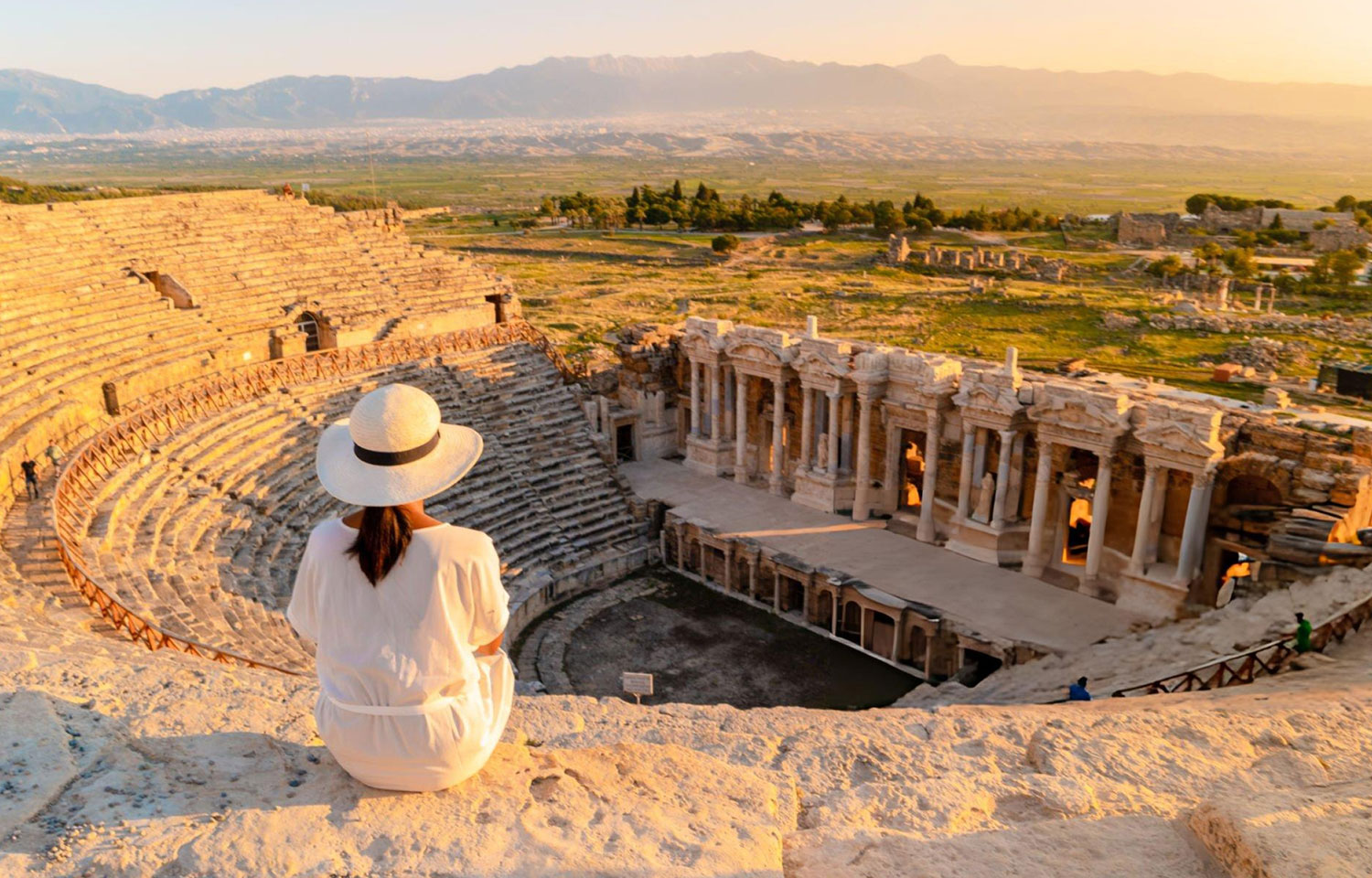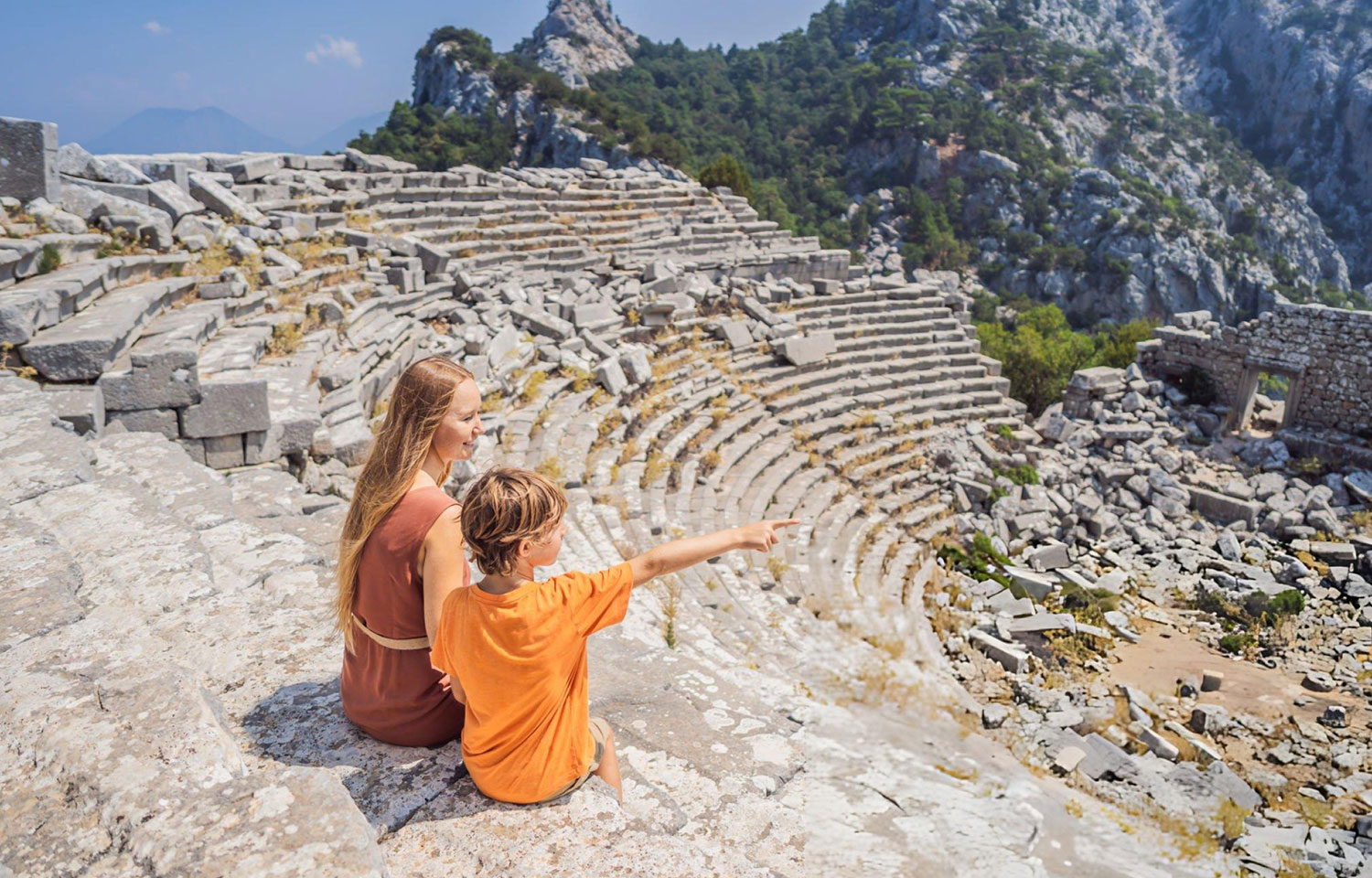
Planning a trip to Turkey means deciding when to visit, how many days to spend, which regions to combine, and what to arrange before you arrive. Turkey is a large and diverse destination, from historic Istanbul and Cappadocia’s unique landscapes to ancient Aegean sites, Mediterranean resorts, and distinctive cultural experiences.
This Turkey trip planning guide focuses on the practical decisions involved in organizing your journey, including the best time to visit Turkey, visa and passport requirements, what to pack, currency and payments, SIM cards and internet, how many days to spend in Turkey, and what to buy. For first time visitors, the best approach is to choose your travel season and trip length first, then select the regions that match your interests and build a realistic route between them.
This Guide is specifically a trip planning resource; it helps you decide how to organize your Turkey vacation and which regions and experiences to include.
Best Time to Visit Turkey
There is no single best time to visit Turkey, as each season offers a different experience. Spring and autumn are ideal for sightseeing and cultural trips, summer is best for coastal and beach holidays, while winter offers snow, quieter cities, and seasonal experiences. For most first time visitors focused on exploring Turkey’s history and culture, spring and autumn are the best choices.
Spring: March to May
Spring is one of the best seasons to visit Turkey for sightseeing, history, and cultural experiences. The weather is generally milder, landscapes become greener and more colorful, and conditions are comfortable for exploring destinations such as Istanbul, Cappadocia, Ephesus, and Pamukkale. It is especially suitable for travelers who prioritize sightseeing over beach holidays.
Summer: June to August
Summer is the best season for combining Turkey sightseeing with a beach or coastal holiday. The Mediterranean and Aegean coasts are particularly appealing, but major cities and archaeological sites can become hot and crowded. For comfortable sightseeing, visit outdoor attractions in the morning or later in the afternoon.
Autumn: September to November
Autumn is an excellent time to visit Turkey for comfortable sightseeing, cultural travel, and coastal experiences. Temperatures become milder after the summer heat, while many Mediterranean and Aegean areas remain warm. It is a particularly good season for exploring historical sites without the peak summer conditions.
Winter: December to February
Winter is the best time to visit Turkey for travelers who enjoy cooler weather, fewer crowds, and snowy landscapes. Istanbul can be quieter and atmospheric, while Cappadocia and parts of central and eastern Turkey may experience snow. The Mediterranean coast, including Antalya, generally has milder winter weather than central and eastern regions.
For a first time sightseeing trip: spring and autumn are usually the easiest seasons to balance weather, sightseeing, and comfort.
Turkey Visa Guide
Your visa requirements depend on your nationality, passport type, purpose of travel, and length of stay, so check the Turkish Ministry of Foreign Affairs before booking your trip.
Some nationalities can enter Turkey visa free for qualifying tourist stays, while others need an e-Visa or a visa obtained through a Turkish diplomatic mission. The rules are nationality specific and can change.
For eligible travelers, Turkey’s official e-Visa system allows applications online for tourism or commercial purposes.
What About Passport Validity?
Turkey has specific passport validity rules tied to the duration of the visa, visa exemption, or residence permission. The Ministry of Foreign Affairs states that travelers should have a passport valid for at least 60 days beyond the authorized duration of stay; it also advises travelers to have at least six months of passport validity from arrival.
Because visa rules vary significantly by nationality, don’t rely on a general blog statement such as “Turkey is visa free” or “everyone needs an e-Visa.”
Check your nationality specific requirements before finalizing your travel arrangements.

What to Pack for Turkey
Your packing list should depend more on where and when you are traveling than on Turkey as a whole.
A city and archaeology trip requires different clothing from a summer beach holiday or winter Cappadocia trip.
Essentials for Most Turkey Trips
- Comfortable walking shoes
- Lightweight daypack
- Passport and copies of important documents
- Phone charger and power adapter
- Reusable water bottle
- Sunglasses and sunscreen
- Basic personal medication
- Light layers for changing temperatures
If You Are Visiting Mosques
Bring clothing that allows you to dress respectfully when visiting religious sites. Women may find it useful to carry a lightweight scarf, while everyone should be prepared to cover shoulders and knees when required.
If You Are Visiting Turkey in Different Seasons
Spring and autumn: pack layers because mornings and evenings can feel cooler.
Summer: prioritize lightweight clothing, sun protection, and comfortable footwear.
Winter: bring warmer layers, particularly if visiting Cappadocia or central/eastern Turkey.
The most important packing decision is therefore not “What do I pack for Turkey?”
It is:
“Which regions am I visiting, and what will the weather be like when I arrive?”
Before traveling, it is also worth considering practical conditions along your route and checking Turkey travel safety information so you can make informed decisions about destinations, transportation, and local conditions.
Currency and Money in Turkey
The official currency is the Turkish lira (TRY).
Cards are widely useful in cities, hotels, restaurants, and many tourist businesses, but carrying some local cash remains sensible for smaller purchases, markets, local transport, and places where card payments may not be convenient.
Should You Carry Turkish Lira?
Yes. Even if you mainly use cards, having some Turkish lira available makes everyday travel easier.
Should You Exchange All Your Money Before Arriving?
Usually, there is no reason to convert your entire travel budget before your trip.
A better approach is to have:
- a reliable bank card
- a backup payment method
- some Turkish lira
- access to emergency funds
Also check your bank’s foreign transaction and ATM fees before departure.
A Practical Tip
Don’t judge every price by converting it mentally into your home currency.
Turkey’s prices and exchange rates can change, so checking the current rate during your trip is more useful than relying on an old conversion you saw in a travel article.
SIM Cards and Internet for Tourists
Staying connected makes traveling between Turkey’s cities much easier, especially when using maps, translation apps, flight information, hotel details, and transportation services.
Your main options are generally:
- a Turkish physical SIM
- an eSIM, if your phone supports it
- international roaming
- travel data plans
Before buying anything, check whether your phone is unlocked and compatible with the service you plan to use.
For a multi-city trip, reliable mobile data is particularly useful because Turkey is geographically large and your journey may involve flights, long-distance transfers, and different regions.
Don’t choose a SIM solely because it advertises the cheapest amount of data. Check:
- validity period
- coverage
- activation requirements
- whether your phone supports eSIM
- whether hotspot use is allowed
- total cost

How Many Days Do You Need in Turkey?
There is no fixed number of days needed to visit Turkey. The ideal length depends on your interests, the regions you want to experience, and how much time you want to spend exploring rather than traveling between destinations.
Turkey is geographically diverse, so a short visit may suit travelers who want to focus on one area, while a longer stay allows more flexibility to experience its historic cities, archaeological sites, distinctive landscapes, and coastal regions.
For first-time visitors, the most important consideration is not how many destinations can fit into the trip, but whether there is enough time to experience each place comfortably without rushing from one region to another.
It can help to decide what you most want from the trip before building your route. Travelers focused on major landmarks and experiences can use a guide to things to do in Turkey to identify priorities, then choose destinations that fit naturally into the available time.
What to Buy in Turkey
Shopping can be part of the travel experience, especially if you enjoy traditional crafts, markets, textiles, and food products.
Popular things travelers may look for include:
- Turkish carpets and kilims
- Ceramics
- Turkish tea
- Turkish coffee
- Spices
- Lokum
- Traditional textiles
- Handcrafted souvenirs
The key is to buy based on authenticity and quality rather than simply looking for the lowest price.
For higher value purchases such as carpets, ask about materials, origin, craftsmanship, return policies, and shipping arrangements before committing.
And remember that shopping is part of the experience; it doesn’t need to become a separate mission on your itinerary.
Can You Combine Egypt and Turkey in One Trip?
Yes, combining Egypt and Turkey can make sense, particularly for travelers who want to experience two major historical and cultural destinations in one international vacation.
The important question is not whether it is possible. It is: How many days do you have?
If you only have a week, trying to combine both countries can create a rushed itinerary.
With a longer vacation, however, the combination becomes much more practical.
Why Do Egypt and Turkey Work Well Together?
They offer very different experiences.
Egypt is particularly strong for:
- ancient Egyptian civilization
- pyramids
- temples
- tombs
- the Nile
- desert landscapes
- Red Sea experiences
Turkey adds:
- Istanbul’s transcontinental history
- Cappadocia’s landscapes
- Greek and Roman archaeological sites
- Byzantine and Ottoman heritage
- Turkish cuisine and culture
This makes the combination especially interesting for travelers who want a history focused or multi civilization journey.
Tripidays can naturally connect travelers interested in both countries with its Egypt and Turkey tour packages, while the exact combination should depend on the traveler’s available time and interests.
ule allows enough time, you don’t necessarily have to choose Egypt, and Turkey can complement each other extremely well.

Final Takeaway
Planning a trip to Turkey doesn’t mean building the longest possible itinerary. It means choosing the right combination of experiences for the time you have.
For a first visit, start with your season and available days, choose a manageable route, and then build the details around it. Turkey’s enormous variety is part of its appeal: one journey can move from Istanbul’s historic monuments to Cappadocia’s otherworldly landscapes, then onward to ancient archaeological sites or the Mediterranean coast. Official Turkish tourism routes themselves reflect this diversity, connecting destinations across different regions and historical periods.
The best Turkey itinerary isn’t the one that covers the most ground. It’s the one that leaves you wanting to explore more.