
Starlight Festival Egypt 2026: Dates, Lineup & Travel Guide
September 24, 2026
Read more
about Starlight Festival Egypt 2026: Dates, Lineup & Travel Guide






































| Duration |
20 Days / 19 Nights |
|---|---|
| Tour Location |
Cairo / Giza / Aswan / Abu Simbel / Kom Ombo / Edfu / Luxor / Hurghada / Alexandria / Amman / Jerash / Madaba / Petra / Istanbul / Cappadocia / Ephesus |
| Tour Run | |
| Pickup |
Cairo Airport / Amman Airport / Istanbul Airport |
This 20 day Egypt, Jordan, and Turkey tour combines Egypt's ancient wonders, a three-night Nile cruise, Red Sea relaxation, Jordan's Roman and Nabataean heritage, and Turkey's imperial cities and classical ruins. From Abu Simbel and Luxor to Petra, Istanbul, Cappadocia, and Ephesus, this journey offers a diverse three-country experience with history, culture, and coastal relaxation. With Tripidays, travelers can explore iconic archaeological sites, sail the Nile, and discover remarkable landscapes across the region. Explore more three-country tours across Egypt, Jordan, and Turkey to find other itineraries that connect these destinations.
Day 1: Arrive in Cairo and enjoy a Nile dinner cruise. Day 2: Visit the Giza Pyramids, Great Sphinx, Valley Temple, and Grand Egyptian Museum before flying to Aswan. Day 3: Explore Aswan High Dam, the Unfinished Obelisk, and Philae Temple before boarding your Nile cruise. Day 4: Discover Abu Simbel and Kom Ombo Temple while sailing toward Edfu. Day 5: Visit Edfu Temple and Luxor Temple. Day 6: Explore Karnak Temple, the Valley of the Kings, Hatshepsut Temple, and the Colossi of Memnon before traveling to Hurghada. Days 7–9: Relax on Hurghada's Red Sea coast, with optional desert safaris and snorkeling. Day 10: Return to Cairo to explore the Egyptian Museum, Citadel, Mosque of Muhammad Ali, Al-Muizz Street, and Khan El-Khalili. Day 11: Discover Alexandria's Catacombs of Kom El Shoqafa, Pompey's Pillar, Qaitbay Citadel, and Bibliotheca Alexandrina before returning to Cairo. Travelers planning a wider regional holiday can also browse multi-country holidays from Egypt, including journeys that combine Egypt with destinations such as Morocco, Greece, Dubai, and South Africa.
Only on this route
This route brings together three countries, a 3 night Nile cruise, Abu Simbel, Alexandria, Hurghada, Petra, Jerash, Cappadocia & Ephesus in 20 days. Unlike shorter regional itineraries, it combines Egypt's major archaeological destinations with Red Sea beach time, Jordan's Roman and Nabataean heritage, and Turkey's distinctive cultural landscapes, creating a varied journey from ancient temples and desert scenery to historic cities and Mediterranean coastlines.
Arc I · Cairo to Luxor
Cairo's pyramids give way to Aswan, Abu Simbel, and Luxor
Arrive at Cairo International Airport, where your Tripidays representative will assist you before your private transfer to the hotel. After checking in and settling down, enjoy an evening dinner cruise on the Nile, watching the capital's illuminated skyline drift past as your journey begins. Overnight at your Cairo hotel.

As Cairo's evening lights shimmer across the water, step aboard a Nile dinner cruise and see the city from a different perspective. Enjoy dinner while the river carries you past illuminated bridges and waterfront landmarks, accompanied by live entertainment. It is a memorable introduction to Egypt, where the Nile has shaped life and civilization for thousands of years.
Dinner
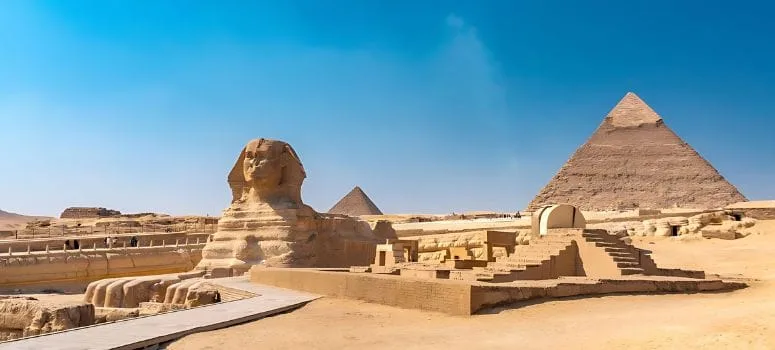
After breakfast, explore the Pyramids of Giza, the Great Sphinx, and the Grand Egyptian Museum before continuing to Aswan by domestic flight. This day brings you face to face with ancient Egypt's most recognizable monuments and prepares you for the temples and river landscapes ahead. Overnight at your Aswan hotel.

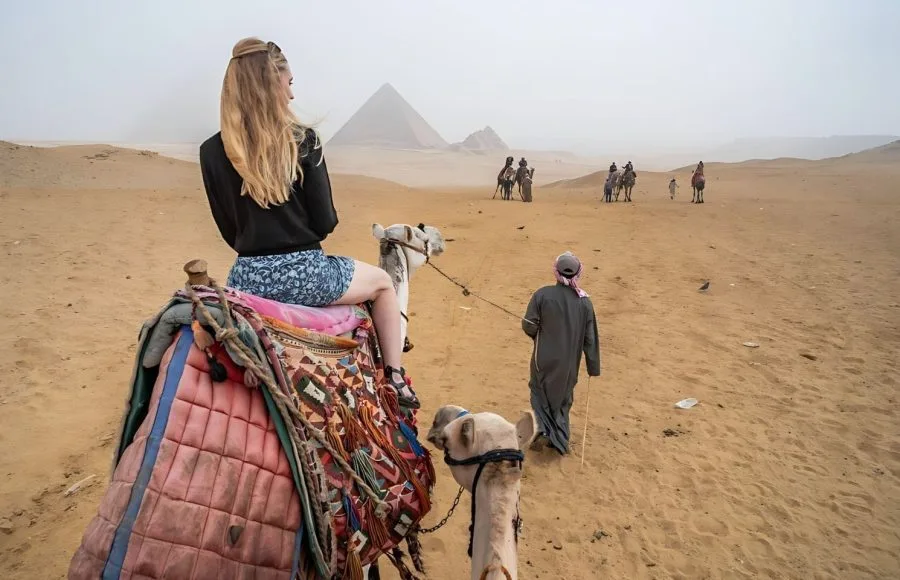
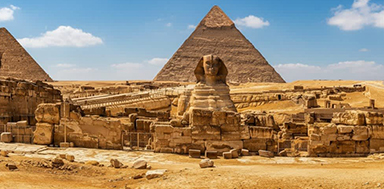
Begin at the Giza Pyramids Complex, where the monumental tombs of Khufu, Khafre, and Menkaure rise from the desert plateau. Your Egyptologist guide will introduce you to the engineering, royal traditions, and religious beliefs behind these extraordinary structures. Seeing the pyramids in person offers a very different experience from photographs, as their scale becomes clear against the vast desert horizon.
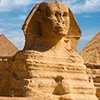
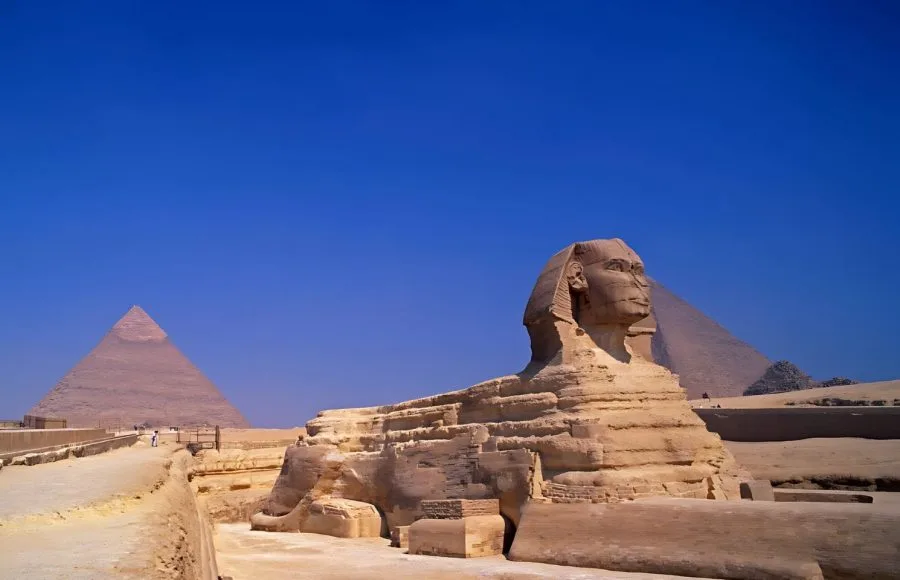
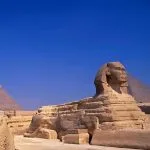
Continue to the Great Sphinx, the monumental limestone figure with a lion's body and a human head that has guarded the Giza Plateau for millennia. Its mysterious expression and imposing presence invite questions about royal power, symbolism, and the ancient civilization that created it.
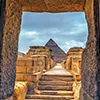
Near the Sphinx, discover the Valley Temple of Khafre, an important part of the king's funerary complex. Its massive stone blocks and remarkably enduring architecture offer insight into the purification and burial rituals associated with royal death and the afterlife.
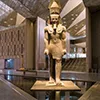
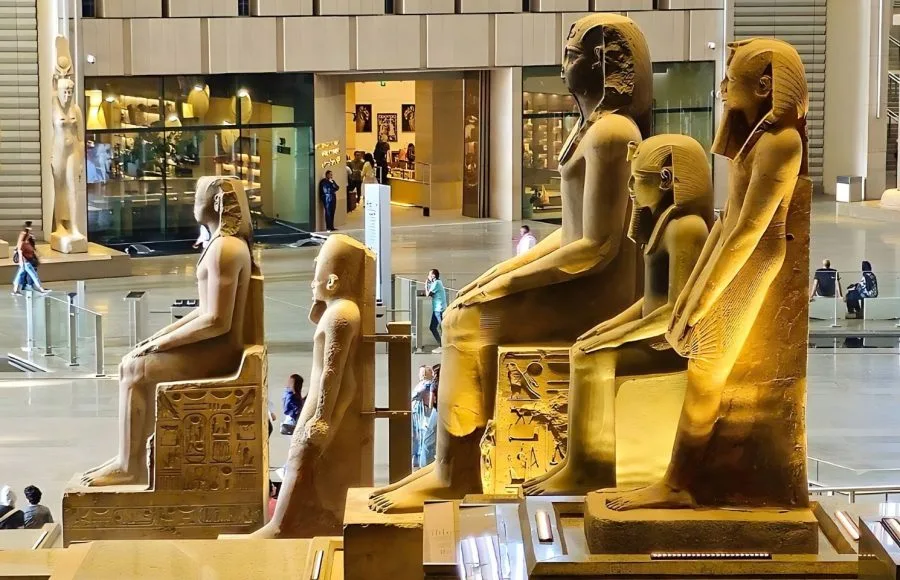
Explore the Grand Egyptian Museum, a major cultural landmark beside the Giza Plateau. Its monumental galleries and archaeological collections connect the pyramids you have just visited with the artifacts, rulers, and everyday lives of ancient Egyptians. The museum provides a broader perspective on the civilization whose monuments will continue to shape your journey along the Nile.
Breakfast, Lunch

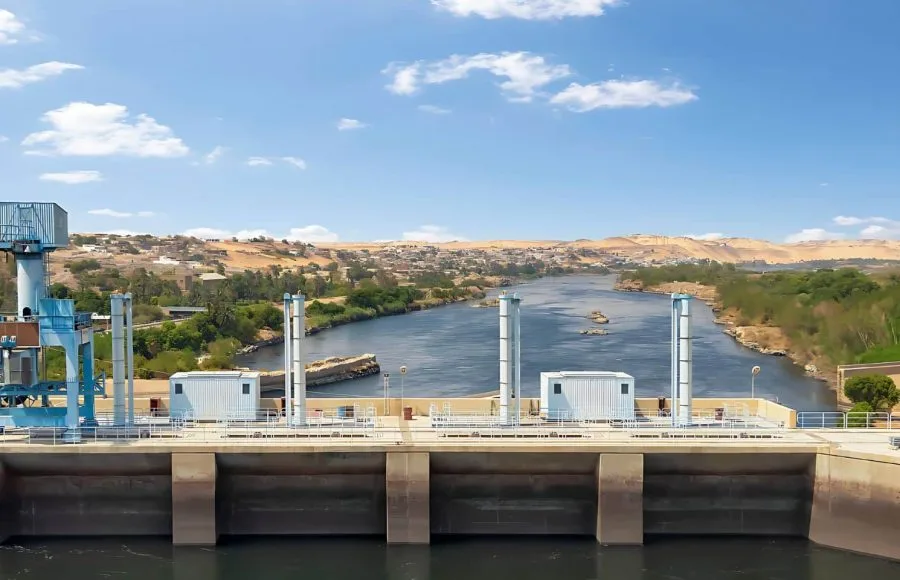
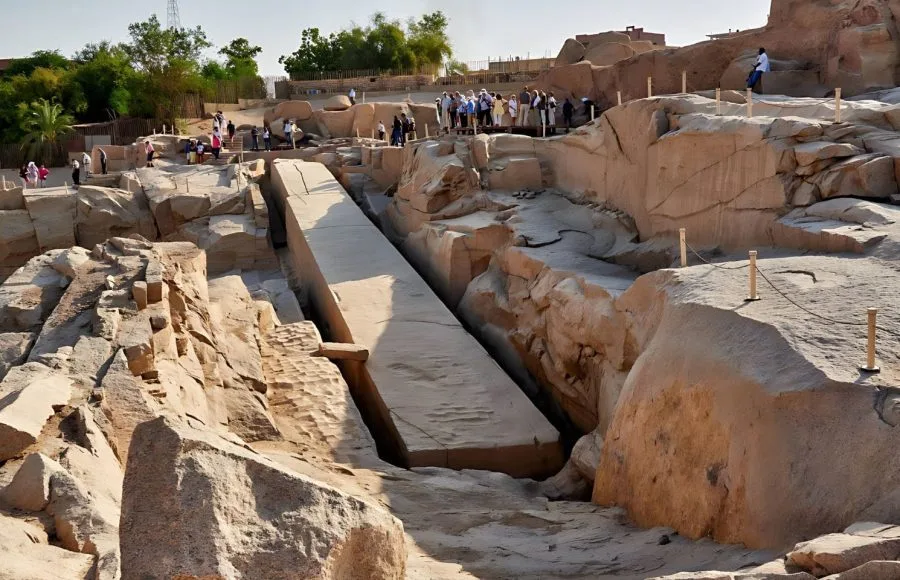
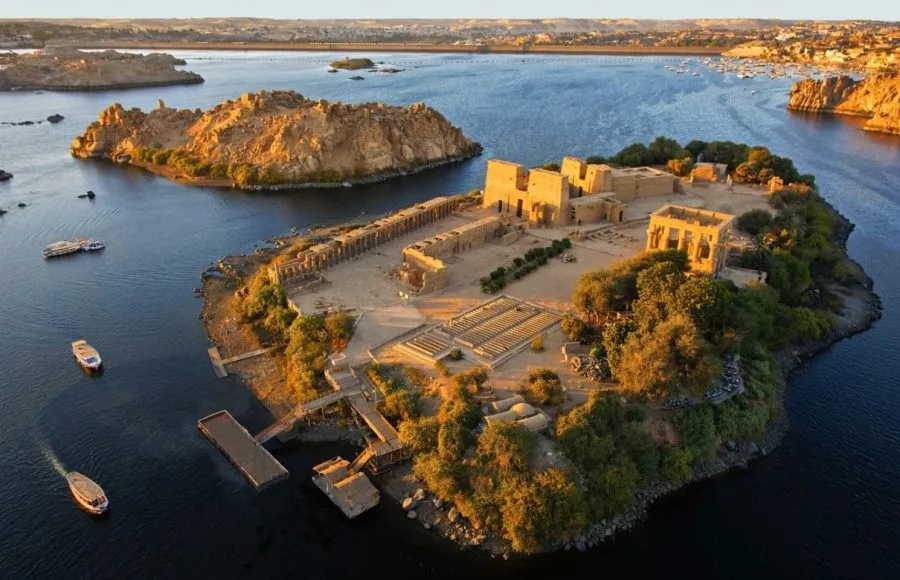
After breakfast, check out from your Aswan hotel and follow your guide to discover the Aswan High Dam, the Unfinished Obelisk, and Philae Temple. Later, board your Nile cruise, settle into your cabin, and enjoy your first evening on the river. Overnight aboard the Nile cruise.
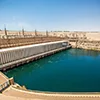
Begin at the Aswan High Dam, one of modern Egypt's most important engineering achievements. Built to regulate the Nile's flow, support irrigation, and generate hydroelectric power, the dam transformed the region and created Lake Nasser. From here, appreciate how the Nile continues to shape Egypt's landscape and daily life.
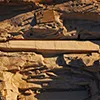
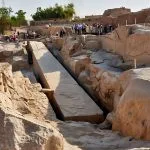
Continue to the ancient granite quarries to see the Unfinished Obelisk, a colossal monument still attached to the bedrock where ancient craftsmen began carving it. A crack discovered during construction left the obelisk unfinished, preserving a remarkable glimpse into the techniques used to shape and extract the enormous stones found throughout Egypt's temples.
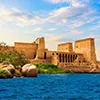
Next, take a boat to Philae Temple, a beautiful sanctuary dedicated primarily to the goddess Isis. Surrounded by the Nile, its decorated columns, courtyards, and reliefs create an atmospheric setting that reflects ancient Egyptian religious traditions. The temple was relocated to protect it from rising waters following the construction of the High Dam, adding a remarkable modern chapter to its long history.
Breakfast, Lunch, Dinner

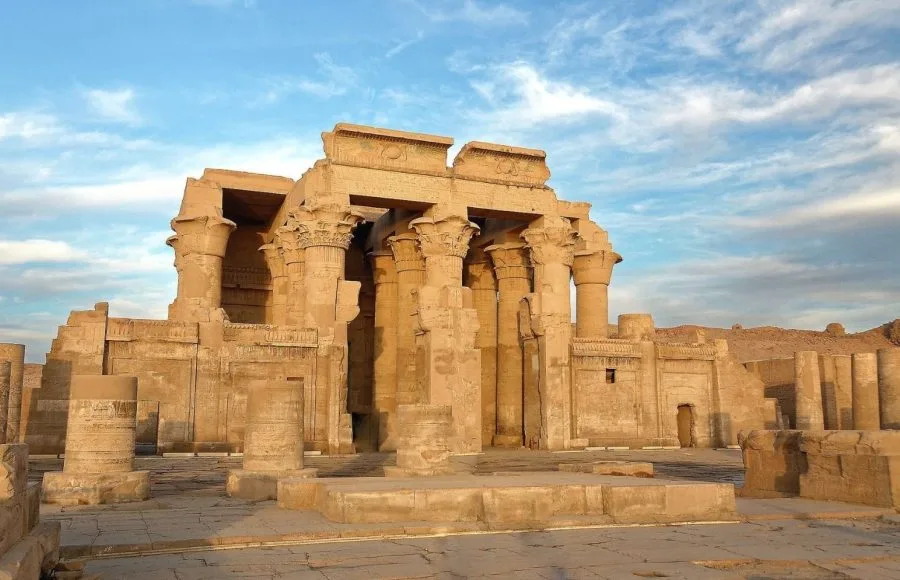
Wake up early, collect your breakfast boxes, and meet your guide for the drive to Abu Simbel. Explore the monumental temples of Ramses II before returning to your cruise and sailing toward Kom Ombo. Visit the riverside temple dedicated to Sobek and Horus, then continue sailing toward Edfu. Overnight aboard the Nile cruise.
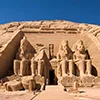
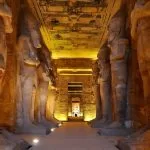
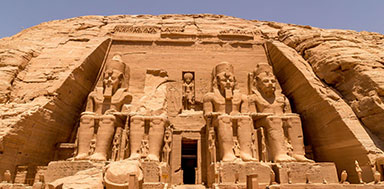
Discover the magnificent Abu Simbel Temples, carved into the rock during the reign of Ramses II. Four colossal statues of the pharaoh dominate the Great Temple's façade, while the smaller temple honors Queen Nefertari. Inside, detailed carvings and ceremonial scenes reveal the power and religious beliefs of ancient Egypt. The temples were carefully relocated in an international preservation effort to protect them from the rising waters of Lake Nasser.
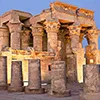
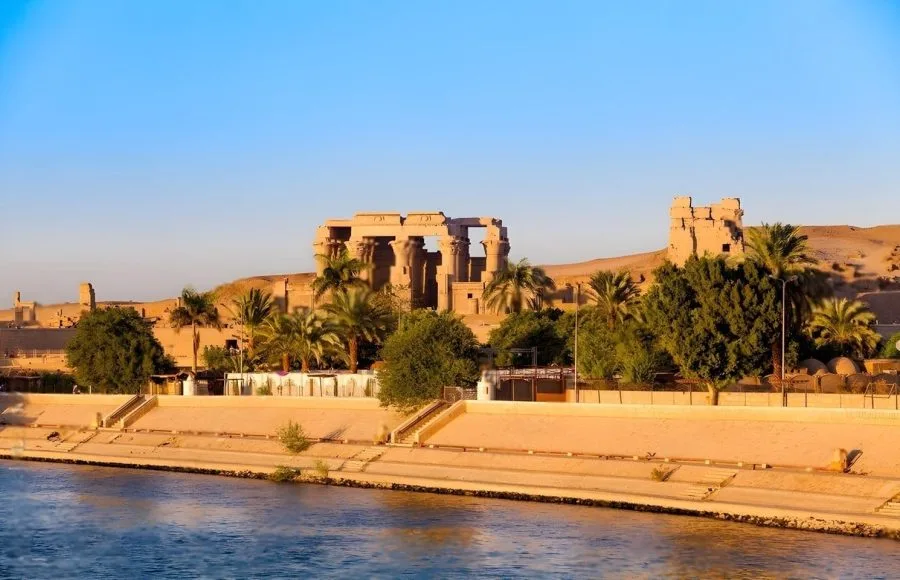
Visit Kom Ombo Temple, a distinctive double sanctuary dedicated to Sobek, the crocodile god, and Horus the Elder. Its unusual symmetrical design, detailed reliefs, and twin sacred spaces set it apart from other Egyptian temples. Explore the inscriptions that reveal ancient beliefs about medicine, ritual, and the relationship between people and the natural world.
Breakfast box, Lunch, Dinner

After breakfast, visit Edfu Temple, one of Egypt's best-preserved ancient sanctuaries. Return to your cruise and sail toward Luxor, where you will visit Luxor Temple around midday or early afternoon, depending on the confirmed sailing schedule. Enjoy the remainder of the day onboard. Overnight aboard the Nile cruise.
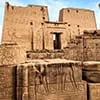
Discover Edfu Temple, dedicated to Horus, the falcon-headed god associated with kingship and protection. Its towering entrance, spacious courtyards, and richly carved walls make it one of the most impressive surviving temples of ancient Egypt. As you walk through its halls, the inscriptions and reliefs reveal the rituals and myths that once shaped worship at this sacred center.
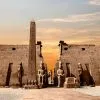
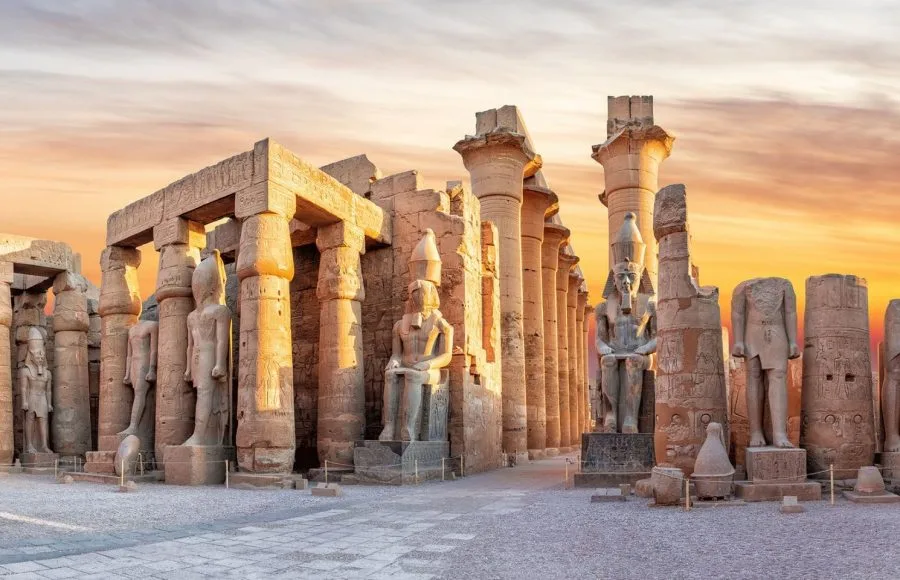
Explore Luxor Temple, a monumental sanctuary associated with royal power and the annual Opet Festival. Its imposing entrance, statues, colonnades, and decorated walls reveal the architectural ambition of the pharaohs who expanded it over generations. Located within modern Luxor, the temple offers a fascinating connection between the city's present-day life and its ancient past.
Breakfast, Lunch, Dinner
Arc II · Hurghada to Alexandria
Hurghada's Red Sea days lead north to Cairo and Alexandria

After breakfast, check out from your Nile cruise and begin your Luxor sightseeing with Karnak Temple, followed by the Valley of the Kings, the Temple of Hatshepsut, and the Colossi of Memnon. After exploring these extraordinary monuments, travel by private air-conditioned vehicle across the desert to Hurghada on the Red Sea coast. Overnight at your Hurghada hotel.
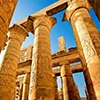
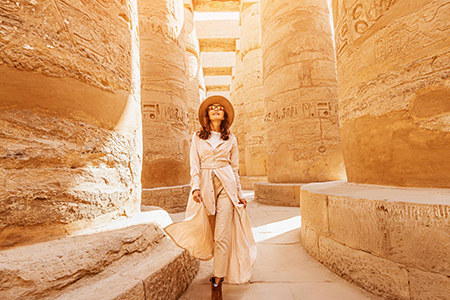
Begin at the Karnak Temple Complex, one of ancient Egypt's greatest religious centers. Expanded by successive pharaohs over many centuries, Karnak features monumental gateways, obelisks, sacred precincts, and the celebrated Great Hypostyle Hall. Walking among its towering columns reveals the scale of the ceremonies and royal building projects that made ancient Thebes a major center of religious life.
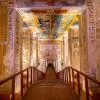
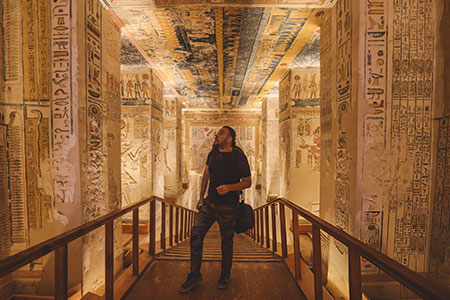
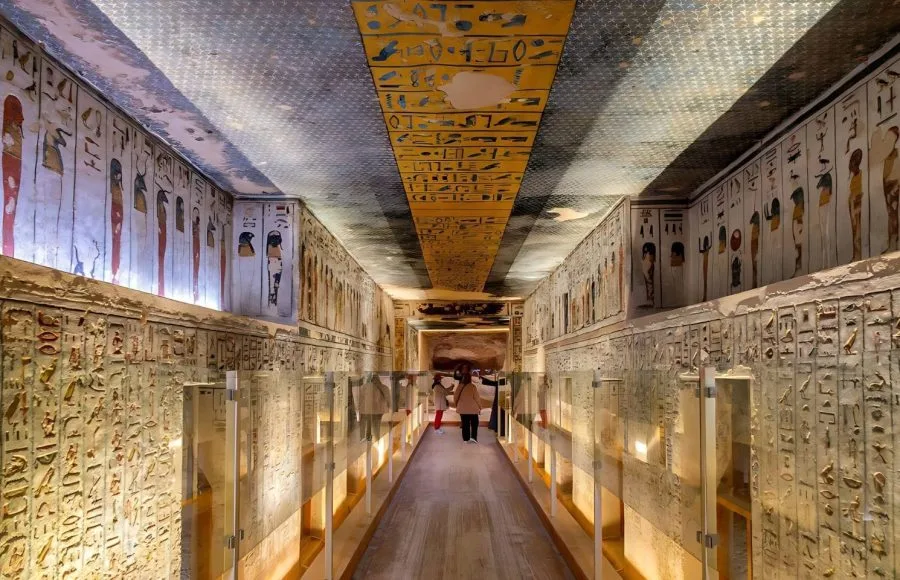
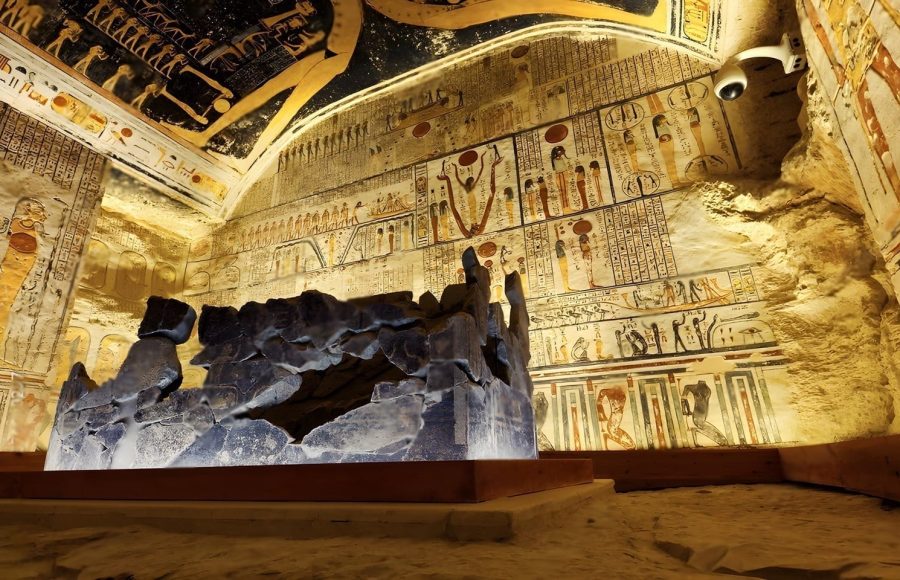
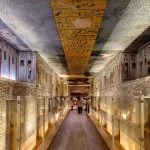
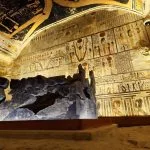
Cross to Luxor's West Bank to explore the Valley of the Kings, the royal necropolis where New Kingdom pharaohs were buried in tombs carved deep into the desert hills. Inside the accessible tombs, colorful wall paintings and funerary inscriptions reflect ancient Egyptian beliefs about death and the afterlife. The experience offers a more intimate look at royal Egypt than the monumental temples above ground.
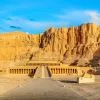
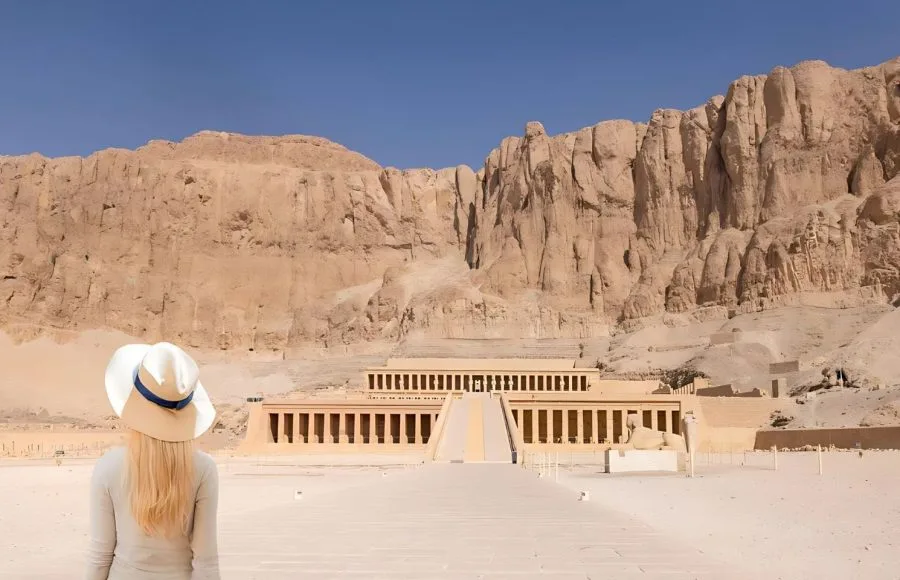
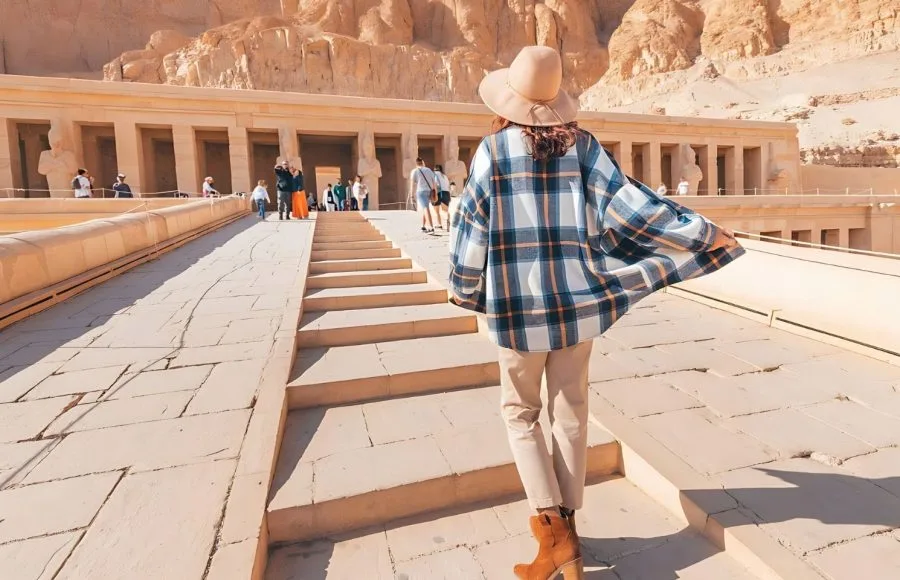
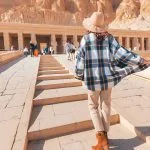
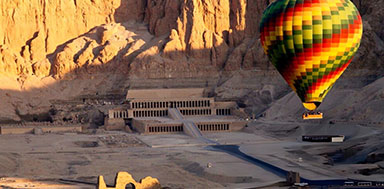
Continue to the Temple of Hatshepsut at Deir el-Bahari, where elegant terraces rise against dramatic limestone cliffs. Built for Queen Hatshepsut, one of ancient Egypt's most notable female rulers, the temple combines carefully balanced architecture with a striking natural setting. Its reliefs and monumental design reflect her royal authority and enduring legacy.
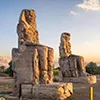
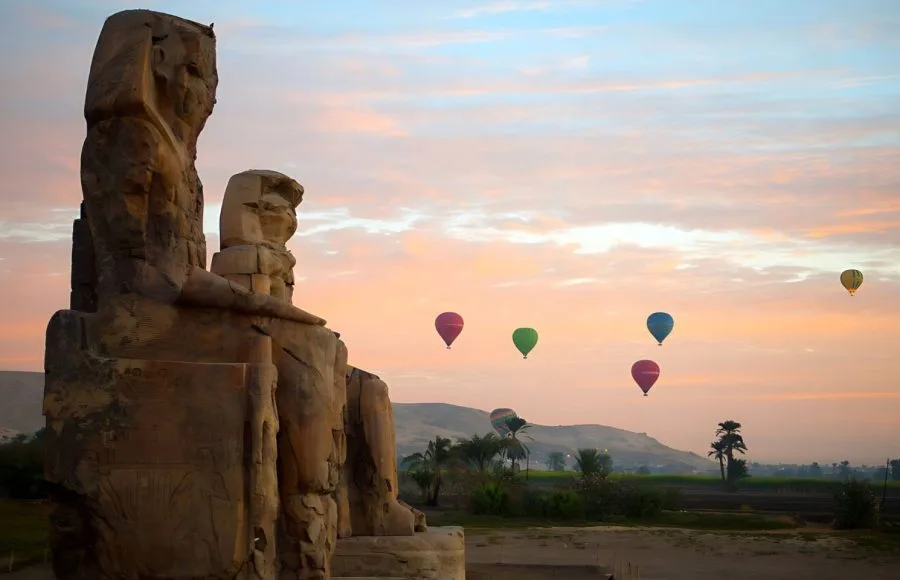
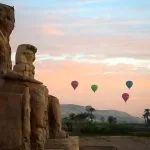
Pause at the Colossi of Memnon, two enormous seated statues of Pharaoh Amenhotep III. Once positioned before his vast mortuary temple, these weathered figures remain among the most recognizable landmarks on Luxor's West Bank. Their imposing scale provides a fitting final encounter with the monumental architecture of ancient Thebes.
Breakfast, Lunch, Dinner

After breakfast at your Hurghada hotel, enjoy a leisurely day by the Red Sea. Spend your time relaxing on the sandy beach, swimming in the clear waters, or soaking up the sunshine after your Nile cruise and visits to Egypt’s ancient temples. For a little adventure, you can also choose an optional desert safari to explore the Eastern Desert. Overnight at your Hurghada hotel.

Make the most of your first full day in Hurghada at your own pace. Feel the soft sand beneath your feet, take a refreshing swim where conditions permit, or unwind beside the water while enjoying the beautiful Red Sea coastline. After several days of exploring temples and ancient monuments, this relaxing break gives you time to recharge and enjoy Egypt’s seaside atmosphere.

For an exciting change of scenery, join an optional desert safari across the rugged landscapes surrounding Hurghada. Depending on the excursion you choose, you may ride a quad bike or travel by 4x4 vehicle across the desert, visit a traditional Bedouin-style camp, and enjoy refreshments while learning about local desert life. This experience is optional and available at an additional cost.
Breakfast, Lunch, Dinner

Enjoy a leisurely day in Hurghada, with time to unwind on the beach, relax by the hotel pool, or explore the beautiful Red Sea coast at your own pace. Overnight at your Hurghada hotel.
Hurghada offers a refreshing change of pace, with warm sunshine, inviting beaches, and clear waters along the Red Sea. Spend your time relaxing by the sea or enjoying the coastal scenery. The contrast between the quiet river landscapes of Upper Egypt and the vibrant coastline makes this a memorable part of your Egypt journey.

Discover the Red Sea’s underwater beauty on an optional snorkeling trip. Explore colorful coral reefs, observe tropical fish, and enjoy the clear waters that make Hurghada a popular destination for marine activities. Snorkeling excursions may include a boat trip to suitable reef locations, depending on weather and local conditions, and are available at an additional cost.
Breakfast, Lunch, Dinner

Spend another day at your own pace in Hurghada, with time for swimming, relaxing on the beach, or enjoying optional marine activities. This extra breathing room allows you to appreciate Egypt beyond its monuments before returning to Cairo and continuing your international journey. Overnight at your Hurghada hotel.
Whether you prefer a quiet morning by the pool or a day on the water, Hurghada gives you the flexibility to enjoy the Red Sea in your own way. Snorkeling, diving, and boat excursions may be available as optional experiences. You can also simply enjoy the resort atmosphere and recharge before the cultural discoveries ahead.
Breakfast, Lunch, Dinner

After breakfast, transfer to the airport for your domestic flight back to Cairo. Explore the Egyptian Museum, the Citadel of Salah El-Din, the Mosque of Muhammad Ali, and the historic streets and market lanes of Islamic Cairo. Overnight at your Cairo hotel.
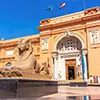
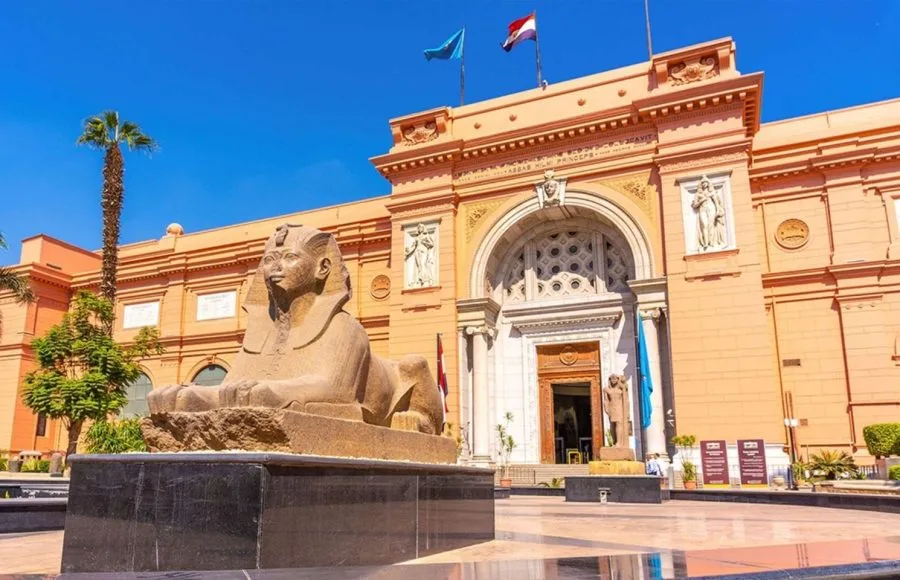
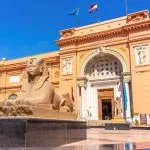
Begin at the Egyptian Museum, whose historic galleries preserve an extensive collection of ancient Egyptian statues, artifacts, and objects from daily life. As you explore the collection, you will see how art, religion, royal authority, and ordinary life developed across different periods of Egypt's history.
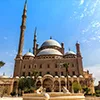
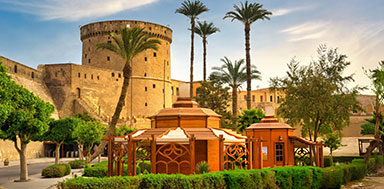
Continue to the Citadel of Salah El-Din, a medieval fortress overlooking Cairo. Built to strengthen the city's defenses, the citadel later became an important seat of government. Its elevated position offers sweeping views of the capital and a different perspective on the city's long history.
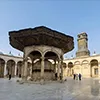
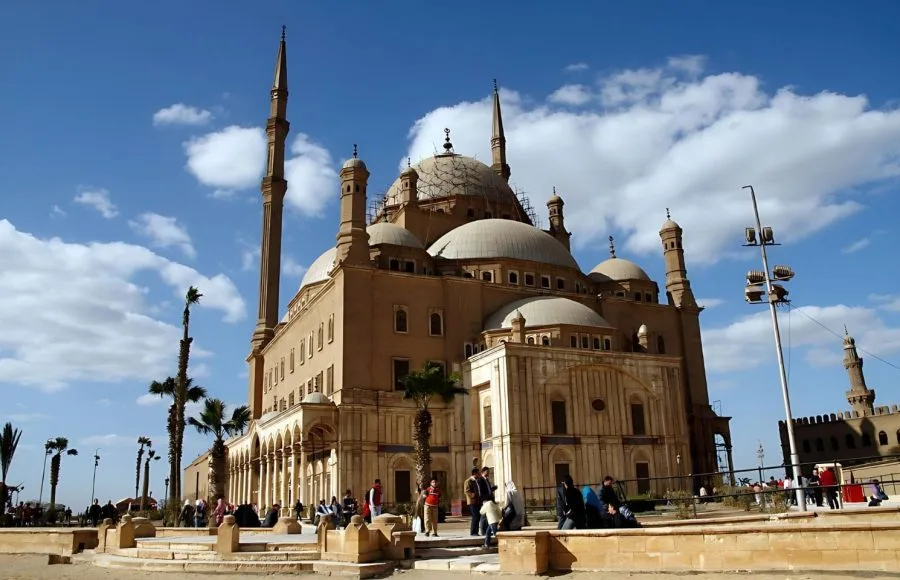
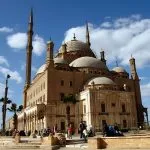
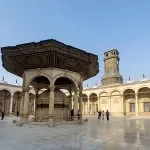
Inside the citadel complex, visit the Mosque of Muhammad Ali, often called the Alabaster Mosque because of its pale stone surfaces. Its soaring domes, elegant minarets, and Ottoman-inspired architecture distinguish it from the older monuments of Cairo and provide a memorable introduction to the city's Islamic heritage.
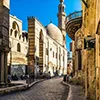
Walk along Al-Muizz Street, a historic thoroughfare lined with mosques, madrasas, and traditional buildings. Its architectural details and lively streets reveal how Cairo developed into a major center of Islamic learning, commerce, and craftsmanship.
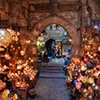
End your exploration at Khan El-Khalili Bazaar, where narrow lanes lead between shops selling traditional crafts, lanterns, textiles, spices, and souvenirs. Pause at a traditional café or browse the stalls as the sounds and aromas of the market bring historic Cairo to life.
Breakfast, Lunch

After breakfast, travel by private vehicle to Alexandria, Egypt's historic Mediterranean city. Explore its Greco-Roman landmarks, coastal fortress, underground catacombs, and celebrated modern library before returning to Cairo. Overnight at your Cairo hotel.
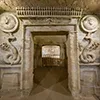
Descend into the Catacombs of Kom El Shoqafa, an underground burial complex that reflects the meeting of Egyptian, Greek, and Roman artistic traditions. Its chambers, carvings, and funerary decoration reveal how different cultures influenced one another in ancient Alexandria.
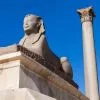
Visit Pompey's Pillar, a towering granite column that stands among Alexandria's best-known Roman-era monuments. Despite its traditional name, the column is associated with the Roman emperor Diocletian. Its impressive height and enduring presence offer a tangible reminder of the city's importance during the Roman period.
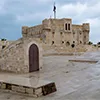
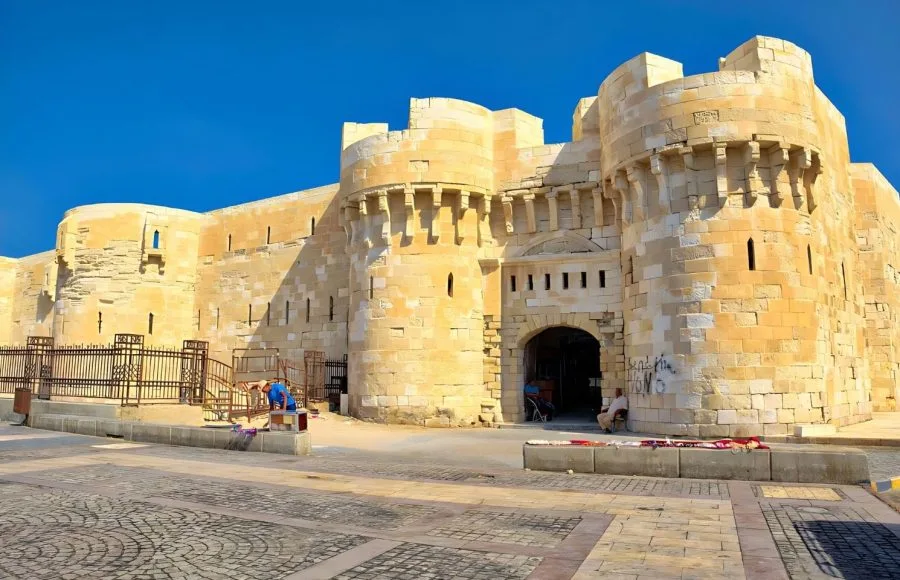
Continue to Qaitbay Citadel, a coastal fortress built in the 15th century on the site traditionally associated with Alexandria's ancient Lighthouse. Overlooking the Mediterranean, the citadel combines defensive architecture with a dramatic waterfront setting. Its location connects the city's maritime history with the seafaring world that shaped its development.
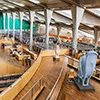
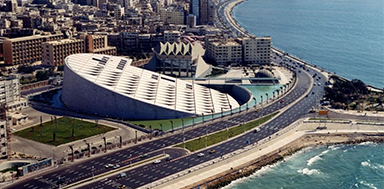
Visit the Bibliotheca Alexandrina, the modern library and cultural complex created in tribute to the legendary Library of Alexandria. Its distinctive architecture and cultural institutions celebrate the city's historic association with scholarship and learning while connecting that legacy with contemporary research, exhibitions, and public life.
Breakfast, Lunch
Arc III · Jerash to Petra
Roman Jerash, Madaba, the Dead Sea, and Petra shape Jordan
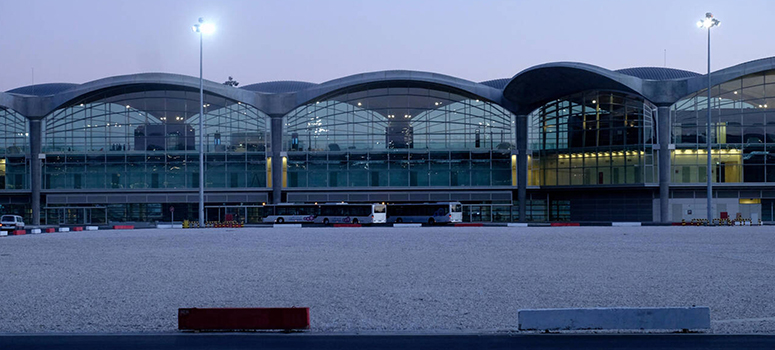
After breakfast, check out and transfer to Cairo International Airport for your flight to Amman. On arrival, meet your local representative and transfer to your hotel. The journey now moves from Egypt's ancient river civilization to Jordan's archaeological heritage and desert landscapes. Overnight at your Amman hotel.
Breakfast
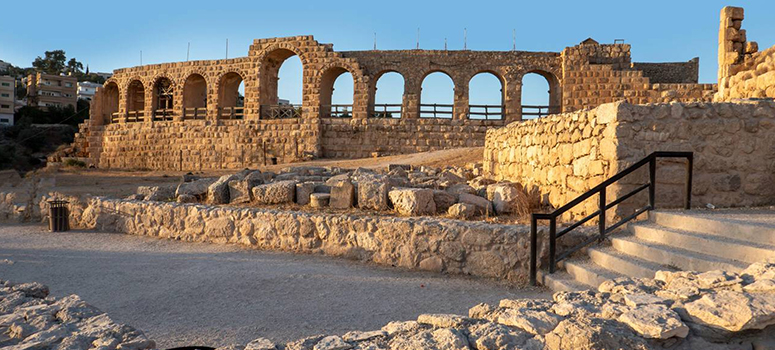
After breakfast, travel north to Jerash to explore its remarkably preserved Roman streets, temples, and monumental gateways. Return to Amman to discover the city's historic citadel and its archaeological remains. Overnight at your Amman hotel.

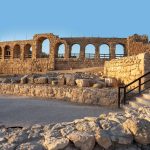
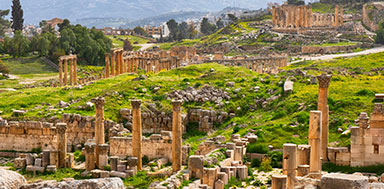
Discover Jerash, one of the most impressive surviving Roman cities in the region. Walk through the Oval Plaza, follow colonnaded streets, and admire ancient temples, theatres, and gateways that reveal the scale of the city during its Roman-era prosperity. The layout makes it easy to imagine the public life, trade, and ceremonies that once filled these streets.
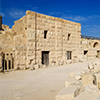
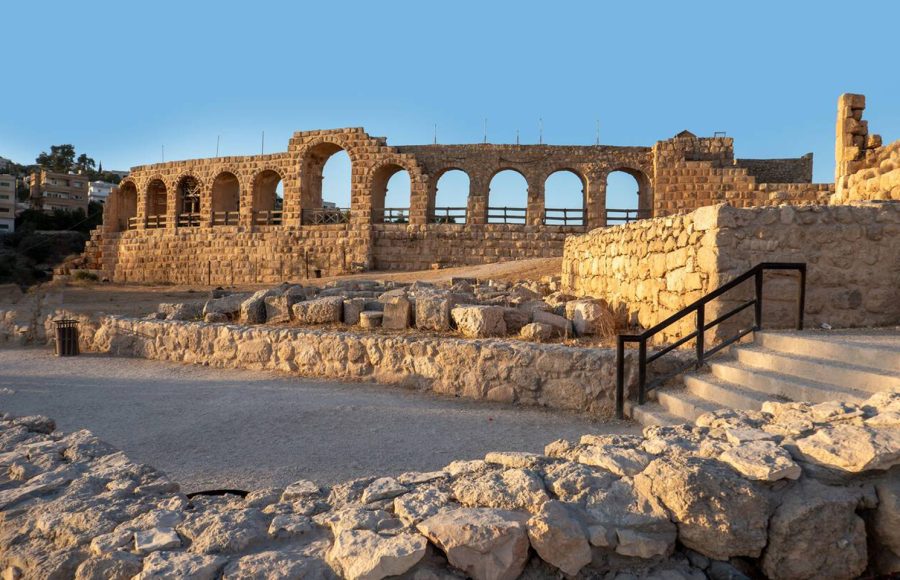
Step into the ancient world at Jerash’s Hippodrome, where chariot races once sent crowds roaring with excitement. Stretching nearly 250 meters, this grand arena hosted sporting contests and public spectacles. As you explore its surviving stone seats and track, imagine the thrill of a Roman audience gathered for a day of unforgettable entertainment.

Rising above the ancient streets of Jerash, the Temple of Artemis honors the goddess who watched over the city. Built in the 2nd century AD, its towering Corinthian columns and elegant stonework reflect the wealth and devotion of Roman Gerasa. Standing among these impressive ruins offers a glimpse into the spiritual heart of this once-thriving city.
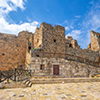
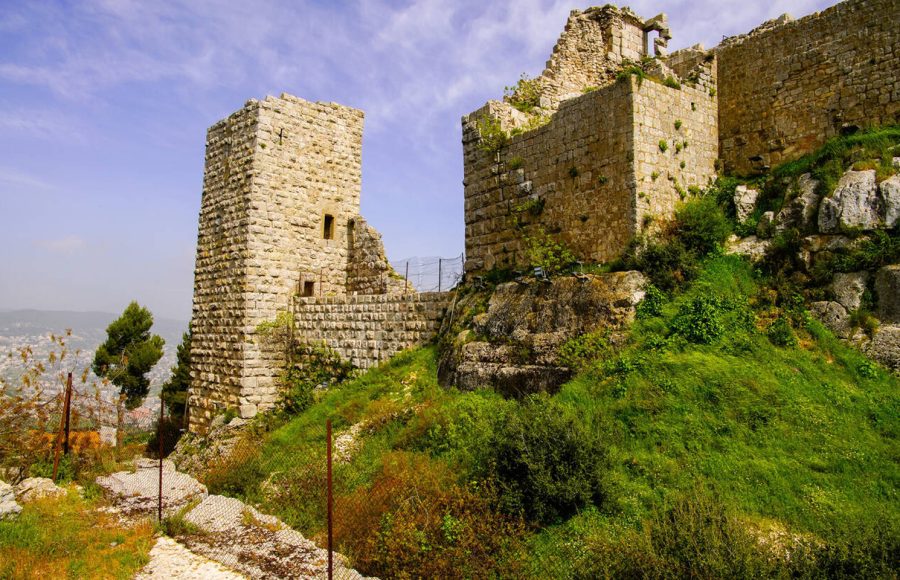
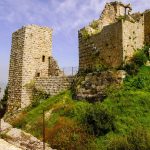
Travel back to the age of medieval fortresses at Ajloun Castle, built in 1184 AD by Izz al-Din Usama to help defend the region against Crusader threats and protect important routes. Explore its imposing stone walls and commanding views, with rolling hills, olive groves, and forested valleys stretching across the surrounding landscape.
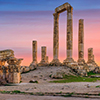
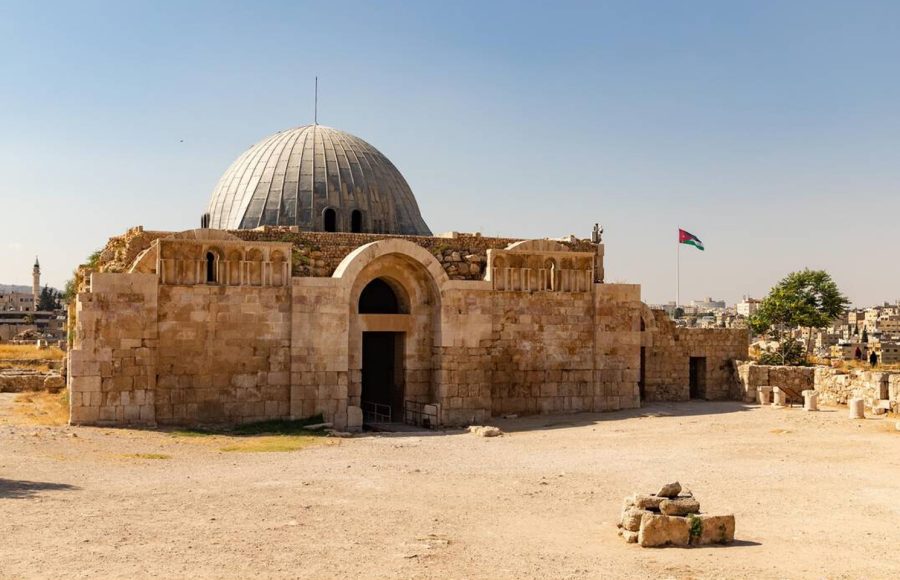
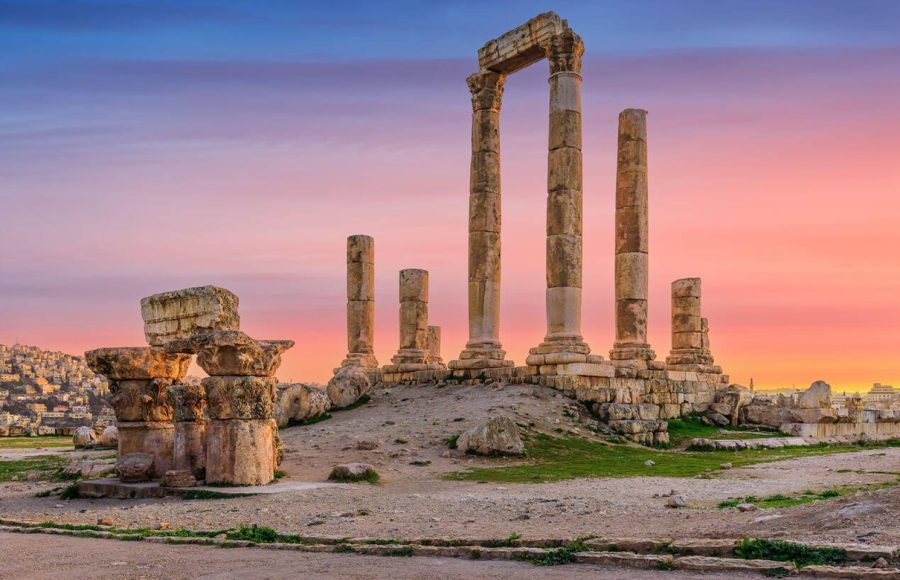
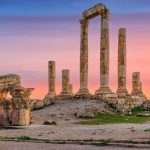
Perched high above Jordan’s capital, the Amman Citadel reveals more than 5,000 years of history in one remarkable setting. Walk among the remains of the Temple of Hercules and the Umayyad Palace, where traces of ancient and Islamic civilizations tell the story of a city shaped by successive cultures. With sweeping views over Amman, this hilltop landmark brings Jordan’s layered past vividly into focus.
Breakfast, Lunch
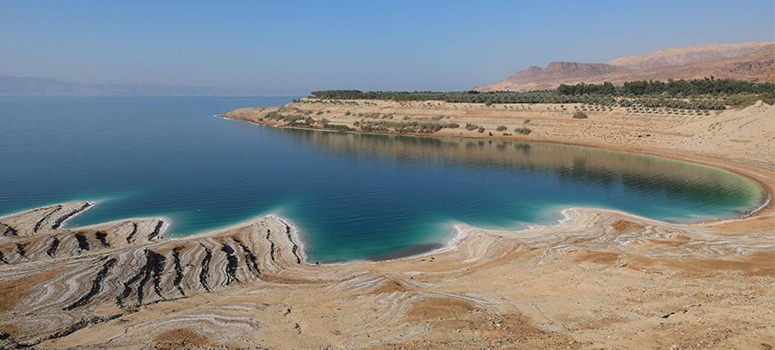
After breakfast, leave Amman to explore Madaba's Byzantine mosaics and the panoramic viewpoint of Mount Nebo. Continue to the Dead Sea, where you can experience the remarkable buoyancy of its mineral-rich waters before traveling to Petra. Overnight at your Petra hotel.
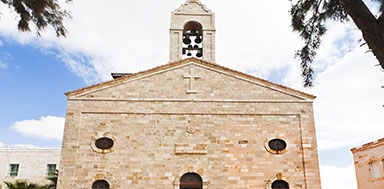
Visit St. George's Church in Madaba, best known for its historic mosaic map depicting the Holy Land and surrounding regions. The intricate mosaic offers a window into Byzantine-era geography and religious life, illustrating how artists represented cities, routes, and important biblical locations.
Continue to Mount Nebo, a site traditionally associated with Moses and his view of the Promised Land. From the summit, enjoy broad views across the Jordan Valley and Dead Sea, with distant landscapes stretching toward the hills beyond. The site's religious significance and dramatic panorama make it one of Jordan's most memorable stops.
Experience the extraordinary Dead Sea, known for its high salinity and the ease with which visitors can float on its surface. Its low-lying shores and mineral-rich waters create a striking natural landscape unlike anywhere else on the journey. Follow local safety guidance when entering the water, and avoid getting the salty water into your eyes.
Breakfast, Lunch

Spend the day exploring Petra, the legendary Nabataean city carved into rose-red sandstone, before returning to Amman for the night. Walk through narrow rock passages, admire monumental façades, and uncover the ingenuity of an ancient civilization that flourished along Arabia’s trade routes. After a full day of discovery, relax during the transfer back to Jordan’s capital. Overnight at your Amman hotel.

Step into the remarkable world of Petra, once the thriving capital of the Nabataean Kingdom. Hidden among rugged sandstone mountains, this ancient city grew wealthy through trade and became famous for its extraordinary rock-cut architecture. As you explore its archaeological treasures, discover how the Nabataeans transformed the desert into one of the ancient world's most impressive urban centers.
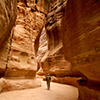
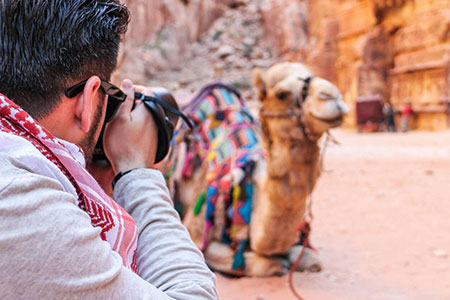
Walk through the narrow, winding Siq, Petra’s dramatic natural gateway, where towering sandstone walls rise on either side. As sunlight filters through the rocky passage, each turn builds anticipation for the ancient wonders waiting at the end of this unforgettable trail.
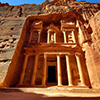
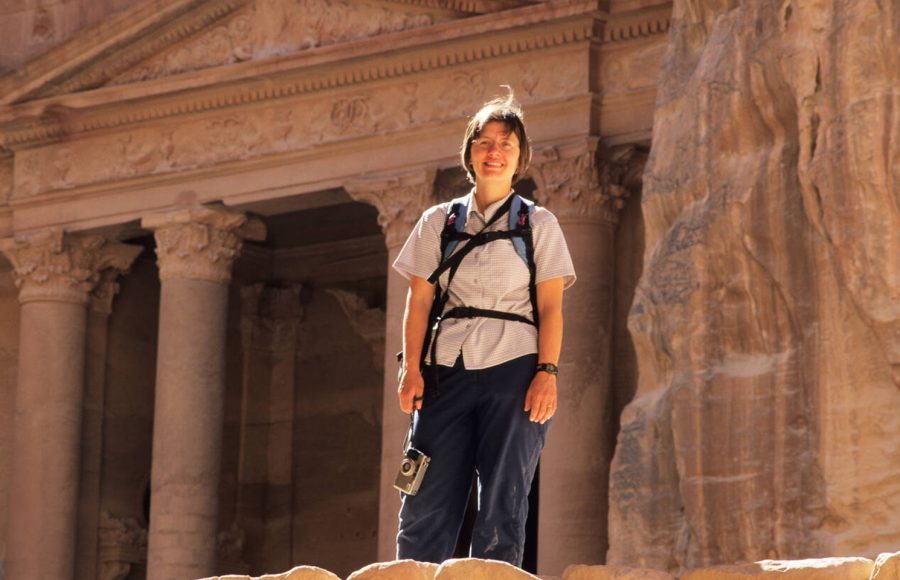
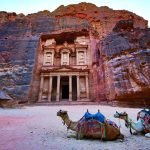
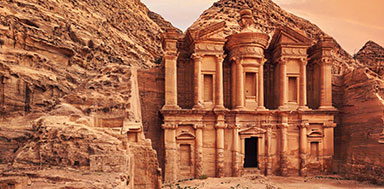
Emerging from the Siq, catch your first breathtaking glimpse of Al-Khazneh, Petra’s iconic Treasury. Its elaborate façade, carved directly into rose-red sandstone, showcases the remarkable artistry of the Nabataeans. Take a moment to admire its intricate details and imagine the ancient travelers who once arrived at this magnificent monument.
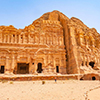
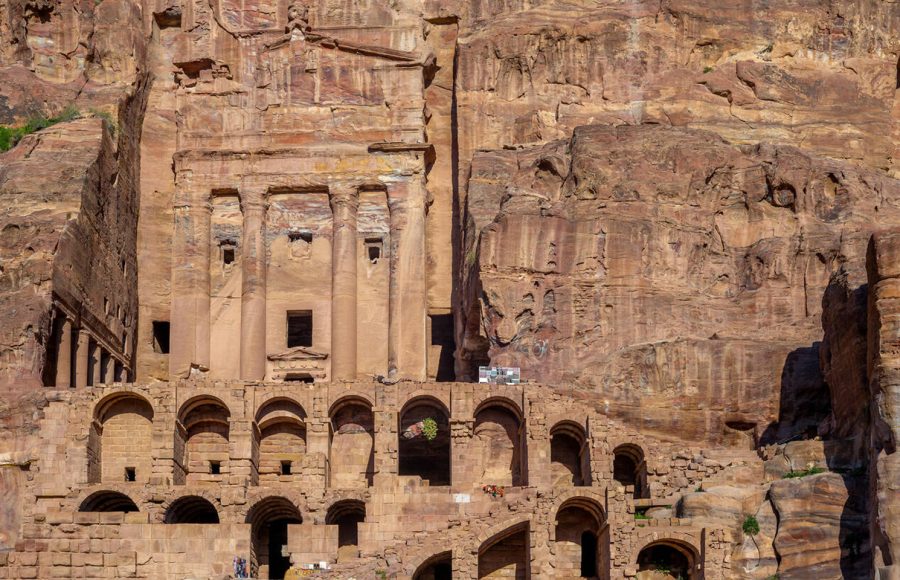
Continue to the Royal Tombs, where enormous façades rise from Petra’s mountainside in a striking display of craftsmanship. Their varied architectural details reflect Nabataean artistry alongside Hellenistic and Roman influences. Take in the sweeping views and discover how these monumental tombs preserve the legacy of Petra’s powerful rulers and elite.
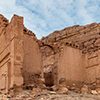
Visit Qasr al-Bint, one of Petra’s most significant surviving freestanding temples. Unlike the city's famous rock-cut monuments, this impressive structure was built from stone blocks and served as an important religious center. Its enduring walls offer a fascinating glimpse into the Nabataeans’ architectural skill and spiritual traditions.
Breakfast, Lunch
Arc IV · Istanbul to Ephesus
Istanbul's imperial landmarks lead into Cappadocia and ancient Ephesus

After breakfast, transfer to Amman Airport for your flight to Istanbul. Upon arrival, meet your local representative and transfer to your hotel. Get your first taste of this captivating city, where Europe and Asia meet across the Bosphorus and centuries of Byzantine and Ottoman history shape its skyline. Overnight at your Istanbul hotel.
Breakfast

After breakfast, explore Istanbul's historic heart with visits to Hagia Sophia, the Blue Mosque, Topkapi Palace, and the Grand Bazaar. Discover the city's Byzantine and Ottoman heritage through its monumental architecture, royal collections, and traditional marketplace. Overnight at your Istanbul hotel.

Begin at Hagia Sophia, one of Istanbul's most celebrated architectural landmarks. Originally built as a Byzantine cathedral, it later became an imperial mosque and remains a powerful symbol of the city's changing history. Its monumental dome, vast interior, and rich architectural details reflect the achievements of the civilizations that shaped Istanbul.

Continue to the Blue Mosque, officially the Sultan Ahmed Mosque, known for its elegant domes, graceful minarets, and decorative İznik tiles. The mosque remains an active place of worship, so visiting arrangements depend on prayer times and visitor guidelines. Its surrounding square provides an impressive view of Istanbul's historic skyline.

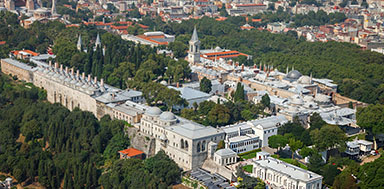
Explore Topkapi Palace, the former residence and administrative center of the Ottoman sultans. Its courtyards, pavilions, and collections reveal the ceremonial life and political power of the Ottoman court. The palace's position overlooking the Bosphorus also offers a sense of the strategic setting from which the empire was governed.

End your sightseeing at the Grand Bazaar, a historic covered market filled with shops selling textiles, ceramics, jewelry, carpets, and traditional crafts. Wander through its interconnected lanes, observe the colors and patterns of local products, and enjoy the lively atmosphere of one of Istanbul's best-known shopping districts.
Breakfast, Lunch

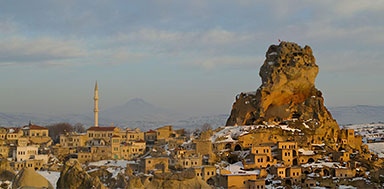
After breakfast, transfer to the airport for your flight to Cappadocia, a region famous for its volcanic landscapes, cave dwellings, and unusual rock formations. Explore Uçhisar Castle, the Göreme Open-Air Museum, Avanos, and the region's fairy chimneys before settling into your hotel. Overnight in Cappadocia.

Begin at Uçhisar Castle, a natural rock fortress rising above the surrounding valleys. Its chambers and passageways were carved into volcanic stone over centuries, while its elevated position offers sweeping views across Cappadocia's distinctive landscape. Looking across the region from this vantage point reveals how the area's unusual geology shaped settlement and daily life.

Visit the Göreme Open-Air Museum, a remarkable collection of rock-cut churches, chapels, and monastic spaces associated with early Christian communities. Inside the accessible churches, surviving frescoes depict biblical scenes and religious figures, offering a glimpse into the spiritual life of communities that once found shelter among Cappadocia's soft volcanic rock.

Continue to Avanos, a traditional town known for its pottery heritage and location beside the Kızılırmak River. Discover how local artisans shape clay into decorative and practical pieces using techniques passed down through generations. The visit adds a living cultural dimension to Cappadocia's remarkable geological scenery.

Explore Paşabağ, also known as Monks Valley, where towering fairy chimneys rise in unusual shapes from the landscape. Formed through volcanic activity and erosion, these natural structures create one of Cappadocia's most distinctive scenes. Some formations contain chambers carved into the rock, reflecting the region's long history of adapting natural spaces for human use.

Conclude your sightseeing in Devrent Valley, where wind and erosion have sculpted rock formations that resemble animals and imaginative figures. Unlike many of Cappadocia's historic sites, the valley's appeal lies in its natural shapes and open landscape, making it a rewarding stop for photography and a final taste of the region's surreal scenery.
Breakfast, Lunch

After breakfast, transfer to the airport for your domestic flight to İzmir and continue to the coastal area of Kuşadası. Discover the ancient city of Ephesus, where marble streets, monumental public buildings, and sacred landmarks reveal the sophistication of the classical world. Overnight in Kuşadası. If you prefer a shorter journey with a deeper focus on ancient monuments, explore this 16 day route through Abu Simbel, a Nile cruise, Petra, Istanbul, and Pamukkale for an extended look at Egypt’s pharaonic heritage and Turkey’s classical sites.
Begin with the Temple of Artemis, traditionally counted among the Seven Wonders of the Ancient World. Although little remains of the original sanctuary today, its historical importance reflects Ephesus's role as a major religious and commercial center. The site offers a valuable introduction to the city's classical heritage before you explore its more extensively preserved ruins.

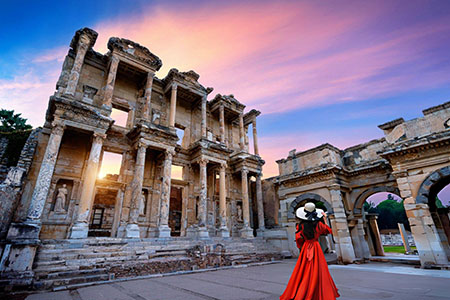
Continue to the Library of Celsus, one of Ephesus's most recognizable monuments. Built in the second century CE in honor of the Roman statesman Celsus, the building once had a richly decorated façade and housed an extensive collection of scrolls. The surviving architecture reveals the craftsmanship and civic ambition that made Ephesus one of the ancient world's great cities.

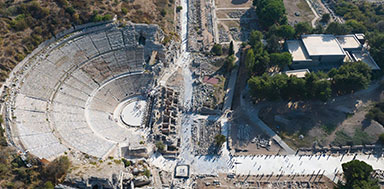
Visit the Great Theatre of Ephesus, a vast structure built into the hillside and expanded during the Roman period. Its tiers of seating once accommodated large audiences for performances, public gatherings, and civic events. Standing in the theatre helps you imagine the activity that filled this city when Ephesus was a thriving center of Roman life.

Explore the Temple of Hadrian, a beautifully decorated structure along one of Ephesus's principal streets. Its carved façade and ornamental details reflect the influence of Roman imperial architecture. Though smaller than some of the city's major monuments, it offers a closer look at the decorative artistry that distinguished ancient public buildings.

Walk along Harbor Street, also known as the Arcadian Way, which once connected the heart of Ephesus with its ancient harbor. Colonnades and surviving architectural remains evoke the city's commercial life, when merchants, travelers, and residents moved between the port and the urban center. It is a fitting place to reflect on the trade networks that connected the Mediterranean world.

If included in the confirmed sightseeing arrangements and time permits, visit the House of the Virgin Mary, a site of Christian pilgrimage in the hills near Ephesus. Its peaceful setting provides a different perspective on the region's religious heritage, complementing the classical monuments explored earlier in the day.
Breakfast, Lunch

After breakfast, check out from your hotel and transfer to the appropriate airport for your departure flight, according to your confirmed arrangements. Your 20-day journey comes to an end after connecting Egypt's pharaonic monuments, Nile cruising, and Red Sea coast with Jordan's ancient cities and Turkey's imperial and classical heritage. For travelers seeking even more variety, this 22 day journey through Egypt, Jordan, and Turkey with Fayoum adds Egypt’s western desert landscapes to a wider exploration of Roman ruins, Nabataean wonders, and Turkey’s cultural and archaeological treasures.
Breakfast
* You can let us know if you'd like to customize your tour itinerary to meet your needs. We value your input and aim to accommodate your requirements.
This 20 day journey combines Egypt’s ancient wonders and Red Sea coast with Jordan’s Nabataean and Roman heritage and Turkey’s historic cities. Highlights include the Giza Pyramids, Grand Egyptian Museum, Nile cruise, Abu Simbel, Hurghada, Petra, Jerash, Istanbul, Cappadocia, and Ephesus, along with a visit to Alexandria.
Yes, Hurghada is part of the itinerary, giving you time to enjoy Egypt’s Red Sea coastline after exploring its ancient sites. You can relax on the beach, unwind at your hotel, or choose optional activities such as snorkeling and desert safaris, subject to availability and additional charges.
The Jordan portion combines ancient cities, archaeological landmarks, and scenic landscapes. Key stops include:
The itinerary also includes a return to Amman after exploring Petra.
The Turkey section introduces you to Istanbul’s imperial landmarks, Cappadocia’s distinctive rock formations, and Ephesus’s remarkably preserved classical ruins. Depending on the scheduled visits, you can explore Istanbul’s historic monuments and bazaars, discover Cappadocia’s valleys and rock-cut heritage, and walk among the ancient streets of Ephesus near Kuşadası.
The package includes the services specified in your confirmed itinerary, generally covering:
International flights to and from the tour’s starting and ending points, visas, and optional excursions are not included unless explicitly stated. Confirm the final inclusions before booking, as flight arrangements and included services depend on the package details.


14 Days / 13 Nights
Cairo Airport / Amman Airport / Istanbul Airport
Cairo / Giza / Aswan / Luxor / Amman / Madaba / Petra / Istanbul / Cappadocia / Ephesus
15 Days / 14 Nights
Cairo Airport / Amman Airport / Istanbul Airport
Cairo / Giza / Hurghada / Luxor / Aswan / Amman / Madaba / Petra / Istanbul / Cappadocia
17 Days / 16 Nights
Cairo Airport / Amman Airport / Istanbul Airport
Cairo / Giza / Alexandria / El Alamein / Siwa Oasis / Bahariya Oasis / Amman / Madaba / Petra / Istanbul / Cappadocia
18 Days / 17 Nights
Cairo Airport / Amman Airport / Istanbul Airport
Cairo / Giza / Aswan / Luxor / Hurghada / Amman / Jerash / Madaba / Petra / Istanbul / Antalya / Hierapolis
All things you should know before visiting Egypt & Beyond


Tripidays Egypt Tours has been offering an exceptional range of Egypt tours, vacation packages, Nile cruises, day trips, and shore excursions tailored to meet the diverse interests of travelers worldwide for over 45 years.