
Starlight Festival Egypt 2026: Dates, Lineup & Travel Guide
September 24, 2026
Read more
about Starlight Festival Egypt 2026: Dates, Lineup & Travel Guide































































| Duration |
22 Days / 21 Nights |
|---|---|
| Tour Location |
Cairo / Giza / Hurghada / Luxor / Abu Simbel / Aswan / Fayoum / Amman / Jerash / Madaba / Petra / Istanbul / Cappadocia / Ephesus / Pamukkale |
| Tour Run | |
| Pickup |
Cairo Airport / Amman Airport / Istanbul Airport |
This 22 day Egypt, Jordan, and Turkey tour is an extended three-country journey combining Egypt’s ancient monuments, Fayoum’s distinctive desert landscapes, a Nile cruise, and Red Sea relaxation with Jordan’s Nabataean and Roman heritage and Turkey’s classical and cultural treasures. Unlike shorter Egypt, Jordan, and Turkey vacation packages, this route includes Abu Simbel, Aswan, Luxor, Hurghada, Petra, Jerash, Istanbul, Cappadocia, Ephesus, and Pamukkale, giving travelers a broader experience of the region’s history and landscapes. Travelers considering other multi-country journeys through Egypt, Jordan, and Turkey can explore Tripidays’ wider selection of routes to find the itinerary that best suits their interests and travel time.
Day 1: Arrive in Cairo, meet your Tripidays representative, transfer to your hotel, and enjoy an evening Nile dinner cruise. Day 2: Discover the Giza Pyramids, Great Sphinx, Valley Temple, and Grand Egyptian Museum before traveling to Hurghada. Day 3: Relax along the Red Sea coast or choose optional snorkeling. Day 4: Enjoy another leisure day in Hurghada, with an optional desert safari through the Eastern Desert. Day 5: Travel to Luxor, explore Karnak Temple and Luxor Temple, and board your Nile cruise. Day 6: Visit the Valley of the Kings, Hatshepsut Temple, and Colossi of Memnon before continuing along the Nile. Day 7: Explore Edfu Temple and Kom Ombo Temple as your cruise sails toward Aswan. Day 8: Take an excursion to the colossal Abu Simbel temples before returning to your cruise ship. Day 9: Disembark in Aswan to visit the High Dam, Unfinished Obelisk, and Philae Temple, then stay overnight in Aswan. Day 10: Fly to Cairo and discover the Egyptian Museum, Hanging Church, Al-Muizz Street, and Khan El Khalili Bazaar. Day 11: Escape to Fayoum to explore Lake Qarun, traditional waterwheels, and the waterfalls of Wadi El Rayan before returning to Cairo. Day 12: Enjoy a free day in Cairo to relax or explore independently.
Only on this route
This extended 22 day journey combines Fayoum's desert scenery, a Nile cruise, Red Sea leisure time, Jordan's Nabataean and Roman heritage, and Turkey's classical landmarks in one itinerary. Its wider route offers more variety than a shorter three-country tour, bringing together Egypt's landscapes and ancient monuments with Petra, Jerash, Istanbul, Cappadocia, Ephesus, and Pamukkale.
Arc I · Cairo to Hurghada
Pyramids give way to Red Sea shores and open-air relaxation
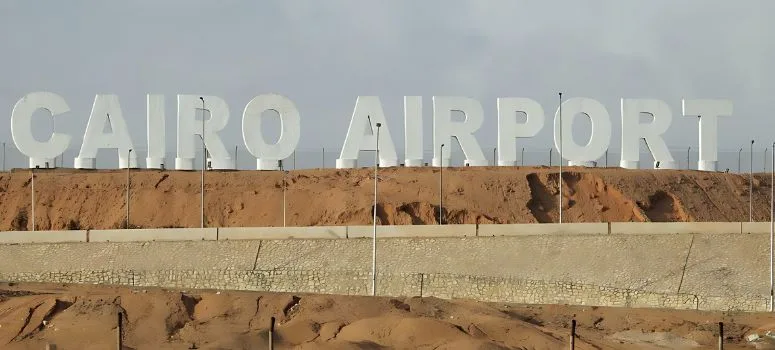
Welcome to Egypt! Upon arrival at Cairo International Airport, meet your Tripidays representative for assistance and a private transfer to your hotel. After settling in, begin your journey with a Nile dinner cruise, enjoying Cairo's illuminated skyline, Egyptian cuisine, and live entertainment before returning to your Cairo hotel for the night.

As evening falls, board a traditional Nile dinner cruise and watch the Egyptian capital unfold along the river. Enjoy dinner accompanied by live music and cultural performances as illuminated bridges, waterfront buildings, and the movement of Cairo create a memorable introduction to Egypt.
Dinner
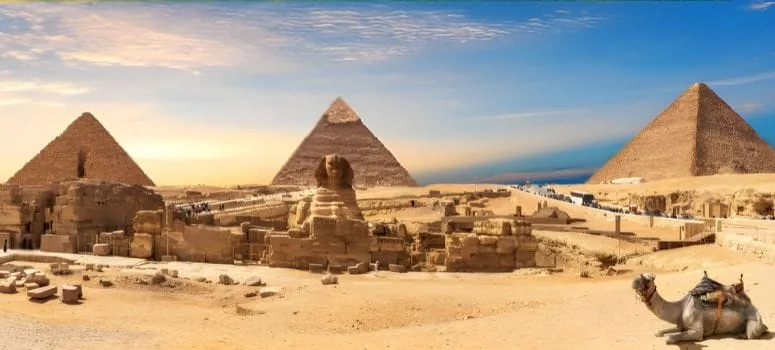
After breakfast, explore the Giza Pyramids and Great Sphinx before discovering the remarkable collections of the Grand Egyptian Museum. With your Egyptologist guide, uncover the stories behind ancient Egypt’s royal monuments and archaeological treasures before traveling to Hurghada for your overnight stay.

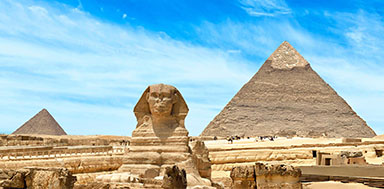
Stand before the monumental pyramids of Khufu, Khafre, and Menkaure, where the scale of ancient Egypt’s ambition becomes clear. With your Egyptologist guide, discover how these royal monuments were constructed during the Old Kingdom and why they remain among the world’s most extraordinary archaeological landmarks.
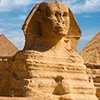
Continue to the Great Sphinx, the monumental limestone guardian with a lion’s body and a human head. Positioned beside the pyramids, this iconic sculpture offers another perspective on royal symbolism, ancient Egyptian beliefs, and the extraordinary craftsmanship of the Giza Plateau.
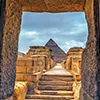
Explore the Valley Temple, a remarkably preserved structure associated with the funerary complex of Pharaoh Khafre. Its massive limestone and granite blocks offer a glimpse into the ceremonies and sophisticated construction techniques connected with royal burial in ancient Egypt.
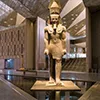
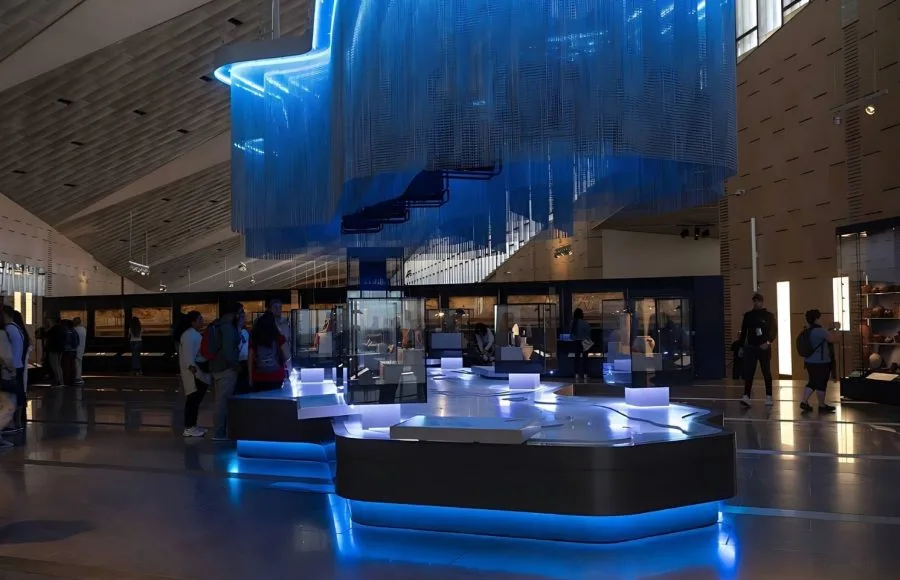
Discover the Grand Egyptian Museum near the Giza Plateau, where monumental statues, archaeological discoveries, and royal treasures bring thousands of years of Egyptian history together. The museum adds context to the pyramids by connecting the ancient monuments with the objects, rulers, and beliefs that shaped their world.
Breakfast, Lunch

Enjoy a relaxed day in Hurghada, with time to unwind at your hotel, appreciate the Red Sea coastline, or choose an optional snorkeling excursion. Whether you prefer a peaceful day by the water or an adventure among colorful coral reefs, return to your Hurghada hotel for dinner and your overnight stay.

Spend the rest of the day at your leisure, enjoying your hotel's facilities or the relaxed atmosphere of this Red Sea resort town. After exploring Egypt's ancient monuments, Hurghada offers a welcome opportunity to recharge before continuing your journey through the country's historic landscapes.

For an unforgettable marine adventure, join an optional boat excursion into the clear waters of the Red Sea. With snorkeling equipment and guidance according to the excursion arrangements, explore colorful coral formations and observe tropical fish in one of Egypt's most celebrated marine environments.
Breakfast, Lunch, Dinner

Enjoy another relaxing day in Hurghada, with time to unwind by the Red Sea or choose an optional desert safari through Egypt's Eastern Desert. Discover the rugged desert scenery and experience Bedouin-inspired hospitality before returning to your Hurghada hotel for dinner and your overnight stay.
Prefer a slower pace? Spend the day relaxing at your hotel, enjoying its facilities, or taking in the laid-back atmosphere of Hurghada's Red Sea coast. This flexible day gives you a chance to recharge before continuing your journey through Egypt's ancient landmarks and the cultural treasures of Jordan and Turkey.

For an adventure beyond the coast, join an optional desert safari and travel across the sandy terrain and rocky landscapes of the Eastern Desert by quad bike or 4x4 vehicle, depending on the selected excursion. Experience the thrill of exploring the desert, admire the dramatic mountain scenery, and learn about traditional Bedouin life during a possible village visit, according to the excursion arrangements.
Breakfast, Lunch, Dinner
Arc II · Luxor to Fayoum
Karnak, Abu Simbel, Aswan, and Fayoum reveal Egypt's range

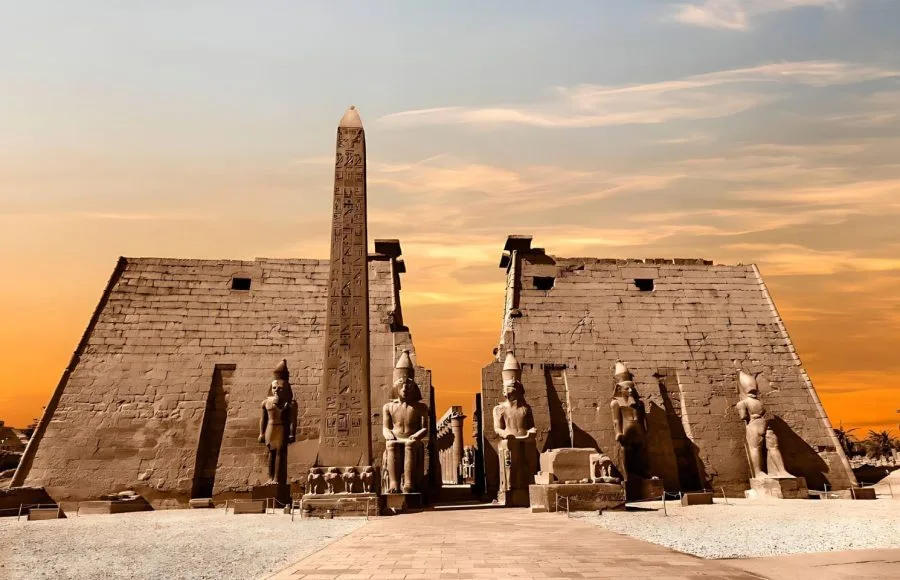
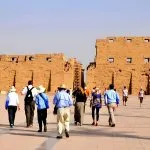
After breakfast, travel from Hurghada to Luxor and explore Karnak Temple before boarding your Nile Cruise. Later, visit Luxor Temple, whose columns and statues become especially atmospheric in the evening, then return to your cruise ship for dinner and your overnight stay on the Nile.
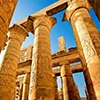
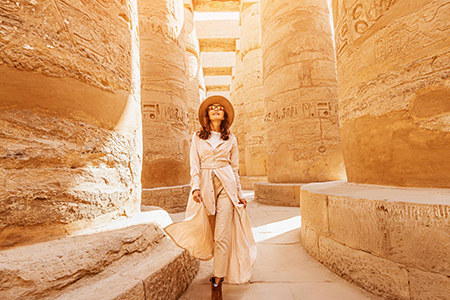
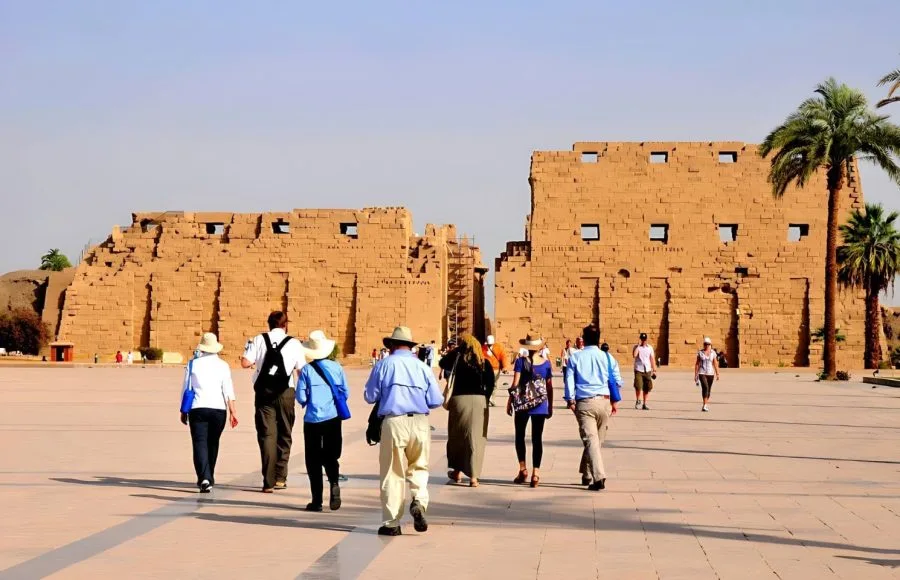
Walk among the monumental gateways, towering columns, and sacred courtyards of Karnak, one of ancient Egypt's most important religious complexes. Dedicated primarily to Amun and expanded by successive pharaohs, the site reveals how generations of rulers used architecture, inscriptions, and religious ceremonies to express their power.
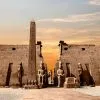
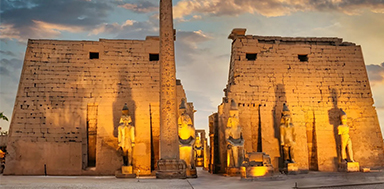
Visit Luxor Temple, a magnificent ancient sanctuary associated with royal ceremonies and the annual Opet Festival. Its monumental statues, colonnades, and decorated walls reveal the religious importance of ancient Thebes, while the evening atmosphere offers a memorable introduction to the temples lining the Nile.
Breakfast, Lunch, Dinner

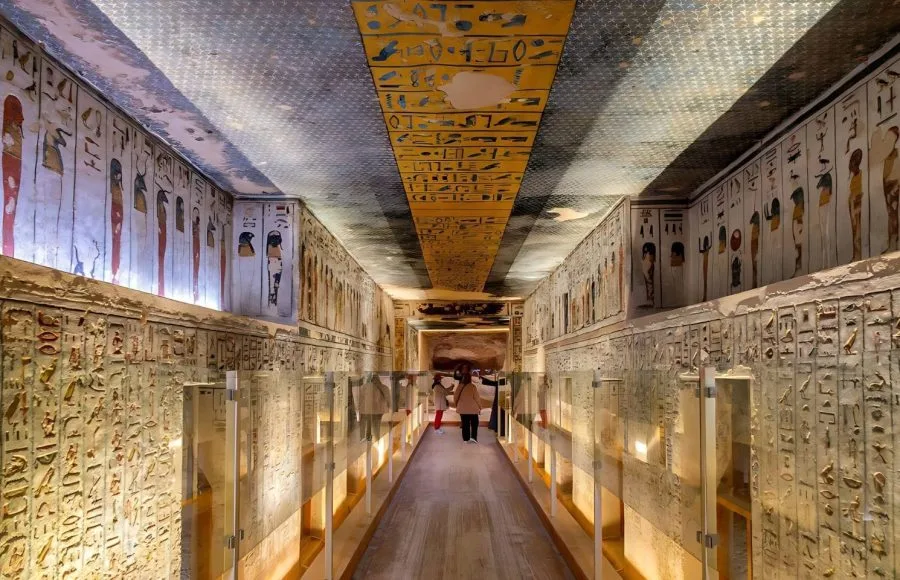
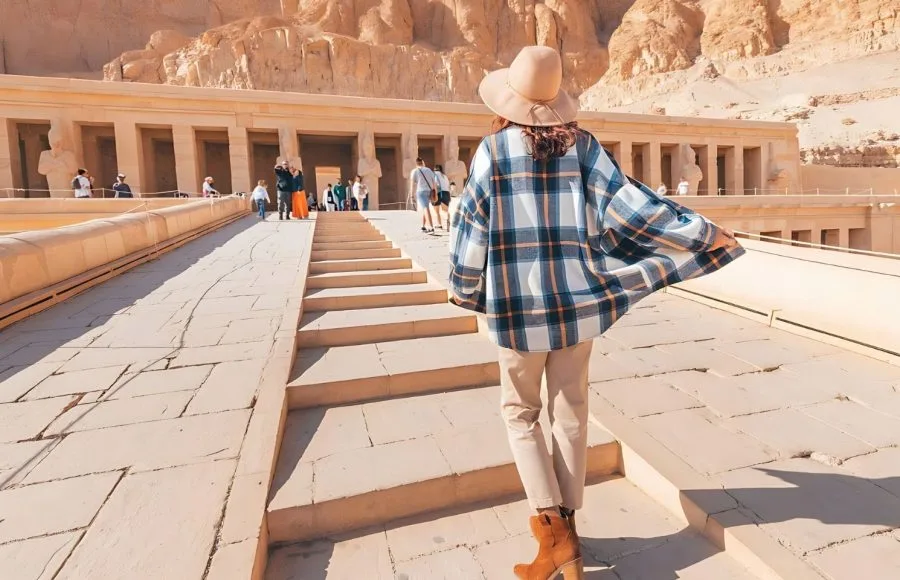
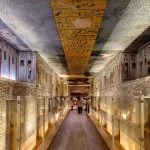
Discover Luxor's West Bank, where royal tombs, monumental architecture, and ancient funerary traditions reveal another side of Egypt's history. Visit the Valley of the Kings, Hatshepsut Temple, and the Colossi of Memnon before returning to your Nile Cruise for meals and an overnight stay as the journey continues toward Edfu.
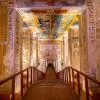
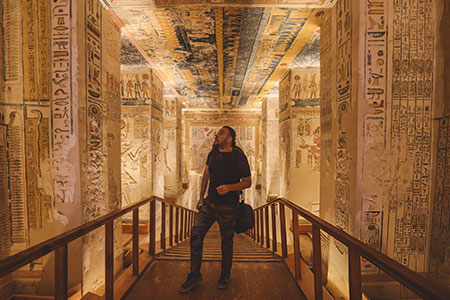
Enter the famous royal necropolis where New Kingdom pharaohs were buried in tombs carved deep into the desert hills. The decorated corridors and burial chambers reveal ancient Egyptian ideas about death and the afterlife, making this one of the most significant archaeological sites on your Nile journey.
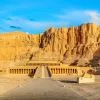
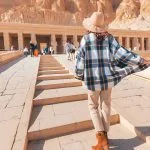
Continue to the Temple of Hatshepsut at Deir el-Bahari, where broad terraces rise dramatically against limestone cliffs. Built for one of Egypt's most prominent female pharaohs, the temple combines elegant architecture with reliefs that celebrate her reign, religious devotion, and royal legacy.
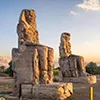
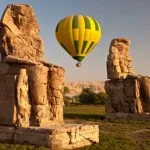
Pause before the Colossi of Memnon, two enormous seated statues of Pharaoh Amenhotep III. Once positioned before his mortuary temple, the figures have watched over Luxor's West Bank for more than three millennia and remain an impressive reminder of the scale of ancient Egyptian royal architecture.
Breakfast, Lunch, Dinner

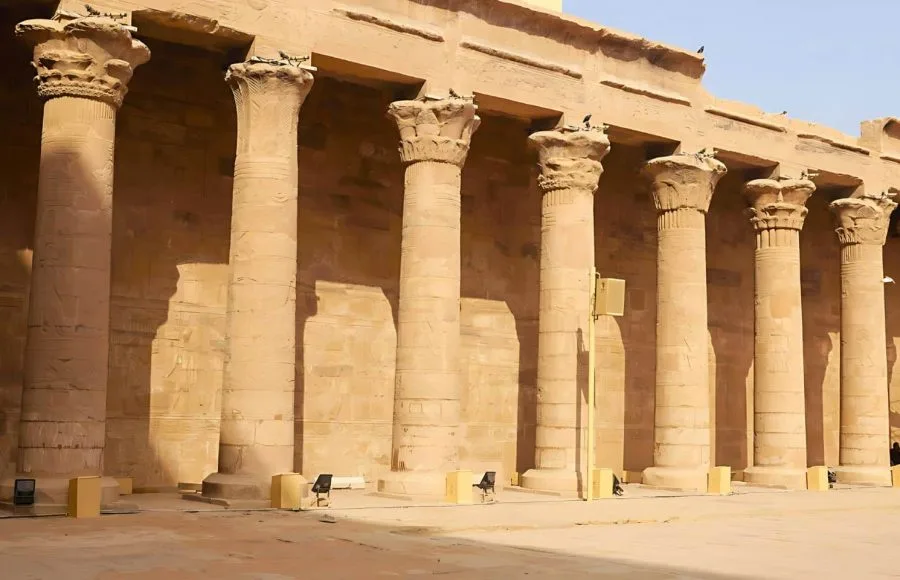
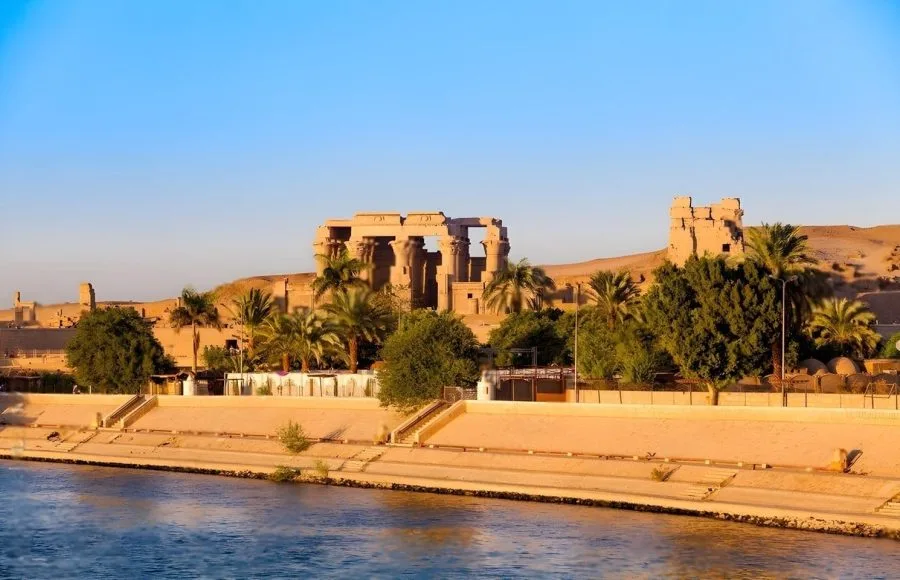
Continue your Nile Cruise toward Aswan, stopping at Edfu Temple and Kom Ombo Temple to explore two distinctive examples of ancient Egyptian religious architecture. After visiting the sanctuaries and their carved reliefs, return to the ship for dinner and an overnight stay as you sail south.
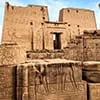
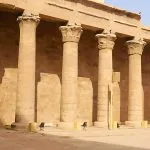
Visit Edfu Temple, one of Egypt's best-preserved ancient temples, dedicated to Horus, the falcon-headed god associated with kingship and protection. Its monumental entrance, detailed inscriptions, and decorated chambers preserve stories of divine conflict and ancient rituals, allowing you to imagine the religious ceremonies once held here.
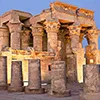
Continue to Kom Ombo, an unusual double temple dedicated to Sobek, the crocodile god, and Horus the Elder. Its symmetrical design, carved reliefs, and inscriptions provide insight into ancient religious traditions, medical knowledge, and the beliefs that shaped life along the Nile.
Breakfast, Lunch, Dinner
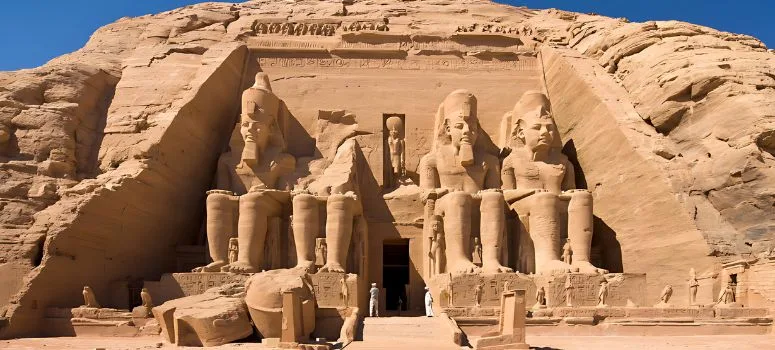
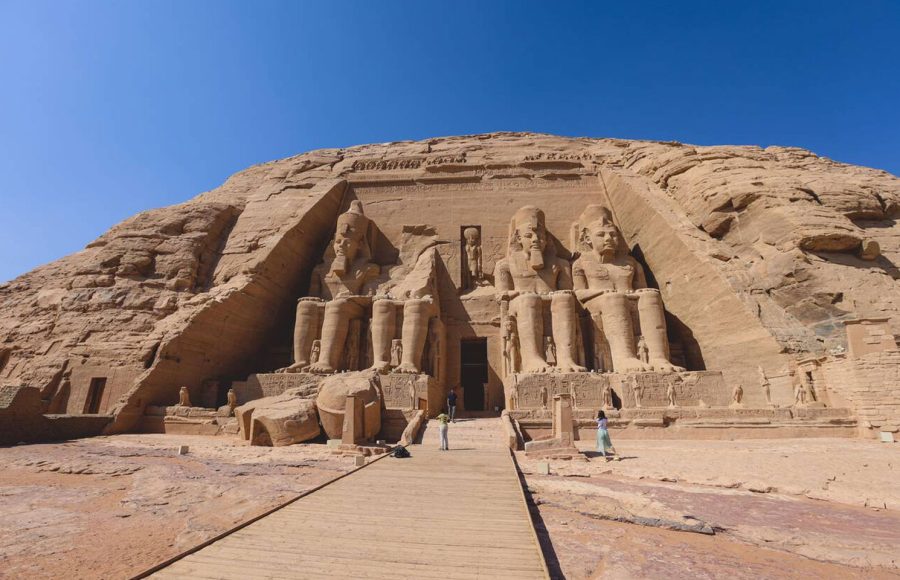
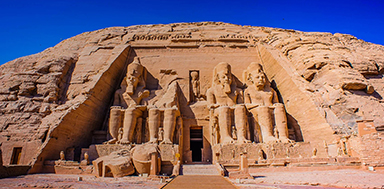
Begin early for an excursion by car to Abu Simbel, one of the most spectacular monuments of ancient Egypt. Discover the colossal rock-cut temples of Ramses II and Queen Nefertari before returning to Aswan and your Nile Cruise for meals, relaxation, and an overnight stay.
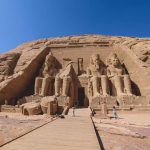
Travel south to Abu Simbel, where four colossal statues of Ramses II dominate the entrance to the Great Temple. Inside, carved chambers and monumental reliefs celebrate the pharaoh's reign, while the nearby temple dedicated to Queen Nefertari demonstrates the importance of royal devotion. The temples were relocated to higher ground during an international rescue project following the construction of the Aswan High Dam.
Breakfast, Lunch, Dinner

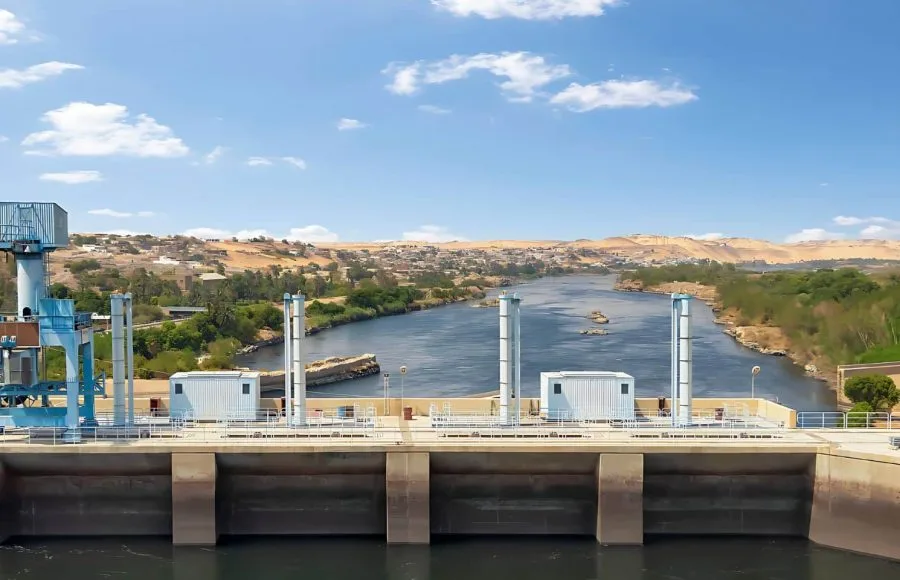
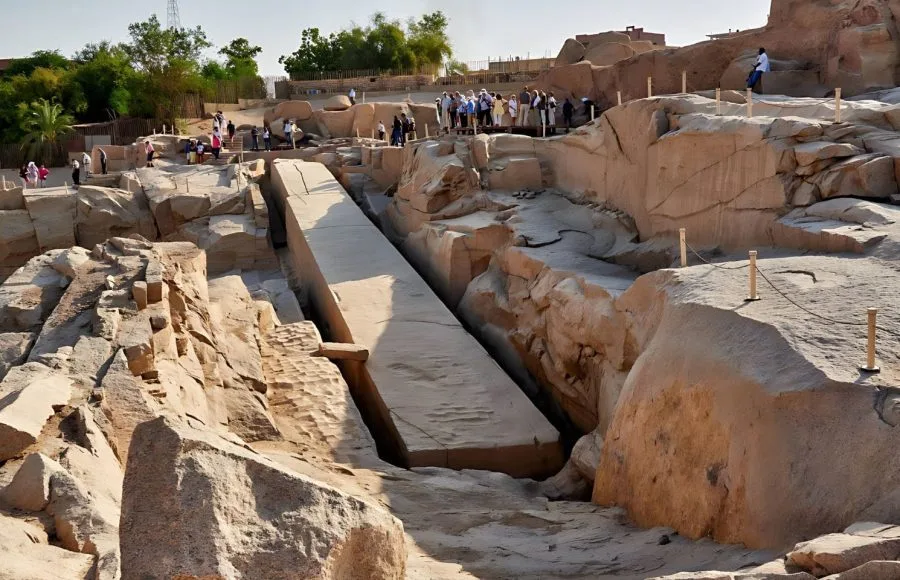
After breakfast, disembark from your Nile Cruise and discover Aswan's modern engineering and ancient heritage. Visit the High Dam, the Unfinished Obelisk, and Philae Temple before transferring to your Aswan hotel for the night.
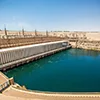
Begin at the Aswan High Dam, a major engineering project that transformed Egypt's relationship with the Nile. Learn how the dam helps regulate the river, supports irrigation, and generates hydroelectric power, while its construction created Lake Nasser and reshaped the surrounding landscape.
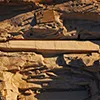
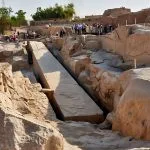
Visit the ancient granite quarries to see the Unfinished Obelisk, a monumental structure still attached to the bedrock where workers began carving it. The abandoned project reveals the challenges of shaping enormous pieces of stone and provides a rare insight into the tools and techniques used by ancient Egyptian craftsmen.
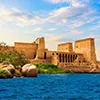
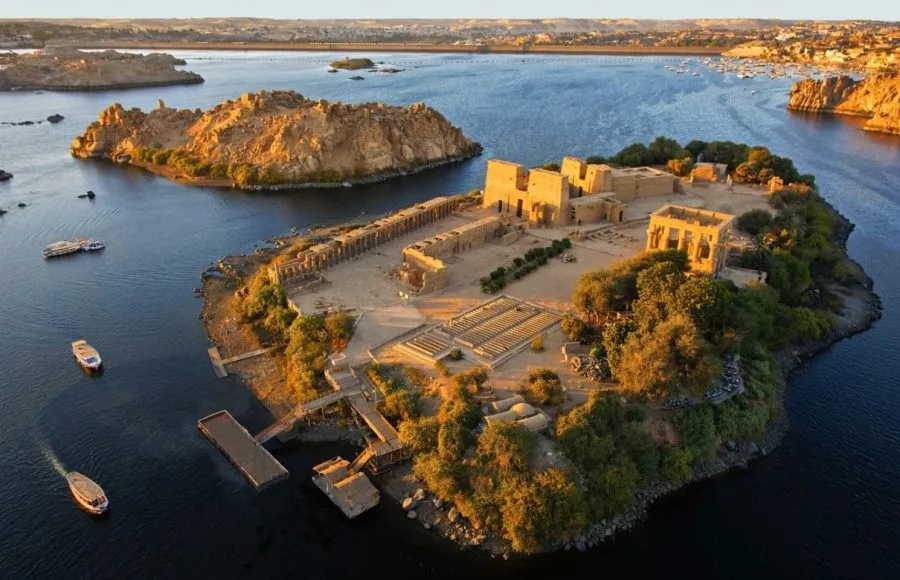
Take a boat to Philae Temple, a beautiful sanctuary dedicated primarily to the goddess Isis. Surrounded by the Nile, its decorated columns and sacred chambers create a memorable setting, while the temple's relocation to Agilkia Island demonstrates the international effort made to protect Egypt's ancient heritage from rising waters.
Breakfast, Lunch

After breakfast, fly from Aswan to Cairo and explore the city's historic and cultural landmarks, including the Egyptian Museum, the Hanging Church, Al-Muizz Street, and Khan El Khalili Bazaar. Enjoy lunch during your sightseeing before returning to your Cairo hotel for the night.
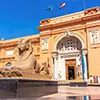
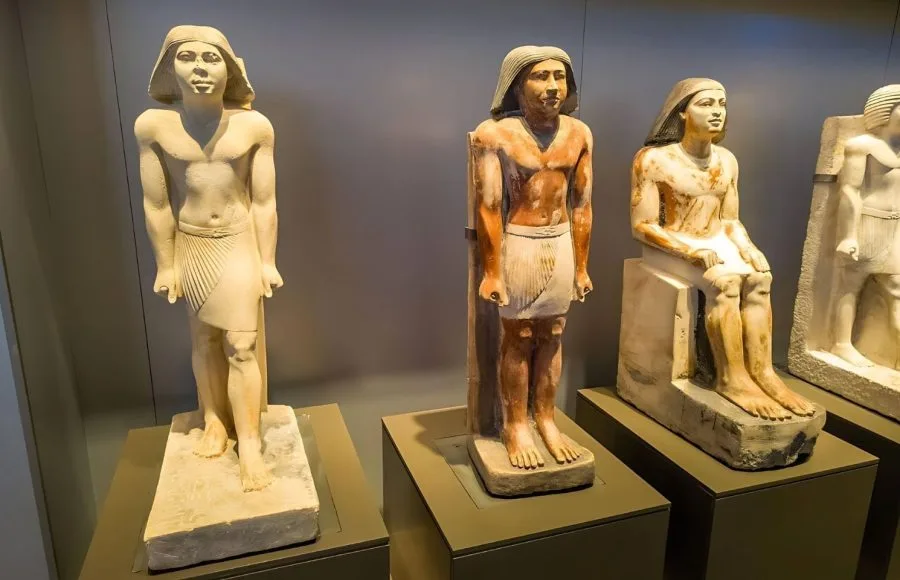
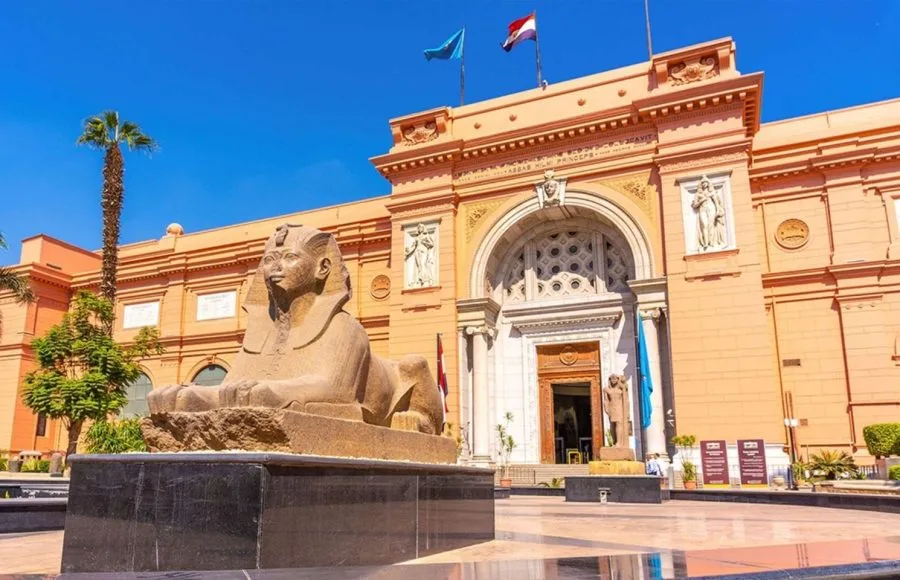
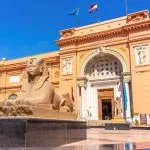
Discover the Egyptian Museum in central Cairo, home to an extensive collection of statues, funerary objects, jewelry, and artifacts spanning thousands of years. As you explore its galleries, your guide will help connect the objects on display with the pharaohs, religious beliefs, and everyday lives of ancient Egyptians.

Continue to the Hanging Church in Coptic Cairo, one of the area's most important historic Christian landmarks. Built above the remains of an ancient Roman fortress, the church is known for its wooden ceiling, decorated screens, and religious artwork, offering a different perspective on Egypt's layered cultural heritage.
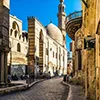
Walk along Al-Muizz Street, where medieval mosques, historic houses, and ornate architectural details reveal the legacy of Cairo's Islamic past. The street feels like an open-air museum, with each building offering another glimpse into the craftsmanship and urban life of earlier centuries.

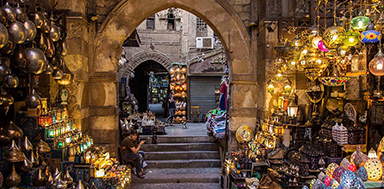
Finish in Khan El Khalili, Cairo's celebrated traditional market. Browse stalls selling spices, lanterns, jewelry, textiles, and souvenirs, or pause at a historic café to enjoy the lively atmosphere of one of the city's most recognizable shopping districts.
Breakfast, Lunch
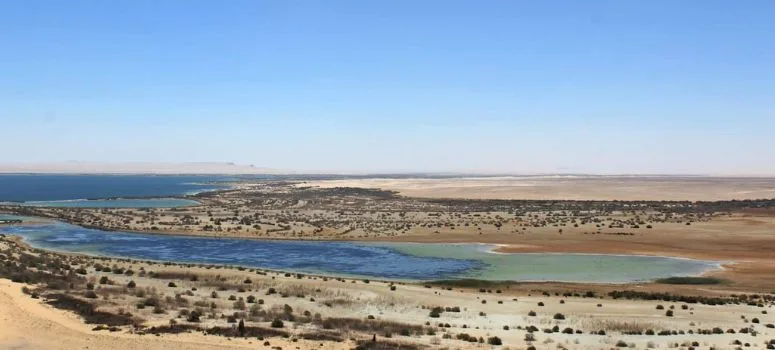
Leave Cairo for Fayoum, where Egypt's desert scenery gives way to lakes, agricultural landscapes, and distinctive natural features. Visit Lake Qarun, the region's traditional waterwheels, and the waterfalls of Wadi El Rayan before returning to your Cairo hotel for the night.
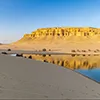
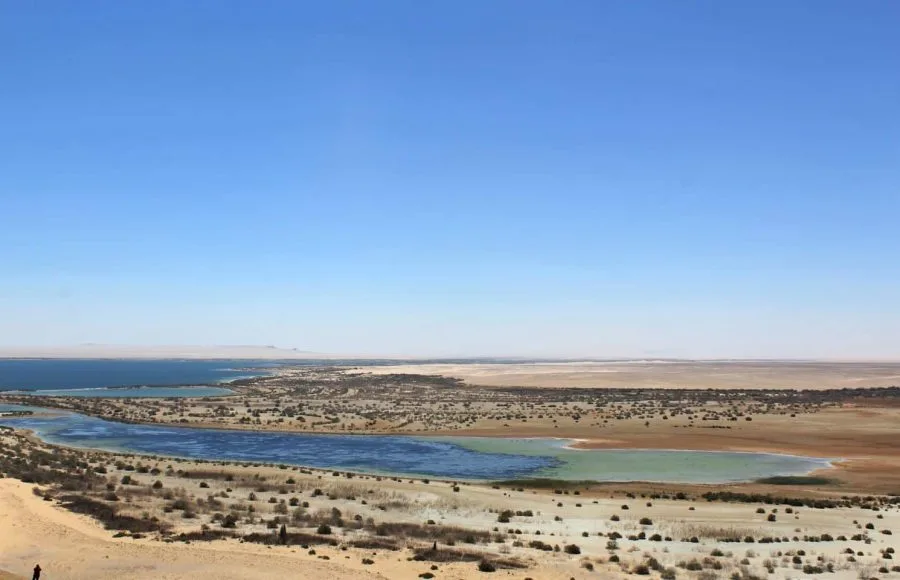
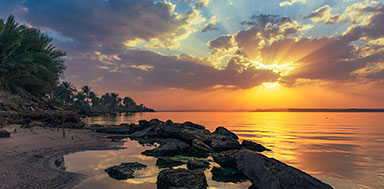
Discover Lake Qarun, one of Egypt's oldest natural lakes, surrounded by desert landscapes and local communities. The shoreline offers a quieter perspective on the country, with fishing boats and open views creating a striking contrast to Cairo's busy streets and the monumental scenery of the Nile Valley.

Explore Fayoum's traditional waterwheels, known locally as saqiyas, which have long played a role in the region's irrigation and agricultural life. These distinctive structures reflect the ingenuity behind the area's farming traditions and help explain how communities cultivated land in a landscape shaped by both water and desert.
Continue to Wadi El Rayan, a protected natural area known for its linked lakes and waterfalls. The flowing water, desert surroundings, and open scenery reveal a less familiar side of Egypt, making Fayoum a defining feature of this extended tour rather than simply another stop between major cities.
Breakfast, Lunch
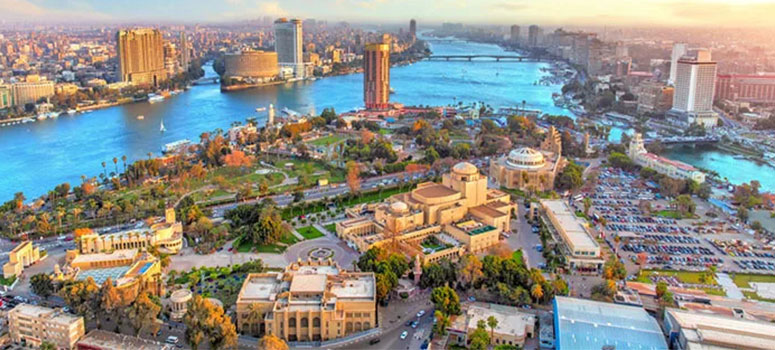
Enjoy breakfast and a free day in Cairo, giving you time to relax at your hotel or explore the capital at your own pace. Whether you prefer a café overlooking the Nile, independent shopping, or a quiet day before the next international flight, your Cairo hotel will be your base for the night.
Breakfast
Arc III · Amman to Petra
Roman Jerash, Madaba, the Dead Sea, and Petra shape Jordan's route
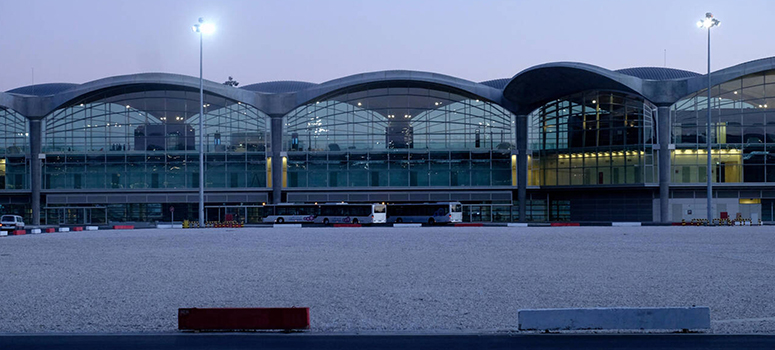
After breakfast, check out and transfer to Cairo International Airport for your flight to Amman. On arrival in Jordan, meet your local representative and transfer to your hotel, where you can settle in and prepare for the country's Roman ruins, biblical landscapes, and Nabataean heritage.
Breakfast
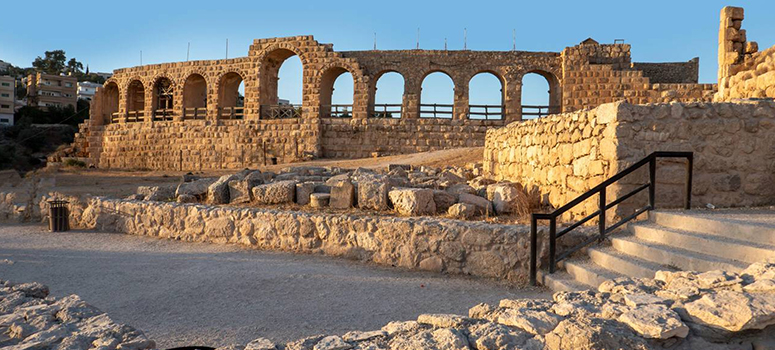
After breakfast, travel north to explore Jerash's remarkable Roman ruins, including its colonnaded streets, temples, and ancient public spaces. Depending on the confirmed route and sightseeing schedule, continue to Ajloun Castle and Amman's historic Citadel before returning to your Amman hotel for the night.

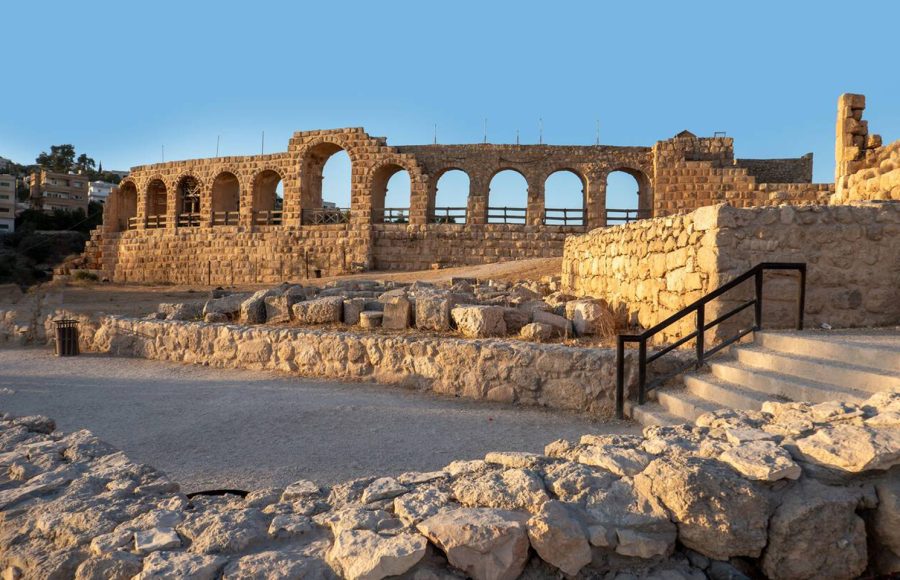
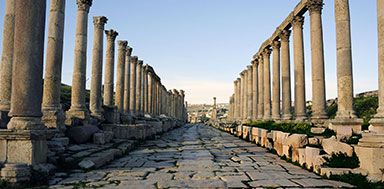
Walk through Jerash, one of the Middle East's most impressive surviving Roman cities. Its paved avenues, monumental gateways, temples, and theaters reveal how the city developed under Roman rule, while the remains of public spaces help bring the scale of ancient urban life into focus.
Visit the Hippodrome, where spectators once gathered for chariot races and public events. The surviving arena offers a vivid sense of the entertainment that formed part of Roman civic life and adds another dimension to the city's remarkably preserved archaeological landscape.
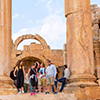
Continue to the Temple of Artemis, dedicated to Jerash's patron goddess. Its towering Corinthian columns and monumental setting reflect the religious importance and prosperity of the ancient city, providing one of the site's most recognizable views.
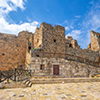
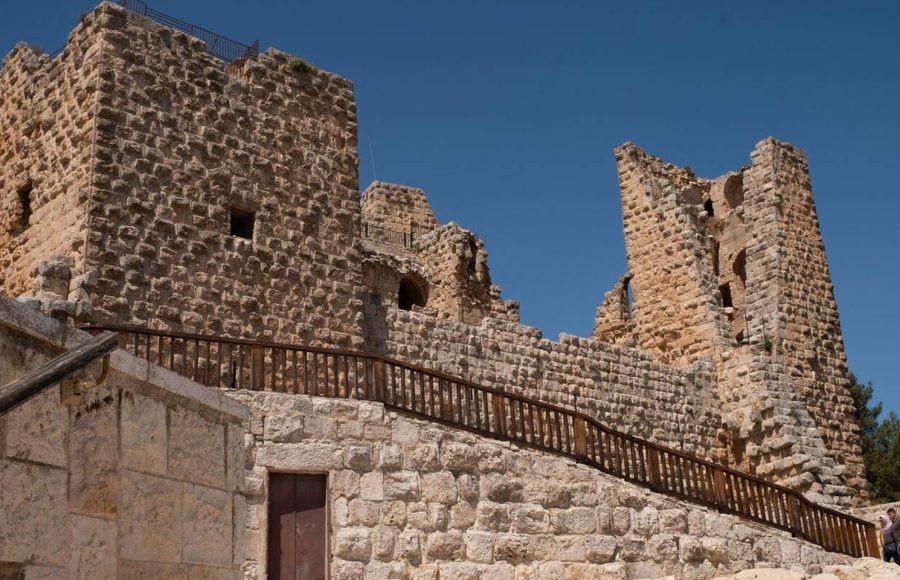
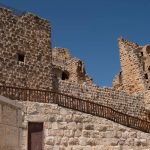
If included in the confirmed sightseeing schedule, visit Ajloun Castle, a medieval fortress built to defend strategic routes in northern Jordan. Its hilltop position offers sweeping views of the surrounding countryside and illustrates how the region's history extends beyond the classical Roman era.
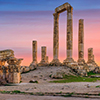
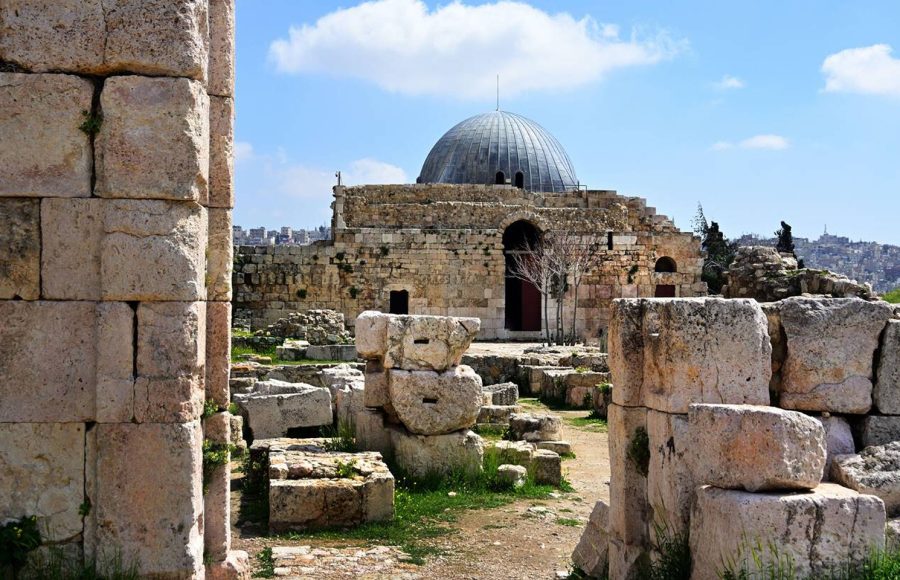
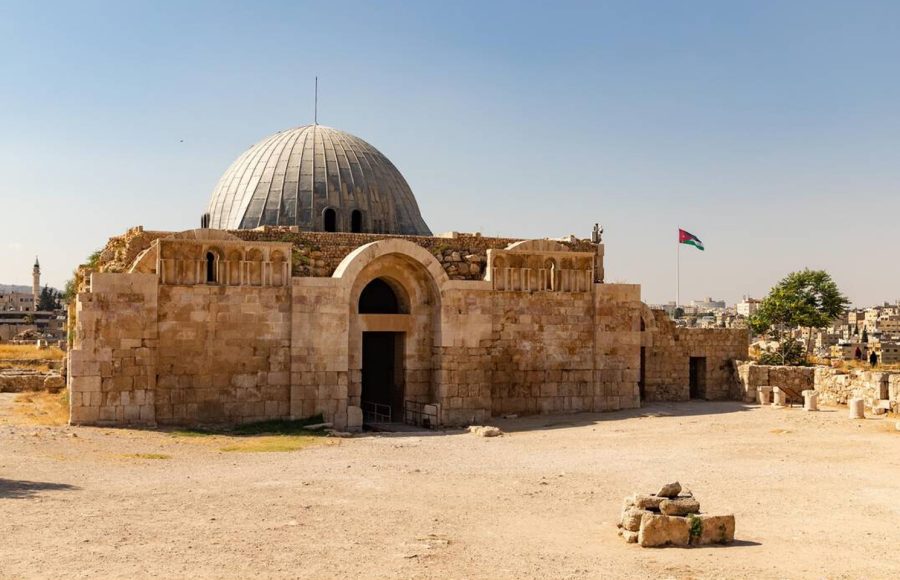
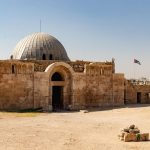
Return toward Amman to explore the Citadel, a hilltop archaeological site with remains from several civilizations. The Temple of Hercules, Umayyad Palace complex, and panoramic views across the capital reveal the city's long history as a crossroads of cultures and empires.
Breakfast, Lunch
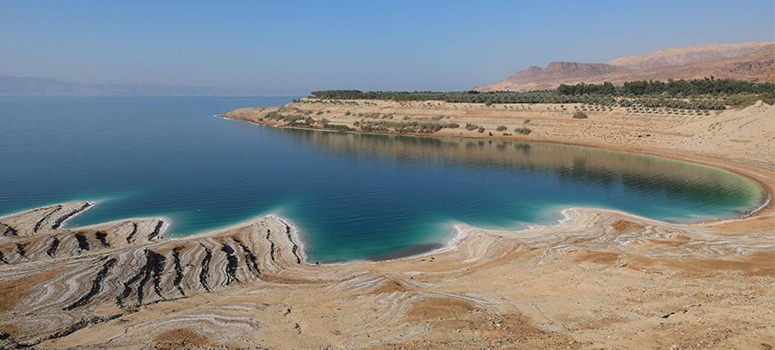
After breakfast, discover Madaba's famous mosaic heritage and continue to Mount Nebo, associated with the biblical story of Moses. Finish with time at the Dead Sea, where the mineral-rich waters and dramatic landscape provide a relaxing contrast to Jordan's archaeological sites, before returning to your confirmed overnight accommodation.
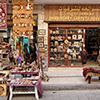
Explore Madaba, often called the City of Mosaics, where intricate Byzantine and early Islamic artworks preserve a rich artistic tradition. The city's best-known mosaic map offers a historic depiction of the Holy Land and provides a fascinating connection between religious history, geography, and craftsmanship.
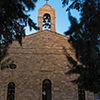
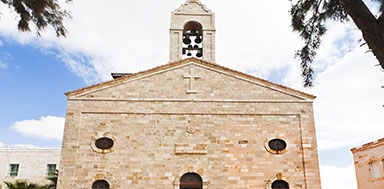
Visit St. George's Church to see the celebrated Madaba Map mosaic, which depicts places across the Holy Land and surrounding regions. Its surviving details offer insight into how early Christian communities represented sacred landscapes and understood the geography of their world.
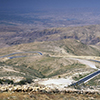
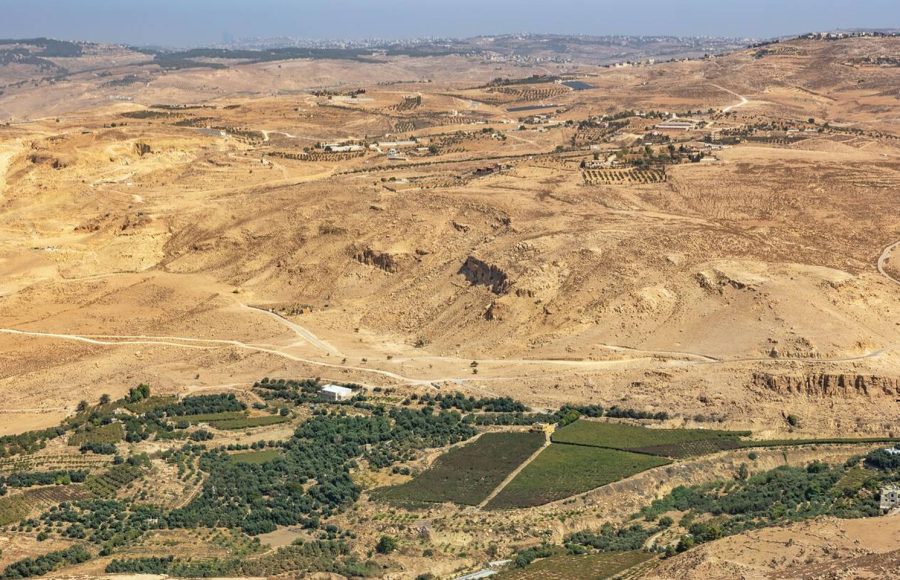
Continue to Mount Nebo, traditionally associated with Moses viewing the Promised Land. From this elevated site, take in the surrounding landscape while learning about its religious significance and the centuries of pilgrimage that have made it an important destination in Jordan.
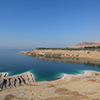
End the day's sightseeing at the Dead Sea, famous for its exceptionally saline water and its position in one of the world's lowest land regions. Depending on the arrangements and conditions, enjoy time by the shore or experience the distinctive buoyancy of the water before continuing your journey.
Breakfast, Lunch

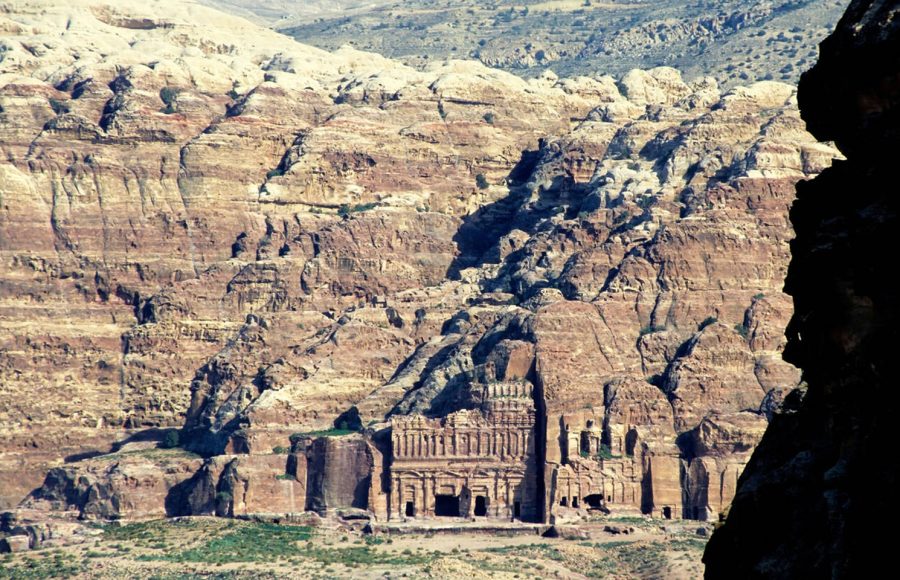
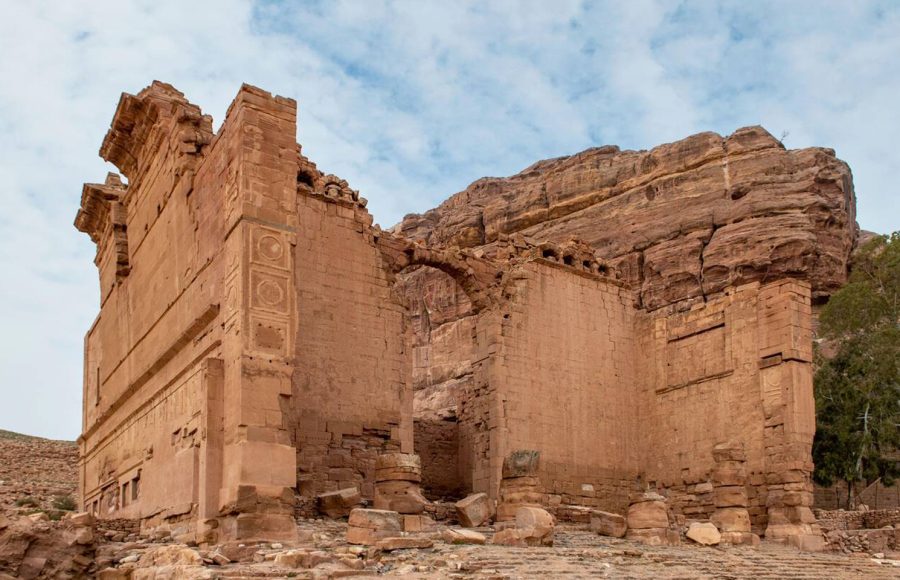
After breakfast, travel to Petra to explore the remarkable Nabataean city carved into rose-colored sandstone. Discover its iconic Treasury, Royal Tombs, and ancient religious monuments before returning to Amman for dinner and your overnight stay.

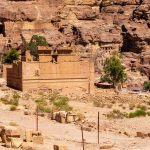
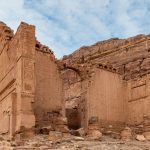
Enter Petra through its dramatic rock formations and discover the remains of a city that prospered through trade and Nabataean engineering. Carved façades, ancient pathways, and monuments set among towering sandstone cliffs reveal how this desert settlement became one of Jordan's most extraordinary archaeological destinations.
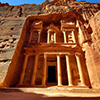
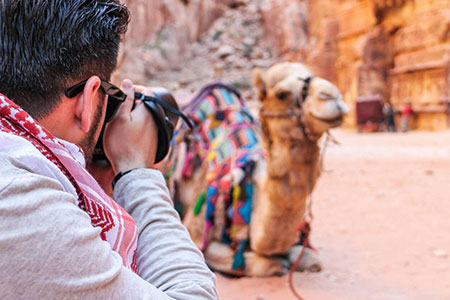
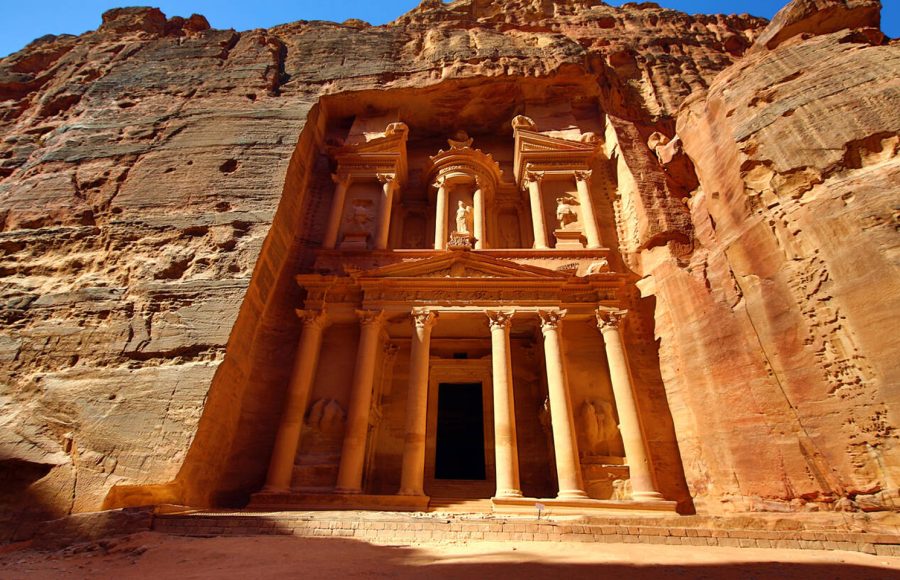
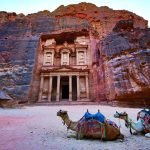
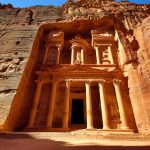
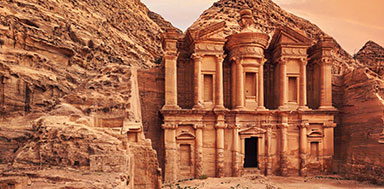
Arrive at Al-Khazneh, known as the Treasury, one of Petra's most iconic monuments. Its elaborate façade, carved directly into the sandstone cliff, creates a remarkable first impression of the architectural skill and artistic traditions of the Nabataeans.
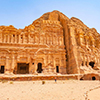
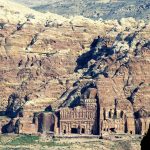
Continue to the Royal Tombs, a series of monumental façades carved into the mountainside. Their distinctive colors, decorative details, and scale demonstrate Petra's importance as a major center of Nabataean culture and the wealth generated by regional trade.
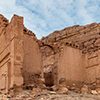
Explore Qasr al-Bint, one of Petra's principal religious structures and a rare example of a freestanding Nabataean temple. Its surviving walls provide another perspective on the city's spiritual life and the architectural traditions that extended beyond its famous rock-cut façades.
Breakfast, Lunch
Arc IV · Istanbul to Pamukkale
Istanbul's landmarks lead to Cappadocia, Ephesus, and Pamukkale's terraces

After breakfast, transfer to Amman Airport for your flight to Istanbul. On arrival, meet your local representative and transfer to your hotel, where you can relax before exploring Turkey's imperial landmarks, historic neighborhoods, and vibrant markets. Prepare for the Turkish part of your trip with our Turkey travel planning guide, covering useful advice for organizing your visit and exploring the country.
Breakfast

After breakfast, explore Istanbul's historic heart, visiting Hagia Sophia, Topkapi Palace, the Blue Mosque, and the former Hippodrome. Discover the Grand Bazaar's lively shopping lanes before continuing to your next destination according to the confirmed flight schedule and overnight arrangements.

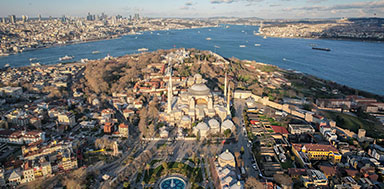
Visit Hagia Sophia, one of Istanbul's most celebrated architectural landmarks. Originally built as a Byzantine cathedral and later transformed into an Ottoman imperial mosque, its monumental dome and layered artistic traditions reflect the city's position at the meeting point of different cultures and empires.

Explore Topkapi Palace, the former residence and administrative center of Ottoman sultans for centuries. Its courtyards, ceremonial spaces, and richly decorated interiors offer insight into imperial life and the political power that shaped much of the region's history.

Continue to the Blue Mosque, officially known as the Sultan Ahmed Mosque. Its cascading domes, elegant minarets, and blue Iznik tiles make it one of Istanbul's most recognizable landmarks. As an active place of worship, access arrangements depend on prayer times and visitor regulations.

Walk through the historic Hippodrome, once the center of public gatherings, ceremonies, and chariot racing in Byzantine Constantinople. Today, its surviving monuments and open square preserve traces of the city's imperial past in the heart of the old town.

Finish at the Grand Bazaar, a historic covered market filled with shops selling textiles, ceramics, jewelry, lamps, and traditional Turkish crafts. Exploring its winding lanes offers a lively introduction to Istanbul's trading heritage and a chance to browse for souvenirs.
Breakfast, Lunch

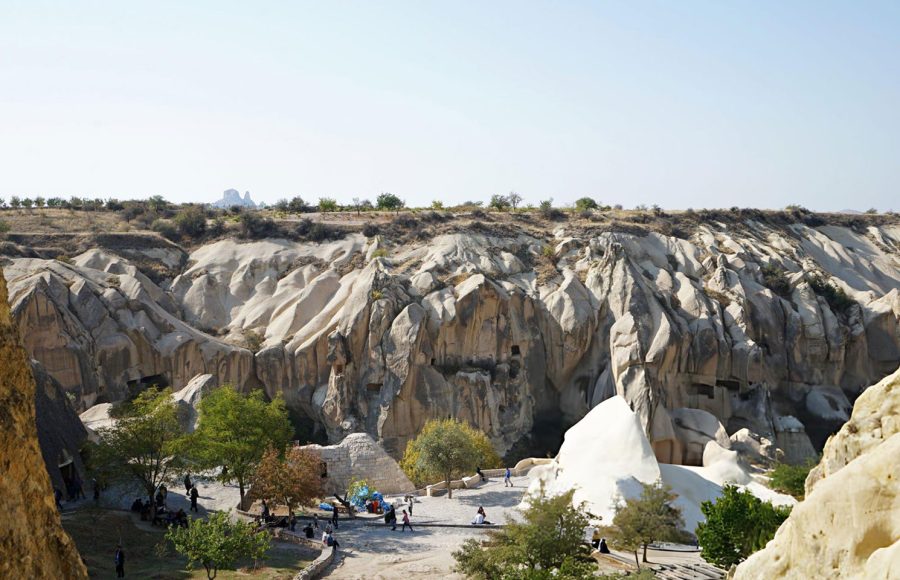
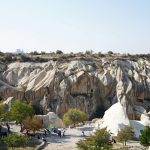
Explore Cappadocia's remarkable landscape of volcanic rock formations, cave dwellings, and historic settlements. Discover the Göreme Open-Air Museum, Uçhisar Castle, and the region's famous fairy chimneys, with an optional hot-air balloon experience if available, before spending the night in Cappadocia or continuing according to the confirmed flight schedule.

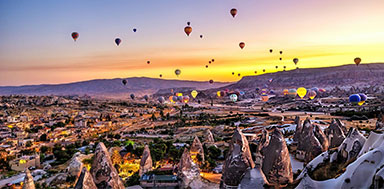
For an unforgettable start, consider an optional hot-air balloon ride at sunrise, subject to weather conditions and aviation approval. From above, Cappadocia's valleys, sculpted rock formations, and distinctive terrain reveal a landscape that looks almost otherworldly in the early morning light.

Discover the Göreme Open-Air Museum, where rock-cut churches and monastic spaces preserve traces of Cappadocia's early Christian communities. Inside the surviving churches, painted frescoes and carved interiors reveal how people adapted the region's unusual volcanic landscape for worship and daily life.

Continue to Uçhisar Castle, a towering rock formation hollowed out over centuries to create rooms, passageways, and defensive spaces. From its elevated position, enjoy expansive views across Cappadocia's valleys and surrounding volcanic terrain.

Explore Cappadocia's famous fairy chimneys, natural formations shaped by volcanic deposits and erosion. Their unusual silhouettes, scattered across valleys and villages, give the region its distinctive character and make this one of the most visually memorable landscapes on the tour.

If time permits, visit Avanos, a town known for its traditional pottery and clay-working heritage. The area's workshops provide a glimpse into a craft shaped by local materials and generations of artisans.

The imaginative living miracle of Devrent Valley is a natural haven of marvels that presents a gallery of wind-carved stone resembling animals, human figures, and mythical forms. Free of ancient dwellings, its dreamlike terrain invites creativity, making it a favorite retreat for photographers and storytellers alike.
Breakfast, Lunch

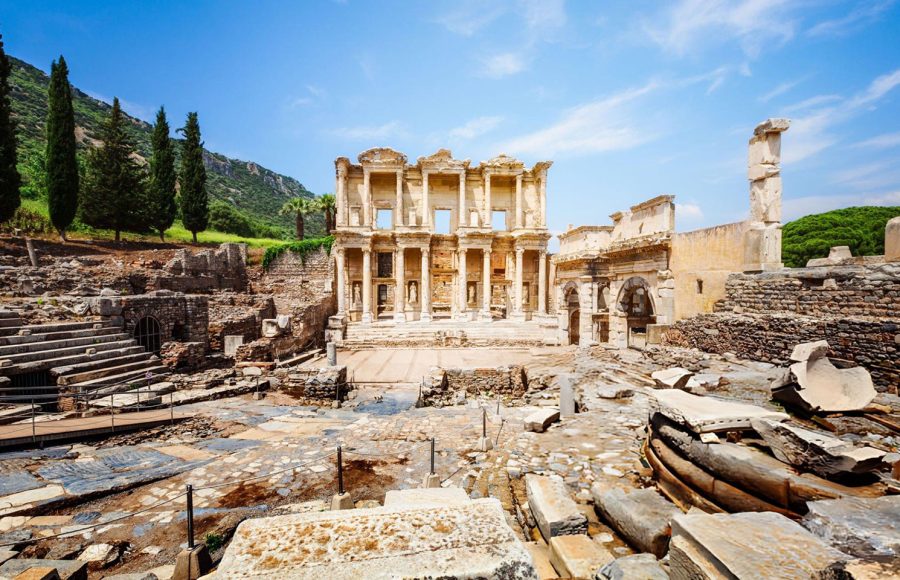
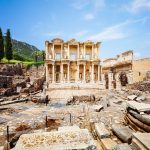
Travel to the ancient city of Ephesus, where marble streets, monumental buildings, and classical ruins reveal the sophistication of Roman urban life. Explore the Library of Celsus, Great Theatre, Temple of Artemis, and other historic landmarks before returning to your confirmed accommodation in the Kuşadası area.

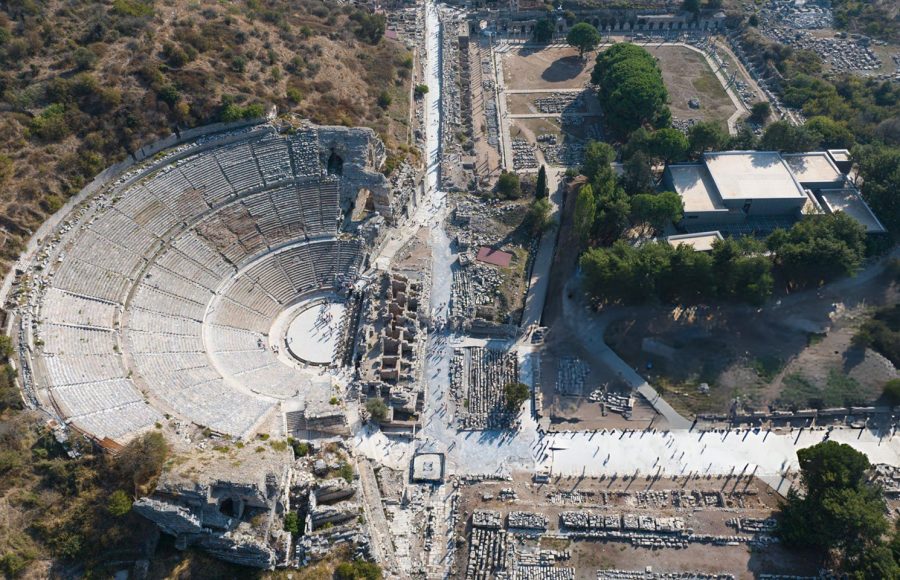
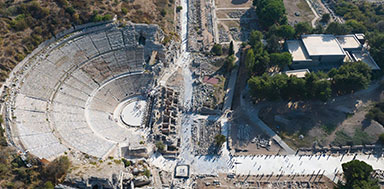
Walk through Ephesus, one of the eastern Mediterranean's most important ancient cities. Its surviving streets, public buildings, and monumental façades reveal how trade, politics, religion, and everyday life shaped a thriving urban center during the Greek and Roman periods.

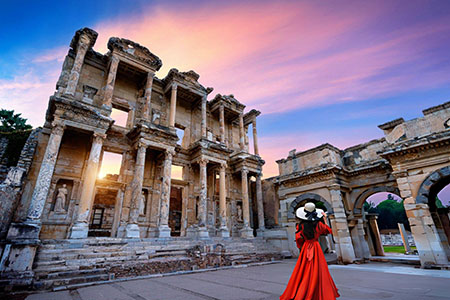
Admire the Library of Celsus, one of Ephesus's most recognizable monuments. Its elaborate two-story façade, decorated columns, and carefully arranged architectural details reflect Roman craftsmanship and the importance of learning and public culture in the ancient city.

Continue to the Great Theatre, a vast structure built into the hillside that once hosted performances, public gatherings, and civic events. Standing among its surviving tiers gives you a sense of the scale of ancient entertainment and the role such spaces played in urban life.
Visit the remains associated with the Temple of Artemis, once one of the Seven Wonders of the Ancient World. Although little of the original monumental structure survives at the site, its historical significance provides an important connection to the religious traditions and artistic achievements of the ancient Greek world.

If included in the confirmed excursion, continue to the House of the Virgin Mary, a place of Christian pilgrimage in the hills near Ephesus. Its peaceful setting and religious traditions offer a quieter contrast to the monumental remains of the ancient city.
Breakfast, Lunch

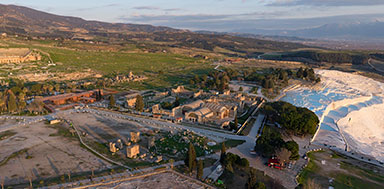
Travel to Pamukkale to discover its striking white mineral terraces and the neighboring ruins of Hierapolis, an ancient city associated with thermal waters and Roman-era life. Explore the archaeological remains before returning to your confirmed overnight accommodation, with the precise transfer and departure arrangements dependent on the finalized Turkey route. Hierapolis offers a fascinating introduction to Turkey’s archaeological heritage. Discover 22 UNESCO heritage sites across Turkey for more historic places to consider adding to your travels.

Explore Hierapolis, a Greco-Roman city that developed around the region's thermal springs. Its monumental streets, public buildings, and archaeological remains reveal how the city became a destination for visitors seeking both the benefits of the waters and the amenities of a thriving ancient settlement.

Visit the extensive Necropolis, where tombs and sarcophagi reflect the burial traditions of the communities that lived in and traveled to Hierapolis. The size and variety of the cemetery provide a valuable perspective on the city's population and its importance as a regional center.

Discover the remains of the Roman baths, which illustrate the central role of bathing and thermal waters in ancient public life. Their surviving structures help explain why Hierapolis became associated with wellness, social gathering, and the long-standing appeal of its natural springs.

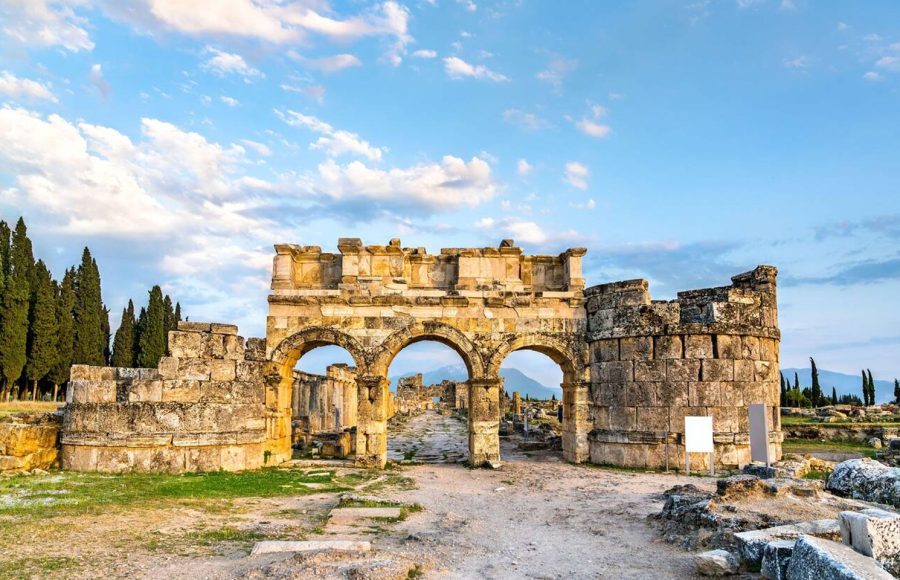
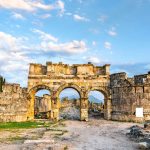
Step through the Domitian Gate and imagine arriving in Hierapolis nearly two thousand years ago, when this monumental entrance welcomed travelers into one of the region’s important Roman cities. Built in the 1st century AD, its imposing arches and carefully crafted stonework reflected the city’s prosperity and the authority of the Roman Empire.

Follow Frontinus Street, the main avenue that once carried the daily rhythm of ancient Hierapolis. Picture merchants displaying their goods, residents going about their business, and pilgrims making their way through the city, all beneath rows of columns and beside impressive stone façades. More than a thoroughfare, this street reveals how commerce, community, and public life came together in the Roman city.

Imagine the lively atmosphere of the Agora, where traders, residents, and visitors once gathered to exchange goods, news, and ideas. Developed as a major marketplace in the 2nd century AD, this expansive space was framed by elegant porticoes and reflected Hierapolis’s economic importance. Walking among its remains offers a glimpse of a city where business and social life unfolded side by side.

Discover a later chapter in the city’s story at the Cathedral of Hierapolis, a Christian basilica dating to the 5th century AD. Its monumental scale and surviving architectural features reflect the growing influence of Christianity during the Byzantine era. Here, the character of Hierapolis shifts from the traditions of the Roman world to a new spiritual landscape shaped by Christian worship and community.

Explore the remains of the Temple of Apollo, one of Hierapolis’s most significant ancient sanctuaries. Dedicated to Apollo, the god associated with prophecy, the site was closely linked to the mysterious geological features beneath the city. Ancient visitors connected its sacred setting with divine powers, creating an atmosphere where religious devotion, healing traditions, and the unknown intertwined.

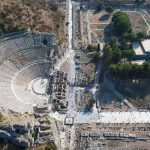
If time permits, make your way to the ancient theatre, where tiers of stone seating rise above a remarkable archaeological landscape. Picture the crowds gathering for performances and public spectacles, their attention fixed on the stage as the city came alive with entertainment. The theatre’s monumental design offers a memorable glimpse into the cultural life and architectural ambition of Roman Hierapolis.

Uncover one of Hierapolis’s most mysterious sites at the Plutonium, a sacred grotto associated with Pluto, the god of the underworld. In antiquity, the natural gases emerging from this opening were regarded with awe and fear, reinforcing the belief that the entrance led toward the realm of the gods. For travelers interested in exploring more of the region’s ancient heritage, this 16 day cultural journey with Abu Simbel and Pamukkale combines Egypt’s monumental history with Jordan’s archaeological treasures and Turkey’s classical landmarks.
Breakfast, Lunch

After breakfast, check out and transfer to the airport specified in your confirmed itinerary for your departure flight. Your 22-day journey through Egypt, Jordan, and Turkey comes to an end, leaving you with memories of ancient pyramids, Nile sailing, Fayoum's landscapes, Petra's carved monuments, and Turkey's classical cities and remarkable natural scenery. If you prefer a longer itinerary with more time to explore, consider this 20 day journey through Egypt, Jordan, and Turkey, featuring a Nile cruise, Abu Simbel, Hurghada, Jordan’s historic sites, and Turkey’s cultural highlights.
Breakfast
* You can let us know if you'd like to customize your tour itinerary to meet your needs. We value your input and aim to accommodate your requirements.
The tour combines Cairo, Fayoum, the Nile Valley, Hurghada, Petra, Jerash, Istanbul, Cappadocia, Ephesus, and Pamukkale, offering a mix of ancient history, natural landscapes, and cultural experiences.
Fayoum offers a different side of Egypt, with desert scenery, natural landscapes, and attractions such as Wadi El Rayan and Wadi Al Hitan, depending on the confirmed itinerary.
Yes. The Jordan section features Petra’s remarkable Nabataean monuments and Jerash’s remarkably preserved Roman ruins.
Highlights include Istanbul’s imperial landmarks, Cappadocia’s distinctive landscapes, the ancient city of Ephesus, and Hierapolis with Pamukkale’s famous white terraces.
International flights are generally not included. Domestic flights within the tour are included according to the package arrangements; check the booking details for the confirmed flights and exclusions.


14 Days / 13 Nights
Cairo Airport / Amman Airport / Istanbul Airport
Cairo / Giza / Aswan / Luxor / Amman / Madaba / Petra / Istanbul / Cappadocia / Ephesus
15 Days / 14 Nights
Cairo Airport / Amman Airport / Istanbul Airport
Cairo / Giza / Hurghada / Luxor / Aswan / Amman / Madaba / Petra / Istanbul / Cappadocia
17 Days / 16 Nights
Cairo Airport / Amman Airport / Istanbul Airport
Cairo / Giza / Alexandria / El Alamein / Siwa Oasis / Bahariya Oasis / Amman / Madaba / Petra / Istanbul / Cappadocia
18 Days / 17 Nights
Cairo Airport / Amman Airport / Istanbul Airport
Cairo / Giza / Aswan / Luxor / Hurghada / Amman / Jerash / Madaba / Petra / Istanbul / Antalya / Hierapolis
All things you should know before visiting Egypt & Beyond


Tripidays Egypt Tours has been offering an exceptional range of Egypt tours, vacation packages, Nile cruises, day trips, and shore excursions tailored to meet the diverse interests of travelers worldwide for over 45 years.