


Starlight Festival Egypt 2026: Dates, Lineup & Travel Guide
September 24, 2026
Read more
about Starlight Festival Egypt 2026: Dates, Lineup & Travel Guide












| Duration |
3 Days / 2 Nights |
|---|---|
| Tour Location |
Luxor / Edfu / Kom Ombo / Aswan / Abu Simbel |
| Tour Run | |
| Pickup |
Luxor Airport |
This 3 day Upper Egypt tour covers five temple sites in a single private overland circuit: Luxor, Edfu, Kom Ombo, Aswan and Abu Simbel. It is the only 3-day itinerary in the portfolio that visits all five major Upper Egypt destinations without a Nile cruise or domestic flight, moving entirely by private vehicle from Luxor to Abu Simbel and back.
Day 1 takes you through Luxor’s east and west banks: the Valley of the Kings, Hatshepsut Temple, the Colossi of Memnon, Karnak Temple and Luxor Temple. Day 2 follows the road south from Luxor to Aswan, stopping at the Temple of Horus at Edfu and the dual-deity Temple of Sobek and Haroeris at Kom Ombo, then continues into Aswan for the High Dam, Philae Temple on Agilkia Island and the Unfinished Obelisk in the granite quarry.
Only on this route
The only 3 day overland itinerary that covers all five major Upper Egypt temple sites Luxor, Edfu, Kom Ombo, Aswan and Abu Simbel in a single private circuit by road.
Arc I · Upper Egypt Temples
Luxor, Edfu, Kom Ombo and Aswan lead south to Abu Simbel

Your private guide meets you at Luxor Airport and transfers you directly to your 5-star hotel to check in. The day moves from the West Bank, the city of the dead, to the East Bank’s great temple complexes, covering all five Luxor sites before overnight. For temples that are equally overlooked, add Egypt’s hidden temples with our Dendera Abydos tour.

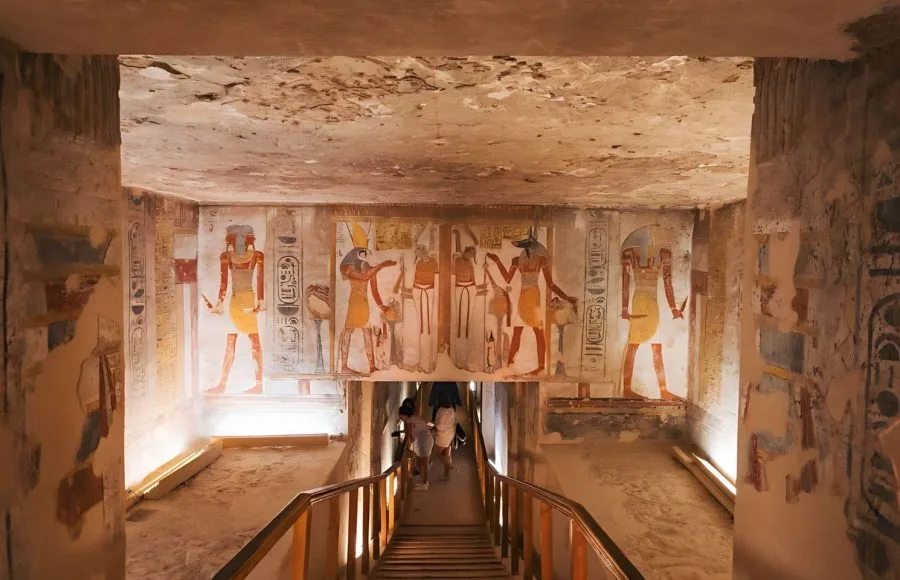
You descend into the hillside necropolis where 63 royal tombs were cut from the limestone cliffs, and your guide walks you through chambers where painted ceilings map the pharaoh’s route through the underworld. The walls inside each tomb were completed without natural light; every line of the Book of the Dead was carved and painted by lamplight alone.

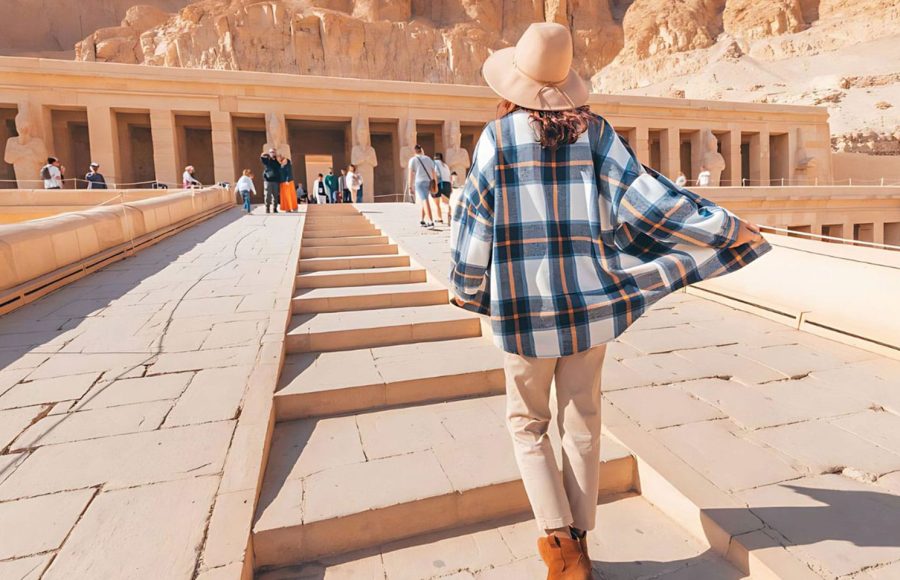
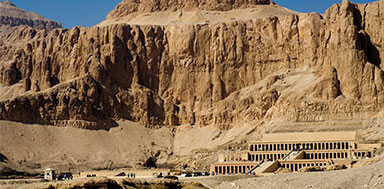
You approach across the open causeway, and the three-tiered colonnade of Deir el-Bahari comes into focus against the sheer limestone cliff behind it, a scale that photographs never convey. Hatshepsut built this mortuary temple around 1475 BC and oriented its axis precisely toward Karnak, three kilometres east across the Nile floodplain.

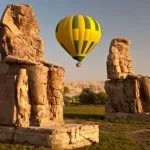
The two 18-metre quartzite statues of Amenhotep III stand in open farmland with nothing around them, which is what makes them so disorienting; there is no temple left, only the guardians of a complex that has vanished entirely. Each statue was carved from a single block of quartzite transported 675 kilometres from the quarry at Gebel el-Ahmar near Cairo.

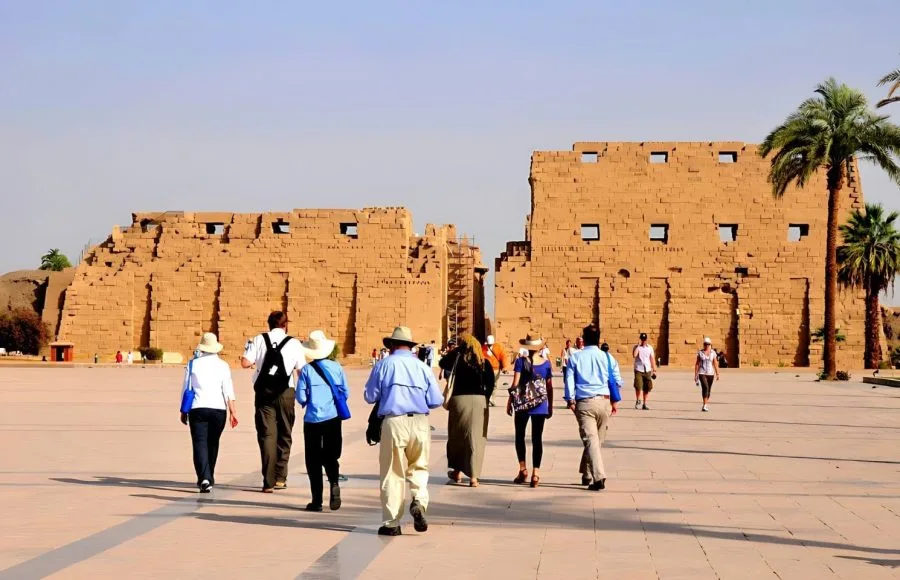
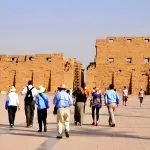
You enter the Hypostyle Hall and find yourself between 134 sandstone columns, the tallest of which stand 21 metres high — tall enough that you can only see the capitals by tilting your head back. Construction at Karnak continued under 30 pharaohs across more than 1,300 years, making it the largest religious complex ever built.

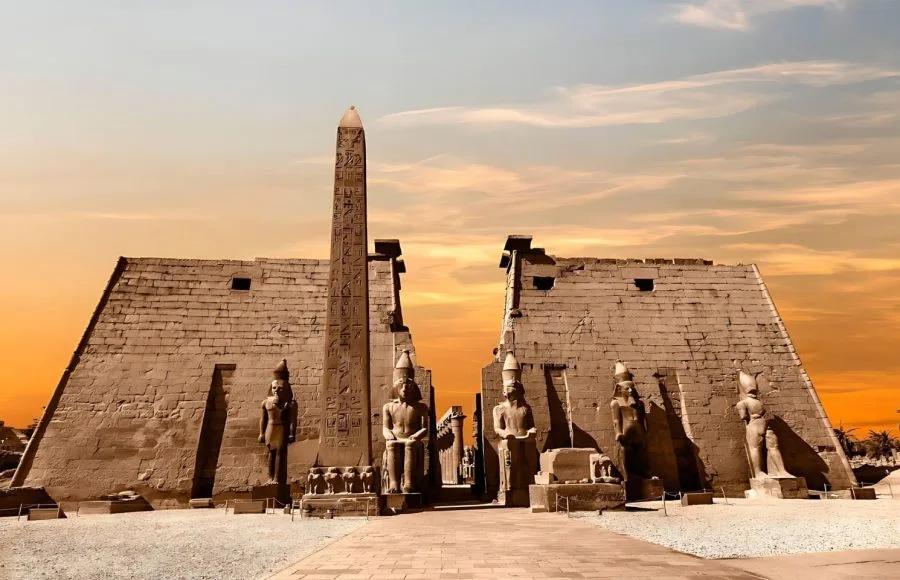
Your guide walks you along the Avenue of Sphinxes, the 3-kilometre processional road that once connected Luxor Temple to Karnak, and into the temple complex itself where the scale of Ramesses II’s entrance pylon is fully visible at close range. Inside, a Roman chapel and later a mosque were built directly on top of the original hypostyle columns, three religions occupying the same ground.

Lunch

You check out of the Luxor hotel after breakfast, and your driver heads south along the Nile Valley road toward Aswan. The two temple stops — Edfu and Kom Ombo — are separated by roughly 60 kilometres, with Aswan another 45 kilometres south of Kom Ombo. Arrival in Aswan is mid-afternoon, leaving time for all three Aswan sites before evening check-in.
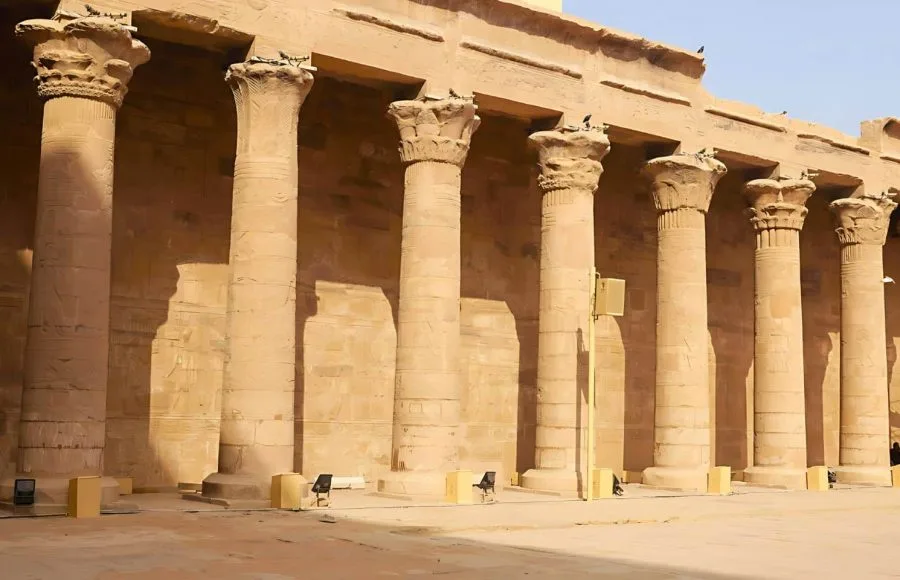
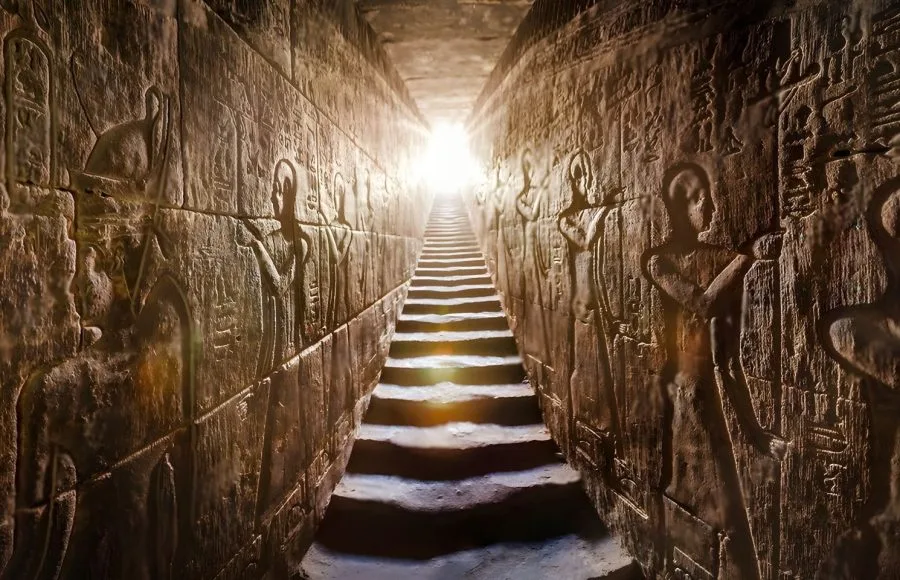
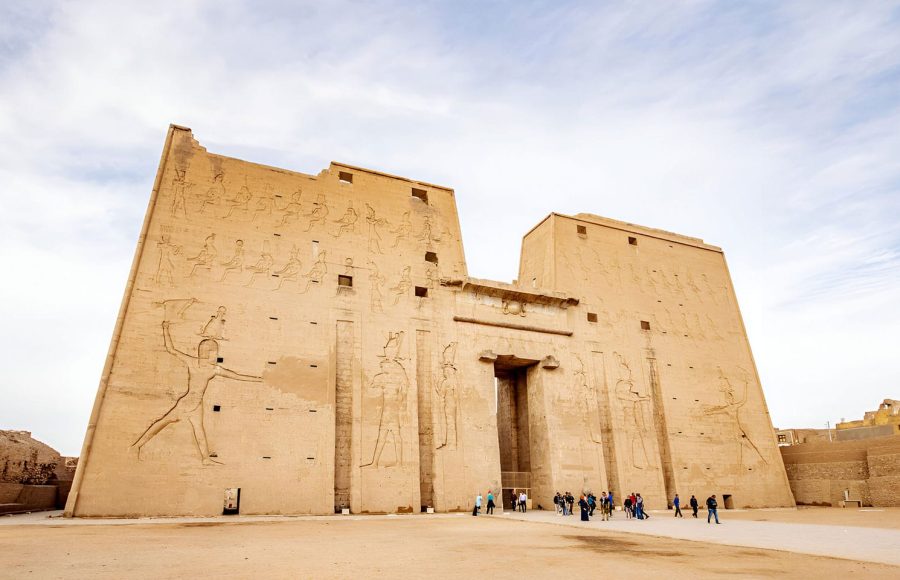
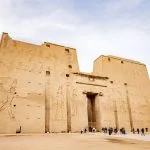
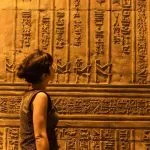
You walk through the pylon gateway into the best-preserved ancient Egyptian temple in existence — the outer walls still reach their original height of 36 metres because the entire complex was buried in silt and sand until 1860. Your guide points out the reliefs that record the mythological battle between Horus and Seth, carved with a narrative detail that makes the story readable panel by panel.

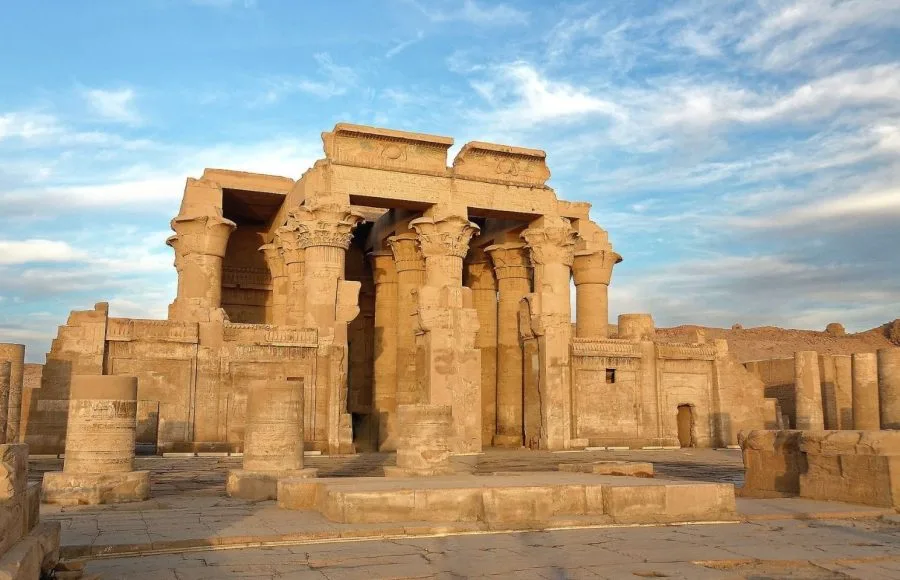
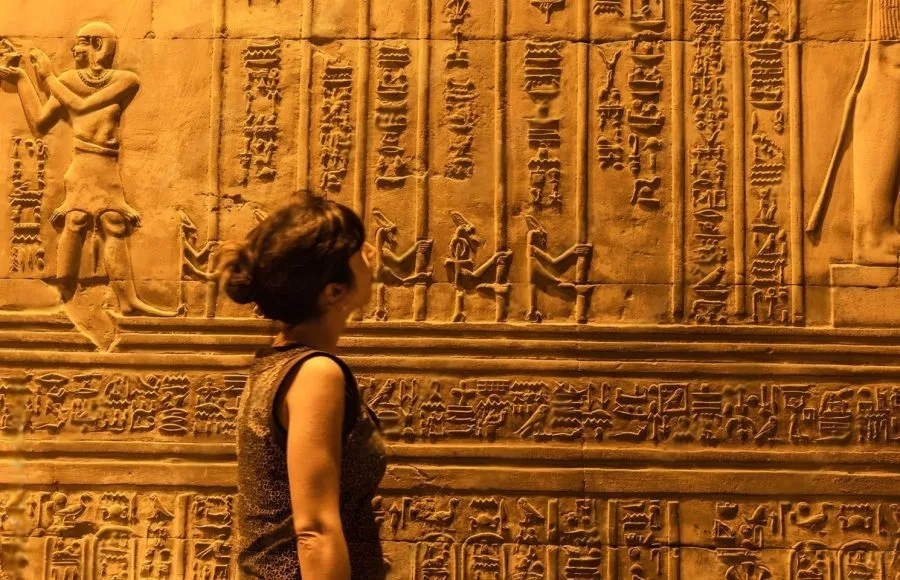
From the entrance you can see immediately that the temple is divided down the central axis into two identical halves, each dedicated to a different god — Sobek the crocodile deity on the right, Haroeris the hawk-headed form of Horus on the left. On the outer walls, a carved relief of 37 surgical instruments — scalpels, forceps and bone saws — represents what some scholars consider Egypt’s earliest known medical catalogue.

You stand on top of the dam and look south across Lake Nasser, the 550-kilometre reservoir that forms behind it — the third-largest artificial lake by volume in the world. Completed in 1970 after 11 years of construction, the dam ended the annual Nile flood cycle that had governed Egyptian agriculture for 5,000 years and permanently altered the river’s ecology downstream.

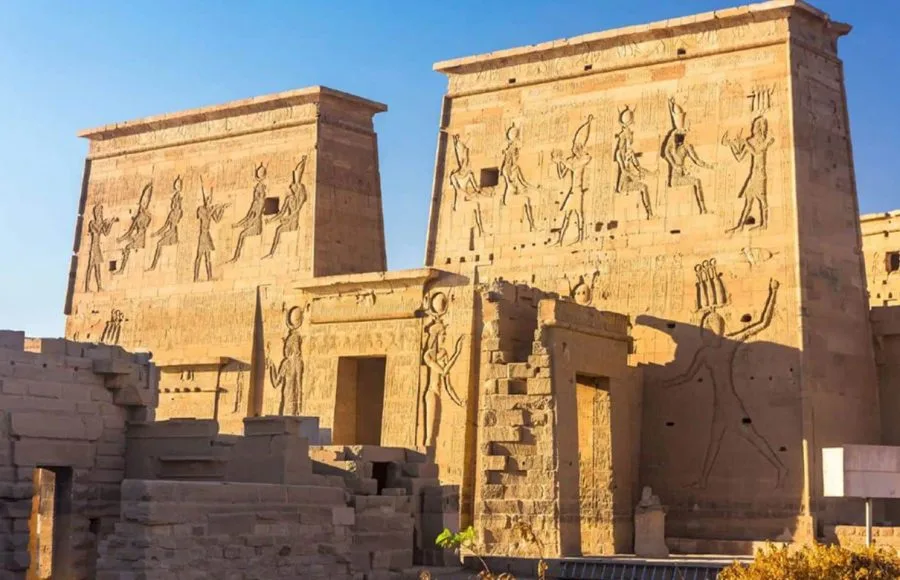
Your motorboat transfers you to Agilkia Island, where Philae Temple was relocated stone by stone between 1972 and 1980 after the original island was submerged by Lake Nasser. The temple is dedicated to Isis and its kiosk of Trajan — a freestanding Roman-era pavilion at the water’s edge — is one of the most-photographed structures in Aswan.

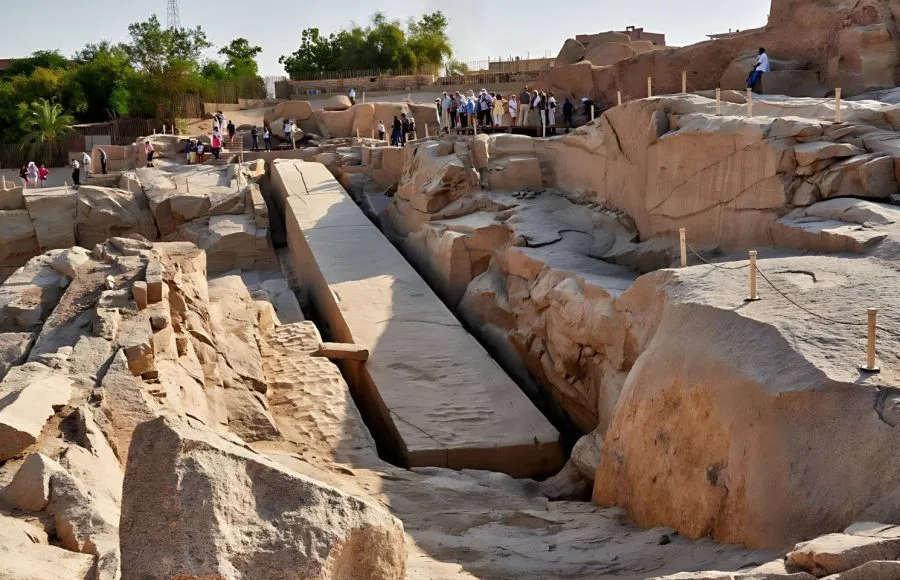
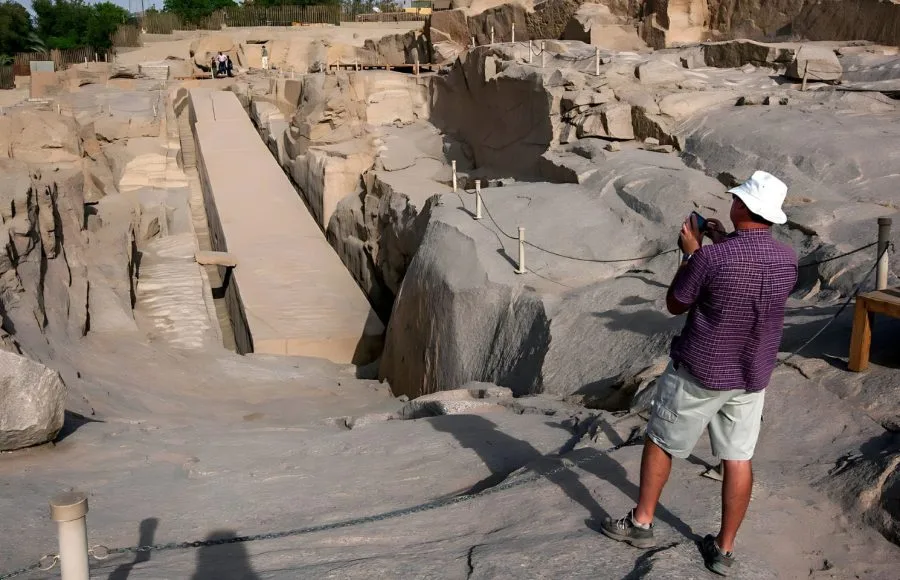
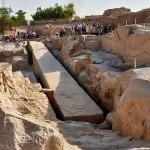
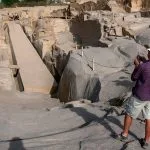
You crouch at the edge of the ancient granite quarry and look down at an obelisk that was carved 3,500 years ago and never finished — a crack appeared in the bedrock and the entire project was abandoned mid-extraction. At 42 metres and an estimated 1,200 tonnes, it would have been the largest obelisk in ancient Egypt.
Breakfast and Lunch
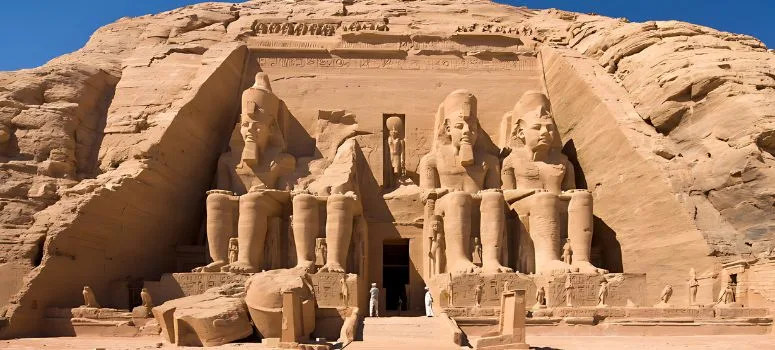
An early start from Aswan is required — the drive to Abu Simbel takes approximately three hours each way through the Nubian Desert landscape above Lake Nasser. Your guide accompanies you for the full day before the return transfer to Aswan Airport or train station.

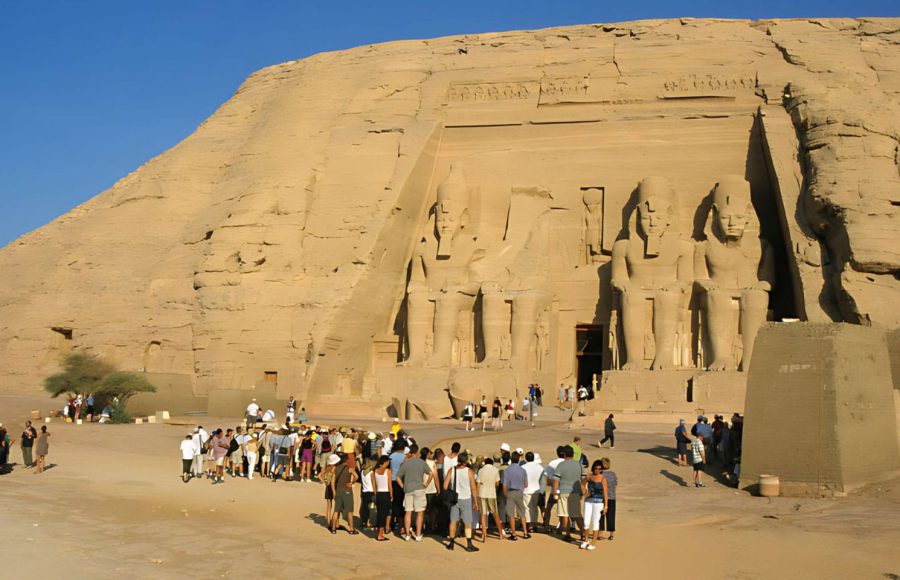
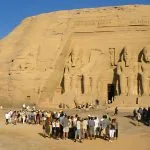
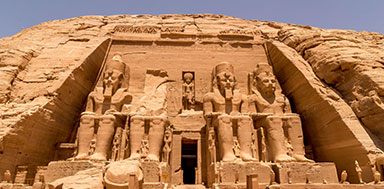
You arrive at the base of the sandstone cliff, and the four seated colossi of Ramesses II at the entrance to the Great Temple are immediately in front of you at 20 metres each, carved from the living rock in the 13th century BC, not assembled from separate pieces. If this itinerary matches your travel style, you may also enjoy exploring our other Egypt short breaks, each designed to make the most of a limited travel schedule.
Breakfast and Lunch
* You can let us know if you'd like to customize your tour itinerary to meet your needs. We value your input and aim to accommodate your requirements.
The tour includes domestic transfers by private vehicle across all five destinations, two nights in 5-star hotels (one in Luxor, one in Aswan), daily breakfast and lunch, a private Egyptologist guide throughout, entrance fees to all 11 sites from the Valley of the Kings to Abu Simbel, and the motorboat transfer to Philae Temple.
This is the only 3-day overland itinerary in the Tripidays portfolio that visits all five major Upper Egypt temple sites in sequence: Luxor, Edfu, Kom Ombo, Aswan and Abu Simbel. Every other comparable tour visits two or three of these destinations; none includes Edfu and Kom Ombo alongside the full Aswan and Abu Simbel programme. For a private, more intimate version of the same corridor, prefer a private intimate journey? See our Luxor Aswan felucca tour.
Edfu’s Temple of Horus is the best-preserved ancient Egyptian temple in existence, still standing to its original height of 36 metres while Kom Ombo is the only dual-deity temple in Egypt, split symmetrically between Sobek and Haroeris. Neither site appears on standard 3-day Luxor or Aswan itineraries, which is what makes the full circuit genuinely different.
The entire circuit travels by private air-conditioned vehicle: south from Luxor to Edfu, then Kom Ombo, then Aswan on Day 2; south again from Aswan to Abu Simbel and back on Day 3. There are no shared coaches, no domestic flights, and no group departures; the vehicle and driver are dedicated to your group throughout.
No domestic flights are included or required. This is a fully overland circuit — all travel between Luxor, Edfu, Kom Ombo, Aswan and Abu Simbel is by private vehicle. Travellers join the tour at Luxor Airport and depart from Aswan Airport or Aswan train station.

Prices shown include your hotel stay by default. Switch off to see tour-only pricing if you're arranging your own accommodation.
Xmas window: 21 Dec – 7 Jan / Easter window: 29 Mar – 11 Apr
Xmas window: 21 Dec – 7 Jan / Easter window: 29 Mar – 11 Apr
Xmas window: 21 Dec – 7 Jan / Easter window: 29 Mar – 11 Apr
Xmas window: 21 Dec – 7 Jan / Easter window: 29 Mar – 11 Apr




3 Days / 2 Nights
Luxor Airport or Your Hotel
Luxor / Dendera / Abydos
3 Days / 2 Nights
Cairo Airport or Your Hotel
Siwa Oasis / Marsa Matrouh / White Desert / Bahariya Oasis
4 Days / 3 Nights
Cairo Airport or Your Hotel
Cairo / Giza
4 Days / 3 Nights
Cairo Airport or Your Hotel
Giza / Aswan / Kom Ombo / Edfu / Luxor
All things you should know before visiting Egypt & Beyond


Tripidays Egypt Tours has been offering an exceptional range of Egypt tours, vacation packages, Nile cruises, day trips, and shore excursions tailored to meet the diverse interests of travelers worldwide for over 45 years.