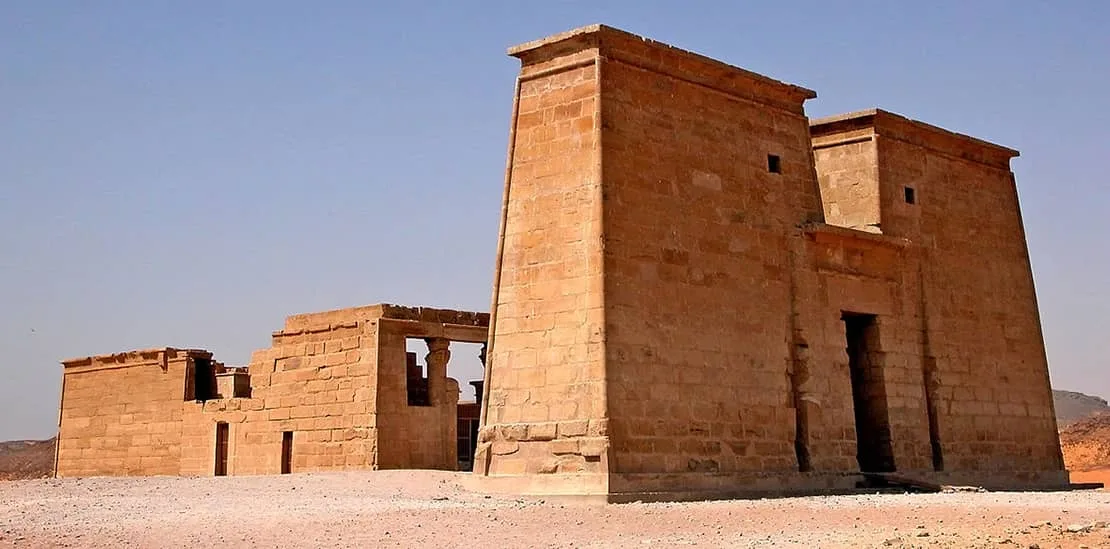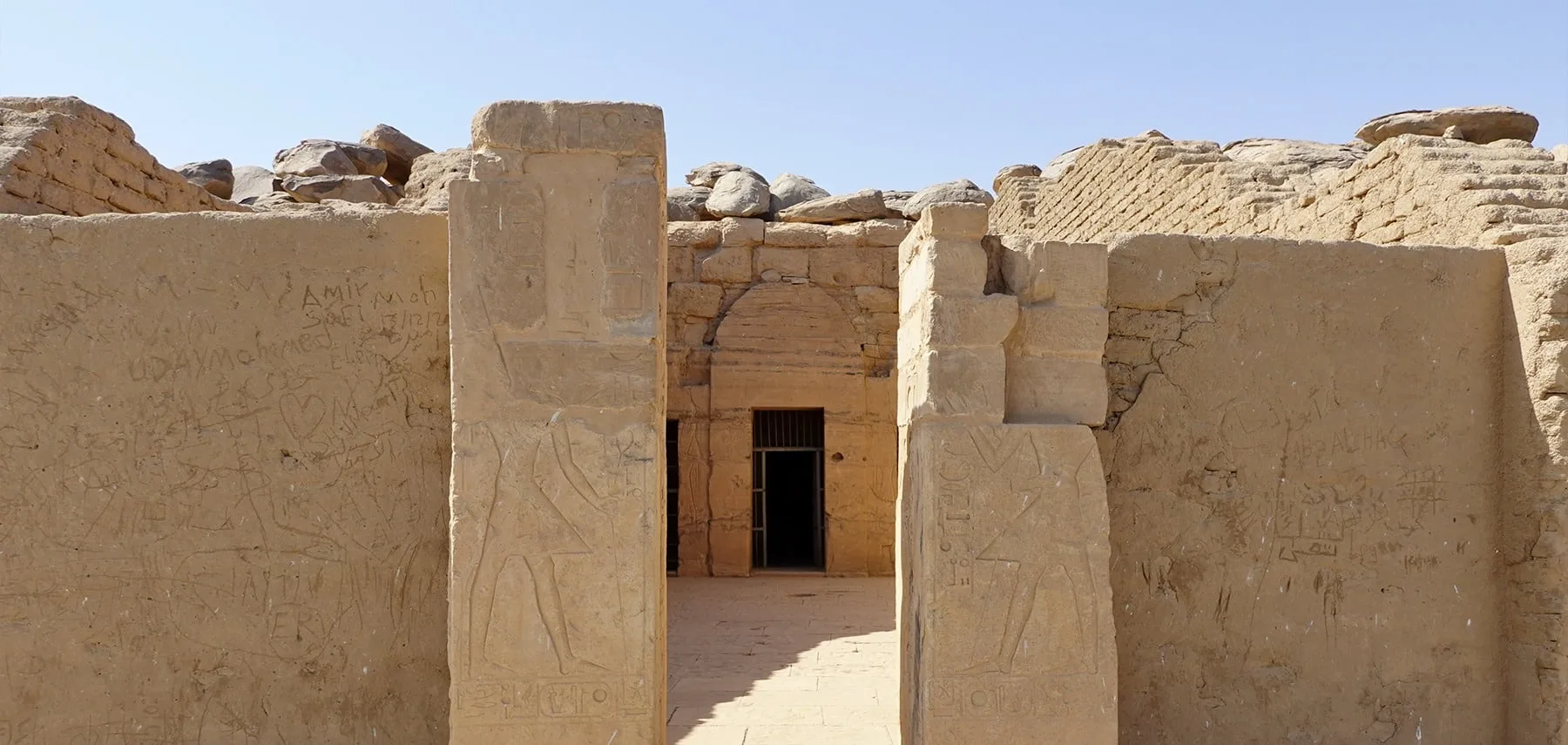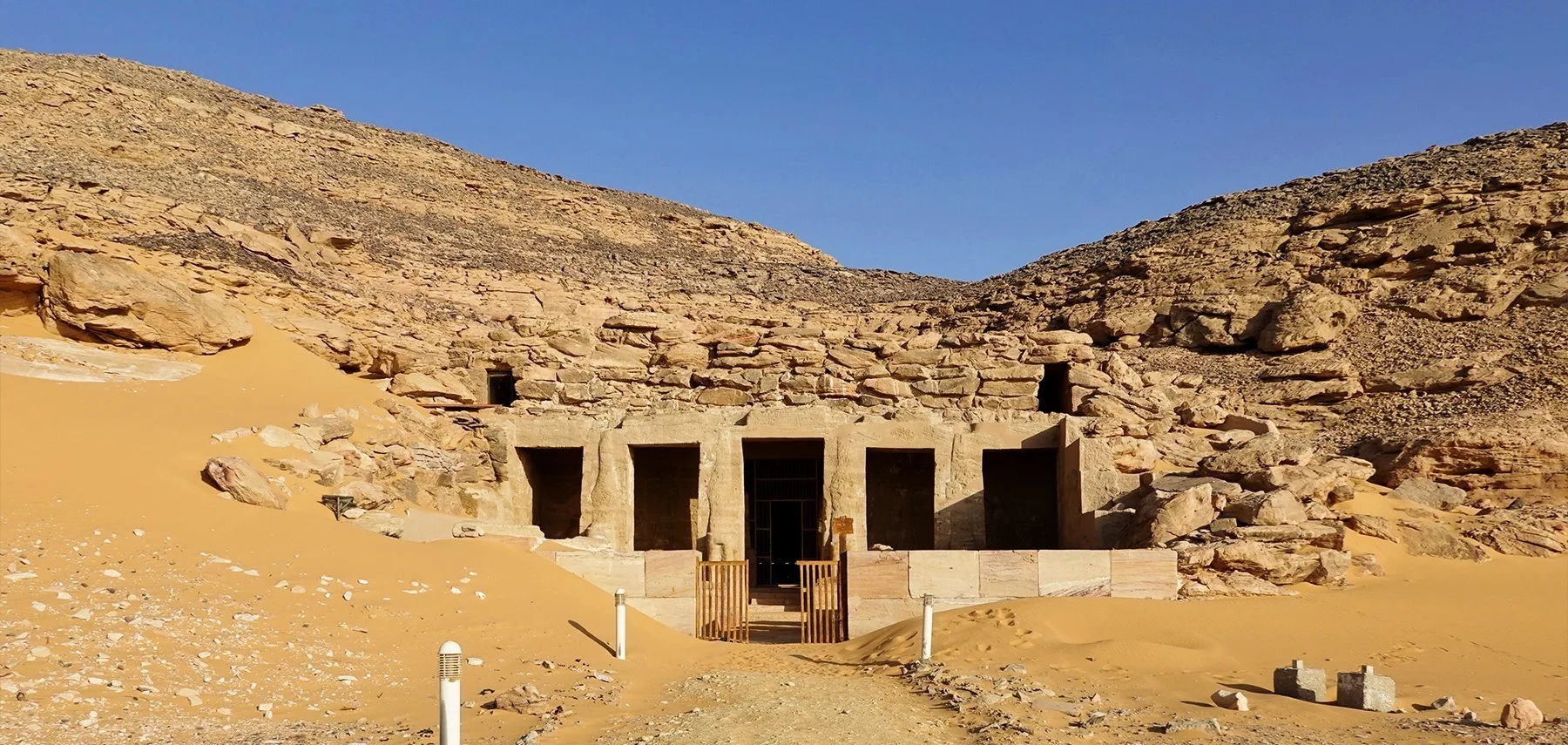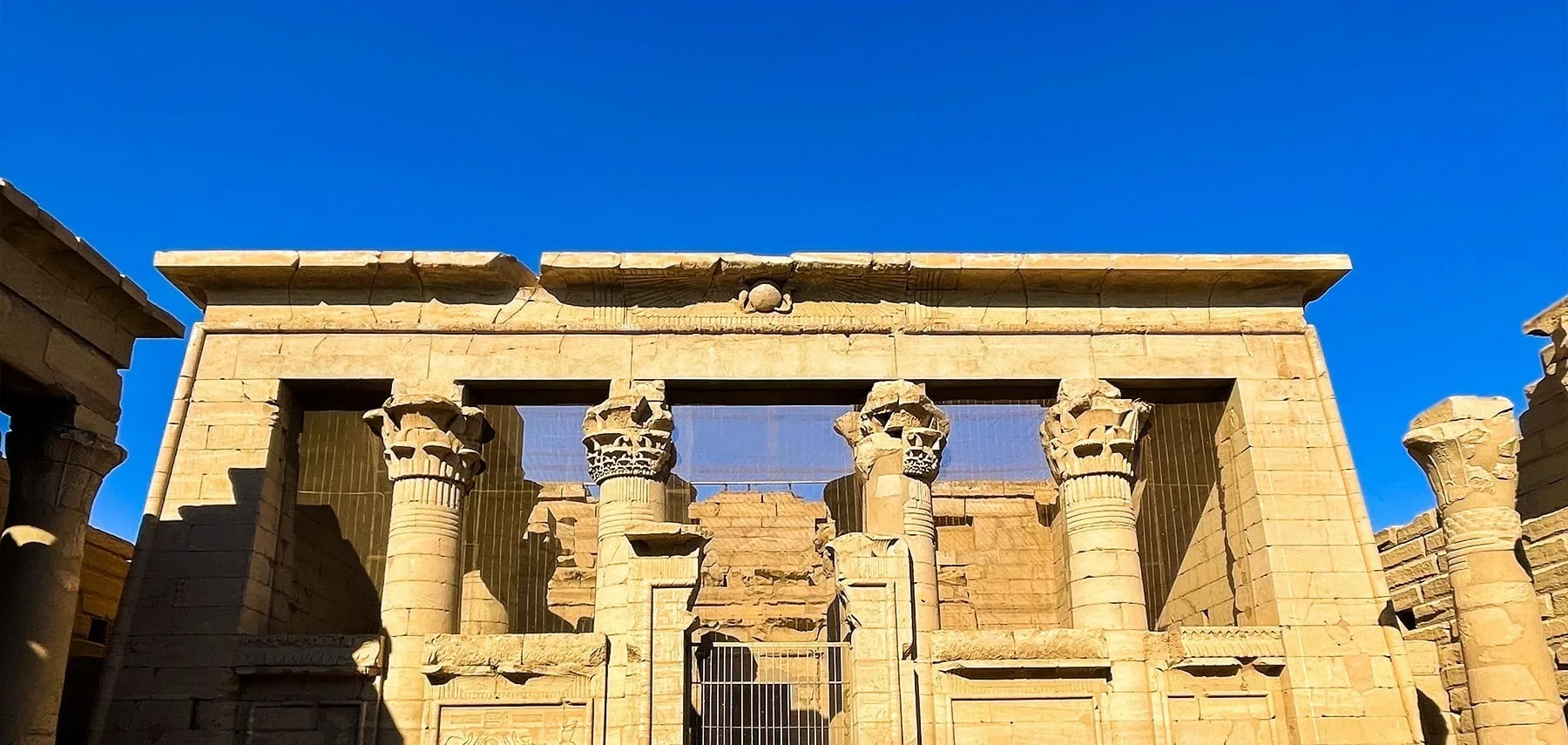
The Abu Simbel Temple relocation is one of the most extraordinary engineering projects in modern history. Originally carved into sandstone cliffs in ancient Nubia, the temples were threatened by flooding from the Aswan High Dam. Rather than let these treasures disappear beneath the rising waters of the Nile, the world united to carry out a bold mission to relocate Abu Simbel Temple and preserve its legacy.
Led by UNESCO’s World Heritage Centre, this relocation project saved both the Great Temple at Abu Simbel and the Smaller Temple of Hathor and Nefertari. These ancient wonders now sit safely on higher ground, continuing to shine as powerful symbols of Egypt’s history and global cooperation.
Where Is the Abu Simbel Temple Located Now?
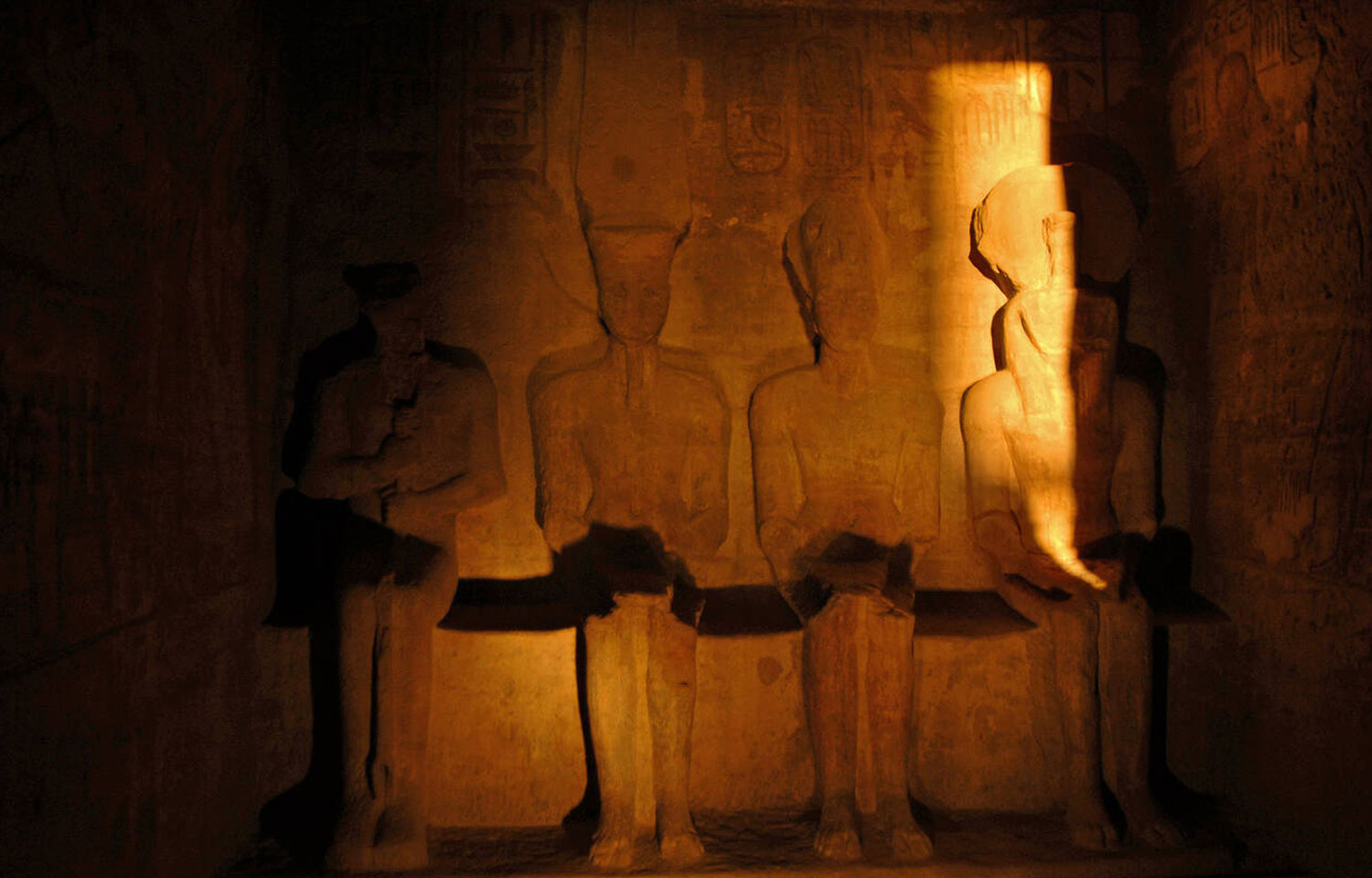
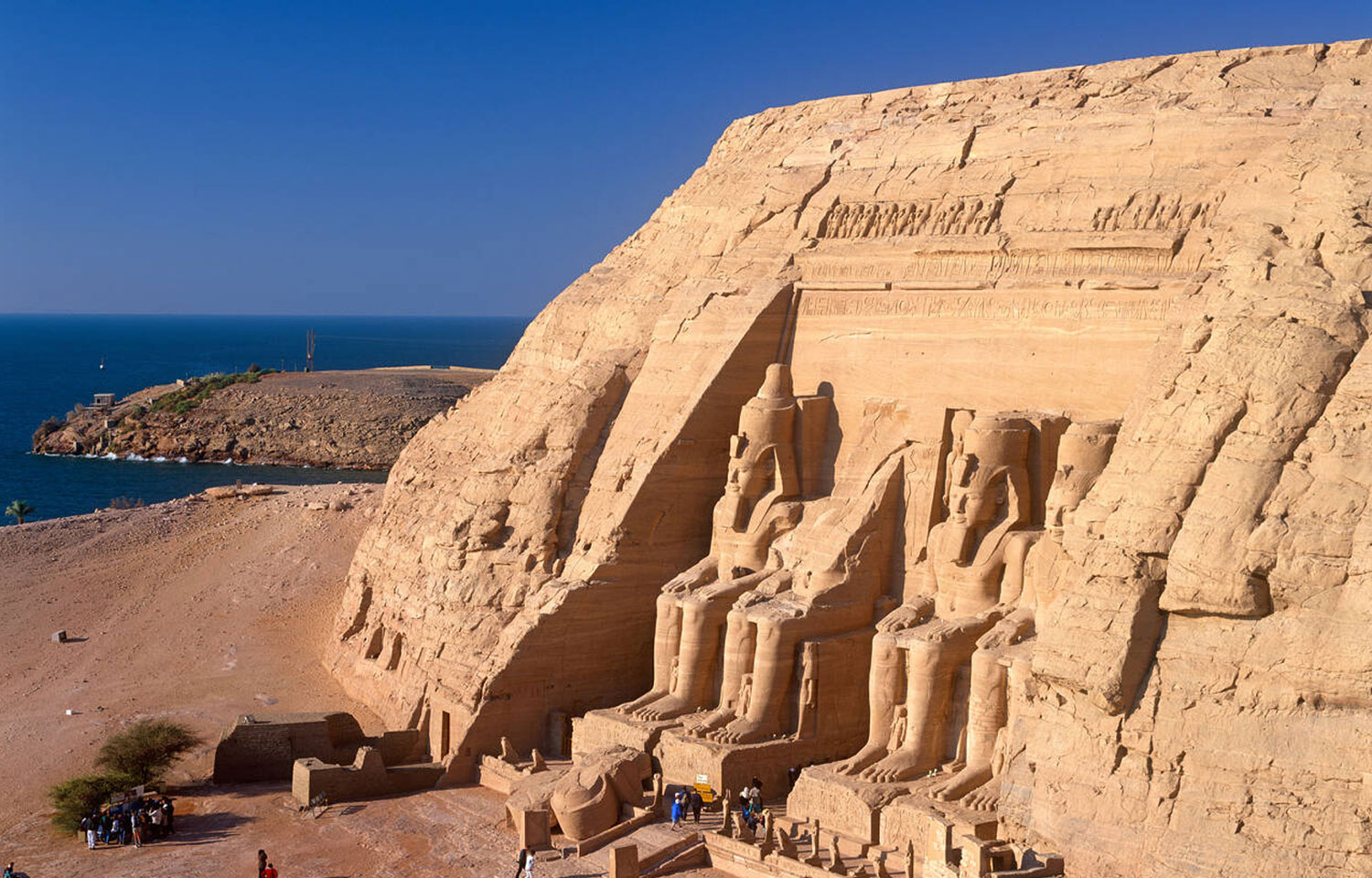
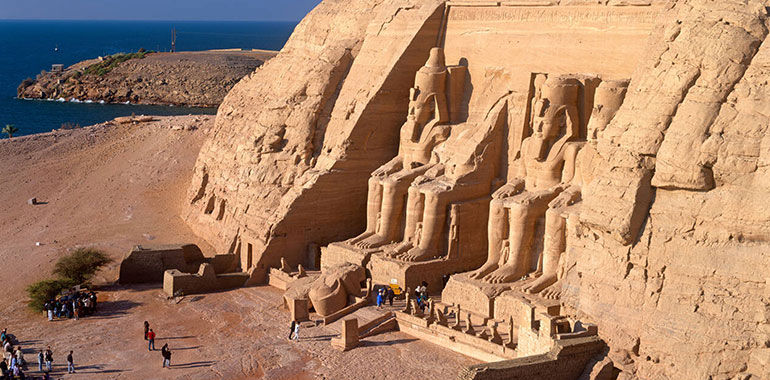
Today, the Temple of Abu Simbel is located along the western bank of Lake Nasser, about 280 kilometers southwest of Aswan, near the modern village of Abu Simbel. If you’re using a map, search for the “Abu Simbel Temple location map” to plan your visit. This current spot was chosen to carefully preserve the temple’s solar alignment, a stunning event where the rays of the sun would illuminate the inner sanctuary each year.
The site now rests inland and 65 meters higher than the original site, positioned on an artificial hill designed to mimic the natural cliffside it once occupied. For travelers who want to explore the region further, a 4 Days Lake Nasser Cruise from Abu Simbel to Aswan offers a scenic and cultural journey along the Nile River, passing by more Nubian monuments.
Abu Simbel Temple Original Location
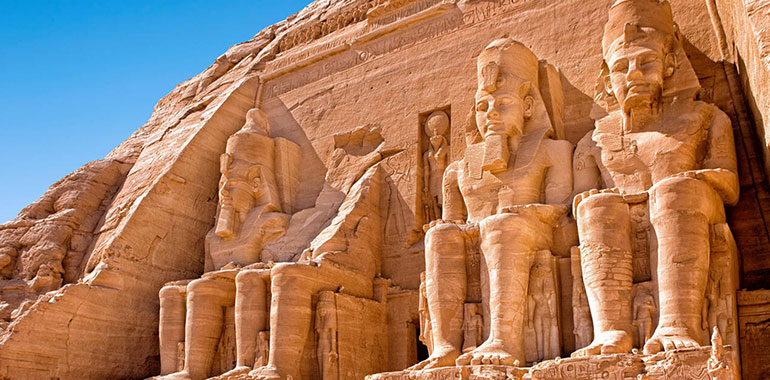
So, where was the Abu Simbel Temple originally located? The temples were originally cut directly into the cliffs of ancient Nubia, beside the Nile, in a place that would later become part of the reservoir created by the Aswan Dam.
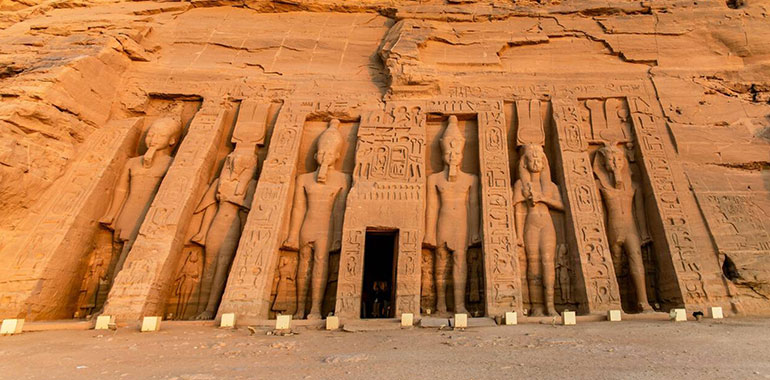
The twin temples, carved during the reign of Pharaoh Ramesses II, were part of a massive building program throughout Egypt and Nubia. The temple of Ramesses II, often referred to as the Great Temple, was meant to glorify the pharaoh and assert his dominance over the region. Alongside it stood the Temple of Hathor and Nefertari, dedicated to the queen. These magnificent rock cut temples near the modern village of Abu Simbel became sacred places of worship, awe, and power.
To explore the full story behind their ancient purpose, visit our History of Abu Simbel Temple for more insight into their original creation.
Why Was Abu Simbel Relocated?
The rising waters of the Nile posed an immediate threat after the construction of the Aswan High Dam. The reservoir, now known as Lake Nasser, was set to flood the temples. Without intervention, these treasures would have been lost forever.
This urgent crisis led UNESCO to launch an international campaign to save the monuments of Nubia. The goal? Move the temples, preserve their cultural value, and maintain the Great Temple’s alignment with the rising sun. The successful outcome earned the site a spot on the UNESCO World Heritage List, as part of the World Heritage Convention’s mission to protect humanity’s shared heritage.
The Relocation of Abu Simbel: How the Temples Were Moved Block by Block
The actual relocation of Abu Simbel Temple began in 1964 and was completed by 1968, taking nearly four years to finish. It was an enormous and complex project involving the dismantling of the temples into over 1,000 blocks, each weighing up to 30 tons.
The temples were then moved inland and reassembled block by block, preserving every detail from the colossal statues of Ramesses II at Abu Simbel to the frieze of the main temple. The new site maintained the original axis and height, ensuring the sunlight phenomenon continued as before. The temples were moved approximately 200 meters back and 65 meters higher, away from the rising waters of the Nile.
Today, travellers can still stand in awe at the entrance to the Great Temple, witnessing the legacy of a relocation that not only saved a monument but also set a global standard for heritage preservation.
Abu Simbel Temple Complex After Relocation
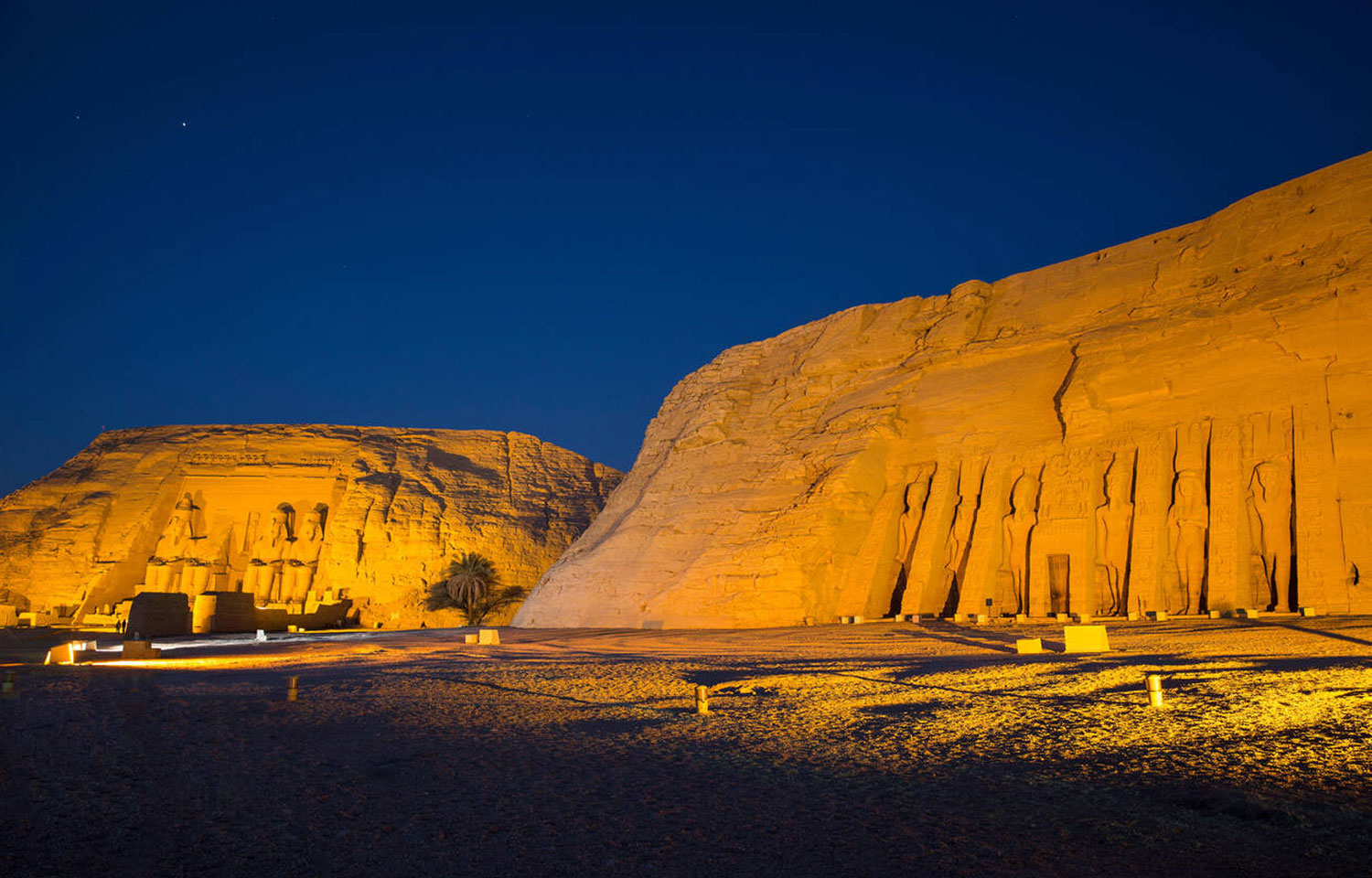
The Abu Simbel complex includes two masterfully reconstructed structures:
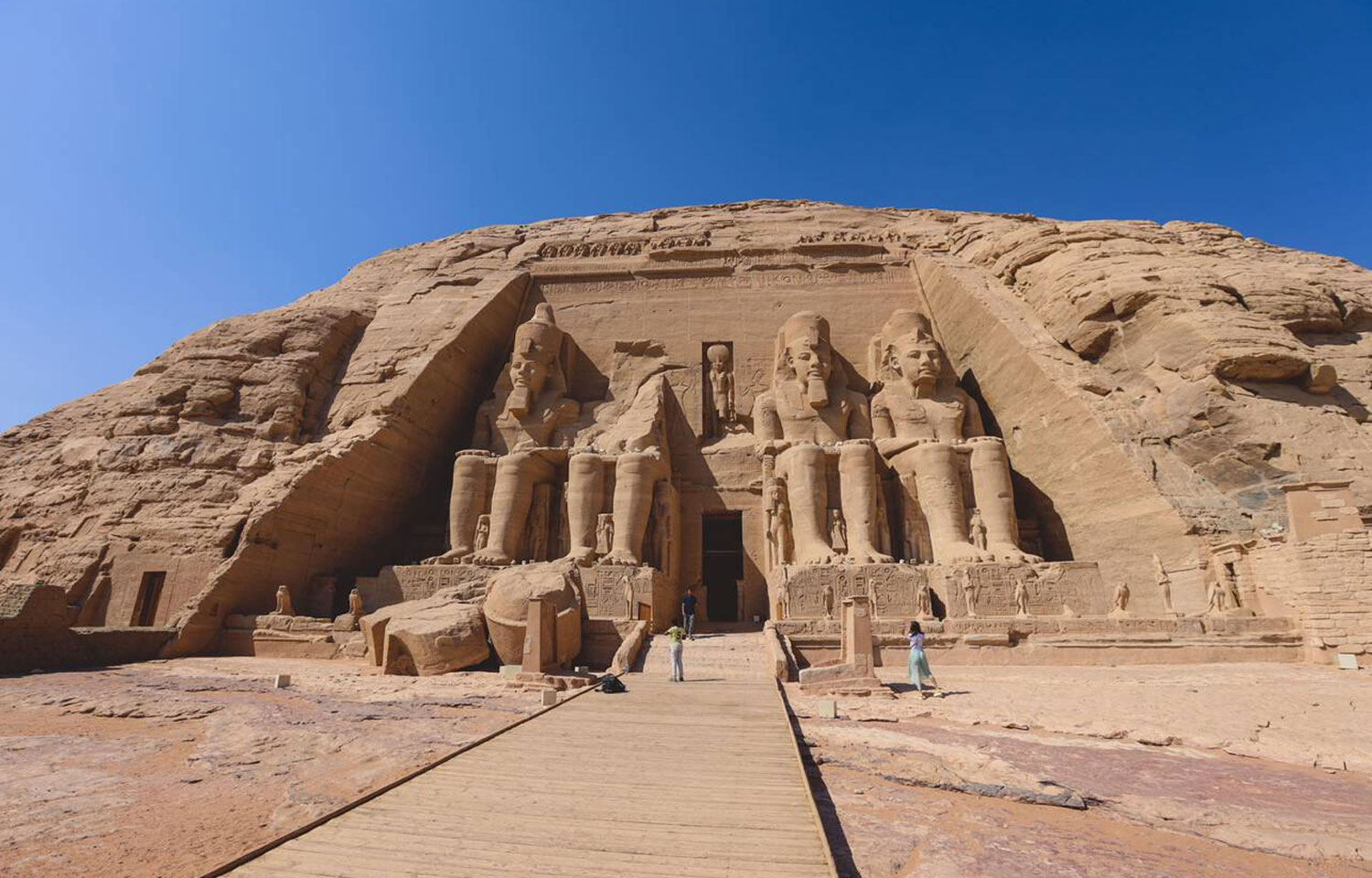
- The Great Temple, dedicated to Ramesses II, has four colossal statues at the entrance.
- The Smaller Temple, or Temple of Hathor and Nefertari, honors the pharaoh’s beloved queen.
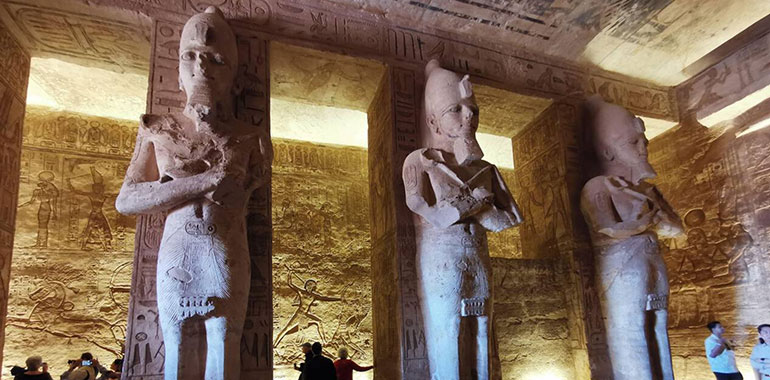
Despite being dismantled and reassembled, the relocated temples feel untouched by time. The artistry, the structure, and the alignment were all preserved. Even the colossal statues and sacred chambers appear exactly as they did in their original home.
Planning your trip around the solar alignment dates? Our full Abu Simbel Temple Sun Festival Guide will help you experience this magical moment to the fullest.
Abu Simbel Temples & UNESCO
In 1979, the Abu Simbel temples became part of the UNESCO World Heritage List, under the category of Nubian Monuments. This honor recognized not just the ancient craftsmanship, but the international campaign to save the monuments, one of the most ambitious conservation efforts ever recorded.
Today, these Egyptian temples stand as icons of both ancient history and modern cooperation. They are also a reminder of the power of UNESCO’s World Heritage mission to protect culture for future generations.
Abu Simbel Temple Location Map & Travel Tips
To plan your visit, search for the Temple of Abu Simbel Location online. It’s accessible by:
- Daily flights from Aswan
- Private car or group tours
- Part of an Upper Egypt and Lake Nasser cruise
If you’re short on time, many travelers prefer a smooth Day Trip to Abu Simbel from Aswan by Vehicle, which includes transportation and expert guides.
Travel Tips:
- Best time: October to April for comfortable temperatures
- Don’t miss: the Sun Festival in February or October
- Essentials: sunblock, hat, camera, and lots of water
- Book through expert Egypt tour operators like Tripidays Egypt Tours to enjoy stress free access, narration, and optional extras.
Final Thoughts on Abu Simbel Temple Complex Relocation
The Abu Simbel Temple relocation was more than a rescue mission; it was a global success story. From its original location in ancient Nubia to its safe place above the waters of Lake Nasser, this achievement represents dedication, heritage, and respect for Egyptian history.
If you love ancient temples, admire UNESCO World Heritage sites, or want to witness the temples of Ramses II firsthand, Abu Simbel is a must visit destination in Egypt.
Curious to know more quirky facts? Check out our Facts About Abu Simbel Temples for quick insights.
Ready to Witness Egypt’s Greatest Relocation Story?
Discover Abu Simbel with experts who know it best. Whether you prefer a full cultural journey or a quick guided visit, Tripidays Egypt Tours brings you closer to Egypt’s timeless wonders.
Plan your adventure now with our 13 Days Egypt Tour Cairo, Upper Egypt & Hurghada, a perfect blend of history, Nile cruises, and Red Sea relaxation.