Chefchaouen, Morocco, is one of the country’s most distinctive mountain destinations, famous for its blue-painted streets, historic Medina, whitewashed buildings, and dramatic setting in the Rif Mountains. The city’s blue walls and narrow lanes have made it one of Morocco’s most recognizable places, but its appeal goes beyond its appearance.
Founded in the fifteenth century, Chefchaouen developed as a mountain settlement and later became an important destination in northern Morocco. Its compact old town, traditional architecture, local crafts, mountain setting, and relaxed atmosphere create a very different experience from the larger cities of Marrakech, Fez, and Casablanca.
For travelers exploring northern Morocco, Chefchaouen can be combined with Fez, Tangier, Tetouan, and other destinations in the Rif region. Its location also makes it an important part of longer Morocco itineraries that connect the country’s historic cities with its northern landscapes.
Chefchaouen sits in the Rif Mountains of northern Morocco, surrounded by steep hills and valleys that give the city much of its character.
The destination is centered around its historic Medina, where narrow pedestrian streets wind between blue-painted buildings, small squares, traditional houses, shops, cafés, and artisan workshops.
Unlike Morocco’s largest cities, Chefchaouen has a relatively intimate scale. Much of the historic center can be explored on foot, allowing travelers to experience its architecture and mountain atmosphere at a slower pace.
The city is often called Morocco’s Blue City, a name that reflects the widespread use of blue shades throughout the Medina. The color has become closely associated with Chefchaouen, although the reasons and traditions surrounding the blue-painted streets are more complex than a single explanation.
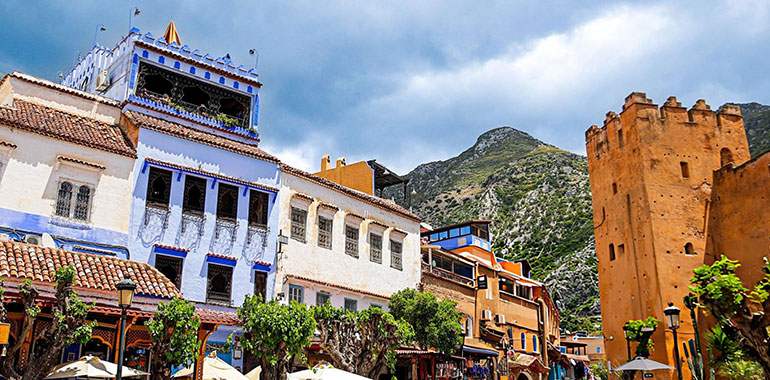
The Chefchaouen Medina is the heart of the destination and the main reason the city has become internationally known.
Blue-painted walls, stairways, doors, arches, and narrow lanes create a visual identity unlike that of Morocco’s other historic cities. Some streets are intensely blue, while others combine blue with white, natural stone, wood, and colorful doors.
The Medina is also a living neighborhood rather than simply a historic attraction. Residents continue to use its streets, small shops sell local products, and cafés and traditional houses remain part of everyday life.
Walking through the old town is therefore less about following a fixed sightseeing route and more about discovering how the city’s architecture, commerce, and mountain environment come together.
The blue color of Chefchaouen is one of the city’s most discussed characteristics, but there is no single explanation that completely defines the tradition.
Different accounts connect the bluewashing tradition with Jewish communities who settled in the area, local customs, spiritual symbolism, practical reasons such as cooling or discouraging insects, and later efforts to maintain the city’s distinctive appearance.
Rather than presenting one explanation as definitive, it is more useful to understand the blue color as part of the city’s evolving cultural identity.
Today, the painted architecture is an integral part of Chefchaouen’s visual character and contributes strongly to the atmosphere of its historic center.
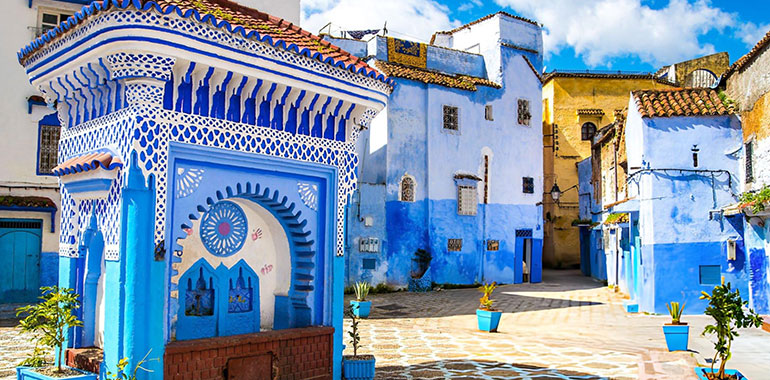
Plaza Uta el-Hammam is the central gathering place of the Medina and one of the easiest points from which to understand Chefchaouen.
The square is surrounded by cafés, restaurants, shops, and historic buildings, making it a natural place to pause after exploring the surrounding streets.
The Kasbah stands beside the square and adds another important historical element to the center of the city. The combination of the square, Kasbah, mosque, surrounding Medina, and mountain backdrop creates one of the most recognizable scenes in Chefchaouen.
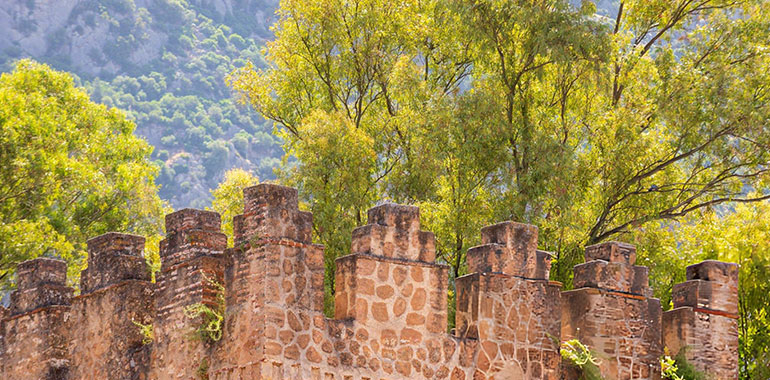
The Kasbah of Chefchaouen is located beside Plaza Uta el-Hammam and represents the city’s historic defensive and administrative heritage.
The complex includes traditional architecture, gardens, and a museum presenting aspects of local history and culture. Its position within the Medina makes it an important part of understanding how Chefchaouen developed as a fortified mountain settlement.
The Kasbah also provides a useful contrast to the intensely blue streets surrounding it, showing another side of the city’s architectural heritage.
Chefchaouen’s architecture reflects its mountain setting and long history.
Whitewashed and blue-painted buildings follow the slopes and irregular streets of the old town. Stone walls, tiled roofs, wooden doors, arches, stairways, and small courtyards contribute to the city’s distinctive appearance.
The architecture is generally more intimate than the monumental urban spaces found in Marrakech or Casablanca. Buildings often seem to emerge directly from the mountain landscape, while narrow lanes create shade and connect different levels of the Medina.
This relationship between architecture and terrain is one of Chefchaouen’s defining characteristics.
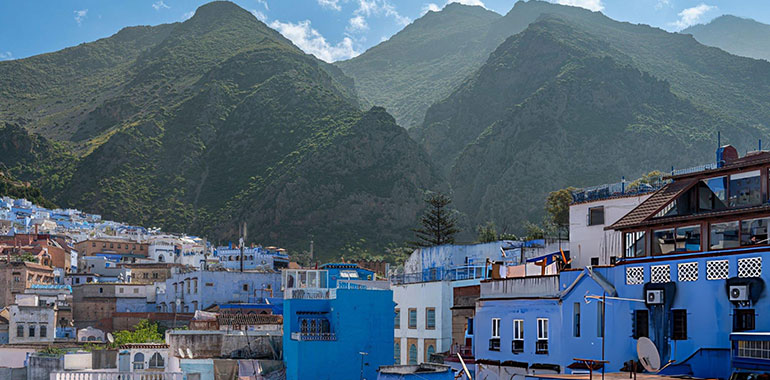
The Rif Mountains are essential to understanding Chefchaouen. The city is surrounded by rugged landscapes, forested slopes, valleys, and hiking routes that provide a strong contrast to Morocco’s flatter Atlantic plains and desert regions.
The mountains also influenced the city’s historical development. Chefchaouen was established in a relatively protected mountain environment, and its position helped shape its distinctive cultural character.
For visitors who enjoy walking and nature, the surrounding Rif provides opportunities to explore landscapes beyond the Medina. The city can therefore serve as both a cultural destination and a base for discovering northern Morocco’s mountain environment.
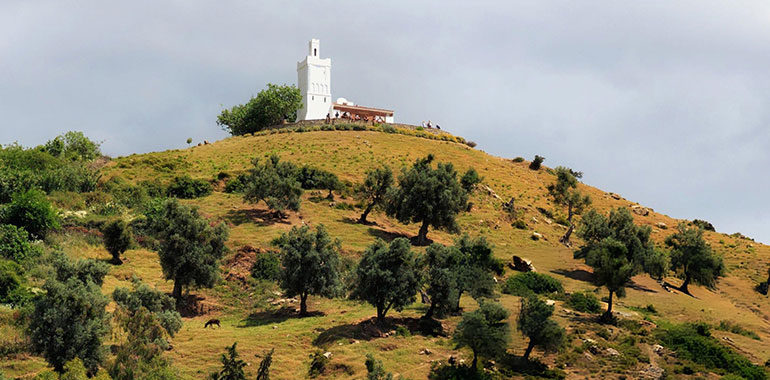
The Spanish Mosque, located on a hill above Chefchaouen, is associated with some of the city’s most recognizable viewpoints.
The walk toward the mosque provides changing perspectives over the Medina and surrounding mountains. From higher ground, the concentration of blue buildings becomes easier to appreciate as part of the larger mountain landscape.
Sunset is particularly popular for views over the city, although the appeal of the viewpoint is not limited to one time of day.
The location demonstrates how closely Chefchaouen’s urban identity is connected to its surrounding landscape.
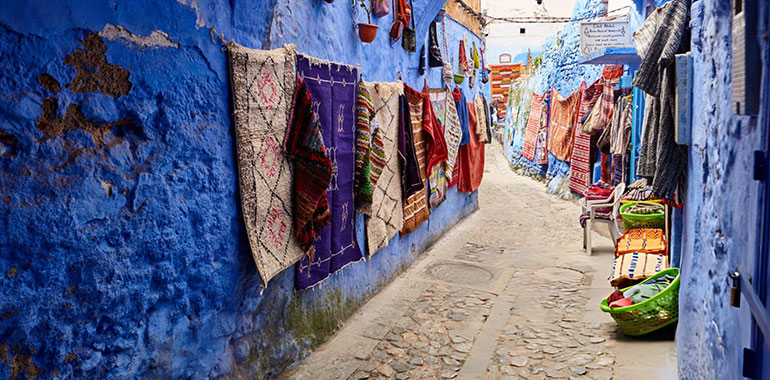
Craftsmanship remains an important part of life in Chefchaouen.
Small shops and workshops within the Medina sell locally produced textiles, woven goods, clothing, pottery, baskets, leather products, and other Moroccan handicrafts.
The city has also developed a reputation for colorful wool garments and traditional textiles associated with the mountain region.
Exploring the craft shops provides a different perspective on Chefchaouen beyond its famous blue walls. The city’s visual identity may attract visitors, but its local products and mountain traditions help give the destination greater cultural depth.
Chefchaouen can work as a short stop or as part of a longer northern Morocco journey.
Travelers with limited time may focus on the Medina, Plaza Uta el-Hammam, Kasbah, local craft shops, and mountain viewpoints. Longer itineraries can connect the city with Fez, Tangier, Tetouan, or other northern destinations.
It can also form part of a wider Morocco route that eventually continues south toward Marrakech and the Sahara.
The best role for Chefchaouen depends on the overall journey, but its distinctive character makes it particularly valuable when an itinerary includes several different regions of Morocco.
Travelers who want to compare the country’s cities, mountain destinations, coastal towns, and desert regions can explore Morocco’s top destinations to understand how Chefchaouen fits within the wider country.
Tripidays includes Chefchaouen in selected Morocco and Egypt–Morocco itineraries, allowing travelers to experience the Blue City as part of a broader journey.
Depending on the route, Chefchaouen can be combined with Fez and other northern destinations before continuing toward Marrakech or the Sahara. This allows the city to serve as a contrasting mountain experience within a larger Moroccan itinerary.
For travelers combining Morocco with Egypt, Egypt and Morocco vacations can connect the distinctive atmosphere of northern Morocco with destinations such as Cairo, Giza, Luxor, and the Nile Valley.
Tripidays can therefore place Chefchaouen within a wider route where its mountain setting and cultural character complement the historic and desert destinations visited elsewhere.
Chefchaouen occupies a distinctive place within Morocco because its identity is so closely connected to its landscape.
The blue Medina is immediately recognizable, but the city’s importance goes beyond its appearance. Its history as a mountain settlement, Rif cultural heritage, traditional architecture, local crafts, and relationship with northern Morocco all contribute to its character.
It also provides a valuable contrast with the country’s larger cities. Marrakech is defined by its imperial heritage and ochre architecture, Fez by its ancient Medina and intellectual traditions, Casablanca by its Atlantic metropolitan character, while Chefchaouen offers a smaller mountain setting with a highly distinctive visual identity.
That contrast is precisely what makes the city valuable within a multi-destination Morocco journey.
Explore Morocco’s Top Destinations
Chefchaouen is one part of a much wider Moroccan destination network. From the historic Medinas of Fez and Marrakech to Atlantic cities such as Casablanca and Essaouira and the desert landscapes around Merzouga, each region contributes something different to the country.
Our Morocco destination collection brings these places together, helping travelers discover the cities, landscapes, and regions that can be combined into a broader Morocco journey.
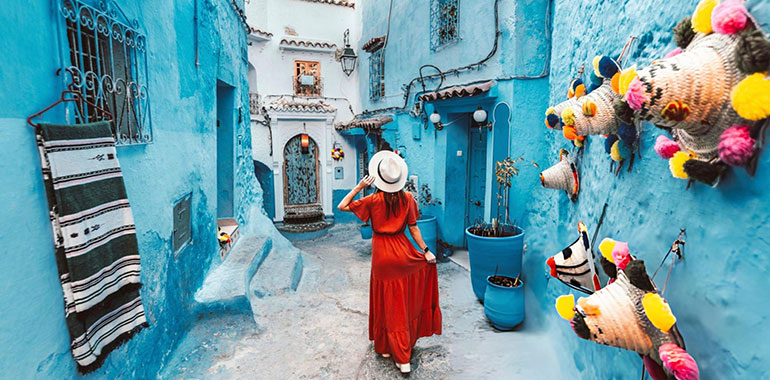
Chefchaouen offers one of the most distinctive destination experiences in Morocco. Its blue-painted Medina, mountain setting, historic Kasbah, traditional crafts, and relaxed atmosphere create a destination that feels very different from the country’s larger imperial and coastal cities.
The city is particularly rewarding when combined with other destinations. A journey through Fez and Chefchaouen reveals two very different expressions of northern Morocco, while continuing toward Marrakech or the Sahara introduces yet another side of the country.
Whether visited as a short mountain escape or as part of a longer Morocco or Egypt–Morocco itinerary, Chefchaouen adds a distinctive northern perspective to the journey.


Tripidays Egypt Tours has been offering an exceptional range of Egypt tours, vacation packages, Nile cruises, day trips, and shore excursions tailored to meet the diverse interests of travelers worldwide for over 45 years.