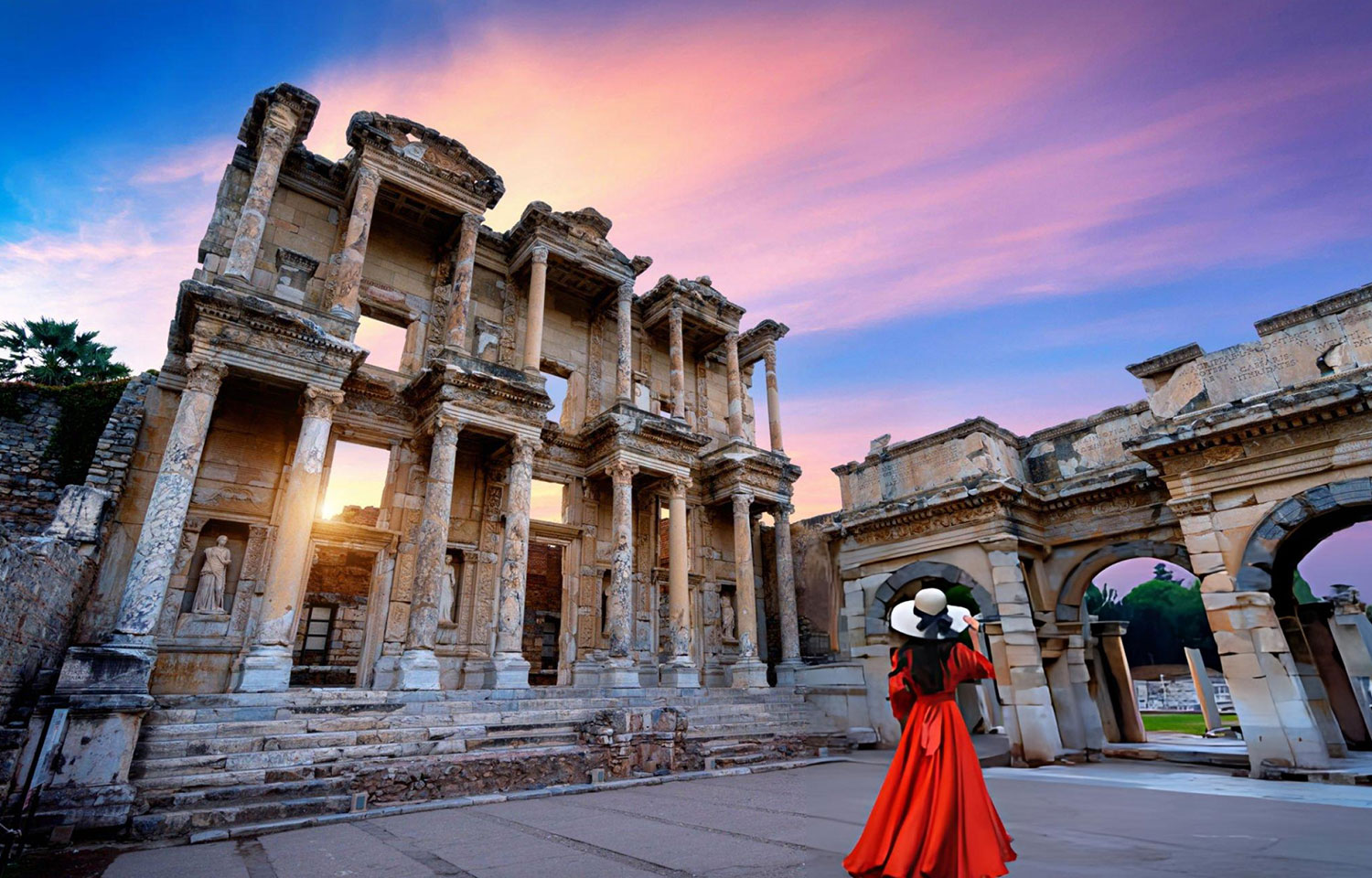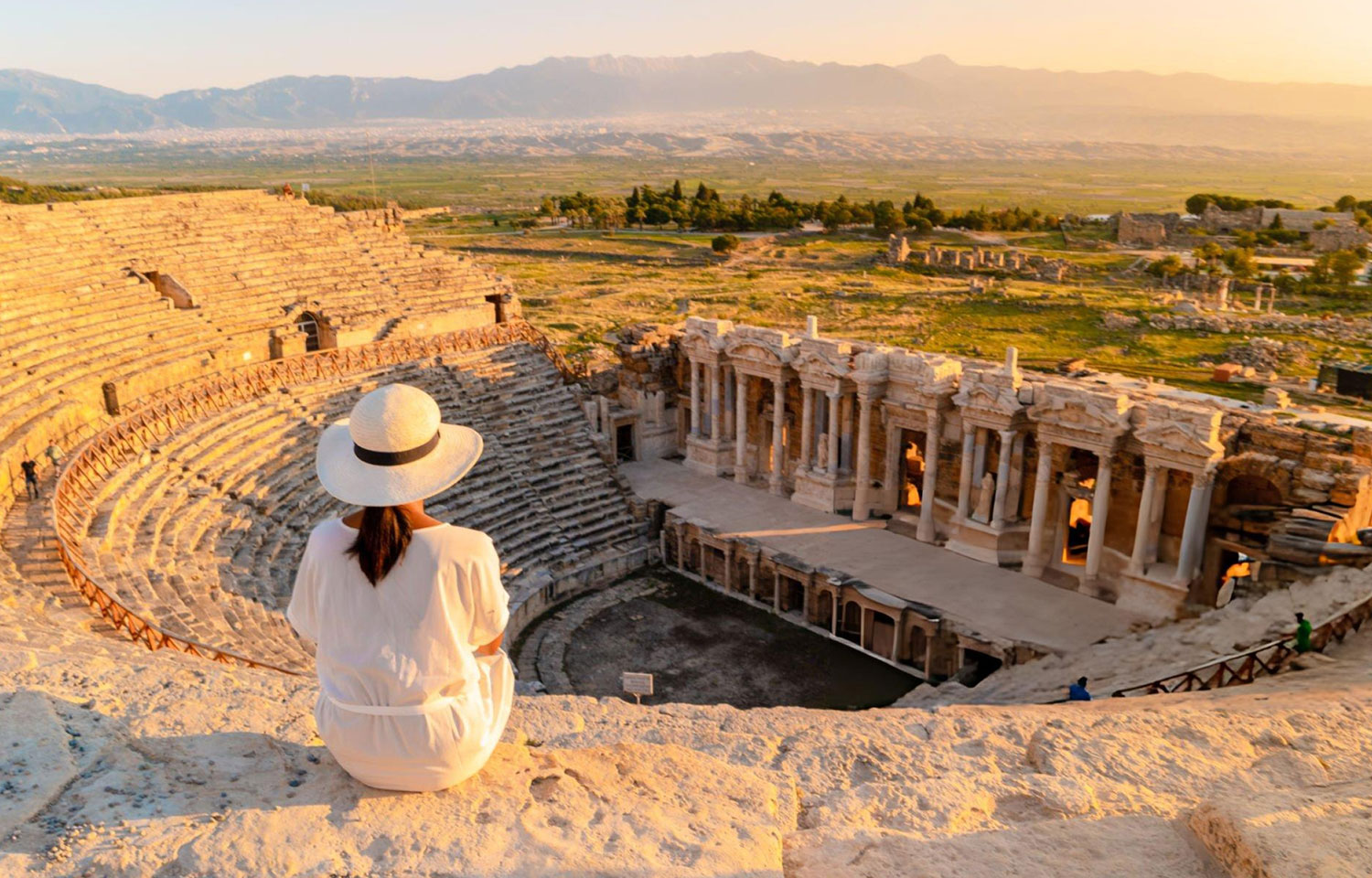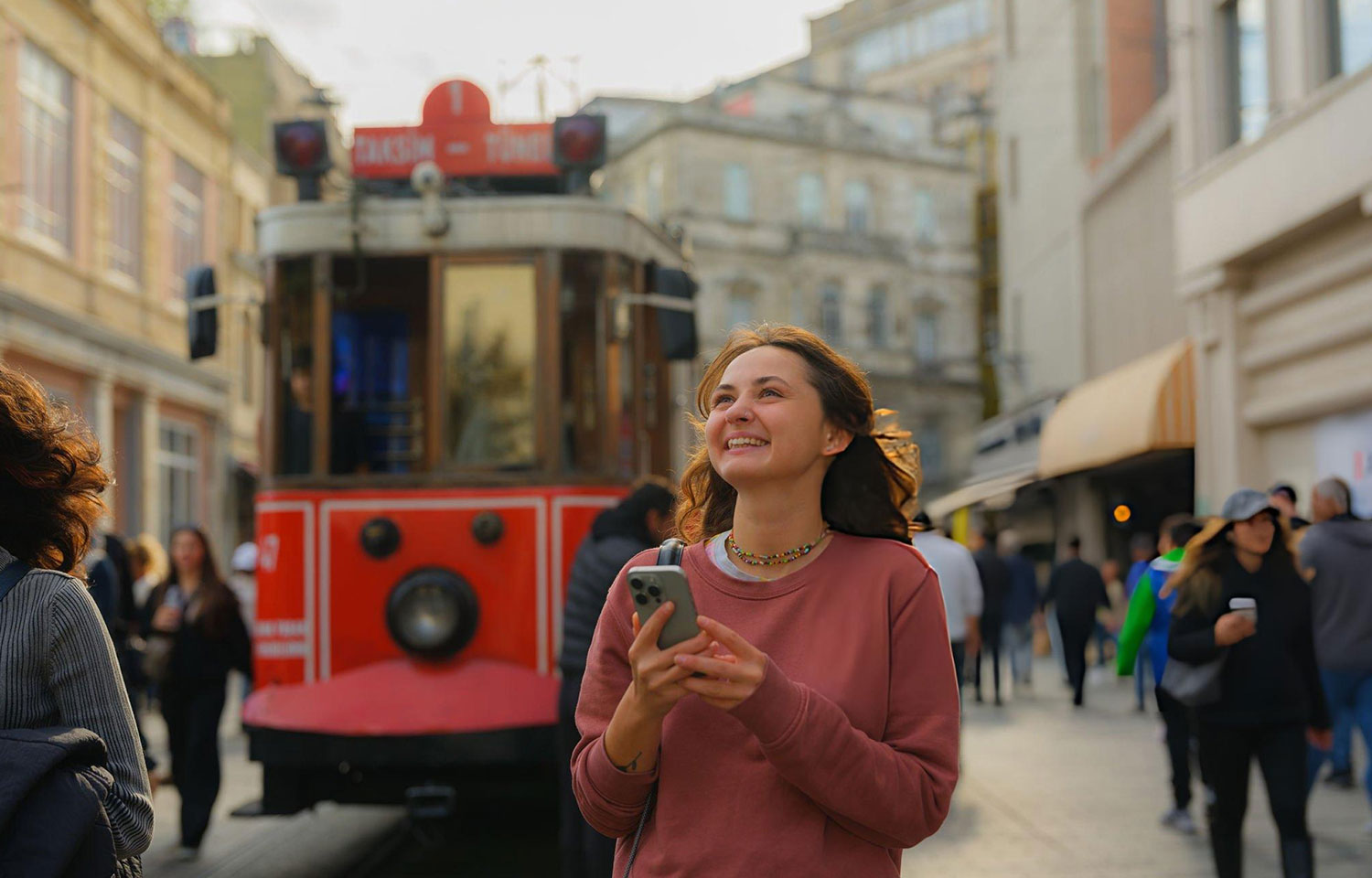
Turkey is generally a popular destination for international travelers, but many visitors ask, “Is Turkey safe to visit?” This guide explains Turkey travel safety, including the current considerations for tourists visiting popular destinations such as Istanbul, Cappadocia, Antalya, and Ephesus.
Safety conditions can vary by region and travel situation. This guide covers the main concerns travelers should know about, including crowded tourist areas, transportation, demonstrations, scams, terrorism risks, border regions, and practical precautions for solo travelers and families.
For travelers planning a Turkey holiday with Tripidays Egypt Tours, the best approach is to stay informed rather than worried: check current official travel advisories, understand regional conditions, follow local guidance, and use practical safety habits throughout your trip. Before traveling, check the latest official advice and prepare your trip carefully. For broader trip planning information, see our How to Plan a Trip to Turkey guide.
Is Turkey Safe for Tourists?
Yes, Turkey is visited safely by many tourists, but travelers should check current official travel advice and take sensible precautions. Safety conditions vary by region, with popular destinations such as Istanbul, Cappadocia, Antalya, and the Aegean coast having established tourism infrastructure, while some border areas face higher risks.
For most visitors, Turkey travel safety is about awareness and preparation. Stay alert in crowded places and transportation hubs, use reputable services, avoid demonstrations and political gatherings, keep important documents secure, and follow local authorities’ instructions. Because conditions can change, check the latest travel advisory before departure and during your trip.
Is Istanbul Safe for Visitors?
Istanbul is a major international tourist destination, but visitors should take normal urban safety precautions, particularly in crowded areas. Busy markets, public transportation, tourist districts, and other popular places can increase the risk of pickpocketing, scams, or lost belongings.
Keep valuables secure, avoid displaying large amounts of cash, and stay alert in busy areas. Travelers should also avoid demonstrations, as conditions can change quickly. For first time visitors, the key is simple: enjoy Istanbul while staying aware of your surroundings and belongings.

Is Cappadocia Safe to Visit?
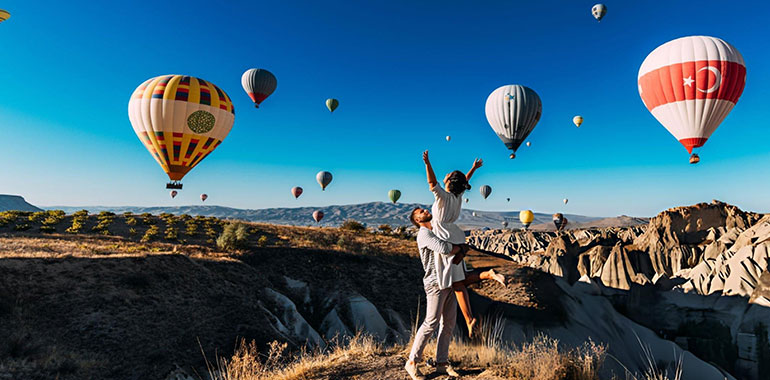
Yes, Cappadocia is a well established tourist destination, but visitors should take extra care during outdoor and adventure activities. Travelers should use reputable operators for experiences such as hot-air-balloon flights and always follow weather and safety instructions.
When exploring valleys or uneven terrain, wear appropriate footwear, carry water, and avoid isolated areas unless you understand the route. Overall, safety in Cappadocia is mainly about responsible participation in outdoor activities rather than avoiding the destination.
What Are the Main Safety Concerns in Turkey?
Turkey has several different types of safety considerations, and understanding them makes it easier to travel responsibly.
Regional security risks
The most important distinction is geographic. Travelers should avoid areas within 10 km of Turkey’s borders with Syria and Iraq, where current government advisories identify higher risks related to terrorism and armed conflict. The UK also advises against travel within 10 km of the Syria border.
These warnings do not apply equally across the country. Travelers should check the latest regional advice for the specific destinations included in their itinerary, particularly when considering southeastern or border areas.
Terrorism
Terrorism remains one of the reasons for increased caution in current official travel advice. The U.S. State Department notes that attacks can occur with little or no warning and advises travelers to remain alert in locations such as transportation hubs, markets, hotels, restaurants, airports, religious sites, and major events.
Visitors cannot predict every security incident, but they can reduce unnecessary exposure by staying aware, avoiding suspicious situations, and following local authority instructions.
Demonstrations and political gatherings
Travelers should avoid demonstrations, protests, and large political gatherings. Even when a gathering begins peacefully, conditions can change quickly, roads may close, and police activity can increase. Current U.S. and UK guidance recommends avoiding demonstrations and following local instructions.
Pickpocketing and petty theft
As in many busy international destinations, crowded tourist areas can create opportunities for petty theft, including pickpocketing and purse or bag snatching.
The best protection is simple:
- Keep valuables close and secure.
- Use a cross body bag or another secure option.
- Avoid leaving phones or wallets unattended.
- Keep passports in a safe place when they are not required.
- Be cautious when strangers create unusual distractions.
- Pay particular attention to your belongings on public transportation.
Scams and overcharging
Tourist scams can occur in busy tourist areas. Be cautious about unsolicited offers, unclear prices, or invitations from strangers to bars or clubs. Some travelers have also reported being charged unexpectedly high prices at restaurants or for services.
Before accepting a service or ordering food and drinks, confirm the price and use established businesses whenever possible. The U.S. State Department specifically warns travelers about confidence schemes involving restaurants and recommends checking menus and prices before ordering.
Counterfeit alcohol
Counterfeit alcohol is a serious safety concern in Turkey. The U.S. State Department reports deaths and serious illness linked to illegally produced or counterfeit alcohol and advises travelers to buy alcoholic drinks only from licensed liquor stores, bars, hotels, and restaurants. Travelers should also check that bottle seals are intact and avoid homemade or suspiciously cheap alcohol.
This is a simple precaution that can significantly reduce an avoidable health risk while traveling.
Road and transportation safety
Transportation is another practical consideration for visitors. Turkey has extensive public transportation, but travelers should remain vigilant about their belongings and use reputable providers. Official U.S. guidance notes that public transportation is generally safe while advising travelers to pay close attention to personal belongings.
Is Turkey Safe for Solo Travelers?
Turkey can be visited by solo travelers, but independent travelers should take extra responsibility for planning, communication, and situational awareness.
Solo travelers do not have another person immediately available to notice a problem, help with navigation, or keep important documents safe. A few simple habits can make independent travel more comfortable:
- Share your itinerary with someone you trust.
- Keep emergency contacts accessible.
- Use reputable accommodation.
- Avoid isolated areas late at night if you are unfamiliar with them.
- Be cautious when accepting invitations or assistance from strangers.
- Keep your phone charged.
- Have a reliable way to access maps and important travel information.
- Tell someone when you are changing locations.
Solo travel does not require constant worry. It simply means being more deliberate about personal safety.
Is Turkey Safe for Families?
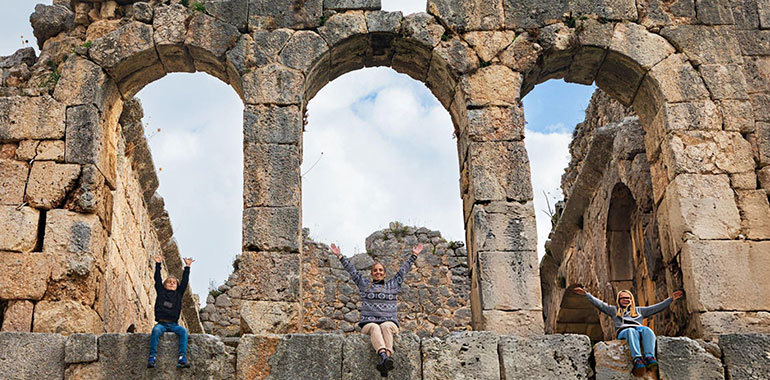
Turkey can be suitable for family travel when parents plan transportation, accommodation, activities, and daily movements carefully.
Families should pay particular attention to busy roads, crowded public areas, uneven terrain, and activities that involve height or outdoor conditions.
Parents traveling with children should also establish a simple meeting point in crowded locations and ensure that children know what to do if they become separated.
For activities such as hot air balloon flights, boat trips, or outdoor excursions, families should follow the operator’s age, health, and safety requirements rather than assuming every activity is suitable for every child.
The goal is to make safety part of the family’s routine without allowing it to overshadow the trip.
How to Stay Safe While Traveling in Turkey
The most effective Turkey safety tips are simple and practical:
- Secure your belongings: Stay alert in crowded places and keep your passport, phone, wallet, and other valuables secure.
- Protect important documents: Carry only what you need and keep digital copies of your passport and essential documents in a secure location.
- Use reputable transportation: Choose established taxis, hotel-arranged transfers, or reputable transportation companies rather than accepting unsolicited rides.
- Follow local instructions: Pay attention to guidance from police, airport officials, hotels, tour guides, and other local authorities, especially during disruptions or unexpected events.
- Know the emergency number: Turkey uses 112 as its single emergency number for ambulance, police, fire, and other emergency services. In a genuine emergency, provide your location and explain what happened.
What to Do in an Emergency in Turkey
If you experience a serious emergency in Turkey, 112 is the nationwide emergency number for services including police, ambulance, fire, and other emergency assistance.
When contacting emergency services, be prepared to explain:
- What happened
- Where you are
- How many people need assistance
- Any immediate danger or injuries
If you are staying at a hotel, you can also ask the hotel staff for assistance contacting local authorities.
For serious incidents, travelers should also contact their travel insurance provider and, when appropriate, their country’s embassy or consulate.
Should You Check Travel Advisories Before Visiting Turkey?
Absolutely. Travel advisories should be checked shortly before departure and during your trip because security conditions can change.
This is particularly important for Turkey because official guidance can differ by region. Current U.S. guidance places Türkiye at Level 2, recommending increased caution, while identifying the Syria and Iraq border regions as areas where travelers should not go. The UK FCDO similarly identifies specific areas where it advises against travel.
Travelers should therefore use official government sources rather than relying exclusively on old blog posts, social media comments, or general statements about whether Turkey is safe.
If you are combining Turkey with another destination, check the relevant advisory for each country and each region included in your itinerary.
Is Turkey Safe to Visit? The Bottom Line
Yes, Turkey can be a safe and rewarding destination for tourists when travelers take sensible precautions and follow current official travel advice. Safety conditions vary by region, so visitors should consider their specific destinations rather than treating Turkey as one uniform risk category.
For most travelers, good Turkey travel safety means staying aware in crowded places, using reputable services, avoiding demonstrations, respecting local laws, following safety instructions during activities, and checking government travel advisories before and during the trip. Popular destinations such as Istanbul, Cappadocia, Antalya, and Ephesus have established tourism infrastructure, while some border regions may have different safety guidance.
The key takeaway: stay informed, understand the conditions of the places you plan to visit, and use practical safety habits throughout your trip. Once you’re confident about the safety considerations, explore our guide to the Best Things to Do in Turkey to discover experiences worth adding to your itinerary.
If you’re planning to experience both countries, explore our Egypt and Turkey vacations to see how Turkey and Egypt can be combined into one trip.