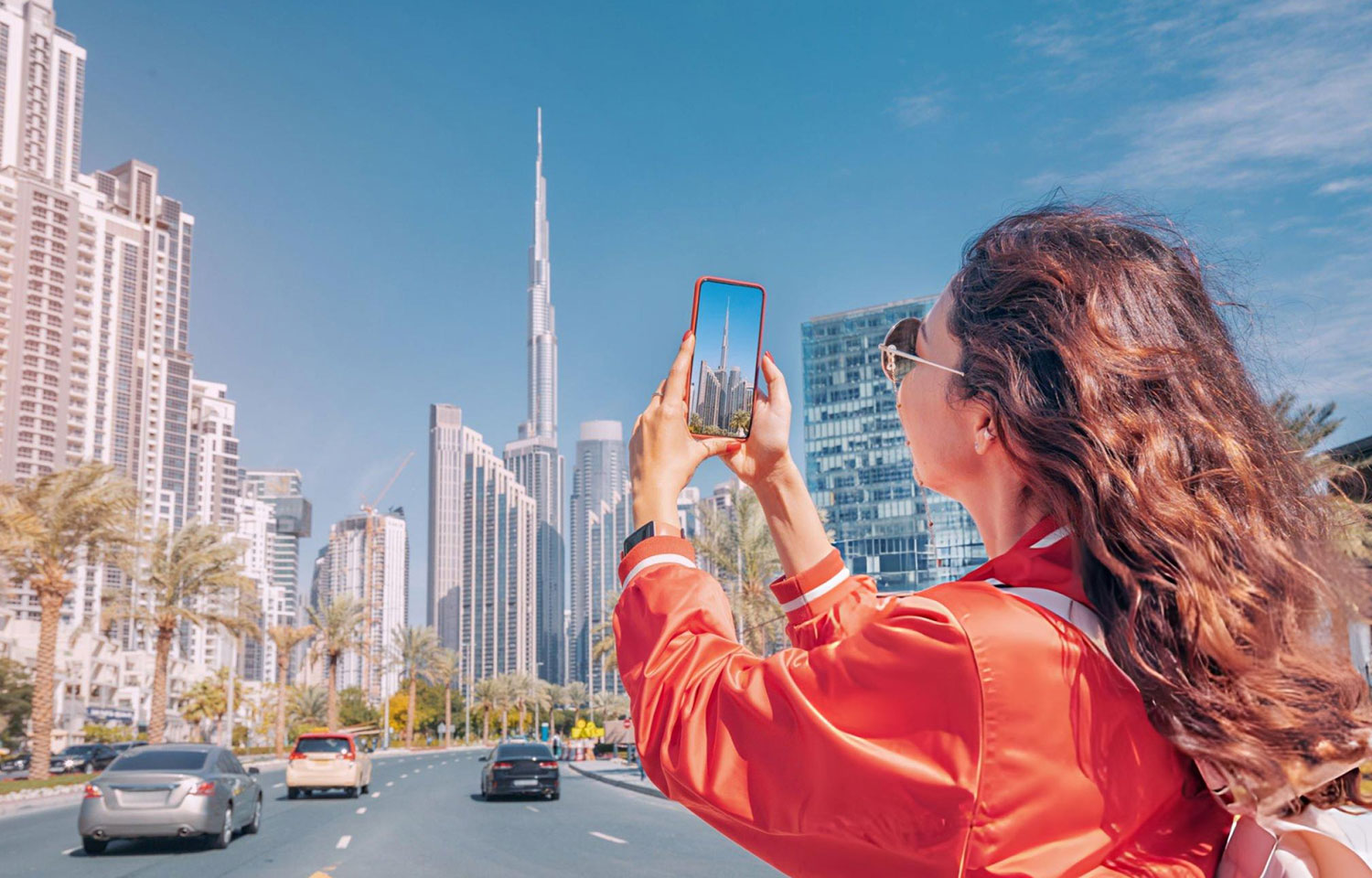
Dubai is one of the world’s most international cities, but its modern skyline and global lifestyle are rooted in Emirati culture, Islamic traditions, family values, hospitality, and a long history of trade.
For travelers, understanding Dubai culture and customs is less about memorizing a long list of rules and more about knowing how to behave respectfully in different situations. Dress expectations can change between a beach and a mosque, greetings may be more formal than you are used to, and Ramadan can influence daily routines, dining, and public life.
This guide explains the most important aspects of Dubai culture, traditions, etiquette, religion, dress, greetings, dining, public behavior, and local customs so you can experience the city with greater confidence and respect.
What Is Dubai Culture Like?
Dubai culture reflects both its Emirati heritage and its modern international population.
Traditional values remain important, particularly hospitality, family, respect for elders, privacy, religion, and community. At the same time, Dubai has developed into a multicultural global city where people from many countries live, work, and travel.
This creates an interesting cultural balance. You may spend the morning walking through a historic neighborhood, visit a mosque or traditional market, and then spend the evening surrounded by international restaurants, modern architecture, and global entertainment.
For visitors, the easiest approach is to appreciate both sides of Dubai rather than expecting the city to fit into one cultural category.
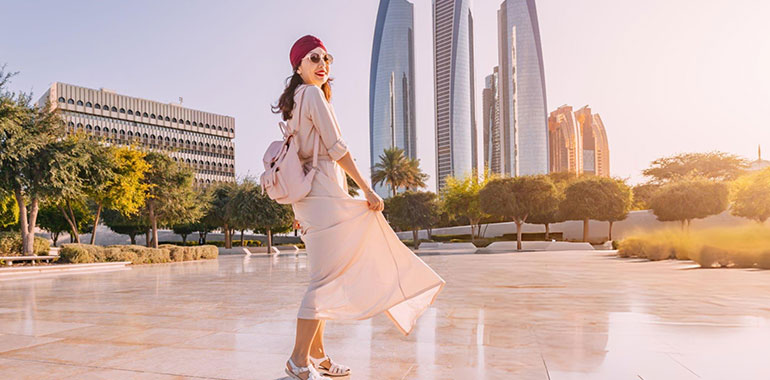
Emirati Culture and Dubai’s Modern Identity
Before Dubai became known for skyscrapers, luxury developments, and international tourism, its identity was shaped by fishing, pearling, trading, seafaring, desert life, and connections across the Gulf and wider region.
These traditions still influence the city’s cultural identity.
Hospitality
Hospitality is an important part of Emirati culture. Offering guests food, coffee, tea, or conversation can be an expression of welcome and generosity.
Family
Family has an important role in Emirati society, and respect for parents and elders is deeply valued.
Religion
Islam influences many aspects of daily life, including religious holidays, social customs, and certain expectations around public behavior.
Tradition and modernity
Dubai’s modern identity does not mean that traditional culture has disappeared. Traditional clothing, Arabic hospitality, local cuisine, religious practices, crafts, and historic neighborhoods remain visible alongside the city’s modern developments.
For travelers, this contrast is part of what makes Dubai interesting.
Religion and Everyday Life in Dubai
Islam is the official religion of the UAE and plays an important role in the country’s cultural and social life.
Visitors do not need to be Muslim to enjoy Dubai, and the city welcomes people from many religious and cultural backgrounds. However, travelers should understand that religious values influence certain customs and public expectations.
You may notice this through:
- Mosques throughout the city
- The call to prayer
- Ramadan traditions
- Islamic holidays
- Modesty expectations in certain settings
- Religious architecture and cultural attractions
Respect is the most important principle.
You do not need to participate in religious practices, but you should behave appropriately when visiting religious places and avoid treating religious customs as tourist entertainment.
Dress and Modesty in Dubai
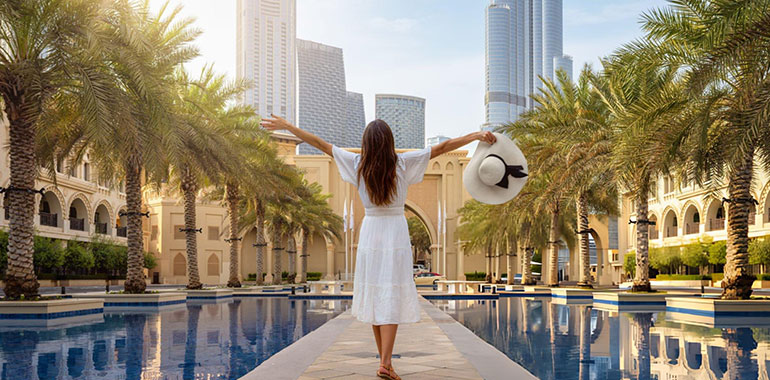
Dubai does not require tourists to wear traditional Emirati clothing, and dress expectations vary considerably depending on where you are.
At beaches and hotel pools, normal swimwear is generally appropriate. In shopping malls, restaurants, public areas, and cultural sites, more modest and respectful clothing is a better choice.
When visiting mosques or religious places, visitors may be expected to dress more conservatively.
What should tourists wear in Dubai?
A practical approach is to pack lightweight, comfortable clothing that can be adapted to different settings.
Consider:
- Breathable everyday clothing
- Comfortable walking clothes
- Swimwear for beaches and hotel pools
- A light layer for air-conditioned interiors
- More conservative clothing for religious or cultural sites
- Comfortable clothing suitable for your planned activities
The important point is context. A swimsuit may be appropriate at a resort pool but inappropriate in a shopping mall or religious setting.
If you are planning your first visit, our guide to planning your first trip to Dubai covers packing and other practical preparation alongside your itinerary planning.
Greetings in Dubai can reflect both Emirati traditions and the city’s multicultural environment.
A simple verbal greeting is usually appropriate when meeting someone for the first time. A polite “hello” or “as-salamu alaykum” can be appropriate depending on the context.
Do not assume that everyone is comfortable with physical contact.
This is particularly important when interacting with people of the opposite sex. Some Muslim men and women may prefer not to shake hands for religious or personal reasons.
A good approach is to let the other person indicate whether a handshake is appropriate.
Showing respect to elders
Respect for older people is an important part of Emirati and wider regional culture.
When interacting with older people, use polite language and avoid overly casual behavior until you understand the social context.
Personal space and privacy
Be mindful of personal boundaries and avoid intrusive questions about someone’s private life, family, finances, or relationships.
A little politeness goes a long way.
Dining Etiquette in Dubai
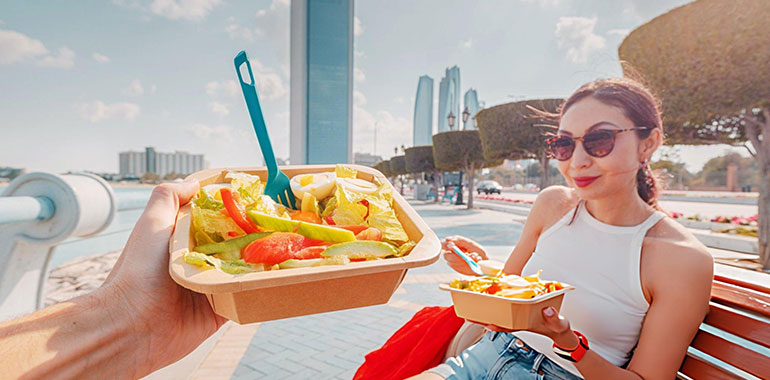
Dining in Dubai can be a social experience, particularly when sharing a meal with Emirati hosts or in a traditional setting. Visitors do not need to follow every local custom perfectly, but understanding a few basic etiquette practices can help you show respect and feel more comfortable.
Eating with the Right Hand
In traditional Muslim dining settings, the right hand is generally preferred when eating or offering something to another person. If you are unfamiliar with the custom, simply observe how others at the table behave and follow their lead.
Accepting Hospitality
Arabic coffee, dates, tea, or other refreshments may be offered as a gesture of welcome. Accepting when appropriate can be a polite way to acknowledge someone’s hospitality. If you do not want something, a courteous refusal is generally sufficient.
Take Your Time
In some traditional or family settings, meals are social occasions rather than something to finish quickly between activities. Avoid rushing, and allow the people around you to set the pace of the meal.
Dress According to the Setting
Dress expectations can vary depending on where you are dining. A casual café, hotel restaurant, traditional venue, and upscale establishment may each have a different atmosphere. Choose clothing that is comfortable but appropriate for the setting, particularly when dining in more conservative or family-oriented environments.
For more practical advice about what to eat and traditional foods to try in Dubai, see our dedicated food guide.
Public Behavior and Affection
Visitors should be mindful of public behavior in Dubai.
The city is modern and international, but that does not mean every form of public behavior is considered appropriate.
Keep public displays of affection modest, avoid aggressive or offensive behavior, and respect the people around you.
This is particularly important in:
- Religious places
- Family-oriented areas
- Public transportation
- Shopping centers
- Government buildings
- Traditional neighborhoods
The safest approach is simple: when you are in a public or culturally sensitive setting, choose respectful and discreet behavior.
Ramadan and Cultural Etiquette
Ramadan is one of the most important periods in the Islamic calendar and can change the rhythm of daily life in Dubai.
During Ramadan, Muslims fast from dawn until sunset. Visitors may notice changes in restaurant opening hours, working schedules, public activities, and the general pace of the city.
Tourists are welcome during Ramadan, but should approach the month respectfully.
What should tourists know during Ramadan?
Visitors should:
- Be respectful of people who are fasting.
- Follow local guidance about eating and drinking in public.
- Dress appropriately.
- Expect some businesses to have adjusted schedules.
- Allow additional time if routines or operating hours change.
- Take the opportunity to experience Ramadan traditions respectfully.
Ramadan can also be an excellent time to learn about local culture, particularly through evening meals, markets, and cultural experiences.
The key is to understand that Ramadan is a religious and cultural period rather than simply a tourism event.
Mosque Etiquette for Visitors
Visitors can experience Islamic architecture and, where permitted, visit mosques to learn more about local religious and cultural traditions.
When entering a mosque, follow the site’s specific visitor instructions.
Generally, visitors should:
- Dress modestly.
- Remove shoes where required.
- Keep voices low.
- Avoid interrupting people during prayer.
- Follow photography restrictions.
- Respect areas reserved for worshippers.
- Follow instructions from mosque staff.
Women may be asked to cover their hair or wear additional covering at certain mosques.
Do not treat a mosque like a conventional tourist attraction. It is first and foremost a place of worship.

Photography and Respect for Privacy
Dubai offers plenty of opportunities for photography, from modern skyscrapers and waterfronts to historic architecture and markets.
However, being able to photograph a place does not automatically mean you should photograph every person or situation you encounter.
Be particularly thoughtful when photographing:
- People
- Families
- Children
- Religious activities
- Government buildings
- Security-related locations
- Private property
When photographing people, asking permission is the respectful approach when appropriate.
Also think carefully before posting images or videos of other people online.
Hospitality and Local Traditions
Hospitality is one of the most recognizable aspects of Emirati culture.
Traditional hospitality can include:
- Arabic coffee
- Dates
- Tea
- Shared meals
- Welcoming guests into the home
- Generous conversation
Arabic coffee, often served in a small cup called a finjan, is particularly associated with hospitality.
If you are offered coffee or dates during a cultural experience, accept graciously when appropriate.
You may also encounter traditional crafts, clothing, music, architecture, and other expressions of Emirati heritage.
The best way to experience these traditions is with curiosity rather than treating them as performances created solely for tourists.
What Travelers Should Avoid Doing in Dubai
Respecting Dubai culture does not require avoiding everything unfamiliar. It simply means understanding the context in which you are traveling.
Visitors should avoid:
- Making jokes or comments that disrespect religion.
- Photographing people without considering their privacy.
- Entering religious spaces without following their rules.
- Dressing inappropriately for religious or cultural settings.
- Engaging in excessive public displays of affection.
- Being unnecessarily loud or confrontational.
- Assuming that customs from your home country apply everywhere.
- Treating traditional practices as entertainment without showing respect.
Remember that cultural etiquette and legal restrictions are not always the same thing.
For legal and safety-related concerns, see our dedicated guide to Dubai safety, local laws, and traveler precautions rather than treating this article as a complete list of local laws.
How to Experience Dubai Culture Respectfully
You do not need to become an expert in Emirati culture before visiting Dubai.
A few thoughtful choices can make your experience more meaningful.
Explore beyond the modern skyline
Spend time in historic neighborhoods and traditional markets rather than seeing only the modern side of the city.
Our guide to cultural and historic things to do in Dubai includes heritage experiences alongside the city’s major attractions.
Try local and regional food
Food provides an easy way to learn about a destination.
Try Emirati or regional dishes and ask questions about what you are eating.
Learn a few Arabic expressions
Simple words such as “shukran” (thank you) can be a friendly way to show appreciation.
Visit cultural and religious sites respectfully
Follow instructions, dress appropriately, and remember that these places have significance beyond tourism.
Observe before participating
If you are unsure about a custom, watch what people around you are doing or politely ask.
Be curious, not judgmental
Some customs may be different from what you are familiar with. Understanding the reason behind them can make the experience much more rewarding.

Dubai Culture: What First-Time Visitors Should Remember
You do not need to memorize dozens of rules to experience Dubai respectfully.
Remember these essentials:
- Dress according to the setting.
- Respect religious places and practices.
- Keep public displays of affection modest.
- Ask permission or use discretion when photographing people.
- Treat hospitality graciously.
- Be respectful during Ramadan.
- Use polite behavior with elders and strangers.
- Try local food and cultural experiences.
- Follow the specific rules of the place you are visiting.
- When in doubt, observe and ask rather than assume.
Dubai’s culture is not something you need to navigate with anxiety. Most of the principles are straightforward: respect people, understand the setting, and remain open to experiences that may be different from your own culture.
If Dubai is part of a wider Middle East itinerary, combining its modern city experience with Egypt’s ancient sites can create a very different kind of trip. Travelers planning both destinations can explore Egypt and Dubai travel packages that connect the two countries in one itinerary.