

Is Jordan Safe to Travel in 2026? Honest Safety Guide for Tourists
April 6, 2026
Read more
about Is Jordan Safe to Travel in 2026? Honest Safety Guide for Tourists

















































| Duration |
15 Day / 14 Night |
|---|---|
| Tour Location |
Cairo / Alexandria / Abu Simbel / Aswan / Luxor / Hurghada / Amman / Madaba / Petra |
| Tour Type |
Daily Tour |
| Pickup |
Cairo Airport or Amman Airport |
Among our Egypt plus other countries tours, this 15 day Egypt and Jordan overland expedition offers the most extensive ground itinerary, covering Cairo, Alexandria, Aswan, Abu Simbel, Luxor, and Hurghada in Egypt before continuing to Madaba, Mount Nebo, the Dead Sea, and Petra in Jordan. No other overland Egypt and Jordan tour package combines Alexandria's Mediterranean coast alongside Abu Simbel's deep south and Hurghada's Red Sea within a single journey. At 15 days, it is the longest overland format delivering broader destination coverage and exceptional value across both countries.
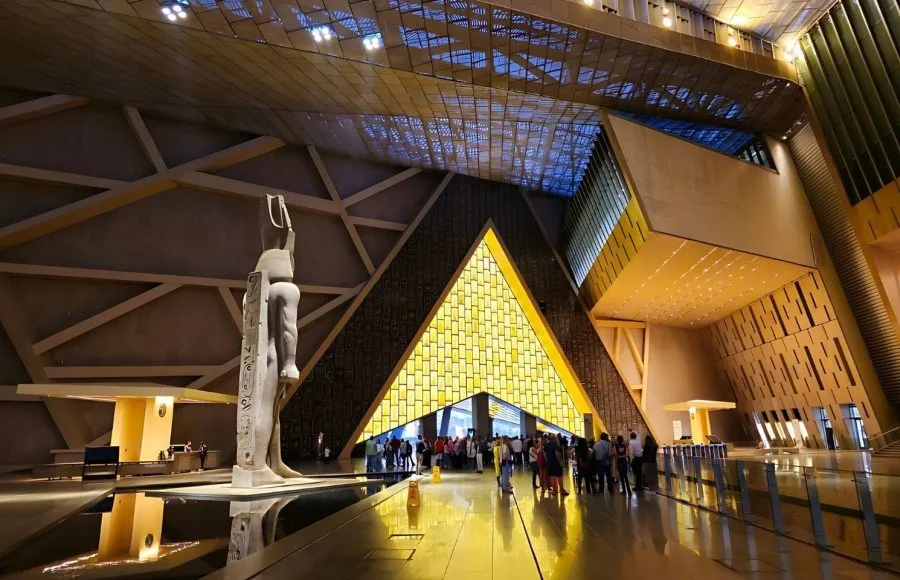
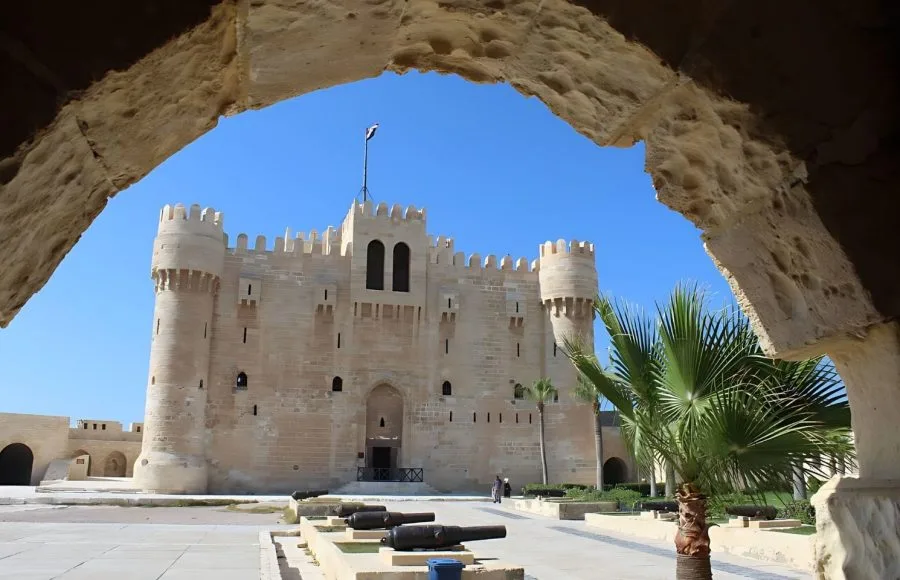
Day 1 opens in Cairo with a Nile dinner cruise on arrival. Day 2 covers the Giza Plateau, the Great Pyramid of Khufu, the Pyramid of Khafre, the Pyramid of Menkaure, the Great Sphinx, and the Valley Temple of Khafre, followed by the Grand Egyptian Museum. Day 3 moves to Alexandria: Qaitbay Citadel, the Bibliotheca Alexandrina, Pompey's Pillar, and the Catacombs of Kom El Shoqafa. Day 4 returns to Cairo's layered history, the Egyptian Museum, the Hanging Church in Coptic Cairo, Khan El Khalili Bazaar, and Al Muizz Street before a domestic flight south to Aswan. Day 5 is Abu Simbel: the Great Temple of Ramesses II and the Temple of Queen Nefertari. Day 6 covers Aswan's own monuments, the Aswan High Dam, the Unfinished Obelisk, and Philae Temple. Day 7 continues north to Kom Ombo Temple and the Temple of Horus at Edfu. Day 8 crosses into Luxor's East Bank: Karnak Temple and Luxor Temple. Day 9 crosses to the West Bank: the Valley of the Kings, Hatshepsut Temple at Deir el-Bahari, and the Colossi of Memnon. Days 10 and 11 are Hurghada Red Sea beach time, optional coral reef snorkeling, and optional Eastern Desert safari. Day 12 is the transition: a domestic flight to Cairo, then onward to Amman, Jordan. Day 13 covers Madaba's City of Mosaics, St. George's Church with its 6th-century mosaic map of the Holy Land, Mount Nebo, and the Dead Sea. Day 14 is Petra: entry through the Siq, Al Khazneh, the Royal Tombs, the Great Theatre, and Qasr al-Bint. Day 15 is the departure from Amman.
Only on this route
The only 15 day Egypt and Jordan overland expedition combining Alexandria's Mediterranean coast, Abu Simbel's deep south, Hurghada's Red Sea, and Petra without a cruise, the widest Egyptian coverage at this duration.
Arc I · Cairo to Alexandria
Cairo's plateau monuments and Alexandria's Greco-Roman harbour
Your guide meets you at Cairo International Airport and transfers you by private vehicle to your hotel, no queues, no confusion, just a direct handover into the expedition. The evening begins on the Nile: a dinner cruise along Cairo's illuminated waterfront, with a buffet and live folkloric performance marking the start of 15 days across two countries.

Your guide walks you to the boarding point as the city's lights begin to reflect off the water below. Cairo's riverfront has served as a gathering point for over 4,000 years, and the skyline above it has changed with every century since.
Dinner
Your guide collects you after breakfast for the short drive west to the plateau where three of the ancient world's most studied structures still stand at full scale. After lunch, the afternoon moves to the Grand Egyptian Museum on the plateau's northern edge.

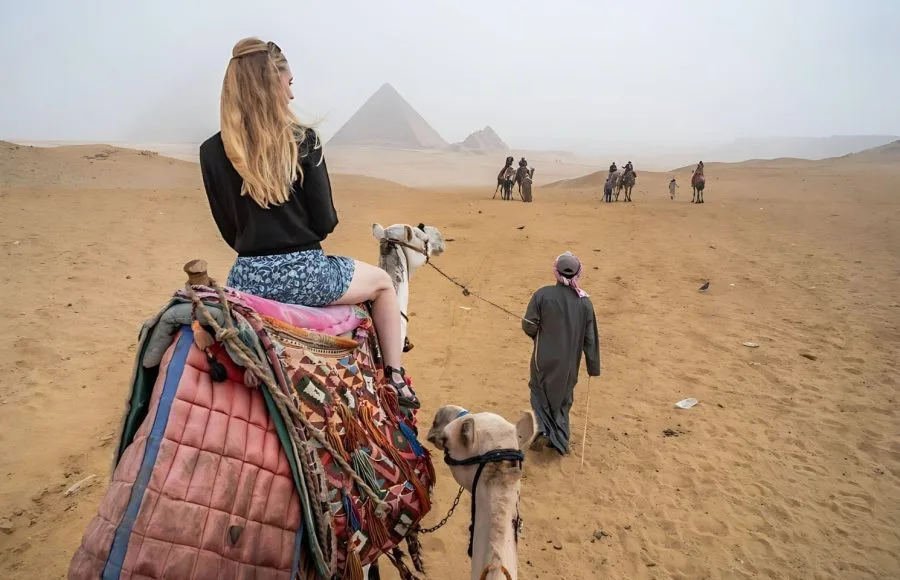
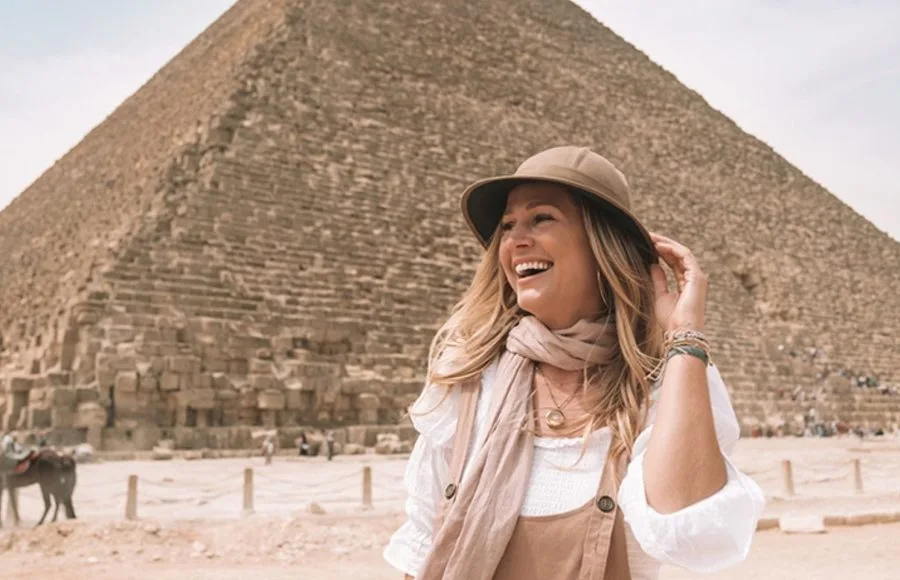
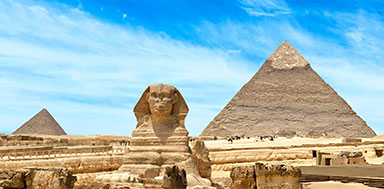
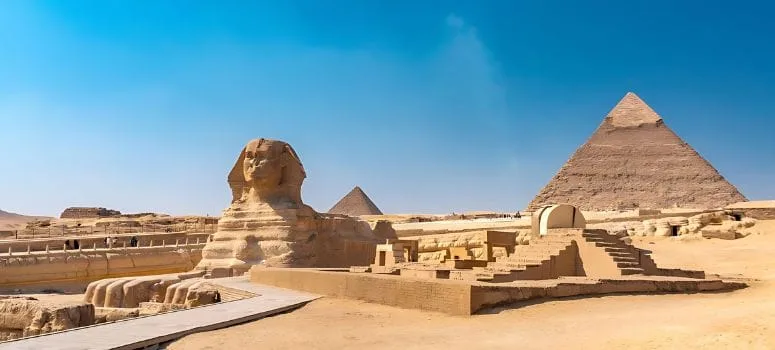
Stand before the awe-inspiring Great Giza Pyramids, led by the legendary Great Pyramid of Khufu and flanked by the pyramids of Khafre and Menkaure, built over 4,500 years ago. These monumental structures reflect the power, advanced engineering, and deep spiritual beliefs of ancient Egypt.
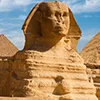
Meet the iconic Great Sphinx, carved from limestone with a lion’s body and royal face. This guardian of the Giza Plateau symbolizes strength, wisdom, and mystery.
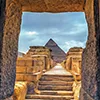
Step inside a structure built from 100-tonne granite blocks without mortar, where the polished floor still shows the original fit between stones. This is where the pharaoh's body was prepared before the procession to his pyramid, one of the few ritual structures on the plateau with its roof partially intact.
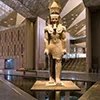
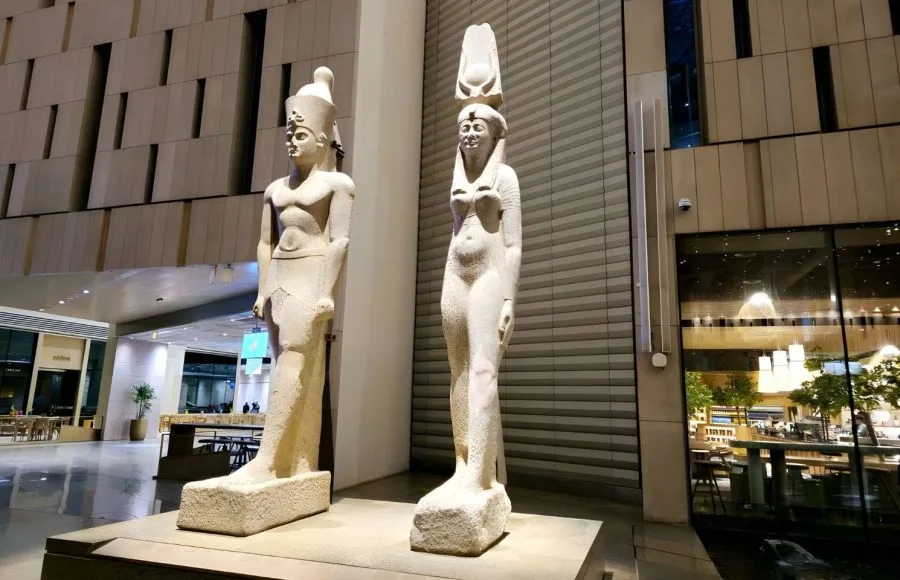
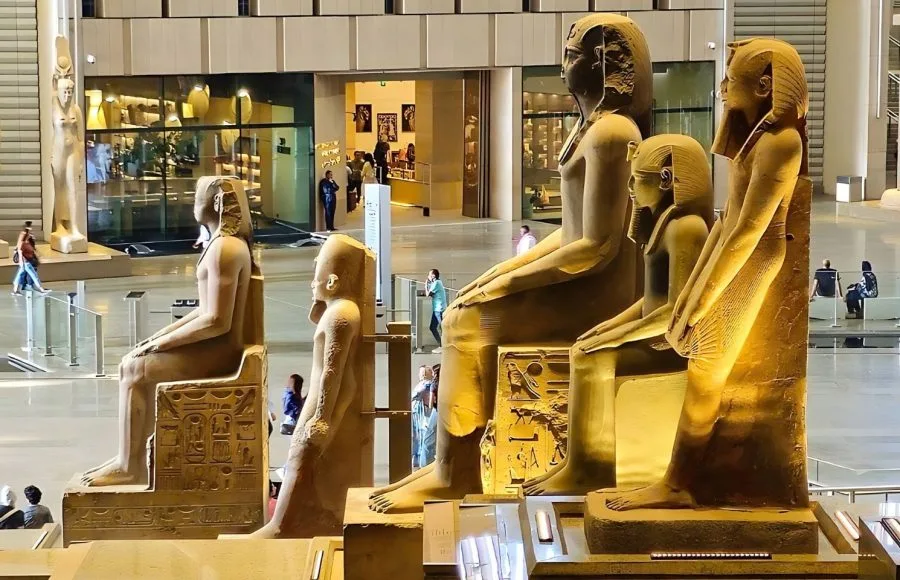
Explore the world-class Grand Egyptian Museum (GEM), home to the largest collection of ancient Egyptian artifacts. From royal statues to priceless relics, history unfolds in stunning detail.
Breakfast, Lunch

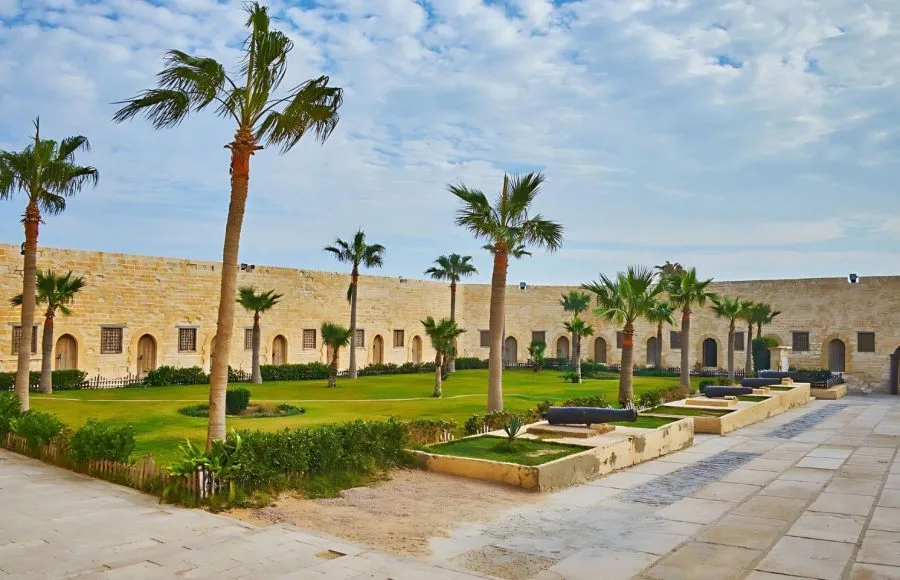
After breakfast, a private vehicle takes you north along the desert road to Alexandria, roughly 220 kilometres from Cairo, founded by Alexander the Great in 331 BCE at the edge of the Mediterranean. You return to Cairo for the night.
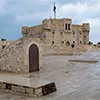
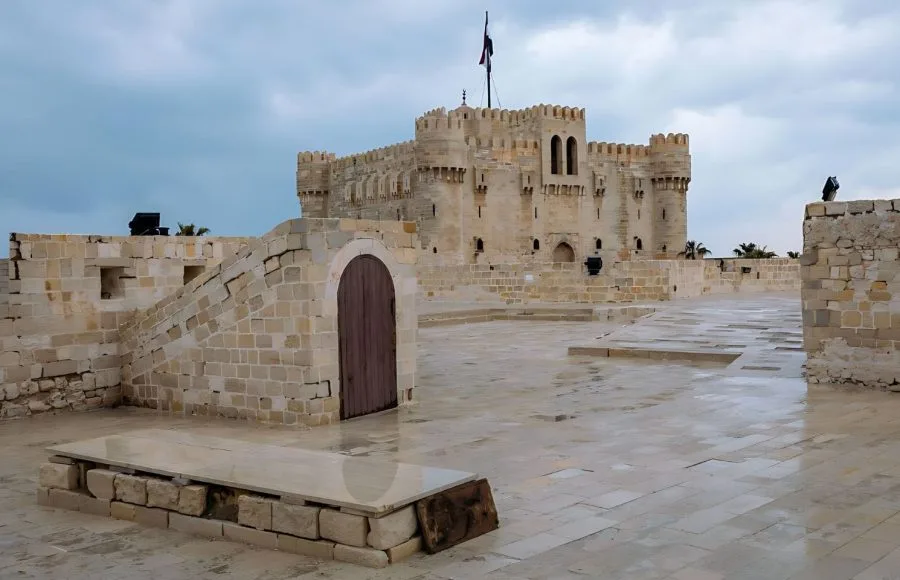
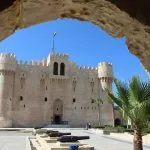
You enter through the sea-facing gate, where the 15th-century fortification rises from the exact foundations of the ancient Lighthouse of Alexandria, one of the Seven Wonders of the Ancient World. The walls directly above the harbour give the clearest view of how the lighthouse's position controlled every ship entering the port.
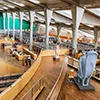
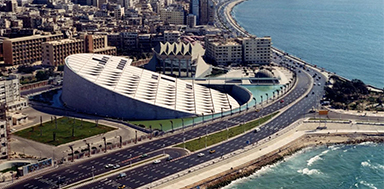
Your guide takes you inside the main reading hall, a disc-shaped space that tilts toward the sea under 11 cascading terraces holding 8 million books. The exterior granite wall is carved with scripts from every writing system known to exist, 120 in total.
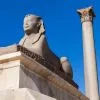
Walk up to the base of a single red Aswan granite column rising 26.85 metres from the ruins of the ancient Serapeum complex, the tallest ancient monolith still standing in Egypt. It was erected in 297 CE in honour of Emperor Diocletian, not Pompey, despite the name that stuck.
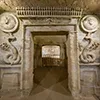
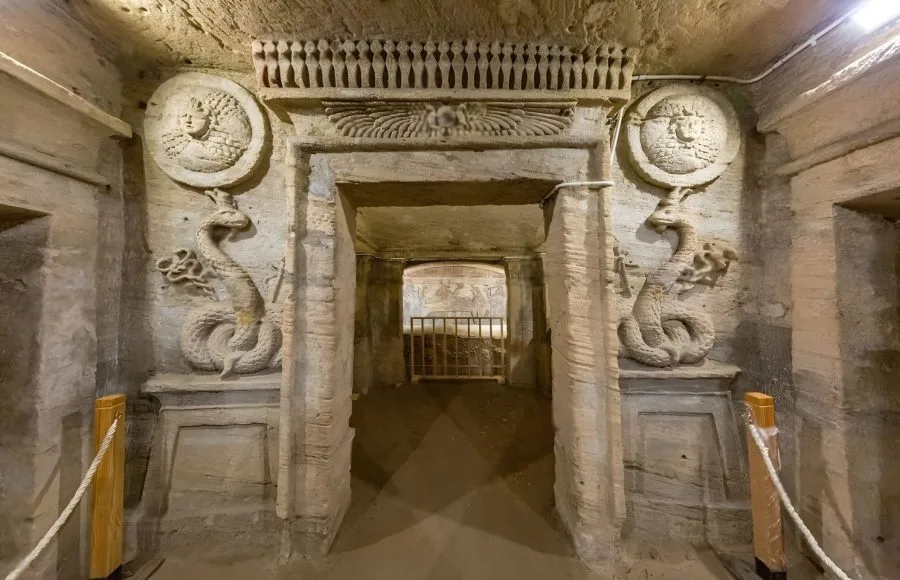
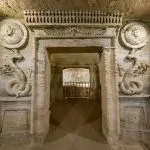
Your guide descends with you through three underground levels carved into the rock in the 2nd century CE, where pharaonic reliefs, Greek column orders, and Roman portrait busts occupy the same burial chamber walls. This collision of three visual languages in one underground space has no equivalent anywhere else in Egypt.
Breakfast, Lunch
Arc II · Aswan to Edfu
Abu Simbel, the Aswan monuments, Kom Ombo, and Edfu across four southern days

A full morning in Cairo's layered districts before a domestic flight south to Aswan in the evening, the longest single transit day of the Egyptian leg.
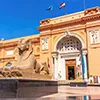
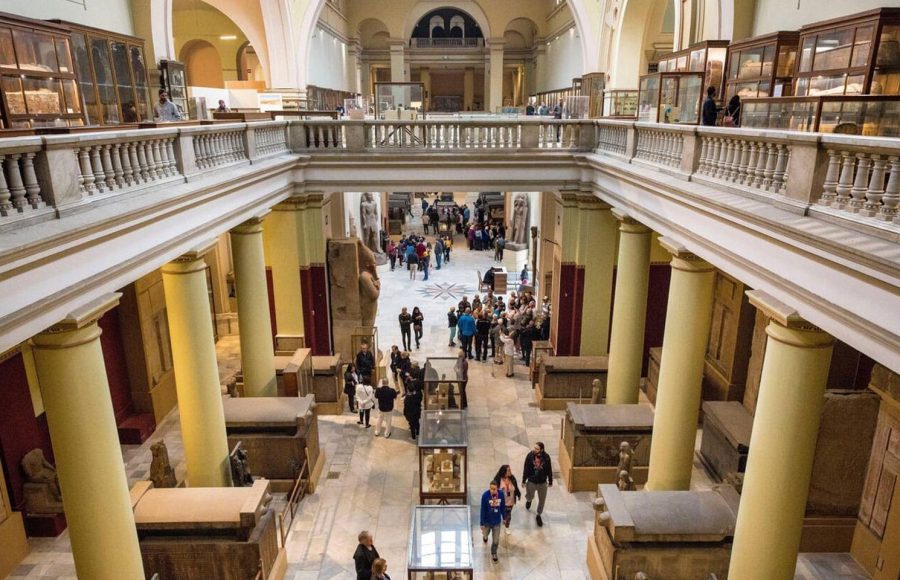
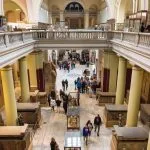
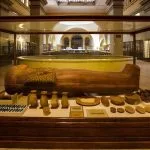
Your guide moves you through the ground floor's monumental statuary before taking you upstairs to the royal mummy room, where 22 pharaohs are housed in a climate-controlled gallery. The museum holds over 170,000 registered objects, of which roughly 50,000 are on display at any one time.

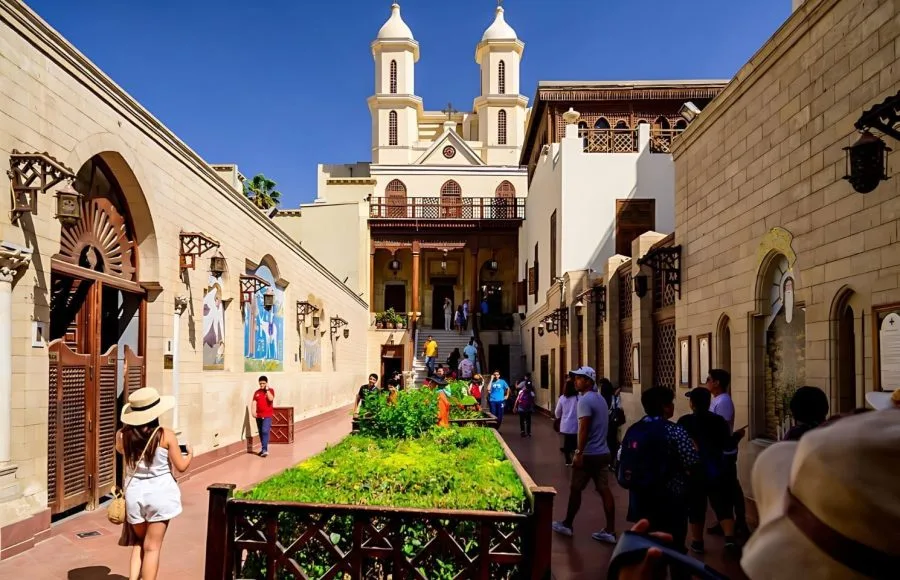
You climb the exterior staircase to reach a church built directly over the two towers of the Roman Babylon Fortress, its nave suspended above a gatehouse that dates to the 3rd century CE. Fifteen ivory panels inlaid into the pulpit screen tell the full sequence of the Nativity without a single word of text.
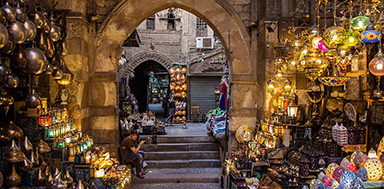
Wander through Khan El Khalili, Cairo’s most famous bazaar, alive with spices, lanterns, and centuries-old craftsmanship.
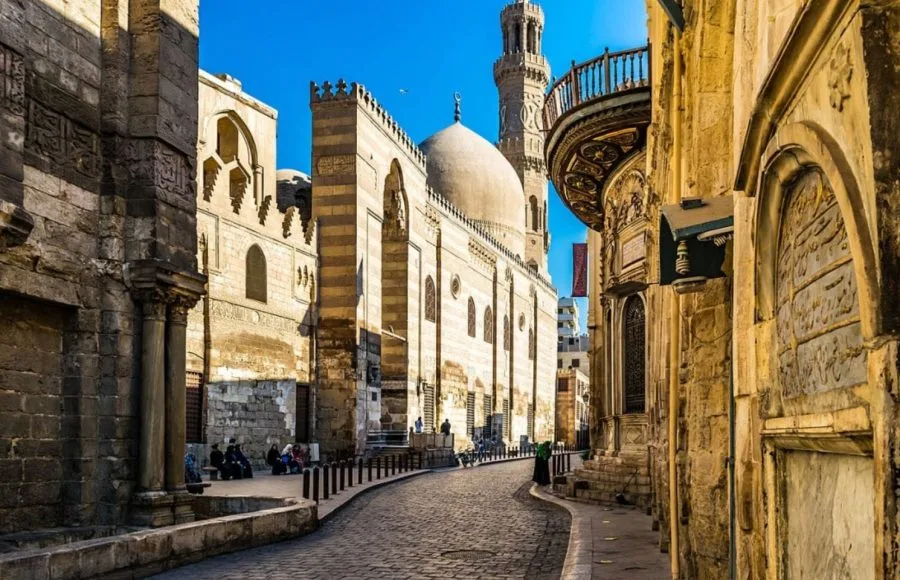
Walk the 1-kilometre spine of Fatimid Cairo, where 29 listed monuments stand within arm's reach of each other, including the Madrasa and Mausoleum of Sultan Barquq and the Sabil-Kuttab of Abdel Katkhuda, both still structurally intact after 700 years. Your guide reads the stone carvings above each entrance as you move through.
Breakfast, Lunch
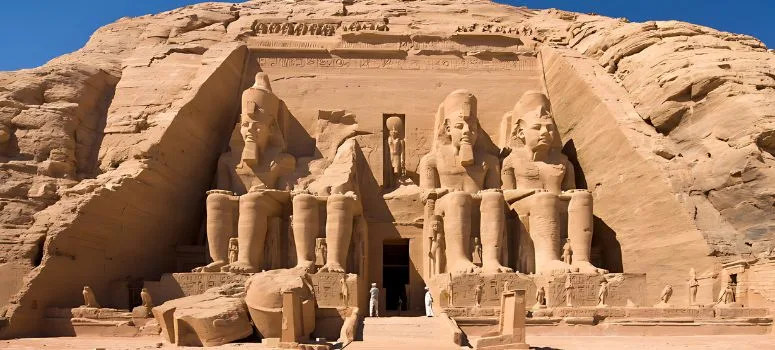
An early departure from Aswan for the 280-kilometre drive south along Lake Nasser to Abu Simbel, the furthest south this overland Egypt and Jordan expedition reaches. Return to Aswan the same evening.
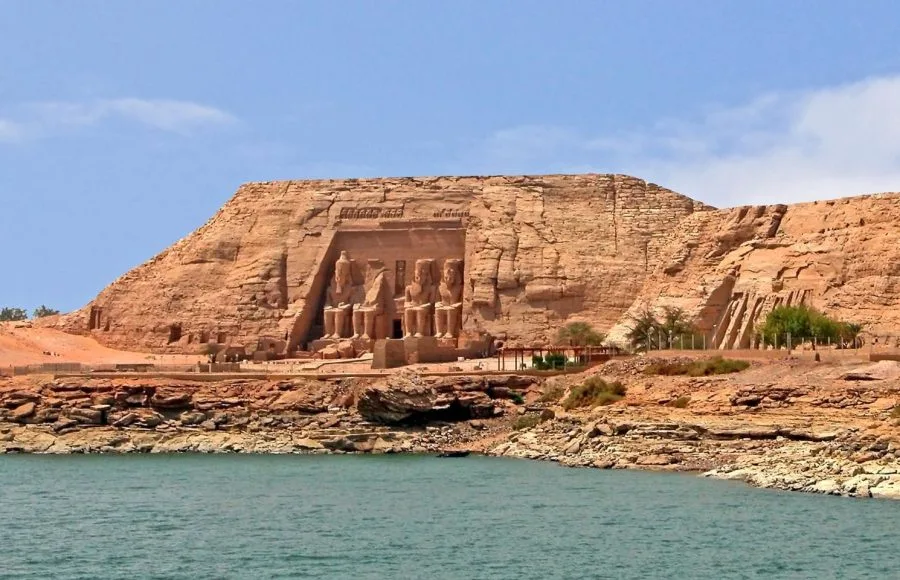
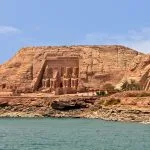
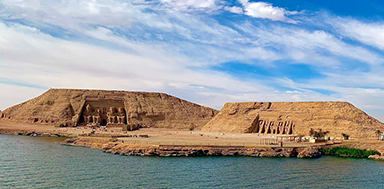
Marvel at the colossal Temples of Abu Simbel, carved by Ramses II and relocated by UNESCO. These masterpieces celebrate divine kingship and ancient engineering genius.
Breakfast, Lunch

A full day in Aswan itself, covering the city's three most distinct monuments across a morning and afternoon at a pace that lets each site register properly.
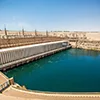
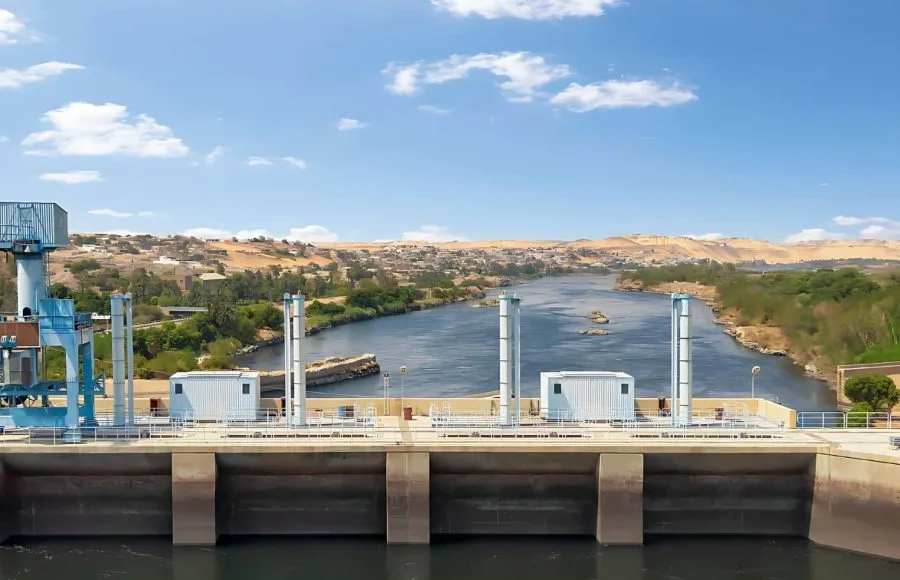
Visit the monumental Aswan High Dam, a modern engineering marvel that transformed Egypt’s agriculture and economy.
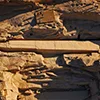
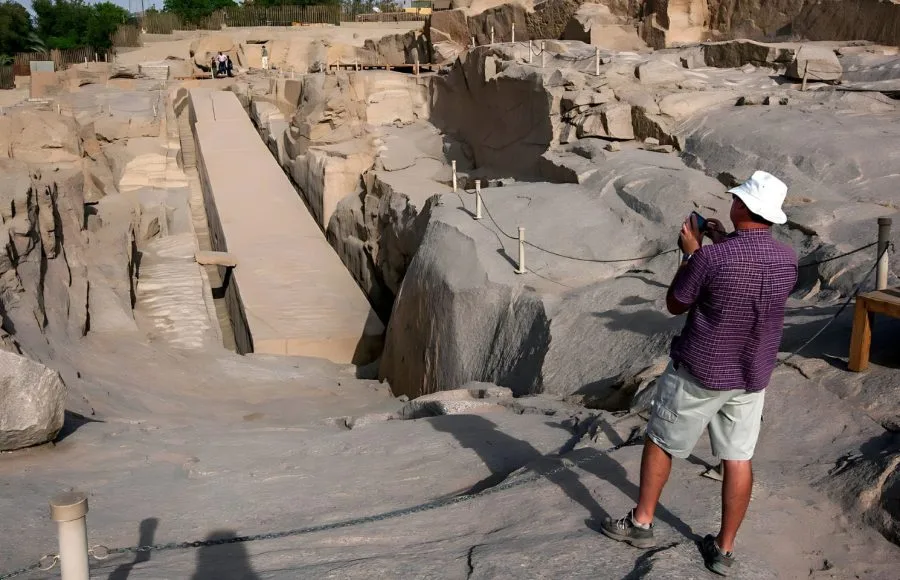
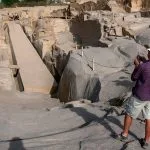
You crouch beside the partially carved granite monolith still lying in its quarry trench, abandoned when a crack appeared during cutting around 1504 BCE. At 42 metres long and an estimated 1,200 tonnes, it would have been the largest obelisk ever erected. The crack in the lower third tells you exactly where the plan ended.
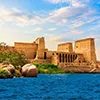
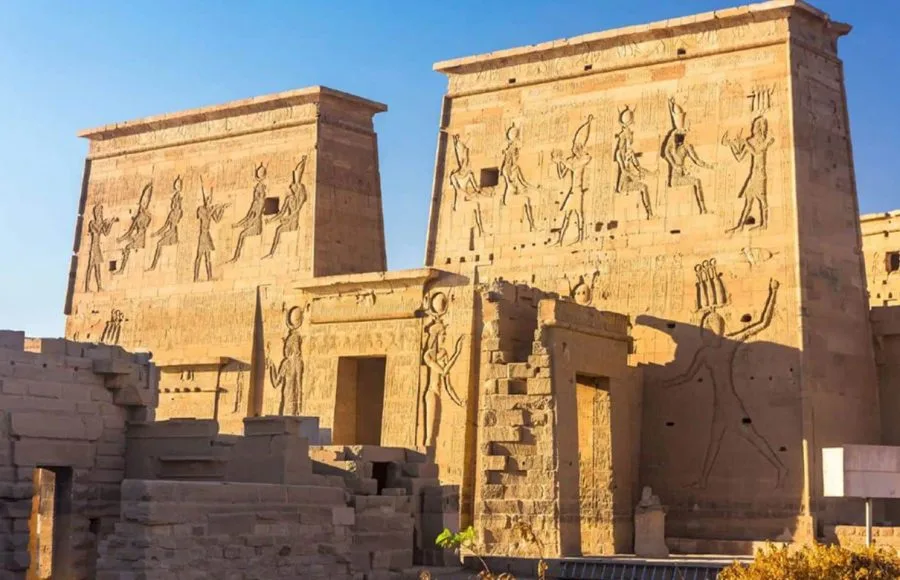
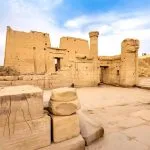
Explore Philae Temple, dedicated to Isis and beautifully set on an island, blending mythology and natural beauty.
Breakfast, Lunch

A road day heading north from Aswan toward Luxor, with stops at two of the Nile Valley's best-preserved temple complexes. Both visits are en route; this is the only day on the overland Egypt and Jordan expedition where two major temple sites fall on the same driving corridor.
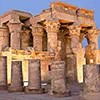
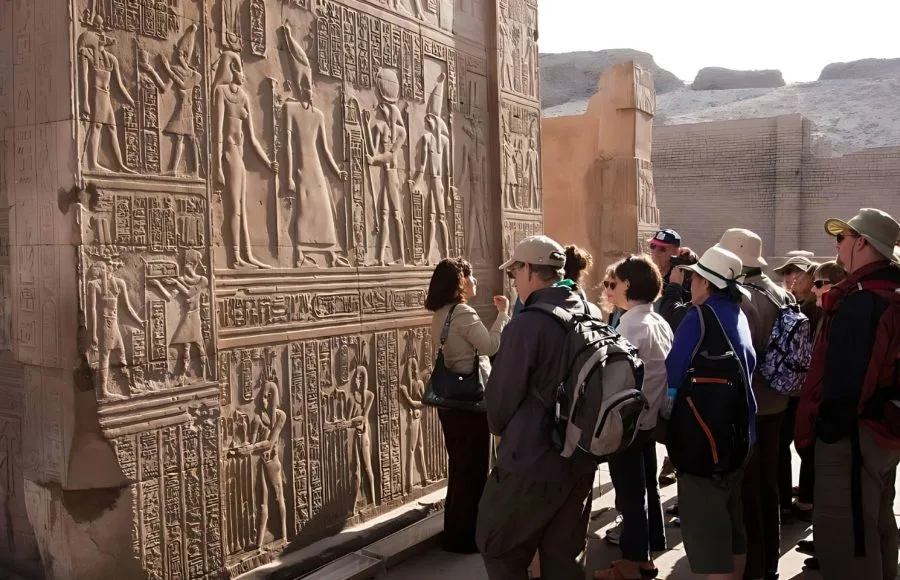
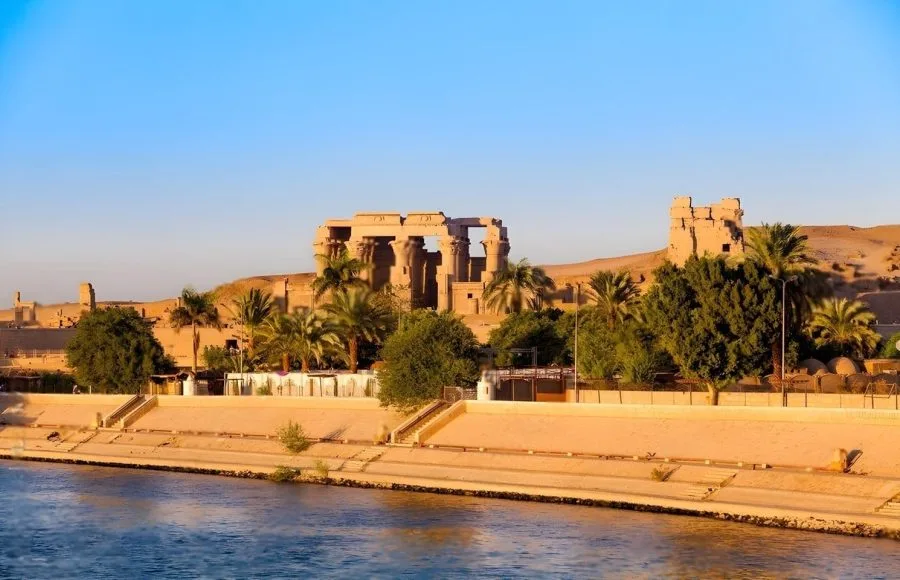
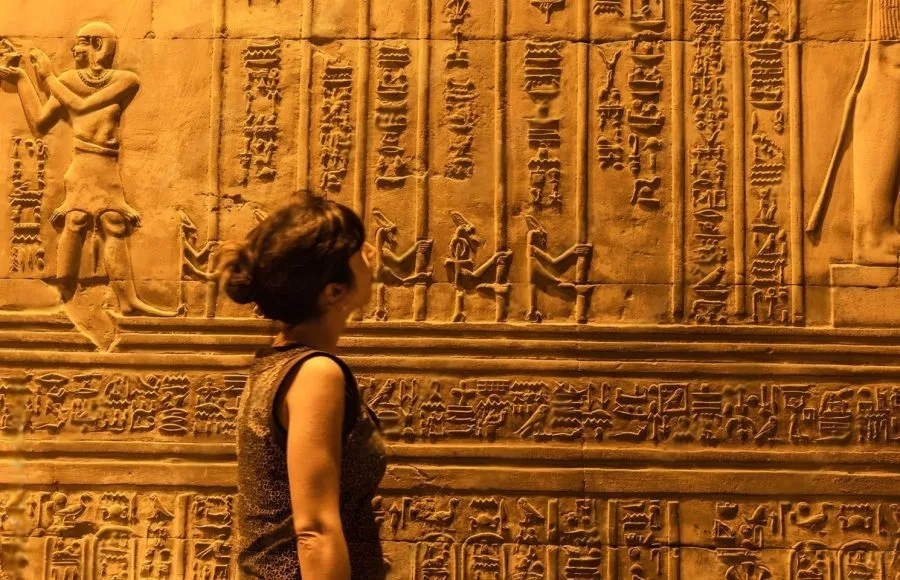
Visit the unique Kom Ombo Temple, dedicated to both Sobek and Horus, reflecting dual religious devotion.
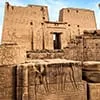
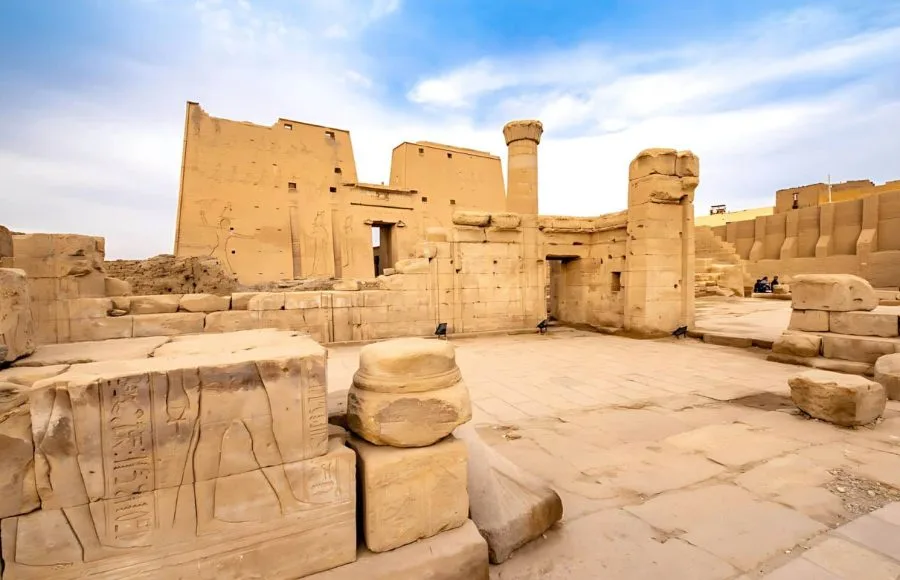
Explore the remarkably preserved Temple of Horus, showcasing ancient Egyptian ceremonial life.
Breakfast, Lunch
Arc III · Karnak to Red Sea
Luxor's East and West Banks give way to two open days on the Hurghada coast

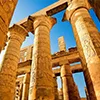
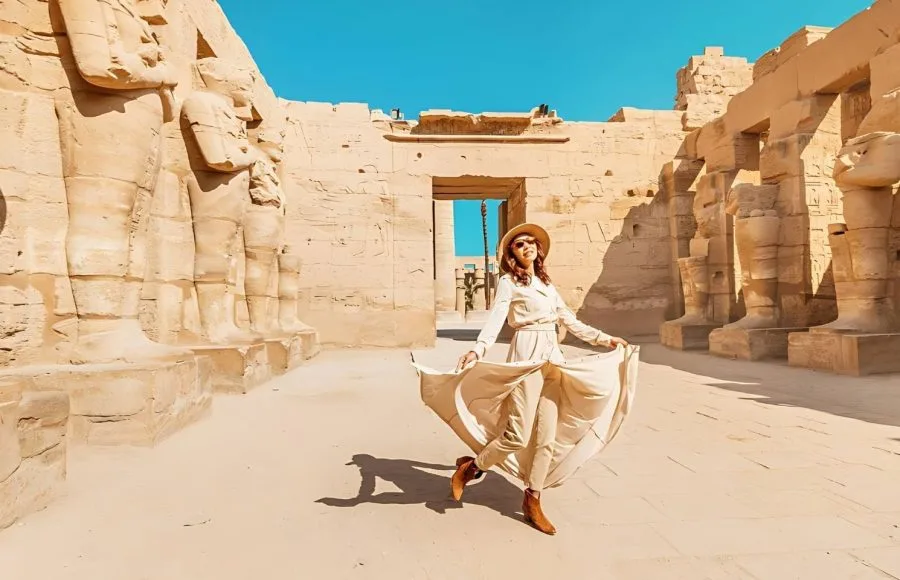
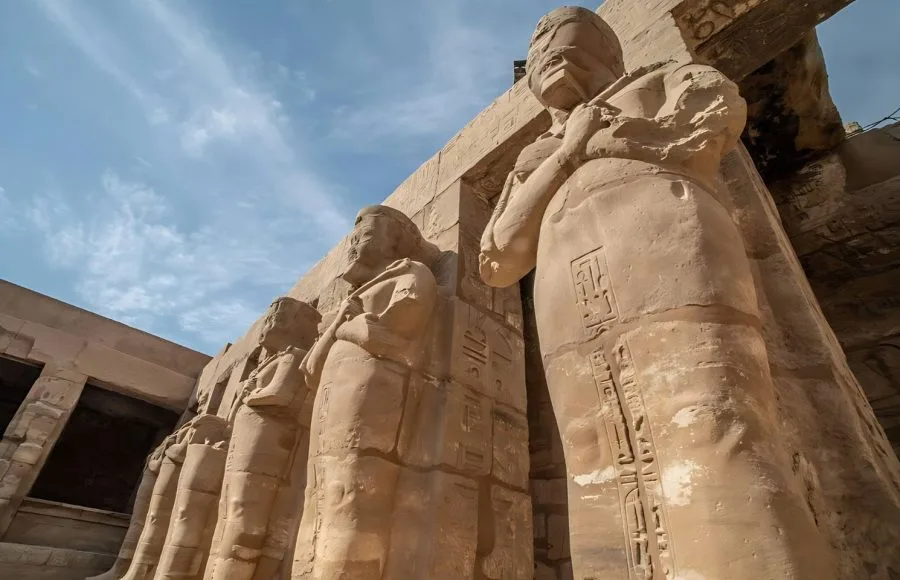
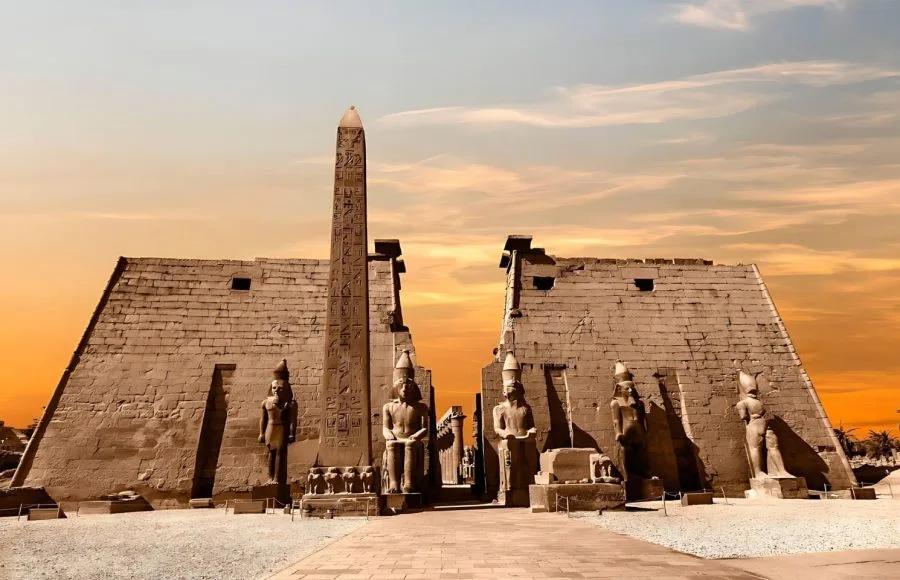
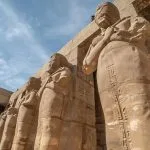
Walk through Karnak Temple, the largest religious complex ever built, spanning over 2,000 years of history.
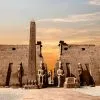
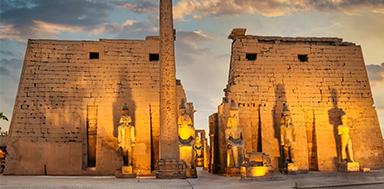
You arrive as the afternoon light drops and the floodlit sandstone begins to warm in colour, the 25-metre obelisk of Ramesses II, one of an original pair, the other now in the Place de la Concorde in Paris, casting a long shadow across the first courtyard. The mosque of Abu Haggag, built inside the temple's upper register in the 13th century, still holds active Friday prayers directly above the pharaonic columns below it.
Breakfast, Lunch

The Nile crossing to the West Bank takes minutes by ferry. The entire West Bank programme, with three sites, occupies the morning and early afternoon, leaving the late afternoon free before the overland drive to Hurghada the following day.
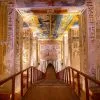
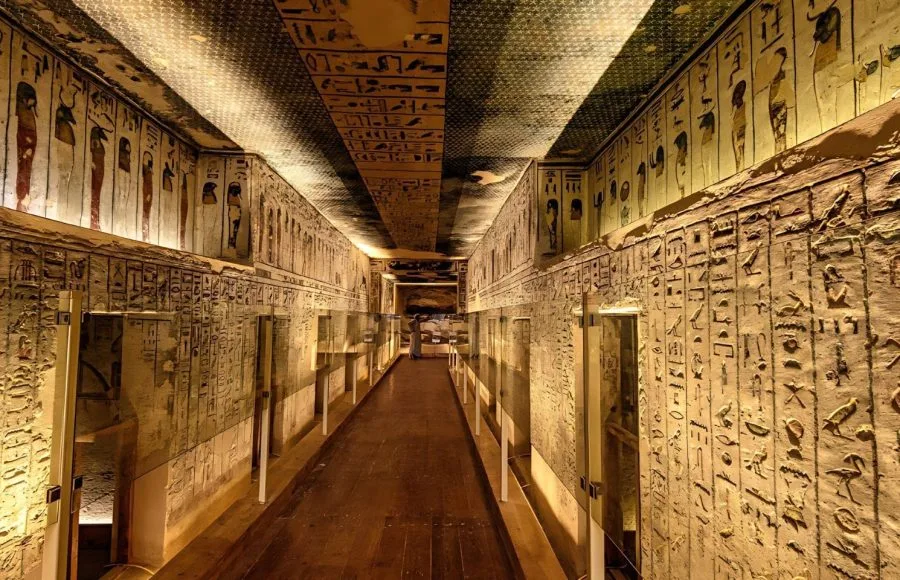
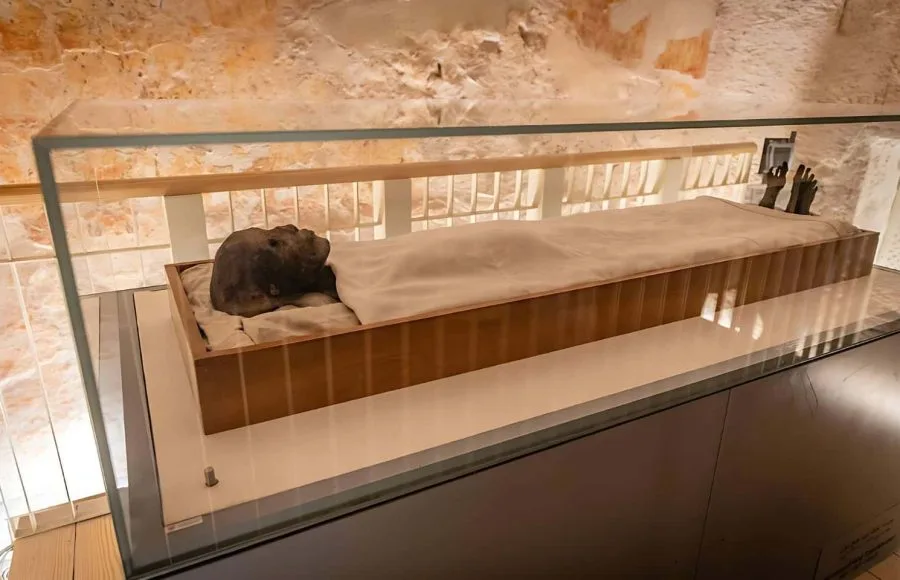
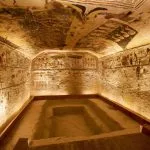
Explore the legendary Valley of the Kings, the royal burial ground of New Kingdom pharaohs, including Tutankhamun. Marvel at the intricately decorated tombs, hieroglyphics, and hidden chambers that reveal the spiritual beliefs and grandeur of ancient Egypt.
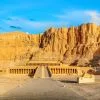
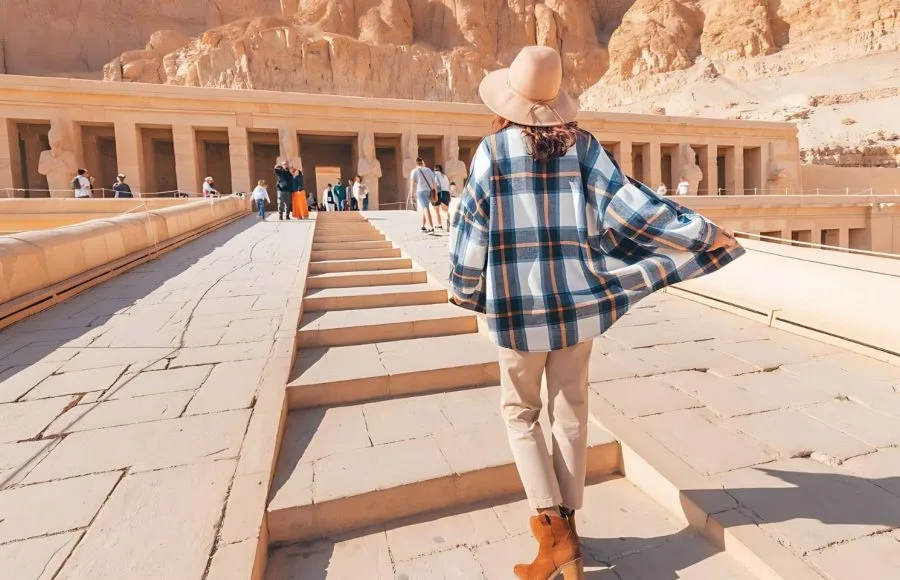
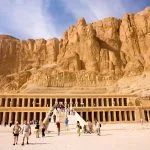
Admire the striking Hatshepsut Temple, a monumental tribute to Egypt’s powerful female pharaoh. Its terraced architecture, carved into cliffs, reflects both artistic mastery and the legacy of a ruler who defied conventions.
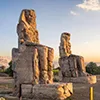
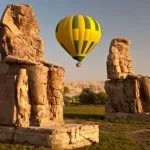
Stand in awe before the Colossi of Memnon, two massive stone statues that have guarded the Theban necropolis for millennia. These towering figures embody the strength and divine protection of Egypt’s royal heritage.
Breakfast, Lunch

The overland drive from Luxor to Hurghada crosses the Eastern Desert roughly 200 kilometres through an arid plateau before the Red Sea coast appears. Two recovery days here before the Jordan leg begins.

Spend the day enjoying pure relaxation on Hurghada’s golden beaches, soaking up the sun, listening to the gentle waves, and taking in the serene coastal atmosphere. Travellers with less time often choose our 10 day overland Egypt Jordan Cairo, Hurghada & Petra tour, while this 15 day expedition adds Alexandria, Abu Simbel, and a more comprehensive Upper Egypt route before continuing into Jordan.

Enhance your experience with an optional snorkeling adventure, exploring vibrant coral reefs, colorful marine life, and the crystal-clear waters of the Red Sea.
Breakfast, Lunch, Dinner

A full unstructured day before the transition to Jordan. Both optional activities can be booked through your guide the previous evening.

For adventure seekers, embark on an optional desert safari, discovering the dramatic dunes and rugged landscapes of Egypt’s Eastern Desert. Experience thrilling rides, stunning sunset views, and the unique beauty of this vast desert wilderness.
Breakfast, Lunch, Dinner
Arc IV · Amman to Petra
Madaba, Mount Nebo, the Dead Sea, and Petra from an Amman base
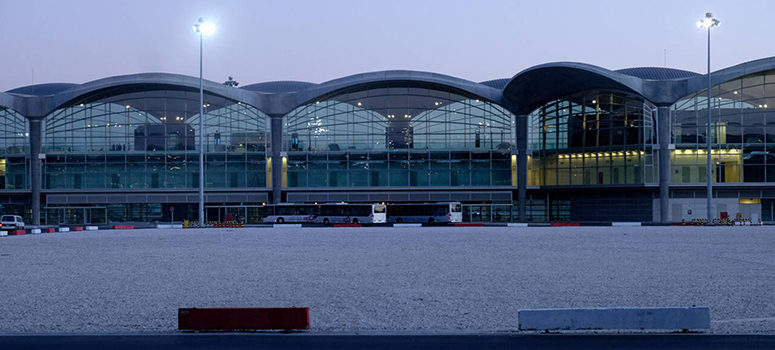
Domestic flight: Hurghada → Cairo. Connecting international flight: Cairo → Amman. Guide meets you at Queen Alia International Airport and transfers you by private vehicle to your Amman hotel. This is the transition day of this overland Egypt and Jordan expedition. Egyptian destinations close, Jordanian ones open tomorrow. Travellers seeking a faster-paced alternative focused on desert landscapes often prefer the 8 day adventure Egypt Jordan Cairo Wadi Rum itinerary, whereas this journey prioritises deeper exploration across both countries.
Breakfast
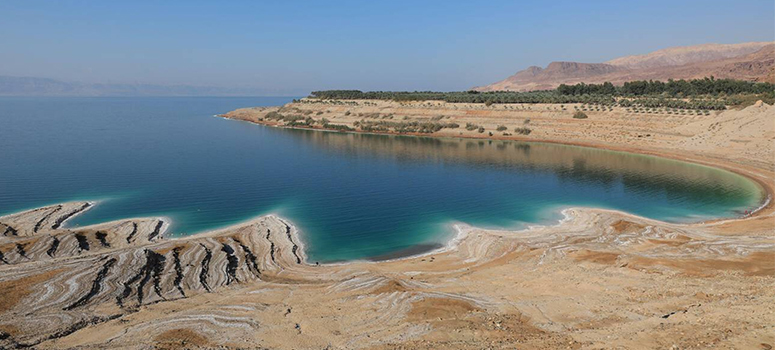
Full day excursion south from Amman, covering three Jordanian sites across a morning and afternoon loop. All three are within 60 kilometres of each other, making this the most concentrated day of the Jordan leg.
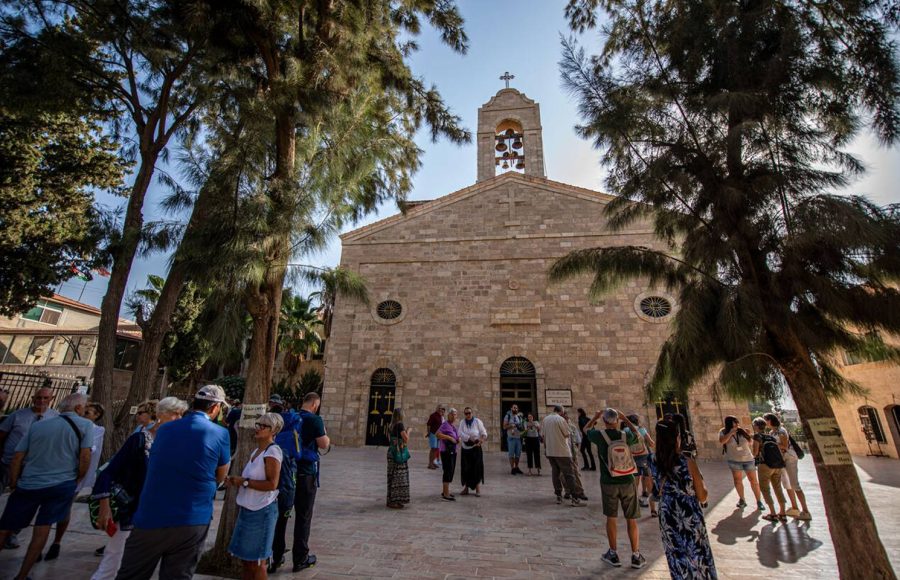
Your guide walks you through the streets of a city whose Byzantine-era mosaic tradition has survived continuously since the 5th century, with workshops still producing floor mosaics using the same tesserae cutting techniques. Madaba holds more Byzantine mosaics per square kilometre than any other city in the Middle East.
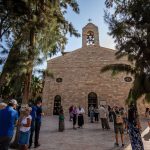
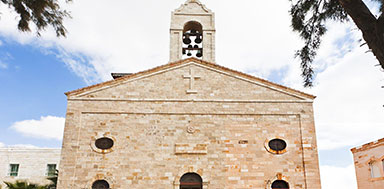
You step directly onto the protective glass floor covering the 6th-century mosaic map of the Holy Land, the oldest surviving cartographic representation of the region, measuring 94 metres by 25 metres in its original form. The section preserved beneath the church floor still shows Jerusalem's colonnaded Cardo Maximus, the Jordan River, the Dead Sea, and identifiable towns from Egypt to Lebanon, all rendered in coloured limestone tesserae around 560 CE.
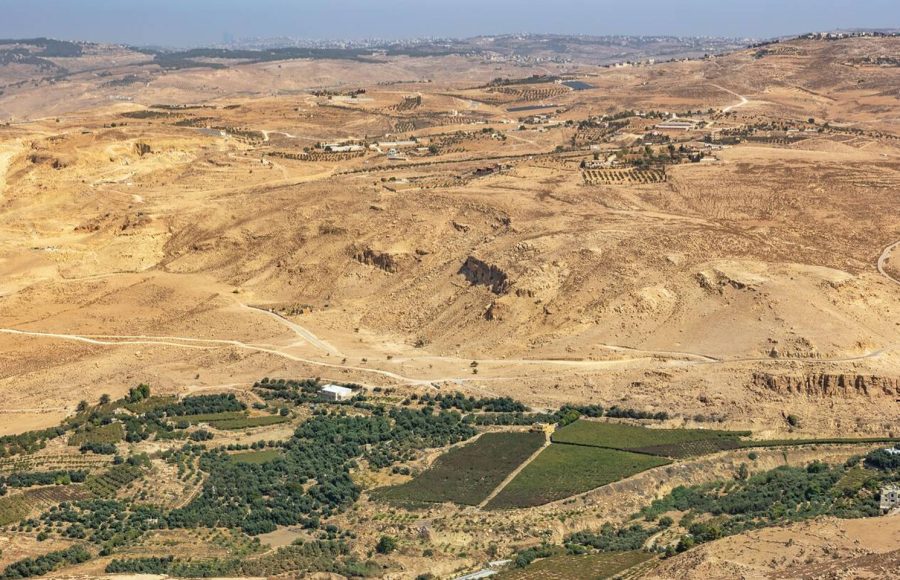
Your guide takes you to the ridge where Moses is recorded in Deuteronomy 34 as having viewed the Promised Land before his death, at an elevation of 817 metres above sea level. On a clear morning, the view extends across the Jordan Valley to the hills of Jerusalem, 46 kilometres west across the Dead Sea depression.
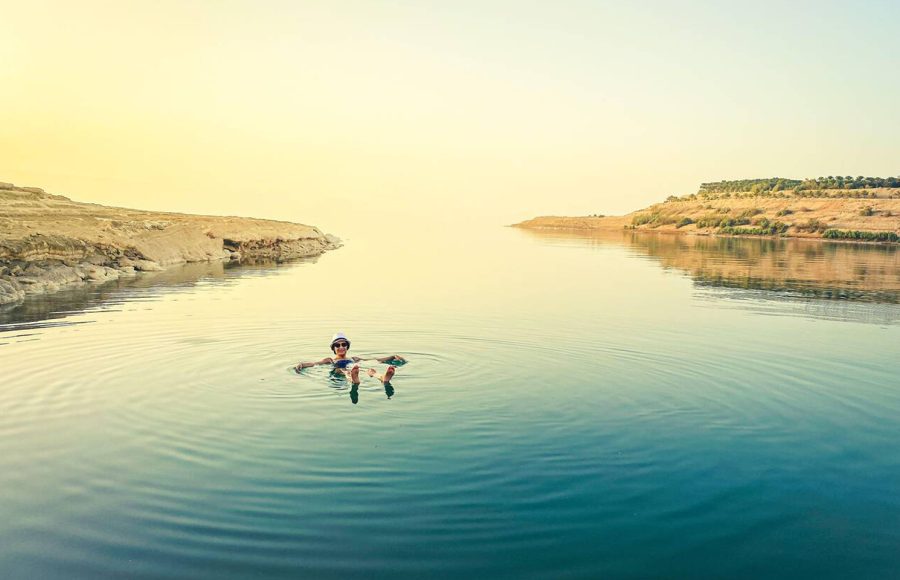
You walk into the water and stop swimming the 34% salinity makes independent flotation automatic, removing any effort from the experience. At 430 metres below sea level, this is the lowest point on the Earth's surface accessible to travellers, and the mineral content of the water, particularly magnesium, calcium, and potassium, is unlike any other body of water in the world.
Breakfast, Lunch
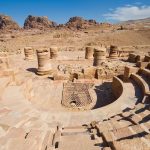
A scenic 3-hour drive south from Amman through Jordan's highland desert to Wadi Musa, the valley town that sits above Petra's entrance. A full day inside the site, the longest single-site day of the entire Egypt and Jordan expedition.
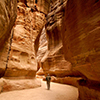
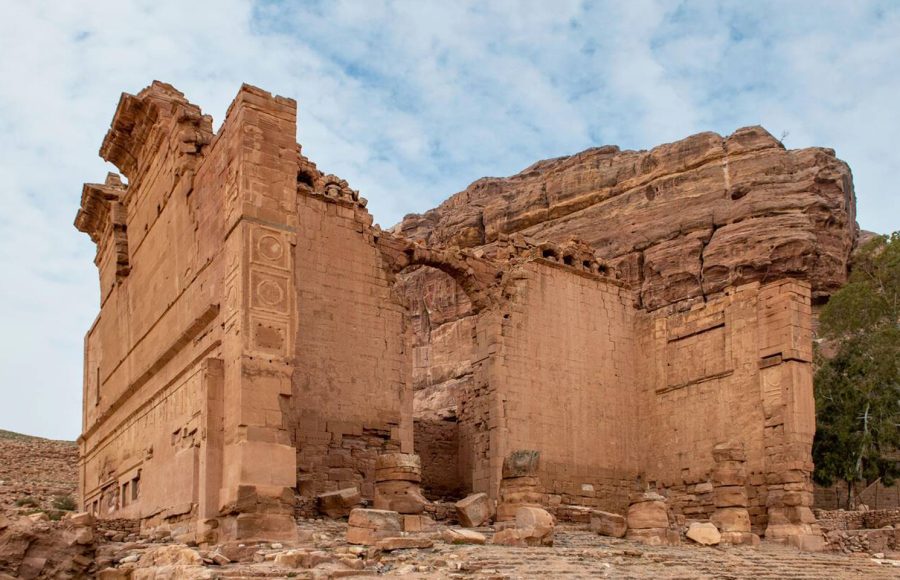
Your guide leads you into the 1.2-kilometre entrance gorge where the sandstone walls narrow to 3 metres at the tightest point and rise to 80 metres above you, blocking out direct light for most of the walk. The Nabataeans cut a water channel into the left wall, still partially intact that carried spring water from 'Ain Musa into the city year-round.
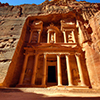
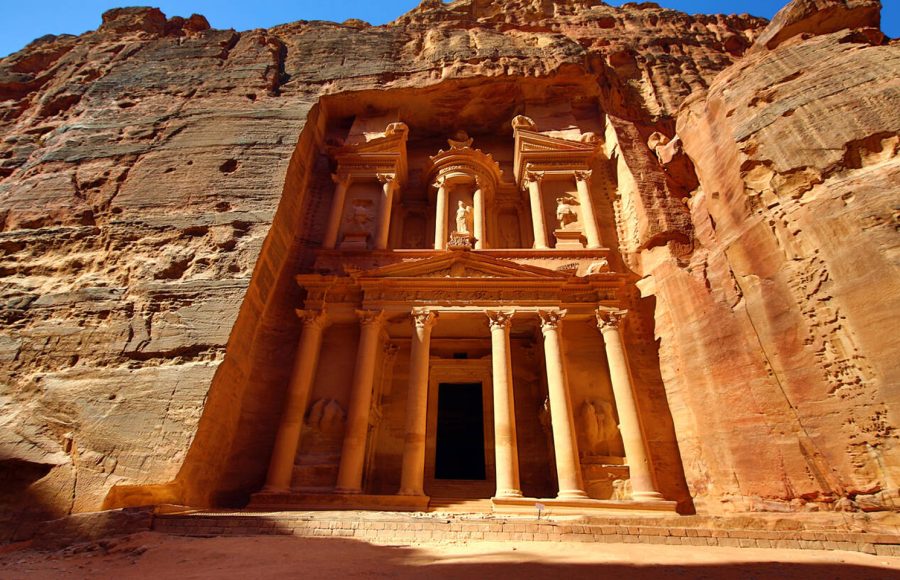
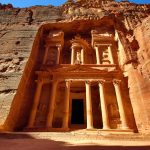
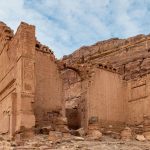
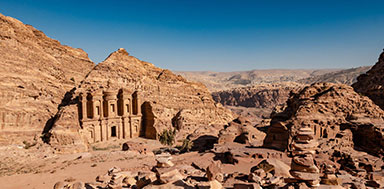
The gorge opens without warning onto a 40-metre facade carved into a single cliff face around the 1st century BCE, its upper register featuring a funerary urn that locals believed held a pharaoh's hidden gold. The carving is cut 30 metres deep into the rock; no interior rooms connect to the upper decorative levels the entire classical facade is solid stone behind the columns.
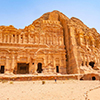
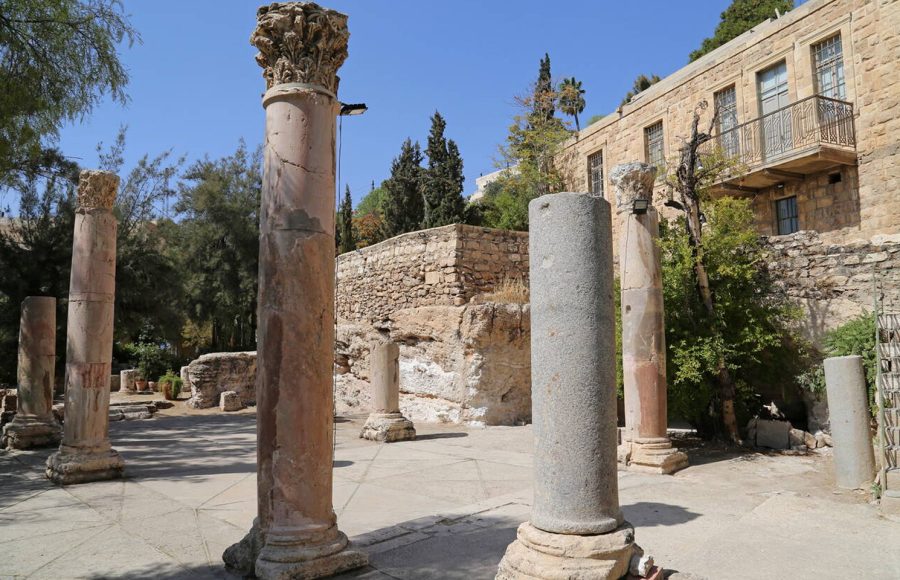
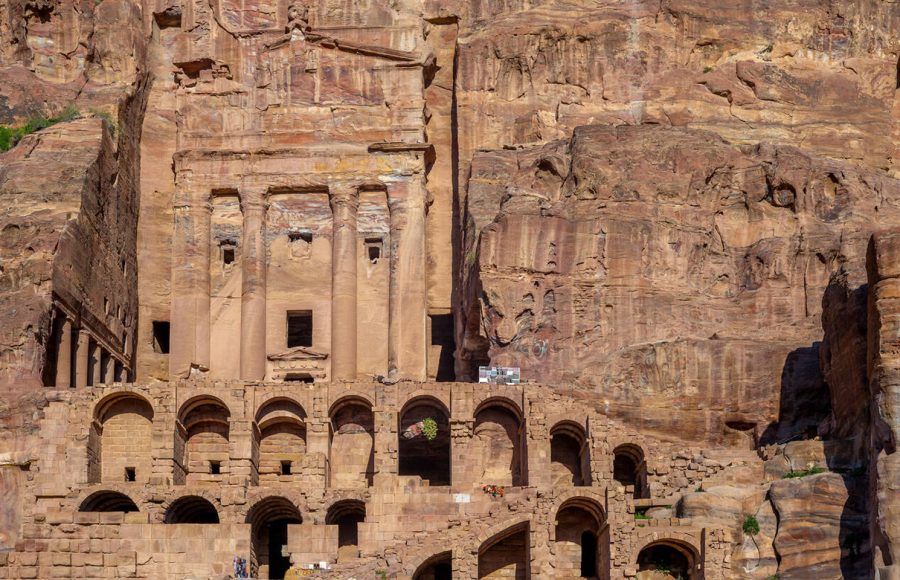
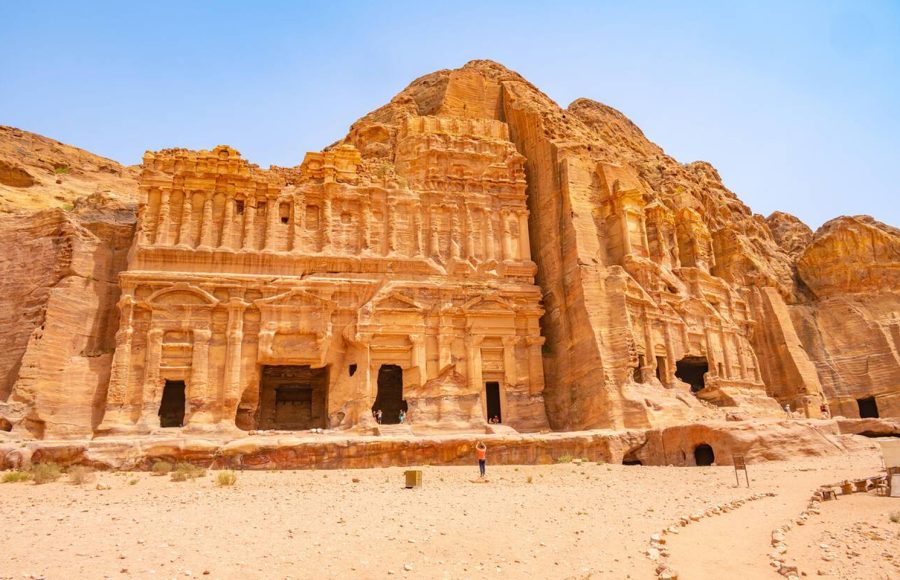
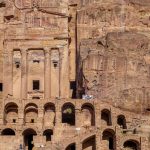
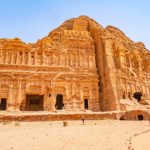
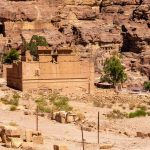
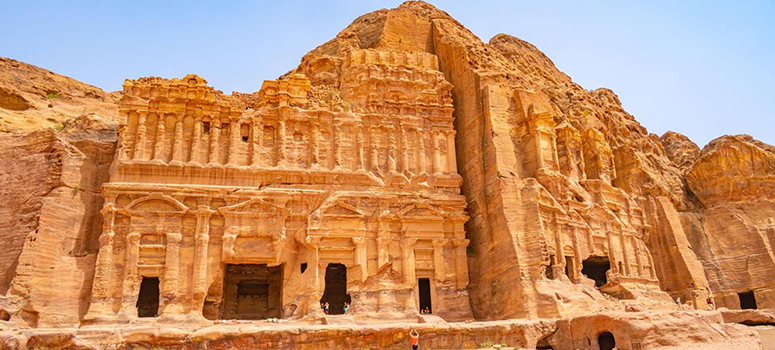
Your guide walks you along the cliff face where four monumental tomb facades, the Urn Tomb, the Silk Tomb, the Corinthian Tomb, and the Palace Tomb, were cut side by side into the same sandstone band between the 1st century BCE and 1st century CE. The Urn Tomb's interior chamber was converted into a Byzantine church in 446 CE, and the inscribed cross still marks the apse wall.
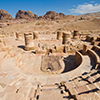
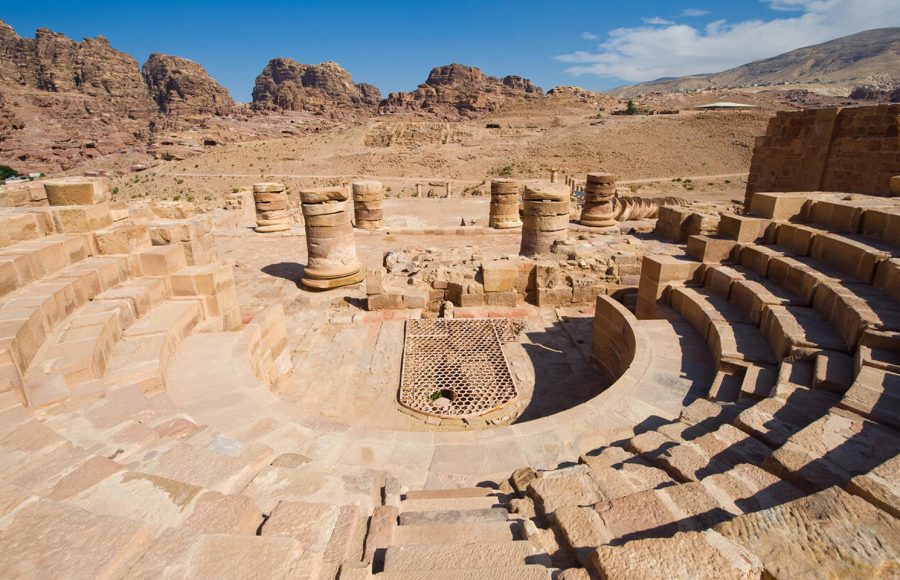
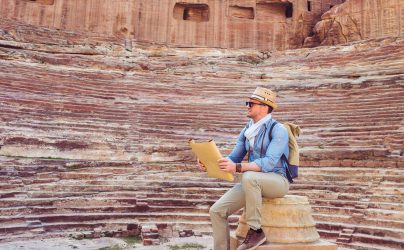
You descend into a semicircular auditorium cut directly from the rock face around the 1st century CE, with seating for approximately 8,500 people across 45 rows. The backstage cutting removed several earlier Nabataean tomb facades in the process; the visible tomb openings in the upper seating area are the cut ends of those earlier chambers.
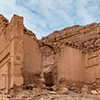
Your guide stops at Petra's largest freestanding structure, a temple built around 30 BCE whose 23-metre walls still stand to their original height, the only major above-ground building remaining in the entire city. It faced the colonnaded street and the main city centre, functioning as the principal religious site for Nabataean worship of Dushara, the chief deity of Petra.
Breakfast, Lunch
Breakfast at the hotel. Private vehicle transfer to Queen Alia International Airport. Your Tripidays guide completes the handover at departures 15 days, two countries, fourteen overnight stays, and the full length of Egypt's overland reach from Alexandria's Mediterranean coast to Hurghada's Red Sea shore, concluding with Jordan's mosaic cities and Petra. Travellers looking for even greater depth may also consider the 18 day Egypt Jordan extended Nile cruise, Siwa, and Petra itinerary, which expands the experience with Siwa Oasis and a complete Nile cruise itinerary.
Breakfast
* You can let us know if you'd like to customize your tour itinerary to meet your needs. We value your input and aim to accommodate your requirements.
This expedition includes comfortable accommodation in five Egyptian and Jordanian cities, private licensed guides throughout both countries, entrance fees to all sites in Egypt and Jordan, daily breakfast, selected lunches on touring days in Egypt, and two included domestic flights in Egypt. Both the Egyptian leg, six destinations from Cairo to Hurghada, and the Jordanian leg, Madaba, Mount Nebo, Dead Sea, and Petra, are fully guided and serviced.
This is the longest Egypt and Jordan overland tour, combining Alexandria's Mediterranean coast, Abu Simbel's deep south, and Hurghada's Red Sea in a single Egyptian sweep before crossing to Jordan, a width of Egyptian coverage no cruise-based 15 day itinerary matches.
Highlights of the Tripidays tour include:
Your guide departs early to reach the Great Temple of Ramesses II before the midday heat. Two rock-cut temples that UNESCO relocated piece by piece between 1964 and 1968 to save them from Lake Nasser's rising waters. The four colossal seated figures at the entrance each stand 20 metres tall, carved from a single sandstone cliff face around 1264 BCE.
All transfers are in private air-conditioned vehicles, including airport pick-ups, hotel transfers, and excursions between cities.





15 Day / 14 Night
Cairo Airport or Amman Airport
Cairo / Abu Simbel / Aswan / Luxor / Dahab / Amman / Jerash / Madaba / Petra
15 Days / 14 Nights
Cairo Airport or Istanbul Airport
Cairo / Alexandria / El Alamein / Siwa Oasis / Bahariya Oasis / Istanbul / Mount Nemrut / Gobeklitepe
Explore our travel guides related to Egypt and Jordan Travel Guide


Tripidays Egypt Tours has been offering an exceptional range of Egypt tours, vacation packages, Nile cruises, day trips, and shore excursions tailored to meet the diverse interests of travelers worldwide for over 45 years.