
Is Jordan Safe to Travel in 2026? Honest Safety Guide for Tourists
April 6, 2026
Read more
about Is Jordan Safe to Travel in 2026? Honest Safety Guide for Tourists
















































| Duration |
21 Day / 20 Night |
|---|---|
| Tour Location |
Cairo / Alexandria / Aswan / Abu Simbel / Luxor / Sharm El Sheikh / Wadi Rum / Petra / Madaba |
| Tour Type |
Daily Tour |
| Pickup |
Cairo Airport or Amman Airport |
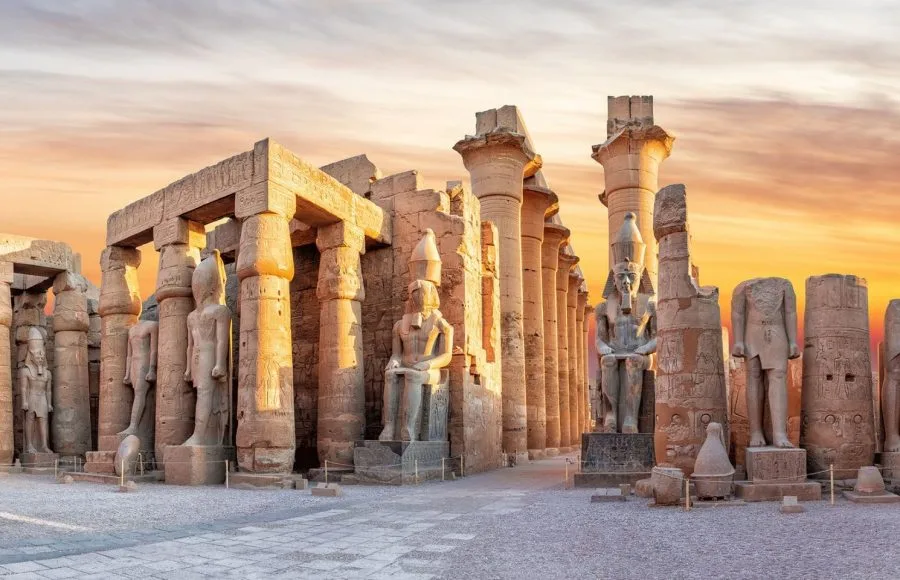
This 21 day luxury Egypt and Jordan tour is one of our premier Egypt combined holidays with guided itineraries, covering Cairo, Alexandria, Aswan, Abu Simbel, Luxor, and Sharm El Sheikh in Egypt, then Wadi Rum, Petra, Madaba, Karak, the Dead Sea, Bethany, Jerash, and Amman in Jordan across 20 nights. It is the only itinerary in this silo combining Sharm El Sheikh's Red Sea resorts, a 3 night Nile cruise, and Wadi Rum stargazing in a single 21 day journey. Accommodation throughout is 5 star rated in both countries, with domestic flights connecting all Egyptian legs and a separate flight into Amman opening the Jordan leg.
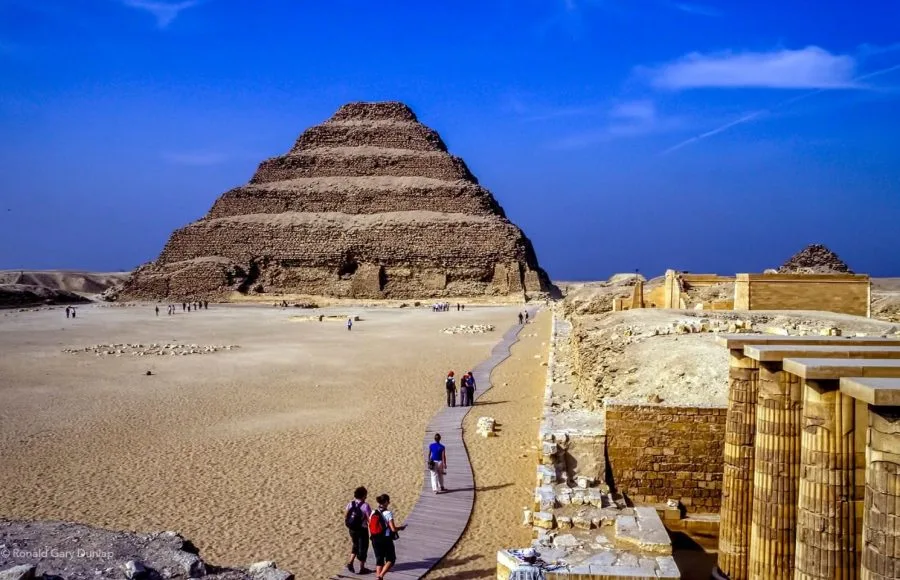
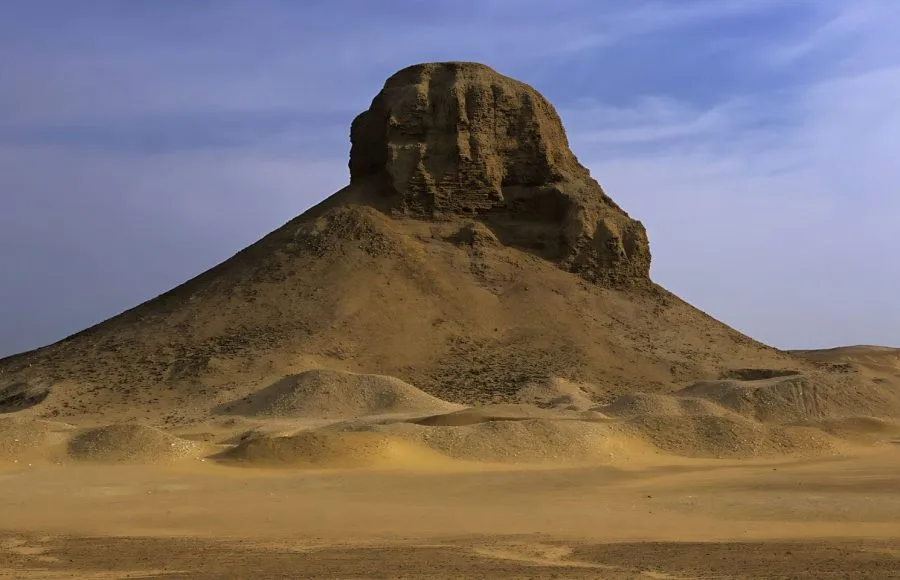
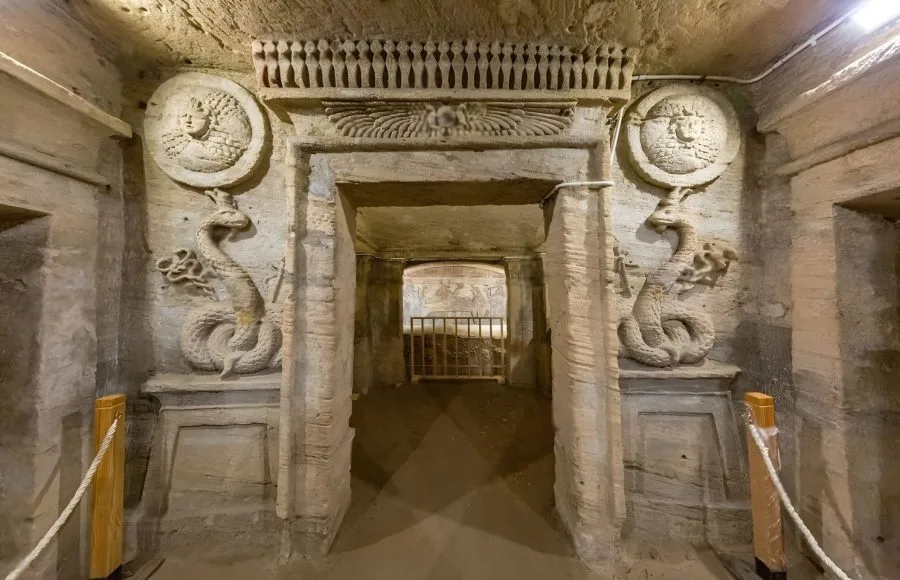
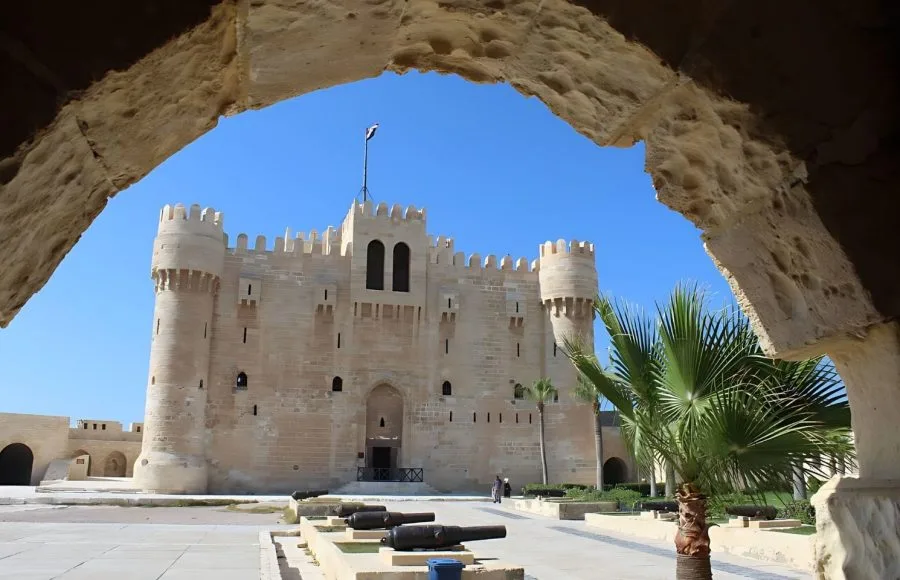
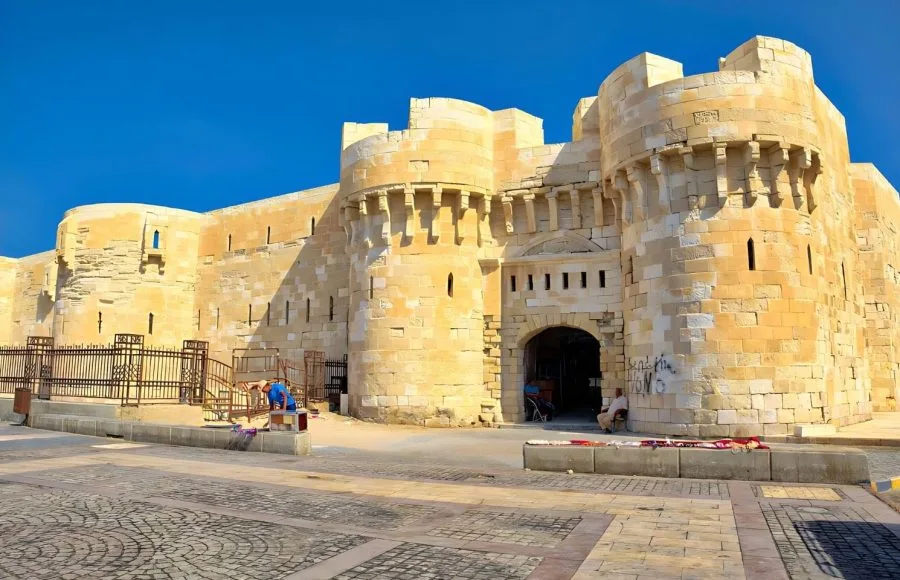
Day 1 opens in Cairo with a Nile Dinner Cruise. Days 2–3 cover the Giza Plateau (Great Pyramids, Great Sphinx, Valley Temple of Khafre, Grand Egyptian Museum), then Saqqara (Step Pyramid of Djoser) and Dahshur (Bent Pyramid, Red Pyramid). Day 4 is a full-day excursion to Alexandria: Catacombs of Kom El Shoqafa, Pompey's Pillar, Roman Amphitheatre, Citadel of Qaitbay, and the Bibliotheca Alexandrina.
Only on this route
Most 21 day Egypt and Jordan tours skip the Red Sea entirely to add more Jordan days the country split math pushes the coast out. This itinerary holds four full nights in Sharm El Sheikh plus a dedicated Sinai day at St. Catherine Monastery before the Jordan leg begins.
Arc I · Cairo to Alexandria
Cairo's plateau and monuments, then the Mediterranean coast
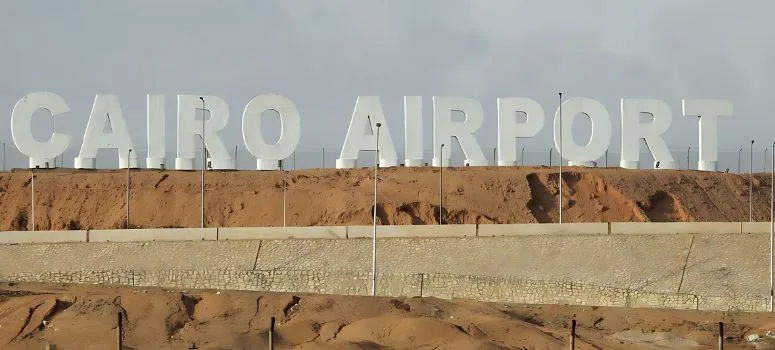
Your guide meets you at Cairo International Airport and transfers you to your 5 star hotel in a private air-conditioned vehicle; the itinerary briefing happens on arrival, so the following 20 days run without friction. That evening, board a Nile Dinner Cruise for the first look at the city from the water.

Step aboard as Cairo's lit bridges and corniche slide past on both sides of the river. The 3-hour cruise runs approximately 8 km along the central Nile, long enough to frame the scale of the capital before a single monument has been visited.
Dinner

Your guide collects you after breakfast for the short drive from central Cairo to the Giza Plateau; the three pyramid complexes are visible from the road before you arrive.

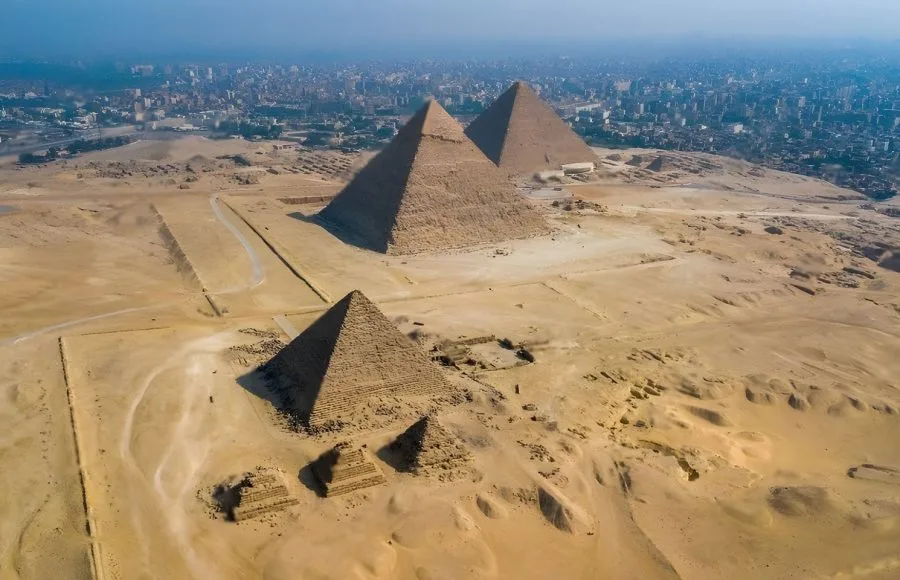
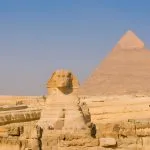
Marvel at the Great Giza Pyramids, built over 4,500 years ago as eternal tombs for pharaohs. These colossal monuments reflect the genius of ancient Egyptian architecture and continue to inspire awe worldwide.
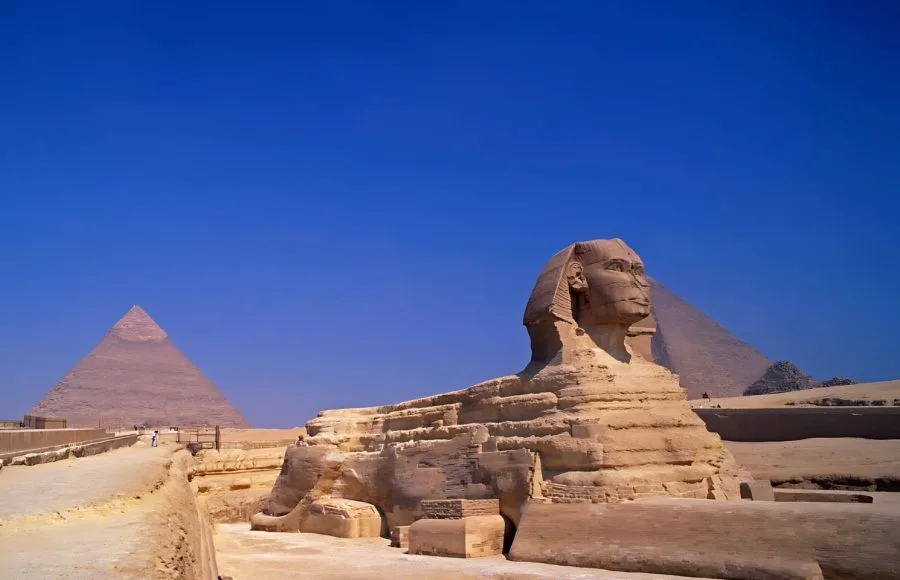
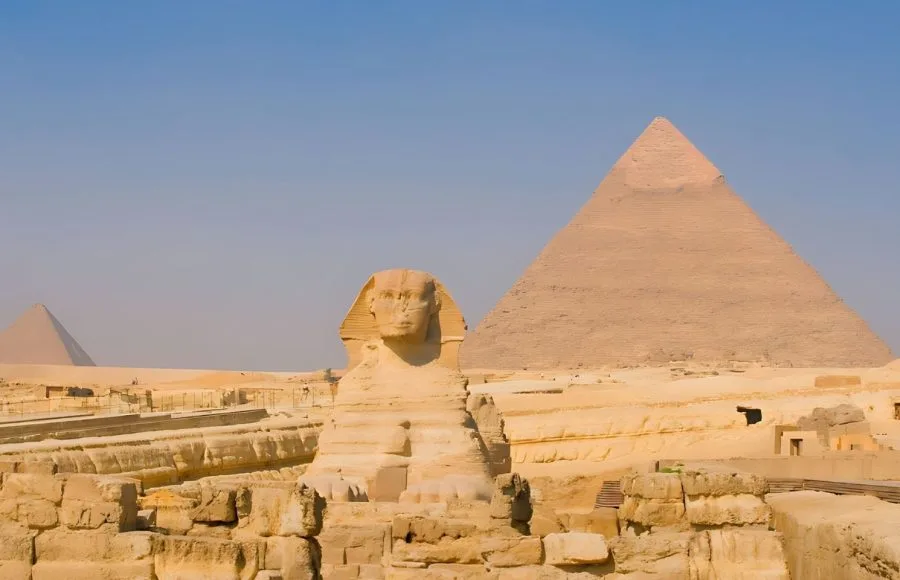
Encounter the Great Sphinx, a limestone statue with a lion’s body and kingly face, guarding the Giza Plateau. Its enigmatic expression symbolizes the mystique and power of Egypt’s pharaonic past.
Your guide takes you inside the granite interior where the embalming rites for Khafre were performed; the massive monolithic pillars are cut from Aswan granite and transported 800 km north. The absence of inscriptions inside is deliberate; the entire building is construction, not decoration.
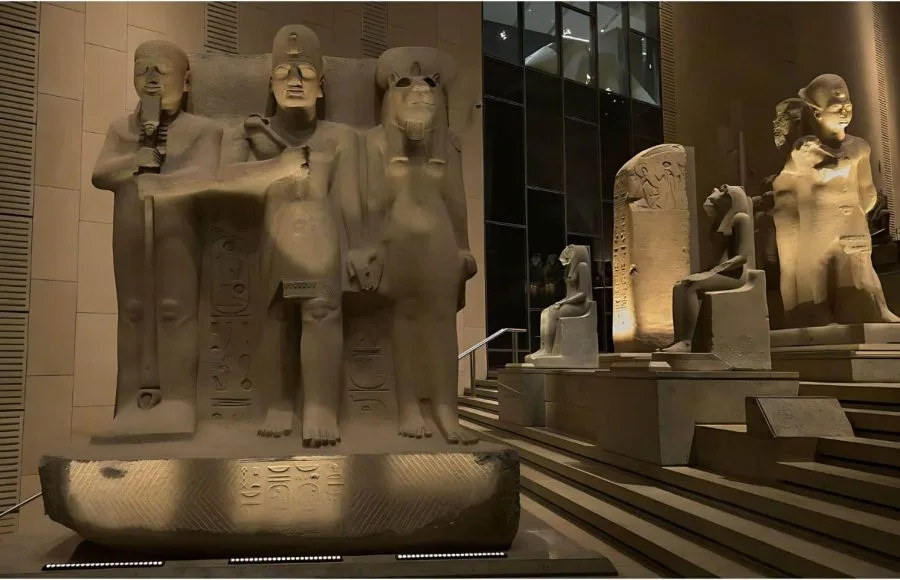
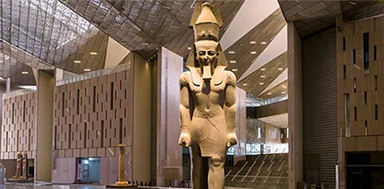
Explore the Grand Egyptian Museum (GEM), home to the world’s largest collection of pharaonic artifacts. From royal statues to priceless relics, history vividly comes to life in this treasure trove.
Breakfast, Lunch

Private vehicle from Cairo takes you south through the desert plateau edge; Saqqara and Dahshur sit approximately 30 km apart, both accessible the same day without rushing either site.

You arrive at the stepped platform that architect Imhotep built for Pharaoh Djoser around 2650 BCE, six mastaba layers stacked to 62 metres, the first large-scale stone structure ever built by humans. The surrounding funerary complex stretches 15 hectares; your guide walks you through the courtyard facades before entering the pyramid enclosure.
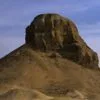
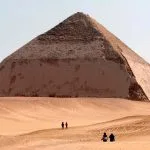
Explore the Dahshour Pyramids, including the Bent Pyramid and Red Pyramid. Their innovative designs mark crucial stages in the evolution of pyramid construction.
Breakfast, Lunch

Early departure from Cairo by private vehicle; the 220 km drive to Alexandria takes approximately 2.5 hours and lands you in a city with a character distinct from anywhere else on this 21 day luxury Egypt and Jordan tour.
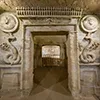
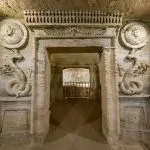
Your guide descends with you through three levels cut into the bedrock, reaching the main burial chamber at approximately 35 metres below street level. The decorative programme fuses pharaonic carving conventions with Roman portrait busts and Greek architectural orders, all three cultures occupying the same tomb walls.
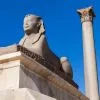
A single red Aswan granite column standing 26.85 metres on its base, the tallest ancient monolith still standing in Egypt. Two sphinxes flank the base; the surrounding site reveals the foundations of the Serapeum temple that once enclosed it.

Thirteen semicircular marble tiers survive almost intact, discovered in 1960 during construction work. Your guide points out where mosaic floors and column bases mark the colonnaded hall that flanked the seating.
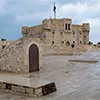
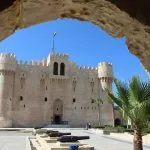
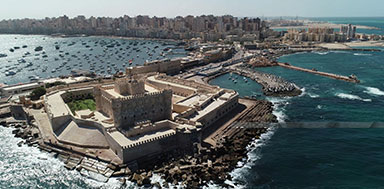
Walk the outer ramparts where the fort's builders in 1477 CE incorporated stone blocks from the ancient Lighthouse of Alexandria, one of the Seven Wonders of the Ancient World, directly into the sea walls. The lighthouse stones are identifiable by their cut and scale.
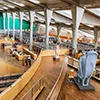
The tilted disc roof of the modern library covers a reading room with 11 cascading floor levels and a shelf capacity for 8 million books. The exterior granite wall is engraved with letters from 120 of the world's writing systems.
Breakfast, Lunch
Arc II · Aswan to Luxor
Abu Simbel at dawn, the Nile cruise north through Kom Ombo and Edfu

After breakfast at your Cairo hotel, transfer to the airport for your flight to Aswan. Upon arrival, meet your guide and explore Aswan's highlights before boarding your Nile cruise.
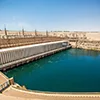
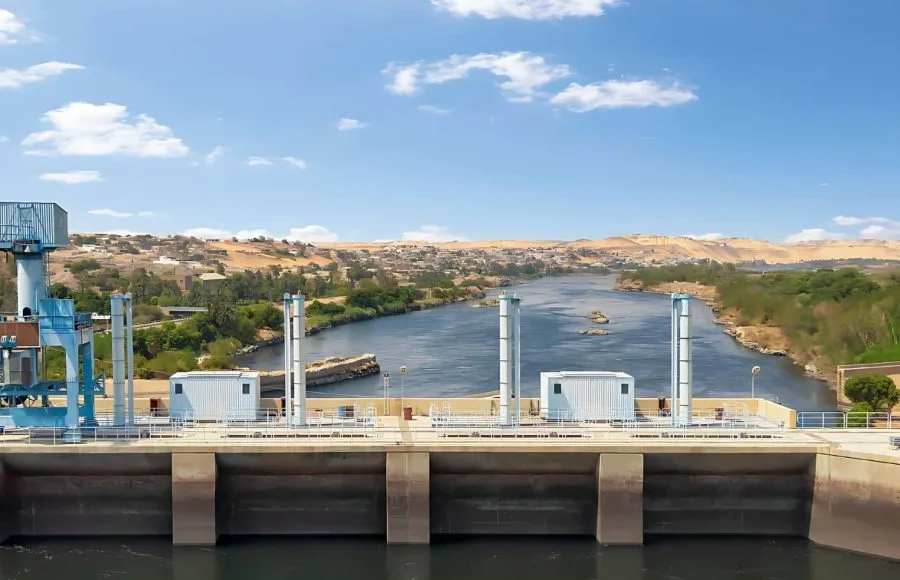
Marvel at the Aswan High Dam, a modern engineering feat controlling the Nile’s waters and transforming Egypt’s agriculture.
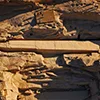
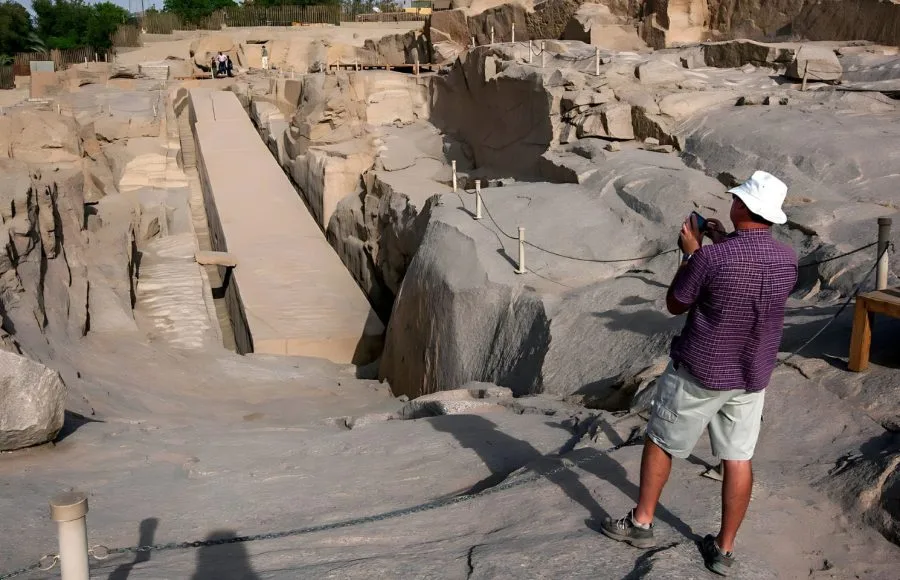
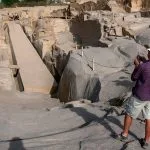
Your guide takes you to the quarry floor, where an obelisk intended to stand 41 metres tall, the largest ever attempted, lies still attached to the bedrock. A crack discovered during cutting stopped the project; the tool marks from copper chisels and dolerite pounding stones are still visible in the granite.
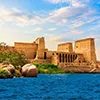
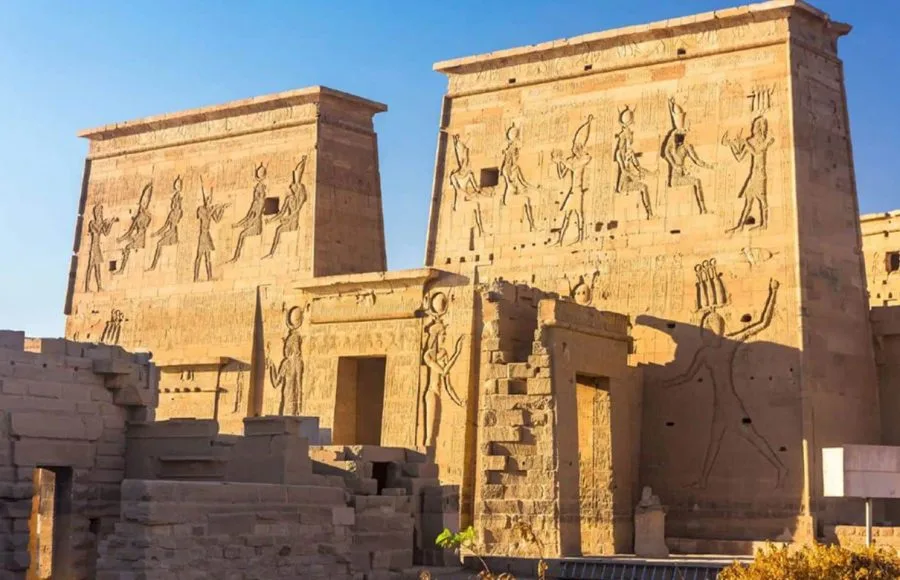
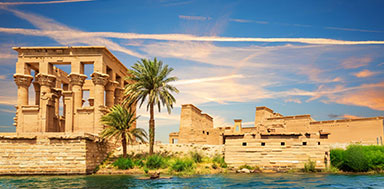
Explore Philae Temple, dedicated to Goddess Isis, surrounded by tranquil waters that reflect centuries of devotion and mythology.
Breakfast, Lunch, Dinner
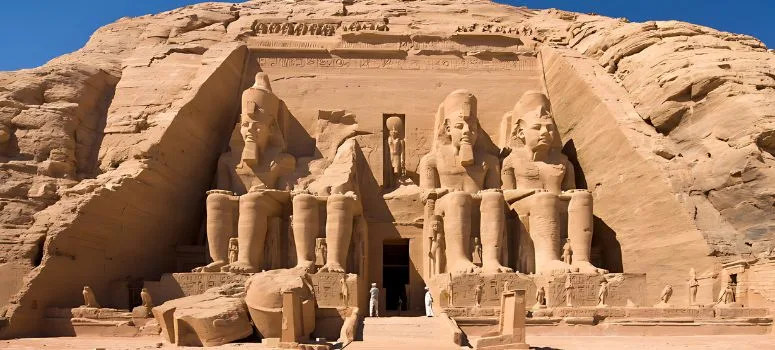
Early departure with breakfast boxes for a road trip to Abu Simbel. Return to Aswan to rejoin the Nile cruise before its 12:00 PM sailing to Kom Ombo for a temple visit, then continue onward to Edfu.
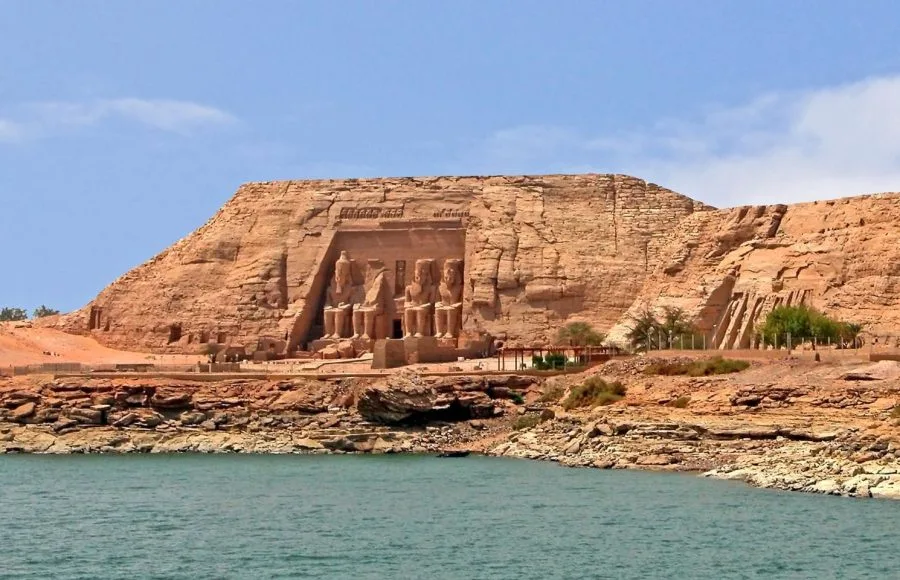
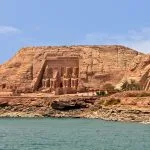
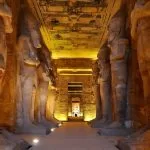
Visit the iconic Abu Simbel Temples, carved into cliffs by Pharaoh Ramses II. These monumental structures honor gods and kings, preserving Egypt’s imperial grandeur.
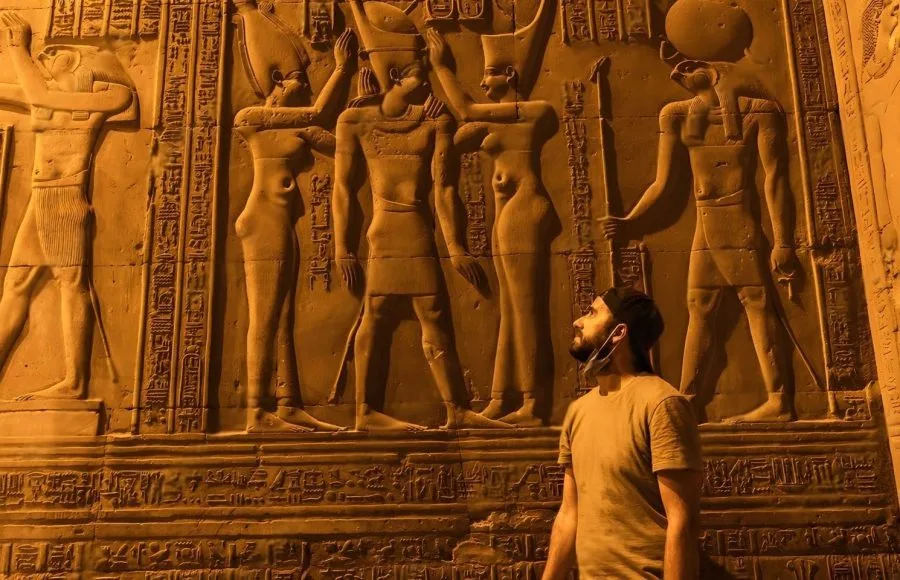
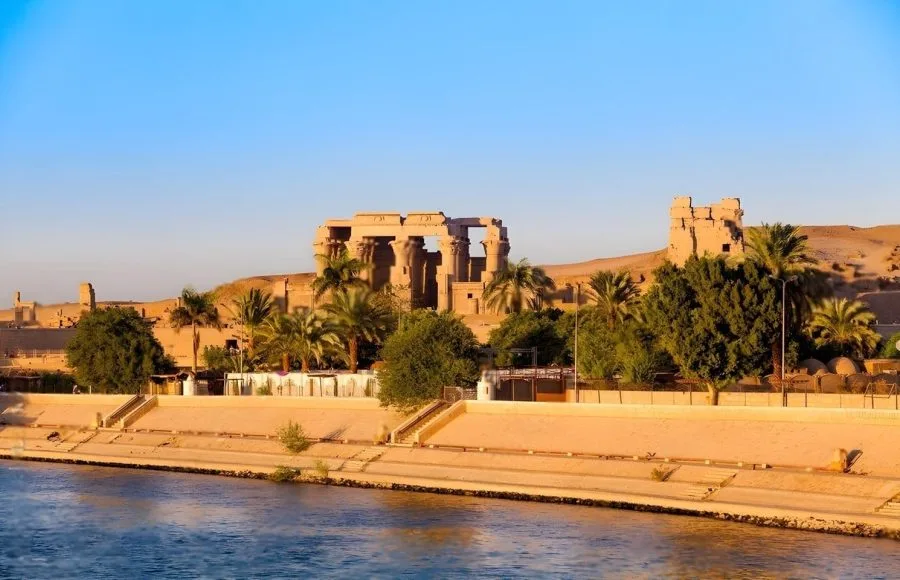
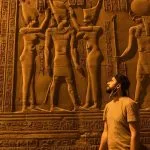
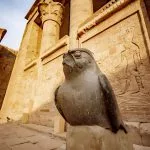
Explore Kom Ombo Temple, a unique double temple dedicated to Sobek, the crocodile god, and Horus, the falcon god, reflecting Egypt’s complex religious life.
Breakfast, Lunch, Dinner

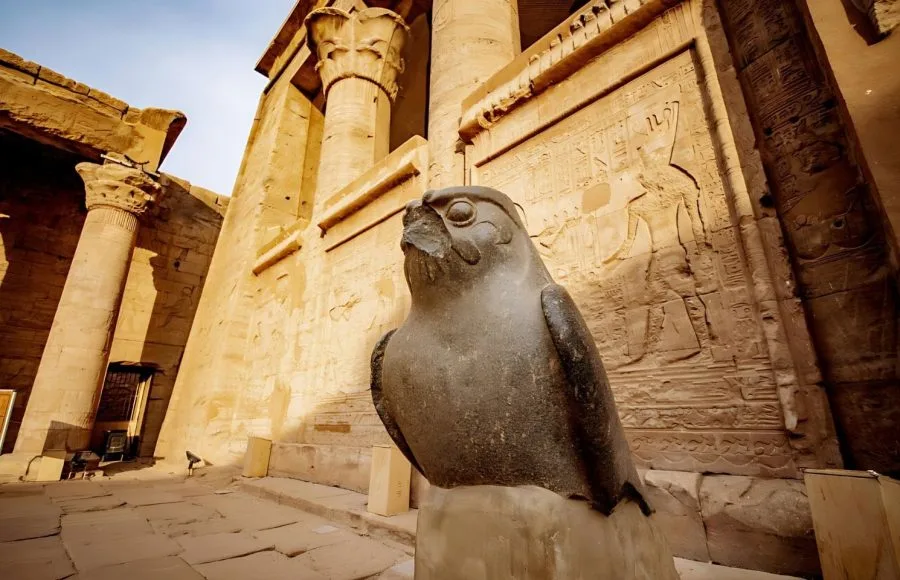
The cruise docks at Edfu for the morning temple visit, with horse-drawn carriages covering the 3 km journey from the dock to the entrance. Afterward, continue sailing to Luxor and visit Luxor Temple illuminated at night.
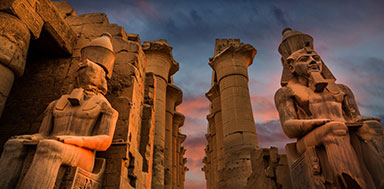
Your guide takes you through the first pylon, 36 metres tall, into the hypostyle hall still roofed with its original stone ceiling, making the interior completely dark except at the entrance. Construction began under Ptolemy III in 237 BCE and continued for 180 years; the walls record the complete myth of Horus defeating Set across more text than any other temple in Egypt.
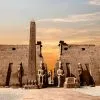
As the sun begins to set over Luxor, step into the glowing corridors of Luxor Temple, where golden lights bring the ancient stones to life. Once connected to Karnak Temple by the legendary Avenue of Sphinxes, this sacred pathway was used by pharaohs during grand religious processions thousands of years ago.
Breakfast, Lunch, Dinner

Cruise disembarkation in Luxor; your Luxor guide takes the east and west bank sites in sequence before the evening flight returns you to Cairo.
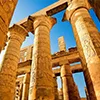
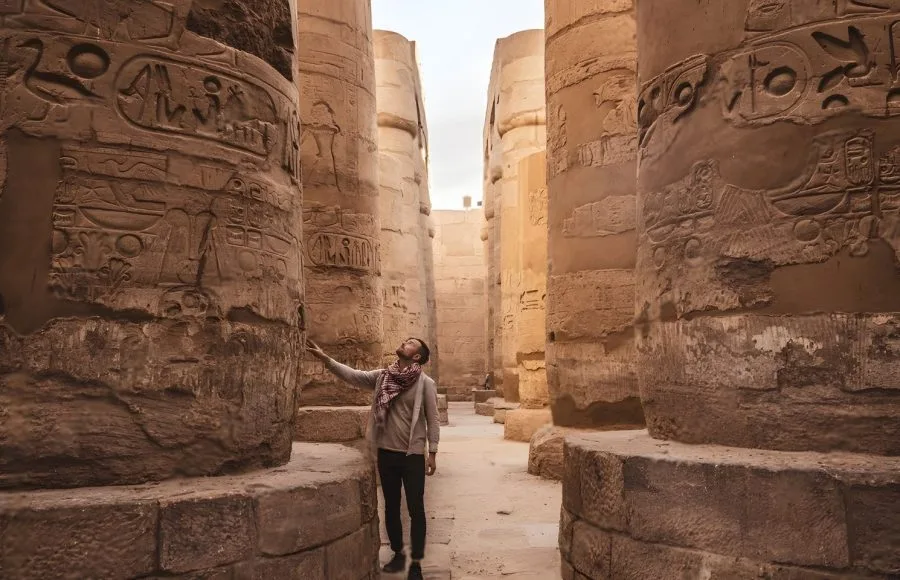
Explore Karnak Temple Complex, a sprawling center of worship dedicated to Amun, showcasing centuries of pharaonic devotion and monumental artistry.
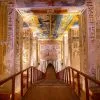
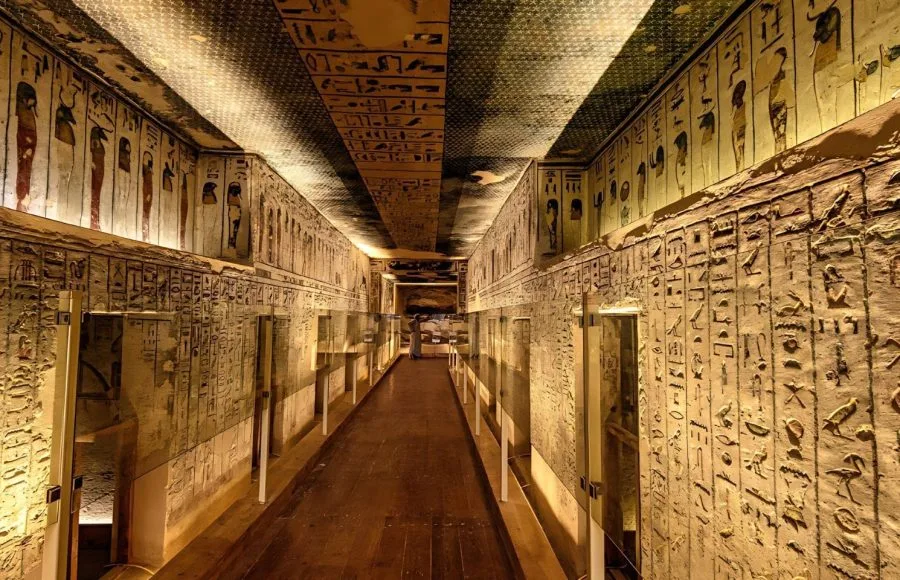
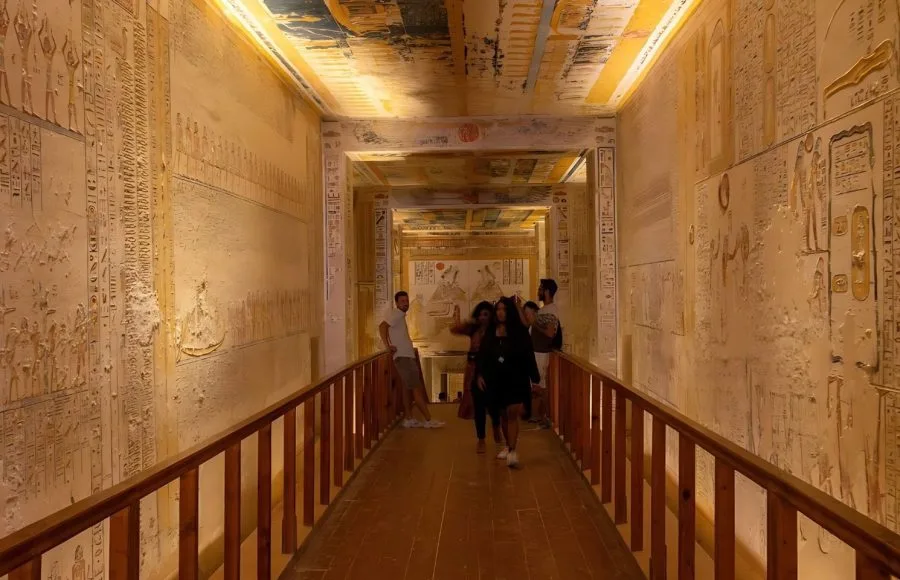
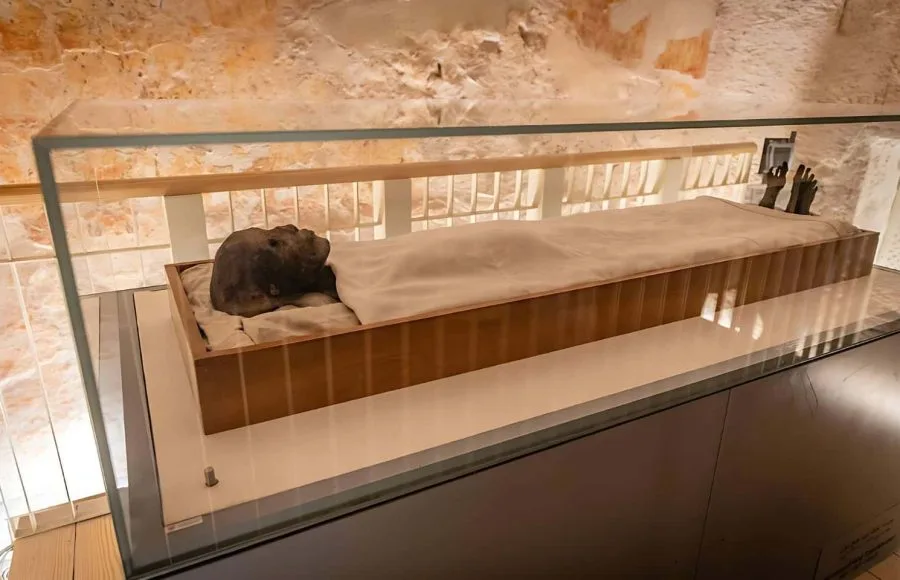
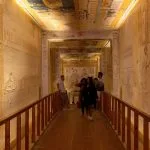
Visit the legendary Valley of the Kings, where pharaohs, including Tutankhamun, were laid to rest, with tombs adorned in intricate, eternal art.
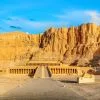
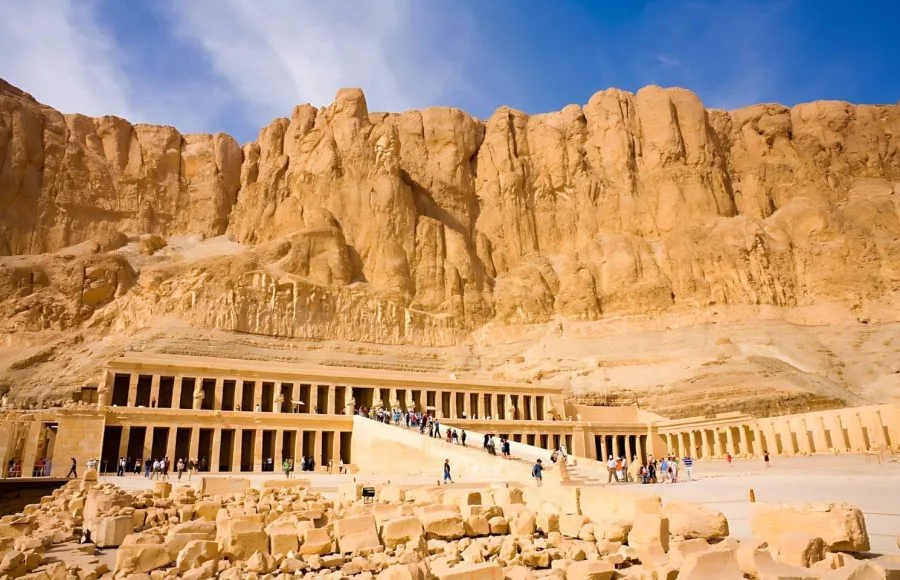
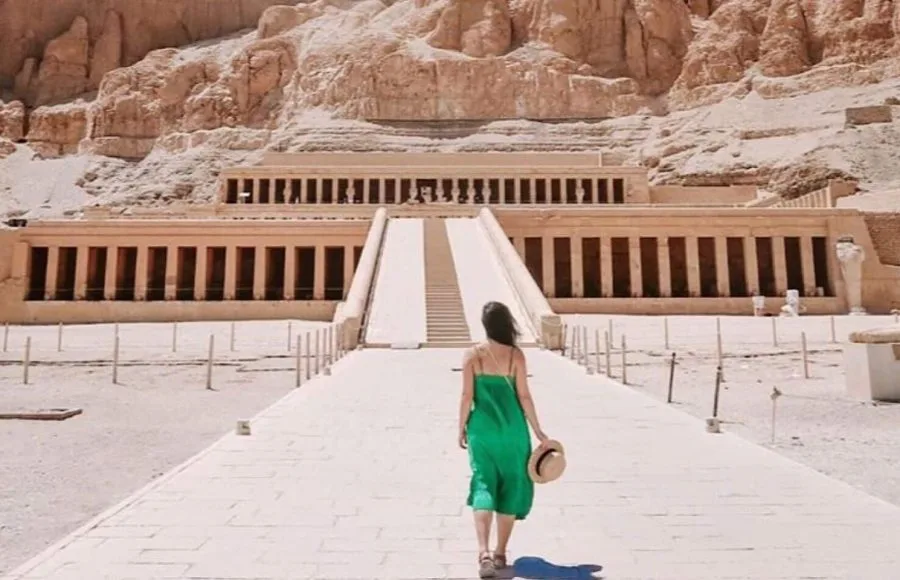
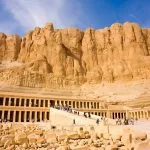
See Temple of Hatshepsut, carved into the cliffs of Deir el-Bahari, honoring one of Egypt’s most powerful and visionary female rulers.
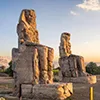
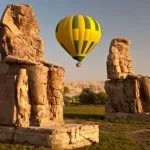
Stand before the Colossi of Memnon, two massive statues guarding Amenhotep III’s mortuary temple, silent witnesses to Egypt’s grandeur.
Breakfast, Lunch, Dinner
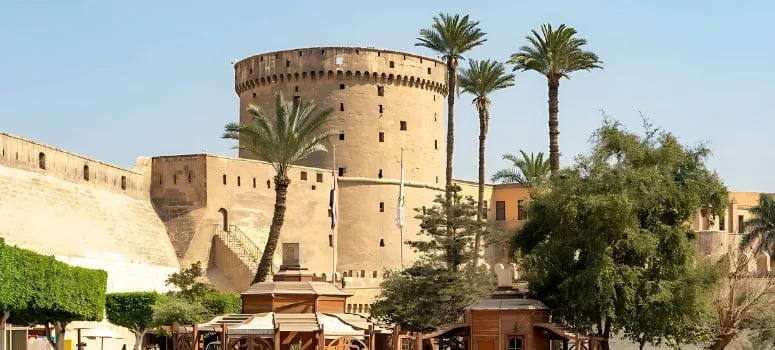
Full day in Cairo; your guide moves between Coptic Cairo and the Islamic district in sequence, both walkable from each other within the old city.
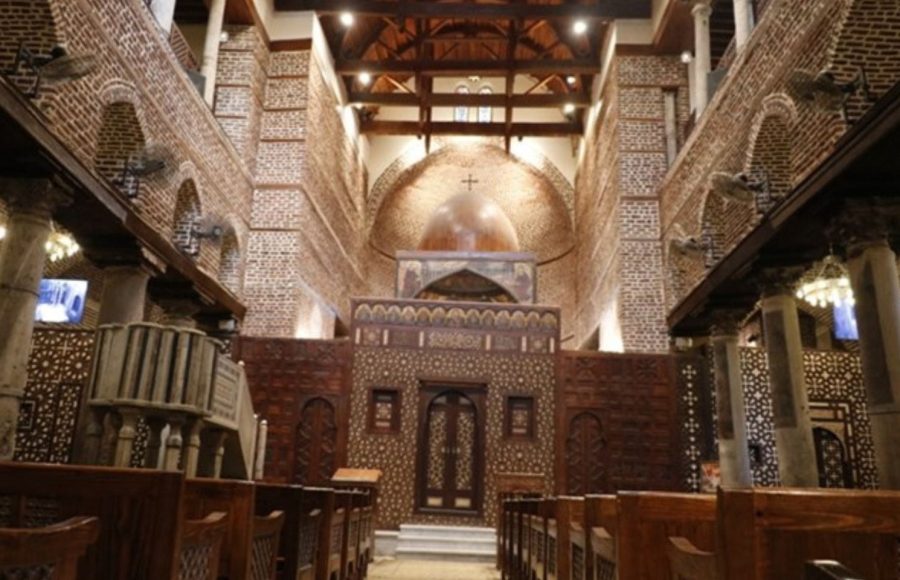
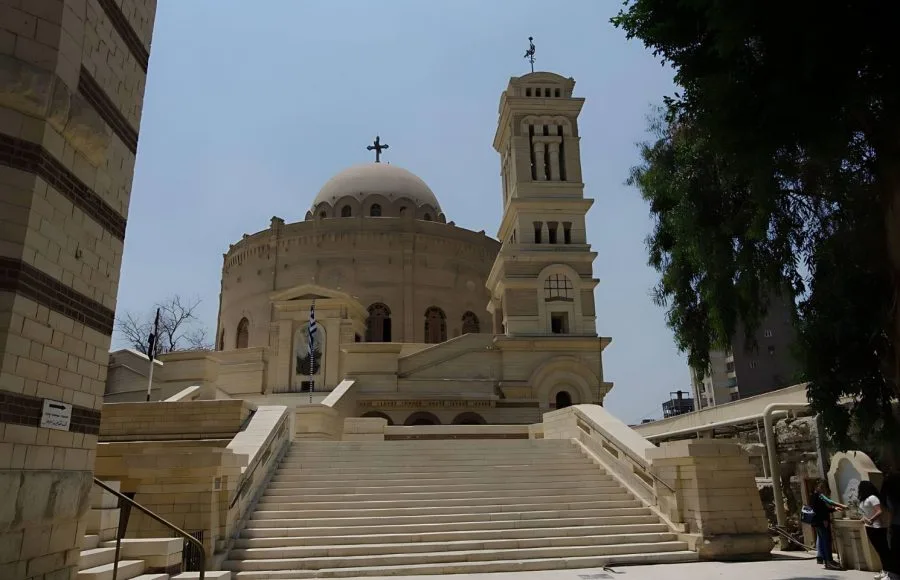
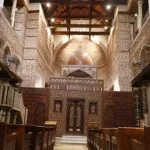
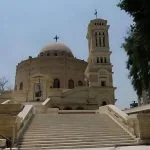
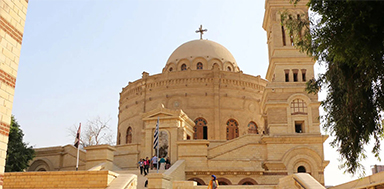
Descend the steps to the crypt below the 4th-century nave, where the Holy Family is recorded as having sheltered during the Flight into Egypt. The church is one of the oldest in Cairo; the crypt sits below the Nile floodplain level, kept dry by the surrounding old city fill.

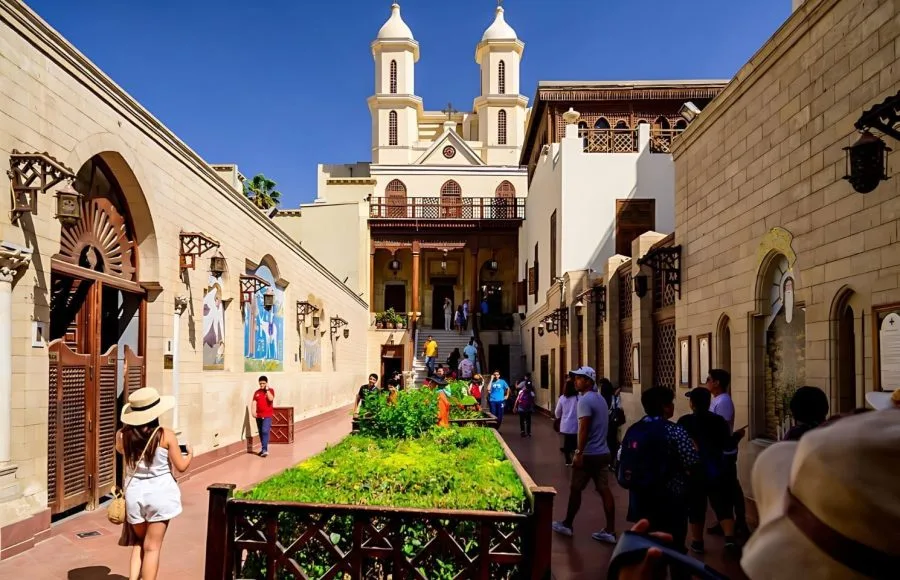
Your guide brings you in from the Roman gatehouse stairs; the nave floor of the 3rd-century church rests across the tops of two Roman towers, suspended above the old Roman road 9 metres below the source of the name. Twenty-nine icons on the iconostasis span Byzantine and Coptic painting traditions across several centuries.
Built between 1176 and 1183 CE by Saladin on the Mokattam spur overlooking Cairo, the citadel remained the seat of Egyptian government for 700 years. Your guide positions you on the north terrace where the entire city, from the Giza Plateau to the medieval minarets of Old Cairo, sits in a single unobstructed view.
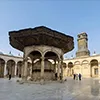
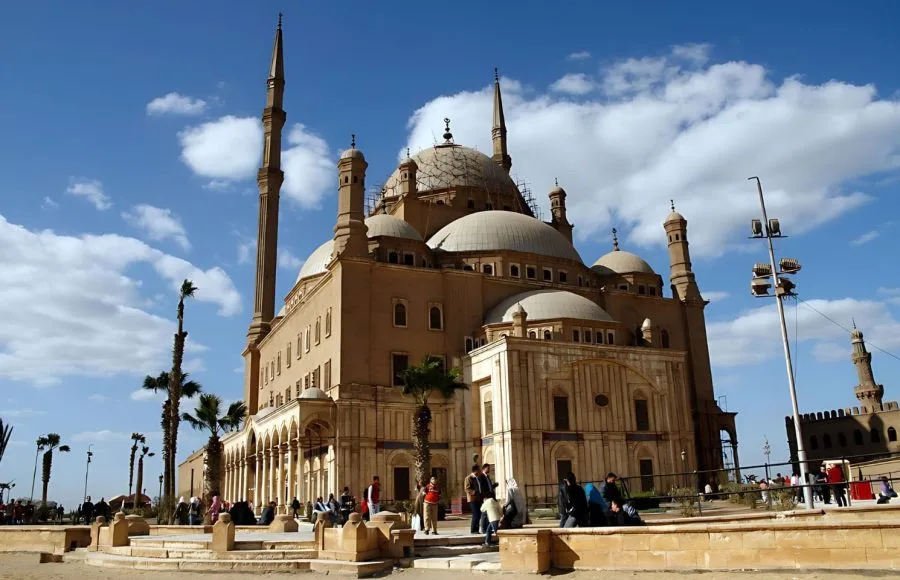
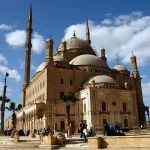
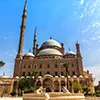
The Ottoman-style alabaster mosque, completed in 1848, houses the tomb of Mohamed Ali Pasha; its twin minarets reach 84 metres, and the central dome spans 21 metres. The interior is deliberately modelled on Istanbul's Blue Mosque. The alabaster wall cladding, quarried near Beni Suef, gives the prayer hall a pale, diffused light unlike any other mosque in Cairo.
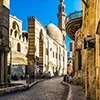
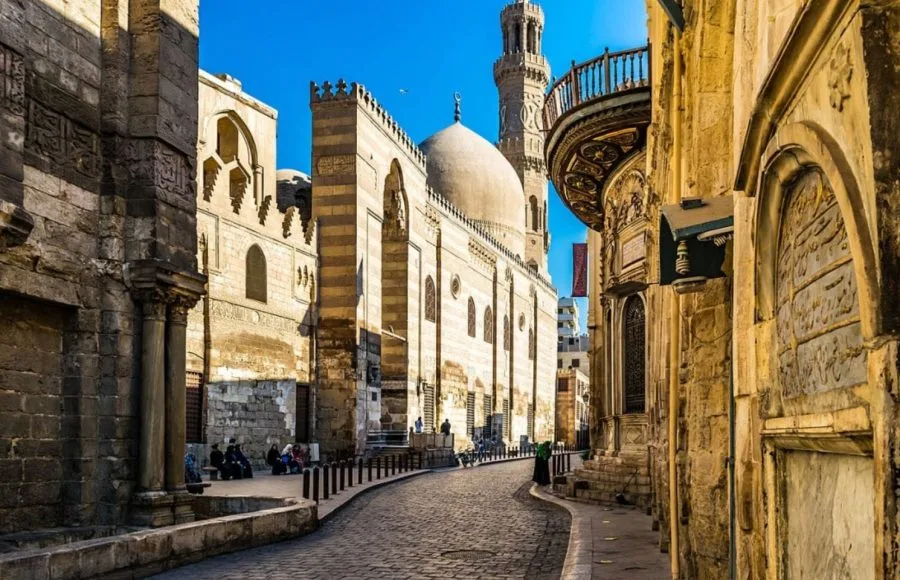
Walk the 1 km medieval spine of Fatimid Cairo, where the density of intact medieval Islamic monuments per linear metre is higher than anywhere else in the world. Your guide moves you through the 11th-century gate of Bab al-Futuh at the northern end to Bab Zuweila at the south.
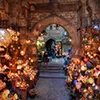
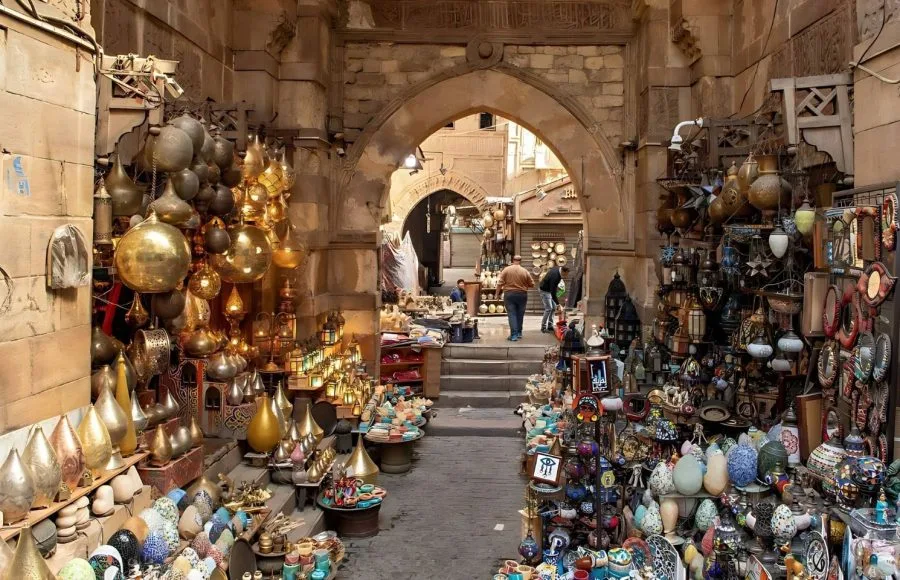
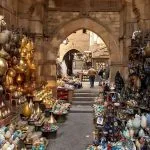
Discover Khan El Khalili Bazaar, Cairo’s bustling market offering traditional crafts, jewelry, and spices, capturing the essence of Egyptian life.
Breakfast, Lunch
Arc III · Sharm El Sheikh and Sinai
Islamic Cairo first, then four nights on the Red Sea with a Sinai monastery day
Flight Cairo to Sharm El Sheikh; private transfer to the 5 star resort hotel on arrival, extending the Red Sea experience beyond the coastal stay featured in our 14 day luxury Egypt Jordan Cairo Hurghada Petra tour.
Breakfast

Full day at leisure in Sharm El Sheikh; the hotel beach and pool are available all day.
Breakfast, Lunch, Dinner
Relax on the pristine beaches of Sharm El Sheikh, swim in crystal waters, or soak in the sun on the soft sandy shores.
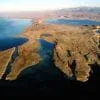
Take an optional excursion to Ras Mohamed National Park, a UNESCO site famed for coral reefs, marine life, and desert landscapes.
Breakfast, Lunch, Dinner

Enjoy another day of leisure in Sharm El Sheikh, with opportunities for snorkeling, diving, or simply relaxing in serene seaside surroundings.
Breakfast, Lunch, Dinner
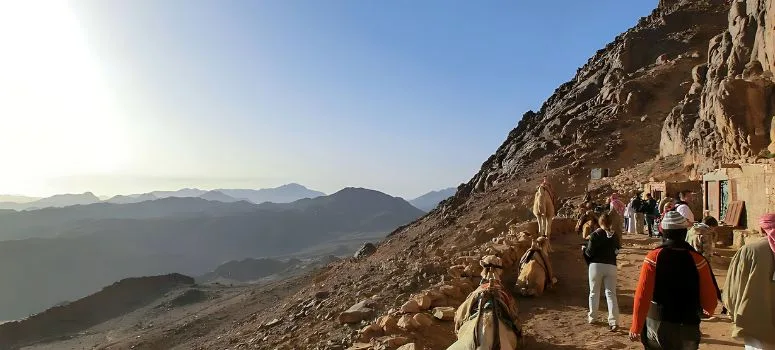
Private vehicle from Sharm El Sheikh north through the Sinai interior; the monastery is approximately 3.5 hours by road.
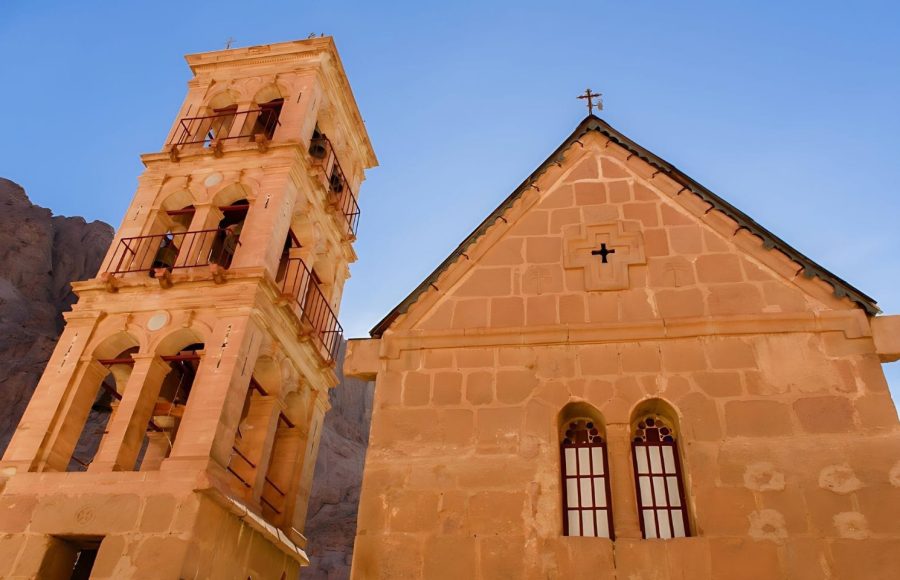
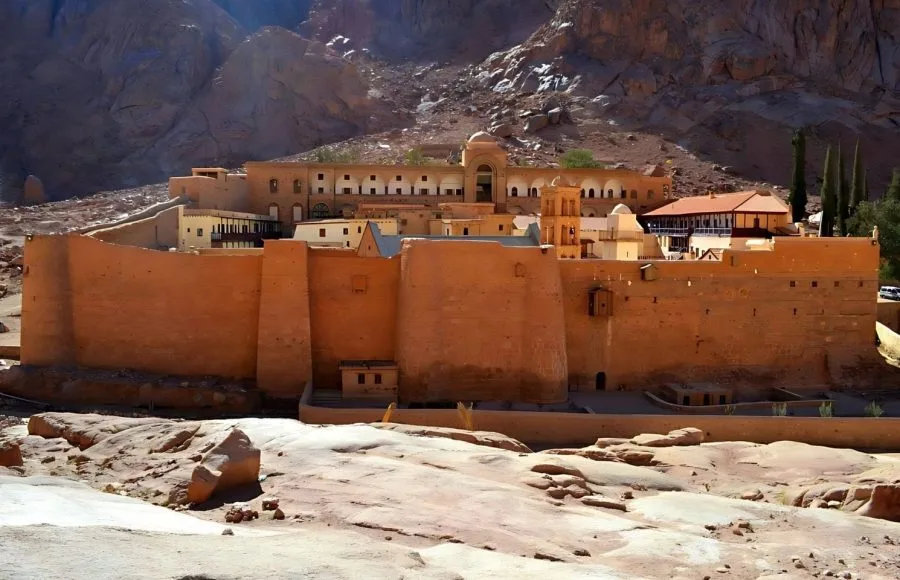
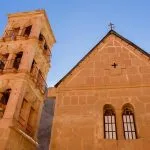
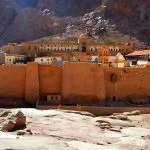
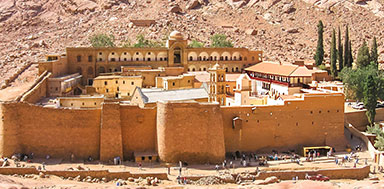
Visit St. Catherine Monastery, one of the world’s oldest active Christian monasteries beneath Mount Sinai. Its rich history spans centuries of spiritual devotion.
Breakfast, Lunch, Dinner
Arc IV · Wadi Rum to Amman
Desert camp, Petra, Dead Sea, and Jerash before Amman departure
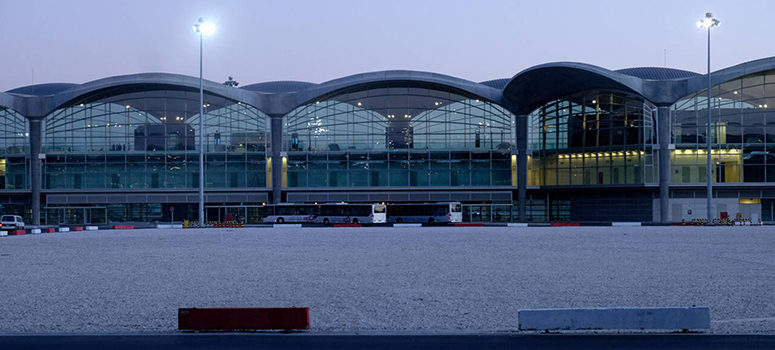
Transfer from Sharm El Sheikh to the airport; connecting via Cairo to Amman's Queen Alia International Airport. Your Tripidays Jordan guide meets you on arrival and transfers you to your 5 star Amman hotel.
Breakfast
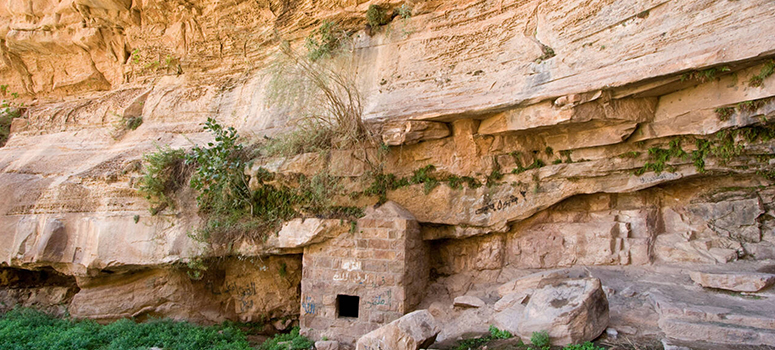
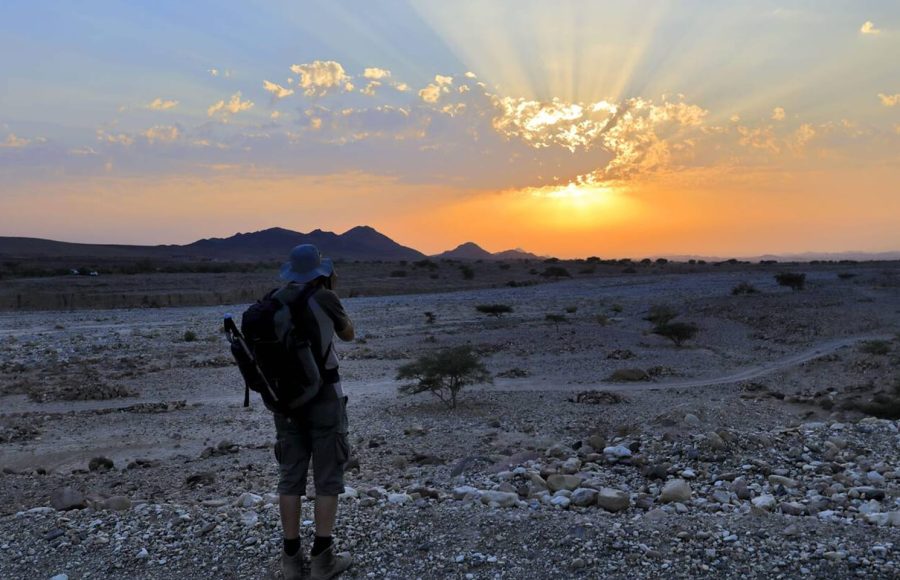
Drive south from Amman to Wadi Rum; the 4×4 jeep safari begins at the visitor centre and covers the protected desert wilderness across the full day before an overnight at a Bedouin-style luxury camp under the stars, a highlight also featured in our 17 day extended Egypt Jordan Nile cruise & Wadi Rum itinerary.

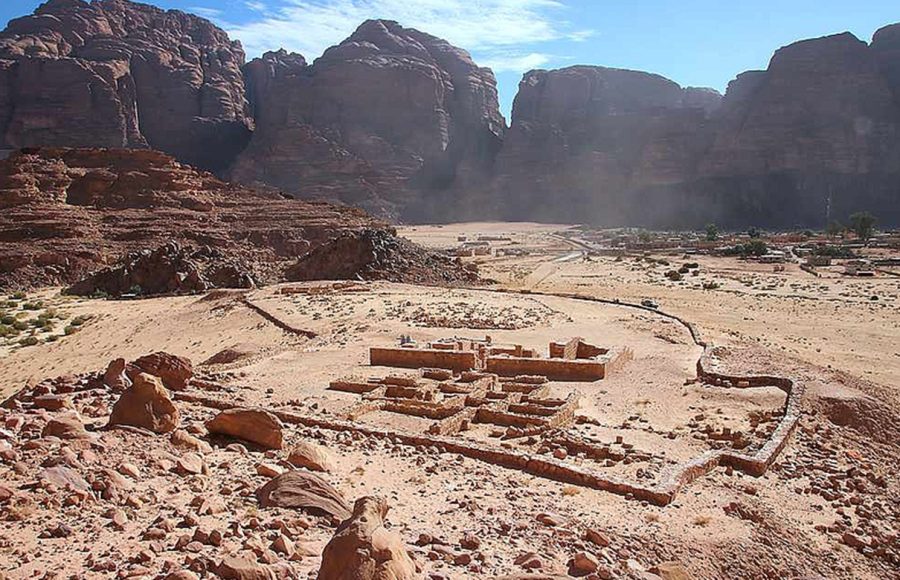
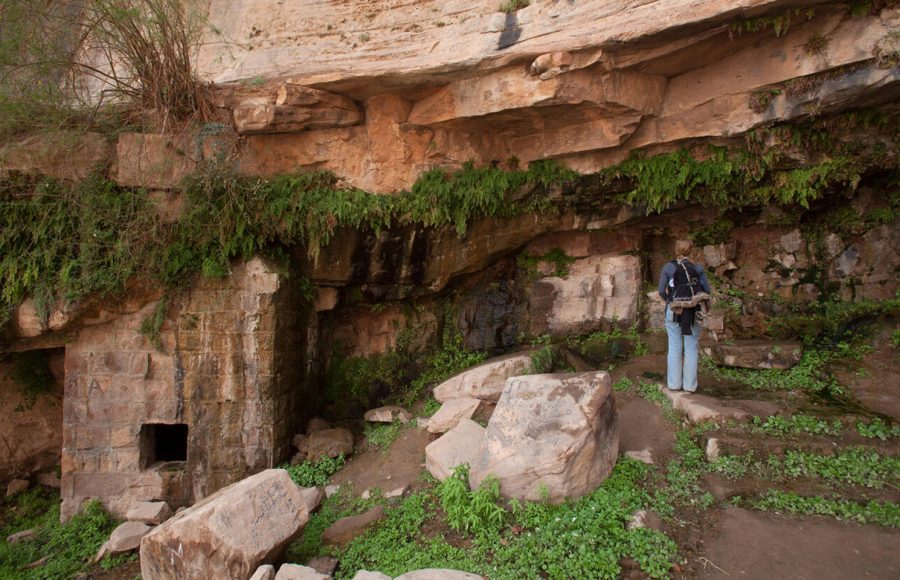
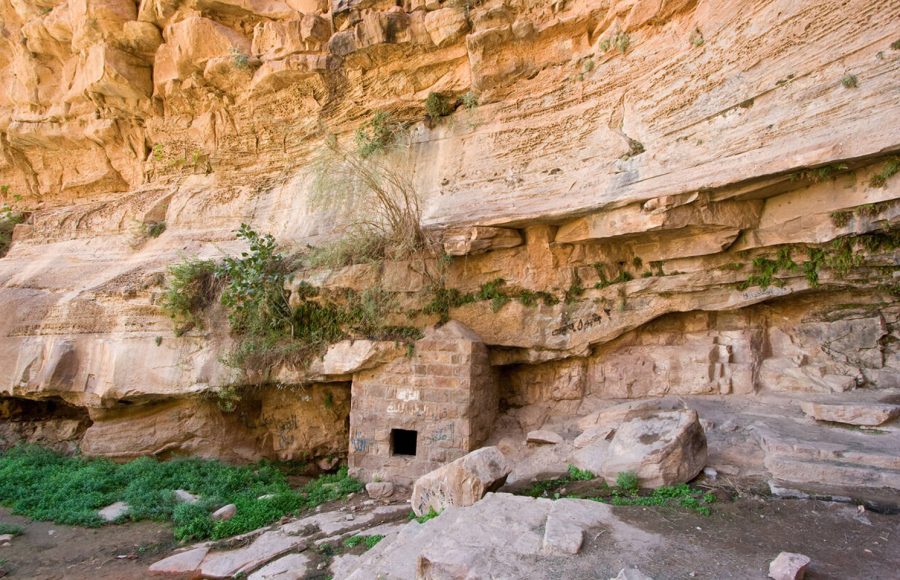
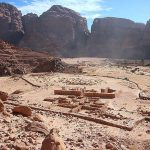
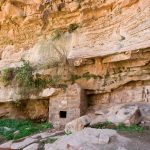
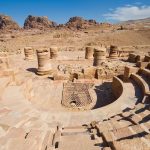
Your guide stops at the carved stone threshold of a Nabataean cult site built at the base of Jebel Rum, the highest peak in the reserve at 1,754 metres. The Nabataeans controlled the trade routes through Wadi Rum from the 4th century BCE; this temple was one of their southernmost religious installations.
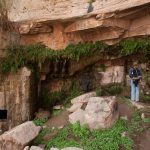
Climb the short rock path to the natural spring where T.E. Lawrence camped with Arab forces in 1917; a Nabataean rock-cut aqueduct channels the water from the cliff face above. The spring sits 200 metres above the desert floor and gives the first clear vertical sense of the sandstone massifs that rise to 800 metres in Wadi Rum's interior.
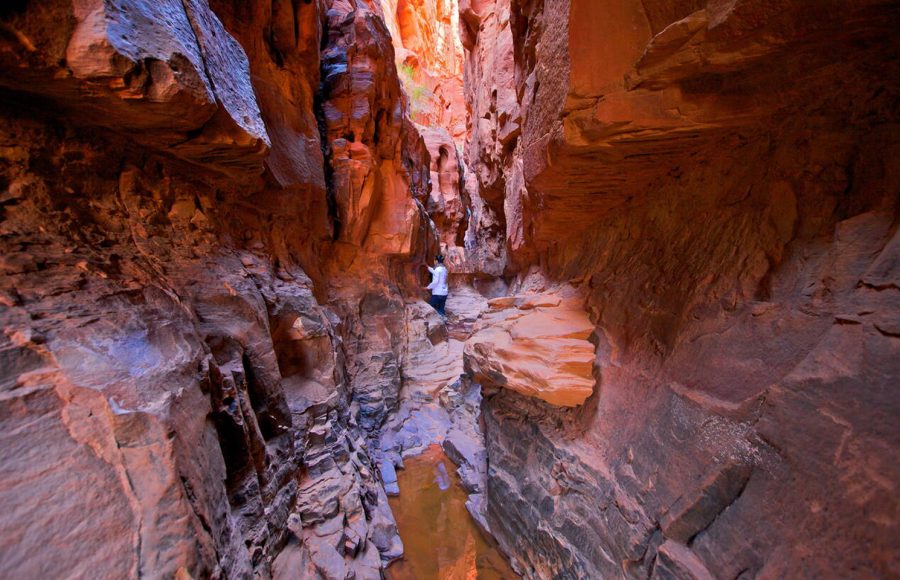
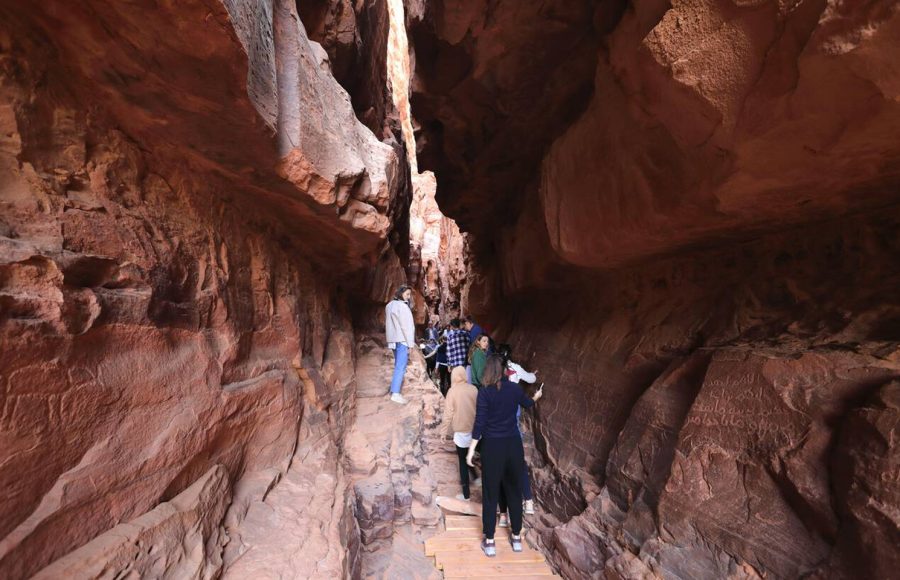
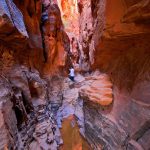
Your guide takes you into the narrow slot canyon where the walls are close to 2 metres apart, and ancient Thamudic and Nabataean inscriptions cover the lower rock faces at eye level, including hunters, ibex, human figures, and text in scripts spanning more than 1,500 years. The canyon is approximately 100 metres deep; the inscriptions begin at the entrance.
Breakfast, Lunch
Drive from Wadi Rum to Petra visitor centre; the full day is spent inside the ancient city.
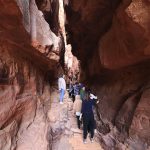
Walk the 1.2 km slot canyon cut by water and shaped by the Nabataeans with a paved road and water channels; the walls reach 80 metres on both sides. The Siq narrows to 3 metres at its tightest point before opening onto the Treasury facade.
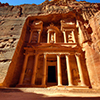
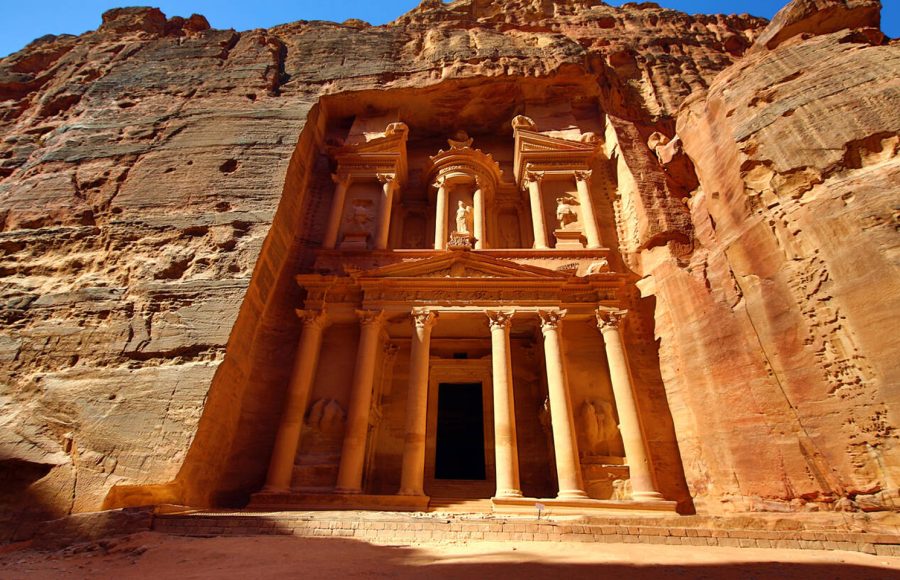
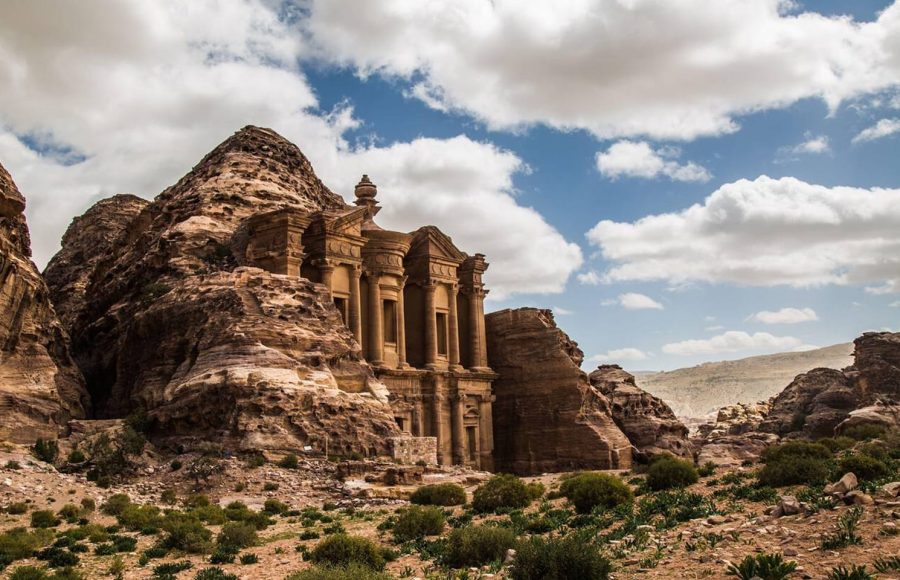
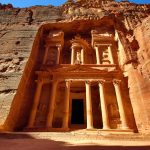
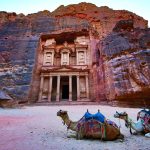
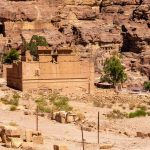
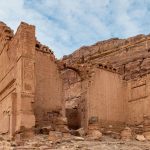
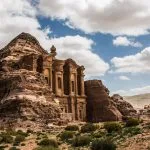
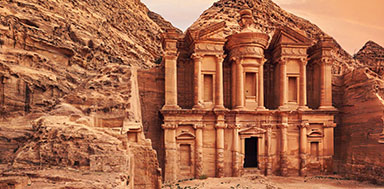
The Siq disgorges you directly in front of a 40-metre facade cut into rose-coloured sandstone around the 1st century BCE. Six columns in the upper order frame a central tholos; the Nabataean carvers worked from the top of the cliff face down, scaffolding cut into the stone as they descended.
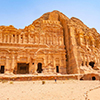
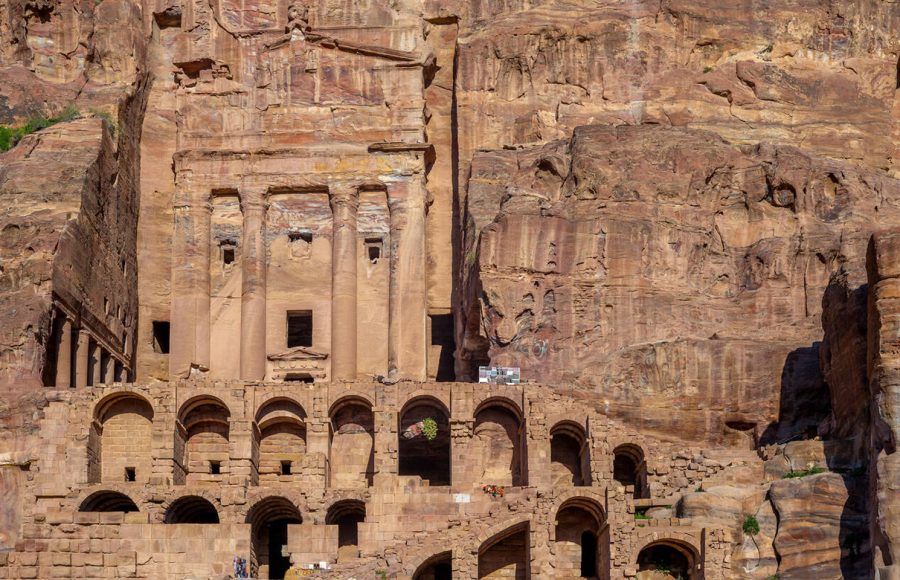
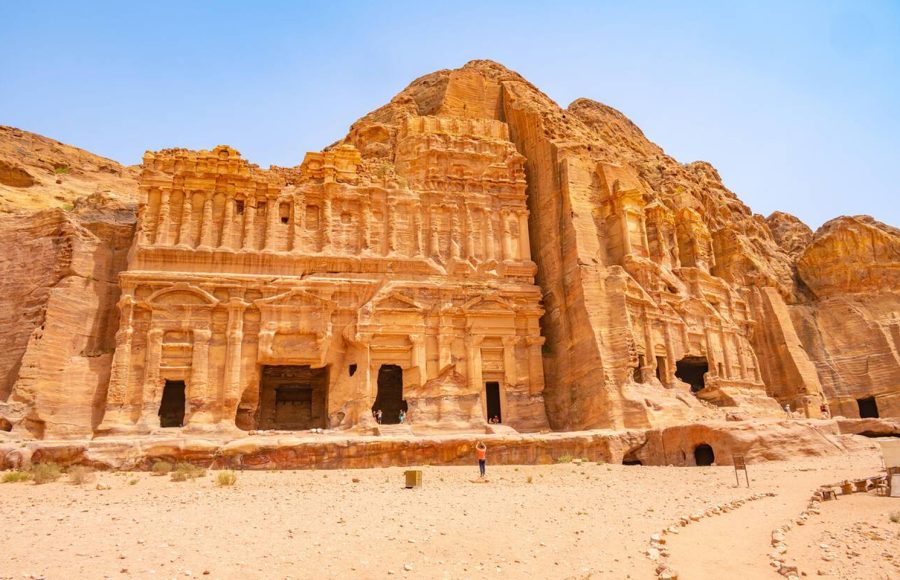
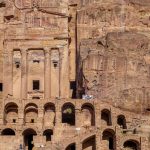
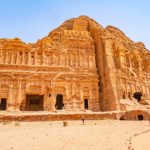
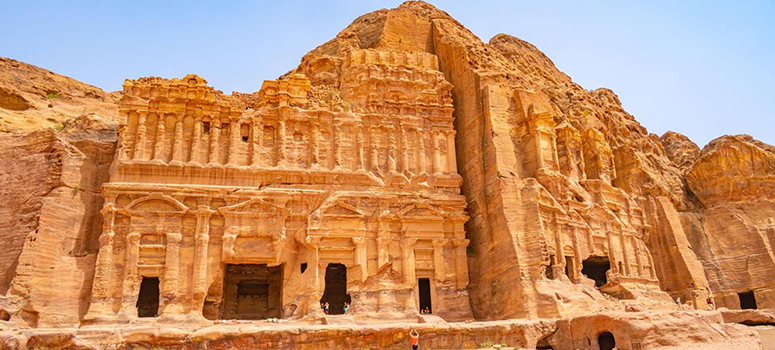
Your guide walks the terrace row where the Urn Tomb, Silk Tomb, Corinthian Tomb, and Palace Tomb are cut side by side into the cliff face. The Palace Tomb facade alone stretches 49 metres across and mimics a Roman multi-storey building in carved rock. The combined facade faces west; late afternoon light turns the sandstone from ochre to deep red in sequence.
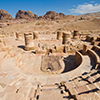
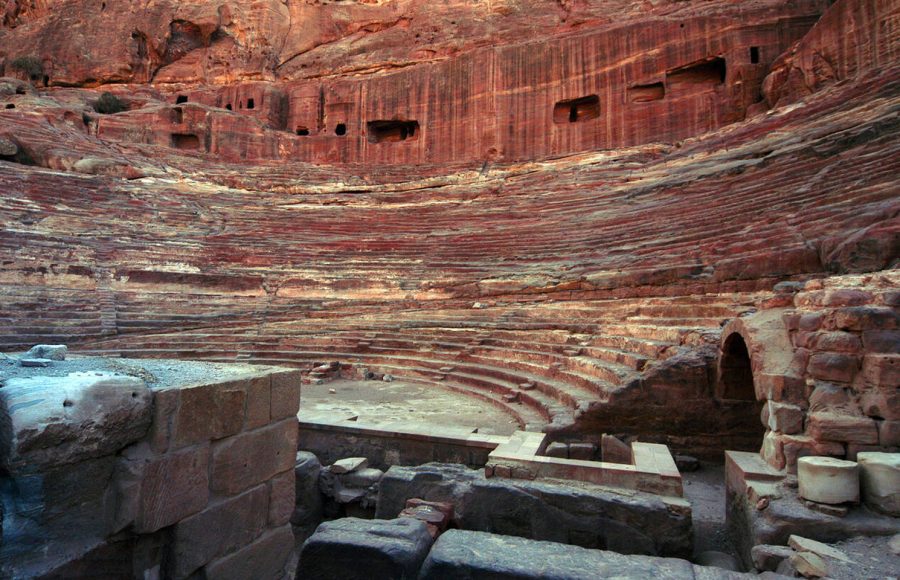
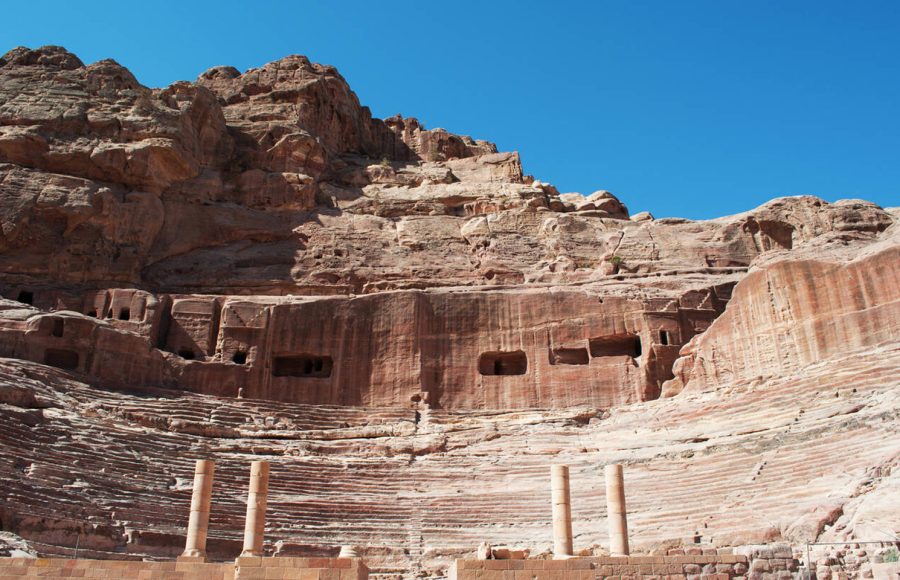
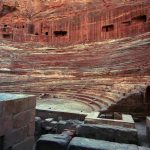
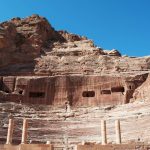
Cut from the living rock by the Nabataeans and later enlarged by the Romans, the theatre seated approximately 8,500 people across 45 rows. The stage wall backing, carved directly from the cliff, is largely gone; your guide explains how the seating orientation places the audience looking back toward the Siq entrance.
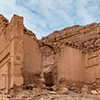
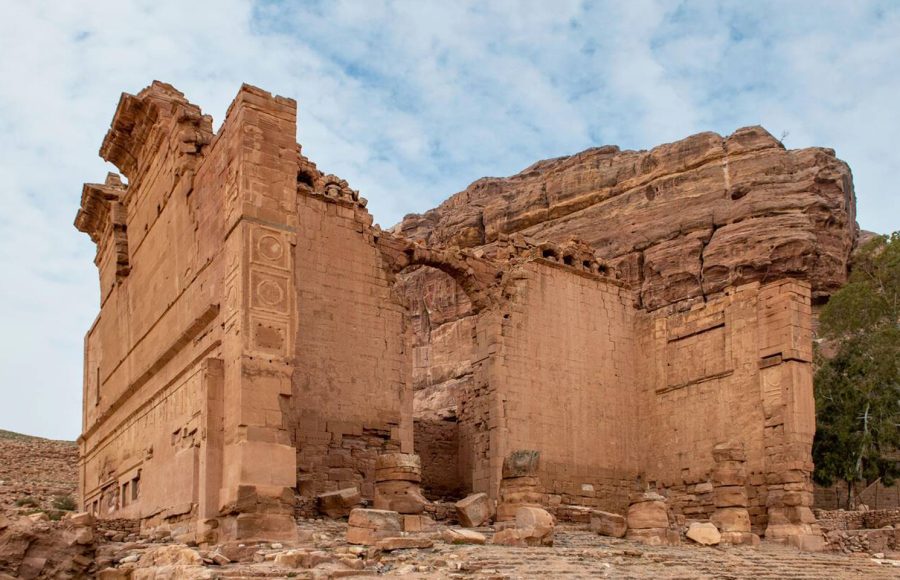
Walk to the far end of the Petra basin, where a freestanding stone temple built around 30 BCE rises 23 metres from a high podium. It is the only major freestanding structure in Petra built from cut stone rather than carved from the cliff, and the only structure whose Nabataean name "Castle of the Pharaoh's Daughter" survives in local tradition.
Breakfast, Lunch
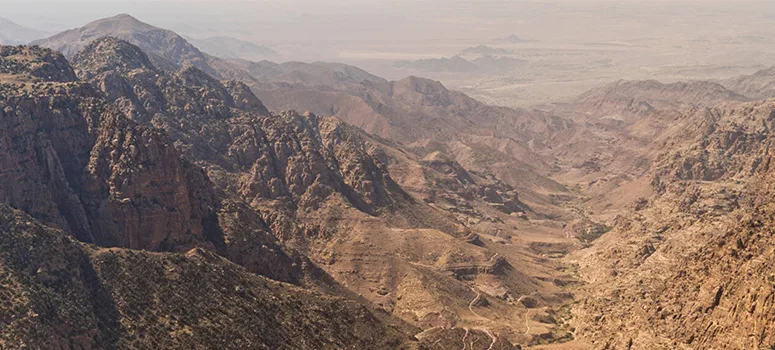
Drive north from Petra; the day moves through Madaba, then Karak, Dana, and finally the Dead Sea shoreline.
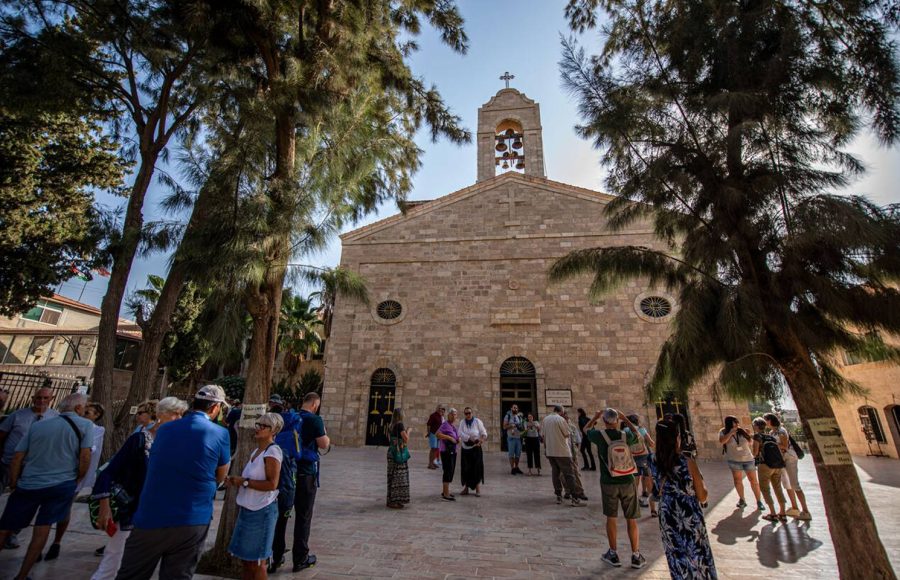
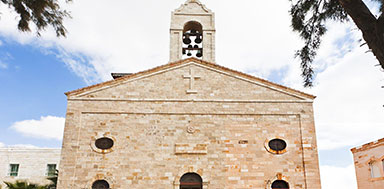
Walk up to the Byzantine mosaic set into the floor of a 6th-century church, still in its original position under your feet. The Madaba Map covers 94 metres by 25 metres in its complete original form and depicts the Holy Land from Egypt to Lebanon in 2.3 million individual tesserae; the surviving section in the church shows Jerusalem, the Jordan River, and the Dead Sea in identifiable detail.
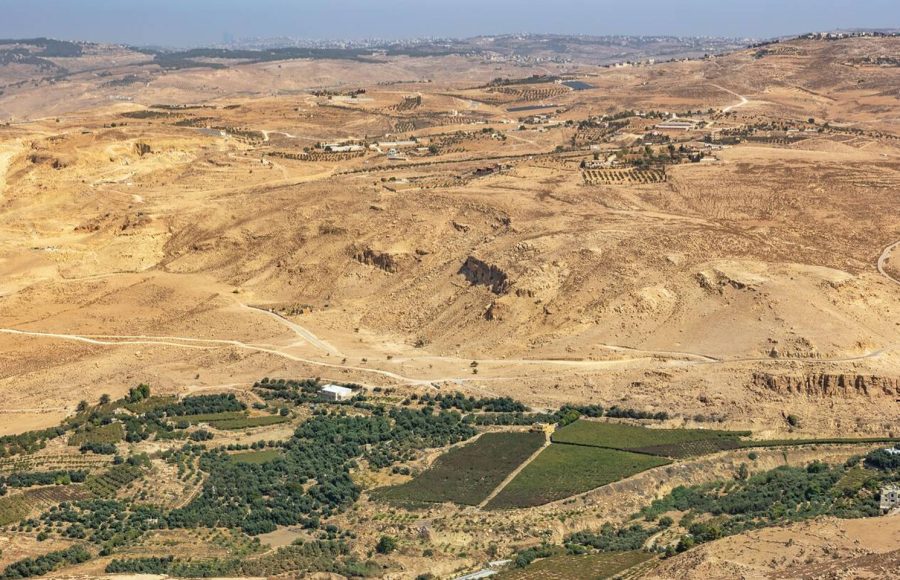
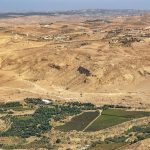
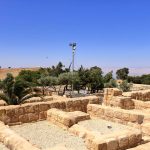
Stand at the ridge where a carved serpentine cross marks the viewpoint from which Moses is recorded as having seen the Promised Land before his death. On a clear day, the view takes in the Jordan Valley, the Dead Sea, the West Bank highlands, and on rare occasions, the outline of Jerusalem 46 km to the west.
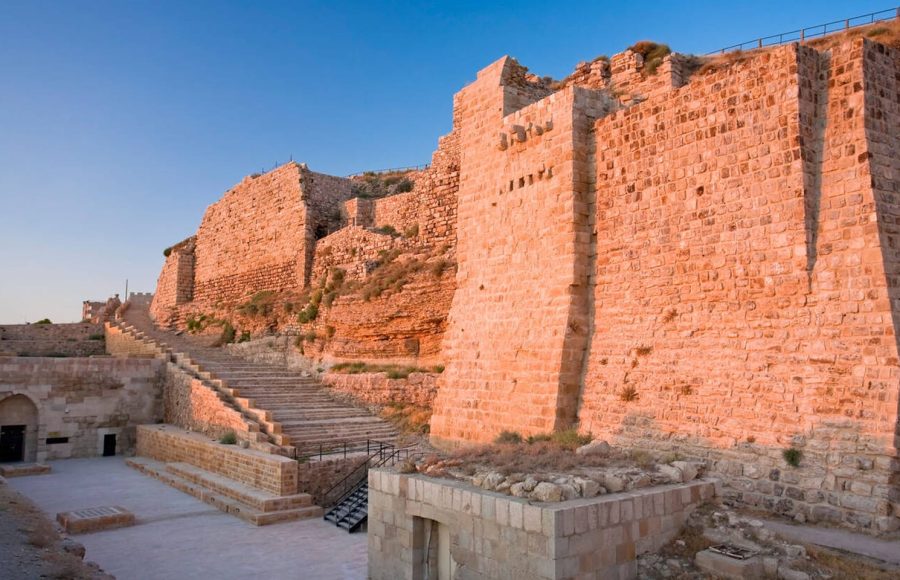
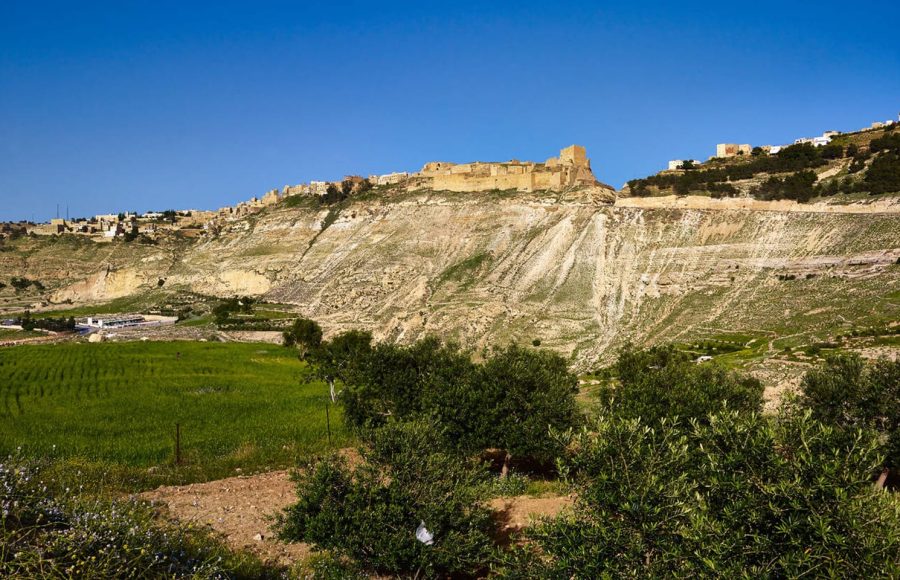
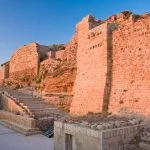
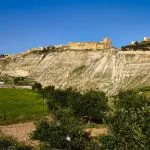
Your guide takes you through the Crusader-era castle built by Pagan the Butler in 1142 CE on a spur 1,000 metres above sea level overlooking the King's Highway. The castle withstood three sieges by Saladin between 1183 and 1188 before finally surrendering; the lower vaulted galleries and Mamluk tower survive largely intact.
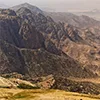
The road descends into a canyon where Dana village sits at the canyon rim; the reserve below covers 320 sq km of habitat ranging from Mediterranean forest at 1,500 metres to sand dunes at 50 metres above sea level, with four distinct ecological zones visible from the overlook. Jordan's largest protected nature reserve, it holds 700 plant species and 215 bird species.
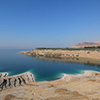
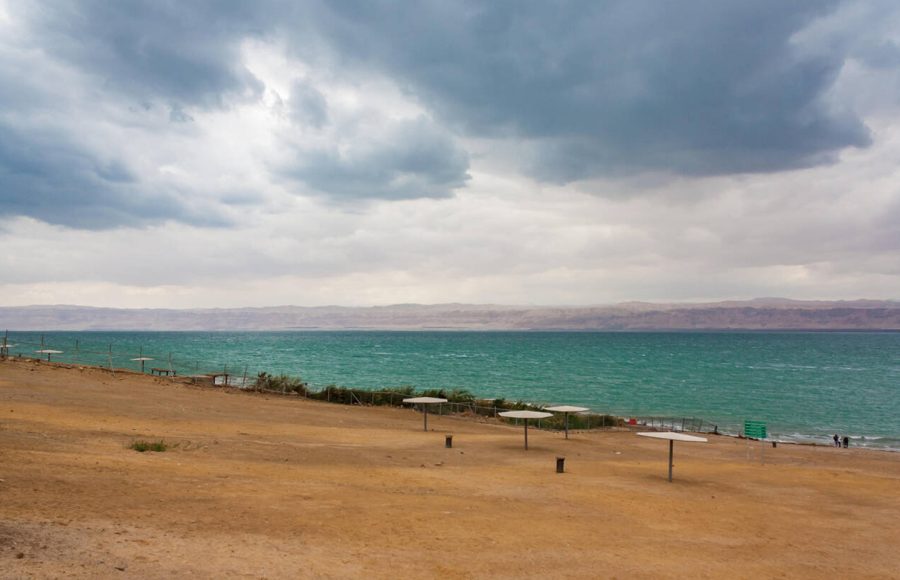
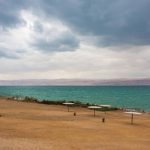
Your guide brings you to the hotel beach where the water is dense enough to float without effort; the Dead Sea sits 430 metres below sea level, the lowest point on the Earth's surface. The salinity, approximately 34%, is ten times that of seawater; the mineral-rich black mud on the shoreline is applied to the skin and washed off in the water.
Breakfast, Lunch
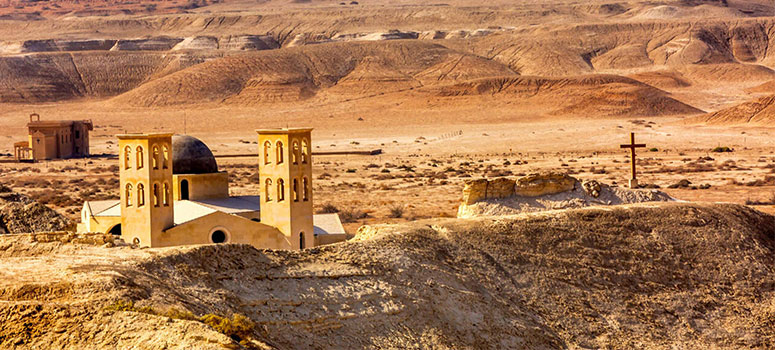
Drive north along the Jordan Valley from the Dead Sea; the three sites on this day are connected by the same river corridor and a shared scriptural narrative.
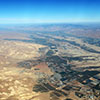
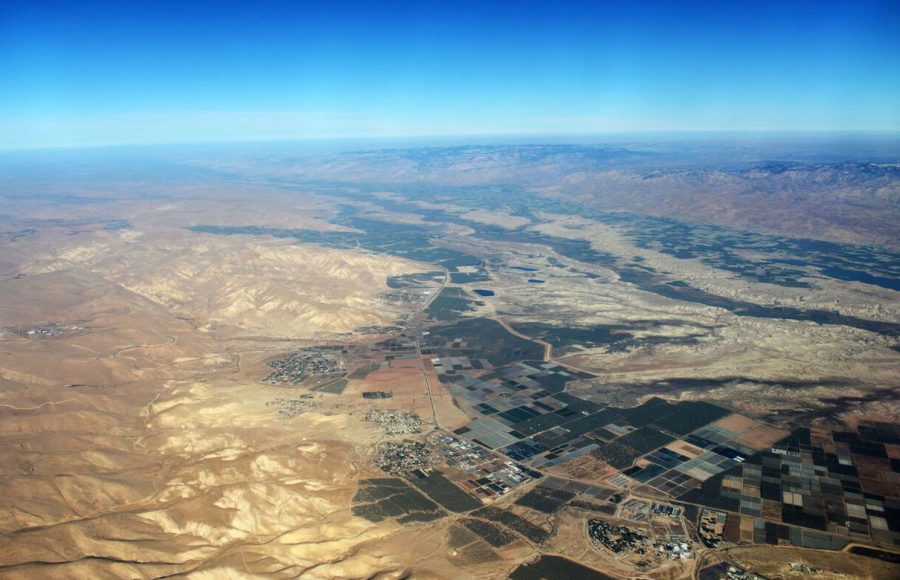
Your guide drives you through the rift valley floor, where the Jordan River runs 4–10 metres wide through dense riparian vegetation before emptying into the Dead Sea 65 km to the south. The valley has been continuously farmed for more than 10,000 years; the road passes active irrigation fields alongside Bronze Age and Iron Age tell sites visible as flat-topped mounds.
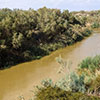
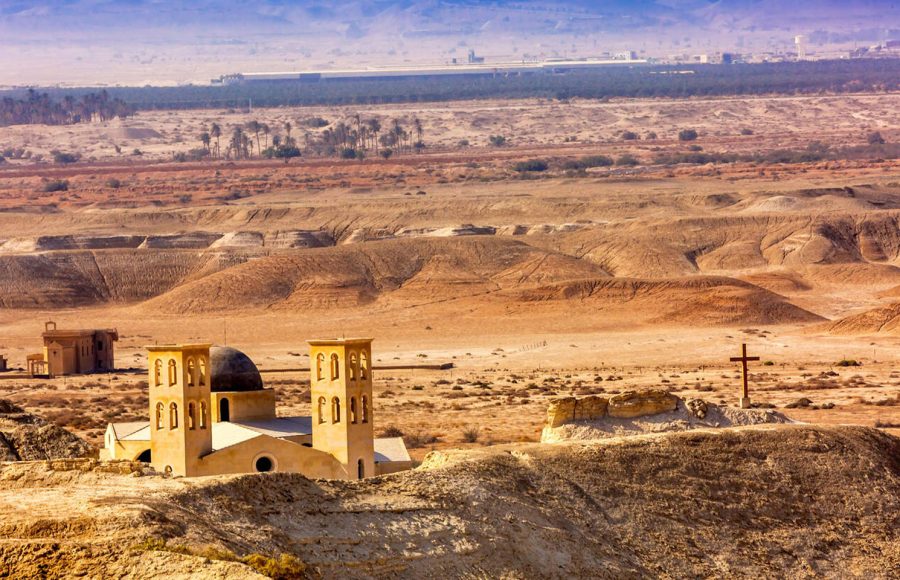
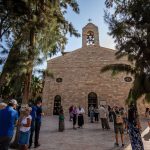
Walk the excavated path to the riverbank, where archaeological excavations since 1996 have exposed Byzantine-era churches, baptismal pools, and the foundation of the monastery marking the traditional site of Jesus' baptism by John the Baptist. The site was inscribed as a UNESCO World Heritage Site in 2015; the Jordan River marks the border with the West Bank 50 metres east.
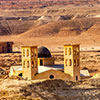
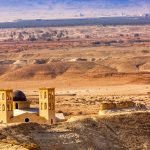
Climb the tel where the monastery of St. Elijah, built over a Byzantine church, marks the site where the Prophet Elijah is held to have ascended to heaven in a chariot of fire. The hilltop gives a clear sightline to the river and the baptism site below; three different religious traditions converge on this same ridge within 300 metres.
Breakfast, Lunch
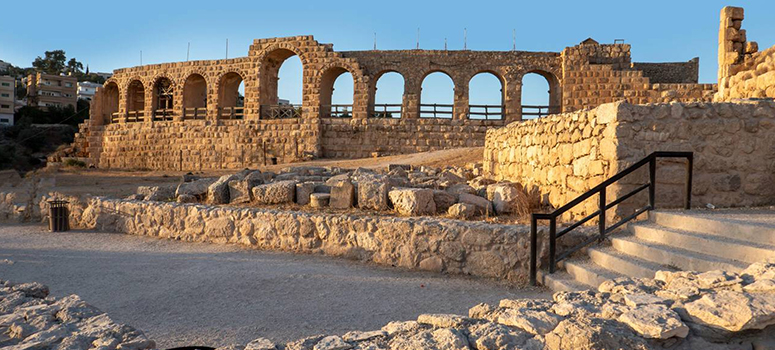
Drive north from Amman to Jerash; the Roman city takes the morning, and Amman takes the afternoon before the farewell dinner.

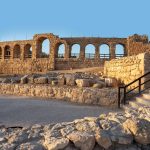
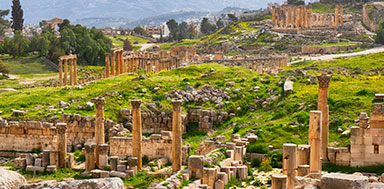
Your guide walks you onto the elliptical limestone-paved forum 90 metres on its long axis, where the colonnaded portico is still standing on three sides. The Oval Plaza is the formal entry point to the Cardo Maximus; the columns are Ionic below and Corinthian above, switched at the Tetrapylon intersection halfway up the street.
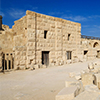
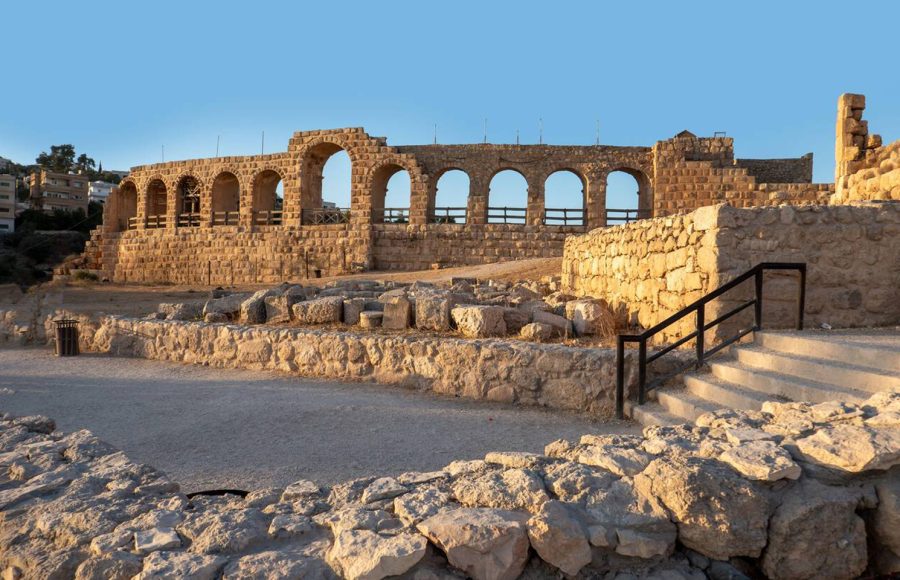
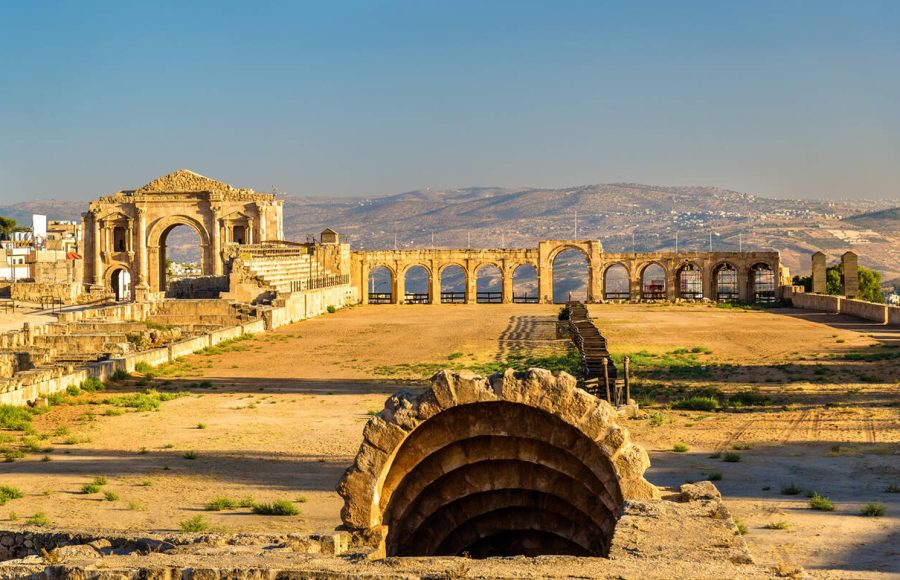
The 245-metre racing track ran chariot races for an estimated 15,000 spectators; the starting gates at the south end survive with their stone threshold blocks intact. Jerash's Hippodrome is one of the best-preserved Roman circus structures in the Middle East.
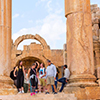
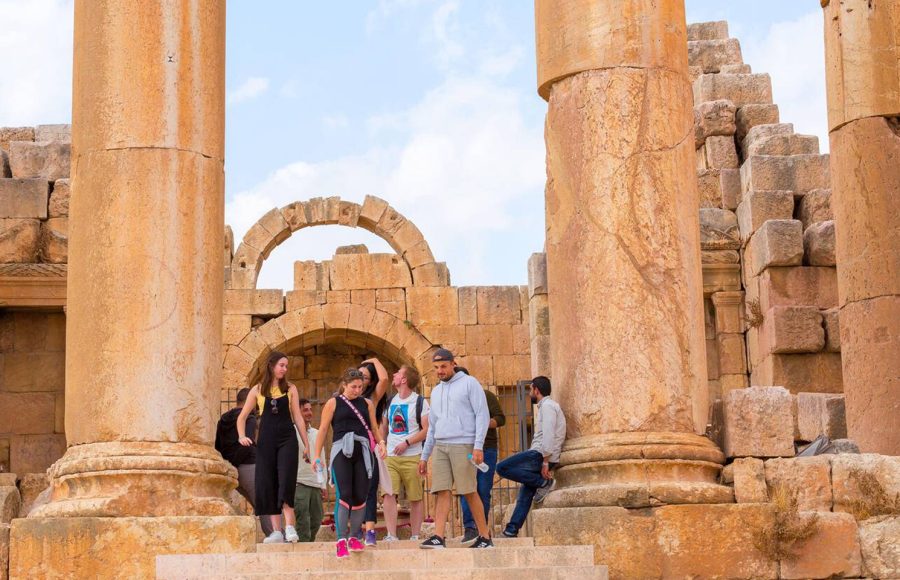
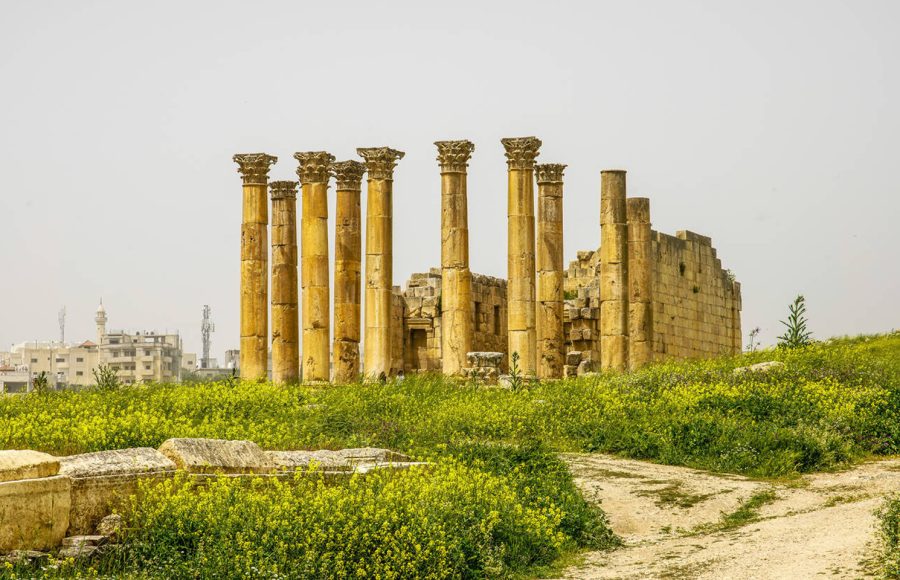
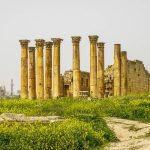
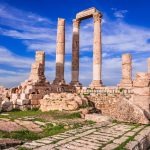
Climb the podium steps to the columns of the Temple of Artemis, the city's principal cult site, built in 150 CE on the highest point of the ancient city. Six of the original eleven columns stand; your guide demonstrates the micro-movement in the column drums, engineered play designed to absorb seismic shock.
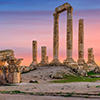
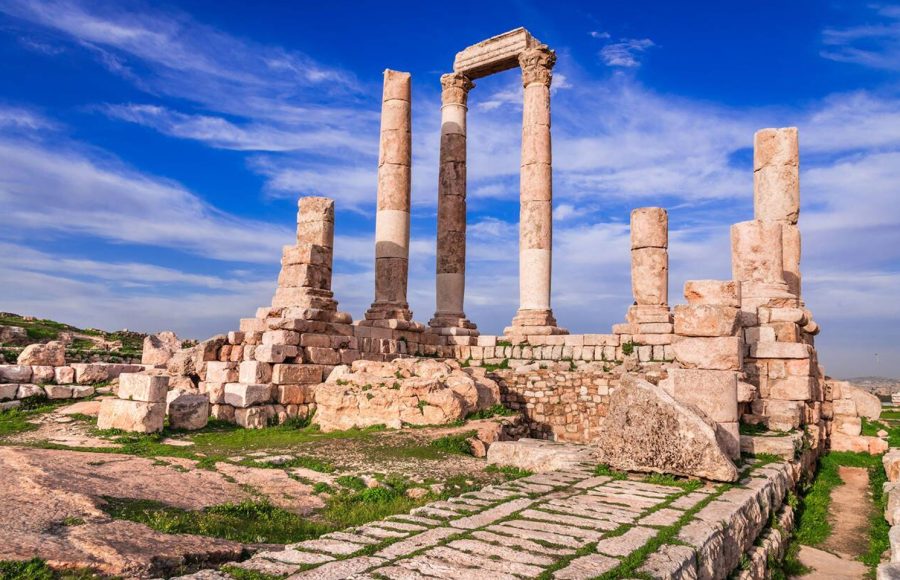
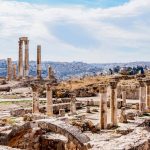
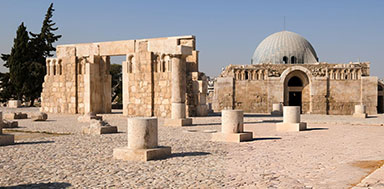
The citadel hill has been continuously occupied since the Bronze Age; your guide moves you through the Temple of Hercules, where two colossal marble fingers from a statue over 13 metres tall survive, and then to the Umayyad Palace complex built in the 8th century CE above the Roman ruins. The terrace gives a 360-degree view over Amman's white limestone hills.
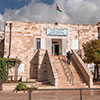
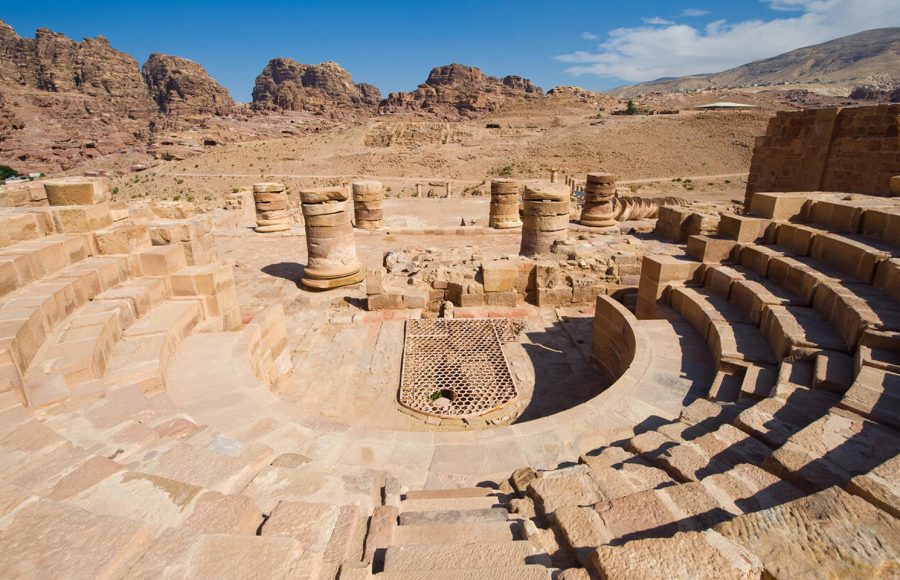
Walk down into the 6,000-seat theatre cut into the hillside of Jabal Jofeh in the 2nd century CE. The cavea is divided into three horizontal sections representing the city's social hierarchy; the lower section was reserved for government officials, the middle for the military, and the upper for the general public.
Step into the Roman Theatre, a remarkable amphitheater dating back to the 2nd century AD, where thousands once gathered for performances and public events.
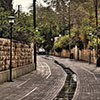
Stroll through Jabal Amman, a scenic neighborhood filled with historic buildings, boutique shops, and cafes, offering a glimpse into Amman’s modern charm and culture.
Breakfast, Lunch
Transfer to Queen Alia International Airport. End of tour.
Breakfast
* You can let us know if you'd like to customize your tour itinerary to meet your needs. We value your input and aim to accommodate your requirements.
This tour covers 6 nights in a 5-star Cairo hotel, 1 night in Aswan, 3 nights on a 5-star Nile Cruise from Aswan to Luxor, 4 nights at a 5-star Sharm El Sheikh resort, and 6 nights in 5-star hotels across Jordan, with private licensed guides, all domestic Egyptian flights, entrance fees to every listed site in both countries, and daily breakfast throughout the Jordan leg. Three domestic Egypt flights are included: Cairo–Aswan, Luxor–Cairo, and Cairo–Sharm El Sheikh, along with the Sharm–Cairo connecting segment on the transition day.
The tour spans 21 days, featuring:
The ideal months are October to April, when the weather is cooler and perfect for sightseeing, desert safaris, and Red Sea beach activities. Tripidays recommends avoiding the peak summer heat for comfort.
It is the only 21 day Egypt and Jordan itinerary combining Sharm El Sheikh's Red Sea resorts, a Nile cruise from Aswan to Luxor, and a Wadi Rum stargazing overnight in a single honeymoon-focused package. No comparable tour in this silo carries all three. The Egypt leg alone covers six distinct destination areas: Cairo, Alexandria, Aswan, Abu Simbel, Luxor, and Sharm El Sheikh. To see how this compares to a shorter luxury option, browse our 16 day luxury Egypt Jordan escorted Nile cruise.
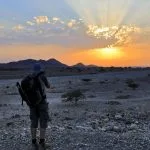
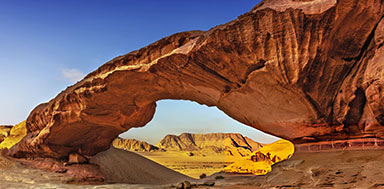
Wadi Rum is a UNESCO-protected desert wilderness in southern Jordan covering 720 sq km of sandstone massifs, red sand plains, and ancient Nabataean and Thamudic inscriptions. On Day 16, your guide takes you through a full-day 4×4 jeep safari visiting the Nabataean Temple, Lawrence Spring, and Khazali Canyon, with an overnight in a luxury Bedouin-style camp under open desert skies.




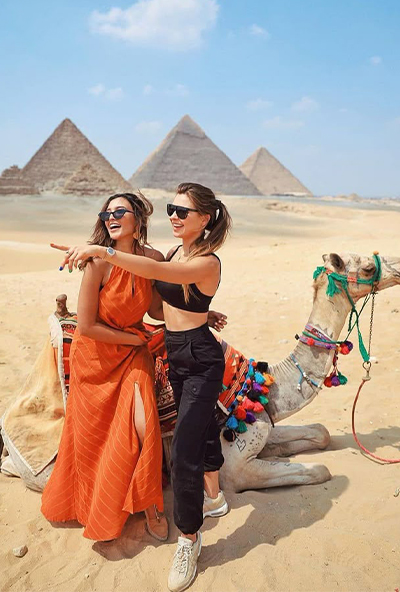
Explore our travel guides related to Egypt and Jordan Travel Guide


Tripidays Egypt Tours has been offering an exceptional range of Egypt tours, vacation packages, Nile cruises, day trips, and shore excursions tailored to meet the diverse interests of travelers worldwide for over 45 years.