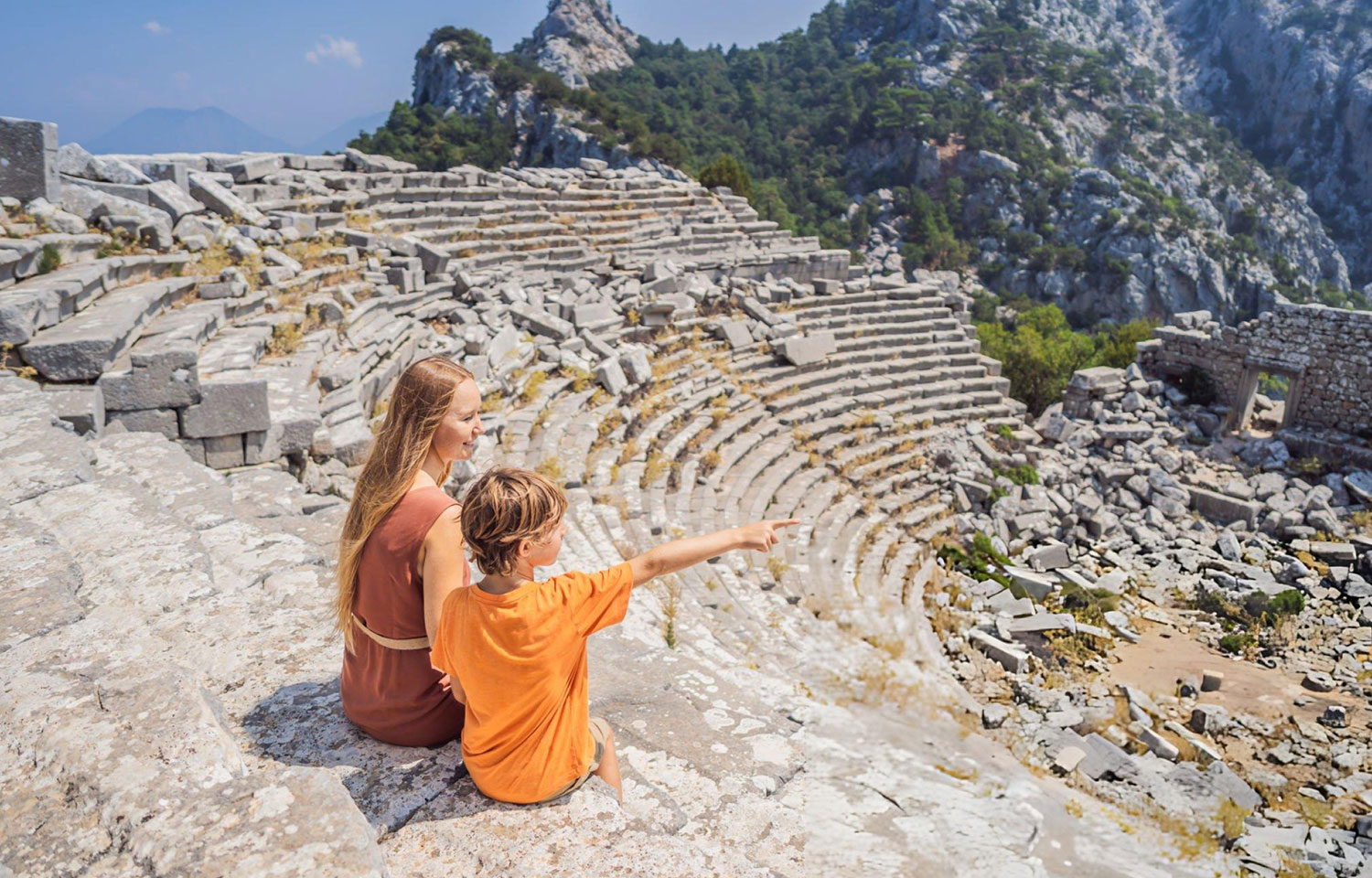
Turkey has 22 UNESCO World Heritage properties, including 20 cultural sites and 2 mixed cultural and natural sites. These sites include Ephesus, Cappadocia, Göbekli Tepe, Pamukkale, Nemrut Dağ, and the Historic Areas of Istanbul, with Sardis and the Lydian Tumuli of Bin Tepe becoming the newest additions in 2025.
Turkey’s UNESCO heritage spans prehistoric settlements, ancient civilizations, Byzantine and Ottoman architecture, archaeological sites, and cultural landscapes. Together, these properties show how different civilizations shaped Anatolia over thousands of years and why these places have Outstanding Universal Value.
In this guide, Tripidays Egypt Tours explores Turkey’s UNESCO World Heritage Sites, explaining how many there are, which properties are officially recognized, why the most important sites matter, and where they are located by region. For practical trip planning, see our How to Plan a Trip to Turkey guide for information on timing, visas, packing, money, SIM cards, and other essentials.
UNESCO World Heritage Sites in Turkey at a Glance
| UNESCO World Heritage Site | Main region | Heritage type | Inscribed |
| Göreme National Park and the Rock Sites of Cappadocia | Central Anatolia | Mixed | 1985 |
| Great Mosque and Hospital of Divriği | Central/Eastern Anatolia | Cultural | 1985 |
| Historic Areas of Istanbul | Marmara | Cultural | 1985 |
| Hattusha: the Hittite Capital | Central Anatolia | Cultural | 1986 |
| Nemrut Dağ | Southeastern Anatolia | Cultural | 1987 |
| Hierapolis-Pamukkale | Aegean | Mixed | 1988 |
| Xanthos-Letoon | Mediterranean | Cultural | 1988 |
| City of Safranbolu | Black Sea region | Cultural | 1994 |
| Archaeological Site of Troy | Aegean | Cultural | 1998 |
| Selimiye Mosque and its Social Complex | Marmara | Cultural | 2011 |
| Neolithic Site of Çatalhöyük | Central Anatolia | Cultural | 2012 |
| Bursa and Cumalıkızık | Marmara | Cultural | 2014 |
| Pergamon and its Multi-Layered Cultural Landscape | Aegean | Cultural | 2014 |
| Diyarbakır Fortress and Hevsel Gardens Cultural Landscape | Southeastern Anatolia | Cultural | 2015 |
| Ephesus | Aegean | Cultural | 2015 |
| Archaeological Site of Ani | Eastern Anatolia | Cultural | 2016 |
| Aphrodisias | Aegean | Cultural | 2017 |
| Göbekli Tepe | Southeastern Anatolia | Cultural | 2018 |
| Arslantepe Mound | Eastern Anatolia | Cultural | 2021 |
| Gordion | Central Anatolia | Cultural | 2023 |
| Wooden Hypostyle Mosques of Medieval Anatolia | Anatolia | Cultural | 2023 |
| Sardis and the Lydian Tumuli of Bin Tepe | Aegean | Cultural | 2025 |
How Many UNESCO World Heritage Sites Are in Turkey?
Turkey currently has 22 properties inscribed on the UNESCO World Heritage List: 20 cultural properties and 2 mixed cultural and natural properties. Turkey joined the World Heritage Convention in 1983, with its first three properties, Cappadocia, Divriği, and the Historic Areas of Istanbul, inscribed in 1985.
These UNESCO sites span thousands of years of history, from prehistoric settlements such as Göbekli Tepe and Çatalhöyük to ancient cities including Ephesus, Troy, Pergamon, Aphrodisias, Sardis, and Gordion, as well as Byzantine, medieval, and Ottoman heritage.
UNESCO World Heritage List vs. Tentative List
Not every famous historical site in Turkey is officially a UNESCO World Heritage Site. The World Heritage List contains properties that have been formally inscribed, while Turkey’s Tentative List includes sites that may be considered for future nomination.
This distinction is important when researching Turkey’s heritage because places such as Perge, Assos, Sagalassos, Zeugma, and Aizanoi are on the Tentative List rather than the official World Heritage List.
Key UNESCO World Heritage Sites in Turkey
Ephesus
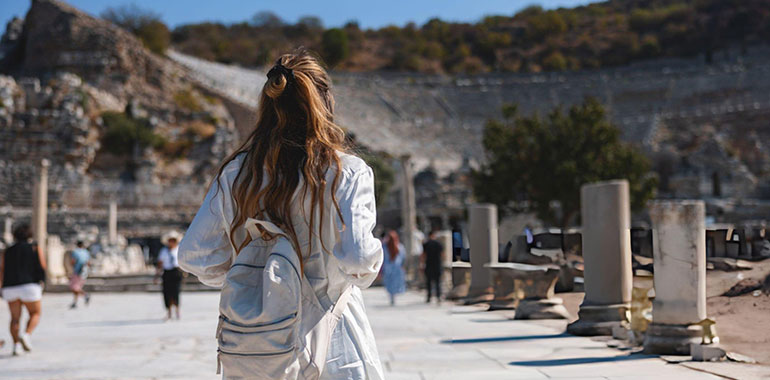
Ephesus was inscribed in 2015 and preserves the remains of one of the ancient world’s major cities. Its archaeological landscape reflects successive Hellenistic, Roman, and later periods of development.
The site demonstrates Ephesus’s importance as a political, commercial, religious, and cultural center and provides evidence of how a major ancient city evolved.
Göreme National Park and the Rock Sites of Cappadocia
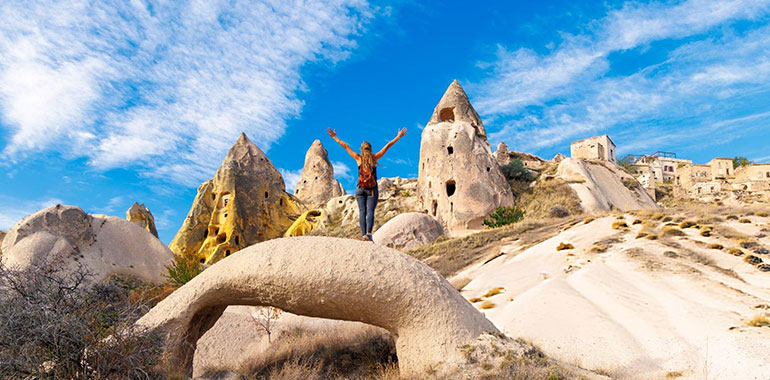
Göreme National Park and the Rock Sites of Cappadocia is one of Turkey’s two mixed UNESCO properties and has been inscribed since 1985.
Its volcanic landscape was shaped by erosion and later adapted by human communities. Rock cut homes, churches, monasteries, and other settlements demonstrate the close relationship between Cappadocia’s natural environment and human history.
For broader travel experiences in the region, see our 15 Best Things to Do in Turkey guide. This article focuses specifically on Cappadocia’s UNESCO significance.
Hierapolis-Pamukkale
Hierapolis-Pamukkale became a UNESCO World Heritage Site in 1988 and combines natural and cultural heritage.
The property brings together Pamukkale’s white travertine terraces, formed by mineral-rich thermal waters, with the archaeological remains of Hierapolis, an ancient city that developed around the springs.
Its UNESCO importance comes from this unique relationship between natural landscape, thermal waters, and ancient human settlement.
Göbekli Tepe
Göbekli Tepe was inscribed in 2018 and contains monumental structures dating to the Pre-Pottery Neolithic period.
Its large T-shaped limestone pillars, many decorated with animal imagery, provide important evidence of prehistoric communal activity and monumental construction. The site has significantly expanded our understanding of early human societies, social organization, and ritual activity.
Nemrut Dağ
Nemrut Dağ was inscribed in 1987 and preserves the monumental funerary sanctuary of Antiochos I of Commagene, dating to the Hellenistic period.
Its monumental sculptures reflect the cultural world of the ancient Kingdom of Commagene and demonstrate the interaction of Greek and Persian traditions in the ancient Near East.
Historic Areas of Istanbul
The Historic Areas of Istanbul were inscribed in 1985 and recognize historic parts of the city where Byzantine and Ottoman heritage developed over much older layers of settlement.
The UNESCO property includes four principal areas of the historic peninsula, including the Archaeological Park, Süleymaniye, Zeyrek, and the historic land walls. Together, they represent Istanbul’s development as a major Byzantine and Ottoman political, religious, and cultural center.
Other UNESCO Sites Worth Knowing
Together, these properties demonstrate the extraordinary historical diversity of Anatolia. Hattusha, Troy, Pergamon, Aphrodisias, Sardis, and Gordion represent different ancient civilizations, while Ani, Divriği, Safranbolu, and the Wooden Hypostyle Mosques highlight medieval heritage.
Other properties show major developments in human settlement and political organization. Çatalhöyük and Arslantepe provide evidence of early complex communities, while Bursa, Selimiye, and Diyarbakır preserve important aspects of Ottoman and later Anatolian heritage.

Turkey’s UNESCO Sites by Region
Turkey’s 22 UNESCO properties are distributed across several regions:
Istanbul and Marmara
- Historic Areas of Istanbul
- Bursa and Cumalıkızık
- Selimiye Mosque and Its Social Complex
Central Anatolia
- Göreme National Park and the Rock Sites of Cappadocia
- Hattusha
- Çatalhöyük
- Gordion
Western Turkey and the Aegean
- Ephesus
- Pergamon
- Aphrodisias
- Troy
- Sardis and the Lydian Tumuli of Bin Tepe
Mediterranean and Southwestern Turkey
- Hierapolis-Pamukkale
- Xanthos-Letoon
Southeastern and Eastern Turkey
- Göbekli Tepe
- Nemrut Dağ
- Diyarbakır Fortress and Hevsel Gardens
- Arslantepe Mound
- Ani
The remaining UNESCO properties, including Divriği, are distributed across other parts of Anatolia.
How to Visit Turkey’s UNESCO World Heritage Sites
You do not need to visit all 22 UNESCO World Heritage properties on one trip. A practical approach is to group sites by region or historical period, allowing you to explore several related properties without adding unnecessary travel time.
When visiting Turkey’s UNESCO sites, keep these points in mind:
- Group by region: Combine nearby UNESCO properties where practical to make your route more efficient.
- Allow enough time: Large archaeological sites and historic areas can require several hours to explore properly.
- Check access: Opening hours, visitor arrangements, and access conditions can change, so check official information before visiting.
- Protect the heritage: Follow conservation rules, stay within designated visitor areas, and avoid touching or damaging archaeological remains.