Preparing for an African holiday involves more than booking flights and accommodation. Travelers should also consider vaccinations, mosquito protection, food and water safety, travel medicines, and access to medical care.
Health recommendations vary depending on the countries and regions you visit. A holiday in Egypt, for example, may involve different health considerations from a safari in Tanzania or a trip to rural Kenya.
This guide explains the essential health preparations to consider before traveling to Africa, helping you plan and make informed decisions about your health during your journey. For broader travel advice, explore our Africa Travel Guide, which covers planning, destinations, and travel experiences across the continent.
Understand the Health Requirements for Your Destination
Before traveling, research the health recommendations for every country and region on your itinerary. Conditions can differ between cities, rural areas, coastal destinations, and wildlife reserves.
Ideally, arrange a consultation with a qualified travel-health professional around four to six weeks before departure. Discuss your destinations, travel dates, planned activities, vaccination history, medications, and any existing health conditions.
This will help you understand which vaccinations, preventive medicines, and other precautions may be appropriate for your trip.
Vaccinations and Yellow Fever Requirements
There is no single vaccination list that applies to everyone traveling to Africa. Recommendations depend on your destination, travel activities, previous vaccinations, and individual health circumstances.
Routine and Travel Vaccinations
Start by checking that your routine vaccinations are up to date. Depending on your itinerary, a healthcare professional may also recommend travel vaccinations such as hepatitis A, hepatitis B, typhoid, rabies, or meningococcal vaccines.
The recommendations can differ significantly between countries, so avoid relying on general lists without checking your exact destinations.
Yellow Fever Vaccination and Certificates
Yellow fever is particularly important when planning travel to certain African countries. Vaccination may be recommended for travelers visiting areas where transmission occurs, while some countries require proof of vaccination depending on the countries previously visited or transit arrangements.
The International Certificate of Vaccination or Prophylaxis (ICVP), commonly called the yellow card, serves as proof of vaccination when required.
An initial yellow fever vaccination certificate generally becomes valid 10 days after vaccination. Under the International Health Regulations, a valid certificate is recognized for the lifetime of the vaccinated person.
Check current entry requirements for every country on your itinerary, including transit destinations, and consult an authorized vaccination provider. Yellow fever vaccination is not suitable for everyone, so individual medical assessment is important.
Malaria Prevention and Mosquito Protection
Malaria is an important health consideration in several African destinations, particularly in parts of sub-Saharan Africa. However, the level of risk varies by country, region, altitude, season, and travel activities.
Travelers visiting cities, rural communities, or safari areas may need different precautions. Check the malaria recommendations for your exact destinations rather than assuming that the entire country carries the same risk.
Malaria Prevention
If your itinerary includes a malaria-risk area, consult a healthcare professional about whether preventive medication is appropriate. The recommended option depends on your destination, medical history, current medications, and other individual circumstances.
If medication is prescribed, follow the instructions carefully, including the recommended schedule before, during, and after your trip.
Protecting Yourself from Mosquito Bites
Alongside any prescribed preventive medication, reduce mosquito exposure by using an appropriate insect repellent, wearing long-sleeved clothing and trousers, and choosing accommodation with suitable window screens or air conditioning where possible.
In areas where mosquito nets are recommended, use an insecticide-treated net while sleeping. Remember that mosquitoes carrying different diseases may be active at different times of day, so protection should not be limited to nighttime.
Food and Water Safety When Traveling in Africa
Exploring local food is an enjoyable part of an African holiday, but unfamiliar food preparation and unsafe drinking water can sometimes cause stomach problems or foodborne illness.
Safe Drinking Water
Water quality varies between destinations. If you are unsure whether local tap water is safe, choose bottled water from an intact, factory-sealed container or use properly treated water.
Be cautious with ice, and use safe water for brushing your teeth when local water quality is uncertain. Staying hydrated is also important, particularly in hot climates and during outdoor activities.
Choosing Safe Food
Choose freshly prepared meals that are served hot and establishments with good food-handling practices. Be cautious with raw or undercooked meat, seafood, and eggs, as well as unpasteurized dairy products.
When trying street food, look for busy stalls where food is prepared fresh and cooked thoroughly. Wash your hands before eating and choose fruit that can be peeled after washing with safe water.
Preventing Traveler’s Diarrhea
Food and water precautions can help reduce the risk of traveler’s diarrhea. Carrying oral rehydration salts may also be useful when appropriate.
If diarrhea becomes severe or persistent, or is accompanied by fever, blood in the stool, or signs of dehydration, seek medical advice. Travelers with existing health conditions may need additional precautions.

Travel Medicines and First-Aid Essentials
A small travel health kit can be useful during your holiday, particularly if your itinerary includes safari camps, remote destinations, or long journeys between countries.
Personal Medication
If you take regular medication, prepare enough for your trip and allow for possible delays. Keep essential medicines in your hand luggage and, where appropriate, in their original packaging with copies of your prescriptions.
Check whether your medication is permitted in every country you plan to visit, as some medicines are restricted under local regulations.
Basic Travel Health Kit
Depending on your needs, consider carrying personal prescription medication, suitable pain relief, oral rehydration salts, antihistamines, adhesive bandages, antiseptic wipes, blister dressings, and a digital thermometer.
Sunscreen, insect repellent, and hand sanitizer are also useful additions. Your healthcare professional or pharmacist can help you decide which supplies are appropriate for your destination and activities.
Sun Protection, Travel Insurance, and Medical Assistance
Many African destinations experience strong sunshine and high temperatures, making sun protection and hydration important throughout your trip.
Wear lightweight clothing, a suitable hat, and sunglasses, and apply broad-spectrum sunscreen according to its instructions. Drink safe water regularly and take breaks in shaded areas, especially during outdoor sightseeing and safari activities.
Travel insurance is another important preparation. Review your policy carefully to check whether it covers emergency medical treatment, hospitalization, medical transportation, and evacuation where necessary. If your itinerary includes safaris, hiking, diving, or other outdoor activities, confirm that these are covered.
Medical facilities vary between African destinations. Major cities may offer access to hospitals and clinics, while remote wildlife reserves and rural areas may have limited services. Keep your insurer’s emergency contact details accessible and understand how to obtain medical assistance during your trip.
Health Preparation for Different African Travel Experiences
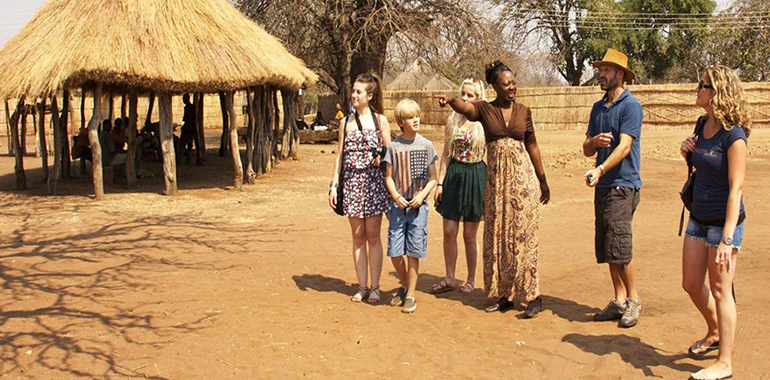
Your health preparations should reflect the activities and environments included in your itinerary.
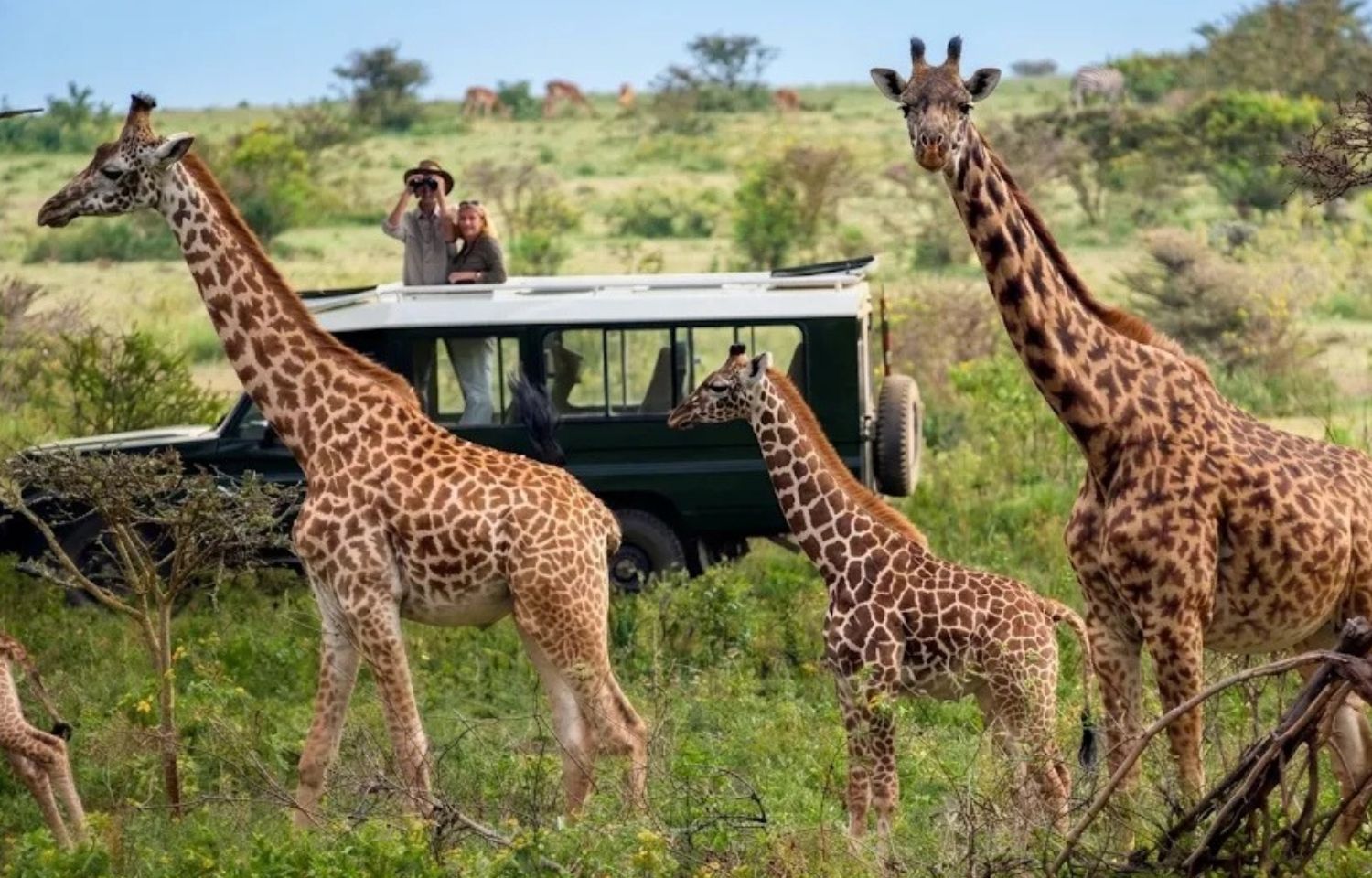
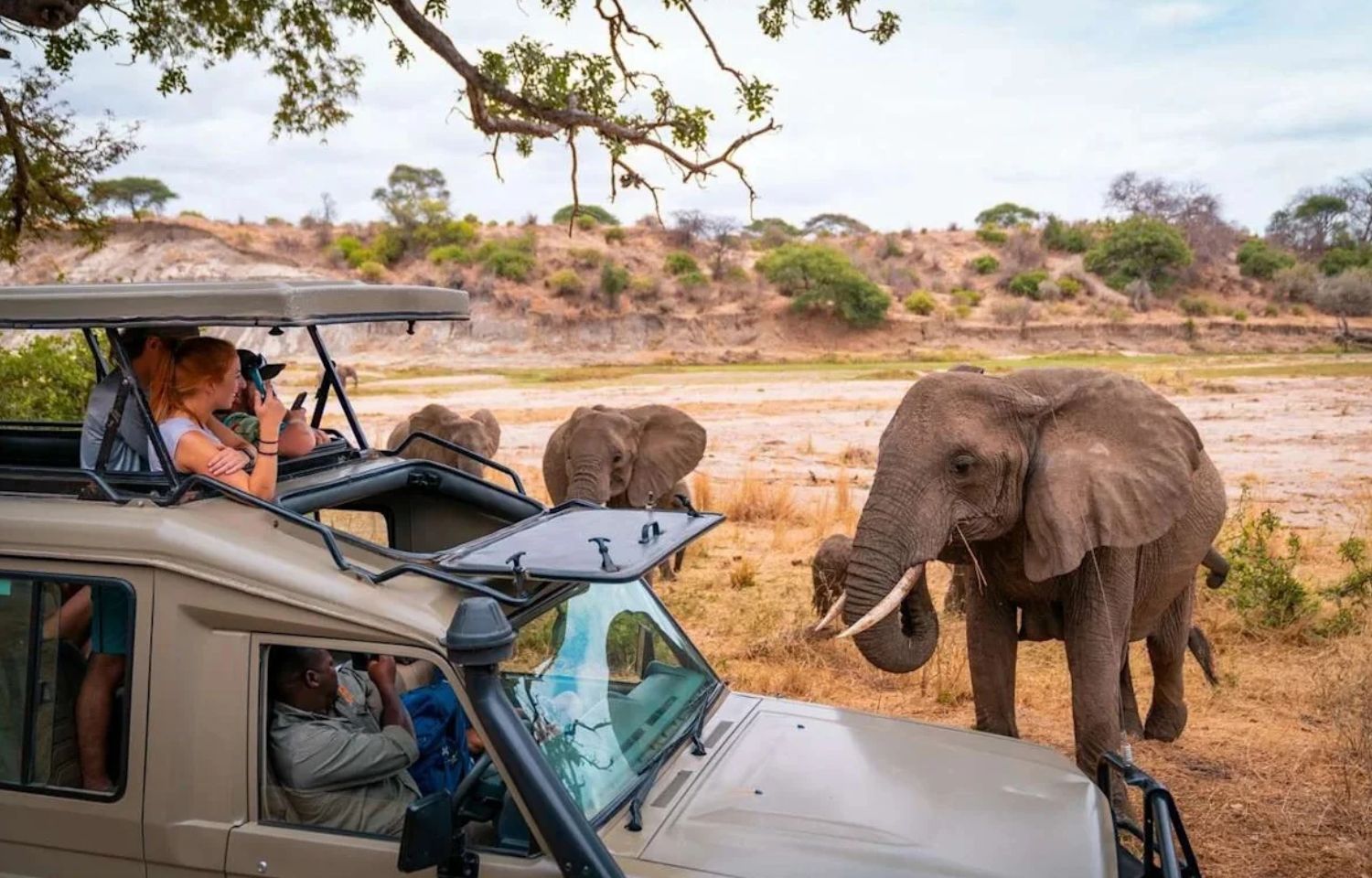
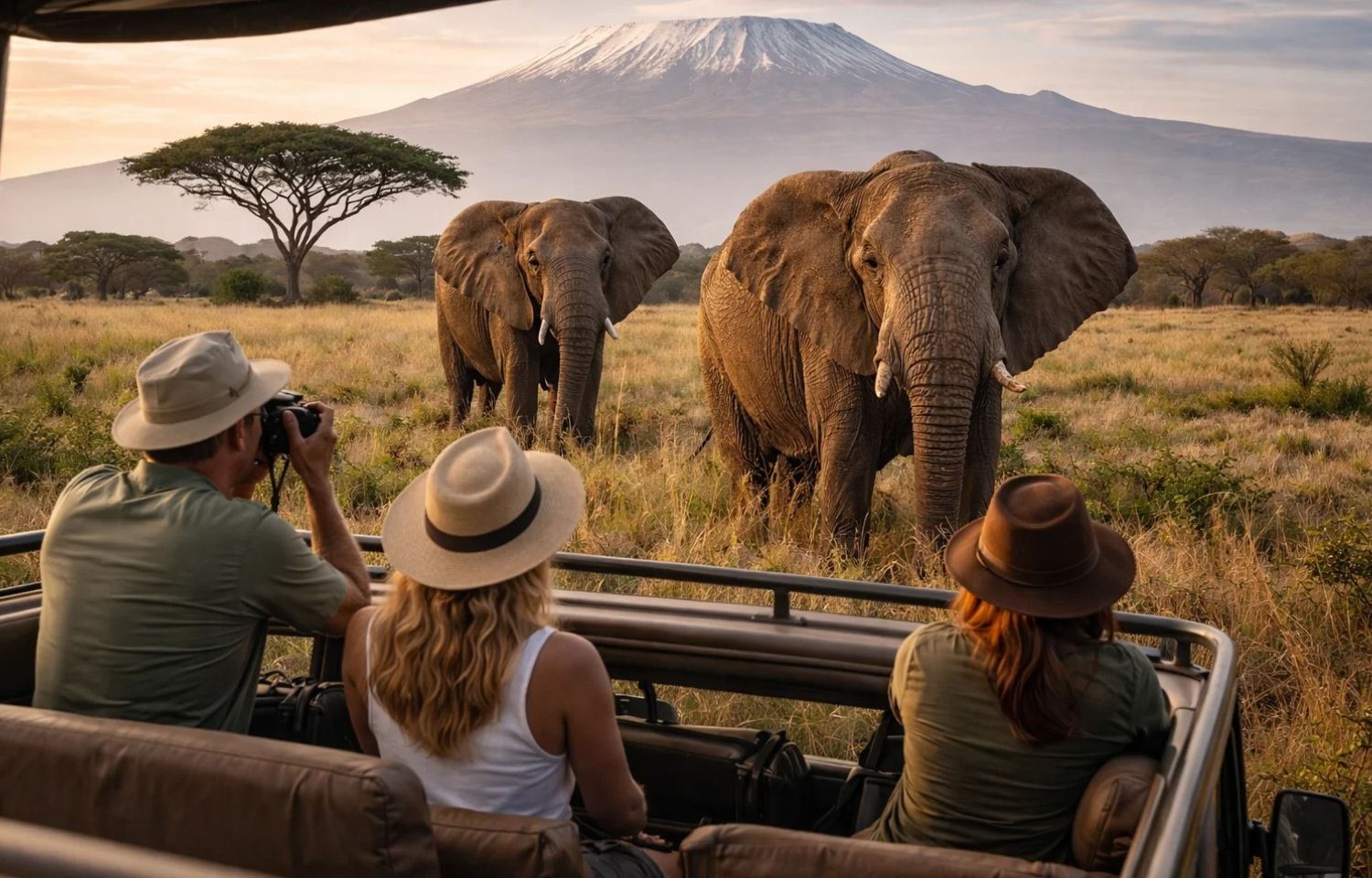
- Safari holidays: Consider malaria recommendations for your safari destination, pack insect repellent and sun protection, and carry essential medication. Follow food and water precautions at camps and lodges.
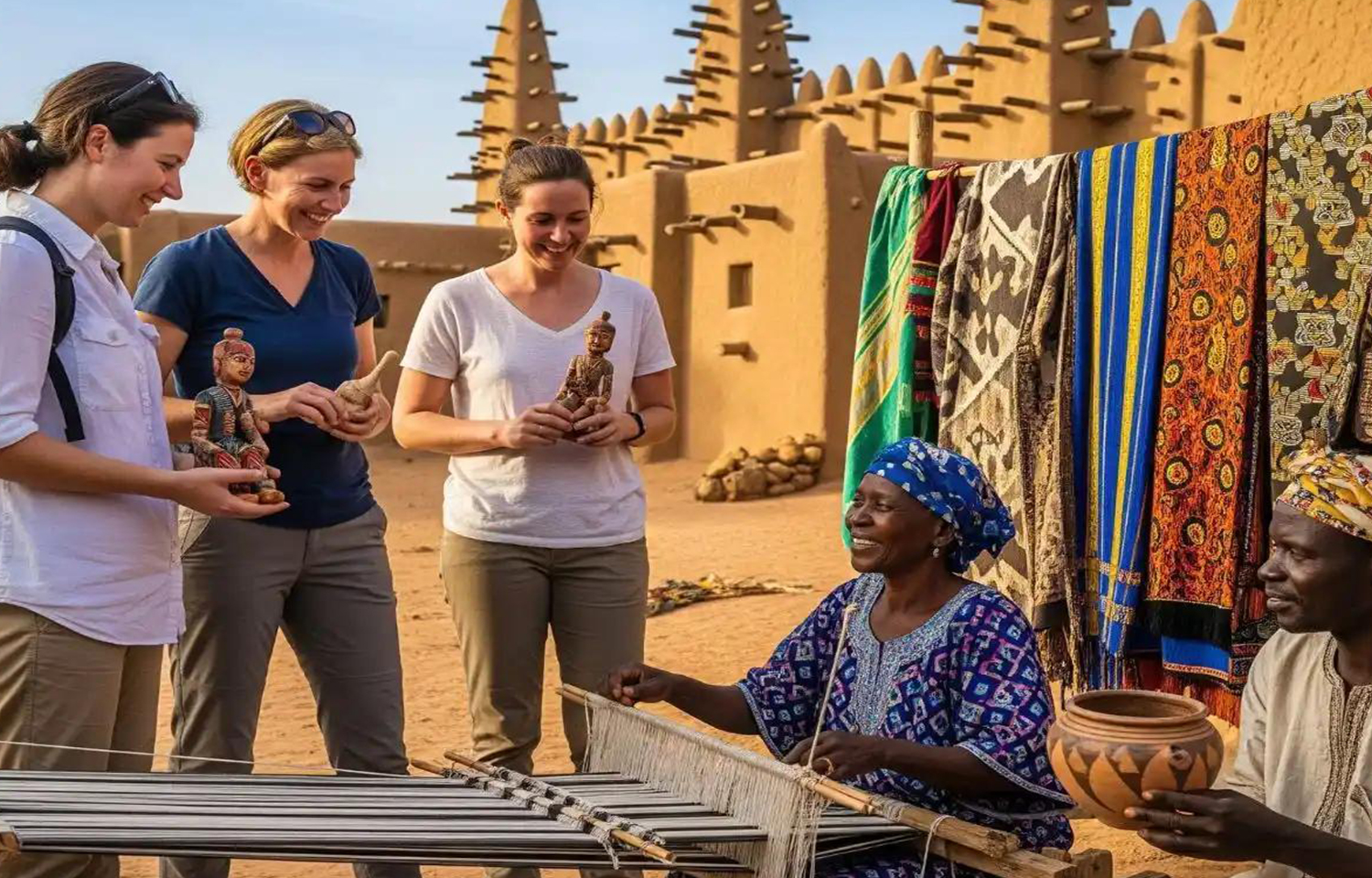
- City and cultural tours: Comfortable walking shoes, drinking water, sunscreen, and personal medication can help make long sightseeing days more comfortable. Consider the local climate when planning outdoor visits.
- Beach and outdoor activities: Pay attention to sun exposure, hydration, and local swimming conditions. Follow water-safety guidance and check that your travel insurance covers activities such as diving and water sports.
For more advice on wildlife destinations, safari experiences, and preparing for a wildlife holiday, explore our guide to African wildlife and safari travel.