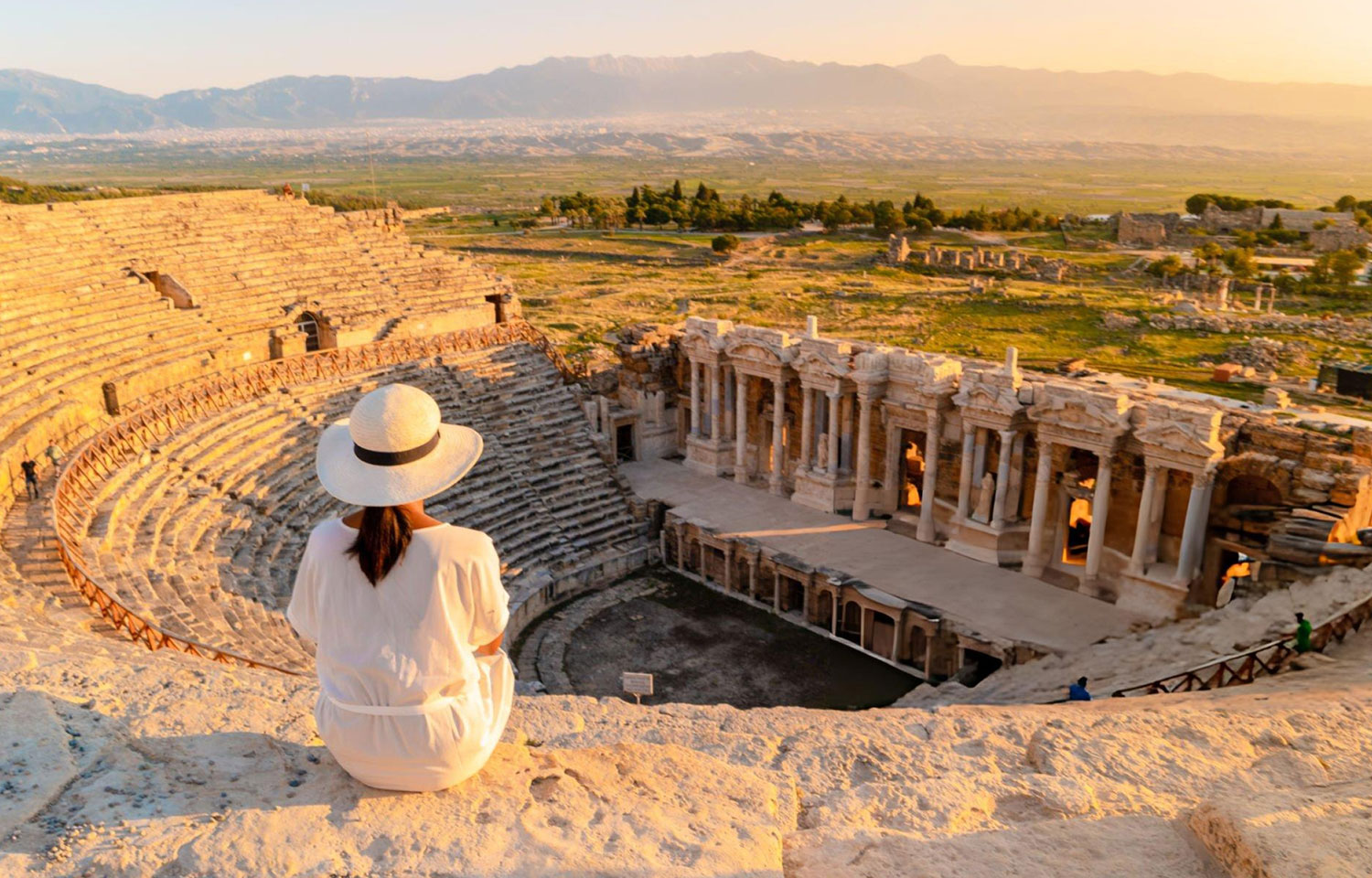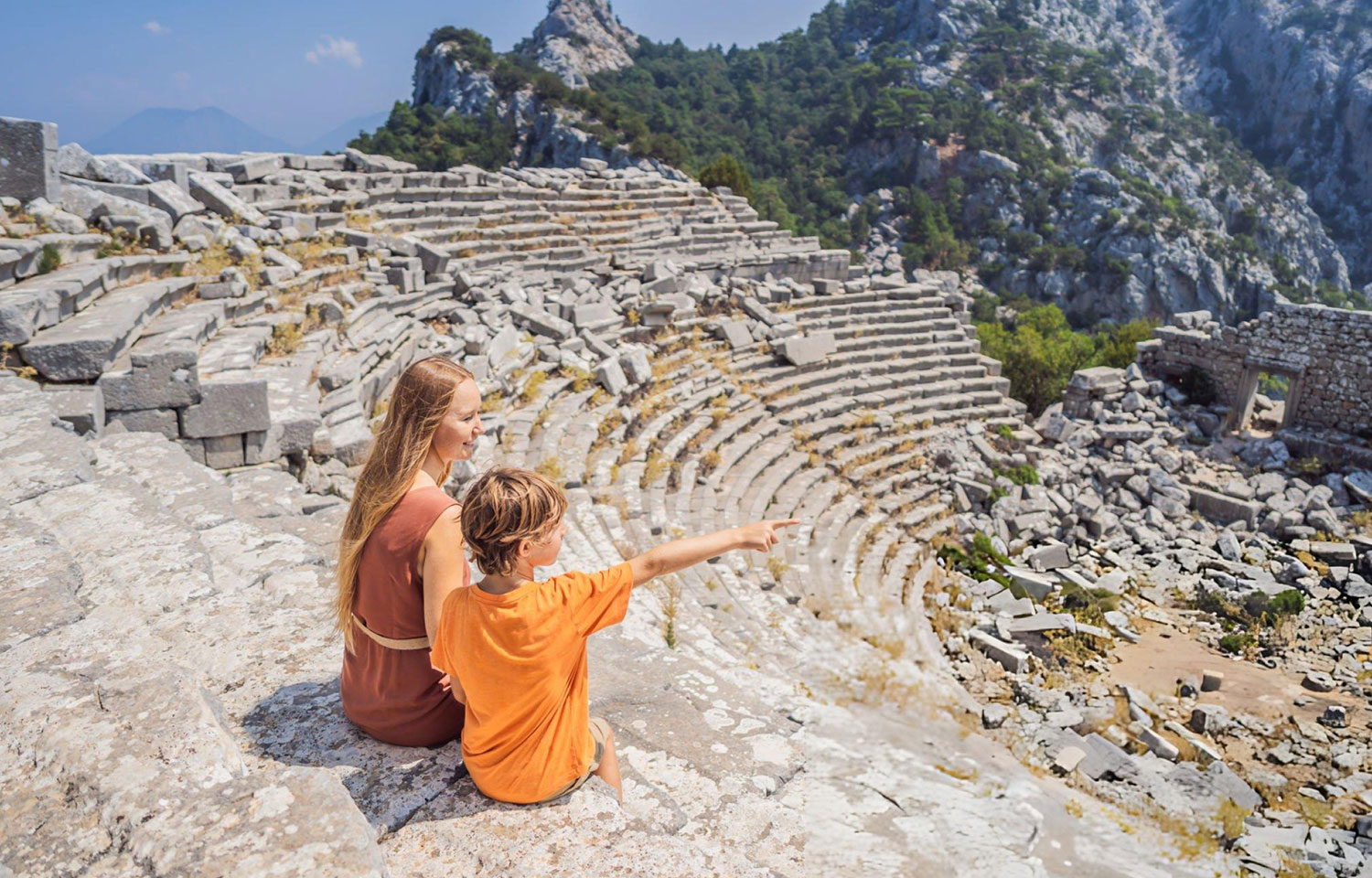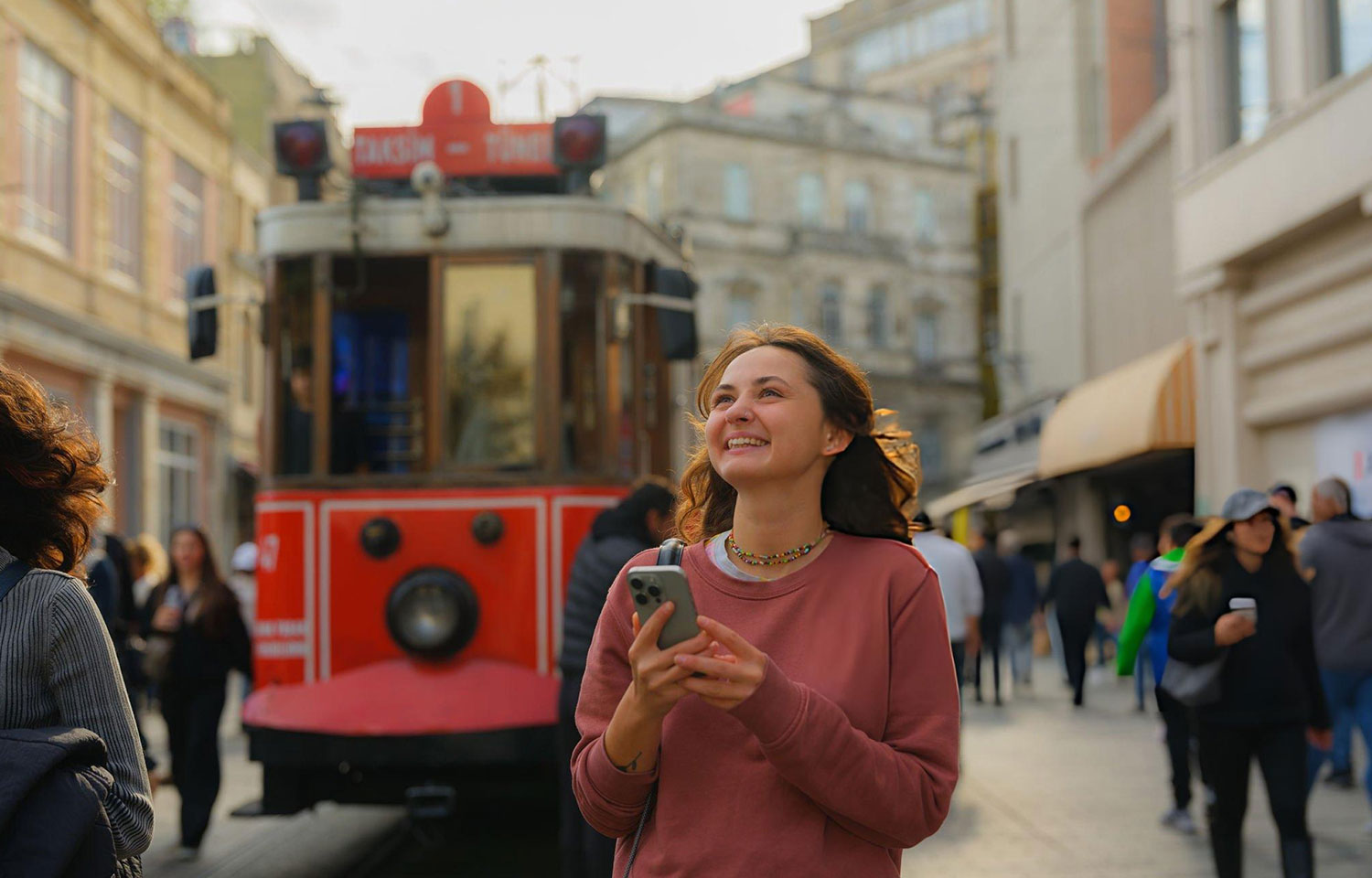
Turkey’s culture has been shaped by centuries of history, regional traditions, family life, hospitality, religion, craftsmanship, and cultural exchange between different parts of Europe and Asia. Turkish culture and customs are especially visible in everyday experiences, from sharing tea and meals to visiting mosques, exploring bazaars, enjoying a traditional hammam, or watching a Sema ceremony. Travelers who want to experience Turkish culture alongside Egypt’s ancient heritage can also explore our Egypt and Turkey Holidays, which combine both destinations in one journey.
For travelers, understanding these traditions can make a visit to Turkey more meaningful. At Tripidays Egypt Tours, we believe that learning about the culture behind these experiences helps visitors connect more naturally with the places and people they encounter. Turkish customs are not a strict set of rules, and they can vary between regions, generations, families, and communities. Instead, this guide explains the cultural practices visitors are most likely to encounter and how to approach them respectfully. If you are also looking for broader practical information before your trip, our Turkey Travel Guide covers other essential aspects of planning and preparing for a visit.
What Should Travelers Know About Turkish Culture?
Turkish culture places strong importance on hospitality, family, social relationships, respect, food, tea, coffee, and traditional craftsmanship. Visitors may encounter these values when being offered tea, sharing a meal, visiting a mosque, shopping in a bazaar, or participating in traditional cultural experiences.
A few useful things to remember are:
- Hospitality is an important part of Turkish social life.
- Tea and Turkish coffee are closely connected with conversation and welcoming guests.
- Family and respect for older people remain important cultural values in many communities.
- Religious spaces such as mosques require respectful behavior and modest clothing.
- Traditional hammams are cultural institutions as well as bathing spaces.
- Bazaars can be social environments as well as places to shop.
- Turkish carpets, kilims, ceramics, textiles, and other crafts reflect generations of craftsmanship.
- Customs vary across Turkey, so visitors should avoid assuming that one tradition represents the entire country.
The best approach is simple: be curious, courteous, and aware of your surroundings rather than trying to memorize every rule.
Turkish Hospitality and Social Etiquette
Hospitality is one of the most recognizable aspects of Turkish culture. Welcoming guests, offering tea or coffee, sharing food, and making visitors feel comfortable are common expressions of warmth. Travelers may experience this hospitality in homes, restaurants, cafés, family gatherings, and everyday interactions, where a simple offer of tea can become an opportunity for conversation.
Greetings and Social Interaction
Greetings in Turkey vary depending on the relationship, age, and setting. Handshakes are common during formal introductions, while friends and relatives may greet each other more warmly. Politeness, genuine interest, and respect for others are generally more important than following strict etiquette rules, so travelers should pay attention to the social context.
Family and Community
Family and community relationships remain important parts of Turkish social life. Extended families may gather regularly for meals, celebrations, holidays, and visits, while respect for parents and older people is commonly emphasized. However, family structures and social customs vary between generations, regions, communities, and individual families.
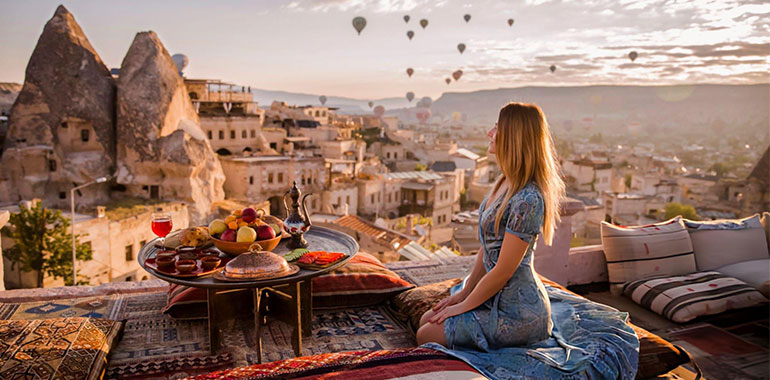
Turkish Tea and Coffee Culture
Tea and coffee are deeply connected with Turkish hospitality, conversation, friendship, and social interaction. Offering a drink is often a way of welcoming guests and creating time to connect.
Turkish Tea
Turkish tea, or çay, is an important part of everyday life in Turkey. It is commonly served during visits, conversations, meals, business meetings, and moments of relaxation, traditionally in small tulip shaped glasses. Offering tea can express hospitality or invite someone to continue a conversation. The Culture of Çay was added to UNESCO’s Representative List of the Intangible Cultural Heritage of Humanity in 2022, reflecting its importance to social life and hospitality.
Turkish Coffee
Turkish coffee is a traditional part of Turkey’s cultural heritage, prepared from finely ground coffee and traditionally brewed in a cezve before being served unfiltered in small cups. It is associated with hospitality, friendship, conversation, and special occasions, including traditional family and engagement customs. Turkish coffee culture and tradition were inscribed on UNESCO’s Representative List of the Intangible Cultural Heritage of Humanity in 2013.
Turkish Dining Customs
Food is an important part of Turkish social and family life. Meals are often shared experiences, with dishes such as bread, meze, and regional specialties served alongside conversation and tea. Hospitality is also expressed through food, as hosts may offer guests additional dishes or encourage them to eat more. Turkish breakfast can be particularly social, with several foods served together. While dining customs vary between families and regions, showing appreciation for the meal and spending time together are central to the experience.
Mosque Etiquette in Turkey
Mosques are both important religious spaces and significant parts of Turkey’s architectural and cultural heritage. Visitors are welcome at many mosques outside prayer times, but should remember that a mosque remains a place of worship.
The basic principle is respect.
Travelers visiting a mosque should generally:
- Dress modestly, covering the shoulders and knees.
- Remove shoes before entering the prayer area.
- Keep voices low.
- Silence mobile phones.
- Avoid eating or drinking inside.
- Avoid disturbing people who are praying.
- Follow any instructions provided by mosque staff or officials.
- Ask before taking photographs when local rules require permission.
Official guidance from Turkey’s Directorate of Religious Affairs similarly emphasizes silence, appropriate clothing, removing shoes, respecting religious objects, and avoiding disruptive behavior during mosque visits.
Women may also be asked to cover their hair when entering certain mosques. Some mosques provide coverings for visitors, although carrying a lightweight scarf can be useful.
Travelers should also be aware that access can be restricted during prayer times or religious occasions. Rather than treating mosque etiquette as a checklist, think of it as a way of respecting people who are using the building for worship.
As with other travel situations, staying aware of your surroundings and following local guidance can make cultural visits more comfortable. For broader advice about traveling responsibly and confidently, see our guide to Is Turkey Safe to Visit?.

Turkish Hammam Culture
The Turkish hammam is a traditional bathing institution with a long history in Turkish and Ottoman society. Historically, hammams were not simply places to wash; they could also function as social spaces where people met and spent time together.
Traditional hammams often feature heated marble interiors and different areas associated with the bathing experience. Modern hammams can vary considerably, with some operating primarily as cultural experiences for visitors while others continue to serve local communities.
A traditional hammam experience may include washing, steam, a body scrub, and other bathing rituals, depending on the establishment.
For travelers, it is useful to understand the hammam as part of Turkey’s cultural heritage rather than simply a modern spa treatment. Procedures, privacy arrangements, and services can vary, so visitors should understand what is included before beginning the experience.
Whirling Dervishes and the Sema Ceremony
The Mevlevi Sema ceremony is one of the best-known traditional cultural expressions associated with Turkey. It is connected with the Mevlevi tradition inspired by the teachings of the Persian poet and mystic Jalal al-Din Rumi, known in Turkey as Mevlânâ.
The ceremony is often recognized by the controlled whirling movements of the participants, commonly known as whirling dervishes. However, the Sema should not be understood simply as a performance or dance. It is a ceremonial spiritual practice with symbolic movements and religious meaning.
UNESCO inscribed the Mevlevi Sema ceremony on the Representative List of the Intangible Cultural Heritage of Humanity in 2008.
Visitors may encounter Sema ceremonies in cultural venues and traditional settings, particularly in places connected with Mevlevi heritage.
When attending, travelers should treat the ceremony respectfully. It is better to approach it as a cultural and spiritual tradition rather than a theatrical show.
Turkish Carpets and Kilims
Turkish carpets and kilims reflect Turkey’s long tradition of textile craftsmanship. Different regions have developed distinctive weaving techniques, patterns, colors, and designs, with skills often passed between generations. Visitors can encounter carpets and kilims in bazaars, workshops, and specialized stores, while other traditional crafts such as ceramics, calligraphy, ebru, and textiles also contribute to Turkey’s cultural heritage.
Bazaar Culture in Turkey
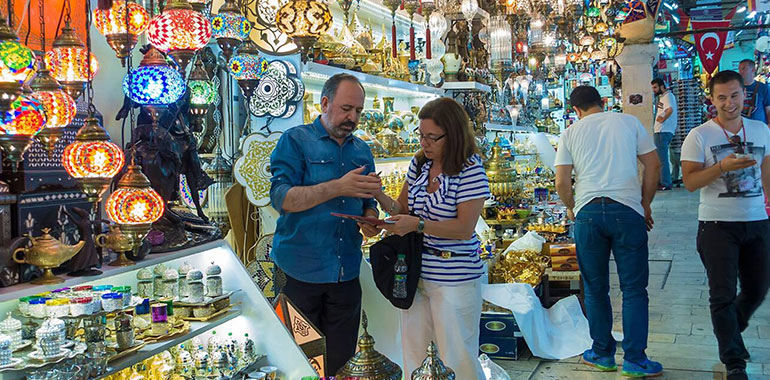
Traditional markets, or çarşı, have long been places of commerce and social interaction in Turkey. The Grand Bazaar in Istanbul is the country’s most famous example, but bazaar culture can be found in many regions. Visitors can experience local products, traditional crafts, food, and everyday interactions while exploring these markets.
Bargaining in Turkish Markets
Bargaining can be part of shopping in some traditional bazaars, particularly when buying certain handmade goods, but it is not expected everywhere. Modern shops, malls, supermarkets, and many established retailers generally use fixed prices. Travelers should therefore consider the type of shop and local context before negotiating.
Tipping and Everyday Etiquette
Everyday etiquette in Turkey is generally based on courtesy, respect, and awareness of social context. Tipping may be appreciated for good service in restaurants, cafés, hotels, taxis, and guided experiences, although practices vary and travelers should check whether a service charge is already included.
Photography and Personal Space
Turkey’s bazaars, historic sites, religious buildings, and cultural celebrations offer many opportunities for photography. However, ask permission before photographing people, especially during private, religious, or family occasions.
Public Behavior
There is no single dress code or standard of behavior for the entire country. Major cities tend to have modern lifestyles, while more conservative communities and religious settings may call for greater modesty. Travelers should observe their surroundings and adapt their dress and behavior to the setting.
Common Turkish Customs Travelers Should Know
Turkish traditions vary between regions, generations, families, and communities, but several customs help visitors understand everyday cultural life.
Weddings and Family Celebrations
Weddings are important social and family occasions in many parts of Turkey, often bringing together extended families through music, dancing, food, and traditional ceremonies. Engagements, religious holidays, births, and other family celebrations can also be important community events. The customs involved vary considerably by region, family, and personal preference.
Religious and National Holidays
Turkey’s cultural calendar includes religious holidays, national commemorations, and local festivals. Ramadan and Eid are important occasions for many Muslims, while national holidays reflect the country’s modern history. Regional festivals may also highlight local music, food, crafts, and community traditions.
Traditional Clothing and Modern Life
Traditional Turkish clothing varies by region, community, and occasion and is now most commonly seen at weddings, festivals, ceremonies, performances, and cultural events. Everyday clothing in major cities is predominantly modern, reflecting how traditional customs continue to coexist with contemporary lifestyles.
Regional Differences in Turkish Culture
Turkish culture varies significantly across the country. Istanbul and other major cities are highly diverse and cosmopolitan, while the Aegean and Mediterranean regions combine local traditions with modern coastal lifestyles. Central Anatolia, southeastern Turkey, and eastern Turkey each have distinctive traditions shaped by their history, geography, communities, crafts, food, and family life.
These differences are important for travelers to remember: a custom found in one part of Turkey should not automatically be treated as a universal rule for the entire country.

Final Thoughts on Turkish Culture and Customs
Understanding Turkish culture and customs is less about memorizing rules and more about recognizing the values behind everyday interactions. Hospitality, family, respect, food, tea, coffee, craftsmanship, religion, and community all contribute to the cultural experience travelers encounter in Turkey.
The country is also far too diverse to be represented by a single tradition. Customs change between regions, generations, families, cities, and communities.
For visitors, the best approach is therefore simple: show respect, stay curious, accept local hospitality when appropriate, and take time to understand the traditions you encounter. That openness can turn ordinary moments sharing çay, exploring a bazaar, sitting down to a meal, visiting a mosque, or experiencing a traditional ceremony into some of the most memorable parts of a journey through Turkey.