
Morocco is a diverse North African destination known for its historic medinas, imperial cities, traditional souks, Atlas Mountains landscapes, Atlantic and Mediterranean coastlines, and Sahara Desert experiences. For first-time visitors, that variety means there is plenty to explore but also more planning decisions to make.
Marrakech, Fez, Casablanca, Chefchaouen, Rabat, Essaouira and the Sahara each offer a different side of Morocco. The best itinerary depends on how much time you have and whether your priorities are history and culture, food, cities, mountains, the coast or a desert experience.
This Morocco travel guide from Tripidays brings those essential planning decisions together in one place. It explains when to visit, how long to stay, which destinations and experiences to consider, how different parts of Morocco fit together, and what first-time travelers should know before planning their trip.
Use this guide as your starting point, then explore our more detailed resources on Morocco full guide, safety, culture and customs, Moroccan food, the best places to visit, and the Sahara Desert when you are ready to go deeper.
Why Visit Morocco?
Morocco appeals to travelers because several very different experiences can be combined within one country.
You can spend a morning walking through a historic medina, an afternoon exploring traditional markets, and another day traveling through mountain scenery toward a desert landscape. Coastal cities offer a completely different pace, while places such as Marrakech and Fez provide deeper connections to Morocco’s history, architecture and craftsmanship.
Morocco is also a destination where the journey between places can be part of the experience. Roads cross mountains, valleys, rural landscapes and changing terrain rather than simply connecting one attraction to another.
For a first visit, think of Morocco through five broad experiences:
- Historic cities and medinas
- Markets, crafts and everyday culture
- Mountains and rural landscapes
- Atlantic and Mediterranean coastlines
- Desert and Sahara experiences
You do not need to experience all five on one trip. In fact, trying to do everything can make a Morocco itinerary feel rushed.
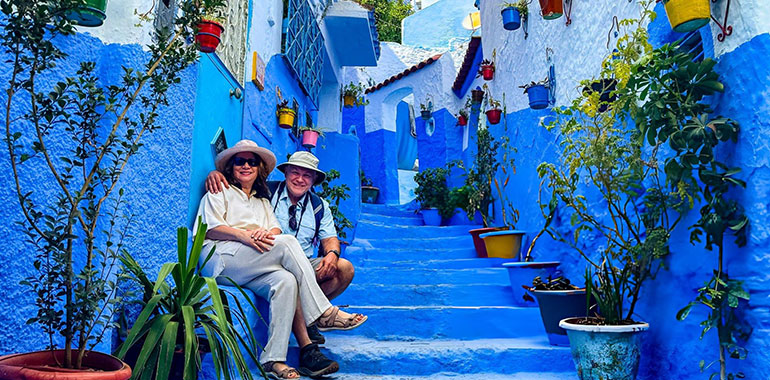
What Is Morocco Like for First Time Visitors?
Morocco is culturally distinctive, geographically varied and relatively easy to explore when your itinerary is built around realistic travel distances.
One of the first things visitors notice is the contrast between old and new. Historic medinas, souks, riads and traditional crafts remain part of everyday urban life, while modern districts, contemporary restaurants and business centers create a different side of the country.
Morocco’s geography creates another major contrast. The country combines coast, mountains, fertile landscapes, historic cities and arid regions, so the scenery and atmosphere can change significantly as you travel.
The experience also varies from region to region. Historic cities offer architecture, medinas and traditional craftsmanship, coastal areas provide a different pace, mountain regions introduce dramatic landscapes, and southern routes can lead toward Morocco’s desert environments.
For first-time visitors, the important point is not to treat Morocco as one single type of destination. Your experience will depend heavily on the regions you choose and the balance of cities, culture, landscapes, coast and desert in your itinerary.
How Many Days Do You Need in Morocco?
There is no single ideal length for a Morocco trip, but the number of days you have should determine how ambitious your route can be.
4 to 5 Days
A short trip is best focused on one major area rather than attempting to cross the country.
This gives you enough time to experience a destination properly without spending a large part of the trip moving between regions.
7 to 9 Days
A week or slightly longer gives you more flexibility to combine several connected destinations and experiences.
This is often a useful length for travelers who want variety without creating an overly demanding schedule.
10 to 14 Days
Two weeks gives you considerably more room to connect different regions and experiences while allowing a more comfortable pace.
You can build a broader itinerary without making every day a travel day.
15 Days or More
With two weeks or longer, you can create a more comprehensive route with less pressure to move frequently.
You have more opportunity to combine cities, mountains, coast, cultural experiences, and the Sahara while still allowing time for slower travel.
The important principle is simple: add destinations only when the travel between them makes sense. More stops do not automatically mean a better Morocco itinerary.
If you are still deciding which destinations to include, see our Best Places to Visit in Morocco guide.
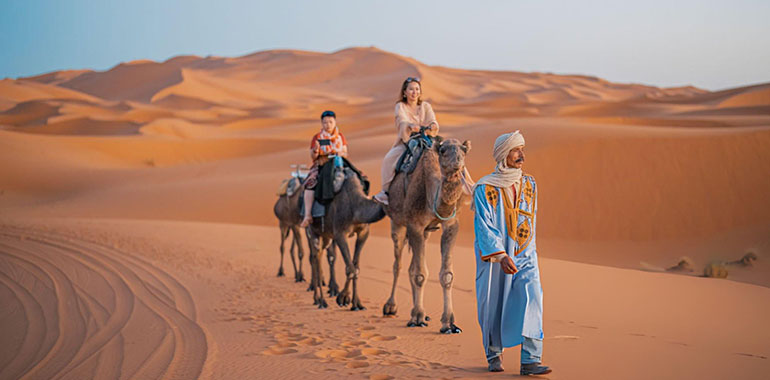
How Do You Plan a Morocco Route?
Morocco is easier to plan when you think in terms of regions and experiences, rather than trying to visit every destination on a list.
A first trip may combine historic cities with one or two different landscapes or experiences, depending on how much time you have. The most important consideration is how the destinations connect and how much time you want to spend traveling between them.
Imperial Cities and Historic Morocco
Marrakech, Fez, Rabat and Meknes provide different perspectives on Morocco’s history, architecture, medinas and traditional craftsmanship.
You do not need to visit all of them. Choose the cities that best match your interests and fit naturally into your route.
Northern Morocco
Northern Morocco offers a different character, with destinations such as Chefchaouen and Tangier providing access to the Rif Mountains, Mediterranean landscapes and the country’s northern heritage.
This region can work well as the focus of a shorter northern itinerary or as part of a longer journey through Morocco.
Atlantic Morocco
The Atlantic coast introduces another side of the country, from the urban character of Casablanca and Rabat to the more relaxed coastal atmosphere of Essaouira.
Adding the coast can give a city-focused itinerary a change of pace.
Mountains and Inland Landscapes
The Atlas Mountains and surrounding valleys provide a contrast to Morocco’s historic cities and coastal areas.
Mountain landscapes can also form part of routes connecting central Morocco with destinations farther south.
Desert and Southern Morocco
Traveling toward southern Morocco changes the landscape dramatically, eventually reaching the arid regions associated with the country’s desert experiences.
The Sahara can be a major part of a Morocco itinerary, but it usually requires more travel time than adding another city.
For a deeper look at desert regions, camps, camel experiences and how to choose between different desert options, see our Morocco Sahara Desert guide.
When Is the Best Time to Visit Morocco?
Morocco can be visited throughout much of the year, but the best time depends on the route and the experiences you want.
Spring and autumn are often attractive for travelers who want to combine cities with outdoor sightseeing because temperatures can be more comfortable than during the hottest part of summer.
Summer can work well for some coastal destinations, but inland cities and desert areas can become very hot.
Winter offers a different experience. Cities can be pleasant for sightseeing, while mountain areas can be cold and conditions can vary at higher elevations. The desert can also become surprisingly cold after sunset.
Instead of choosing a season based only on a generic “best time to visit Morocco” label, ask:
- Which regions am I visiting?
- Will I spend significant time outdoors?
- Am I including the Sahara?
- Do I prefer warmer weather or cooler sightseeing conditions?
- Am I planning around a specific festival or cultural event?
Your route should influence your travel dates, not the other way around.
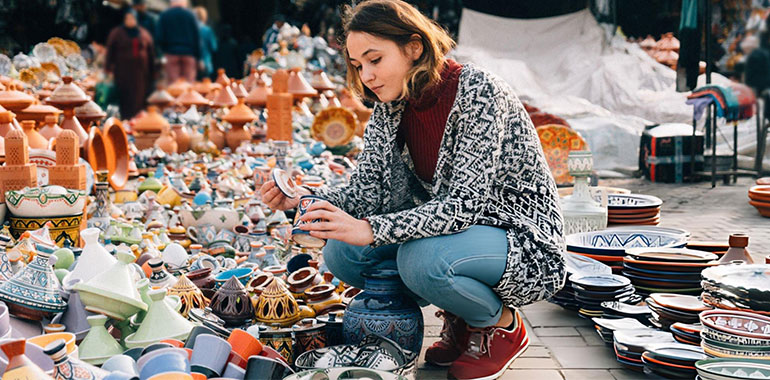
What Should You Know About Moroccan Culture?
Moroccan culture is an important part of the travel experience, reflected in the country’s architecture, medinas, crafts, food, hospitality and everyday life. Morocco also has diverse cultural influences, including Arab, Amazigh, Andalusian, African and Jewish heritage.
For first-time visitors, understanding this cultural context can make experiences in historic neighborhoods, markets and religious sites more meaningful.
You do not need to become an expert before traveling. A basic awareness of local customs and a respectful approach to everyday interactions are a good starting point.
For deeper guidance on etiquette, dress, greetings, Ramadan, photography, religious sites and other cultural considerations, see our Morocco culture and customs guide.
What Is Moroccan Food Like?
Food is another important part of experiencing Morocco, with regional dishes, traditional cooking, markets, cafés and hospitality all contributing to the country’s food culture.
Travelers will encounter well-known Moroccan dishes such as tagine and couscous alongside breads, soups, pastries, grilled foods, tea and other regional specialties.
You do not need to plan your entire trip around food, but leaving room to experience local cuisine can add another dimension to a Morocco itinerary.
For a deeper look at what to eat and drink, including traditional dishes, breakfast, street food, sweets and Moroccan mint tea, see our Moroccan food guide.
What Is a Medina?
A medina is the historic or old city found in many Moroccan towns.
Medinas are typically characterized by narrow streets, traditional buildings, markets, workshops and historic landmarks. They can feel very different from modern city districts because movement, commerce and architecture are organized around a much older urban pattern.
For first-time visitors, medinas can be one of the most memorable parts of Morocco but they can also take some adjustment.
Expect:
- Narrow and sometimes confusing streets
- Busy markets
- Local shops and workshops
- Pedestrian heavy areas
- Traditional architecture
- A mixture of tourism and everyday local life
Do not treat every medina as a museum. People live and work there.
That distinction helps explain why respectful behavior and awareness matter.
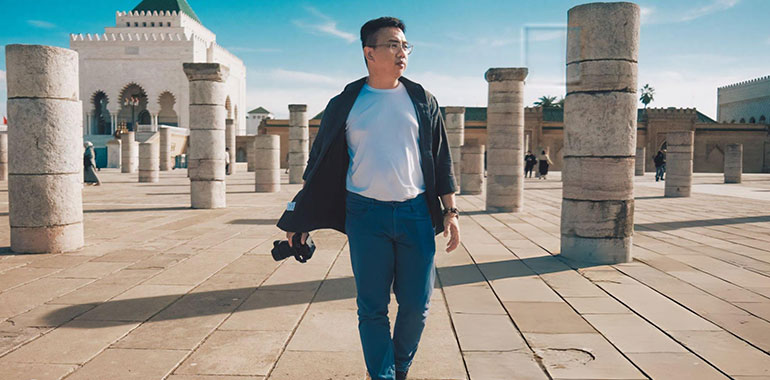
How Should You Get Around Morocco?
Your transportation choices should follow the route you are building.
For city to city travel, travelers may use trains, buses, private transfers, rental cars or organized transportation depending on the destinations involved.
Urban transportation also varies. Larger cities have more extensive transport options, while historic medinas may require you to walk once you arrive.
The key issue is not simply finding the fastest way between two points. Consider:
- Travel time
- Number of stops
- Whether you are carrying luggage
- Road conditions and terrain
- Whether you want flexibility
- Whether the destination is easy to navigate independently
- Whether a private or organized transfer would simplify the route
For more practical advice about getting around, money, connectivity, taxis, packing and other trip logistics, see our practical Morocco travel tips.
What About Safety in Morocco?
Safety is one of the practical considerations to check when planning a trip to Morocco, alongside transportation, accommodation and travel requirements.
The experience can vary depending on where and how you travel, from busy medinas and major cities to long-distance journeys and remote desert areas. Understanding the nature of your route before you travel can help you plan with greater confidence.
For detailed guidance on common tourist concerns, scams, solo and family travel, women traveling alone, transportation, and other safety questions, read our Is Morocco Safe? guide.
What Should You Know Before Planning a Morocco Trip?
Before booking your trip, make five key decisions:
1. Decide What You Want From Morocco
Choose whether your priority is historic cities, culture, food, mountains, beaches, the Sahara, or a combination.
2. Choose a Realistic Number of Destinations
Focus on a route that gives you enough time to experience each place rather than trying to collect as many destinations as possible.
3. Allow Time for Travel Between Regions
Build your itinerary around realistic travel times, especially when combining cities, mountains, coast, and desert.
4. Choose Between Independent and Organized Travel
Consider your route, transportation needs, and preferred level of flexibility before deciding how you want to travel.
5. Check Current Entry Requirements
Entry and visa requirements depend on your nationality and can change, so verify the current requirements for your passport before booking.
Can You Combine Morocco With Egypt?
Yes. Morocco and Egypt can work well as a multi-country journey for travelers who want to experience two very different sides of North Africa.
Egypt offers ancient temples, pyramids, the Nile and pharaonic history, while Morocco adds historic medinas, imperial cities, mountain landscapes, Atlantic destinations and the Sahara.
The challenge is not whether the countries can be combined. It is whether the itinerary gives each country enough time.
A combined trip is usually better when you decide which experiences are essential in each destination rather than trying to see everything.
If you prefer an organized route, you can explore Egypt and Morocco tour options after deciding what you want from Morocco.
Keep in mind that international flights between the two countries are separate from the included arrangements of Tripidays Egypt and Morocco tours unless a specific itinerary states otherwise.