South Africa is one of Africa’s most diverse travel destinations, bringing together remarkable wildlife, dramatic coastlines, lively cities, mountain landscapes, and a rich cultural heritage. From the wildlife-rich plains of Kruger National Park to the scenic beauty of Cape Town and the Cape Peninsula, the country offers a wide variety of experiences for travelers interested in nature, history, culture, and outdoor exploration.
Visitors can explore Johannesburg’s urban attractions, follow the scenic Garden Route, discover the Cape Winelands, or experience traditional communities and historic neighborhoods. South Africa is also a popular safari destination, with opportunities to see elephants, lions, rhinos, leopards, and buffalo in established wildlife reserves.
For travelers planning a wider African journey, South Africa can also be combined with other destinations through Africa’s top destinations, offering opportunities to experience different landscapes, wildlife habitats, and cultural traditions across the continent.
South Africa lies at the southern tip of the African continent, bordered by Namibia, Botswana, Zimbabwe, Mozambique, and Eswatini. Lesotho is an independent country surrounded by South African territory. The country has extensive coastlines along both the Atlantic Ocean and the Indian Ocean, giving it a varied maritime environment and access to beaches, coastal towns, and scenic ocean routes.
Its location makes South Africa an important gateway for exploring southern Africa. International travelers can use major cities such as Johannesburg and Cape Town as starting points for journeys to national parks, coastal destinations, and neighboring countries.
South Africa covers approximately 1.22 million square kilometers and features an exceptionally varied landscape. Its geography includes the central Highveld plateau, the Drakensberg Mountains, semi-arid regions, fertile valleys, extensive grasslands, and long stretches of coastline.
The country’s natural environments support a wide range of wildlife and vegetation. Grasslands and savannas provide habitats for large mammals, while the Cape region is known for its distinctive fynbos vegetation. Mountain ranges, river valleys, wetlands, and coastal ecosystems add further diversity to the country’s scenery and outdoor activities.
South Africa’s climate varies considerably by region. The Western Cape generally experiences a Mediterranean climate, with warm, dry summers and cooler, wetter winters. Much of the interior has summer rainfall, while the northeastern regions include subtropical conditions.
These seasonal differences influence the best time to visit each destination. The dry winter months in many safari areas can offer favorable wildlife-viewing conditions as animals gather near available water sources. Cape Town and the Garden Route are often especially appealing during the warmer months, while spring brings wildflowers to parts of the Western and Northern Cape.
Travelers should consider regional weather patterns when planning safaris, coastal activities, mountain excursions, and multi-region itineraries.
South Africa has several major urban centers, each offering different experiences and serving as a gateway to surrounding attractions.
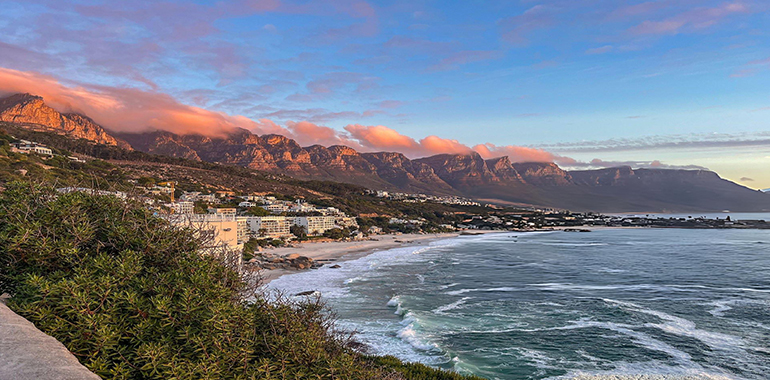
South Africa’s history reflects the heritage of Indigenous African communities, centuries of regional trade, European colonial expansion, and the development of a modern multicultural nation. Communities such as the Zulu, Xhosa, Sotho, Tswana, Venda, and San have contributed to the country’s diverse traditions and historical landscape.
Today, historic sites, museums, memorials, and heritage districts help visitors understand this complex past. Robben Island, the Apartheid Museum, Constitution Hill, and the Nelson Mandela Capture Site are among the places associated with the country’s struggle for freedom and its democratic transformation.
South Africa is often described as a culturally diverse nation, with communities shaped by African traditions, European and Asian influences, and generations of cultural exchange. The country recognizes 12 official languages, including South African Sign Language, reflecting its linguistic diversity.
Cultural experiences vary from region to region. Visitors may encounter Zulu and Xhosa traditions, Cape Malay culinary influences, Afrikaans heritage, and vibrant contemporary music, art, and fashion scenes. Markets, local festivals, craft centers, and community-led experiences can provide opportunities to learn about regional customs and everyday life.
Travelers interested in respectful cultural experiences can learn more about African culture and customs, which offers broader context for understanding traditions and etiquette across the continent.
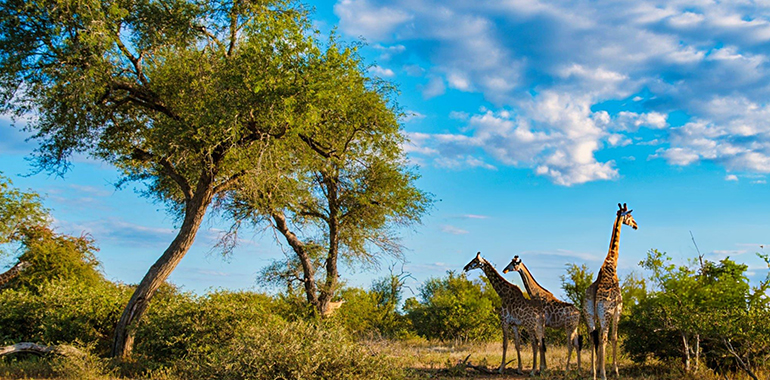
Kruger National Park is one of South Africa’s best-known wildlife destinations and a major attraction for safari travelers. Located in the country’s northeast, it protects an extensive area of savanna, woodland, riverine forest, and other habitats that support a remarkable range of wildlife.
The park is home to the Big Five: lion, leopard, elephant, rhino, and buffalo, as well as giraffes, zebras, hippos, crocodiles, antelope, and numerous bird species. Game drives provide opportunities to observe animals in their natural habitats, while selected camps and designated routes allow visitors to explore different areas of the park.
For a broader understanding of safari planning and wildlife experiences, explore the African wildlife and safari travel guide.
The Cape Peninsula extends south from Cape Town into a landscape of rugged cliffs, beaches, coastal roads, and protected natural areas. It is one of the country’s most scenic regions and is well suited to day trips from the city.
A drive along Chapman’s Peak Drive, where road conditions permit, offers views over the Atlantic coastline. Visitors can explore Cape Point within Table Mountain National Park and continue to the Cape of Good Hope, a celebrated landmark known for its dramatic coastal scenery. The area also supports seabirds, antelope, and other wildlife.
The Garden Route is a scenic stretch of South Africa’s southern coastline, generally associated with the area between Mossel Bay and Storms River, although itineraries may cover a wider section of the coast. It is known for forested landscapes, lagoons, beaches, coastal cliffs, and charming towns.
Knysna is popular for its lagoon and waterfront, while Plettenberg Bay offers beaches, coastal viewpoints, and marine activities. Wilderness is known for its natural scenery, and the Tsitsikamma area features forest trails, dramatic coastal landscapes, and sections of the Garden Route National Park.
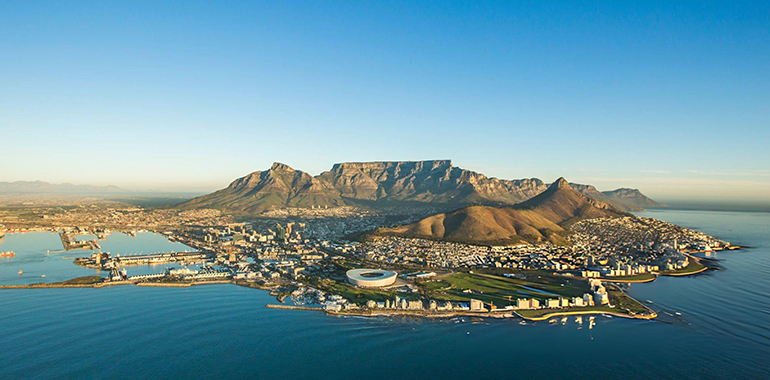
Cape Town is one of South Africa’s most recognizable destinations, combining a dramatic mountain backdrop with beaches, historic neighborhoods, cultural attractions, and a lively waterfront. Its location between the Atlantic Ocean and Table Mountain creates striking views and a wide range of outdoor activities.
Table Mountain is the city’s defining natural landmark. Visitors can hike selected trails or use the cableway when operating conditions permit. The surrounding Table Mountain National Park includes rugged slopes, coastal scenery, and distinctive plant life associated with the Cape Floral Region.
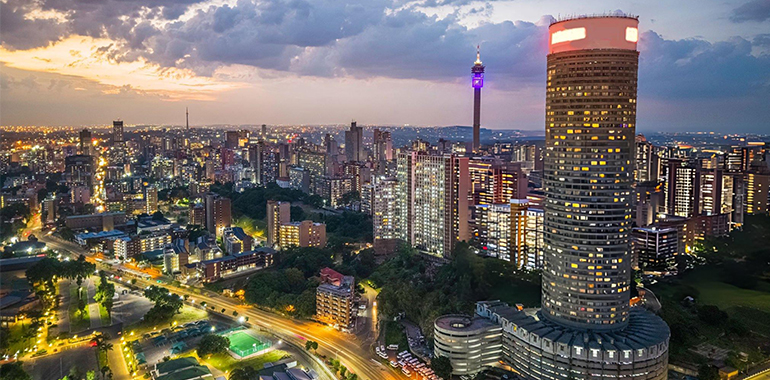
Johannesburg is a major urban destination that offers insight into South Africa’s political history, economic development, and contemporary cultural life. Its museums, galleries, markets, and heritage sites provide a different perspective from the country’s national parks and coastal landscapes.
Soweto, a large urban area southwest of central Johannesburg, played a significant role in the struggle against apartheid. Visitors can explore parts of its history through sites such as Vilakazi Street, associated with Nelson Mandela and Desmond Tutu, and the Hector Pieterson Memorial and Museum, which commemorates the 1976 Soweto uprising.
Beyond the country’s best-known cities and safari areas, South Africa offers several additional regions that appeal to travelers with different interests.
The Drakensberg range features dramatic mountain peaks, valleys, hiking trails, and rock art sites. It is a popular region for walking, landscape photography, and outdoor activities, with routes and accommodation options suited to different levels of experience.
The Cape Winelands, including areas around Stellenbosch, Franschhoek, and Paarl, are known for vineyards, historic architecture, scenic mountain settings, and regional cuisine. Visitors can explore wine estates, local markets, and heritage towns, with non-alcoholic dining and sightseeing options also available.
South Africa can form part of a broader African travel experience for visitors who want to combine wildlife, landscapes, and cultural discoveries with other destinations. Depending on the itinerary, a multi-country holiday may bring together a South African safari or city stay with historical and cultural experiences in Egypt.
Travelers interested in combining Egypt with wildlife experiences elsewhere in Africa can explore Egypt and African safari tours to learn about relevant Tripidays travel options. The destinations, included services, and routing depend on the individual tour itinerary.
Before booking, travelers should review the itinerary carefully to understand the destinations visited, accommodation arrangements, transportation, included activities, and any optional experiences. For a multi-country trip, it is also important to check passport validity, visa requirements, seasonal conditions, and the time needed for transfers between destinations.


Tripidays Egypt Tours has been offering an exceptional range of Egypt tours, vacation packages, Nile cruises, day trips, and shore excursions tailored to meet the diverse interests of travelers worldwide for over 45 years.