Tanzania is one of East Africa’s most remarkable destinations, known for its vast wildlife reserves, dramatic mountain scenery, tropical islands, and rich cultural heritage. From the open plains of Serengeti National Park to the snow-capped summit of Mount Kilimanjaro and the turquoise waters of Zanzibar, the country offers a wide variety of experiences for travelers interested in nature, wildlife, history, and coastal relaxation.
The country combines some of Africa’s most celebrated safari landscapes with historic towns, traditional communities, freshwater lakes, and Indian Ocean beaches. Visitors can explore the wildlife-rich northern circuit, discover quieter wilderness areas in the south, or experience the Swahili heritage and island scenery of Zanzibar.
As one of Africa’s top destinations, Tanzania offers a distinctive combination of wildlife encounters, natural landmarks, and cultural experiences.
Tanzania is located in East Africa, with an Indian Ocean coastline to the east. It shares borders with Kenya and Uganda to the north, Rwanda and Burundi to the northwest, the Democratic Republic of the Congo across Lake Tanganyika to the west, and Zambia, Malawi, and Mozambique to the south.
The country’s location connects the landscapes of East Africa with the Great Lakes region and the Indian Ocean. Its mainland is home to major safari destinations, mountain ranges, and large lakes, while the Zanzibar archipelago offers historic coastal settlements and tropical beaches.
Tanzania covers approximately 947,000 square kilometers, making it one of the larger countries in Africa. Its geography includes expansive savannahs, volcanic highlands, the Great Rift Valley, fertile agricultural areas, mountain ranges, and long stretches of coastline.
The country contains several important natural landmarks, including Mount Kilimanjaro, Lake Victoria, Lake Tanganyika, and the Ngorongoro volcanic landscape. These contrasting environments support a wide range of wildlife habitats and make Tanzania appealing to travelers seeking both inland adventures and coastal experiences.
Tanzania generally has a tropical climate, although temperatures and rainfall vary according to elevation and location. Coastal areas and Zanzibar are typically warm and humid, while the northern highlands and elevated areas around Mount Kilimanjaro are cooler.
Many parts of the country experience two main rainy periods: the long rains, usually from March to May, and shorter rains around October to December. However, rainfall patterns differ across the country, particularly between northern, southern, coastal, and highland regions.
These seasonal variations influence the appearance of the landscapes and conditions for wildlife viewing. Travelers should consider their intended destinations and activities when choosing when to visit Tanzania.
Tanzania’s major cities and towns serve as commercial centers, transport hubs, and gateways to its natural and cultural attractions.
The Ngorongoro Conservation Area is one of Tanzania’s most distinctive destinations, known for its volcanic landscapes, archaeological importance, and wildlife-rich crater. The Ngorongoro Crater was formed by the collapse of a large volcano and now contains grasslands, woodland, wetlands, and a variety of animal habitats.
Ngorongoro is often combined with Serengeti National Park on northern Tanzania itineraries, giving travelers an opportunity to experience two different but closely connected wildlife environments.
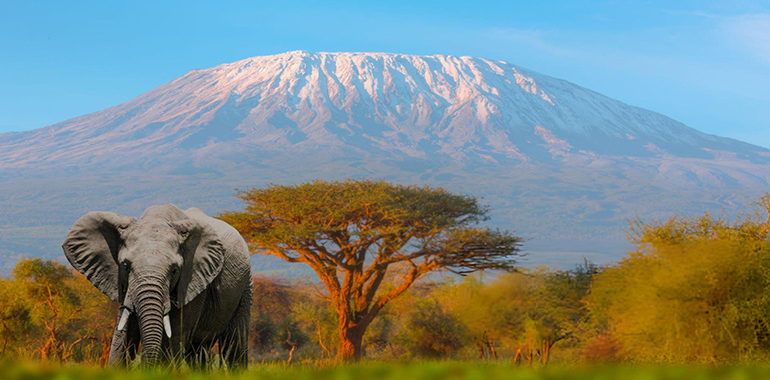
Mount Kilimanjaro is one of Tanzania’s most recognizable landmarks and the highest mountain in Africa. Rising above the surrounding plains, it features distinct ecological zones, from cultivated foothills and montane forest to alpine terrain and its high volcanic summit.
The mountain attracts trekkers from around the world who follow established climbing routes toward Uhuru Peak. Climbs typically take several days and require appropriate preparation, acclimatization, and guidance.
Even for travelers who do not intend to climb, the Kilimanjaro region offers scenic views, local communities, and opportunities to explore the surrounding highlands. Nearby Moshi provides a convenient base for mountain-related activities.
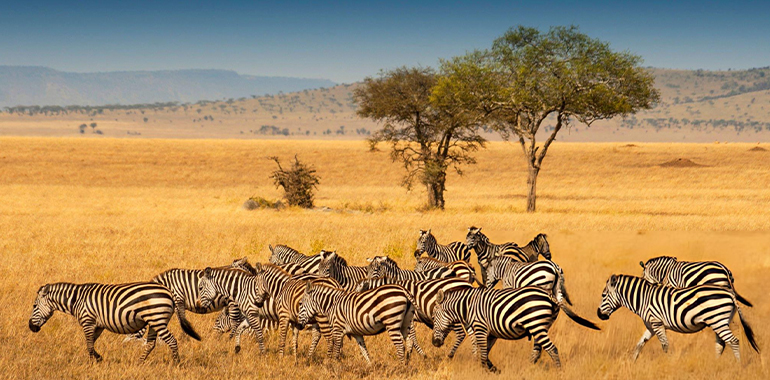
Serengeti National Park is one of Tanzania’s most famous natural attractions, celebrated for its extensive grasslands, abundant wildlife, and seasonal movements of grazing animals. Its open plains provide habitat for lions, leopards, cheetahs, elephants, giraffes, zebras, and many other species.
The park is particularly associated with the Great Migration, during which large herds of wildebeest and zebras move through the wider Serengeti ecosystem in search of fresh grazing and water. The timing and location of these movements vary according to rainfall and local conditions.
Game drives allow visitors to explore different habitats and observe wildlife in its natural environment. For travelers interested in understanding safari experiences across the continent, an African wildlife and safari travel guide offers broader context on wildlife habitats, conservation, and responsible viewing.
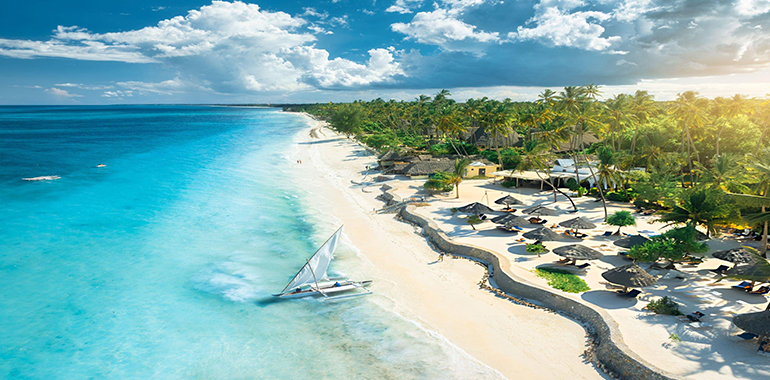
Zanzibar is an archipelago belonging to the United Republic of Tanzania, located in the Indian Ocean off the mainland coast. It is known for white-sand beaches, turquoise waters, historic settlements, and a cultural heritage shaped by African, Arab, Persian, and Indian Ocean trading connections.
The islands offer a different atmosphere from Tanzania’s inland safari regions. Visitors can explore historic streets, relax along the coast, discover local markets, or take part in marine activities such as snorkeling and diving where conditions and local regulations permit.
Zanzibar is also a popular extension to a mainland safari, allowing travelers to combine wildlife viewing with time on the coast.
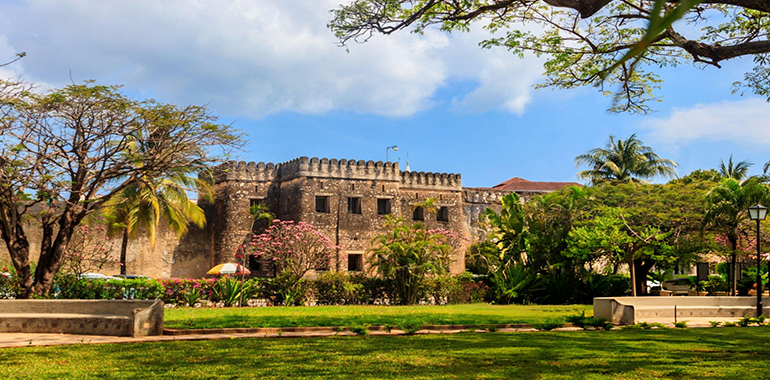
Stone Town, the historic center of Zanzibar City, is known for its narrow streets, carved wooden doors, traditional courtyards, and buildings reflecting centuries of trade and cultural exchange. Its architecture illustrates the influence of Swahili, Arab, Indian, and European traditions.
Visitors can explore historic landmarks, markets, waterfront areas, and cultural attractions while learning about the island’s complex past. Stone Town is recognized as a UNESCO World Heritage Site and provides important context for understanding Zanzibar’s role in Indian Ocean commerce.
Its historic character contrasts with the relaxed beach settings found elsewhere in the archipelago, making it an essential destination for travelers interested in both heritage and coastal scenery.
Zanzibar’s Beaches and Marine Landscapes
Beyond Stone Town, Zanzibar offers a range of coastal destinations known for their beaches, coral environments, and ocean views. Areas such as Nungwi, Kendwa, Paje, and Jambiani attract visitors looking for seaside relaxation and outdoor activities.
The character of the coastline varies around the islands. Some beaches are popular for swimming and sunset views, while others are associated with kitesurfing, snorkeling, diving, or learning about local fishing and seaweed-farming communities.
Ocean conditions and tidal changes can affect swimming and water activities, so visitors should consider local guidance when choosing where and when to explore the coast.
Arusha is an important city in northern Tanzania and a major starting point for safari journeys. Its location provides access to several of the country’s best-known attractions, including Tarangire National Park, Lake Manyara, Ngorongoro, and the Serengeti.
The city also serves as a regional center for tourism, commerce, and cultural activities. Visitors can explore local markets, discover regional food traditions, and use Arusha as a base before traveling into nearby highlands or wildlife areas.
For travelers planning a northern Tanzania itinerary, Arusha is a practical connection point between international arrivals, safari destinations, and the Mount Kilimanjaro region.
Tanzania has a diverse cultural heritage shaped by many ethnic communities, regional traditions, and centuries of interaction across East Africa and the Indian Ocean. Swahili is the national language and an important part of everyday life, while numerous other local languages are spoken throughout the country.
Cultural experiences may include traditional music and dance, local markets, crafts, food, and visits to communities where tourism activities are arranged respectfully. Maasai communities are particularly associated with parts of northern Tanzania, although the country’s cultural diversity extends far beyond any single community.
Tanzania’s coastal heritage reflects historic trading connections, especially in Zanzibar and other Swahili settlements. Inland, different communities maintain their own languages, customs, artistic traditions, and ways of life. Travelers can explore African culture and customs to learn more about cultural diversity and respectful travel across the continent.


Tripidays Egypt Tours has been offering an exceptional range of Egypt tours, vacation packages, Nile cruises, day trips, and shore excursions tailored to meet the diverse interests of travelers worldwide for over 45 years.