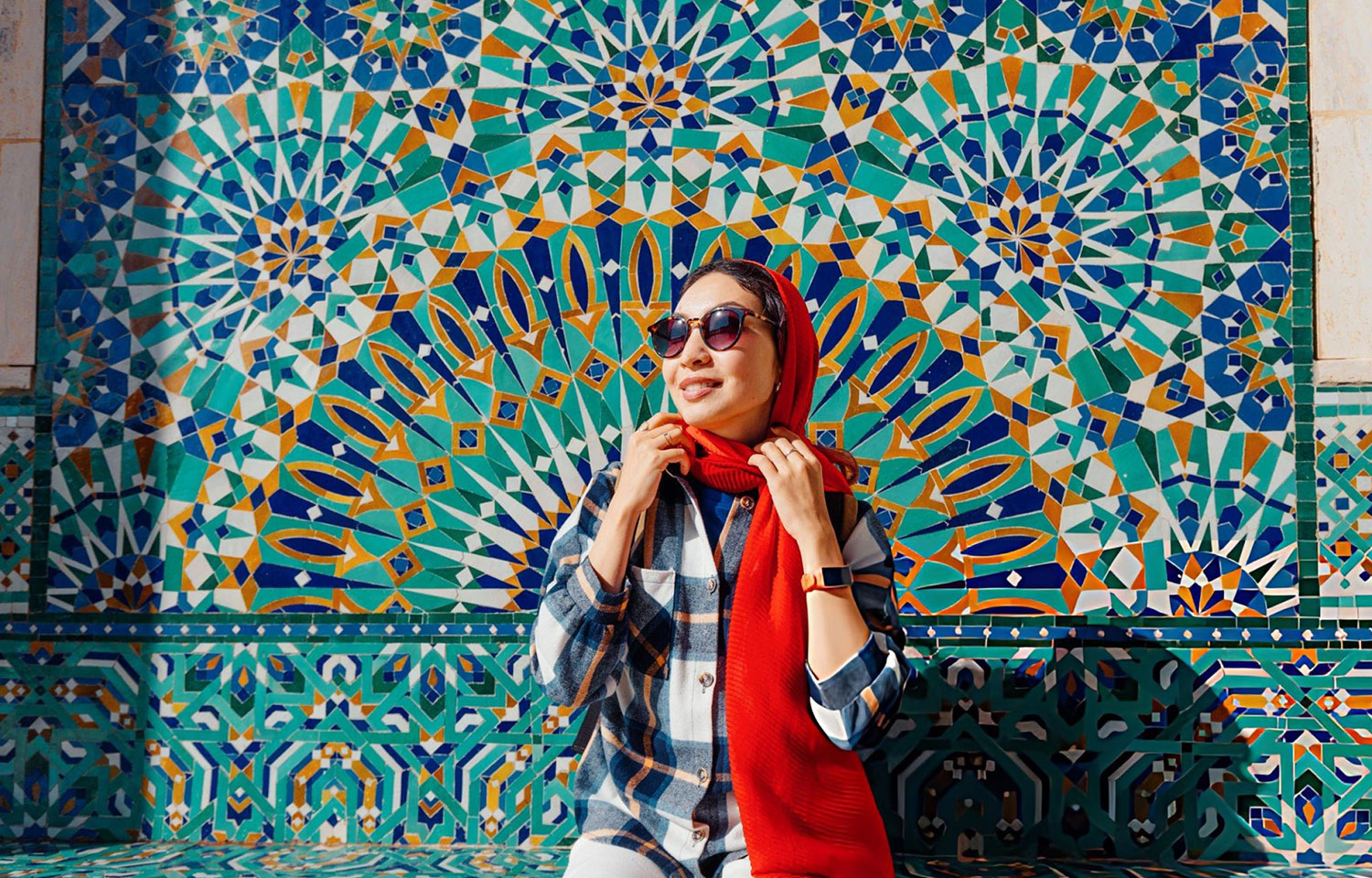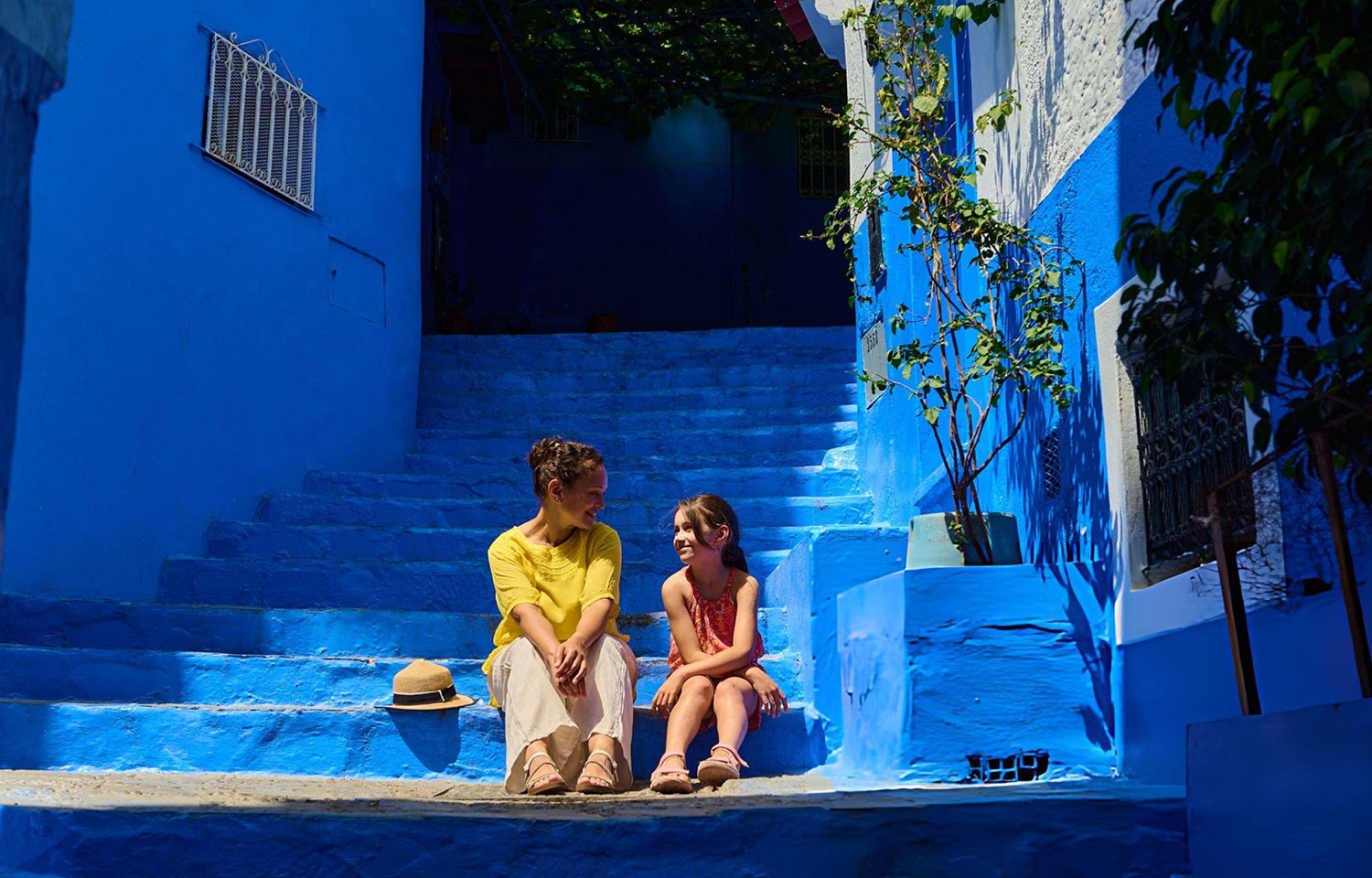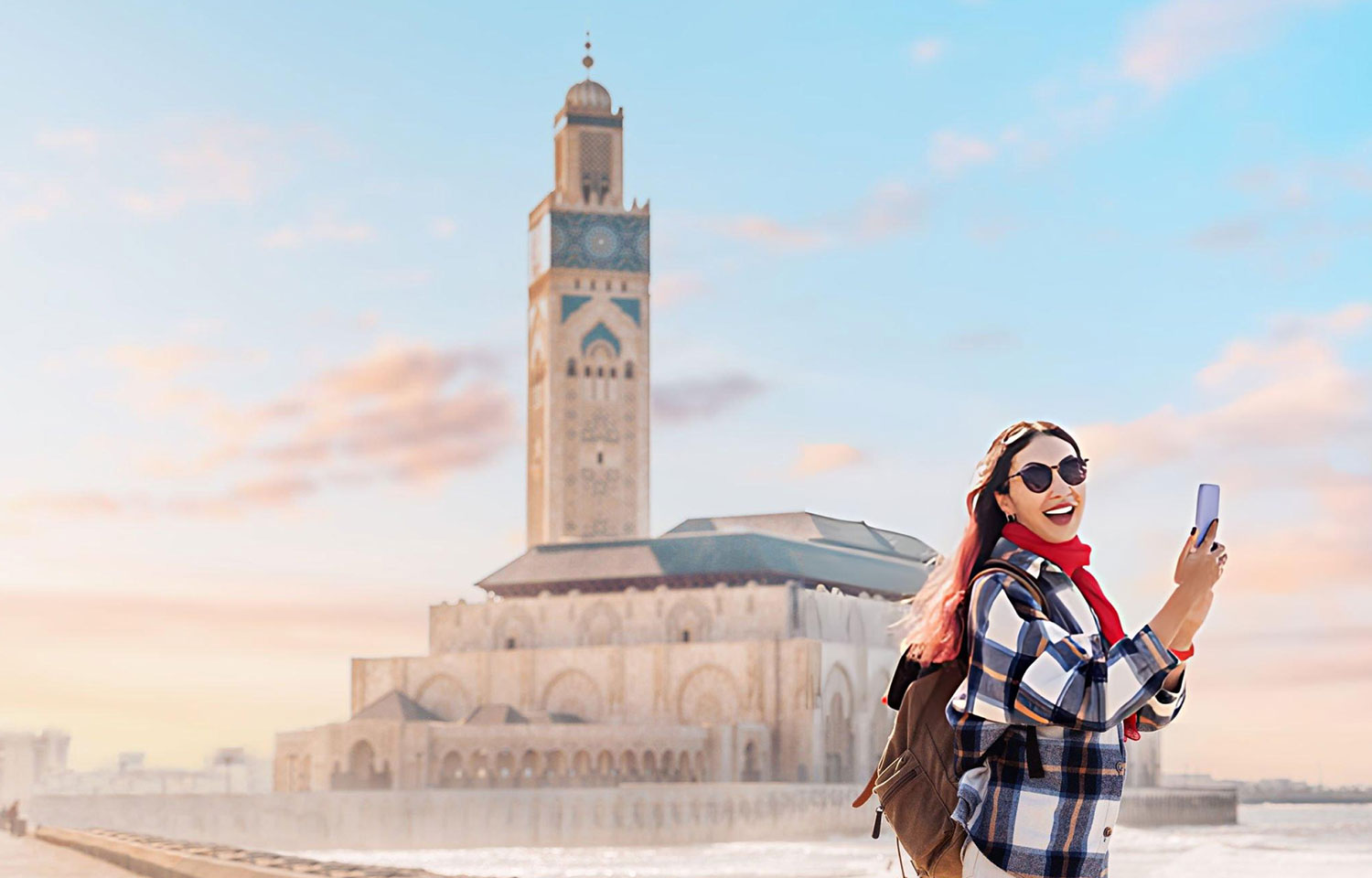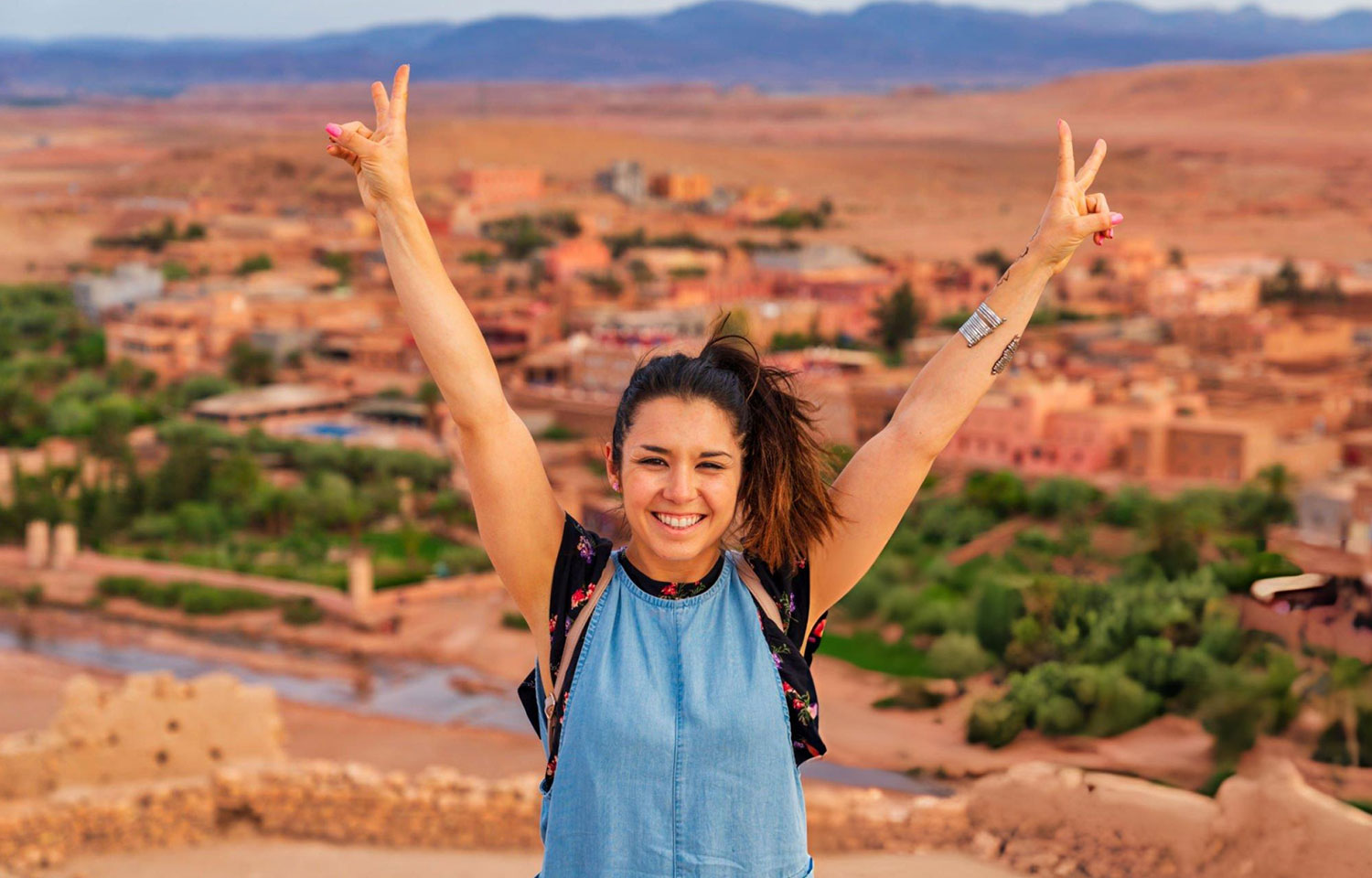
The best places to visit in Morocco include Marrakech for historic palaces and bustling souks, Fez for its medieval medina, Chefchaouen for its blue-painted streets, Essaouira for Atlantic coastal scenery, and Merzouga for access to the Sahara Desert. Each destination offers a different experience, so the right choice depends on your interests, available time, and preferred travel pace.
Choosing where to go in Morocco involves more than identifying famous attractions. The country’s destinations span imperial cities, mountain regions, Atlantic coastlines, and desert landscapes, making route planning an important part of deciding which places to include. Some destinations combine naturally, while others require substantial travel time and deserve a dedicated stop.
This Tripidays guide to the best places to visit in Morocco focuses on destination selection, not general travel advice or detailed city guides. It compares what makes each place distinctive, who is most likely to enjoy it, and which destinations can be combined into a practical Morocco itinerary. Use it to prioritize the places that match your travel interests and build a route that makes the most of your time.
Which Places in Morocco Are Best for Your Travel Style?
Different destinations offer very different experiences. Use this overview to narrow your choices before planning your route.
| Destination | Best for | Why visit |
| Marrakech | First time visitors | Historic souks, palaces, gardens and lively public squares |
| Fez | History and traditional architecture | A historic medina, religious heritage and traditional crafts |
| Chefchaouen | Scenic towns and a slower pace | Blue-painted streets and Rif Mountain surroundings |
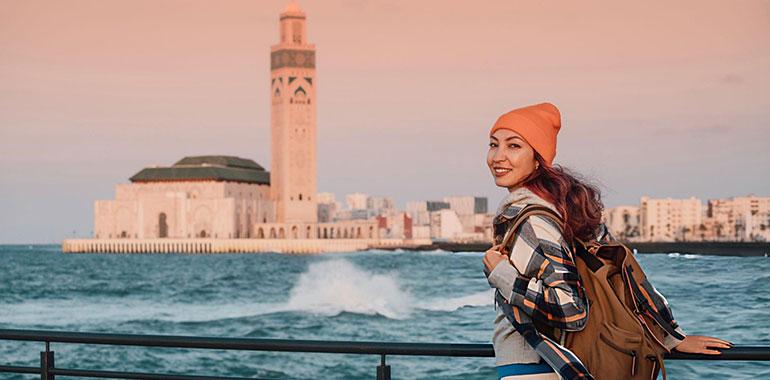
| Casablanca | Modern Morocco and architecture | The Hassan II Mosque, contemporary city life and Atlantic setting |
| Rabat | History without the intensity of larger tourist centers | Historic landmarks, coastal scenery and the capital’s urban character |
| Essaouira | Coastal relaxation | Atlantic beaches, historic ramparts and a working fishing port |
| Tangier | Northern Morocco and Mediterranean connections | A coastal city shaped by several cultural influences |
| Meknes | Imperial history | Monumental gates, historic architecture and access to Volubilis |
| Atlas Mountains | Nature and mountain scenery | Valleys, mountain villages and hiking opportunities |
| Aït Ben Haddou and Ouarzazate | Historic architecture and southern landscapes | Earthen architecture, kasbahs and routes toward the desert |
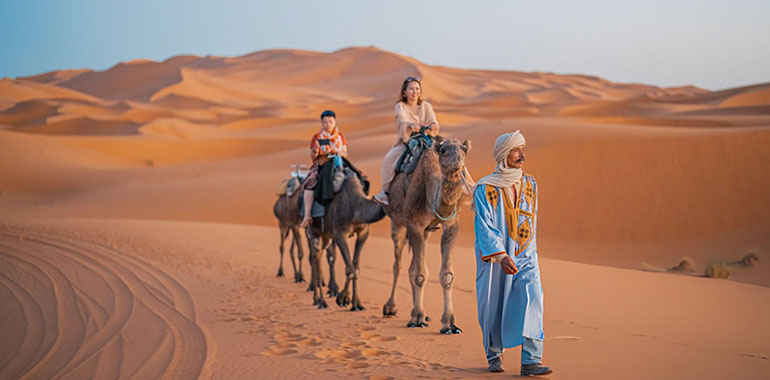
| Merzouga and the Sahara | Desert scenery and overnight camps | Erg Chebbi’s dunes, desert excursions and star-filled skies |
| Agadir | Beach holidays | Sandy beaches, a resort atmosphere and coastal activities |
You do not need to visit every destination. A shorter trip can focus on Marrakech and one nearby region, while a longer holiday allows more time for the imperial cities, northern Morocco or the Sahara.
The Best Places to Visit in Morocco
1. Marrakech: The Best Starting Point for Many First-Time Visitors
Marrakech is a strong choice for travelers who want an introduction to Morocco’s historic cities, traditional markets and architectural heritage. Its medina combines narrow streets, souks, historic buildings and lively public spaces, while gardens and palaces offer a change of pace from the busy center.
The famous Jemaa el-Fnaa square is one of the city’s defining landmarks, particularly as evening approaches. Visitors can also explore Bahia Palace, the Koutoubia Mosque’s surroundings and the city’s traditional markets.
Why include Marrakech?
- It provides a varied introduction to Moroccan city life.
- Historic architecture, shopping, gardens and food experiences can be combined in one stay.
- It offers a convenient base for exploring parts of the Atlas Mountains and other destinations in southern Morocco.
Who will enjoy it most?
First-time visitors, architecture enthusiasts, travelers interested in markets and crafts, and people who enjoy an energetic city atmosphere.
Marrakech can easily become the main focus of a shorter trip. If you have more time, consider adding a contrasting destination rather than spending your entire holiday moving between similar urban attractions.
2. Fez: The Best Destination for Medieval History and Traditional Crafts
Fez is one of Morocco’s most compelling destinations for travelers interested in historic architecture and the country’s cultural heritage. Its old medina, Fez el-Bali, is known for its dense network of lanes, traditional workshops, historic religious buildings, and long-established craft traditions.
Compared with Marrakech’s lively central squares and broad range of visitor activities, Fez often appeals more to travelers who want to explore a historic urban environment and understand how traditional crafts and architecture have endured.
Why include Fez?
- Explore one of Morocco’s most important historic medinas.
- Discover traditional crafts, intricate tilework and architectural details.
- Add depth to a trip focused on the country’s imperial cities and cultural history.
Who will enjoy it most?
History enthusiasts, architecture lovers, photographers and travelers who prefer exploring historic neighborhoods to spending most of their time at beaches or resorts.
Fez works particularly well alongside Meknes, Rabat or Chefchaouen, depending on how much time you have. For a deeper look at Morocco’s traditions and heritage, read our Morocco culture and customs guide.
3. Chefchaouen: The Best Place for Mountain Scenery and Blue Streets
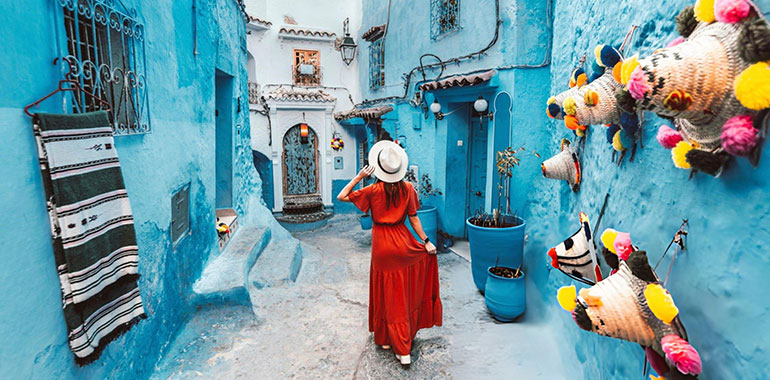
Set in the Rif Mountains, Chefchaouen is known for its blue-painted streets, small squares and relaxed atmosphere. It offers a different experience from Morocco’s larger cities, with scenic lanes, mountain views and opportunities to slow down between longer travel days.
The town is especially appealing to photographers and travelers who enjoy walking without a packed sightseeing schedule. The surrounding region also offers opportunities to explore the natural landscapes of northern Morocco.
Why include Chefchaouen?
- Photograph the town’s distinctive blue-washed streets.
- Enjoy a quieter pace than in the larger imperial cities.
- Combine a historic town stay with mountain scenery.
Who will enjoy it most?
Couples, photographers, independent travelers, and visitors who prefer smaller towns and scenic surroundings.
Chefchaouen is most practical for travelers exploring northern Morocco, particularly in combination with Fez or Tangier. It is less convenient as a quick detour on a trip focused entirely on Marrakech and the southern desert.
4. Casablanca: The Best Place to See a Modern Side of Morocco
Casablanca offers a different perspective on the country. It is Morocco’s major commercial center, with busy streets, contemporary districts, and an urban character that contrasts with the traditional medinas found elsewhere.
The Hassan II Mosque is the city’s most prominent landmark and a major reason to include Casablanca in a sightseeing plan. Its impressive architecture and location beside the Atlantic make it particularly memorable.
Why include Casablanca?
- See one of Morocco’s most recognizable architectural landmarks.
- Experience a major modern city rather than a destination focused primarily on historic medinas.
- Consider it when your arrival, departure, or route makes a stop practical.
Who will enjoy it most?
Architecture enthusiasts, urban travelers and visitors interested in seeing a broader picture of contemporary Morocco.
Casablanca does not need to be the longest stop on every trip. Travelers mainly interested in traditional markets, smaller historic towns or nature may prefer to spend more of their available time elsewhere.
5. Rabat: The Best Choice for History and a More Measured City Experience
Morocco’s capital combines historic landmarks, coastal scenery and the routines of a working administrative city. Rabat is a useful alternative for travelers who want historical sightseeing without making every stop revolve around the busiest tourist districts.
Highlights include the Kasbah of the Udayas, the Hassan Tower and the nearby Mausoleum of Mohammed V. These sites offer a sense of the city’s history and architectural character.
Why include Rabat?
- Visit important historic and architectural landmarks.
- Explore a capital city with a different atmosphere from Marrakech.
- Combine cultural sightseeing with coastal views.
Who will enjoy it most?
Travelers interested in history, architecture and urban life who want a more measured alternative to Morocco’s busiest tourist destinations.
Rabat can fit naturally into a northern or imperial-city route, particularly alongside Casablanca, Meknes or Fez.
6. Essaouira: The Best Coastal Escape
Essaouira is a historic Atlantic port known for its fortified walls, fishing harbor, compact medina and breezy coastal atmosphere. Its character differs from Morocco’s inland cities, making it an appealing choice for travelers who want to balance sightseeing with time near the ocean.
The old ramparts provide views over the Atlantic, while the harbor and surrounding streets offer a sense of the town’s maritime identity. The wind can be strong, so beach conditions may not always suit travelers looking for calm swimming water.
Why include Essaouira?
- Enjoy a coastal town with a distinctive historic setting.
- Explore the harbor, ramparts and medina at a relaxed pace.
- Break up a city-focused holiday with time beside the Atlantic.
Who will enjoy it most?
Couples, photographers, seafood enthusiasts, surfers and travelers who prefer a slower coastal atmosphere.
Essaouira pairs naturally with Marrakech, but allow enough time for the journey instead of treating the two destinations as if they were next door to one another.
7. Tangier: The Best Destination for Northern Morocco
Tangier sits near the meeting point of the Mediterranean Sea and the Atlantic Ocean. Its coastal setting and layered history give it a distinctive identity, with a mix of historic neighborhoods, contemporary city life and connections to northern Morocco.
Visitors can explore the medina and kasbah, enjoy views toward the Strait of Gibraltar and use the city as a starting point for discovering other northern destinations.
Why include Tangier?
- Experience a coastal city with a distinctive northern Moroccan character.
- Explore historic streets and viewpoints.
- Combine the city with Chefchaouen or other destinations in the north.
Who will enjoy it most?
Travelers interested in coastal cities, history and northern Morocco, particularly those who want to explore beyond the better-known Marrakech-centered routes.
Tangier makes the most sense as part of a northern itinerary. Combining it with the far south and the Sahara is possible on a longer trip, but it requires careful route planning.
8. Meknes: The Best Choice for Imperial History Away from the Main Tourist Circuit
Meknes is one of Morocco’s historic imperial cities. Its monumental gates, historic structures and architectural heritage make it a worthwhile stop for travelers interested in the country’s dynastic history.
The city is also a practical base or stop for visiting Volubilis, an important archaeological site with Roman-era ruins and mosaics.
Why include Meknes?
- Explore another side of Morocco’s imperial heritage.
- See historic architecture without making the trip revolve around the busiest destinations.
- Combine the city with Fez and Volubilis for a history-focused excursion.
Who will enjoy it most?
History enthusiasts, archaeology lovers, and travelers with enough time to explore beyond Morocco’s best-known cities.
Meknes is especially useful for a trip centered on Fez and the northern imperial cities. If your holiday is very short, prioritize the destinations that matter most to you before adding another city.
9. The Atlas Mountains: The Best Choice for Nature and Village Landscapes
The Atlas Mountains offer a striking contrast to Morocco’s cities. Mountain valleys, rural settlements, terraced landscapes and walking routes provide opportunities to experience a different side of the country.
The High Atlas region is particularly appealing to travelers who enjoy outdoor activities. Depending on the area and season, visitors can choose a scenic drive, a village visit, a day walk or a more demanding trek.
Why include the Atlas Mountains?
- Add natural scenery to a city-focused trip.
- Explore mountain landscapes and rural communities.
- Choose outdoor activities suited to your available time and fitness.
Who will enjoy them most?
Hikers, photographers, nature enthusiasts, and travelers seeking a break from urban sightseeing.
The mountains can work as a shorter excursion from Marrakech or as a more substantial part of a longer holiday. The best choice depends on whether you want a brief landscape change or several days of outdoor exploration.
10. Aït Ben Haddou and Ouarzazate: The Best Stops for Southern Architecture and Landscapes
Aït Ben Haddou and Ouarzazate are appealing to travelers interested in southern Morocco’s earthen architecture, historic settlements, and dramatic landscapes.
Aït Ben Haddou is known for its fortified earthen ksar, a group of traditional buildings enclosed within defensive walls. Ouarzazate is associated with kasbah architecture and the film industry, and both destinations are commonly considered when traveling between Marrakech and the desert regions.
Why include them?
- See distinctive earthen architecture and historic fortified settlements.
- Experience landscapes that differ from Morocco’s northern cities and Atlantic coast.
- Add meaningful stops to a longer overland journey toward the Sahara.
Who will enjoy them most?
Photographers, history enthusiasts, architecture lovers, and travelers interested in southern Morocco’s landscapes.
These destinations often work best as part of a route rather than as isolated stops. If the Sahara is your main goal, they can help make the journey through southern Morocco more rewarding.
11. Merzouga: A Destination for Sahara Landscapes
Merzouga, in southeastern Morocco, is a destination to consider if experiencing the Sahara Desert is a priority for your trip. Located near the Erg Chebbi dunes, it offers a landscape very different from Morocco’s imperial cities, mountain regions, and Atlantic coast.
Who should consider Merzouga?
Merzouga is particularly suitable for travelers who want to include desert scenery in their Morocco itinerary and have enough time to travel into the country’s southeast. Because reaching the area requires a substantial journey from major tourist cities, it is generally better suited to a longer route than a short city break.
If the Sahara is one of your main reasons for visiting Morocco, consider how much time you can dedicate to this region before choosing your destinations. Our Morocco Sahara Desert guide explains the different desert experiences and the factors to consider when planning a visit.
12. Agadir: The Best Destination for a Beach-Focused Holiday
Agadir is known for its long sandy beach, coastal promenade and resort-oriented atmosphere. It is a different kind of destination from Morocco’s historic imperial cities and smaller Atlantic ports.
Travelers who want time by the sea, beach activities and a more conventional resort setting may find Agadir a better fit than a sightseeing-heavy city break.
Why include Agadir?
- Spend time on a broad sandy beach.
- Choose a coastal stay focused on relaxation and outdoor activities.
- Build a trip around the Atlantic coast rather than historic-city sightseeing alone.
Who will enjoy it most?
Beach-focused travelers, families and visitors who prefer a resort atmosphere.
Agadir is worth considering when the coast is a priority. It is not essential to every first visit, especially if your main interests are Morocco’s historic cities, mountain scenery or the Sahara.
Which Places in Morocco Work Well Together?
The best destination combinations depend on your interests, the time available and how much travel you want to include. Rather than trying to visit every major attraction, choose places that offer different experiences without making the journey unnecessarily rushed.
- Marrakech and Essaouira: A city-and-coast combination for travelers who want historic streets alongside Atlantic scenery.
- Fez and Meknes: A good option for visitors interested in Morocco’s imperial history and traditional urban architecture.
- Tangier and Chefchaouen: A northern Morocco combination that brings together a coastal city and a distinctive mountain town.
- Marrakech and the Atlas Mountains: A way to combine city exploration with mountain landscapes.
- Imperial cities and Merzouga: A broader journey for travelers who want historic destinations as well as Sahara scenery. Allow sufficient time for the longer distances involved.
These combinations are starting points rather than fixed itineraries. Check the geography and travel time before deciding how many destinations to include.
How Many Places Should You Visit in Morocco?
The number of destinations you should include depends on your travel pace and the distances between them. A shorter visit generally works better with a small group of nearby places, while a longer trip can accommodate regions that require more time to reach.
- A short visit: Focus on one main city and, if time allows, a nearby destination.
- A trip of around a week: Consider a manageable combination of cities or add a coastal or mountain destination.
- A longer trip: You may have more flexibility to combine northern cities, southern landscapes, or a Sahara destination.
These are broad planning guidelines, not fixed itineraries. Before adding another stop, consider whether it provides an experience you genuinely want or simply makes the trip more rushed.
For broader advice on preparing for a first visit, read our Morocco Travel Guide.
How to Choose the Best Places to Visit in Morocco
Start by deciding what you most want from your trip. Morocco offers several distinct experiences, and the best destination list is the one that reflects your interests rather than simply including the country’s most famous names.
- For history and architecture: Prioritize destinations such as Fez, Marrakech, Rabat or Meknes.
- For distinctive scenery: Consider Chefchaouen, the Atlas Mountains or the Sahara region.
- For Atlantic coastal landscapes: Look at Essaouira, Casablanca or Agadir, depending on the kind of coastal experience you prefer.
- For a broader regional experience: Combine destinations that offer contrasting landscapes, provided the travel distances fit your schedule.
Also consider your preferred pace. Visiting fewer places with enough time to appreciate them can be more rewarding than crossing the country to collect as many stops as possible.
Once you have identified your priorities, use the destination descriptions above to build a shortlist that fits your interests and available time.
Choose the Morocco Destinations That Fit Your Journey
The best Morocco trip is not necessarily the one with the longest list of stops. It is the one that combines places you genuinely want to experience with enough time to enjoy each destination.
Start by choosing your priorities: historic cities, mountain landscapes, Atlantic coastlines, or the Sahara. Then build a route around those interests and the time you have available.
If you are also considering Egypt, explore Tripidays’ Egypt and Morocco tours to compare organized journeys that bring the two countries together. Choose a route that matches your interests, and check each itinerary’s details before booking.