





Starlight Festival Egypt 2026: Dates, Lineup & Travel Guide
September 24, 2026
Read more
about Starlight Festival Egypt 2026: Dates, Lineup & Travel Guide
































| Duration |
12 Days / 11 Nights |
|---|---|
| Tour Location |
Cairo / Aswan / Abu Simbel / Luxor / Casablanca / Meknes / Fez / Marrakech |
| Tour Type |
Daily Tour |
| Pickup |
Cairo Airport or Casablanca Airport |
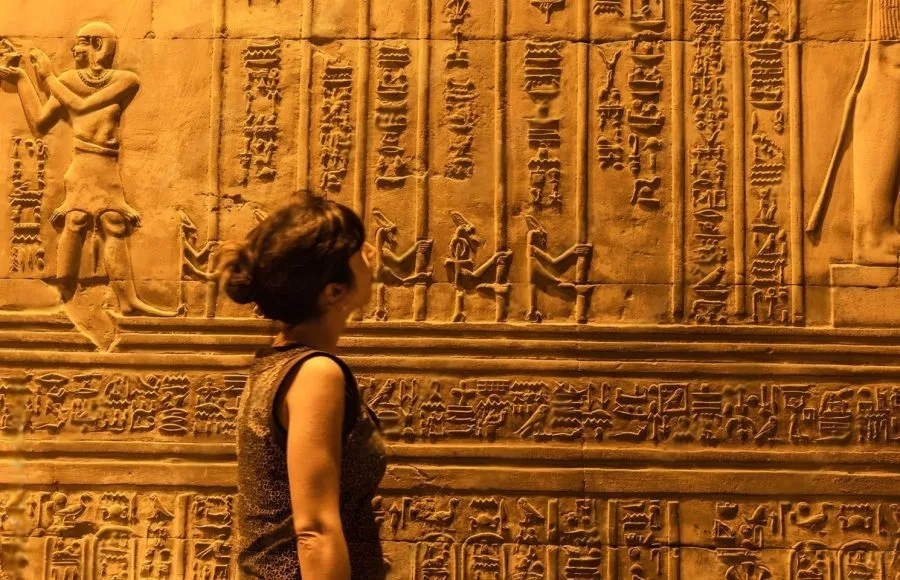
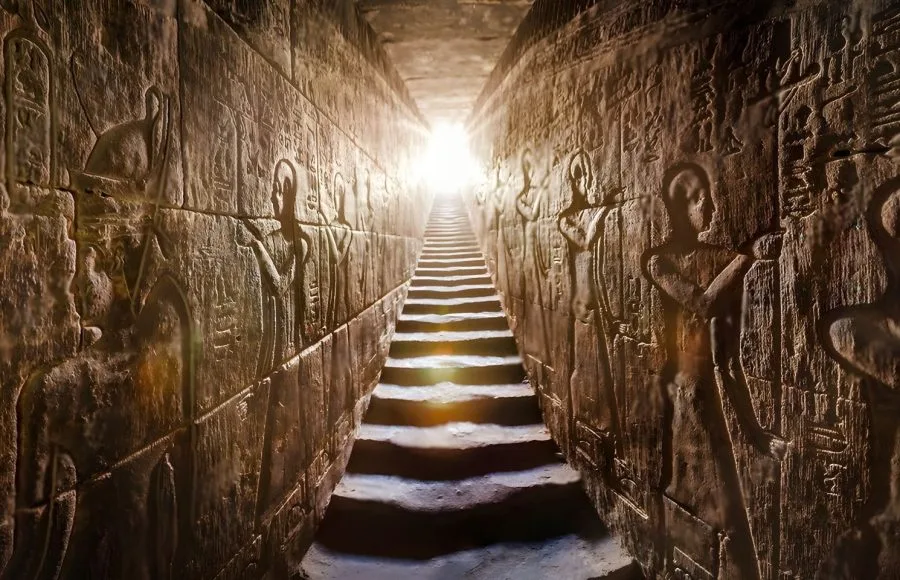
This 12 day Egypt and Morocco tour with Nile Cruise and Abu Simbel combines Egypt's ancient highlights with Morocco's imperial cities, Roman heritage, and historic medinas. As part of our Egypt & Morocco Journeys, this route stands out by adding an Aswan to Luxor Nile Cruise and a dedicated Abu Simbel excursion, while covering Cairo, Aswan, Luxor, Casablanca, Rabat, Meknes, Volubilis, Fez, and Marrakech. With Tripidays, travelers experience the Giza Pyramids, Grand Egyptian Museum, Philae, Abu Simbel, Karnak, and the Valley of the Kings before continuing into Morocco's Atlantic and imperial heartland.
Day 1: Arrive in Cairo, meet your Tripidays representative, settle into your hotel, and enjoy a Nile dinner cruise. Day 2: Visit the Giza Pyramids, Great Sphinx, Valley Temple, and Grand Egyptian Museum, then fly to Aswan. Day 3: Explore the Aswan High Dam, Unfinished Obelisk, and Philae Temple before boarding your Nile Cruise. Day 4: Travel to Abu Simbel, return to the cruise, and sail toward Kom Ombo and Edfu. Day 5: Visit Edfu Temple, sail to Luxor, and explore Luxor Temple by night. Day 6: Discover Karnak Temple, the Valley of the Kings, Hatshepsut Temple, and Colossi of Memnon, then fly back to Cairo. These first six days combine Cairo's ancient monuments with an Aswan-to-Luxor Nile Cruise, Abu Simbel, and Luxor's major temples and tombs.
Only on this route
This 12 day Egypt and Morocco itinerary combines two experiences that define the journey: a Nile Cruise with Abu Simbel in Egypt and a route through Morocco's imperial cities and Roman heritage. From the pyramids and southern temples of Egypt to Meknes, Volubilis, Fez and Marrakech, the route connects major historical sites across both countries while keeping the journey within a focused 12 day schedule.
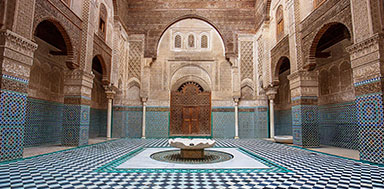
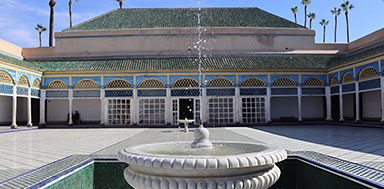
Arc I · Cairo to Aswan
Cairo's pyramids and museum give way to the southern Nile
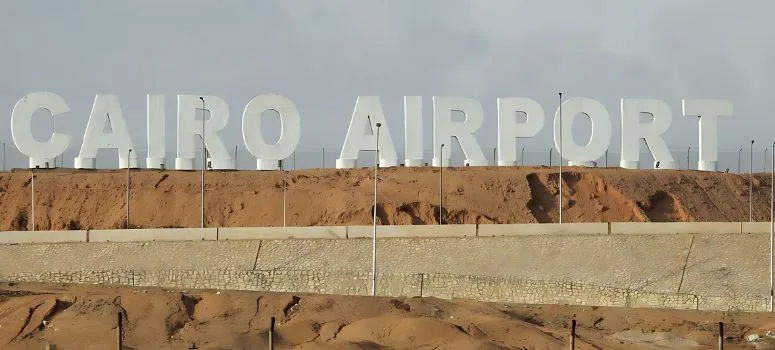
Arrive in Cairo and meet your Tripidays representative at Cairo International Airport for assistance and a private transfer to your hotel. After settling in, begin your 12 day Egypt & Morocco with Nile cruise and Abu Simbel tour with an evening Nile dinner cruise, where Cairo's illuminated skyline sets the scene for the journey ahead.

As night falls, board a Nile dinner cruise and watch Cairo unfold along the river. Enjoy dinner while the city lights reflect across the water, accompanied by live entertainment and the atmosphere of Egypt's legendary river.
Dinner
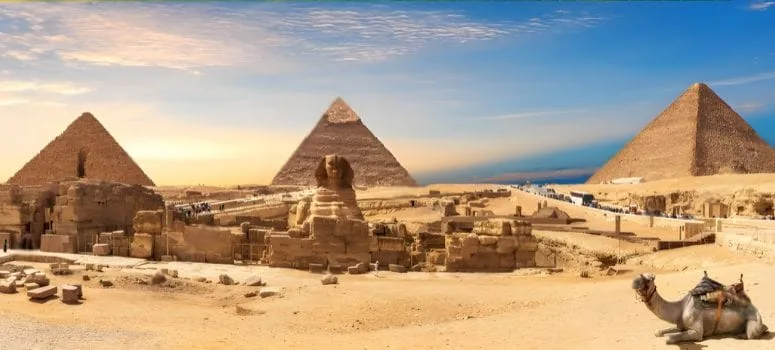
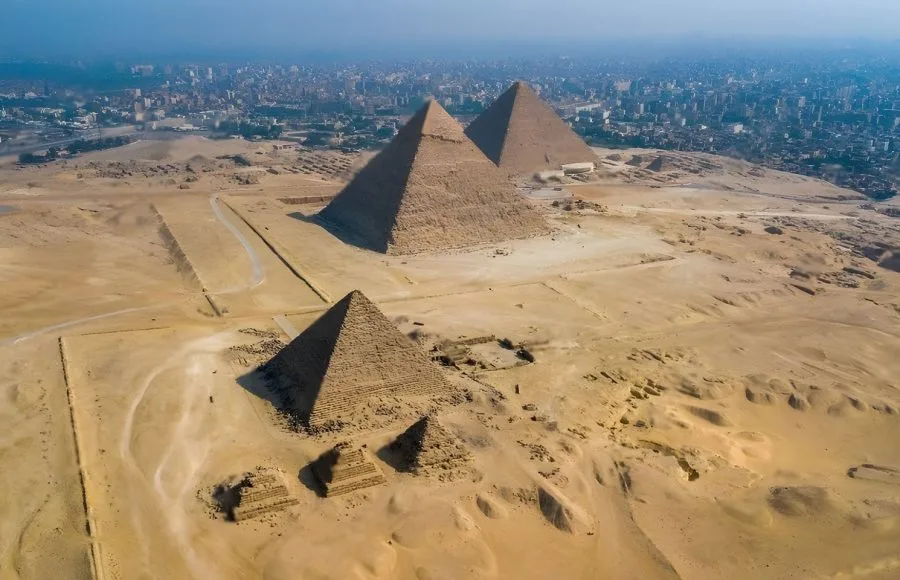
After breakfast, step into the world of ancient Egypt at the Giza Pyramids and Great Sphinx, then continue to the Grand Egyptian Museum before flying south to Aswan. This is where your journey shifts from Cairo's monumental plateau to the Nile Valley.

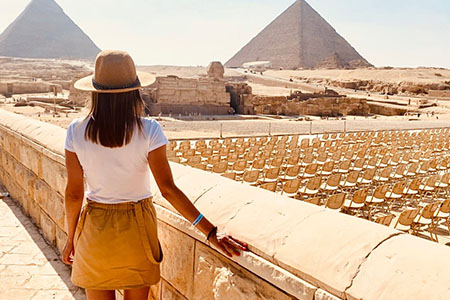
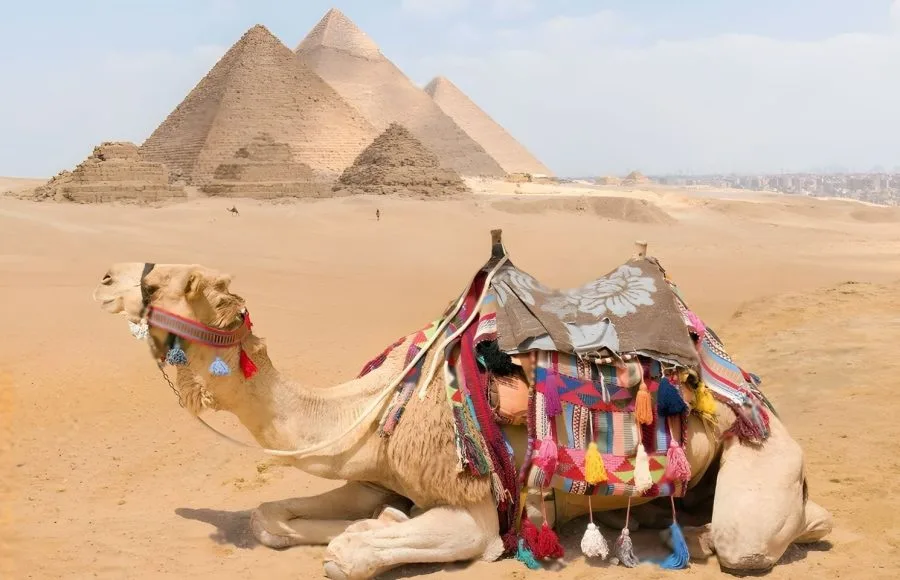
Begin at the Giza Pyramids Complex, where Khufu, Khafre, and Menkaure rise above the desert plateau. With your Egyptologist guide, explore the monumental landscape and discover how these pyramids formed part of an extensive royal funerary complex created more than 4,500 years ago.
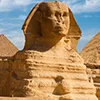
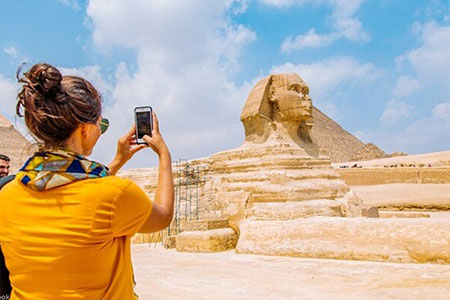
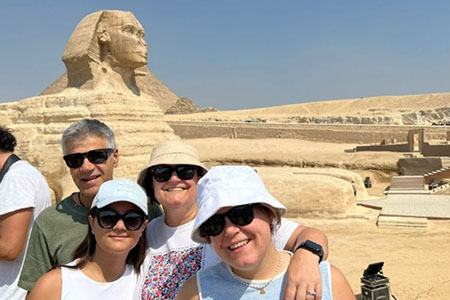
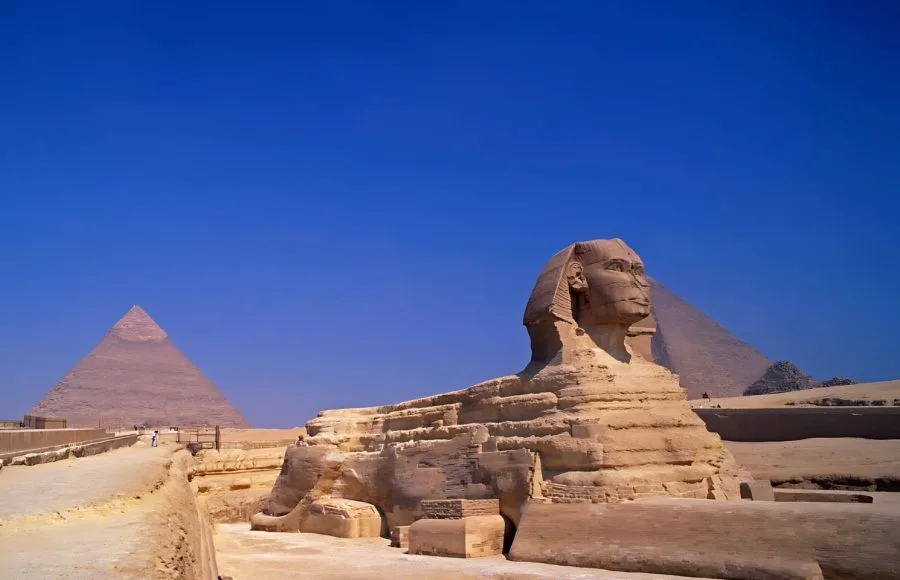
Continue to the Great Sphinx of Chephren, the monumental limestone figure with the body of a lion and the head traditionally associated with Pharaoh Khafre. Positioned beside the pyramids, it has become one of the world's most recognizable symbols of ancient Egypt.
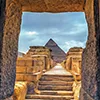
Explore the Valley Temple of Khafre, a remarkably preserved structure associated with the king's funerary complex. Its massive limestone and granite blocks provide another perspective on the engineering and ceremonial traditions of Old Kingdom Egypt.
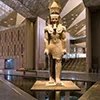
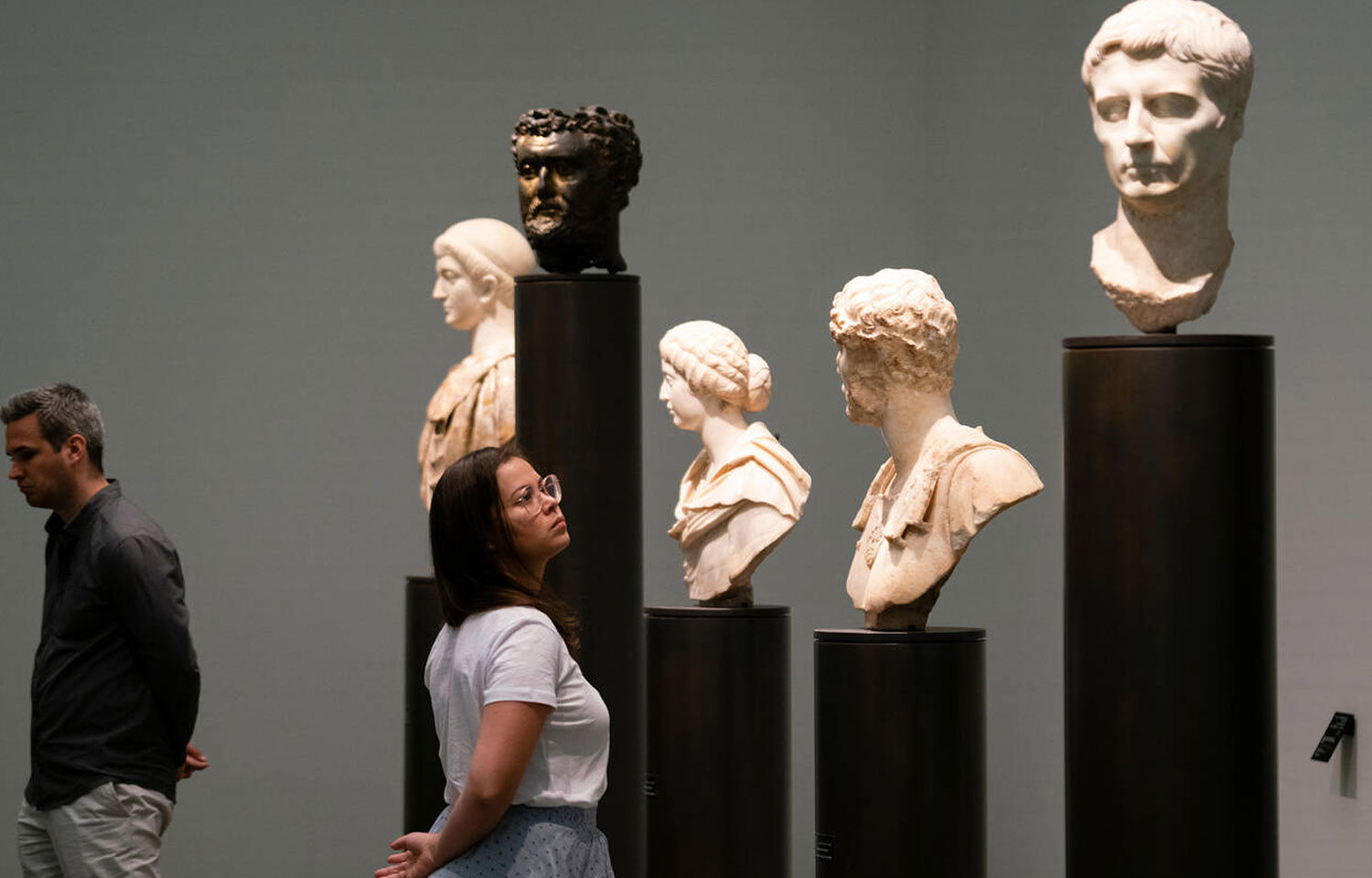
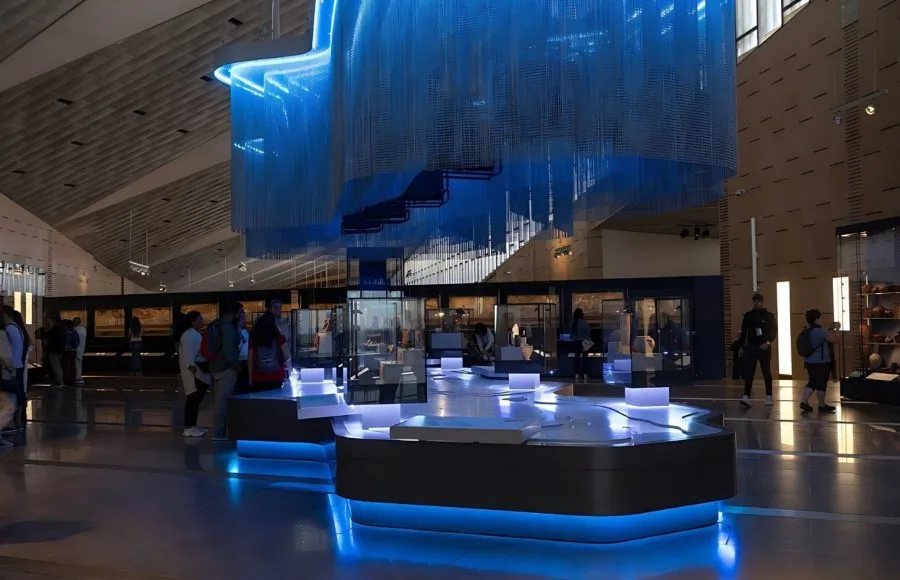
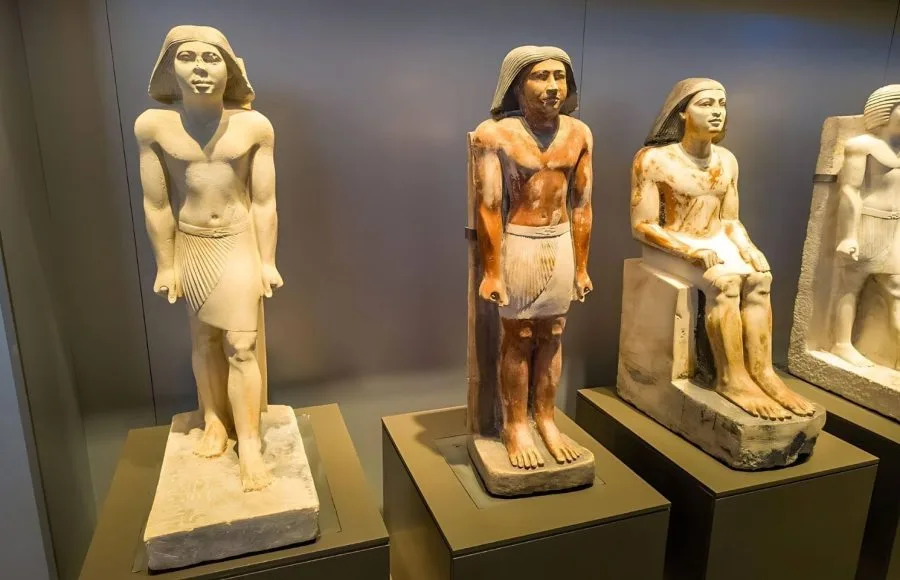
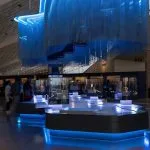
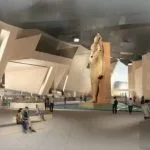
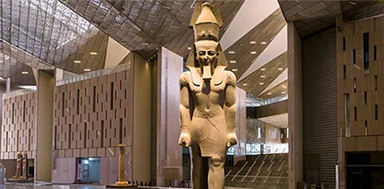
Continue to the Grand Egyptian Museum, where an extraordinary collection of Egyptian antiquities places the monuments of the Giza Plateau into a wider historical context. Moving from the pyramids to the museum allows you to connect monumental architecture with the objects, beliefs, rulers, and daily life of ancient Egypt.
Breakfast, Lunch
Arc II · Abu Simbel to Luxor
Cruise south's ancient sanctuaries from Philae through Abu Simbel to Karnak

After breakfast, discover the contrasting sides of Aswan, from the modern engineering of the High Dam to the ancient granite quarries and island sanctuary of the Temple of Philae. Later, board your Nile Cruise and settle in for the river journey toward Luxor. Travelers looking for a shorter version of the river journey can explore an Egypt and Morocco journey centered on a Nile Cruise, with sailing between Aswan and Luxor before continuing to Cairo, Casablanca, and Marrakech.
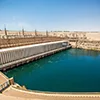
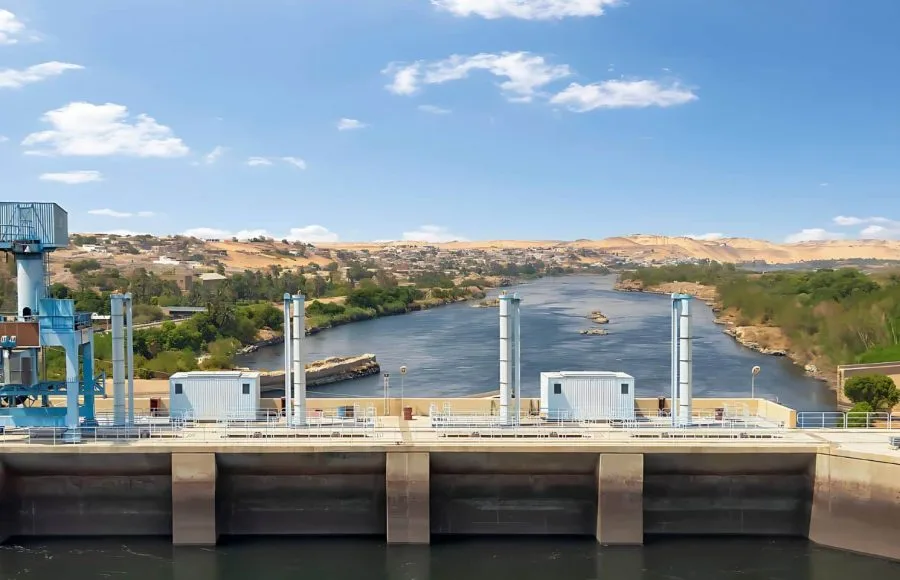
Begin at the Aswan High Dam, one of modern Egypt's most significant engineering projects. The dam transformed the management of the Nile's waters and created the vast Lake Nasser, changing the landscape and communities of southern Egypt.
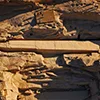
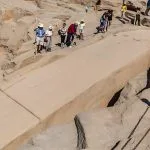
Continue to the ancient granite quarries to see the Unfinished Obelisk. Still connected to the bedrock where ancient craftsmen began carving it, the enormous monument offers a fascinating glimpse into the techniques used to shape some of Egypt's most ambitious stone monuments.
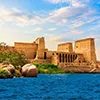
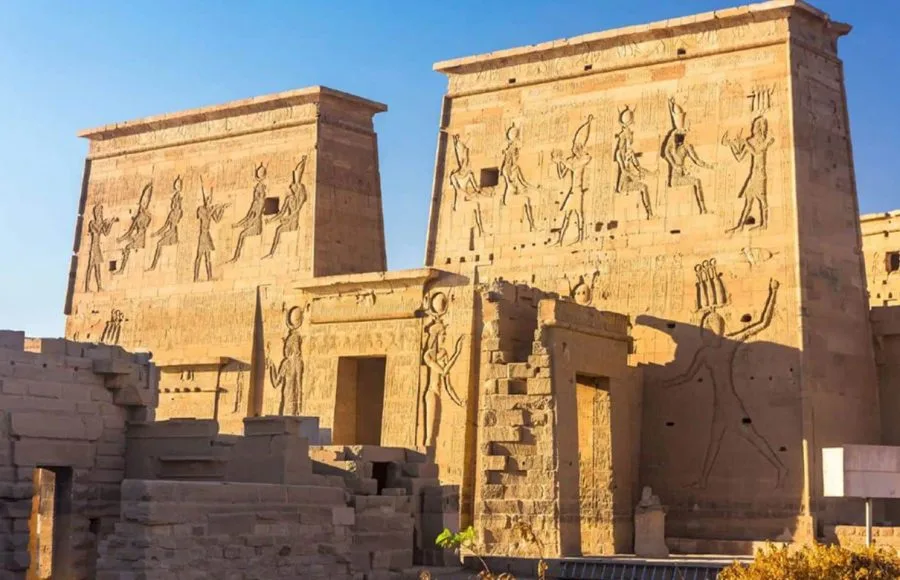
Next, take a boat across the Nile to Philae Temple, dedicated primarily to the goddess Isis. The sanctuary was relocated to Agilkia Island following the construction of the High Dam, preserving its decorated halls and sacred spaces while retaining its spectacular island setting.
Breakfast, Lunch, Dinner

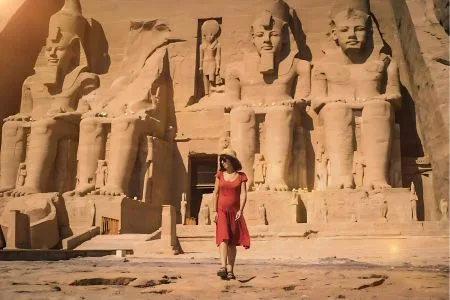
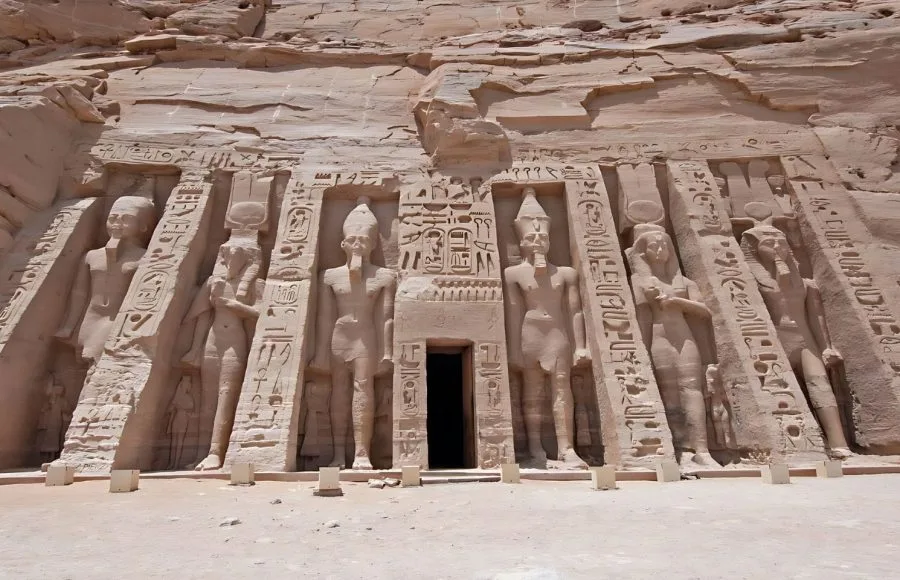
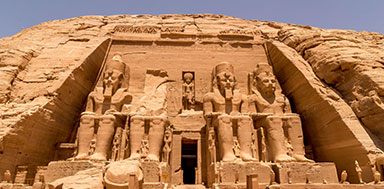
Begin before sunrise with a breakfast box and a bus journey to Abu Simbel, where the colossal temples of Ramses II and Queen Nefertari rise from the desert. Return to Aswan and rejoin your cruise, sailing north to visit Kom Ombo Temple before continuing toward Edfu.
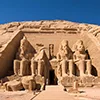
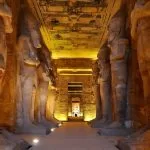
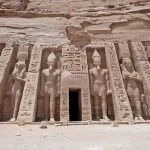
Wake early with a breakfast box and travel by bus from Aswan to Abu Simbel, where the colossal temples of Ramses II and Queen Nefertari rise from the desert. Admire the four monumental statues guarding the Great Temple of Ramses II, then explore the nearby Temple of Queen Nefertari, dedicated to the goddess Hathor. Together, these extraordinary rock-cut temples are a defining highlight of this Egypt and Morocco tour with Abu Simbel.
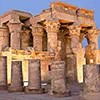
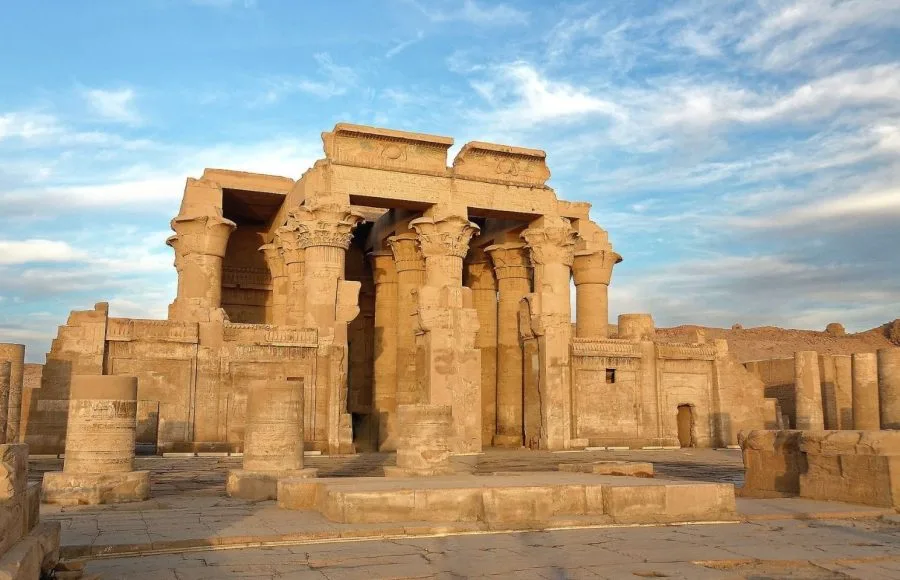
Later, visit Kom Ombo Temple, dramatically positioned beside the Nile. Its unusual symmetrical design reflects its dedication to two deities: Sobek, the crocodile god, and Horus the Elder.
Breakfast, Lunch, Dinner

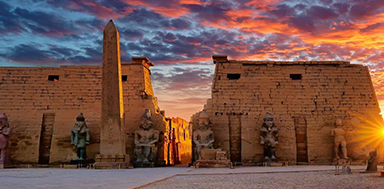
After breakfast, visit Edfu Temple, one of Egypt's best preserved ancient temples, before returning to the cruise and sailing toward Luxor. In the evening, arrive in Luxor and visit Luxor Temple by night, when its illuminated columns and monumental gateways create a completely different atmosphere.
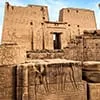
Begin the morning with a visit to Edfu Temple, dedicated to Horus, the falcon-headed god associated with kingship and the sky. Its enormous pylons, courtyards, columns, reliefs, and inscriptions remain remarkably well preserved, offering a vivid impression of ancient Egyptian temple architecture.
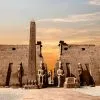
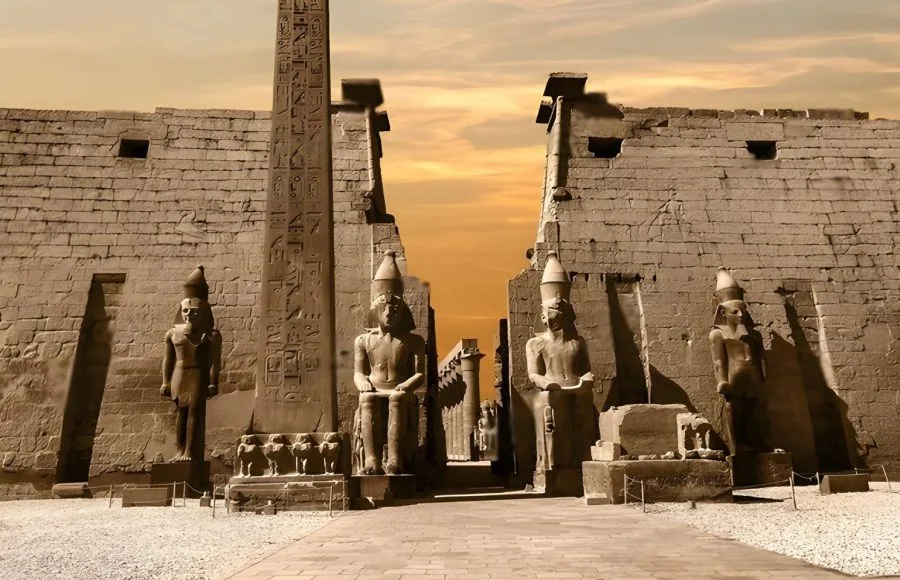
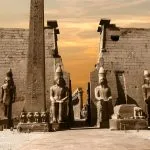
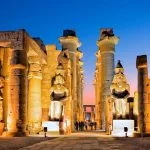
After arriving in Luxor, disembark for an evening visit to Luxor Temple. Illuminated after dark, the temple takes on a different character, with its towering columns, statues, courtyards, and obelisks standing dramatically against the night sky.
Breakfast, Lunch, Dinner

After breakfast, complete your Luxor sightseeing with Karnak Temple, the Valley of the Kings, Hatshepsut Temple, and the Colossi of Memnon. After lunch, transfer to Luxor Airport and fly back to Cairo, completing the Egyptian portion of your 12 day Egypt and Morocco tour with Nile Cruise and Abu Simbel.
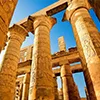
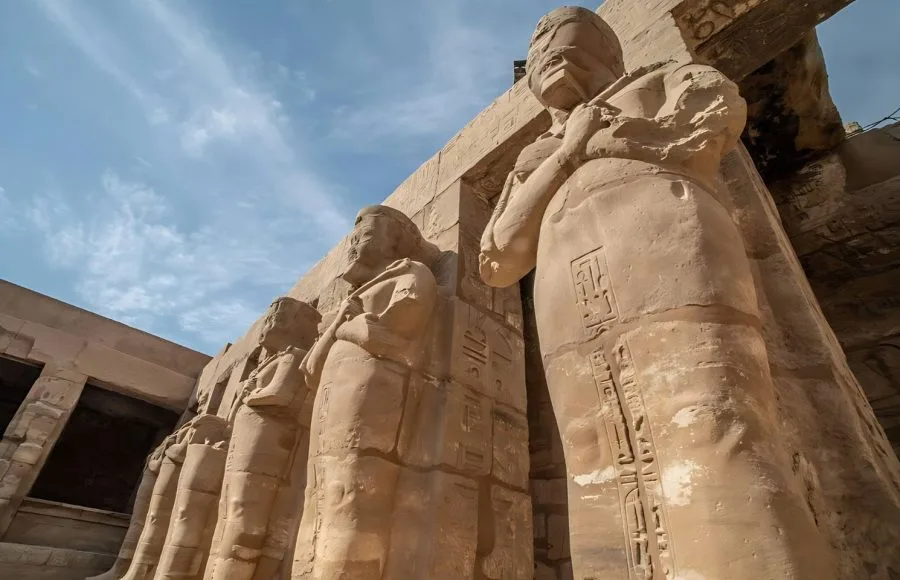
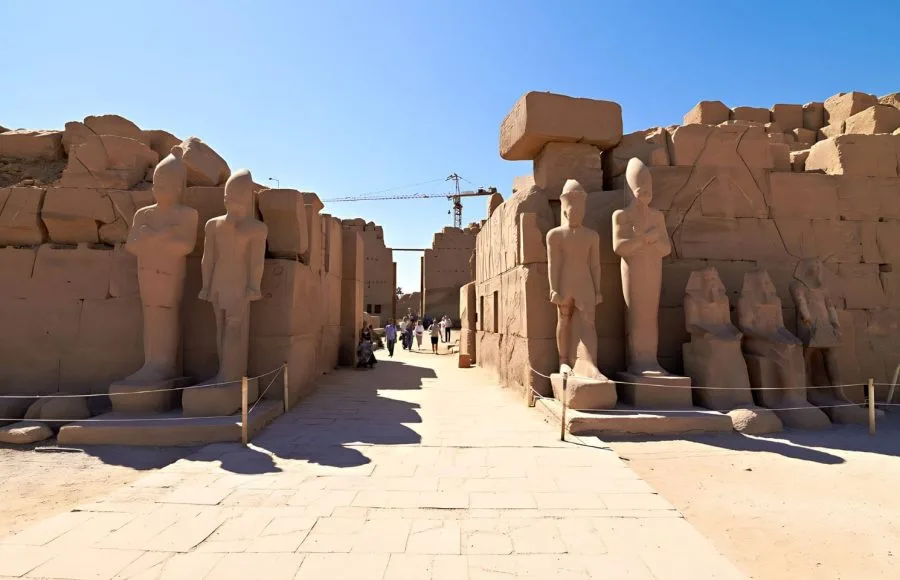
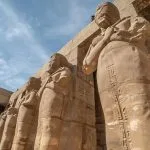
Begin your final morning in Luxor at Karnak Temple, one of the largest religious complexes ever built in ancient Egypt. Walk through monumental gateways and the vast Great Hypostyle Hall, where towering columns and ancient reliefs reveal how generations of pharaohs expanded this sacred center over centuries.
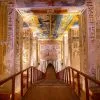
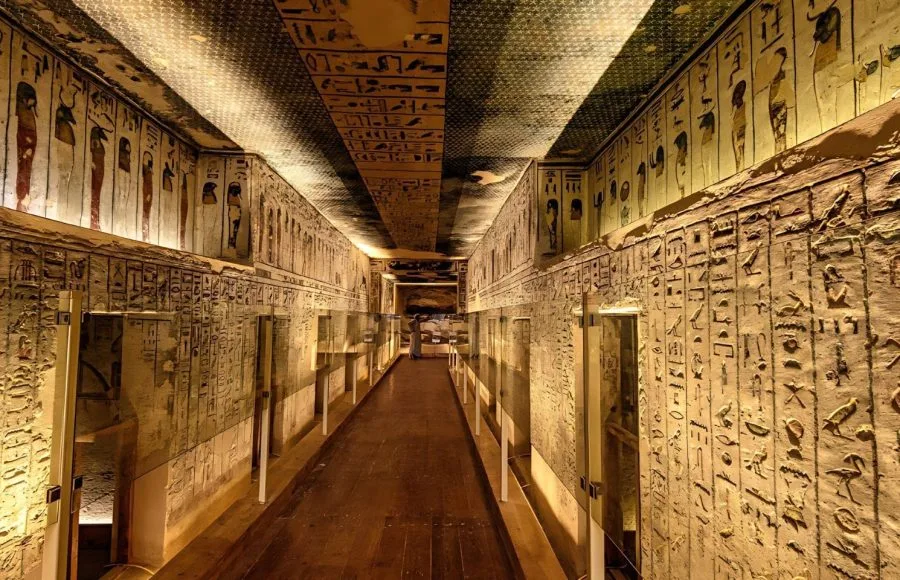
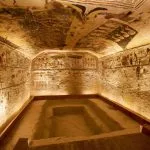
Cross to Luxor's West Bank and enter the Valley of the Kings, the famous royal necropolis where New Kingdom pharaohs were buried in rock-cut tombs. Descend into selected tombs and see the decorated corridors and burial chambers created to accompany the kings into the afterlife.
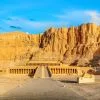
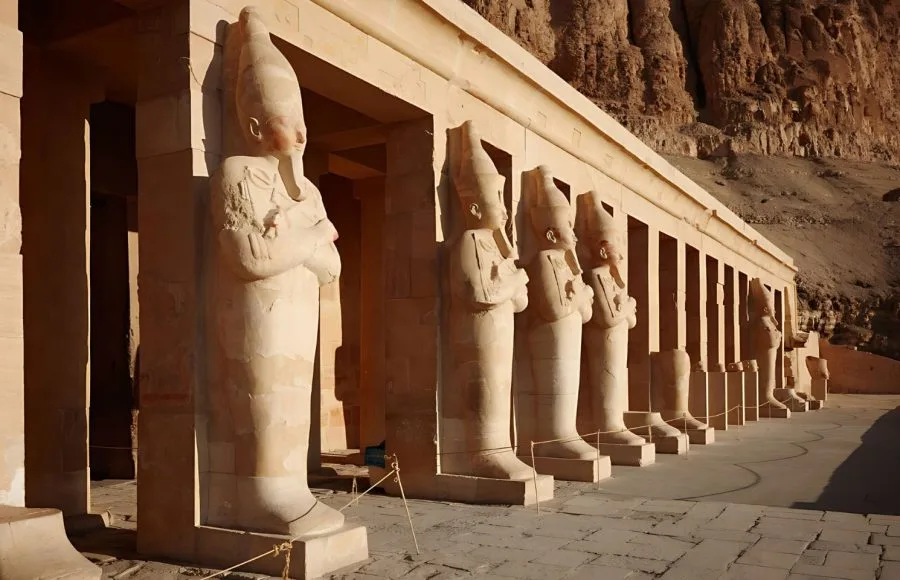
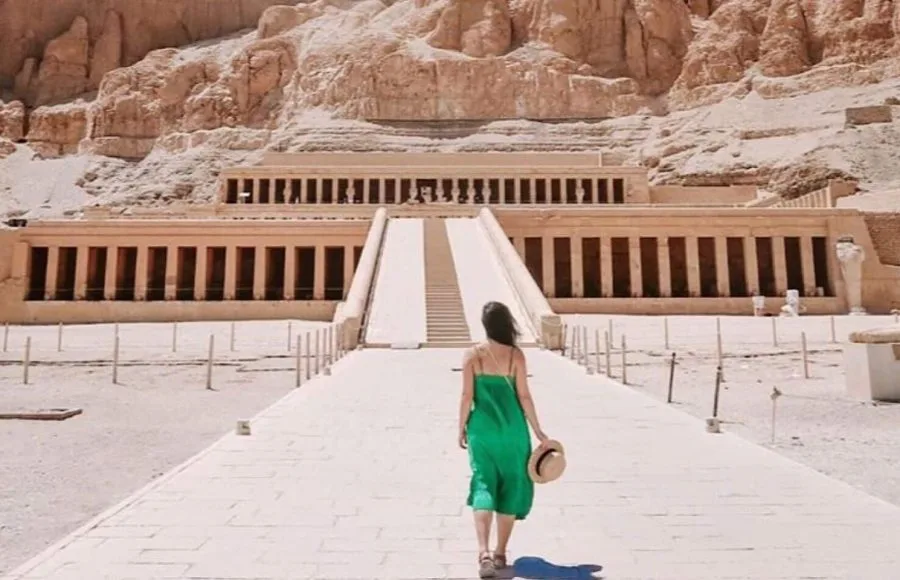
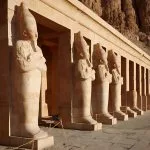
Continue to the Temple of Hatshepsut at Deir el-Bahari, where broad terraces rise dramatically against the limestone cliffs. Built for Queen Hatshepsut, one of ancient Egypt's most prominent female rulers, the temple combines monumental architecture with an extraordinary natural setting.
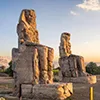
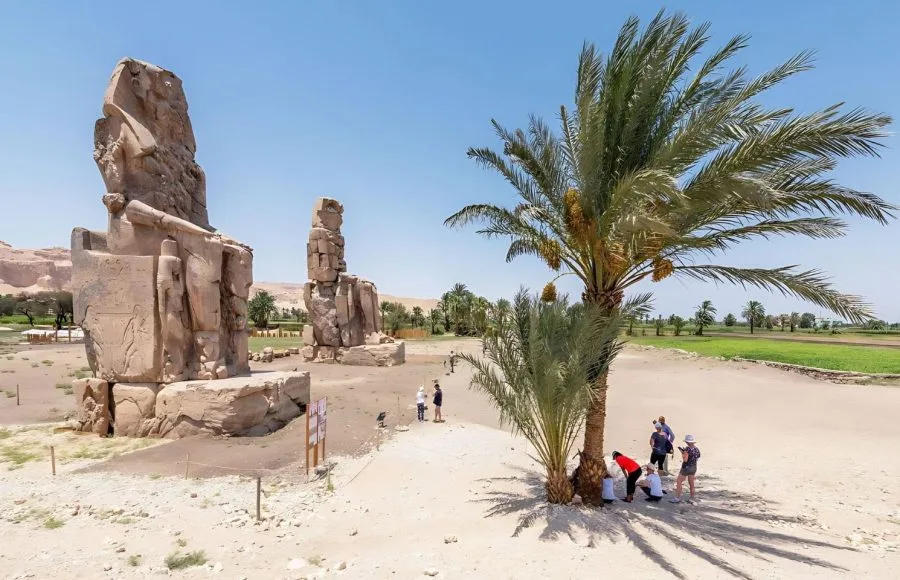
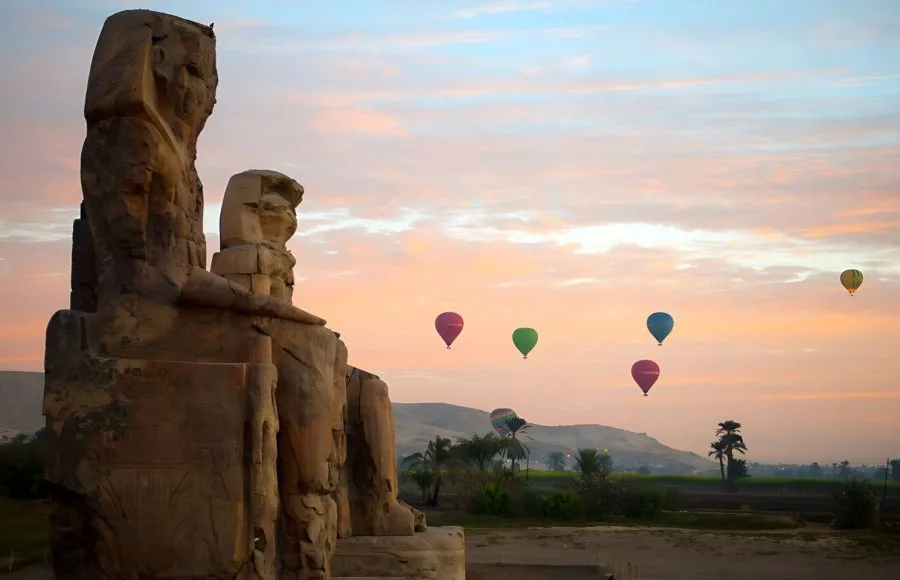
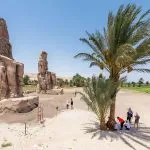
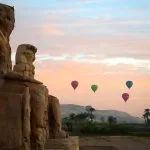
Make a final stop on Luxor's West Bank at the Colossi of Memnon, two enormous seated statues of Pharaoh Amenhotep III. The statues once guarded the entrance to his vast mortuary temple and remain among the most recognizable landmarks on the Theban plain.
Breakfast, Lunch
Arc III · Casablanca to Volubilis
Atlantic landmarks lead inland toward Rabat, Meknes, and Roman Volubilis
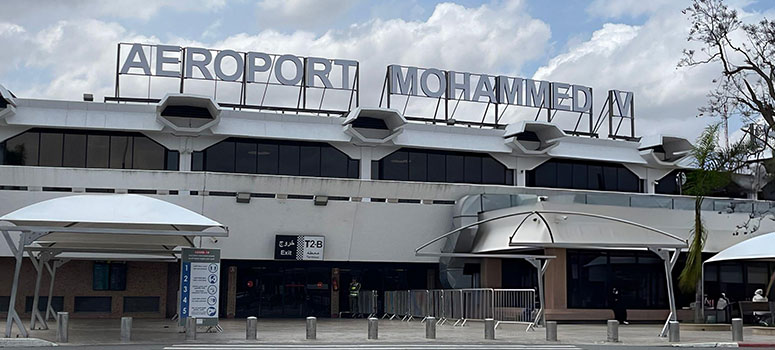
After breakfast, transfer to Cairo International Airport for your international flight to Casablanca. On arrival in Morocco, meet your local representative and transfer to your hotel, marking the beginning of the Moroccan chapter of your 12 day Egypt & Morocco with a Nile cruise and Abu Simbel tour.
Breakfast
After breakfast, discover Casablanca's modern Atlantic character before traveling to Rabat, where royal monuments, historic fortifications, and traditional Moroccan architecture reveal another side of the country.
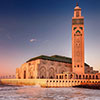
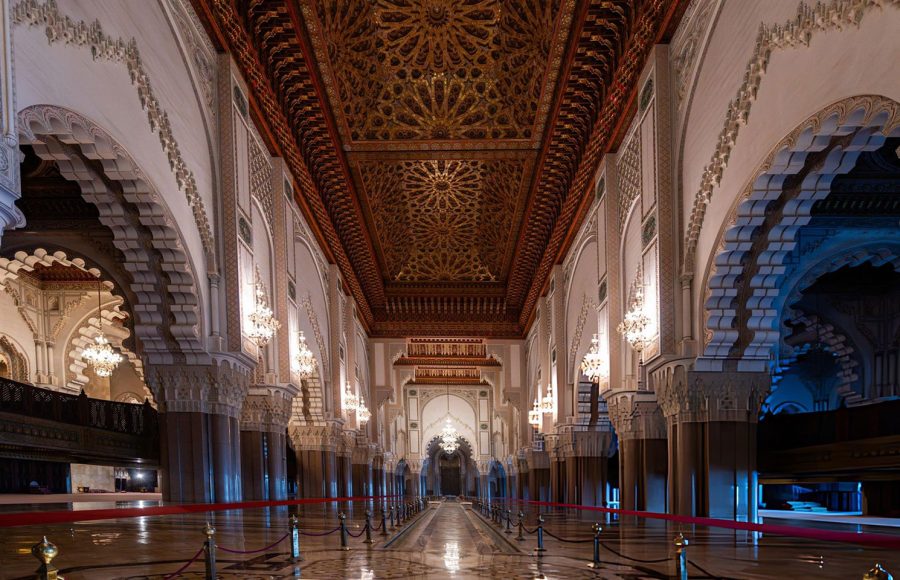
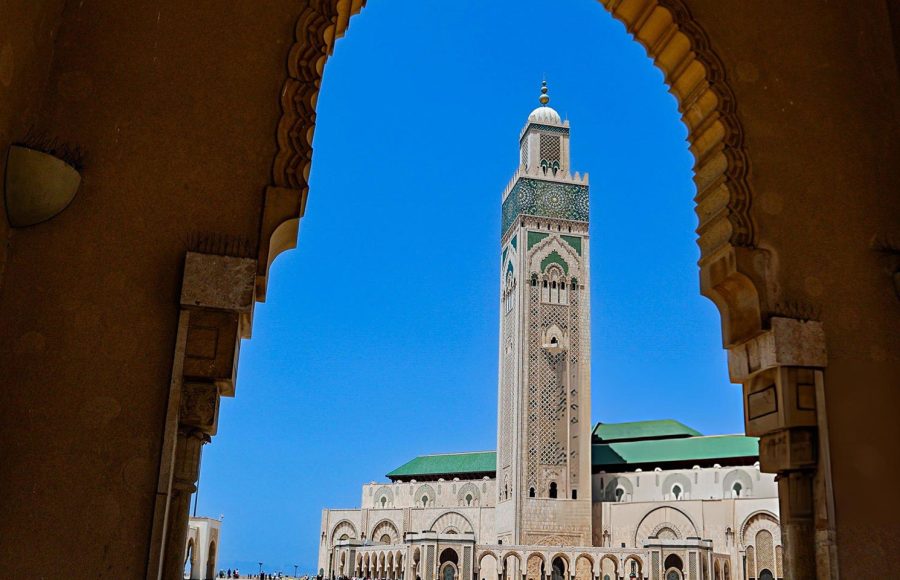
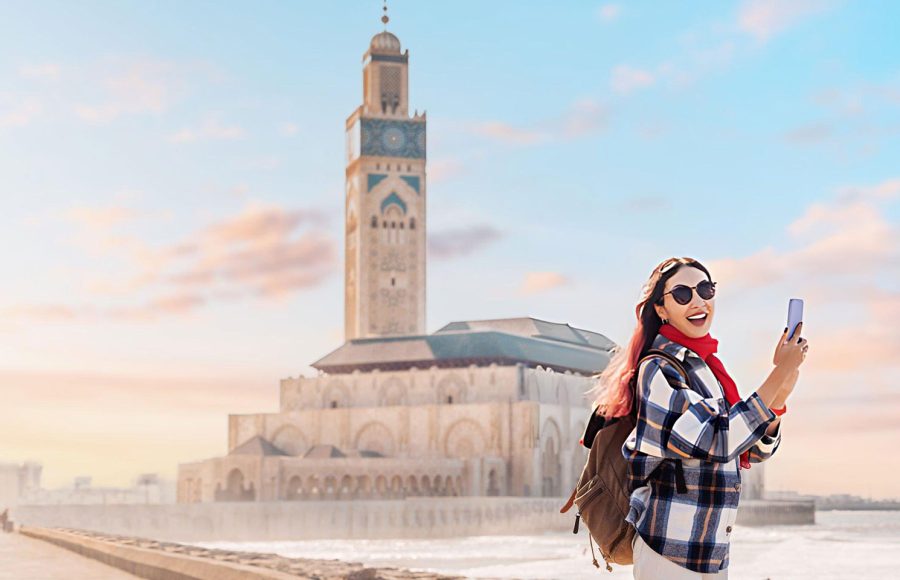
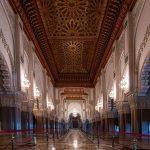
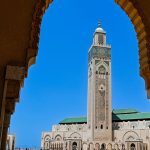
Begin at the spectacular Hassan II Mosque, dramatically positioned beside the Atlantic Ocean. Its monumental prayer hall, detailed craftsmanship, and towering minaret make it one of Casablanca's defining landmarks.
Continue along the Casablanca Corniche, where the city meets the Atlantic. The waterfront offers a more contemporary perspective on Morocco, with ocean views, promenades, cafés, and modern urban life contrasting with the ancient monuments you experienced in Egypt.
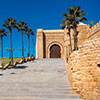
Leave Casablanca and travel by private vehicle to Rabat, Morocco's capital. The change in atmosphere is immediate, with Rabat combining royal institutions, historic monuments, fortified quarters, and a quieter coastal setting.
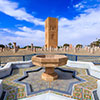
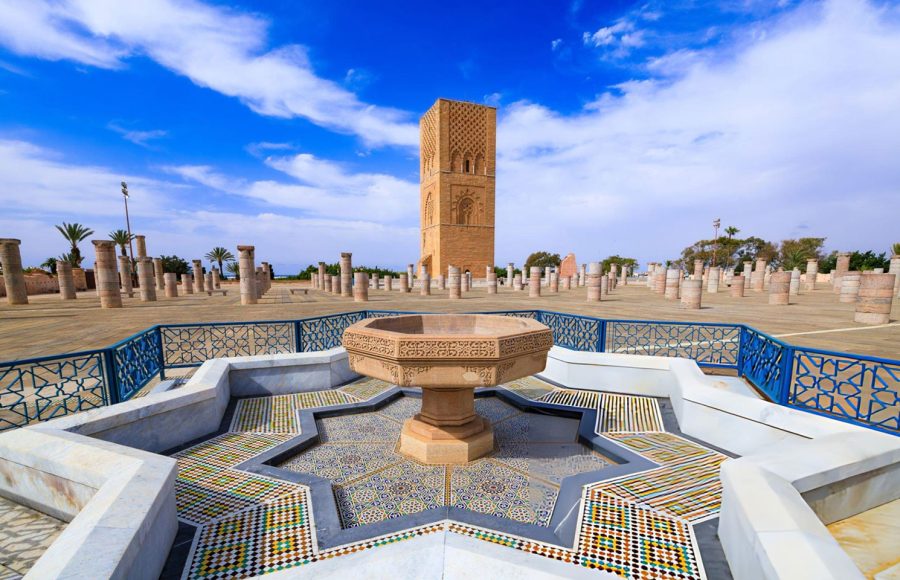
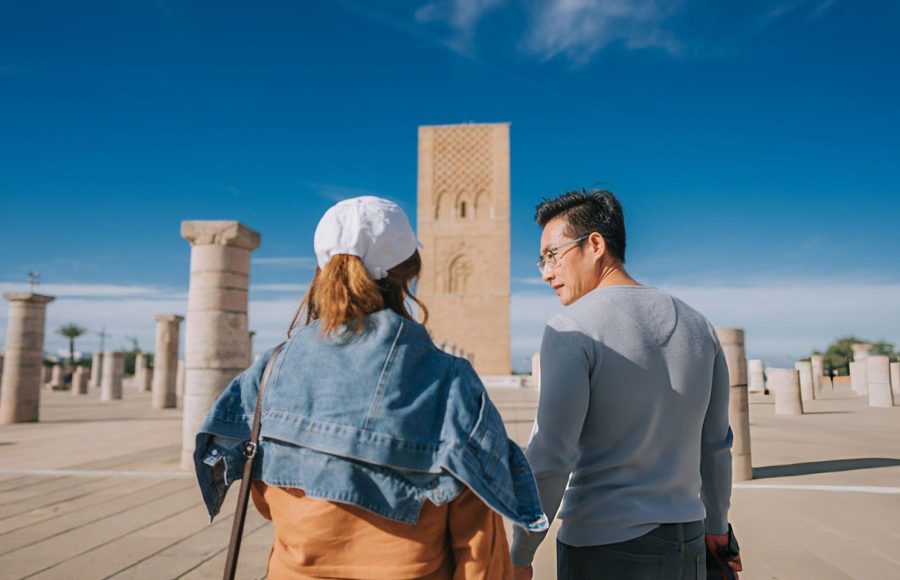
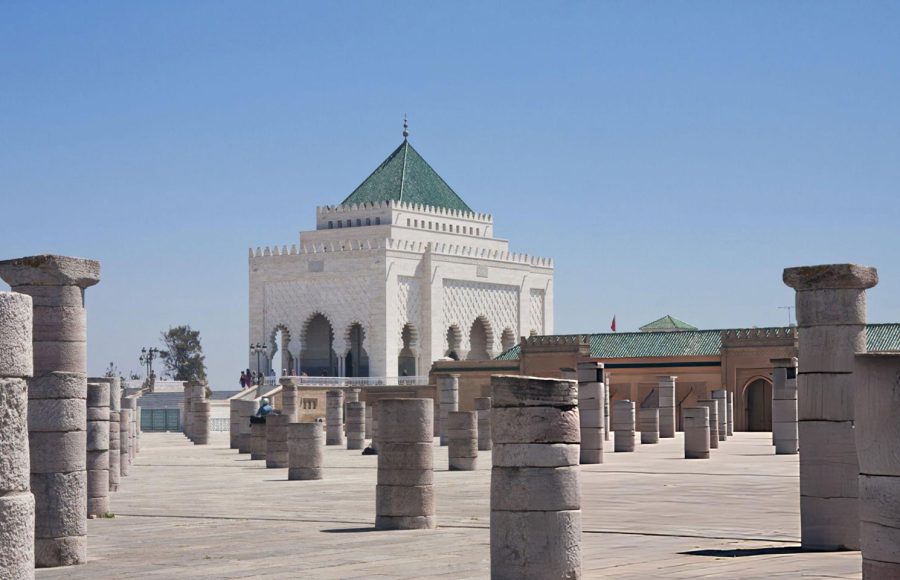
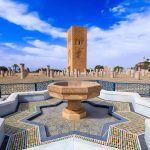
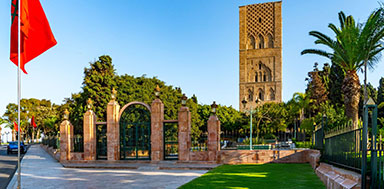
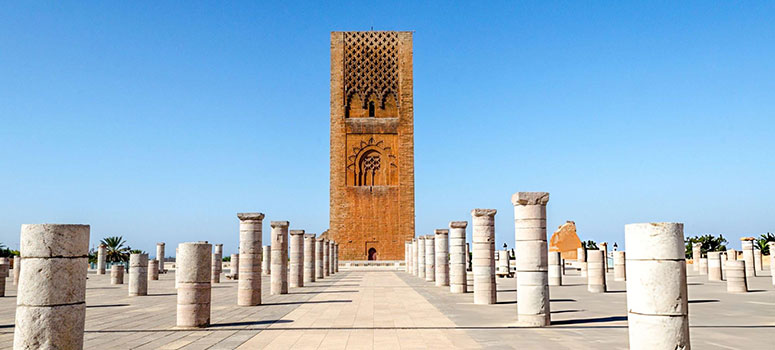
Visit Hassan Tower, the famous unfinished minaret that stands above the remains of a grand 12th-century mosque project. Its surrounding columns and monumental scale offer a glimpse into the ambition behind the original complex.
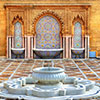
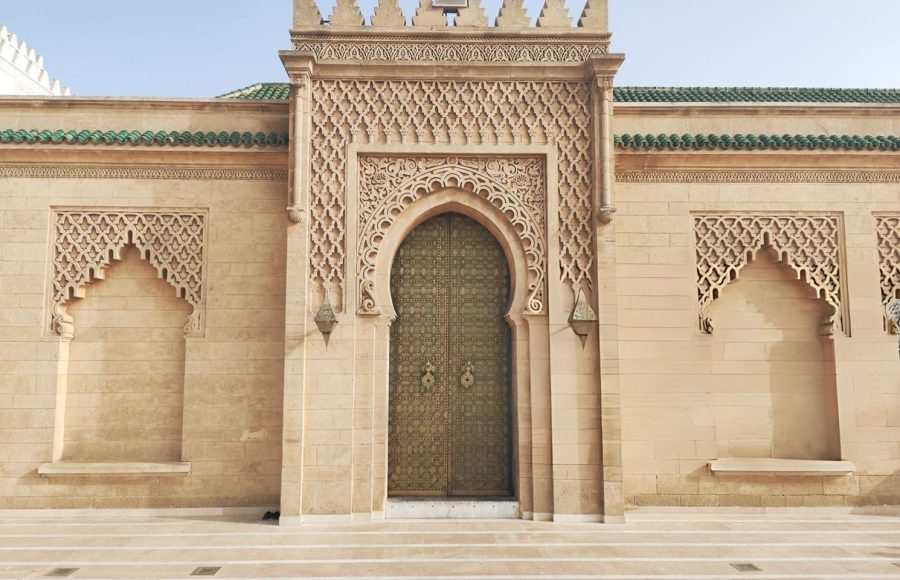
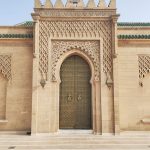
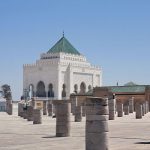
Nearby, visit the Mausoleum of Mohammed V, a refined example of Moroccan craftsmanship and the resting place of King Mohammed V and his sons. Its white exterior, carved details, and ceremonial surroundings create a peaceful contrast with the monumental Hassan Tower.
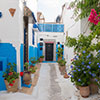
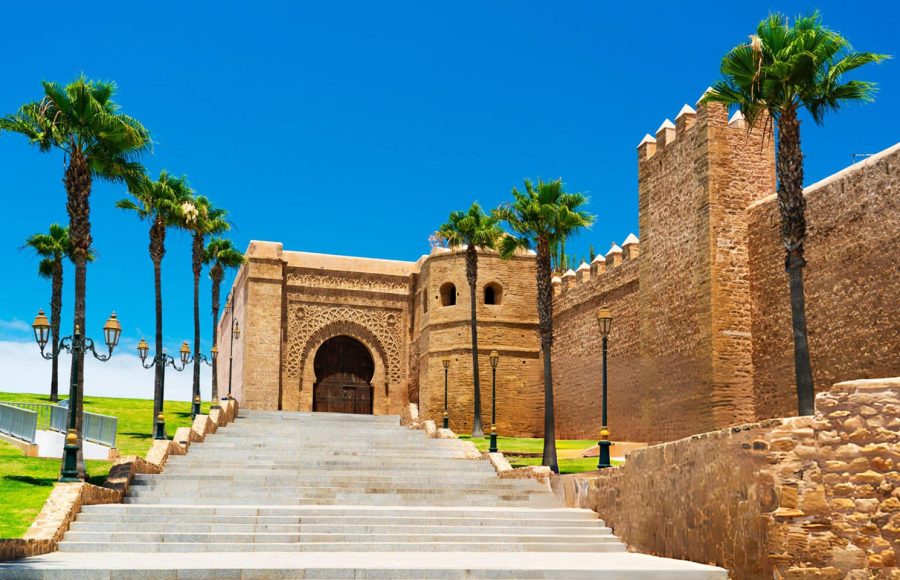
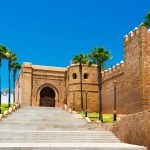
Continue to the Kasbah of the Udayas, a historic fortified neighborhood overlooking the Bou Regreg River and Atlantic. Walk through its narrow lanes and discover traditional architecture framed by coastal views. As you begin experiencing Morocco beyond its monuments, our guide to Moroccan culture and customs offers useful context on local etiquette, everyday behavior, and traditions to understand during your travels.
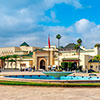
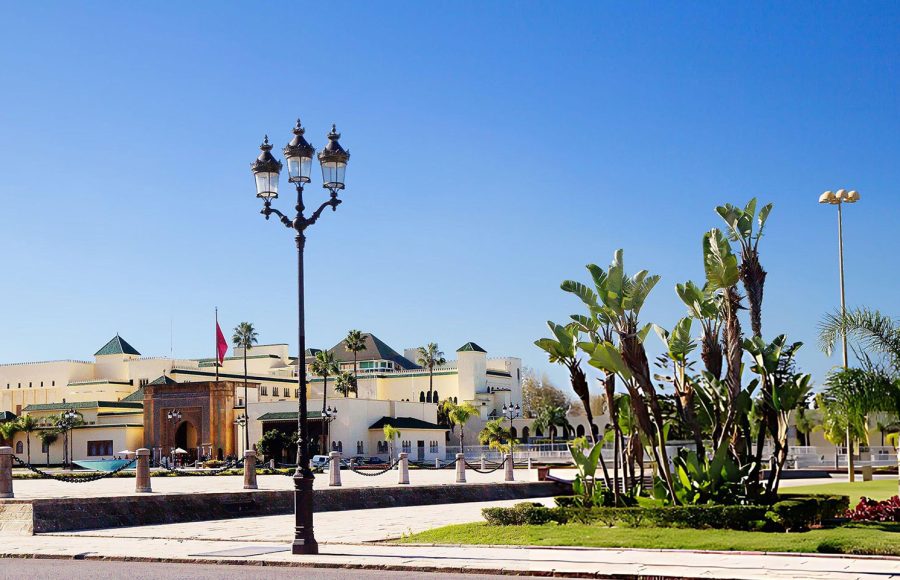
Conclude your sightseeing near the Royal Palace of Rabat, also known as Dar al-Makhzen. While access to the active royal residence is restricted, the exterior and ceremonial gates reflect Rabat's continuing importance as Morocco's political capital.
Breakfast, Lunch
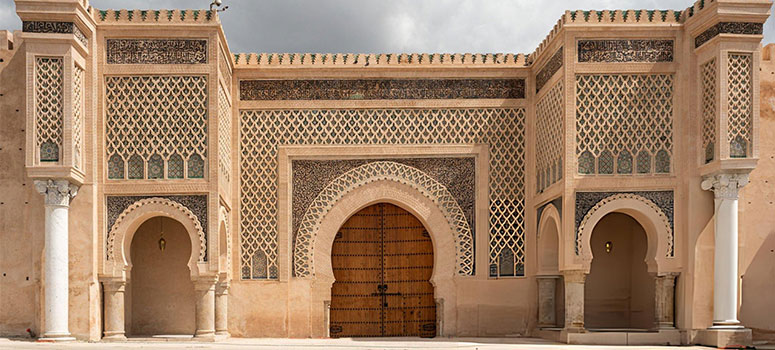
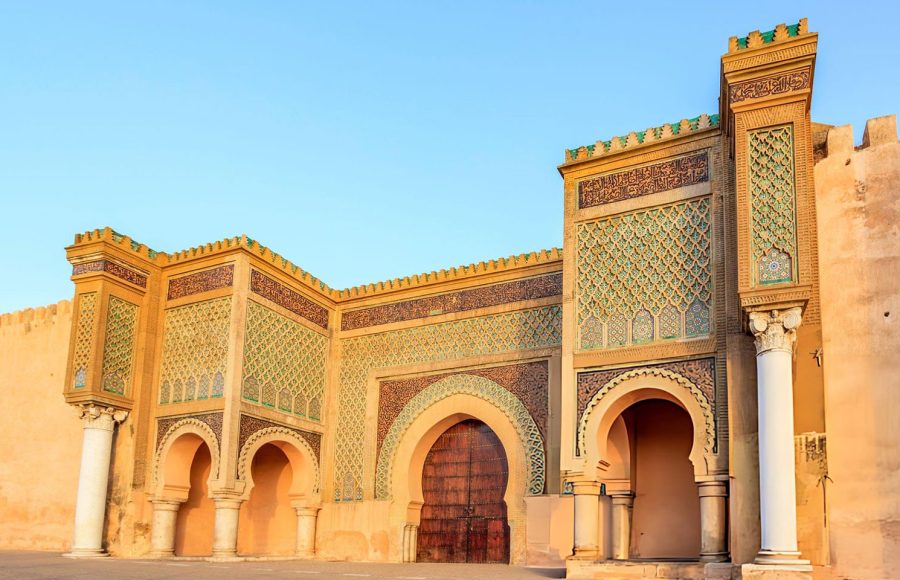
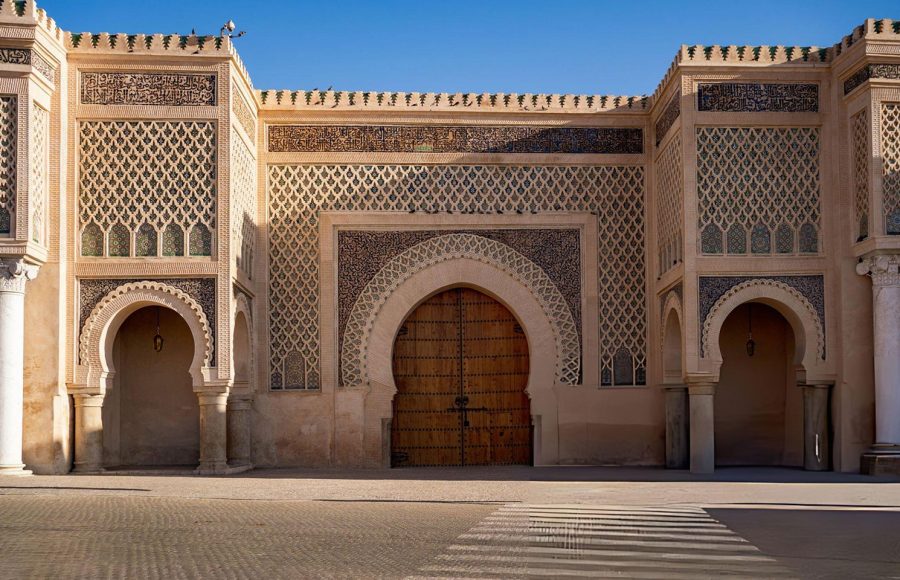
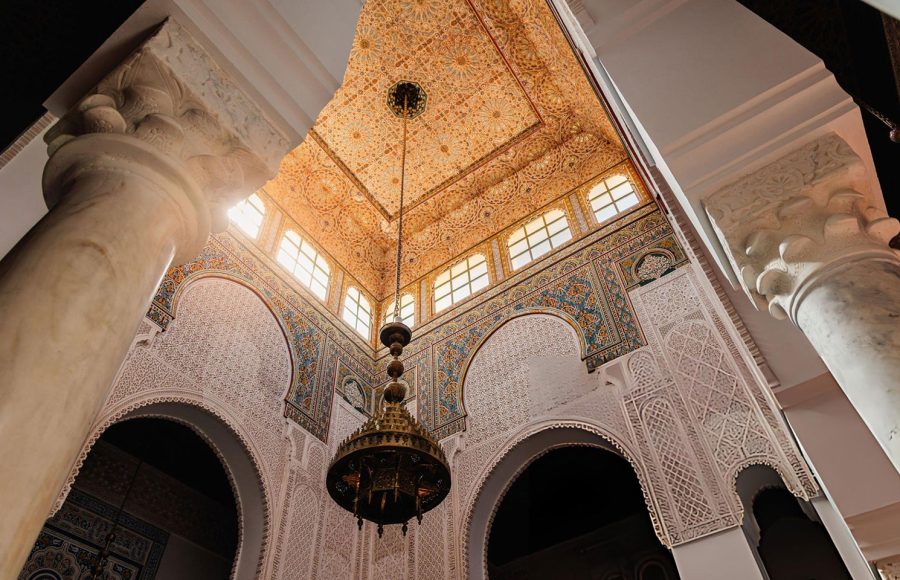
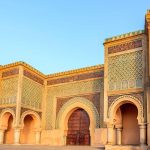
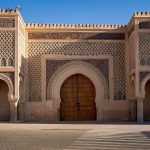
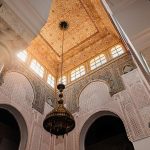
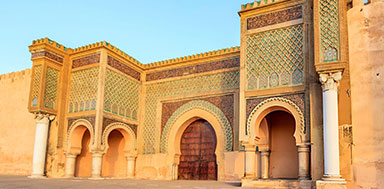
Begin exploring Meknes at Bab Mansour, the city's monumental gateway and one of Morocco's most recognizable examples of imperial architecture. Its decorated façade, zellij tilework, inscriptions, and imposing proportions reflect the ambitions of Sultan Moulay Ismail.
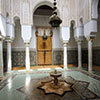
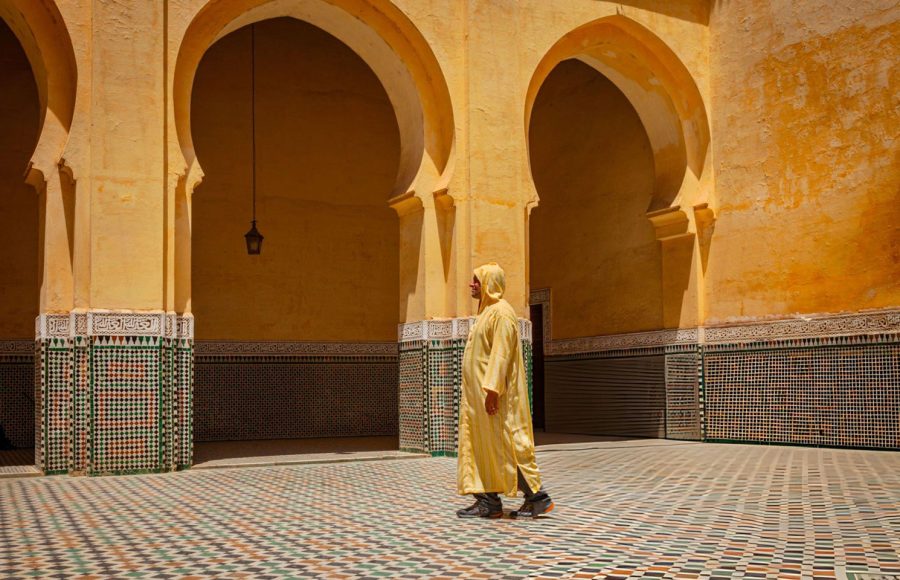
Continue to the Mausoleum of Moulay Ismail, associated with the sultan who transformed Meknes into an imperial capital. The complex provides a closer look at Moroccan decorative traditions and the city's royal history.
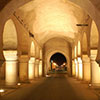
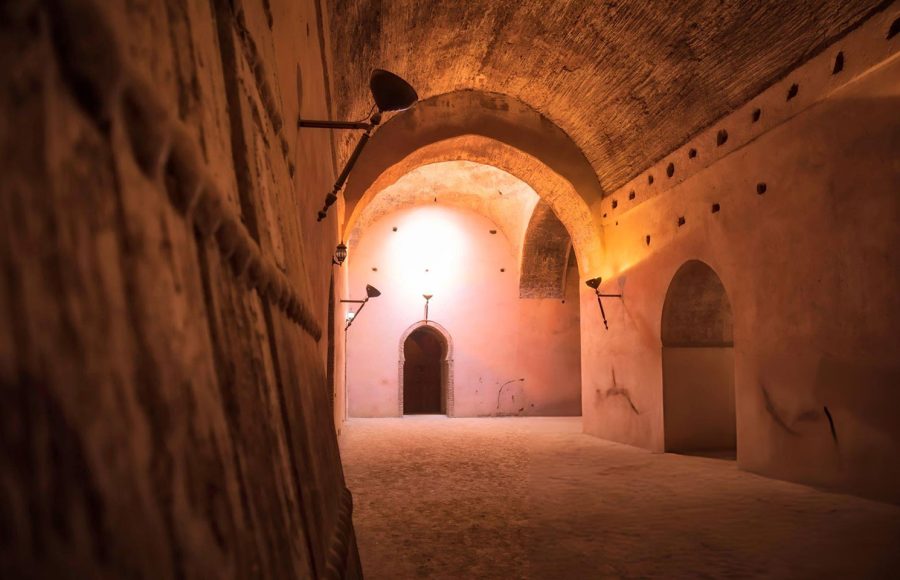
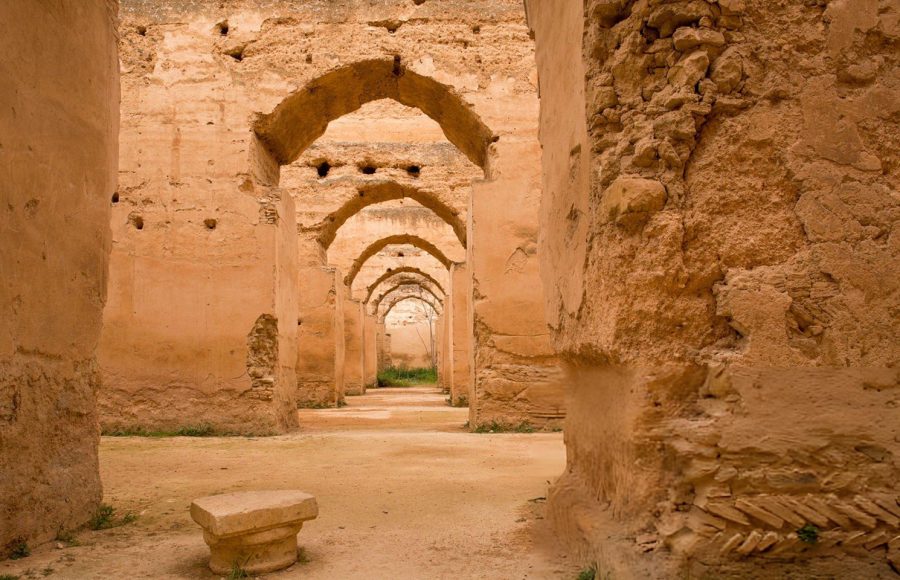
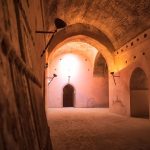
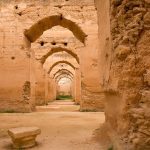
Visit Heri es-Souani and the Royal Stables, vast structures built to support the imperial city. Their enormous spaces reveal the logistical scale required to store grain, manage supplies, and maintain the sultan's cavalry.
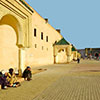
Spend time around Place el-Hedim, Meknes' historic central square. Its cafés, vendors, and everyday activity offer a more lived-in view of the city beyond its monumental architecture.
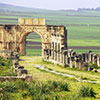
After lunch, continue to Volubilis, Morocco's most important Roman archaeological site. Walk among ancient streets, columns, basilica remains, and beautifully preserved mosaics that reveal how Roman culture reached deep into North Africa. If you want to spend more time exploring this side of Morocco, consider a longer Egypt and Morocco Nile Cruise journey through Fez and Marrakech, with additional time for Meknes, Volubilis, Fez, and Marrakech.
Breakfast, Lunch
Arc IV · Fez to Marrakech
Fez's living medina gives way to Marrakech before departure
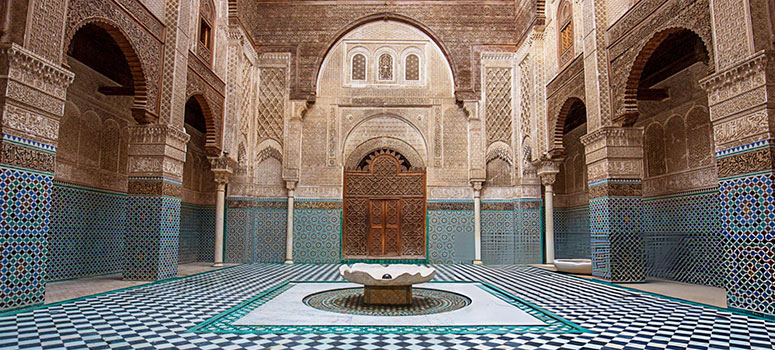
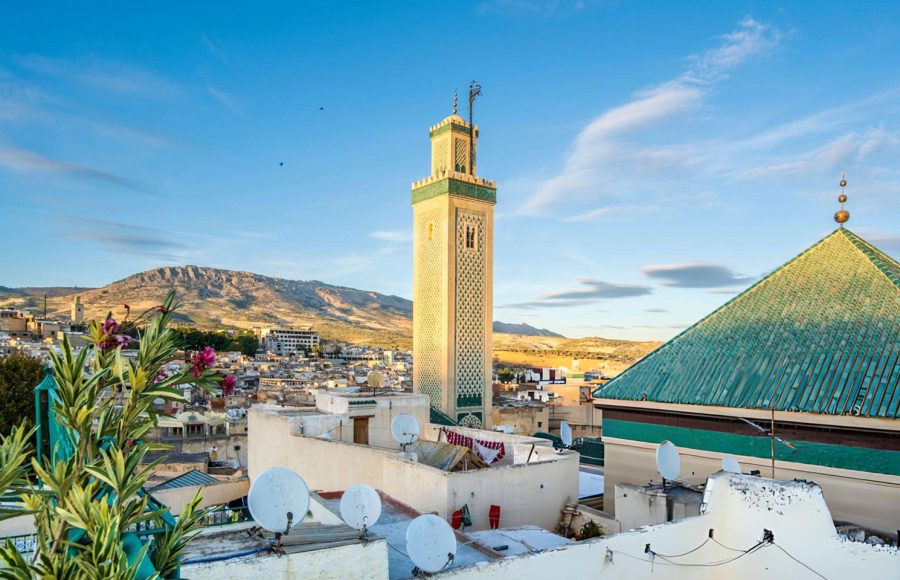
After breakfast, enter the historic world of Fez, Morocco's renowned center of learning, craftsmanship, and traditional culture. Explore Al-Qarawiyyin, Bou Inania Madrasa, the Chouara Tanneries, Nejjarine Fountain, and the ancient medina before returning to your hotel.
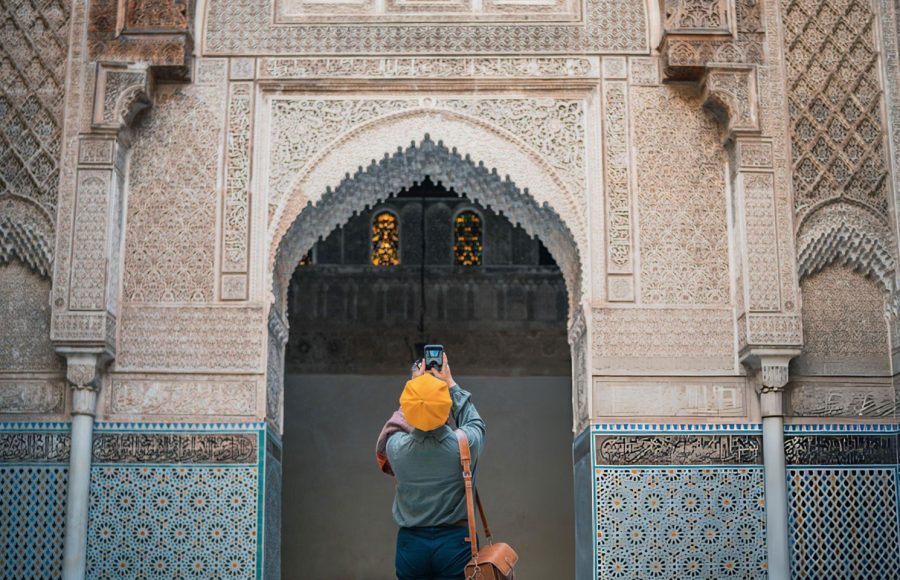
Begin with Al-Qarawiyyin, founded in the 9th century by Fatima al-Fihri. The institution became an important center of Islamic learning, helping establish Fez as one of North Africa's major intellectual and spiritual cities.
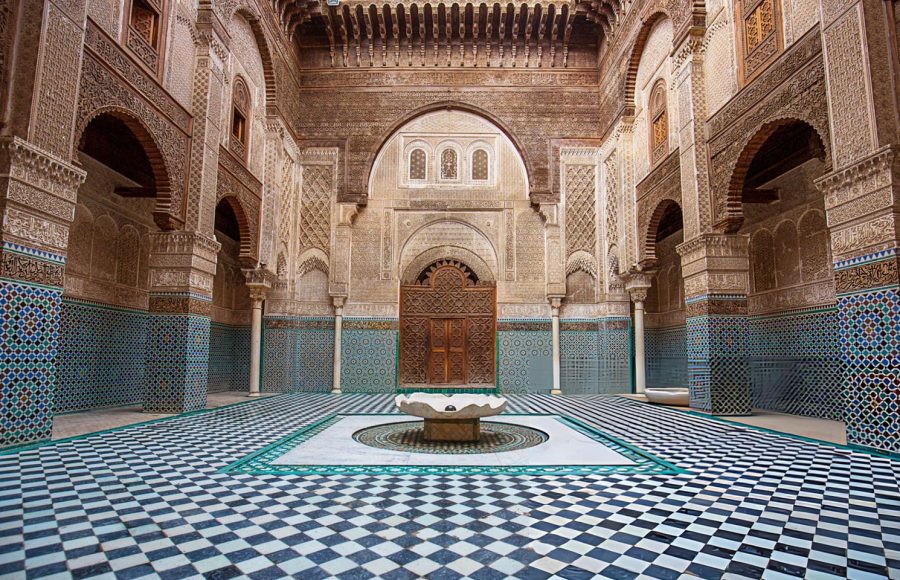
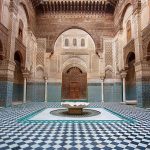
Continue to Bou Inania Madrasa, a masterpiece of Marinid architecture. Carved cedar wood, zellij tilework, stucco decoration, and carefully proportioned courtyards demonstrate the level of craftsmanship that became one of Fez's defining characteristics.
Visit the famous Chouara Tanneries, where traditional leatherworking remains part of Fez's living craft heritage. From the surrounding terraces, the distinctive dyeing vats create one of the city's most recognizable visual scenes.
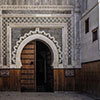
Continue to Nejjarine Fountain, known for its detailed zellij decoration and carved cedar wood. The fountain stands beside a historic caravanserai that reflects Fez's role as a crossroads for merchants and travelers across North Africa.
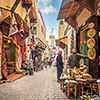
End your sightseeing in Fes el-Bali, the historic medina where narrow lanes lead between workshops, shops, mosques, homes, and traditional markets. Rather than simply viewing Fez as a collection of monuments, this is where you experience the city as a living urban environment. For travelers curious about what to try along the way, our Moroccan food guide covers traditional dishes, drinks, ordering tips, and the dining experiences worth looking for during a visit.
Breakfast, Lunch
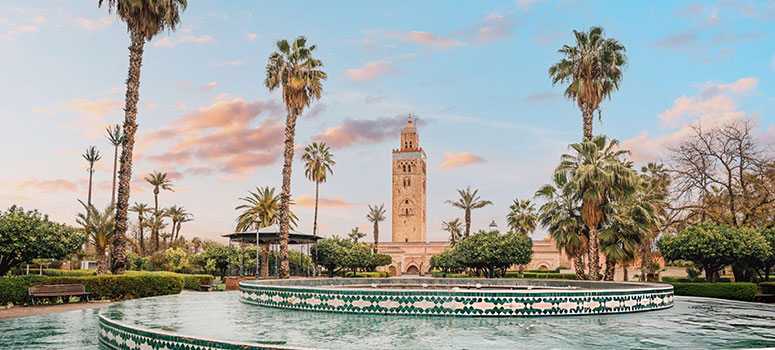
After breakfast, spend your final full day exploring Marrakech, from the elegant Bahia Palace and iconic Koutoubia Mosque to the winding Medina and traditional souks. End the day at Jemaa el-Fna, where Marrakech becomes especially lively as the afternoon turns into evening. If you are considering extending your Moroccan travels beyond the cities included here, our guide to the best places to visit in Morocco can help you compare other destinations worth considering.
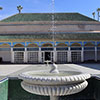
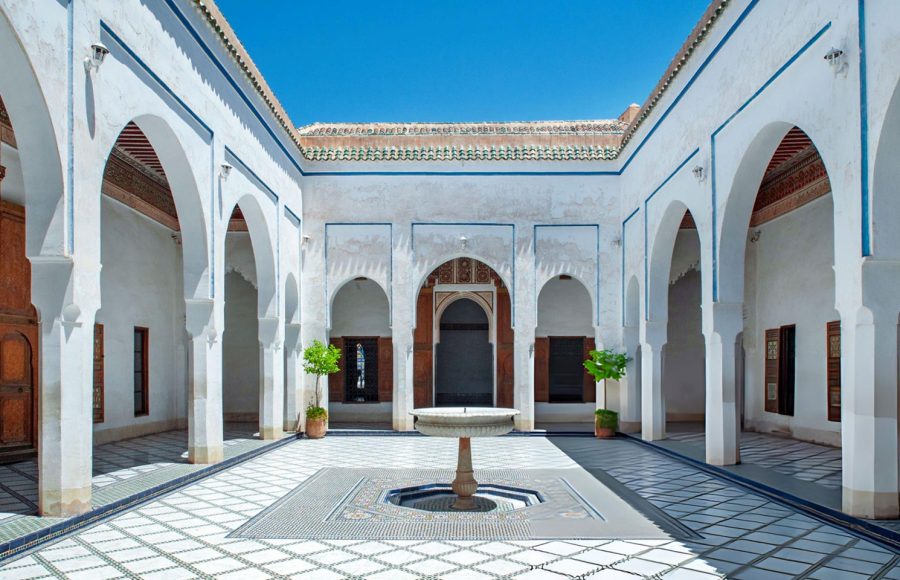
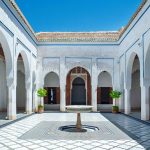
Begin at Bahia Palace, a remarkable 19th-century residence known for its courtyards, gardens, carved cedar ceilings, zellij tilework, and intricate stucco decoration. Moving through its interconnected spaces reveals the refined craftsmanship of Moroccan palace architecture.
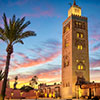
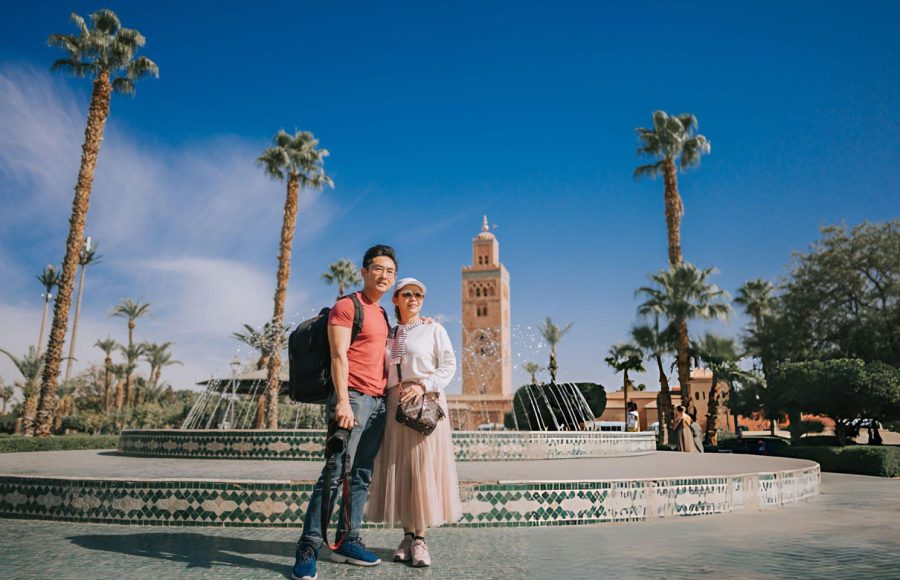
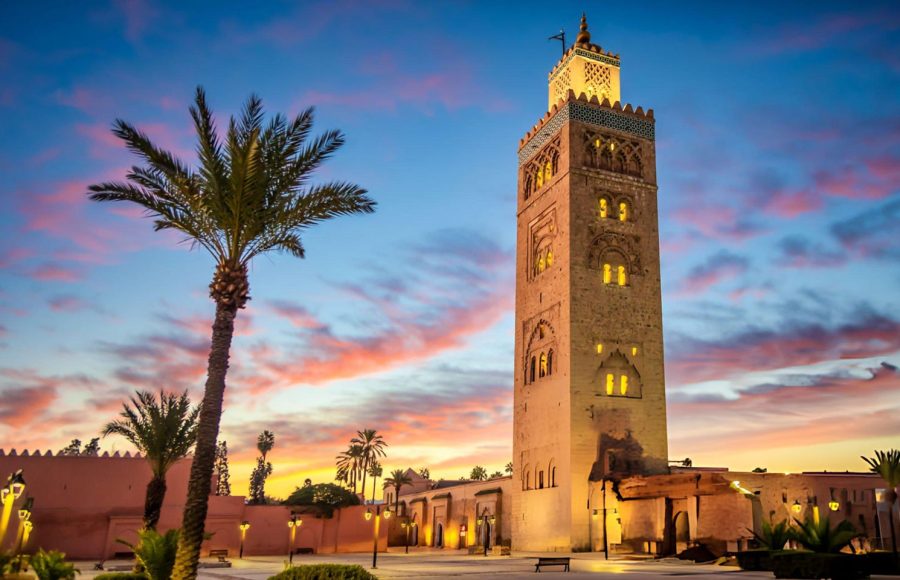
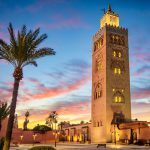
Continue to the Koutoubia Mosque, whose distinctive minaret dominates the Marrakech skyline. The surrounding gardens provide an excellent setting to appreciate this iconic landmark and its importance to the city's historic identity.
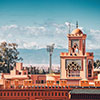
Enter the Marrakech Medina, where winding lanes lead between traditional houses, workshops, riads, cafés, and historic gateways. The atmosphere offers a fascinating contrast to the monumental temples and tombs experienced earlier in Egypt.
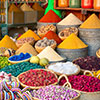
Continue through the traditional Marrakech souks, where colorful stalls and small workshops display leather goods, textiles, lanterns, spices, carpets, metalwork, and other Moroccan crafts. Take your time exploring the maze of lanes and experiencing the everyday rhythm of the historic city. Travelers who want to extend the journey beyond Egypt's Nile Valley and Morocco's imperial cities can consider an Egypt and Morocco adventure combining Hurghada and the Sahara, adding Egypt's Red Sea coast and Morocco's Atlas Mountains, Aït Ben Haddou, and Merzouga.
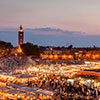
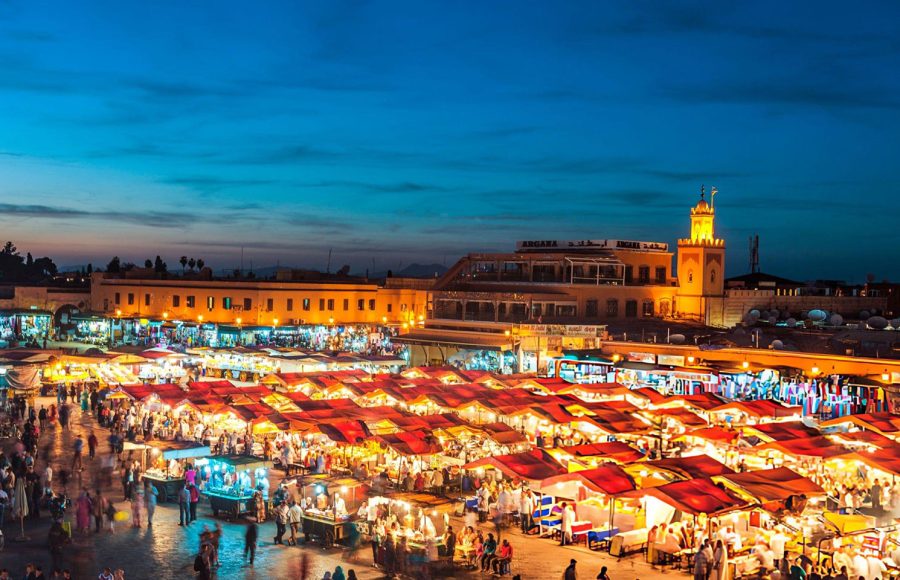
As afternoon turns toward evening, arrive at Jemaa el-Fna, Marrakech's famous central square. Food stalls, musicians, performers, storytellers, and local activity create a lively final scene for your 12 day Egypt and Morocco with Nile cruise & Abu Simbel tour.
Breakfast, Lunch
After breakfast, check out from your hotel and meet your Tripidays representative for a private transfer to Marrakech Menara Airport for your departure flight. Your 12 day Egypt and Morocco tour with Nile Cruise and Abu Simbel comes to an end after an unforgettable journey through Egypt's pyramids, ancient temples, Nile Valley, and Abu Simbel, followed by Morocco's imperial cities, Roman heritage, historic medinas, and vibrant Marrakech.
Breakfast
* You can let us know if you'd like to customize your tour itinerary to meet your needs. We value your input and aim to accommodate your requirements.
Yes. Abu Simbel is included as a guided excursion from Aswan on Day 4, making it one of the defining experiences of this itinerary. You travel by bus with an early departure and a breakfast box, visit the temples of Ramses II and Queen Nefertari, then return to Aswan to rejoin your Nile Cruise and continue sailing toward Kom Ombo.
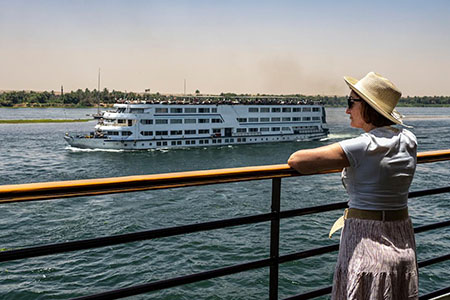
The Nile Cruise travels north from Aswan toward Luxor, with visits to Abu Simbel, Kom Ombo, and Edfu along the way. After Edfu, the cruise continues to Luxor, where you visit Luxor Temple in the evening before completing your remaining Luxor sightseeing and flying back to Cairo.
Yes. A Nile Cruise offers a convenient way to experience several major Upper Egypt attractions without changing hotels every night. Your cruise also turns the journey between temples into part of the experience, with views of villages, farmland, palm groves, and desert landscapes along the Nile.
The Abu Simbel excursion starts early in the morning from Aswan. A breakfast box is provided for the journey, allowing you to travel before the day becomes hotter and return in time to rejoin the Nile Cruise for its sailing schedule.
The domestic flight between Cairo and Aswan and the domestic flight from Luxor to Cairo are included where specified in the itinerary. International flights, including the flight between Cairo and Casablanca, are not included and should be arranged separately. Flight schedules may affect the exact timing of transfers and sightseeing.





12 Days / 11 Nights
Cairo Airport
Cairo / Aswan / Abu Simbel / Luxor / Hurghada
12 Days/11 Nights
Cairo Airport
Cairo / Aswan / Luxor / Alexandria
12 Days / 11 Nights
Cairo Airport
Cairo / Luxor / Aswan / Abu Simbel / Alexandria / Fayoum
12 Days / 11 Nights
Cairo Airport or Amman Airport
Cairo / Luxor / Aswan / Abu Simbel / Amman / Madaba / Petra
12 Days / 11 Nights
Cairo Airport
Cairo / El Minya / Luxor / Aswan / Dendera / Abydos / Faiyum
12 Days / 11 Nights
Cairo Airport or Dubai Airport
Cairo / Luxor / Aswan / Dubai / Abu Dhabi
12 Days / 11 Nights
Cairo Airport
Cairo / Luxor / Aswan / Alexandria / Bahariya Oasis / White Desert / Black Desert
12 Days / 11 Nights
Cairo Airport
Cairo / Aswan / Abu Simbel / Luxor / Dendera / Abydos / Alexandria / Bahariya Oasis
12 Days / 11 Nights
Cairo Airport
Cairo / Sharm El Sheikh / Luxor / Aswan / Abu Simbel
12 Days / 11 Nights
Cairo Airport
Cairo / Alexandria / Luxor / Hurghada
12 Days / 11 Nights
Cairo Airport
Cairo / Bahariya / White Desert / Aswan / Abu Simbel / Kom Ombo / Edfu / Luxor / Hurghada
12 Days / 11 Nights
Cairo Airport
Cairo / Giza / Saqqara / Dahshur / Sharm El Sheikh / Alexandria
12 Days / 11 Nights
Cairo Airport
Cairo / Giza / Luxor / Aswan
12 Days / 11 Nights
Cairo Airport or Istanbul Airport
Cairo / Aswan / Kom Ombo / Edfu / Luxor / Istanbul / Mount Nemrut / Gobeklitepe
12 Days / 11 Nights
Cairo Airport
Cairo / Aswan / Kom Ombo / Edfu / Luxor / Sharm El Sheikh
All things you should know before visiting Egypt & Beyond


Tripidays Egypt Tours has been offering an exceptional range of Egypt tours, vacation packages, Nile cruises, day trips, and shore excursions tailored to meet the diverse interests of travelers worldwide for over 45 years.