Casablanca, Morocco, is the country’s largest city and its leading Atlantic metropolis, known for the Hassan II Mosque, Art Deco architecture, historic neighborhoods, busy markets, and a distinctly modern urban character. While cities such as Marrakech and Fez are closely associated with Morocco’s imperial past, Casablanca offers a different perspective on the country, shaped by trade, industry, architecture, the Atlantic Ocean, and twentieth-century urban development.
The city combines historic districts with broad boulevards, contemporary neighborhoods, waterfront areas, cafés, restaurants, and commercial centers. Its famous Hassan II Mosque stands beside the Atlantic, while the old Medina preserves an earlier layer of Casablanca’s history.
For travelers exploring Morocco, Casablanca is often more than a place to arrive or depart. Its location makes it a natural hub for journeys to Rabat, Marrakech, Fez, and other destinations across the country.
Casablanca is located on Morocco’s Atlantic coast and is the country’s largest urban center. Its position along the ocean helped shape its development as a major port and commercial city.
Unlike Fez or Marrakech, Casablanca does not revolve around a single historic Medina. Its identity comes from several periods of development, from the old port and traditional neighborhoods to the planned urban districts created during the twentieth century.
This gives Casablanca a distinctive character within Morocco. Historic Moroccan architecture exists alongside Art Deco buildings, modern offices, shopping districts, restaurants, and busy streets.
The result is a city that feels more metropolitan than many of Morocco’s traditional tourist destinations while still retaining important elements of Moroccan history and culture.
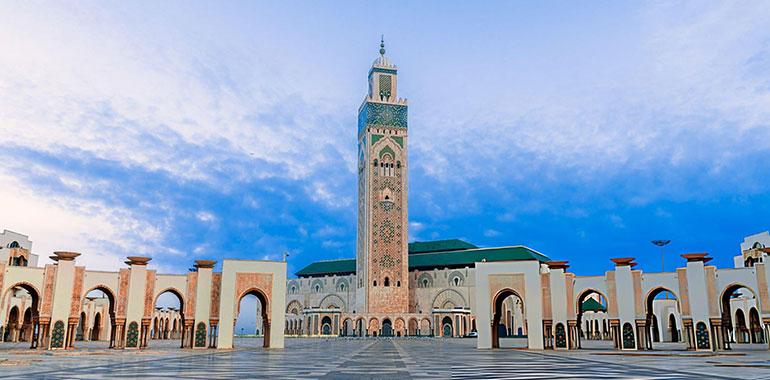
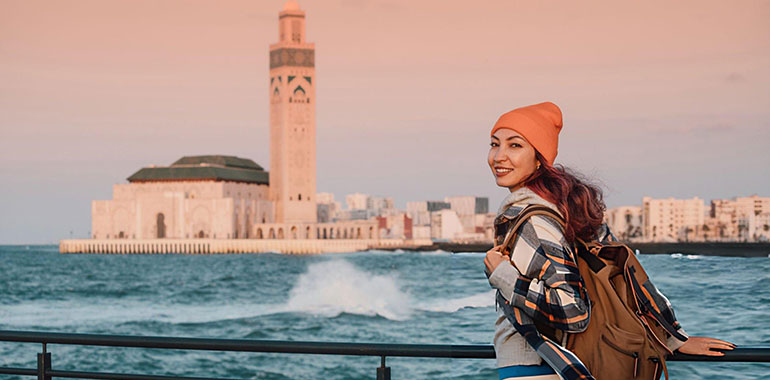
The Hassan II Mosque is Casablanca’s defining landmark and one of the most recognizable buildings in Morocco.
Standing beside the Atlantic Ocean, the mosque is distinguished by its enormous scale, detailed Moroccan craftsmanship, and prominent minaret. Parts of the complex extend over the water, reinforcing its relationship with Casablanca’s coastal setting.
The interior and exterior incorporate traditional Moroccan decorative techniques, including intricate tilework, carved plaster, woodwork, and geometric patterns.
The mosque also represents the meeting of traditional craftsmanship and modern engineering. Its scale reflects Casablanca’s position as a major contemporary Moroccan city while its architectural details remain closely connected to the country’s artistic heritage.
For many visitors, the Hassan II Mosque provides the clearest introduction to Casablanca’s identity: modern, monumental, Atlantic, and deeply connected to Moroccan culture.
Casablanca’s relationship with the Atlantic is central to its identity.
The ocean has influenced the city’s history as a port, its commercial development, and its modern waterfront. Coastal areas provide a different atmosphere from the enclosed streets of Morocco’s inland imperial cities.
The Atlantic setting also helps explain Casablanca’s importance as an economic center. Its port and commercial infrastructure connect Morocco with international markets, while the coastline adds another dimension to the city’s urban landscape.
The contrast between the ocean, modern city, historic architecture, and traditional Moroccan neighborhoods is one of the characteristics that makes Casablanca different from other major destinations in the country.
Casablanca’s Old Medina represents one of the oldest parts of the city.
Compared with the enormous historic Medinas of Fez and Marrakech, Casablanca’s Medina is smaller, but it remains an important part of the city’s heritage. Its streets contain traditional shops, cafés, homes, and local businesses.
The Medina also provides a useful contrast with the city’s newer districts. Walking through its streets reveals an older Casablanca, while the surrounding urban areas show how dramatically the city developed during the twentieth century.
For travelers interested in Casablanca beyond its major landmarks, the Old Medina provides a glimpse into the city’s traditional urban life.
One of Casablanca’s most distinctive features is its collection of Art Deco and modernist architecture.
During the twentieth century, Casablanca underwent extensive urban development, creating buildings influenced by European architectural movements while adapting them to Morocco’s climate, materials, and local traditions.
The result is a unique architectural landscape. Buildings with geometric façades, balconies, decorative details, and modernist forms stand alongside Moroccan architectural elements.
This architectural heritage is particularly visible around central Casablanca, where wide streets and planned urban spaces contrast with the narrow lanes of the old city.
For travelers interested in architecture, Casablanca offers an experience that is difficult to find elsewhere in Morocco.
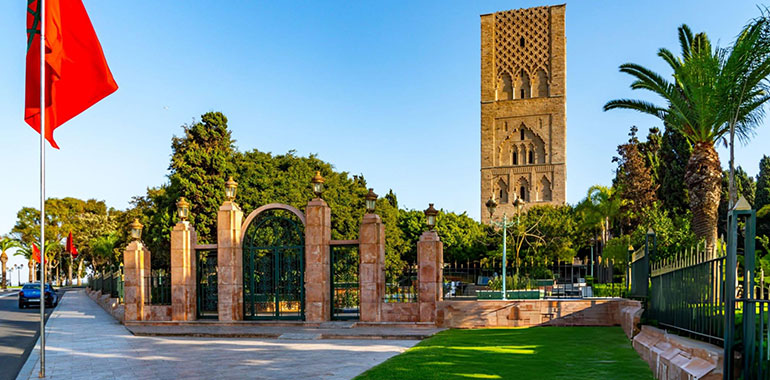
Place Mohammed V is one of central Casablanca’s most important public spaces and provides a strong example of the city’s architectural character.
Several significant government and civic buildings surround the square, creating a formal urban setting where Moroccan and European architectural influences come together.
The area demonstrates how Casablanca developed as a modern administrative and commercial center while maintaining visual connections with Moroccan design traditions.
Its location also makes it a useful starting point for exploring the surrounding central districts.
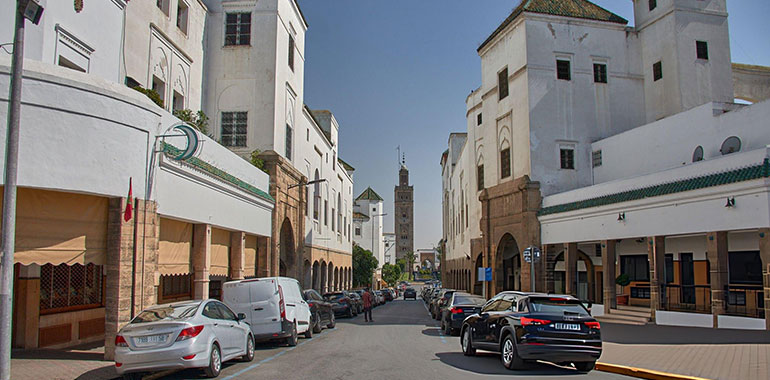
The Habous Quarter, sometimes known as the New Medina, represents another fascinating layer of Casablanca.
Developed during the twentieth century, the district was designed using elements inspired by traditional Moroccan urban architecture while incorporating a more planned street layout.
Its streets contain shops selling Moroccan crafts, books, clothing, pastries, and other local products. The neighborhood therefore combines the visual character of a traditional Medina with a more organized urban structure.
The Habous Quarter is particularly useful for understanding how Casablanca adapted Moroccan architectural ideas to a modern city.
Casablanca offers a different cultural experience from Morocco’s smaller historic cities because of its size and metropolitan character.
Its cafés, restaurants, markets, offices, shopping districts, neighborhoods, and waterfront areas reflect the pace of contemporary Moroccan urban life.
At the same time, traditional food, craftsmanship, religious architecture, and Moroccan hospitality remain important parts of the city.
The city’s food scene also reflects its international connections. Traditional Moroccan dishes can be found alongside restaurants influenced by Mediterranean, French, and other international cuisines.
For travelers who want to experience Morocco as a living modern society rather than only through historic monuments, Casablanca provides an important perspective.
Those planning their first visit can also use Tripidays’ guide to discovering Morocco for the first time to understand how Casablanca compares with the country’s historic cities, mountain destinations, and desert regions.
Casablanca’s location and transport connections make it an important gateway for exploring Morocco.
Travelers can continue from the city toward Rabat and northern Morocco, travel inland toward Marrakech, or connect with longer routes toward Fez and other destinations.
This geographic role makes Casablanca particularly useful in multi-city itineraries. It can function as an introduction to Morocco, a major stop within a wider journey, or a convenient point from which to continue toward other regions.
Rather than viewing Casablanca only as a gateway, however, travelers can allow time to experience the city’s architecture, coastal setting, historic neighborhoods, and modern culture.
The right amount of time in Casablanca depends on the wider journey and the destinations being combined.
A shorter itinerary may focus on the Hassan II Mosque, central architecture, the Old Medina, and the Habous Quarter before continuing to another city.
Longer journeys can combine Casablanca with Rabat, Fez, Chefchaouen, Marrakech, or southern Morocco. This allows travelers to experience the country’s major urban centers alongside its historic cities, mountains, and desert landscapes.
Casablanca is therefore particularly valuable when viewed as part of Morocco’s wider destination network rather than as an isolated city.
To explore how Casablanca connects with other regions of the country, travelers can browse Morocco’s top destinations, including historic cities, Atlantic destinations, northern Morocco, and Sahara gateways.
Casablanca represents a side of Morocco that cannot be understood through the country’s imperial cities alone.
Its port, Atlantic setting, modern architecture, Art Deco heritage, commercial importance, and diverse urban neighborhoods reflect Morocco’s transformation into a contemporary international economy.
At the same time, landmarks such as the Hassan II Mosque, the Old Medina, and the Habous Quarter maintain strong connections to Moroccan history and craftsmanship.
This combination makes Casablanca an important part of understanding Morocco today: a city where traditional identity and modern urban life meet on the Atlantic coast.
Tripidays includes Casablanca in selected Morocco and Egypt–Morocco journeys, allowing travelers to experience the city alongside other major destinations.
Depending on the route, Casablanca can be combined with Rabat and Marrakech, extended into northern Morocco, or incorporated into a longer journey that includes Fez and the Sahara.
The city is also particularly relevant for travelers combining Morocco with Egypt. Rather than visiting the two countries separately, Egypt and Morocco tour packages can connect Casablanca and other Moroccan destinations with Cairo, Giza, Luxor, and the Nile Valley within one broader journey.
Tripidays plans these routes around the destinations and experiences that define each country, allowing Casablanca to play its natural role as Morocco’s Atlantic metropolitan center.


Tripidays Egypt Tours has been offering an exceptional range of Egypt tours, vacation packages, Nile cruises, day trips, and shore excursions tailored to meet the diverse interests of travelers worldwide for over 45 years.