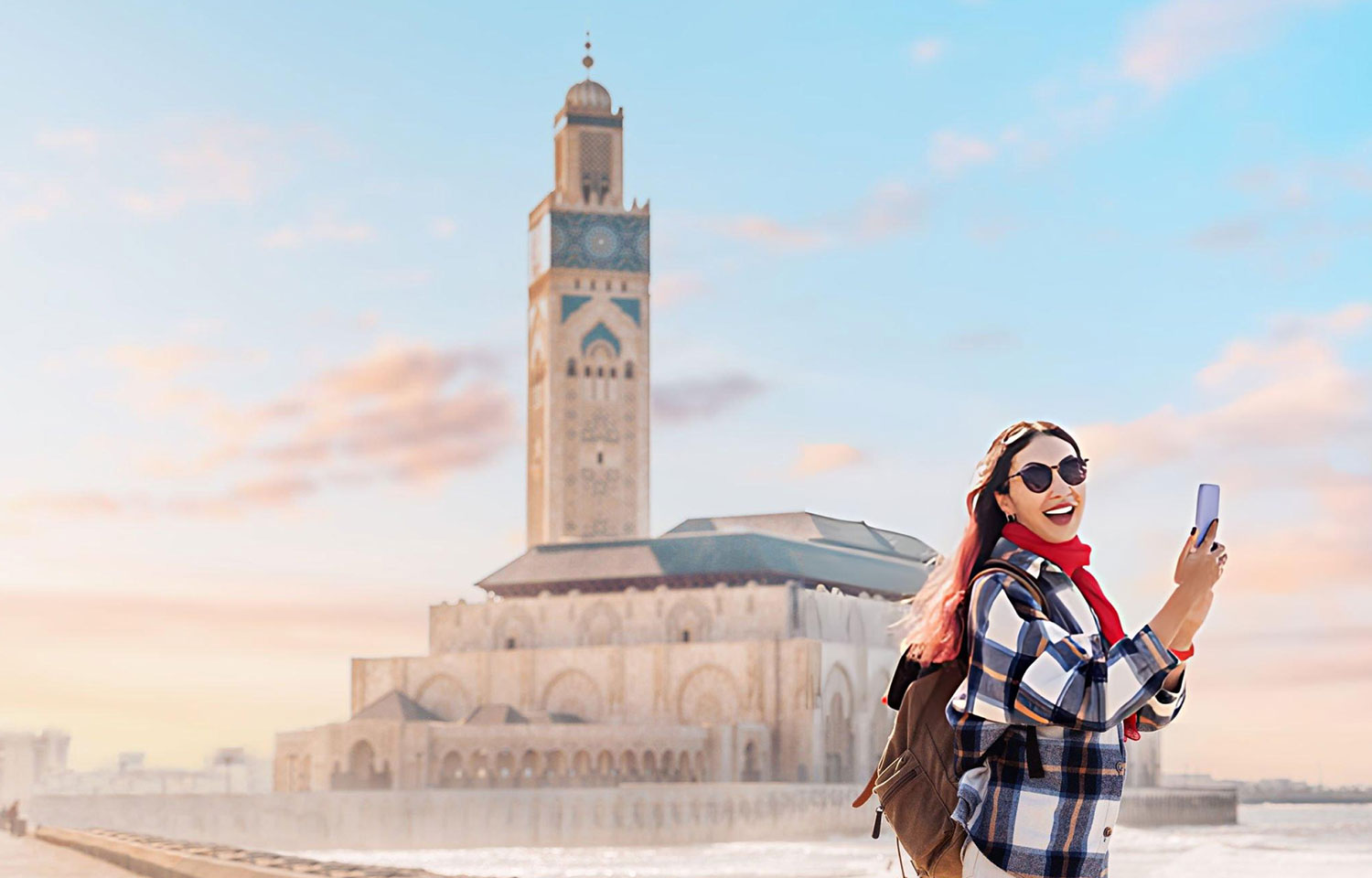
Is Morocco safe? Morocco can be a safe destination for tourists who take sensible precautions and understand the risks that can arise in crowded tourist areas, medinas, transportation, and remote regions.
The most common concerns for visitors include petty theft, scams, unwanted attention, and road or pedestrian hazards. At the same time, official travel advisories continue to recommend increased caution because of terrorism risks and warn travelers about certain remote or border areas.
At Tripidays, we believe good travel planning starts with understanding what to expect before you arrive. This guide focuses on the practical safety concerns travelers may encounter in Morocco and the simple steps that can help you avoid unnecessary problems.
The right approach is not to be fearful, but to know which situations require more awareness and how to respond if something goes wrong.
Travel advisory note: Government travel advice can change. Check the latest guidance from your own government before departure, particularly if you plan to visit remote or border regions.
Is Morocco Safe for Tourists?
For most visitors following ordinary precautions, Morocco can be a safe and rewarding country to visit. Tourist centers are accustomed to international travelers, and established tourist areas receive visitors throughout the year.
However, “safe” does not mean that travelers should ignore their surroundings.
The situations most likely to cause problems for tourists include:
- Pickpocketing in crowded areas
- Bag or phone theft
- Tourist scams
- Unofficial guides
- Persistent selling or unwanted attention
- Taxi or service disputes
- Road and pedestrian hazards
- Harassment, particularly for some solo women
- Risks associated with demonstrations or large gatherings
- Higher risks in certain remote or border areas
Morocco is currently subject to increased-caution travel advice from some governments because of terrorism risks. Other governments also advise travelers to exercise caution around demonstrations, remote areas, crime, and other local risks.
For a typical tourist trip through established destinations, the practical lesson is simple: stay aware, protect your belongings, be cautious with unsolicited assistance, and check current travel advice before traveling to less-visited regions.
What Are the Main Safety Risks in Morocco?
Understanding the main risks makes it easier to decide where you need to be more careful.
Petty Theft and Pickpocketing
Petty theft is one of the most relevant everyday concerns for tourists, particularly in crowded places.
Busy souks, medinas, transport hubs, markets, and major tourist attractions can provide opportunities for pickpockets or bag-snatching.
Simple precautions can make a difference:
- Keep your phone and wallet secure.
- Avoid carrying large amounts of cash.
- Keep bags closed and in front of you in crowded areas.
- Do not leave valuables unattended.
- Be particularly careful when distracted by crowds or persistent approaches.
- Keep important documents somewhere secure.
You do not need to spend your entire trip worrying about your belongings. The important point is to avoid making valuables easy to access.
Tourist Scams and Unwanted Help
Some visitors encounter situations involving unsolicited assistance, unofficial guides, inflated charges, or persistent selling.
A common pattern is for someone to offer help that you did not request and later expect payment. Other situations can involve misleading directions, claims that a location is closed, or pressure to use a particular service.
The safest response is usually straightforward:
If you did not ask for the service, you can politely decline it.
If someone becomes persistent, move toward a busier public area or enter a legitimate business or accommodation rather than allowing the situation to escalate.
This is different from ordinary souk bargaining. You do not need to negotiate every interaction; you simply need to recognize when someone is trying to create an obligation you did not agree to.
Harassment and Unwanted Attention
Some travelers, particularly women traveling alone, may experience catcalling, persistent approaches, or unwanted attention.
This does not mean that every interaction will be problematic, but it is worth preparing for the possibility.
If someone makes you uncomfortable:
- Keep your response brief and firm.
- Avoid prolonged arguments.
- Move toward a busier area if necessary.
- Enter a reputable shop, hotel, or restaurant if you need space.
- Consider using arranged or reputable transportation at night.
- Tell your accommodation or travel provider if an incident concerns you.
Travelers should trust their judgment. You do not need to remain polite in a situation that is making you feel unsafe.
Terrorism and Large Public Gatherings
Terrorism remains a risk identified in current government travel advice for Morocco.
That does not mean tourists should expect an attack during a normal holiday. It means travelers should understand that terrorism remains part of the country’s overall security environment.
Sensible precautions include:
- Stay aware in crowded public places.
- Follow instructions from local authorities.
- Avoid demonstrations and large gatherings if tensions are rising.
- Do not ignore official security warnings.
- Check current government travel advice before departure.
There is no practical way for an ordinary traveler to eliminate every security risk. The useful response is awareness rather than fear.
Road and Transportation Risks
Road and pedestrian safety can be a more immediate concern than many first-time visitors expect.
Traffic conditions can vary considerably between cities, rural areas, and busy tourist districts. Travelers should take extra care when crossing roads, walking near busy streets, or using unfamiliar transportation.
If you are driving independently, make sure you are comfortable with local road conditions and driving practices before setting out.
The focus here is road safety, not choosing the best way to travel between Moroccan destinations.
Is It Safe to Walk Around Morocco’s Medinas?
Yes, medinas are visited by large numbers of tourists, but their crowded and sometimes confusing streets require extra awareness.
The combination of narrow lanes, pedestrians, motorcycles, bicycles, shops, unfamiliar routes, and persistent approaches can make medina navigation more challenging than walking through a modern city center.
For safer walks:
- Keep your belongings secure.
- Pay attention to motorcycles and other vehicles using narrow streets.
- Be cautious when strangers insist on showing you a particular route.
- Avoid following unofficial guides into unfamiliar areas.
- If you become lost, ask your accommodation or a clearly established business for assistance.
- Consider avoiding isolated lanes late at night.
- Keep your phone secure rather than walking around distracted by a map.
Getting lost in a medina is not automatically dangerous. The problem is allowing confusion to put you in a situation where you feel pressured or isolated.
For the broader social context behind local interactions and expectations, see our Morocco culture and customs guide.
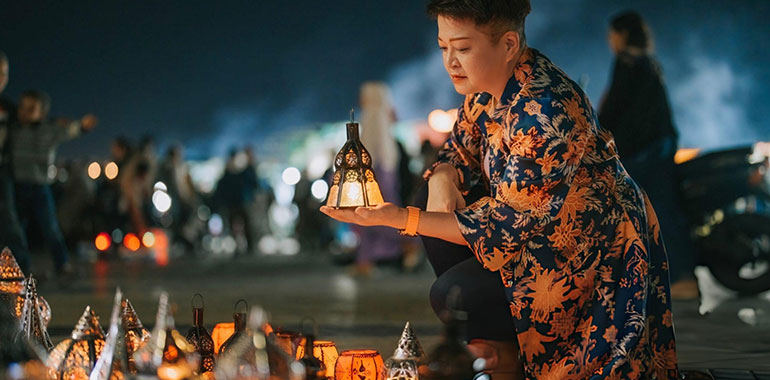
Is Morocco Safe at Night?
Morocco can be enjoyed after dark, but travelers should be more selective about where and how they move around at night.
Busy central areas with other people around are generally a different situation from isolated streets, deserted beaches, or poorly lit areas.
At night:
- Stay in populated areas when possible.
- Avoid isolated streets if you are unfamiliar with the neighborhood.
- Use reputable transportation rather than accepting unsolicited rides.
- Be more cautious after drinking alcohol.
- Keep your phone and valuables secure.
- If you are unsure about walking back to your accommodation, ask the hotel or riad to arrange transportation.
Solo travelers should be particularly conscious of their surroundings when returning to accommodation late at night.
The goal is not to avoid experiencing Morocco after dark. It is to avoid unnecessary exposure to situations where help may be less accessible.
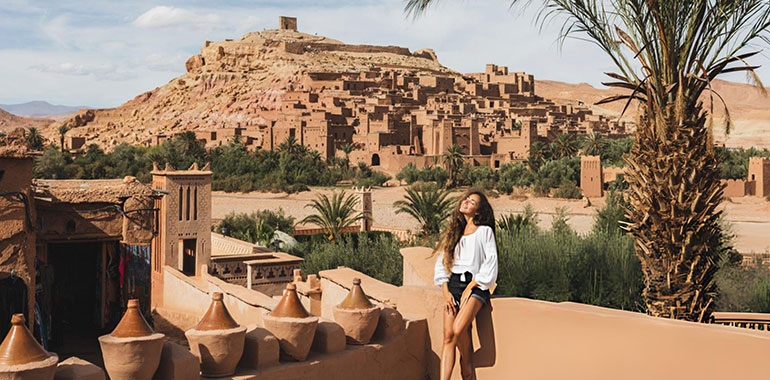
Is Morocco Safe for Solo Travelers?
Morocco can be visited independently by solo travelers, but traveling alone means you have fewer people around to help if a situation becomes uncomfortable.
Solo travelers should pay particular attention to:
- Unwanted approaches
- Unofficial guides
- Nighttime walks
- Keeping accommodation details private
- Securely storing passports and valuables
- Staying connected with someone at home
- Avoiding isolated areas when unfamiliar with the surroundings
One useful rule is to separate confidence from carelessness. Being comfortable traveling independently does not mean accepting every offer of assistance or ignoring an uncomfortable situation.
If something feels wrong, leave the situation rather than worrying about appearing impolite.
Is Morocco Safe for Solo Female Travelers?
Many women travel around Morocco independently, but solo female travelers may experience more unwanted attention than they are accustomed to at home.
Catcalling, comments, or persistent approaches can happen, particularly in busy tourist environments.
Practical precautions include:
- Stay aware of your surroundings.
- Avoid isolated areas at night.
- Use reputable transportation.
- Let your accommodation know if you are returning late.
- Keep personal information private when dealing with strangers.
- Move toward populated areas if unwanted attention becomes persistent.
- Dress in a way that is respectful of local expectations, particularly around religious or conservative settings.
Dress should not be presented as a guarantee of safety. Harassment is not the traveler’s fault. Understanding local expectations can simply help reduce avoidable misunderstandings.
For the broader social and cultural context behind dress, etiquette, and local customs, read our Morocco culture and customs guide.
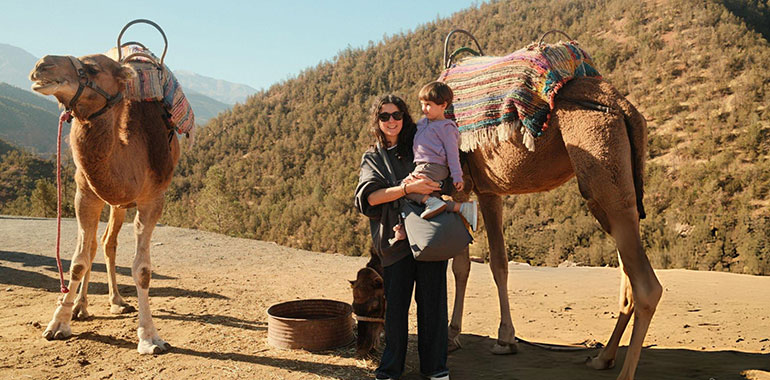
Is Morocco Safe for Families?
Morocco can be a good destination for families, but traveling with children changes which risks deserve the most attention.
Crowded medinas, busy roads, and unfamiliar surroundings require closer supervision than they might at home.
Families should pay particular attention to:
- Keeping children close in crowded areas
- Traffic and road crossings
- Secure accommodation
- Heat and dehydration
- Food and water hygiene
- Children becoming separated in busy tourist areas
A simple meeting point or clear family rule can help if someone becomes separated in a crowded market or attraction.
Families should also avoid assuming that every activity or transport option has the same safety standards they would expect at home. Ask questions before participating in activities where safety equipment, vehicles, or remote locations are involved.
Is Public Transportation Safe in Morocco?
Public transportation can be useful for traveling around Morocco, but safety considerations vary by situation.
Trains and Buses
Keep your belongings secure, particularly when stations or vehicles are crowded. Do not leave phones, passports, or bags unattended.
Taxis
Use legitimate or reputable taxis and establish the fare or understand how the meter works before beginning the journey where relevant.
If a driver becomes aggressive or you feel uncomfortable, prioritize leaving the situation safely rather than arguing over a small amount of money.
Driving
Driving in Morocco requires attention to traffic, road conditions, and local driving habits. Travelers who are not comfortable driving in unfamiliar environments may prefer organized transportation.
The key issue here is safety, not how to plan transportation between Moroccan cities.
Are There Areas Travelers Should Avoid in Morocco?
Most visitors follow established tourist routes and never come close to Morocco’s most sensitive remote areas.
However, travelers planning independent trips into border regions, remote desert areas, or areas near the Berm should check current government advice carefully.
Some governments warn against travel in specific areas because of risks including military activity, unexploded ordnance, or landmines.
This is particularly important because conditions can change, and advice that was accurate several years ago may not remain accurate.
If your plans include a remote region, do not rely solely on a travel blog or tour operator’s description. Check current official travel advice before departure.
What Health and Food Safety Issues Should Travelers Know?
Health concerns are another part of travel safety, but they do not require travelers to be overly cautious about every meal or drink.
Drinking Water
Travelers who are unsure about local water quality can choose bottled or appropriately treated water. Follow current medical and government travel advice regarding drinking water in the areas you visit.
Keep yourself hydrated, particularly during hot weather or long days outdoors.
Food Hygiene
Basic food-safety precautions are sensible:
- Wash your hands regularly.
- Choose food that is properly cooked and served hot.
- Be cautious with food that has been sitting unrefrigerated for long periods.
- Use reputable establishments when you are unsure about hygiene.
For what to eat, what Moroccan dishes are like, and how dining works, see our Moroccan food guide rather than turning this article into a food guide.
Heat and Dehydration
Morocco can become very hot, particularly in summer and in desert environments.
Carry sufficient water, protect yourself from prolonged sun exposure, and avoid pushing yourself physically during the hottest part of the day.
Travelers with medical concerns should seek professional medical advice before traveling, particularly when planning remote or physically demanding activities.
What Should You Do If Something Goes Wrong in Morocco?
Knowing what to do can be more useful than trying to anticipate every possible problem.
If Your Belongings Are Stolen
Move somewhere safe first. Contact your accommodation or travel provider for assistance and report the theft to the appropriate local authorities if necessary.
If your passport is lost or stolen, contact your embassy or consulate for guidance.
If You Get Lost
Move toward a populated, established location such as a hotel, restaurant, shop, or other staffed business.
Avoid accepting help from someone who approaches you aggressively or insists on taking you somewhere.
If Someone Is Harassing You
You do not need to continue the interaction.
Move toward other people, enter a legitimate business or accommodation, and ask for assistance if necessary.
If You Become Ill or Injured
Seek medical assistance and contact your travel insurer if appropriate. If you are traveling with an organized company, your local representative or guide may also be able to help.
Before departure, keep important contact information accessible rather than relying entirely on your phone.
How Can You Stay Safe in Morocco?
You do not need a complicated security plan. A few habits cover most everyday situations.
Keep valuables secure.
Phones, wallets, and passports should not be easily accessible in crowded areas.
Be cautious with unsolicited help.
You can politely decline assistance you did not request.
Pay attention in crowded places.
Tourist attractions, medinas, and transport hubs require more awareness.
Be more careful at night.
Avoid isolated or poorly lit areas when you are unfamiliar with them.
Use reputable transportation.
If you are uncertain about a ride or service, ask your accommodation for assistance.
Do not ignore your instincts.
If an interaction feels uncomfortable, leave rather than continuing out of politeness.
Check official advice for remote areas.
This is particularly important for border regions and less-traveled areas.
Keep emergency information accessible.
Know where you are staying and how to contact your accommodation, insurer, and relevant authorities.
Check current travel advice before departure.
Security conditions and official recommendations can change.
For broader practical advice about getting around, money, connectivity, luggage, and everyday travel, see our Morocco travel tips guide.
Is Morocco Safe for First Time Travelers?
Yes, first-time travelers can visit Morocco safely when they understand the main risks and take sensible precautions.
The most useful mindset is neither excessive caution nor complete carelessness. Be aware of your belongings in crowded areas, question unsolicited offers of assistance, take more care at night, and understand the local legal and security environment.
You also do not need to avoid Morocco because of every potential risk. The same principle applies to many international destinations: understand the risks that are relevant to your trip and make practical decisions accordingly.
If you are considering combining Morocco with Egypt, you can also explore Egypt and Morocco vacations to compare organized itineraries and see how the two countries can be combined.
Final Thoughts: Is Morocco Safe?
For most travelers, Morocco can be visited safely with sensible precautions.
The most relevant everyday concerns are usually petty theft, scams, unwanted attention, traffic, and unfamiliar situations. More serious security concerns, including terrorism and risks in certain remote or border areas, are reasons to stay informed and check current official advice.
The best approach is simple: protect your belongings, be cautious with unsolicited assistance, take more care at night, respect local laws, and check current travel guidance before departure.
Morocco does not require constant anxiety. It requires awareness, preparation, and good judgment.