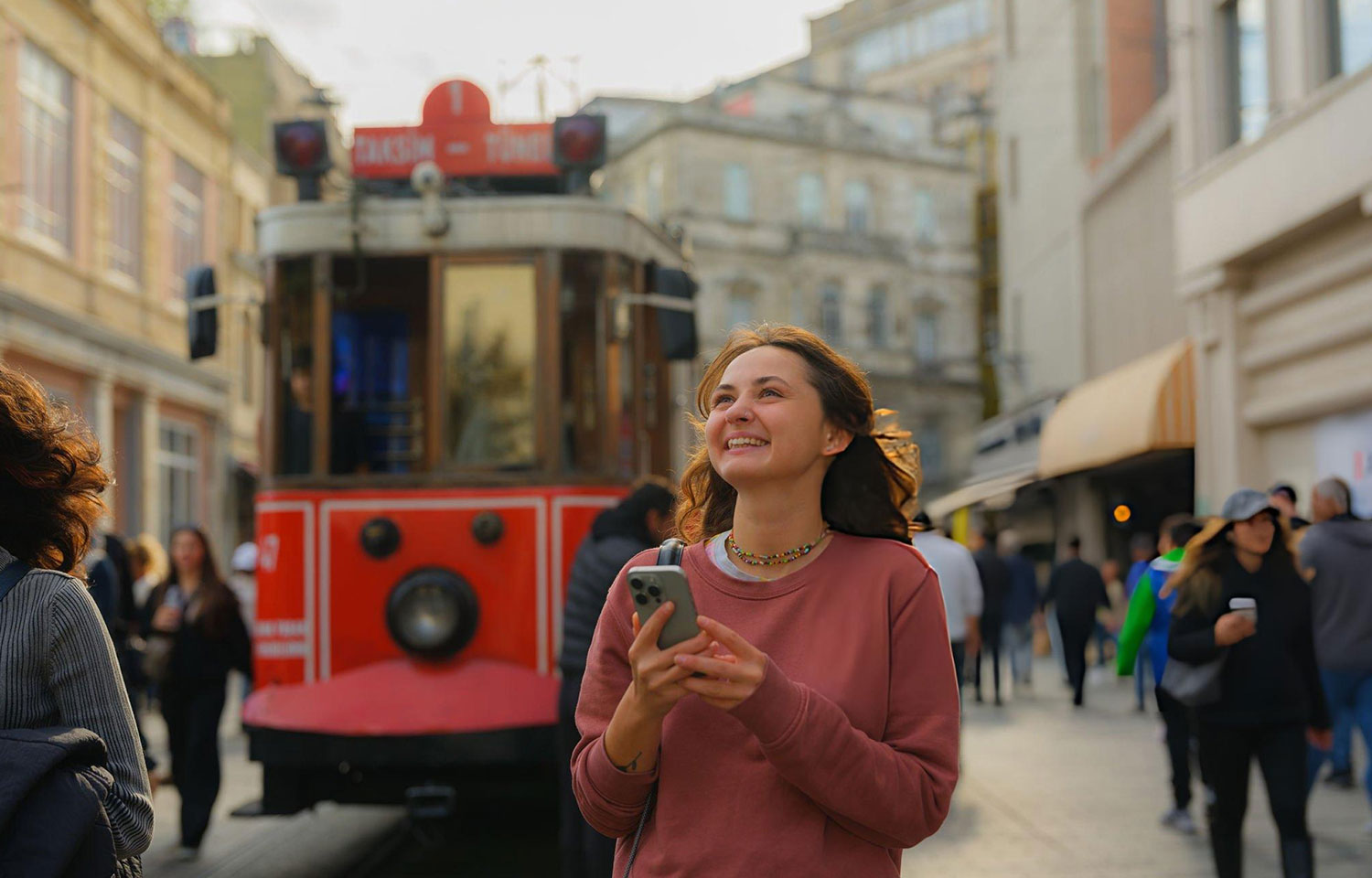
Turkey is one of those destinations where a single trip can take you from historic mosques and Byzantine architecture in Istanbul to Cappadocia’s fairy chimneys, ancient Roman cities, white travertine terraces, Mediterranean coastlines, and centuries-old cultural traditions. The best things to do in Turkey are therefore not limited to sightseeing: you can cruise between two continents on the Bosphorus, float above Cappadocia at sunrise, walk through the marble streets of Ephesus, relax in a traditional hammam, or sail toward the sunken ruins of Kekova.
At Tripidays Egypt Tours, we know that travelers often want to experience more than a checklist of famous attractions, so this guide brings together 15 essential Turkey experiences for first time visitors. It focuses on memorable experiences rather than detailed destination guides, covering Turkey’s most iconic sights alongside cultural, historical, coastal, and outdoor experiences.
1. Explore Istanbul’s Historic Heart
Exploring Istanbul’s historic center is one of the best things to do in Turkey for first time visitors. In the Sultanahmet area, centuries of Byzantine and Ottoman history come together within a remarkably compact part of the city. Start with Hagia Sophia, known for its enormous dome and layered Christian and Islamic history, then visit the Blue Mosque, famous for its elegant domes, courtyards, and Iznik tilework.
Continue to Topkapi Palace, where palace courtyards, historic collections, and Bosphorus views bring the Ottoman imperial world to life, before seeing the Suleymaniye Mosque and its impressive city views. The real appeal is walking through a place where Roman, Byzantine, Ottoman, and modern Turkish history meet in the same streets, making Istanbul’s historic heart an essential experience rather than simply a collection of monuments.
2. Cruise the Bosphorus Between Europe and Asia
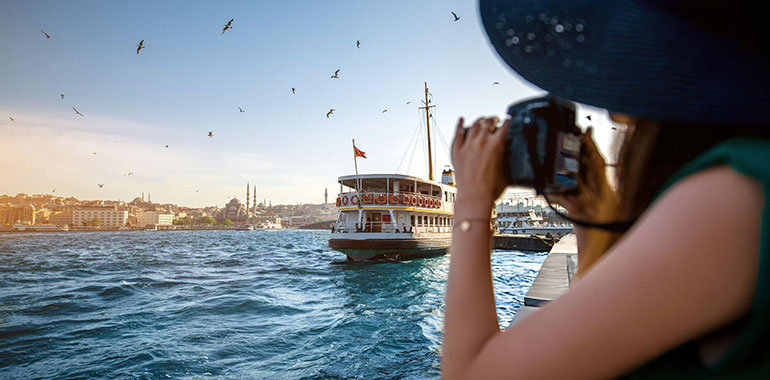
A Bosphorus cruise is one of the best ways to experience Istanbul from a different perspective. From the water, you can watch palaces, mosques, historic waterfront mansions, bridges, and modern neighborhoods unfold along both shores while experiencing the strait that separates Istanbul’s European and Asian sides. The journey offers a unique view of the city’s geography and the role the Bosphorus has played throughout its history.
After spending hours exploring Istanbul on foot, a cruise provides a slower way to appreciate the skyline and waterfront. Rather than rushing between attractions, you can simply watch the city pass by and see how Istanbul’s historic and modern character comes together along the water.
3. Wander Through the Grand Bazaar
Exploring the Grand Bazaar is an experience in itself, even if you do not plan to buy anything. Its covered passages create a maze of shops, colors, patterns, conversations, and traditional crafts, with rugs, ceramics, jewelry, leather goods, textiles, lamps, and other handmade products filling the historic market. The pleasure comes from wandering through its narrow alleys, discovering different shops, and watching the rhythm of one of Istanbul’s most famous markets.
The nearby Spice Market adds another sensory experience, with colorful displays of Turkish delight, tea, herbs, spices, and other traditional products. Together, these markets offer a glimpse into Istanbul’s long commercial and cultural history. For detailed advice about shopping and what to buy in Turkey, however, it is better to use the dedicated Turkey trip planning guide.
4. Descend Into the Basilica Cistern
Beneath Istanbul’s busy streets lies the atmospheric Basilica Cistern, where rows of ancient columns rise from the water beneath vaulted brick ceilings. Its dim lighting, reflections, and enormous underground chamber create an experience completely different from visiting the city’s mosques and palaces.
The cistern also reveals another side of Istanbul’s history, one that exists beneath the modern city. For first time visitors, descending underground creates a memorable contrast with the grand open air monuments above, making the Basilica Cistern a worthwhile addition to an Istanbul sightseeing experience.
5. Experience Turkey’s Traditional Bathing Culture
Experiencing a traditional Turkish hammam offers a relaxing way to connect with Turkey’s historic bathing culture. Historic bathhouses often feature marble interiors, domed ceilings, warm stone, and a bathing experience built around steam, cleansing, and relaxation. After several days of walking through archaeological sites and busy city streets, a hammam can provide a welcome chance to slow down.
The appeal is not simply the spa experience but also the atmosphere and architecture of these traditional bathhouses. For a deeper look at Turkish traditions, etiquette, and cultural practices, however, our dedicated Turkish Culture & Customs guide provides broader context.

6. Ride a Hot Air Balloon Over Cappadocia
A sunrise hot air balloon ride over Cappadocia is one of the most unforgettable things to do in Turkey. As the sun rises, balloons float above the region’s extraordinary landscape of fairy chimneys, valleys, rock formations, and cave dwellings, creating a perspective that is difficult to appreciate fully from the ground. The scenery reflects both natural forces and centuries of human settlement, with homes, churches, and monasteries carved into the soft volcanic rock.
The experience is more than an adventure activity: it reveals the relationship between Cappadocia’s geology and its historic communities from above. If weather or availability prevents a balloon flight, exploring the valleys and viewpoints around sunrise or sunset still offers an impressive way to experience the region’s otherworldly landscape.
7. Explore Cappadocia’s Underground Cities and Cave Heritage
Cappadocia is not only spectacular from above. Some of its most fascinating experiences are hidden underground and inside the region’s rock formations. At places such as Kaymakli Underground City, narrow passages, rooms, storage areas, and interconnected spaces reveal how communities adapted to life beneath the surface. Above ground, the Göreme Open Air Museum adds another layer of heritage through its rock-cut churches, monasteries, and historic Christian art.
Together, these sites show that Cappadocia is much more than a landscape for photographs. They reveal how people adapted to and transformed an unusual natural environment over centuries, making the region especially rewarding for travelers interested in both nature and history.
8. Experience a Whirling Dervish Ceremony
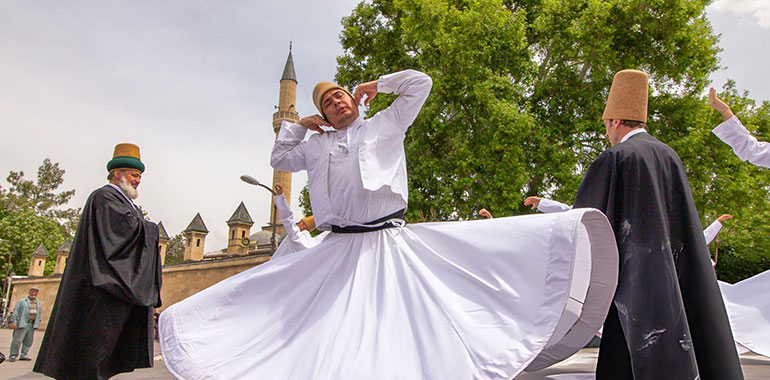
Watching a traditional whirling dervish ceremony (Sema) offers a different way to experience Turkey’s cultural heritage. Associated with the Mevlevi tradition, the ceremony combines controlled movement, music, and spiritual symbolism, creating a quiet and reflective experience that contrasts with Turkey’s busy archaeological sites and cities. In Cappadocia, performances may take place in historic settings such as Saruhan Caravanserai.
The ceremony should be approached respectfully rather than simply as entertainment. It offers a memorable cultural experience while giving travelers a glimpse into a tradition with deep historical roots.
9. Walk Through Ancient Ephesus
Walking through Ephesus is one of the best things to do in Turkey for travelers interested in ancient history. Rather than viewing ruins from a distance, you can walk along ancient marble streets and imagine the scale of a city that once played an important role in the Mediterranean world. The Library of Celsus, Great Theatre, Curetes Street, temples, and public buildings create an extraordinary sense of place.
What makes Ephesus particularly rewarding is the combination of architecture and atmosphere: you are walking through the remains of an ancient urban landscape rather than simply viewing individual ruins. Its importance also reflects the layers of Hellenistic, Roman Imperial, and early Christian history that shaped the ancient city.
10. Walk Across the White Terraces of Pamukkale
Walking along the white travertines of Pamukkale is one of Turkey’s most distinctive natural experiences. Mineral rich thermal waters formed the bright terraces and pools that cover the hillside, creating a landscape that looks almost frozen in white. Beside them stands Hierapolis, an ancient spa city whose Roman era ruins, theatre, baths, and other remains developed around the area’s thermal springs.
The combination of natural scenery and ancient history makes Pamukkale particularly unusual. Instead of treating the travertines as simply a photograph stop, take time to appreciate how the thermal landscape shaped the ancient city beside it and created a destination where geology and archaeology meet.
11. Sail the Turquoise Coast to Kekova
Sailing along Turkey’s Mediterranean coast is one of the best things to do for travelers who want to combine scenery, history, and time on the water. The Turquoise Coast is known for clear Mediterranean waters, rugged shorelines, secluded bays, and historic coastal settlements, while a boat trip allows you to experience this landscape at a slower pace than a road journey.
One of the most distinctive stops is Kekova, where the remains of the ancient settlement of Simena can be seen along the shoreline and beneath the clear waters. The combination of archaeological remains, Mediterranean scenery, and time on the water makes Kekova an especially memorable experience beyond Turkey’s major cities and inland historical sites.
12. Hike a Section of the Lycian Way
Hiking part of the Lycian Way is an excellent way to experience Turkey’s Mediterranean landscapes on foot. The route passes through pine-covered hills, sea views, villages, beaches, and landscapes associated with ancient Lycia, allowing travelers to experience nature and history at a slower pace.
You do not need to complete the entire route to enjoy it. A suitable section can provide a rewarding outdoor adventure without turning the trip into a dedicated long-distance hiking holiday, revealing a side of Turkey that goes beyond its monumental cities and famous archaeological sites.
13. Step Into Turkey’s Ancient World Beyond Ephesus
Turkey’s archaeological story goes far beyond Ephesus and Pamukkale. Places such as Troy, Pergamon, Aphrodisias, and Nemrut Dağ offer different historical landscapes, from the legendary setting of Troy to the Hellenistic remains of Pergamon. At Nemrut Dağ, enormous stone statues and a monumental funerary complex stand dramatically on a mountain summit.
These sites demonstrate the extraordinary range of civilizations that shaped Turkey, including Greek, Roman, Hellenistic, Persian, and early Christian influences. Turkey has 22 properties inscribed on the UNESCO World Heritage List, including Ephesus, Göreme and the Rock Sites of Cappadocia, Hierapolis-Pamukkale, Nemrut Dağ, Troy, Pergamon, and the Historic Areas of Istanbul; our dedicated UNESCO World Heritage Sites in Turkey guide explores this heritage in greater depth.
14. Experience Turkey Through Local Craft and Tradition
Some of the best memories from Turkey come from doing something rather than simply looking at something. In Cappadocia, for example, travelers can watch traditional pottery being shaped by hand or try the craft themselves. Local workshops provide an opportunity to see how craftsmanship continues alongside modern tourism and to meet the people behind the work.
A hands on activity creates a different connection with a destination than simply purchasing a finished souvenir. Whether you watch a craftsperson work or participate yourself, experiences like these encourage travelers to look beyond major monuments and discover the skills and traditions that remain part of everyday Turkish life.
15. Discover Turkey Beyond the Famous Landmarks
One of the best things to do in Turkey is leave room for experiences that are not on every tourist checklist. Walk through a neighborhood away from the main attractions, sit at a local café, explore a smaller coastal town, stop at a local market, or take a scenic drive through the countryside. These simple moments can reveal a side of Turkey that organized sightseeing often misses.
Turkey’s appeal comes from the contrast between monumental architecture and ordinary life, ancient ruins and modern cities, Mediterranean coastlines and mountainous landscapes, busy bazaars and quiet villages. For first time visitors, the most memorable trip is often not the one that checks the most attractions off a list, but the one that leaves enough space to experience the country between them.
Quick Answer: What Are the Best Things to Do in Turkey?
The best things to do in Turkey include exploring Istanbul’s historic landmarks, cruising the Bosphorus, wandering through the Grand Bazaar, visiting the Basilica Cistern, experiencing a Turkish hammam, riding a hot-air balloon over Cappadocia, exploring its underground cities, watching a whirling dervish ceremony, walking through Ephesus, visiting Pamukkale and Hierapolis, sailing to Kekova, hiking part of the Lycian Way, discovering ancient archaeological sites, experiencing local crafts, and exploring beyond the country’s most famous landmarks.
The right experiences depend on what interests you most. History lovers will find Ephesus, Istanbul, Cappadocia, Pamukkale, Troy, Pergamon, and Nemrut especially rewarding, while travelers seeking outdoor experiences can focus on Cappadocia, the Mediterranean coast, Kekova, and the Lycian Way.
Which Things to Do in Turkey Are Best for First Time Visitors?
If this is your first trip to Turkey, start with experiences that show the country’s greatest contrasts.
For history: explore Istanbul, Ephesus, Pamukkale, and Cappadocia.
For scenery: ride a hot-air balloon in Cappadocia, visit Pamukkale, or sail the Turquoise Coast.
For culture: experience a hammam, traditional markets, a whirling dervish ceremony, or a local craft workshop.
For adventure: hike part of the Lycian Way, explore Cappadocia’s underground cities, or take a coastal boat trip toward Kekova.
You do not need to experience everything in one journey. Choosing experiences that complement each other will usually create a more enjoyable Turkey trip than trying to see every famous landmark.

Final Thoughts: Which Turkey Experiences Should You Choose?
Turkey’s greatest strength is its variety.
You can begin the morning beneath the dome of Hagia Sophia, cross the Bosphorus by boat, and spend the evening wandering through a historic bazaar. On another day, you can watch the sunrise from a hot air balloon over Cappadocia, walk through an ancient Roman city in Ephesus, or sail along the Mediterranean toward Kekova.
That variety is what makes Turkey such a rewarding destination for first-time visitors.
Rather than asking only “What places should I see in Turkey?”, ask “What experiences do I want to remember?” That small change can help you build a trip that combines history, culture, nature, adventure, and time to simply enjoy being there.
For practical information such as when to visit, visa requirements, packing, currency, SIM cards, and other preparation details, continue with our How to Plan a Trip to Turkey guide.
If you are interested in extending your journey beyond Turkey, Egypt and Turkey Tours can also combine Turkey’s historic and cultural experiences with Egypt’s ancient monuments, archaeological sites, and Nile Valley heritage in one multi-country trip.