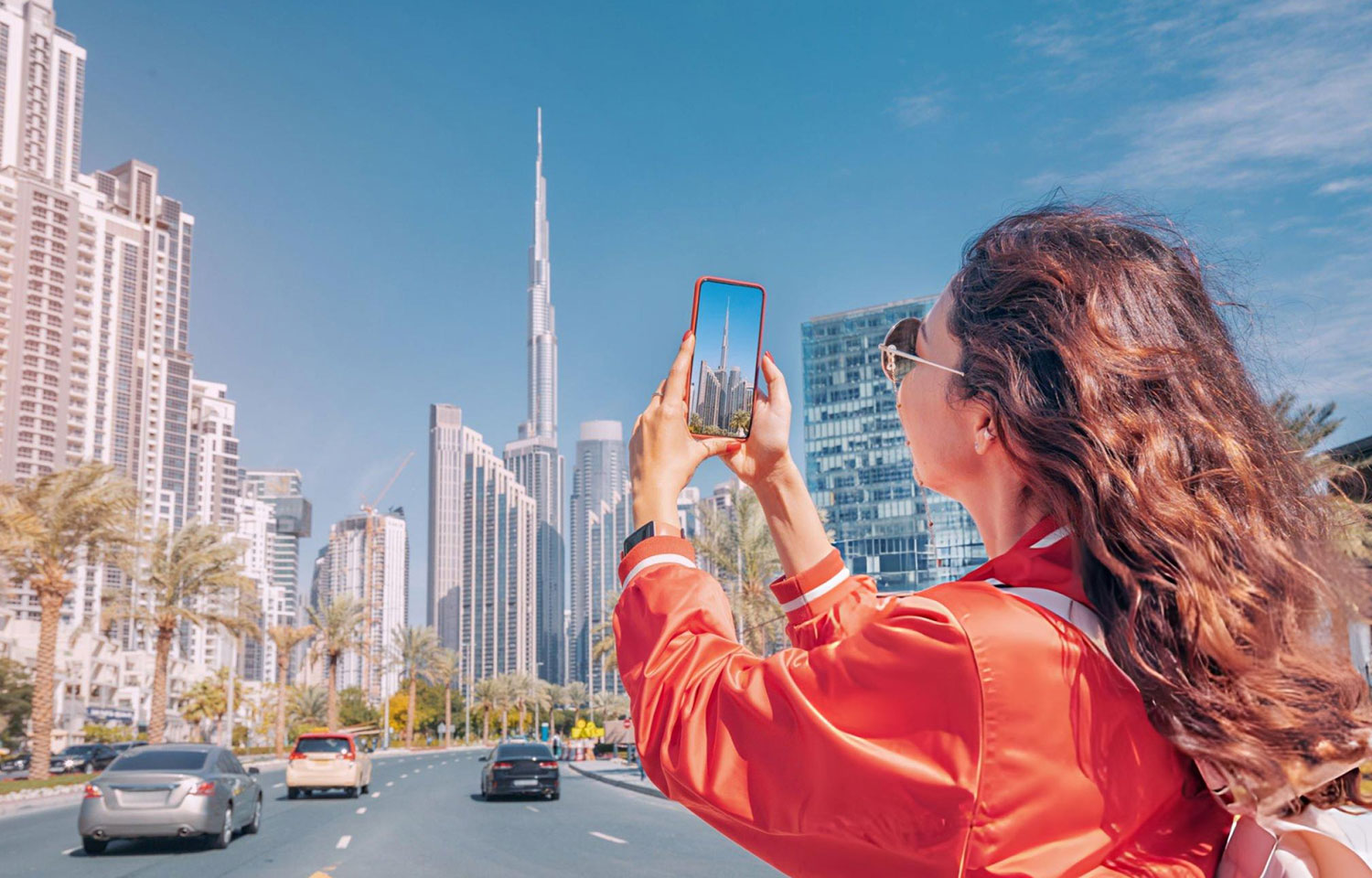
Dubai is generally considered a safe destination for tourists, with strong security infrastructure, well-developed public facilities, and reliable emergency services. However, visitors should still take normal travel precautions and understand the local laws and conditions that can affect their trip.
For most tourists, the main safety considerations are road traffic, extreme heat and sun exposure, beach and water activities, desert excursions, protecting personal belongings, tourist scams, and following UAE laws and local customs. Travelers should also check current government travel advice before departure, as regional security developments can affect flights, airspace, and travel conditions.
This Dubai safety guide from Tripidays explains what tourists need to know before and during their visit, including everyday safety precautions, transportation, local laws, solo and family travel, emergencies, nighttime safety, and common tourist scams. If you are planning to combine Dubai with an Egypt vacation, you can also explore Egypt and Dubai packages to see how the two destinations can be planned into one trip. The goal is to help travelers understand the practical side of visiting Dubai so they can prepare confidently and travel responsibly.
Is Dubai Safe for Tourists?
Yes, Dubai is generally safe for tourists. Visitors typically encounter low levels of everyday street crime, and the city has extensive security infrastructure and well-established tourist services.
That does not mean there are no risks. Tourists should still protect valuables, use reputable transportation, take care in traffic, stay hydrated in hot weather, and follow local laws.
The most important distinction is between low everyday crime risk and the need to remain aware of your surroundings. Travelers should also check current government travel advice before departure because regional events can affect flights, airspace, or broader security conditions even when everyday life in Dubai remains normal.
How Safe Is Dubai for Travelers?
Dubai is designed to accommodate a large international visitor population, and tourists can generally move around the city using established transportation, hotels, attractions, and public facilities.
For most visitors, safety is less about avoiding particular neighborhoods and more about making sensible decisions throughout the trip.
Keep these basic principles in mind:
- Keep passports, phones, wallets, and other valuables secure.
- Use official or reputable transportation services.
- Be cautious around roads and traffic.
- Protect yourself from heat and sun exposure.
- Follow safety instructions during desert, beach, and water activities.
- Avoid confrontations and respect local laws.
- Keep emergency contact numbers accessible.
- Check current travel advice before departure.
Dubai’s safety environment also benefits from extensive police and emergency infrastructure. The UAE government’s official emergency guidance lists 999 for police, 998 for ambulance, and 997 for fire and Civil Defence.

Is Dubai Safe to Visit Right Now?
Safety conditions can change, so this is one part of your trip planning that should be checked shortly before departure rather than relying on an old blog post.
In September 2026, official UK travel advice notes continuing regional tensions and warns that developments elsewhere in the region can lead to flight cancellations, airspace disruption, or other travel changes. Travelers should monitor official advice from their government, follow instructions from UAE authorities, and check with their airline if there are regional disruptions.
This does not replace the everyday safety advice in this article. It is simply a reminder that destination safety and regional travel conditions are two different questions.
Before flying, check:
- Your government’s latest UAE travel advice
- UAE and Dubai official announcements
- Your airline’s latest flight information
- Travel insurance coverage
- Any changes affecting your route or destination
Do not rely on a travel article as the sole source for rapidly changing security information.
If you are still organizing the wider trip, our guide to planning a Dubai vacation, including transport, timing, and practical travel preparation, can help you put these details together.
Common Safety Concerns in Dubai
Dubai is not a risk-free destination, but the concerns most tourists encounter are usually practical rather than dramatic.
Petty theft and lost belongings
Take normal precautions in crowded places such as shopping areas, public transportation, markets, and busy tourist attractions.
Keep your phone and wallet secure and avoid leaving valuable belongings unattended at beaches, restaurants, or public spaces.
Road and traffic safety
Traffic can be one of the more important everyday risks for visitors.
Use designated pedestrian crossings, pay attention when crossing roads, and avoid assuming that drivers will always stop simply because you have priority.
If you rent a car, understand local driving rules and allow for unfamiliar roads, highways, and traffic conditions.
Heat and sun exposure
Dubai’s hot climate can create a more immediate physical risk than petty crime, particularly during the hottest periods.
Drink water regularly, use sun protection, take breaks in air-conditioned spaces, and avoid spending long periods outdoors during the hottest part of the day.
This is particularly important for children, older travelers, and anyone who is not accustomed to intense heat.
Beach and sea safety
Follow posted warnings and lifeguard instructions when swimming.
Do not underestimate conditions simply because a beach appears calm, and use additional caution with water sports or activities provided by tour operators.
Desert activities
Desert safaris can be safe and enjoyable when operated by reputable providers and when visitors follow the driver’s and guide’s instructions.
Wear appropriate clothing, stay hydrated, use seat belts where provided, and follow safety instructions during dune driving or other activities.
Crowds and public events
Stay aware of your surroundings in busy tourist areas, shopping centers, transport hubs, and large events.
Keep valuables secure and establish a meeting point if traveling with children or a group.
Dubai Laws Tourists Should Know
Dubai is an international city, but visitors are still subject to UAE laws. Understanding a few important rules can help prevent avoidable problems.
The goal is not to memorize every law before your trip. Instead, understand that behaviors that may be considered ordinary or acceptable in another country can have different legal consequences in the UAE.
Respect public behavior rules
Avoid aggressive, threatening, or offensive behavior in public.
Be careful with photography
Do not photograph people without appropriate consideration, and be particularly careful around sensitive locations or situations.
Follow alcohol regulations
Alcohol consumption is subject to UAE laws and regulations. Visitors should use licensed venues and understand the rules that apply to where and how alcohol can be consumed.
Never assume that being a tourist means local laws do not apply.
Be particularly careful with drugs and prohibited substances
UAE drug laws are strict. Travelers should not carry illegal drugs or assume that substances permitted elsewhere are automatically legal in the UAE.
Medication can also require special consideration, so travelers carrying prescription or controlled medicines should check the current requirements before departure.
Respect religious and cultural places
Follow instructions at mosques and other religious or cultural sites, including any requirements concerning clothing, photography, or visitor behavior.
For broader information about Dubai’s local customs, etiquette, and cultural expectations, see our guide before your trip.
Important: Laws and regulations can change. If you are unsure whether something is permitted, check an official UAE source before traveling rather than relying on social media or outdated travel advice.
Is Public Transportation Safe in Dubai?
Yes, Dubai’s public transportation is generally safe for tourists.
The Metro, taxis, and other established transportation services are widely used by residents and visitors.
However, normal precautions still apply:
- Keep your belongings secure.
- Follow posted transportation rules.
- Stay behind safety lines and use designated boarding areas.
- Be particularly careful when crossing roads after leaving stations.
- Use licensed taxis or reputable ride-hailing services.
- Follow instructions from transportation staff.
The bigger concern for many visitors is not crime but choosing the right transportation for the distance, weather, and time of day.
If you are traveling with children, carrying luggage, or visiting areas far from Metro stations, a taxi may be more practical than relying entirely on public transportation.

Is Dubai Safe for Solo Travelers?
Yes, Dubai can be a comfortable destination for solo travelers, provided you use normal precautions and understand local laws and customs.
Solo travelers should:
- Keep someone informed of their itinerary when appropriate.
- Use reputable transportation.
- Avoid accepting rides from strangers.
- Keep their phone charged.
- Stay aware of their surroundings, particularly at night.
- Keep important documents and emergency contacts accessible.
- Choose reputable accommodation.
Women traveling alone should take particular care when traveling late at night and use reputable taxis or transportation services. Official travel advice also recommends caution when walking or traveling alone at night.
Is Dubai Safe for Women Travelers?
Dubai is generally considered a manageable destination for women traveling independently, but women should still use ordinary travel precautions and be aware of local laws and social expectations.
For example:
- Use reputable transportation.
- Be aware of your surroundings at night.
- Keep valuables secure.
- Follow local rules in public places.
- Dress appropriately for religious and cultural settings.
- Take extra care during nightlife or when consuming alcohol.
- Do not accept drinks or rides from strangers.
The key is not to approach Dubai as though you need to be constantly fearful. Instead, combine normal personal safety habits with awareness of the local environment and laws.

Is Dubai Safe for Families?
Yes, Dubai can be a good destination for families.
Many major attractions are designed to accommodate families, and the city’s transportation, hotels, shopping centers, and public facilities make family travel relatively straightforward.
Parents should pay particular attention to:
- Heat and dehydration
- Sun exposure
- Swimming and beach safety
- Traffic and road crossings
- Keeping children close in crowded places
- Safe transportation
- Age and height requirements for attractions
- Emergency contact information
When traveling with children, build breaks into your sightseeing schedule rather than trying to visit attractions continuously throughout the day.
Common Tourist Scams to Watch For
Dubai is not known for the type of widespread street scams found in some tourist destinations, but visitors can still encounter misleading offers, unofficial services, or attempts to take advantage of tourists.
Use these precautions:
Be cautious with unsolicited offers
If someone approaches you with an unexpected investment, shopping, tour, transportation, or service offer, verify the provider before paying.
Check prices before accepting a service
Confirm the price of tours, transportation, activities, or other services before committing.
Use established providers
Book important tours, transfers, and experiences through reputable companies or recognized platforms.
Protect your payment information
Do not give card details or personal information to suspicious individuals or websites.
Be careful with property or investment offers
Tourists should be especially cautious about unsolicited property or investment opportunities. If you are considering a major financial transaction, obtain independent professional advice rather than relying on an unexpected salesperson.
The safest approach is simple: if an offer seems unusually urgent, unusually profitable, or unclear about its price, stop and verify it before paying.
What to Do in an Emergency in Dubai
Knowing what to do before an emergency happens can save valuable time.
The UAE’s official emergency numbers are:
| Emergency | Number |
| Police | 999 |
| Ambulance | 998 |
| Fire / Civil Defence | 997 |
These numbers are listed by the official UAE government.
Dubai Police also provides 901 for non-emergency inquiries, while 999 should be used for police emergencies.
If you are involved in a serious incident:
- Move to a safe location if possible.
- Contact the appropriate emergency service.
- Follow instructions from local authorities.
- Contact your travel insurer when appropriate.
- Keep your passport and important travel documents accessible.
- Contact your embassy or consulate if you need consular assistance.
Save the emergency numbers on your phone before your trip rather than trying to find them during an emergency.
Dubai Safety Tips for First-Time Visitors
You do not need an extensive list of complicated rules to travel safely in Dubai. These practical habits cover most situations:
- Keep valuables secure, particularly in crowded areas.
- Use reputable transportation rather than accepting unsolicited rides.
- Take the heat seriously and stay hydrated.
- Follow beach and water-safety instructions.
- Use reputable operators for desert activities.
- Understand basic UAE laws before traveling.
- Be careful when photographing people or sensitive locations.
- Respect religious and cultural settings.
- Keep emergency numbers accessible.
- Check current travel advice before departure.
- Keep important documents backed up.
- Trust your judgment if a situation feels suspicious or unsafe.
The goal is not to travel anxiously. It is to know the main risks before they become problems.

What Should Tourists Avoid Doing in Dubai?
Visitors should avoid behavior that could create unnecessary legal or safety problems.
In particular, avoid:
- Carrying or using illegal drugs.
- Ignoring local laws because you are a tourist.
- Aggressive or offensive public behavior.
- Photographing people or sensitive locations without considering privacy and local restrictions.
- Ignoring warnings at beaches or during outdoor activities.
- Accepting suspicious offers from strangers.
- Leaving valuable belongings unattended.
- Underestimating the heat.
- Driving carelessly or crossing roads without paying attention.
- Ignoring current travel advisories during periods of regional tension.
When in doubt, choose the more cautious option and check an official source.
Is Dubai Safe to Visit Alone at Night?
Dubai can generally be explored alone at night, but normal precautions are still important.
Choose well-used areas, use reputable transportation, avoid accepting rides from strangers, keep your phone charged, and remain aware of your surroundings.
Solo travelers should be particularly careful if they have been drinking or are unfamiliar with the area. Official travel advice recommends additional caution for people traveling or walking alone at night, particularly women.
Is Dubai Safe for First-Time Visitors?
Yes. Dubai is generally a safe destination for first-time visitors. The most important preparation is understanding the practical risks rather than worrying about everyday crime.
Before your trip, learn the basic local laws, plan how you will get around, prepare for the climate, choose reputable activity providers, and save emergency numbers.
You should also check current travel advice shortly before departure because regional security conditions can change independently of the everyday safety environment in Dubai.

Final Thoughts: Is Dubai Safe to Visit?
For most travelers, yes, Dubai is generally safe to visit. The city has extensive security and emergency infrastructure, and tourists can enjoy its attractions, transportation, beaches, shopping areas, and neighborhoods while following sensible precautions.
The biggest mistake would be treating safety as something that only means avoiding crime. In Dubai, practical awareness also means respecting local laws, taking the heat seriously, choosing reputable transportation and activity providers, and paying attention to current regional travel conditions.
Travel confidently, but stay informed. Check official advice before departure, follow local instructions, and use common sense throughout your trip.