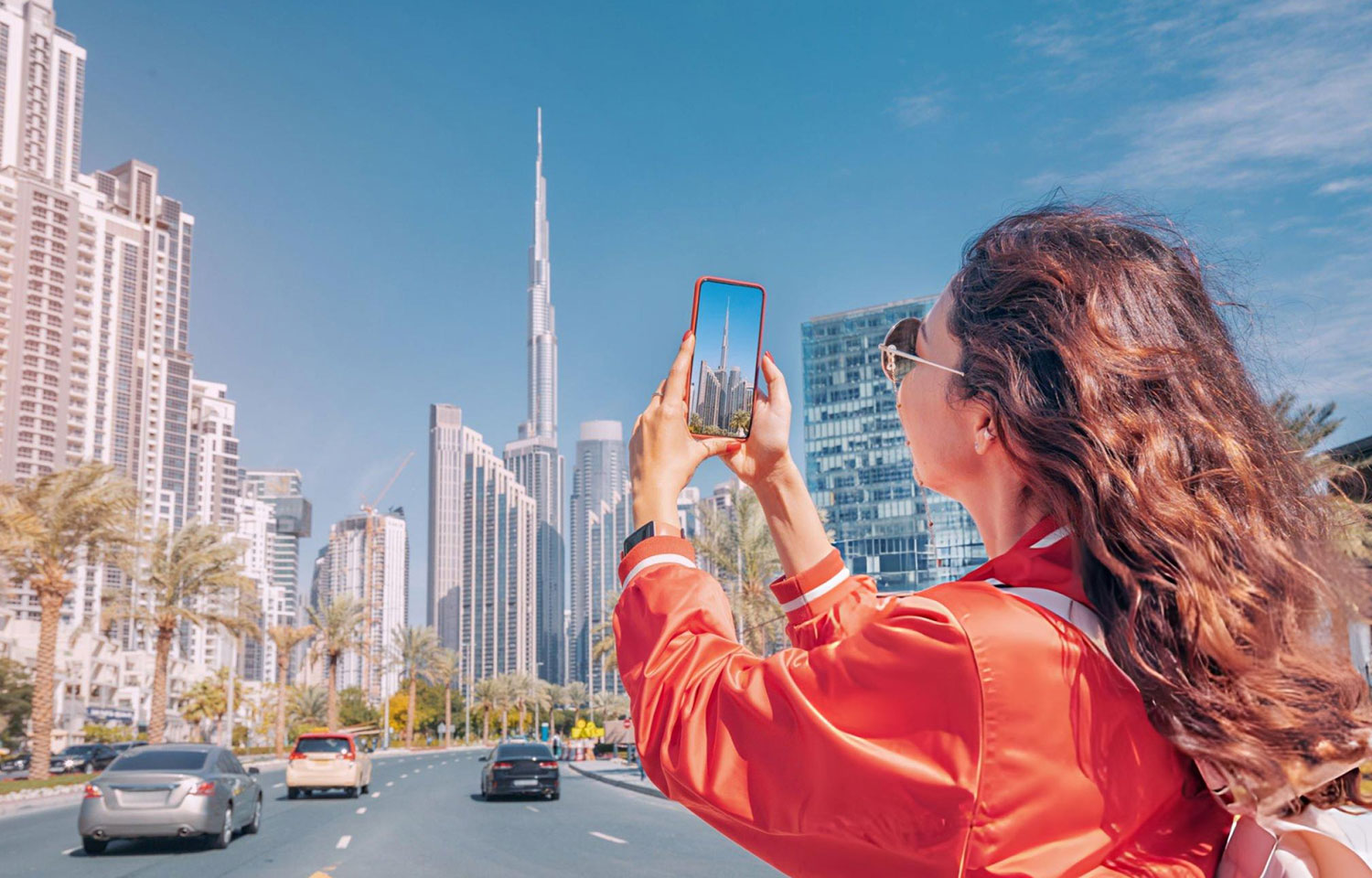
Planning a trip to Dubai is much easier when you make the main decisions in the right order. First, choose when to visit, decide how many days you need, and pick an area that fits your plans. Then set your budget, choose your priority experiences, check entry requirements, arrange transportation, and build a realistic itinerary.
The key is not to try to see everything. Dubai combines futuristic landmarks, traditional neighborhoods, beaches, desert experiences, shopping, dining, and cultural attractions across a large city. A good plan gives you enough structure to make the most of your time without turning every day into a race between attractions.
Tripidays makes you a guide that takes you through the process step by step, from choosing your travel dates to completing your final pre trip checklist.
Step 1: Choose the Best Time to Visit Dubai
The best time to visit Dubai depends on what you want to do, your tolerance for heat, and your travel budget.
For travelers who want to spend significant time outdoors, walk around the city, visit beaches, explore traditional neighborhoods, or enjoy a desert experience, the cooler months are generally more comfortable. The hotter months can still work well for travelers who plan to spend more time in hotels, malls, indoor attractions, and other air-conditioned spaces.
When choosing your dates, consider more than temperature. Crowds, hotel prices, events, and the activities you want to enjoy can all affect your experience.
Choose your travel season based on your priorities
- Outdoor sightseeing: Cooler weather is generally more comfortable.
- Beach time: Consider temperatures and humidity before booking.
- Desert activities: Check seasonal conditions and choose a suitable time of day.
- Shopping and indoor attractions: These are possible throughout the year.
- Lower-cost travel: Compare accommodation prices across different periods rather than assuming one season is always cheapest.
Planning tip: Choose your travel dates before booking your hotel. Accommodation prices can vary considerably depending on when you visit.
Step 2: Decide How Many Days You Need in Dubai
Your ideal Dubai trip length depends on how many experiences you want to include and how quickly you like to travel.
For many first-time visitors, 3 to 5 days is a practical starting point. A three day trip can cover major highlights, while five days gives you more time for beaches, desert experiences, Old Dubai, shopping, and relaxed sightseeing.
Don’t fill every day from morning to night
Dubai is spread across different areas, and moving between attractions can take time. A packed itinerary may look impressive on paper but leave you spending too much of your vacation in traffic or rushing from one reservation to another.
Instead, choose your priorities and leave some space between major activities.
If you are unsure how much you can realistically fit into your trip, start by deciding whether you want a short highlights trip, a balanced first visit, or a slower holiday. Your answer will make the rest of the itinerary much easier to build.
Step 3: Where Should You Stay in Dubai?
Choosing where to stay is one of the most important Dubai planning decisions because your hotel location can affect both your daily travel time and your overall experience.
You do not need to stay next to every attraction. Instead, choose an area that matches the type of trip you want to have.
Downtown Dubai
Downtown is a strong choice for first time visitors who want to stay close to some of Dubai’s most recognizable modern landmarks.
It is convenient for experiences around:
- Burj Khalifa
- Dubai Mall
- Downtown Dubai
- Modern restaurants and entertainment
- Dubai’s central skyline
Choose Downtown if seeing the city’s iconic modern side is a major priority.
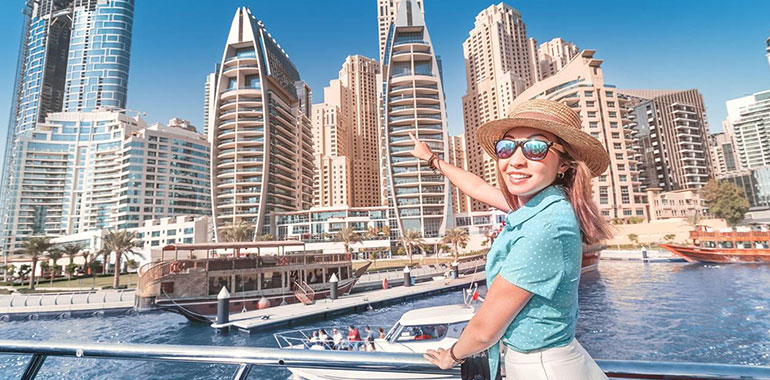
Dubai Marina
Dubai Marina suits travelers looking for a modern waterfront atmosphere.
It can work well if your plans include:
- Marina walks
- Waterfront dining
- Beach time
- Modern high-rise views
- Easy access toward Palm Jumeirah and Jumeirah
Jumeirah
Jumeirah is a good option for travelers who want a more relaxed combination of beaches, resorts, restaurants, and coastal attractions.
It can be especially appealing if you want to balance sightseeing with time by the water.
Deira and Bur Dubai
For a different side of the city, consider staying around Deira or Bur Dubai.
These areas provide easier access to parts of Old Dubai, including traditional markets, historic neighborhoods, and Dubai Creek. They can also appeal to travelers looking for a more traditional atmosphere or a wider range of accommodation options.
Palm Jumeirah
Palm Jumeirah is particularly suited to travelers prioritizing resorts, beaches, waterfront views, and luxury experiences.
The trade-off is that some major city attractions are farther away, making transportation more important.
How to choose the right area
Before booking, ask:
- Where will I spend most of my time?
- Do I want beaches or city attractions nearby?
- Will I use the Metro regularly?
- Am I traveling with children?
- Do I prefer modern Dubai or Old Dubai?
- How much time am I willing to spend traveling each day?
The best location is the one that supports your itinerary, not necessarily the one with the most famous hotels.

Step 4: Set Your Dubai Trip Budget
Your Dubai travel budget depends on your travel style, travel dates, accommodation, dining choices, transportation, and the attractions you want to visit.
Instead of choosing one total number immediately, divide your budget into the main categories.
Accommodation
Hotel prices vary according to location, season, hotel category, and demand.
A luxury resort on Palm Jumeirah will create a very different budget from a simpler hotel in another part of the city.
Food
Dubai offers everything from inexpensive local and casual dining to high-end restaurants.
Decide whether dining is simply a practical part of your trip or one of the experiences you want to prioritize.
Transportation
Include your expected spending on:
- Metro and public transportation
- Taxis
- Ride-hailing
- Airport transfers
- Rental cars, if needed
Attractions and experiences
Major attractions, tours, cruises, desert safaris, and special experiences can add significantly to your total.
Make a list of the experiences you consider essential before booking everything else.
Shopping
If shopping is one of your main reasons for visiting Dubai, keep it separate from your basic travel budget. That makes it easier to understand how much your actual trip costs.
Don’t forget the smaller expenses
Your budget may also need to include:
- Travel insurance
- SIM or eSIM
- Visa or entry-related costs, if applicable
- Tips
- Snacks and drinks
- Airport transfers
- Unexpected transportation
Budget tip: Don’t automatically choose the cheapest hotel. A more convenient location can sometimes reduce transportation costs and save valuable sightseeing time.
Step 5: Choose Your Dubai Experiences
Before building your itinerary, decide what you want your Dubai trip to feel like. This makes it easier to choose experiences that fit your available time, budget, and interests instead of trying to visit every famous place.
A first-time trip can combine several sides of Dubai, but you do not need to include everything.
Modern city experiences
If you enjoy architecture, shopping, and contemporary city life, you may want to build part of your itinerary around Downtown Dubai, Dubai Mall, Burj Khalifa, and Dubai Marina.
Historic and local experiences
If you are more interested in Dubai’s earlier history and traditional atmosphere, allow time for areas such as Al Fahidi Historical Neighbourhood, Dubai Creek, Deira, and the traditional souks.
Desert and outdoor experiences
A desert experience can provide a change of pace from city sightseeing. Depending on the activity you choose, your day may include dune experiences, desert landscapes, traditional entertainment, or a meal outside the city.
Beaches and relaxation
If relaxation is important to you, leave space for Dubai’s beaches, waterfront areas, resorts, or a slower afternoon between sightseeing days.
Food and cultural experiences
Food can also shape how you plan your days. Dubai’s dining scene ranges from international restaurants to local and regional specialties. If trying traditional dishes is part of your trip, explore traditional Dubai foods and dishes worth trying before deciding which food experiences to include.
Choose experiences that fit your trip
The goal is not to create the longest possible attraction list. Instead, decide which experiences match your interests and then build your itinerary around them.
If you need ideas before making those decisions, explore Dubai’s top experiences for first-time visitors and use the suggestions to identify the activities that genuinely fit your trip.
For example, travelers interested in modern architecture may spend more time around Downtown and Dubai Marina, while travelers interested in history may give more attention to Old Dubai. Beach-focused travelers may prefer a slower schedule with fewer major sightseeing stops.
Choose your priorities first; build the daily schedule second.

Step 6: How Do You Get Around Dubai?
Dubai has several transportation options, and the best choice depends on your hotel, itinerary, budget, and group size.
Metro
Dubai Metro is particularly useful for travelers visiting areas connected to the network. It can be a practical way to avoid road traffic and reduce transportation costs.
Taxis
Taxis are convenient for door-to-door travel, especially when an attraction is not close to a Metro station or when you are traveling with luggage or children.
Ride hailing
Ride-hailing services can provide another convenient option when you want direct transportation without renting a car.
Walking
Walking is practical within individual neighborhoods, especially around waterfronts, markets, and concentrated attraction areas.
However, don’t assume that every nearby-looking attraction is comfortably walkable. Dubai’s size, road layout, and weather can make some journeys less practical on foot.
Rental cars
A rental car can make sense if your itinerary extends beyond central Dubai or includes places where public transportation is less convenient.
Planning tip: Look at your daily itinerary before deciding how you will travel. Your transportation needs may be very different on a Downtown sightseeing day compared with a desert excursion.
Step 7: Check Dubai Visa and Entry Requirements
Before booking your trip, check the current Dubai and UAE entry requirements for your nationality.
Visa requirements can vary according to your passport and circumstances. Some travelers may be eligible for visa-free entry or a visa on arrival, while others need to arrange a tourist visa before traveling.
Check:
- Passport validity
- Whether you need a visa
- Whether you qualify for visa on arrival
- Permitted length of stay
- Required documents
- Any current entry conditions
Because visa and entry rules can change, check an official UAE or Dubai tourism source close to your departure date.
Important: Check entry requirements before making non-refundable travel arrangements whenever possible.

Step 8: What Should You Pack and Wear in Dubai?
Your packing list should reflect Dubai’s climate, your planned activities, and the places you intend to visit.
For most trips, consider packing:
- Lightweight everyday clothing
- Comfortable walking shoes
- Sunglasses
- Sunscreen
- A hat or other sun protection
- Swimwear for appropriate beach or hotel settings
- A light layer for heavily air-conditioned indoor spaces
- Comfortable clothing for desert activities
- Any essential medication
- Travel adapters
- Copies of important travel documents
Clothing expectations can vary depending on where you are going.
Beachwear may be appropriate at a beach or hotel pool, while more conservative clothing is appropriate when visiting religious or cultural places. The goal is not to pack an entirely different wardrobe for Dubai. Instead, bring versatile clothing that allows you to adjust to different settings.
Step 9: Learn Dubai Culture and Local Customs
A little cultural preparation can make your trip more comfortable and help you interact respectfully with local communities. You do not need to memorize every local custom before arriving; focus on understanding the expectations that may affect your everyday travel.
Dress appropriately for different settings
Clothing expectations can vary depending on where you are going. Beachwear may be appropriate at a beach or hotel pool, while more conservative clothing is appropriate when visiting religious or cultural places.
Respect privacy
Be considerate when photographing people, particularly strangers or in private situations. When in doubt, ask permission before taking someone’s photograph.
Be mindful of public behavior
Public behavior should reflect local expectations, particularly regarding affection, language, and conduct. Visitors should also remember that local laws and social norms may differ from those in their home country.
Understand Ramadan considerations
If you visit during Ramadan, allow extra time to understand how the month may affect daily routines, dining, opening hours, and visits to cultural or religious places.
Check local expectations before visiting cultural sites
Different places may have their own expectations regarding clothing, photography, behavior, or access. Checking those requirements before visiting can help you avoid surprises and plan your day more smoothly.
For a more detailed introduction to Dubai customs, traditions, and everyday etiquette, including cultural practices and everyday interactions, see our dedicated guide before your trip.

Step 10: Build Your Dubai Itinerary
Once you know when you’re going, how long you’re staying, where you’re staying, and what you want to experience, you can start building your itinerary.
The easiest approach is to group activities by location and energy level.
Group nearby attractions together
Avoid crossing the city repeatedly in one day.
For example, activities around Downtown can be grouped, while Old Dubai can have its own sightseeing period.
Balance busy and relaxed days
Don’t schedule several major attractions back-to-back every day.
Follow a busy sightseeing period with a slower morning, beach time, shopping, or a relaxed meal when possible.
Put fixed bookings first
If you have a ticket for a major attraction, restaurant reservation, desert safari, or other timed experience, build the rest of that day’s plan around it.
Leave some free time
Free time is not wasted time.
It gives you room for:
- Unexpected discoveries
- Shopping
- Long meals
- Rest
- Traffic delays
- Changing plans
- Enjoying your hotel or resort
Don’t make your arrival and departure days too ambitious
Your first day may be affected by flight timing, luggage, hotel check-in, and fatigue.
Likewise, avoid scheduling an important attraction immediately before an international flight.
A good Dubai itinerary has structure, but it should still leave room to breathe.
Considering a Dubai and Egypt trip?
If you are planning a longer Middle East vacation rather than Dubai alone, you can also combine the city with Egypt. Our Egypt and Dubai Tours bring Dubai together with destinations such as Cairo, the Pyramids, Luxor, Aswan, and the Nile, depending on the itinerary.
This is a better option for travelers who want to experience both countries in one organized trip rather than planning the two destinations separately.
Step 11: Book Your Flights, Hotel, and Experiences
Once the basic plan is clear, start making your bookings.
A practical order is:
- Check entry requirements
- Choose your travel dates
- Book your flights
- Choose your accommodation
- Reserve major attractions
- Book important tours and experiences
- Arrange transportation where necessary
- Organize travel insurance and connectivity
What should you book in advance?
Prioritize anything that could sell out or significantly affect your itinerary.
This might include:
- Your hotel
- Major attractions
- Desert safaris
- Popular restaurants
- Special experiences
- Airport transfers, if needed
You don’t necessarily need to pre-book every meal or every hour of your trip.
Reserve the important parts and keep the rest flexible.
Step 12: Complete Your Dubai Trip Planning Checklist
Before departure, run through your final checklist.
Travel documents
- Passport checked
- Visa or entry requirements confirmed
- Flight details saved
- Hotel confirmation saved
- Travel insurance arranged
- Important documents backed up
Money and communication
- Payment cards checked
- Some local currency arranged if needed
- SIM or eSIM arranged
- Important travel apps downloaded
Itinerary
- Major attractions selected
- Important tickets booked
- Tours confirmed
- Restaurant reservations confirmed where necessary
- Airport transportation arranged if needed
- Free time included
Packing
- Comfortable walking shoes
- Weather-appropriate clothing
- Sun protection
- Swimwear where appropriate
- Light layer for air-conditioned spaces
- Travel adapter
- Essential medication
Final check
- Recheck entry requirements
- Check flight times
- Check hotel details
- Check attraction opening times
- Review the weather forecast
- Save emergency and important contact information
What Is the Best Way to Plan a First Trip to Dubai?
The best way to plan a first trip to Dubai is to choose your travel dates, decide how many days you need, select the right area to stay, set a realistic budget, choose your priority experiences, and then build your itinerary around those decisions.
You don’t need to see everything. A well-planned first trip can combine Dubai’s modern landmarks with Old Dubai, a desert experience, time by the water, good food, and enough free time to actually enjoy the city.
The most important principle is to plan around your interests rather than copying someone else’s itinerary.
If you love architecture, prioritize Downtown and Dubai’s modern landmarks. If culture interests you more, give Old Dubai and traditional experiences more time. If you want relaxation, balance sightseeing with beaches and resort time. If you’re traveling with children, choose attractions and transportation with their pace in mind.
Final Dubai Trip Planning Tips
Before you finalize your trip, remember:
- Choose your travel season based on what you want to do.
- Give yourself enough days to enjoy Dubai without rushing.
- Choose your hotel based on your itinerary and preferred experience.
- Group attractions by location to reduce unnecessary travel.
- Book important experiences in advance but leave room for flexibility.
- Check visa and entry requirements before traveling.
- Respect local customs, especially at religious and cultural sites.
- Leave free time in your itinerary.
Dubai is easiest to enjoy when you treat it as more than a list of famous attractions. Plan the essentials, organize your days around location and priorities, and leave enough flexibility to experience the city at your own pace.